
Tabelog 100 #60
Our verdict
Ban'ya is a Hachinohe izakaya shaped by the city’s fishing-port logic: seafood, regional cooking, sake and shochu rather than chef-led theatre. Its Tabelog 100 Izakaya EAST selections in 2024 and 2025 place it in a serious regional drinking-house tier, with a compact room and a price band that keeps the focus on ingredients rather than ceremony.

Pearl is the En Primeur Club membership app, where members save venues, book tables and use the concierge.
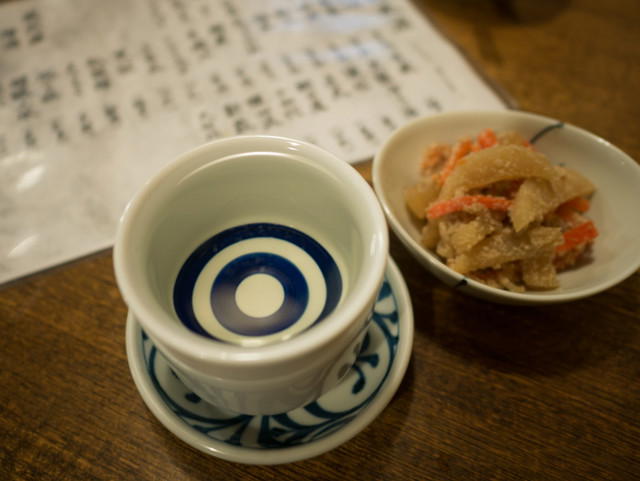
In Hachinohe, the izakaya is not an afterthought to dinner; it is often dinner’s form. The city’s working relationship with the sea gives its drinking rooms a different centre of gravity from polished Tokyo or Kyoto counters. Fish comes first, sake follows, and the room decides whether the night feels like a neighbourhood meal or staged performance.
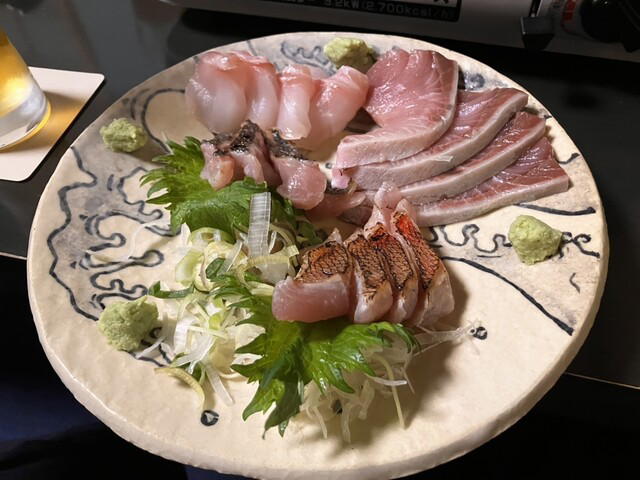
Ban'ya sits in that Hachinohe tradition: a small izakaya and regional-cooking address where seafood is the organising principle, not a decorative category. The signal is not a long chef biography or tasting-menu manifesto, but fish-focused cooking, nihonshu and shochu, and recognition in Tabelog 100 Izakaya EAST in both 2024 and 2025. For a city many travellers know more as a gateway to northern Honshu than as a dining destination, that matters.
Hachinohe's seafood izakaya culture, stripped of metropolitan theatre
Japan’s serious izakaya culture splits into several schools. In large cities, the format can become a reservation sport, craft-sake showcase, or chef-led small-plates counter priced against kappo and casual kaiseki. In fishing towns, the logic is more direct: how confidently a room handles local seafood, how naturally drinks fit the food, and whether a group can eat well without turning the evening into a rule-heavy event.
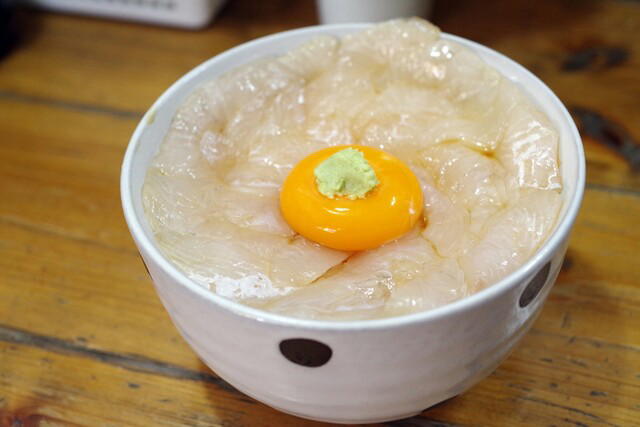
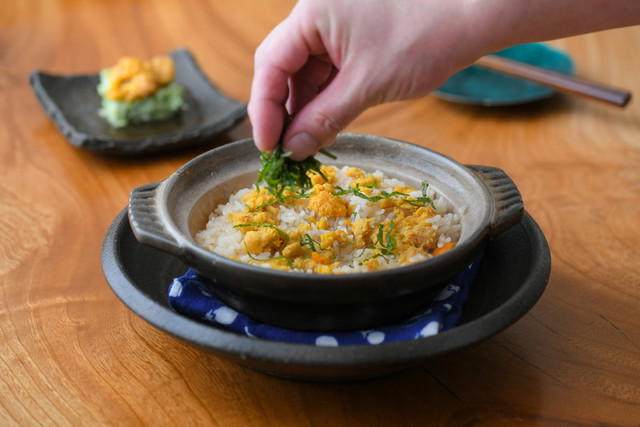
Ban'ya belongs to the latter camp. Its categories, izakaya, regional cuisine and seafood, say more than a polished concept statement. The fish emphasis connects it to Hachinohe’s port identity, where squid, mackerel and cold-water seafood sit on the everyday table. Specific dishes vary too much to invent a fixed script, but the editorial read is clear: ingredient supply matters more than menu typography.
The price band also tells a useful story. At JPY 4,000 to JPY 4,999 for dinner, Ban'ya shares a bracket with ROSE GARDEN in Hachinohe, while sitting above the more casual spend associated with out-of-metro Minato Shokudo. That does not make it formal; it places it in a middle tier for a proper evening meal with drinks, not a quick bowl or snack-led stop. For a broader read on the city’s dining range, Our full Hachinohe restaurants guide is the better starting point.
A compact room changes how the night works
Small izakaya rooms reward travellers who understand pace. Ban'ya has 20 seats, including 8 at the counter and 3 four-seat tables, built for close-range eating rather than anonymity. The counter suits pairs who want the meal anchored in kitchen and bar rhythm; tables suit friends, matching how this category often works in regional Japan: shared plates, repeated pours, and a slower evening than “casual tavern” suggests in English.
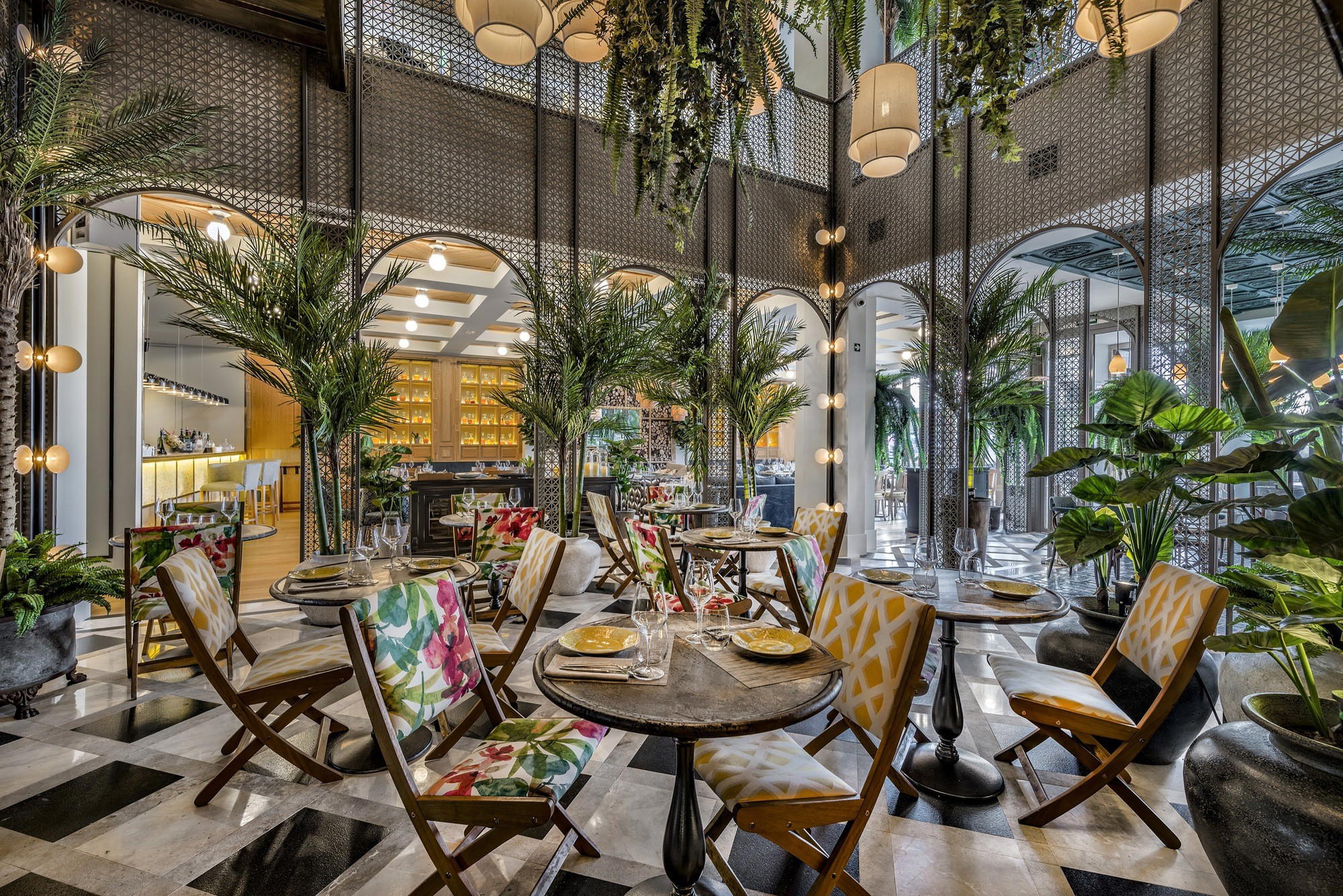
The atmosphere is house-restaurant intimacy, not urban spectacle. Non-smoking status removes one common friction point for international travellers, while the absence of private rooms keeps social energy in the main space. The practical consequence is simple: small room, seafood-led cooking, drinks as part of the meal, and little distance between guest and working rhythm.
Recognition separates serious local izakaya from merely convenient ones. Tabelog’s Hyakumeiten selections are not Michelin stars, but in Japan they carry a different signal: repeated attention from a dining platform heavily used by local diners. Ban'ya’s appearance in the 2024 and 2025 Izakaya EAST lists, with a 2025 score of 3.60, places it inside a selective regional conversation rather than a tourist-facing one. That is especially relevant in Hachinohe, where better meals are not always wrapped in luxury cues.
Comparison inside Hachinohe is more useful than comparison with Tokyo. Homura and カーサ・デル・チーボ point toward different dining decisions in the same city, while Ban'ya stays in the local izakaya lane: fish, regional cooking, and drink compatibility. Travellers building a wider Hachinohe itinerary can pair that decision with Our full Hachinohe hotels guide, Our full Hachinohe bars guide, Our full Hachinohe wineries guide, and Our full Hachinohe experiences guide rather than treating the meal as isolated.
How to read the drinks, the spend and the wider Japan context
The drinks list is part of the editorial argument. Nihonshu and shochu are not generic add-ons in a fish-led izakaya; they structure how grilled, simmered, raw or simply seasoned seafood moves across a table without wine-pairing choreography. In northern Japan, that matters. Sake has the acidity, texture and regional familiarity to meet fish without fine-dining language.
Ban'ya’s cash-only payment setup and no-parking note are reminders that smaller regional rooms often operate on local assumptions. The smarter traveller arrives with cash, does not expect large-party apparatus, and reads the room as a compact local izakaya rather than a concierge-managed restaurant. The absence of an official website also shifts the burden onto planning discipline, not improvisation.
Seen against a broader Japan dining map, this is not the same decision as choosing -Grilled beef Sukiyaki- KAMAKURA TANUKIAN 鎌倉 たぬき庵 in Kamakura. 鮪と炭火焼き うお炭 秋葉原店 in Tokyo.cafe in Osaka.know in Kumamoto, (Shoku) Vietnam in Kawasaki, [Curry Senmon Ten] Maruyama Kyoju. in Sapporo, [ki:] in Kyoto, or #肉といえば松田 奈良本店 in Kashihara. Those names represent different urban appetites and formats. Ban'ya is useful because it keeps focus on a port city’s grammar: fish, regional cooking, sake, shochu and a room small enough to feel local.
For overseas readers calibrating Japanese casual dining from Los Angeles or Pasadena references, it is also a different proposition from Jōdo Saké Bar in Los Angeles or Onigiri Time in Pasadena. Those can translate aspects of Japanese drinking or rice culture abroad. Hachinohe’s izakaya culture does not need translation; it needs attention to place. Ban'ya earns its itinerary space when the goal is not spectacle, but a compact, seafood-centred evening in a city where the port still shapes the table.
Frequently asked questions
Can I bring kids to Ban'ya?
Ban'ya is a 20-seat izakaya at 4 Tsuitachimachi, Hachinohe, with an 8-seat counter and 3 four-seat tables. Those details are not published. Check the venue's official channels for the latest details.
What should I expect atmosphere-wise at Ban'ya?
Expect a compact room built around counter seating rather than large-group dining. The listing describes it as a "hideout" and a house restaurant, with a relaxing space, which fits an izakaya that prioritizes fish, sake, and shochu over polish.
What's the price range at Ban'ya?
Pricing at Ban'ya is listed as JPY 4,000 - JPY 4,999.
What are the operating hours at Ban'ya?
Hours at Ban'ya: Mon: 6–11 PM; Tue: 6–11 PM; Wed: 6–11 PM; Thu: 6–11 PM; Fri: 6–11 PM; Sat: 6–11 PM; Sun: Closed.
Where exactly is Ban'ya?
Ban'ya is located in Hachinohe.
What do critics highlight about Ban'ya?
Tabelog selected Ban'ya for its Izakaya EAST "Tabelog 100" list in 2025, and it also appears in the 2024 selection. The listing points to fish as the focus, alongside sake and shochu, so the critical read is clear: this is a seafood-led izakaya with a serious drinks program in Hachinohe.
How It Stacks Up
Comparable venues by cuisine and price in the same metro.
| Venue | Cuisine | Price | Awards | Notes |
|---|---|---|---|---|
| Ban'yaThis venue (the venue you are viewing) | Traditional Japanese Izakaya | Not listed | Tabelog 100 #60 | Not listed |
| Homura | Seasonal Japanese Kappo / Kaiseki-style Dining | $50–100 | Tabelog 100 #47 | Ichibancho |
| カーサ・デル・チーボ | Italian with Aomori Local Ingredients | $100–150 | Tabelog Bronze #42 | Minatotakadai |
| ROSE GARDEN | Classic Japanese cocktail bar | $30–50 | Tabelog 100 #66 | Hon-Hachinohe |
| やまざと | Traditional Japanese Soba | Not listed | Not listed | 西祖谷山村 |
| Akaishi Shokudou | Okinawan Yaeyama Soba | $10–20 | Not listed | Ibaruma |
Recognition history
Dated appearances from independent guides and award organizations, with the underlying list record or original source where available.
Tabelog 100 #60 · No. 60
Tabelog · Tabelog 100 - Izakaya - EAST - 2025
Continue exploring
More in Hachinohe
Details
- Cozy
- Classic
- Intimate
- Solo
- Casual Hangout
- After Work
- Group Dining
- Standalone
- Sake Program
- Beer Program
- Local Sourcing
- Sustainable Seafood
- A La Carte
- Counter Dining
- Sake
- Shochu
- Beer
- Pescatarian Friendly
Current opening hours
- Monday
- 6–11 PM
- Tuesday
- 6–11 PM
- Wednesday
- 6–11 PM
- Thursday
- 6–11 PM
- Friday
- 6–11 PM
- Saturday
- 6–11 PM
- Sunday
- Closed
Hours can change for holidays and private events. Hours as of .
A low-key, retro izakaya atmosphere with a relaxing, hideout-like feel and counter seating that encourages close conversation.