Skip to Main Content
Hachinohe Italian With Local Ingredients

Google: 4.5 · 178 reviews

← Collection
Hachinohe, Japan

カーサ・デル・チーボ

Price≈$30
Dress CodeSmart Casual
ServiceUpscale Casual
NoiseQuiet
CapacityIntimate

カーサ・デル・チーボ sits in Hachinohe's Minato Takadai district, a port-adjacent neighbourhood where the supply chain between sea and table is measured in minutes rather than hours. The restaurant's Italian-inflected name points to a kitchen built around the idea of food as sustenance and place, drawing on Aomori's deep larder of cold-water seafood, mountain vegetables, and heritage livestock. For travellers willing to move beyond Japan's metropolitan dining circuit, this address offers a different kind of argument about ingredient provenance.

Pearl is the En Primeur Club membership app — saves, bookings, and concierge access live there. Same editors, same standards.

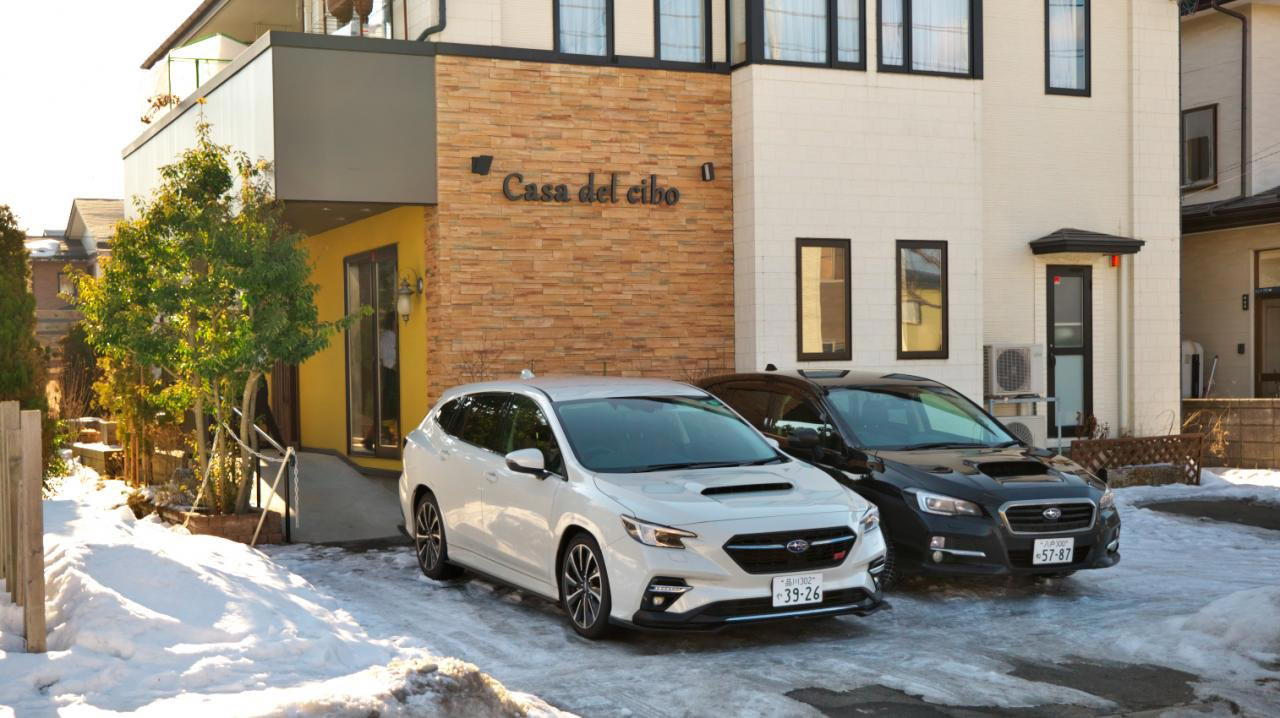
カーサ・デル・チーボ restaurant in Hachinohe, Japan
About

Where the Supply Chain Is the Story

Hachinohe occupies an interesting position in Japan's food geography. The city's port is one of the country's most productive, landing mackerel, squid, and flatfish in volumes that supply markets far down the Honshu coast. Yet most of that seafood leaves Hachinohe before local restaurants get a meaningful look at it. The dining establishments that do tap into this supply directly — by proximity, by relationship, or by design — operate with an ingredient advantage that chefs in Tokyo or Osaka have to work considerably harder to replicate. カーサ・デル・チーボ, located at Minato Takadai in the port-adjacent zone of Hachinohe, sits geographically close to that supply. Whether or how the kitchen exploits that proximity is the central question for any visitor.

Aomori Prefecture has a serious agricultural and aquatic identity that rarely travels south in the way its produce does. Hirosaki apples are distributed nationally; Aomori garlic commands a premium in urban supermarkets; cold-water flounder and sea urchin from the Tsugaru Strait reach Tokyo's highest counters, including the kind of sushi rooms reviewed alongside Harutaka in Tokyo. The paradox is that eating these ingredients in the prefecture where they are grown or caught tends to require local knowledge rather than reservation systems or public recognition. Hachinohe's dining scene reflects that dynamic: the most compelling eating here often happens in rooms with limited visibility beyond the city itself.

The Name and What It Signals

The restaurant's name translates roughly from Italian as "house of food" or "house of sustenance" , a framing that positions it closer to European trattoria logic than to the category-precise formats common in Japan's metropolitan dining hierarchy. Japanese cities at the ¥¥¥¥ tier, from the kaiseki rooms of Kyoto (see Gion Sasaki) to the innovative French programs in Osaka like HAJIME, tend to operate with tightly defined genre identities. A name that invokes a house of food rather than a specific technique or tradition implies a different kind of ambition: one organised around hospitality and produce rather than around a formal menu structure.

That positioning places it in a category that has grown steadily in Japan's regional cities over the past decade. Venues in smaller prefectural cities , including addresses tracked by EP Club in places like Nanao and Takashima , have increasingly built programs around local produce identity rather than imported genre conventions. The Aomori context makes that approach coherent: the prefecture's larder is deep enough to sustain a kitchen that takes sourcing seriously without needing to import credibility from elsewhere.

Hachinohe's Ingredient Geography

Understanding what カーサ・デル・チーボ could reasonably draw on requires a brief map of the area's food resources. The Pacific coast here yields cold-water species that benefit from the mixing of the Oyashio and Tsugaru currents: squid fishing is industrially significant from July through October, mackerel peaks in autumn, and shellfish including scallops and abalone are farmed along the rocky coastline south toward Iwate. Inland, the Sanriku foothills and the Tohoku mountain range supply mountain vegetables (sansai) in spring, wild mushrooms through autumn, and an agricultural belt that includes some of Japan's better-regarded buckwheat and root vegetable production. Any kitchen in this city that is paying attention to its address has material to work with across most of the calendar year.

That seasonal depth is the kind of supply context that drives the programs at well-regarded regional operations across Japan, from Goh in Fukuoka, which draws on Kyushu's agricultural diversity, to akordu in Nara, where the menu maps directly onto Yamato's farming calendar. In each case, the restaurant's identity is less about technique than about which suppliers the kitchen has chosen to make visible. The sourcing decisions are the editorial.

The Setting: Minato Takadai

The Minato Takadai address puts the restaurant in a residential-commercial district refined slightly above the port flats. This is not a tourist-dense zone; Hachinohe's visitor infrastructure is modest compared to cities further down the Tohoku Shinkansen line. That relative obscurity is part of the context. Dining rooms in this part of Aomori do not depend on passing trade or hotel referrals; their customer base is predominantly local, which tends to produce menus with less tourist-accommodation in their structure. What you find on the plate is more likely to reflect what the kitchen and its regular guests consider worth eating rather than what an outside audience expects from a Japanese restaurant.

For reference, this dynamic plays out across Japan's secondary cities. In Hiroshima, Denko Sekka operates in a city that attracts visitors but maintains a local-first dining culture. Similar patterns hold in the Tohoku region, where the absence of heavy tourist infrastructure has kept restaurant programming oriented toward residents. Internationally, the equivalent might be comparing a dining destination built for locals against the more curated experiences of Le Bernardin in New York or Atomix , both of which operate inside well-defined tourist and critic circuits.

Planning a Visit

Hachinohe is accessible via the Tohoku Shinkansen, with journey times from Tokyo running approximately two hours and forty minutes to the Hachinohe station. From there, the Minato Takadai district is reachable by local bus or taxi. Because venue-specific details including phone, website, hours, and pricing for カーサ・デル・チーボ are not publicly confirmed in current records, prospective visitors should contact the restaurant through local accommodation concierge services or through Hachinohe's tourism information channels before travelling. For those building a broader Tohoku or northern Honshu itinerary, EP Club's full Hachinohe restaurants guide provides additional context on the city's dining options alongside regional comparisons including addresses in Sapporo and Nishikawa Machi. Other regional comparisons worth consulting include Bistro Ange in Toyohashi, Birdland in Sakai, Blue Ocean Steak in Nakagami District, bodai in 那智勝浦町, and Cafe Naoshima Konichiwa in Naoshima.

Signature Dishes
handmade pastavegetable plate
Frequently asked questions

Comparable Spots, Quickly

These are the closest comparables we have in our database for quick context.

At a Glance
Vibe
  • Cozy
  • Elegant
  • Intimate
  • Modern
Best For
  • Date Night
  • Special Occasion
Experience
  • Standalone
Drink Program
  • Sake Program
Sourcing
  • Local Sourcing
Dress CodeSmart Casual
Noise LevelQuiet
CapacityIntimate
Service StyleUpscale Casual
Meal PacingLeisurely

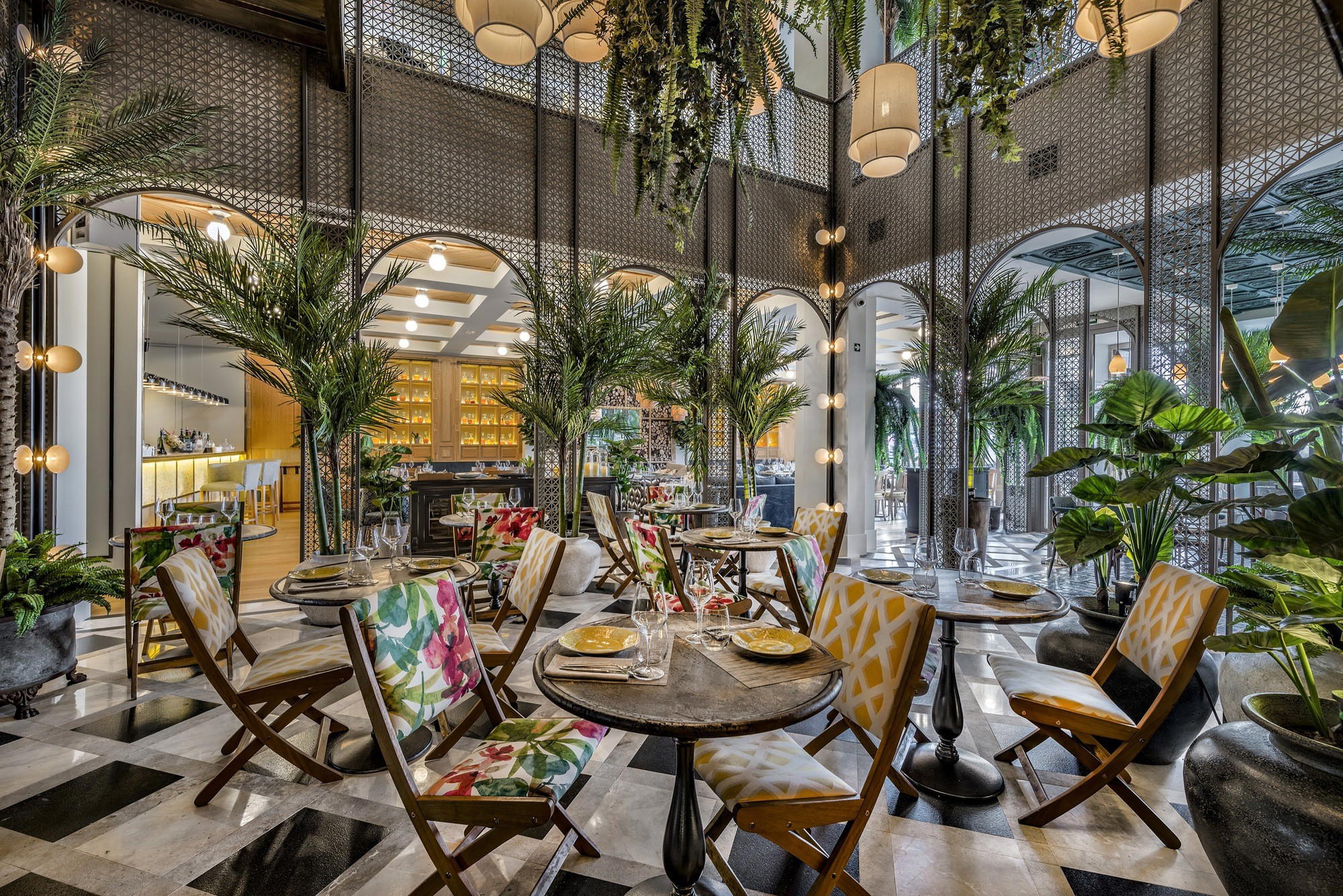
Calm, natural-modern space in a standalone house with chic, at-home atmosphere.

Signature Dishes
handmade pastavegetable plate