La Bastide
.png)

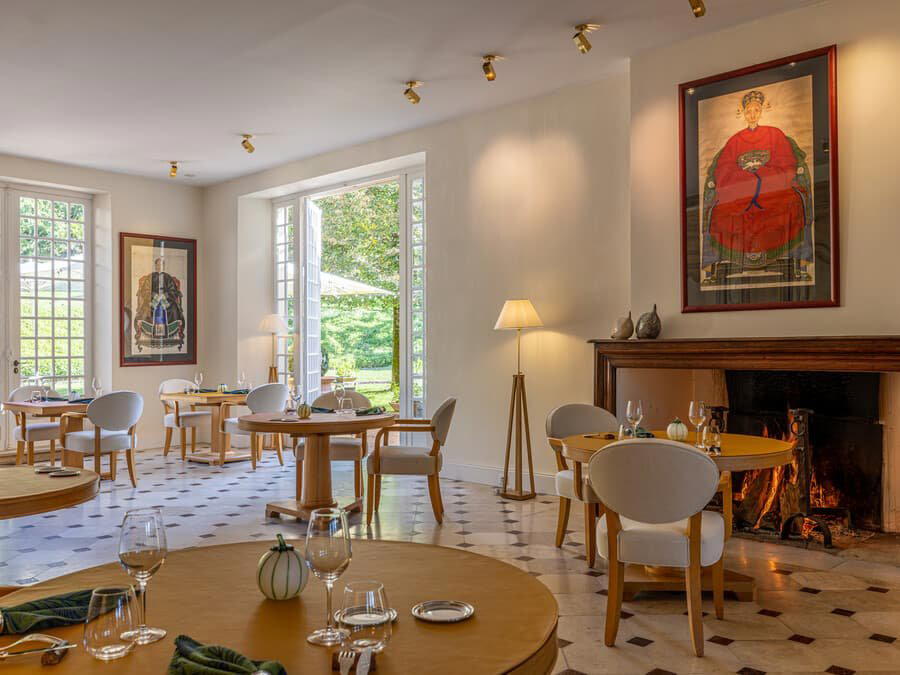
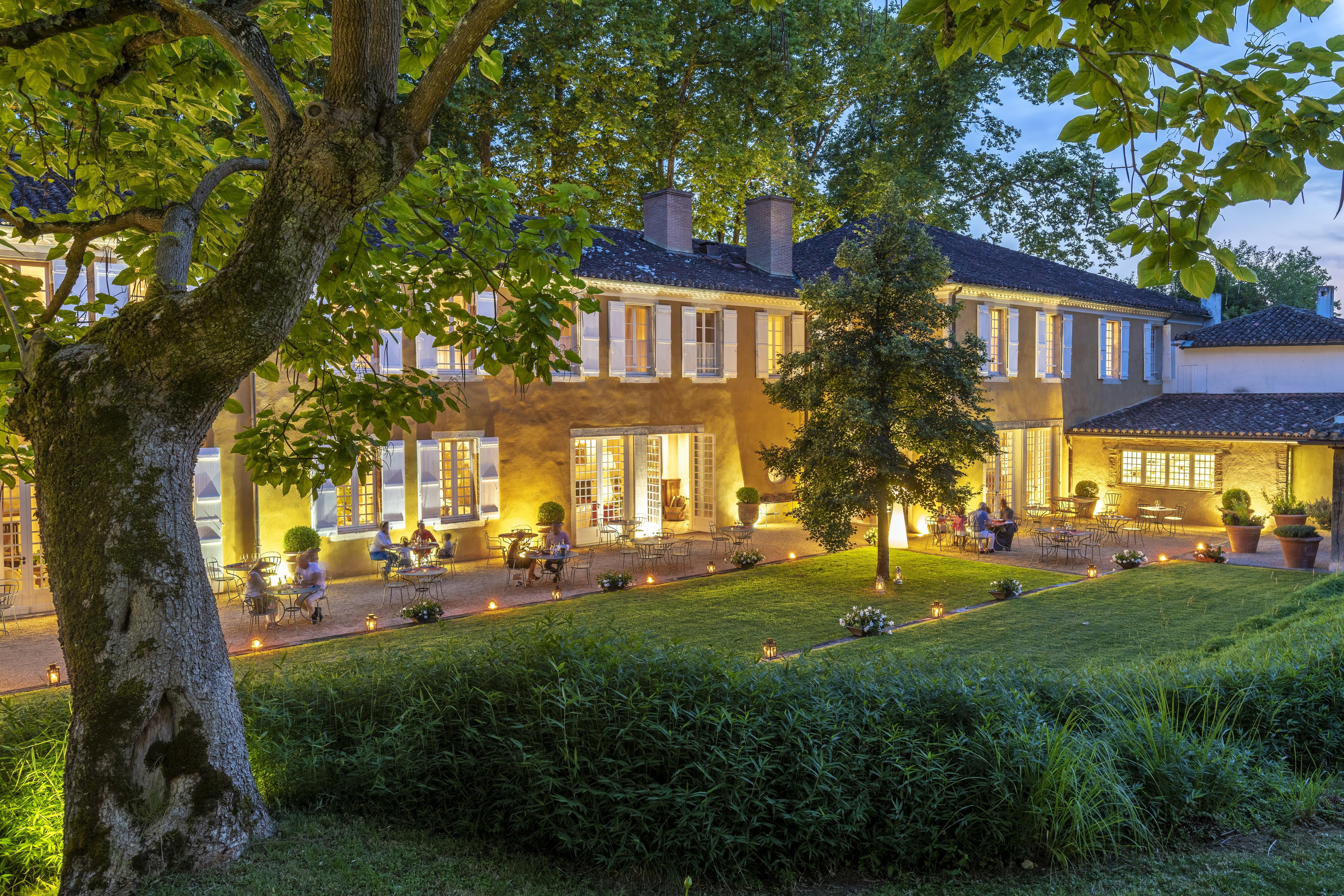
La Bastide occupies an 18th-century charterhouse on the edge of Barbotan-Les-Termes, a spa town in the Armagnac heartland of Gascony. Chef Marco Vigano leads a modern cuisine kitchen earning a 2025 Michelin Plate, while the property's three-generation family ownership and Relais & Châteaux membership place it firmly in the tradition of destination dining built around a sense of place.
Pearl is the En Primeur Club membership app — saves, bookings, and concierge access live there. Same editors, same standards.

Where Gascony's Armagnac Country Meets Modern Cuisine
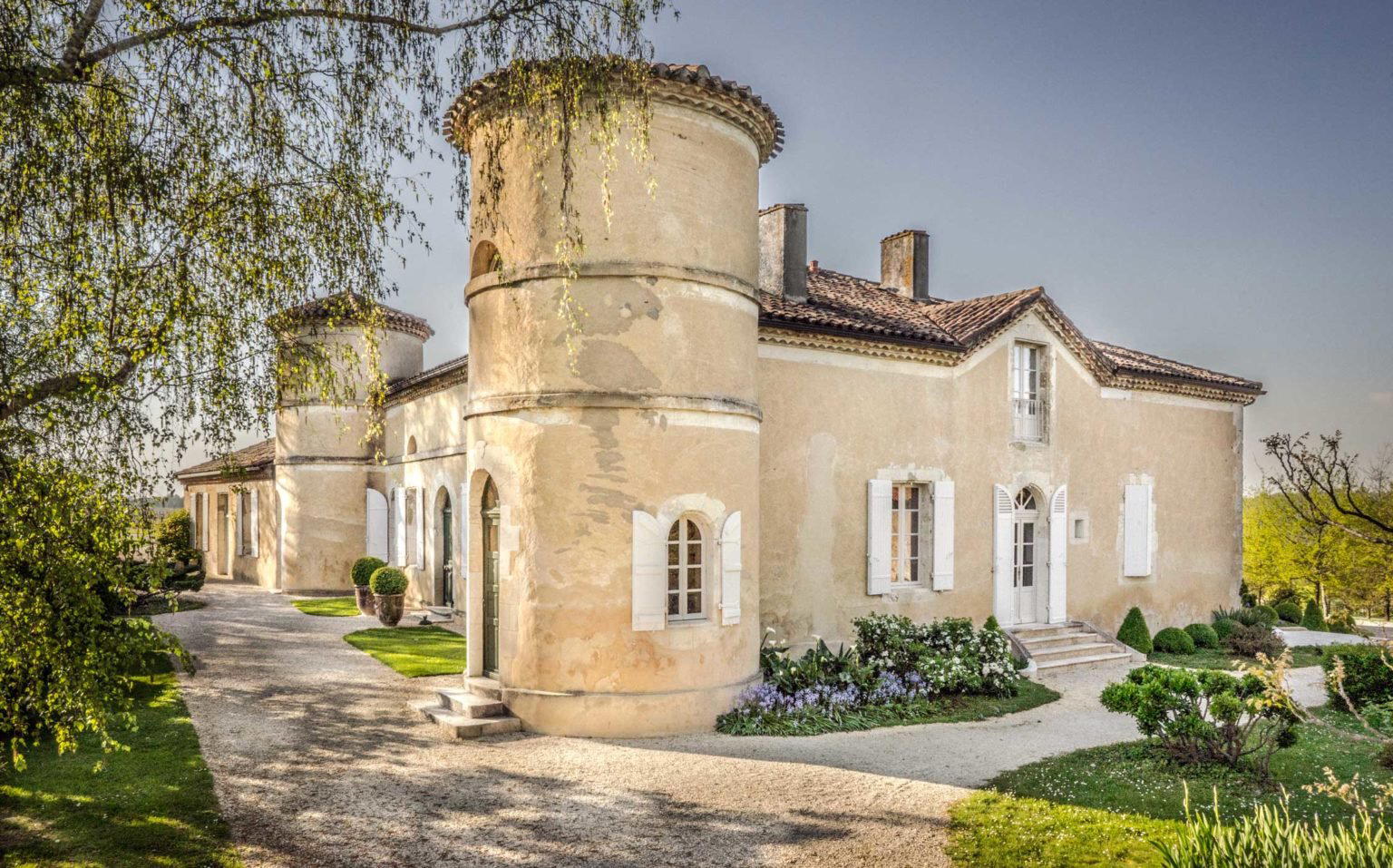
The approach to Barbotan-Les-Termes sets expectations clearly. This is spa-town France — the kind of small southwestern city whose thermal baths drew 19th-century visitors and whose restaurants gradually built reputations on the back of a captive, medically inclined audience. That lineage could easily produce mediocre hotel dining. At La Bastide, housed inside a restored 18th-century charterhouse on the Avenue des Thermes, it produces something considerably more considered. The building alone signals a different register: thick stone walls, proportioned courtyards, and the particular quiet that comes from architecture designed for contemplation rather than commerce.
Gascony occupies a distinct position in France's regional dining map. It is not Périgord, with its truffle-and-foie-gras identity worn on every menu, nor is it the Basque Country, whose cross-border culinary energy generates constant international press. Instead, it sits in productive obscurity — producing Armagnac, raising ducks, growing the garlic that defines its cuisine, and largely feeding itself and its visitors without needing to perform for a global audience. Restaurants embedded in this tradition tend to reward the traveller who makes the detour rather than the one passing through on a more obvious circuit. For broader context on where to eat and stay across the area, see our full Barbotan-Les-Termes restaurants guide, our full Barbotan-Les-Termes hotels guide, and our full Barbotan-Les-Termes bars guide.
Chef Marco Vigano and the Modern Cuisine Framework
Modern cuisine, as a category, covers a wide range of ambitions. At the uppermost tier of French fine dining , properties like Alléno Paris au Pavillon Ledoyen or Mirazur in Menton, both carrying three Michelin stars at the €€€€ price point , the term implies radical technique, sourcing programs that function almost as agriculture operations, and menus that change not seasonally but weekly. Further down the hierarchy, modern cuisine means something more grounded: classical French training applied with restraint, regional produce used without nostalgia, and a kitchen that has learned to edit rather than accumulate.
Chef Marco Vigano operates in that second register, and the 2025 Michelin Plate confirms a kitchen performing at a documented level of technical competence. A Michelin Plate is not a star, but it is a deliberate signal from the guide's inspectors: the cooking here meets a standard worth noting. In a department , the Gers , where Michelin-recognised restaurants are sparse, that signal carries more weight than it might in a city arrondissement crowded with competition. The broader French context for this kind of regional, destination-focused modern cooking can be traced through properties like Auberge du Vieux Puits in Fontjoncouse and Bras in Laguiole, both of which built reputations on cooking deeply rooted in southern French terroir rather than Parisian fine-dining codes.
Vigano's position at La Bastide is shaped by the property's character as much as by his own formation. A three-generation family-run operation within the Relais & Châteaux network does not typically recruit chefs whose ambition runs toward spectacle. The expectation is continuity, craft, and the kind of cooking that serves the property's dual identity as a hotel and a dining destination. What that means in practice, given the Gascon pantry available to any serious kitchen in this region, is a menu likely anchored in local duck, seasonal vegetables from the southwest, and the kind of careful wine integration that the Armagnac country's broader agricultural identity makes natural.
The Property's Place in the Relais & Châteaux Tier
La Bastide's membership in Relais & Châteaux is a meaningful competitive marker. The network's entry standards require independent ownership, consistent quality, and what the organisation describes as a relationship between the property and its natural and cultural environment. Three-generation family ownership satisfies the independence criterion decisively. The 18th-century charterhouse setting, the Armagnac estate context, and the spa-city location address the environmental and cultural criteria. This places La Bastide in a peer group that includes some of France's most celebrated destination properties , among them Auberge de l'Ill in Illhaeusern and Troisgros in Ouches , though La Bastide operates at the €€€ price point rather than the €€€€ level those properties command.
That price differential reflects the Gers market rather than any deficit in ambition. Regional fine dining in southwestern France prices against local competition and local expectations, not against Paris or the Côte d'Azur. At €€€, La Bastide occupies the leading of its local market while remaining accessible compared with three-star destinations like Flocons de Sel in Megève or Assiette Champenoise in Reims. That positioning matters for a property whose guests arrive primarily via the thermal spa circuit and regional tourism rather than destination gastronomy routes.
The Armagnac Estate as Context
Dining at a property described explicitly as an Armagnac estate changes the wine conversation. Armagnac is France's oldest distilled spirit by documented record, predating Cognac's commercial rise, and Gascony's vine-growing culture extends well beyond the spirit itself into the Côtes de Gascogne and Saint-Mont appellations. Any kitchen operating within this context has access to a wine and spirits programme that can go considerably deeper than a standard hotel list. For visitors interested in the broader wine and spirits geography of the region, our full Barbotan-Les-Termes wineries guide covers the local production landscape in detail.
The historic spa town setting adds another layer. Barbotan-Les-Termes has operated as a thermal destination for well over a century, and the dining culture that developed alongside the spa trade has a particular character: long meals, afternoon unhurriedness, a guest profile that has already committed to spending several days in residence rather than passing through. That audience creates the conditions for serious, unhurried dining in a way that roadside restaurants or city-centre bistros cannot replicate. For those planning a full stay, our full Barbotan-Les-Termes experiences guide maps what the broader area offers beyond the table.
How to Approach a Visit
La Bastide operates at 43 Avenue des Thermes in Cazaubon, on the edge of Barbotan-Les-Termes. The property is reachable by car from Bordeaux (approximately 90 minutes south) and from Pau (roughly 90 minutes east), making it a viable destination for a weekend detour anchored around the Gers and the lower Landes. Contact via the Relais & Châteaux booking infrastructure is the clearest path: the property email is labastide@relaischateaux.com and the telephone number is +33 (0)5 62 08 31 00. The website is listed as Google reviewers rate the property at 4.5 across 513 reviews, a sample size large enough to suggest consistent performance rather than a handful of outliers. For the dining room specifically, booking well in advance during the summer thermal season , when Barbotan-Les-Termes operates at peak occupancy , is the practical default.
The comparison set for this kind of regional French destination dining extends internationally as well. Properties like Frantzén in Stockholm and FZN by Björn Frantzén in Dubai represent the global modern cuisine tier at its highest price and recognition point. La Bastide sits well below that bracket in both price and award level, but the question a visit to Barbotan-Les-Termes poses is a different one: not which kitchen is pushing furthest technically, but which setting and tradition makes a meal worth building a journey around. In Gascony, the answer increasingly points south and west, away from the headline appellations, toward the kind of place that has been feeding people well for three generations without needing to announce itself.
How It Stacks Up
These are the closest comparables we have in our database for quick context.
| Venue | Cuisine | Price | Awards | Notes |
|---|---|---|---|---|
| La Bastide | Modern Cuisine | €€€ | Michelin Plate (2025); HIGHLIGHTS: • 18TH-CENTURY CHARTERHOUSE • ARMAGNAC ESTATE… | This venue |
| Alléno Paris au Pavillon Ledoyen | Creative | €€€€ | Michelin 3 Star | Creative, €€€€ |
| Kei | Contemporary French, Modern Cuisine | €€€€ | Michelin 3 Star | Contemporary French, Modern Cuisine, €€€€ |
| L'Ambroisie | French, Classic Cuisine | €€€€ | Michelin 3 Star | French, Classic Cuisine, €€€€ |
| Le Cinq - Four Seasons Hôtel George V | French, Modern Cuisine | €€€€ | Michelin 3 Star | French, Modern Cuisine, €€€€ |
| Plénitude | Contemporary French | €€€€ | Michelin 3 Star | Contemporary French, €€€€ |
Continue exploring
More in Barbotan-Les-Termes
Restaurants in Barbotan-Les-Termes
Browse all →Hotels in Barbotan-Les-Termes
Browse all →Wineries in Barbotan-Les-Termes
Browse all →At a Glance
- Elegant
- Rustic
- Cozy
- Sophisticated
- Scenic
- Special Occasion
- Date Night
- Celebration
- Terrace
- Garden
- Historic Building
- Hotel Restaurant
- Garden
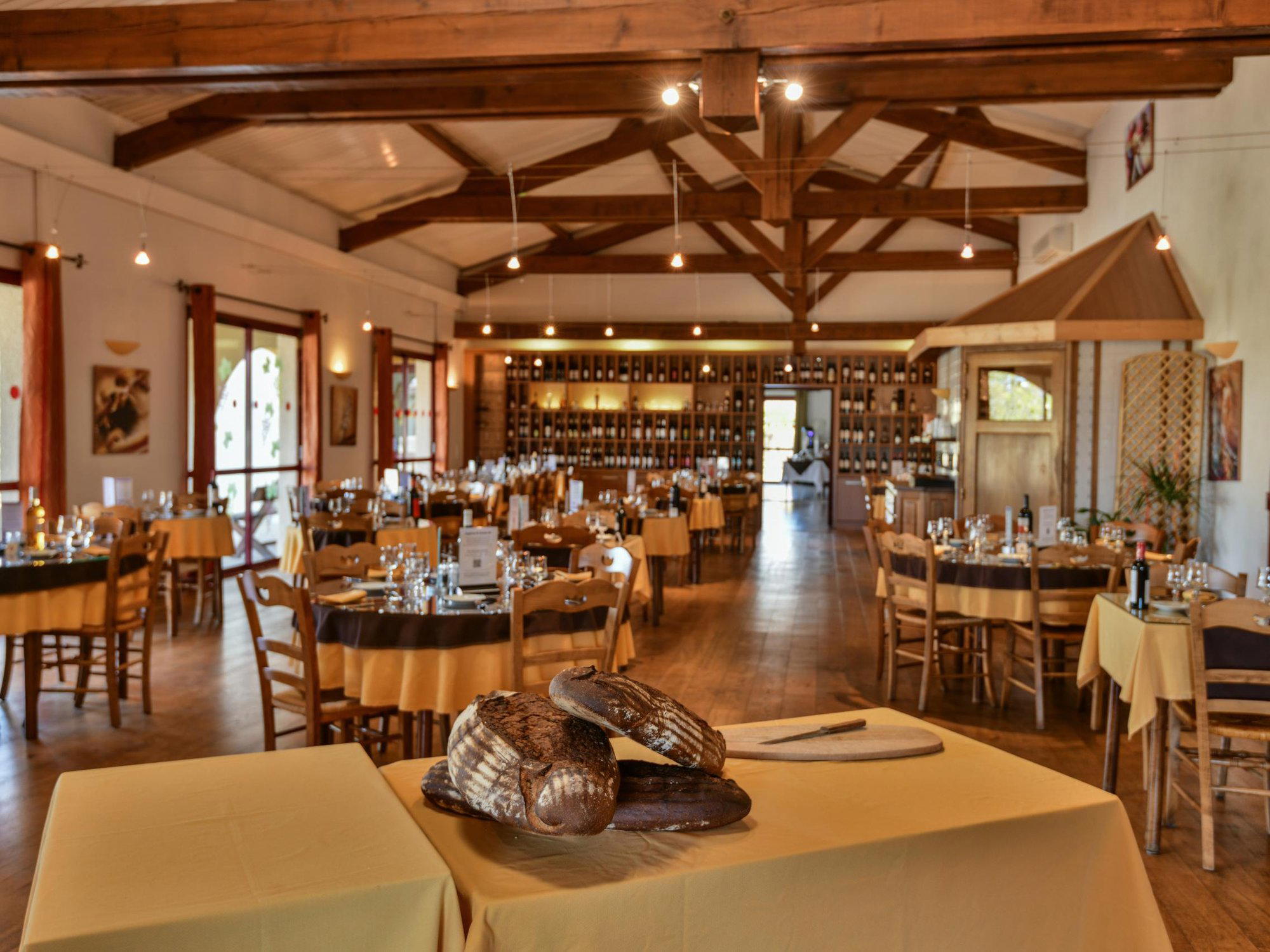
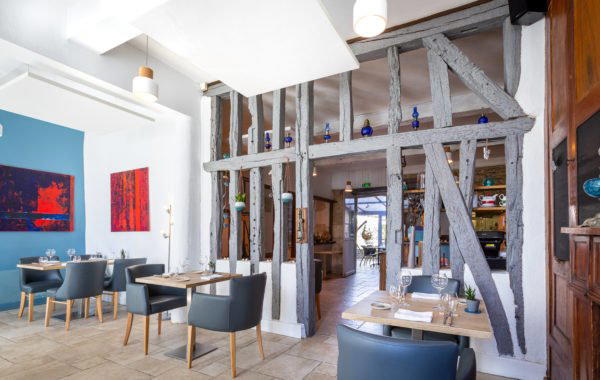
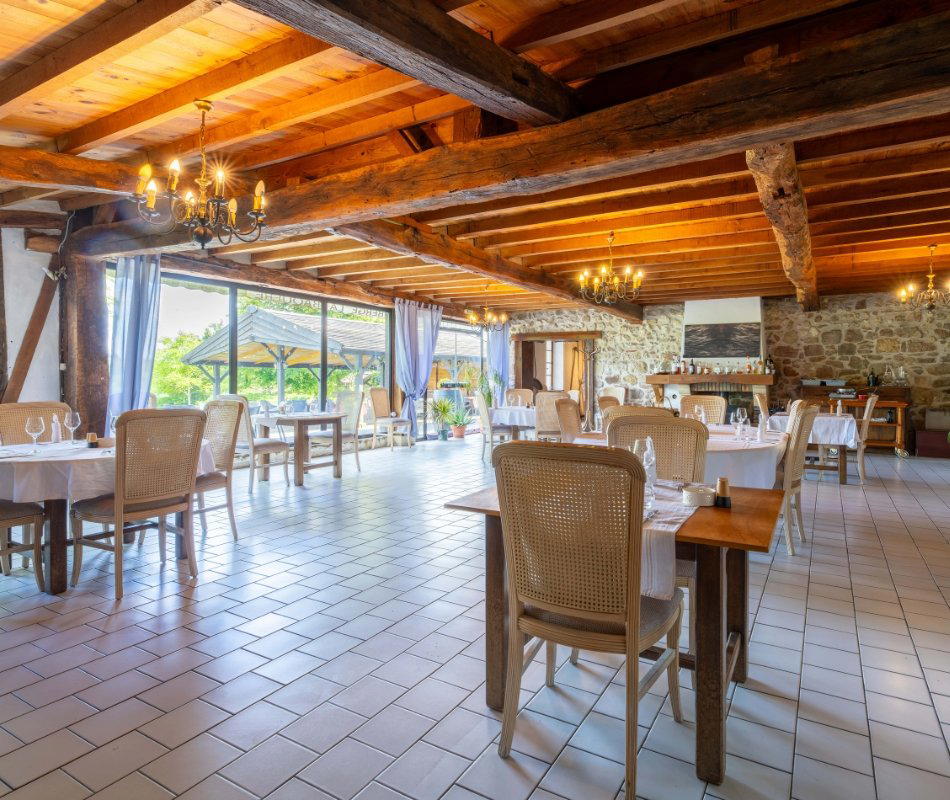
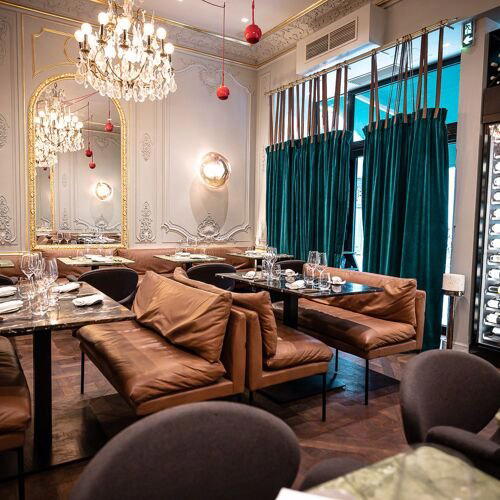
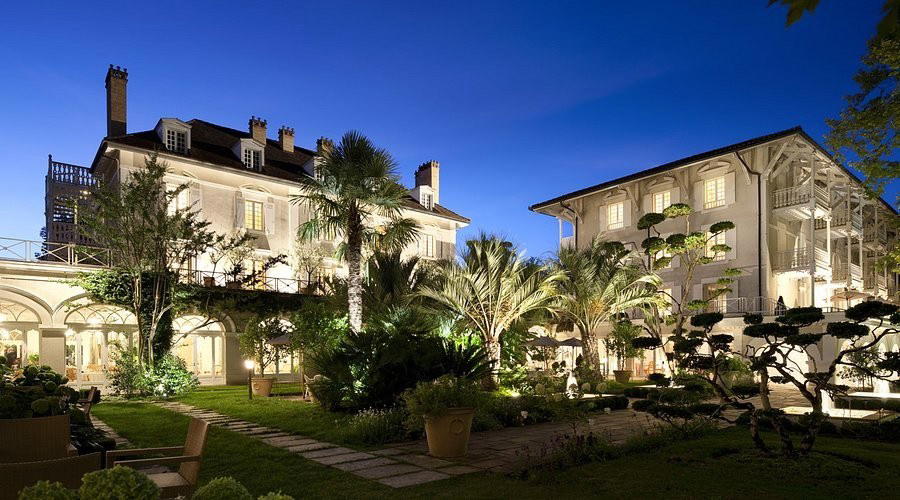
Charming and serene atmosphere in a beautifully restored 18th-century stone bastide with lovely public rooms, gardens, and terrace dining under warm lighting.