Hoi An
Hoi An brings Vietnamese cooking to the first floor of the on Sheikh Zayed Road, operating in a corridor of Dubai dining that prizes spectacle but rewards restraint. The room sits within one of the city's established hotel dining addresses, positioning it against a comparable set that includes the broader Sheikh Zayed Road fine-dining strip rather than the newer Downtown cluster.
Pearl is the En Primeur Club membership app — saves, bookings, and concierge access live there. Same editors, same standards.
- Address
- Level 1,Shangri-la Hotel - Sheikh Zayed Rd - Dubai - United Arab Emirates
- Phone
- +97144052712
- Website
- hoiandubai.com
- Directions
- Get directions
 Saves & bookings on Pearl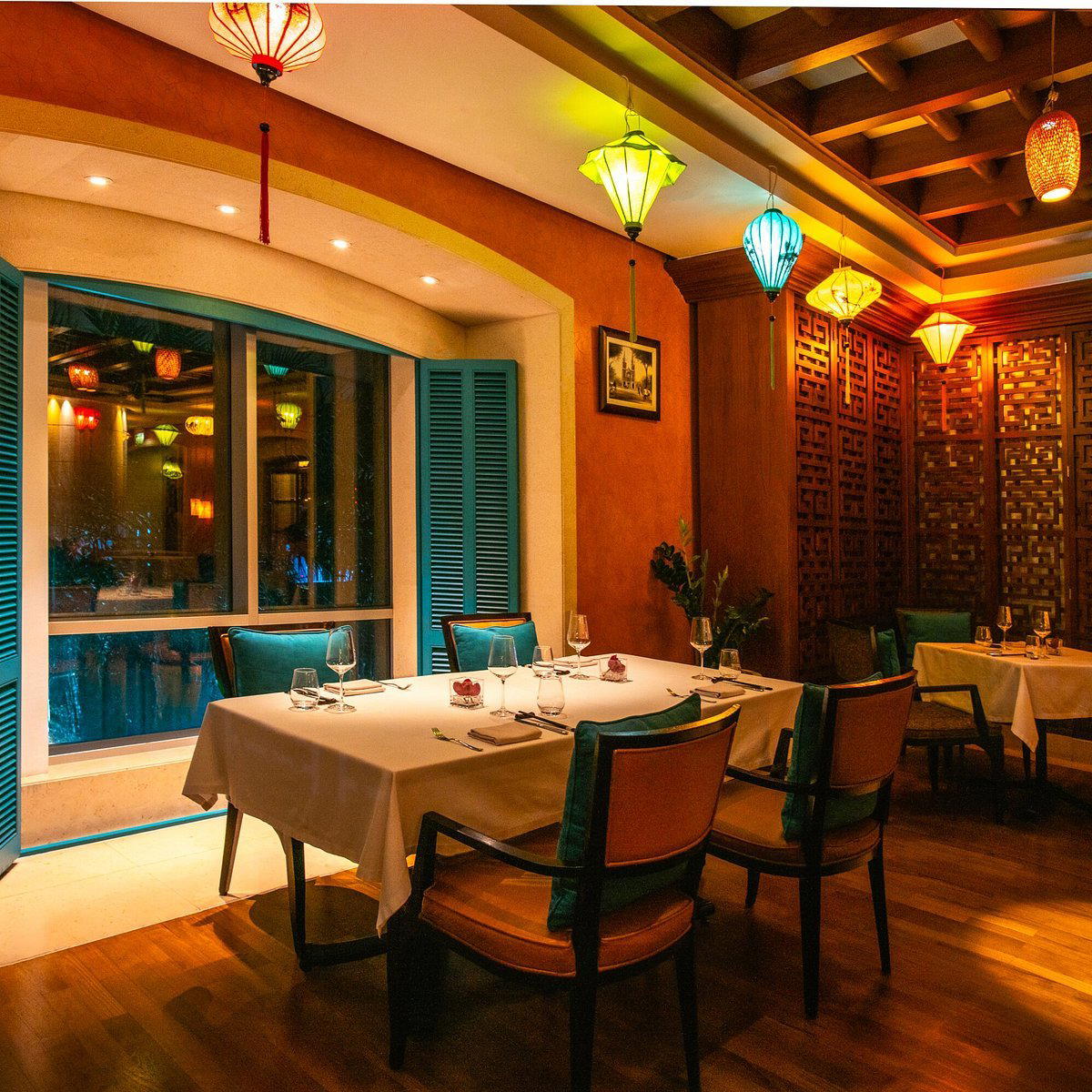
Sheikh Zayed Road and the Hotel Dining Tradition It Sustains
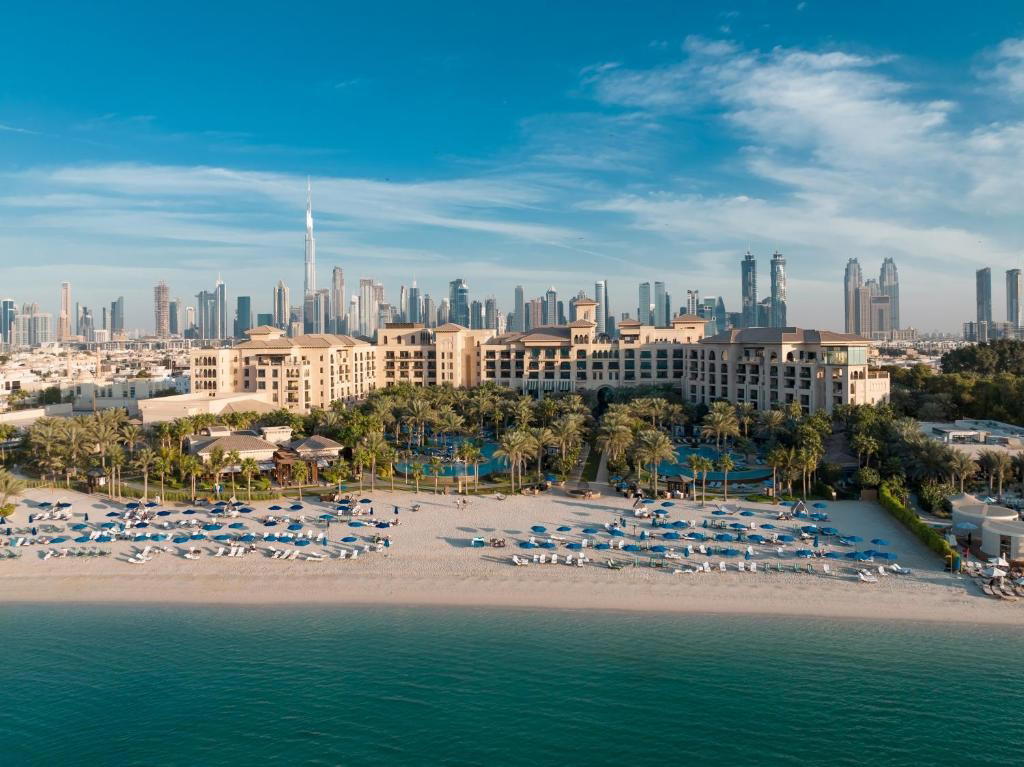
Dubai's Sheikh Zayed Road has long functioned as the city's primary axis for hotel-anchored dining, and Hoi An sits on the first floor of the Shangri-La Hotel on Sheikh Zayed Road, within that tradition. The building rises along a stretch of the highway where the premium dining offer has historically been tied to international hotel brands rather than standalone operators. That context matters when placing Hoi An: it enters the reader's attention not as a street-level discovery, but as a room that trades on the credibility of an established address, the way that Vietnamese cooking in a hotel setting tends to ask a different question of itself than a shophouse on Bui Vien Street in Ho Chi Minh City would. The genre demands that the kitchen justify its location through technique, not nostalgia.
Vietnamese cuisine occupies an interesting position in Dubai's dining spectrum. It sits between the broad Southeast Asian category and a more specific regional identity that the city's restaurants have been slower to develop in depth compared to Japanese, Indian, or pan-Asian formats. Where Trèsind Studio has pushed Indian cooking into a format that competes on a global progressive-dining level, and where FZN by Björn Frantzén anchors modern Scandinavian technique to the Dubai market, Vietnamese restaurants in the city have generally occupied a quieter tier, valued for their clarity and restraint rather than their conceptual ambition. Hoi An takes its name from the historic trading port in central Vietnam, a reference that carries its own set of associations: a cuisine shaped by merchant exchange, Chinese influence, and French colonial contact, layered over centuries into something with a distinct grammar of its own.
The Room and What the Address Signals
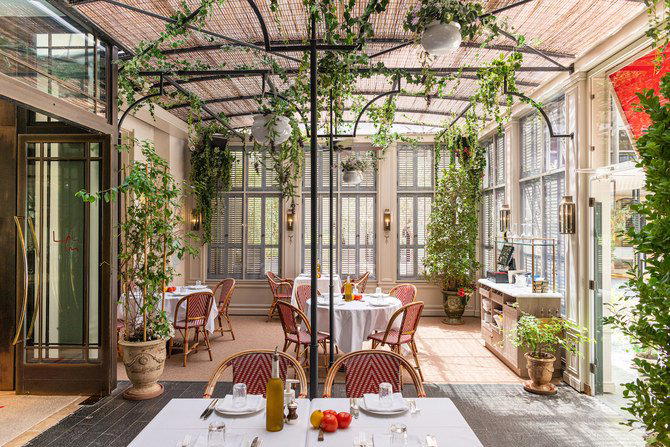
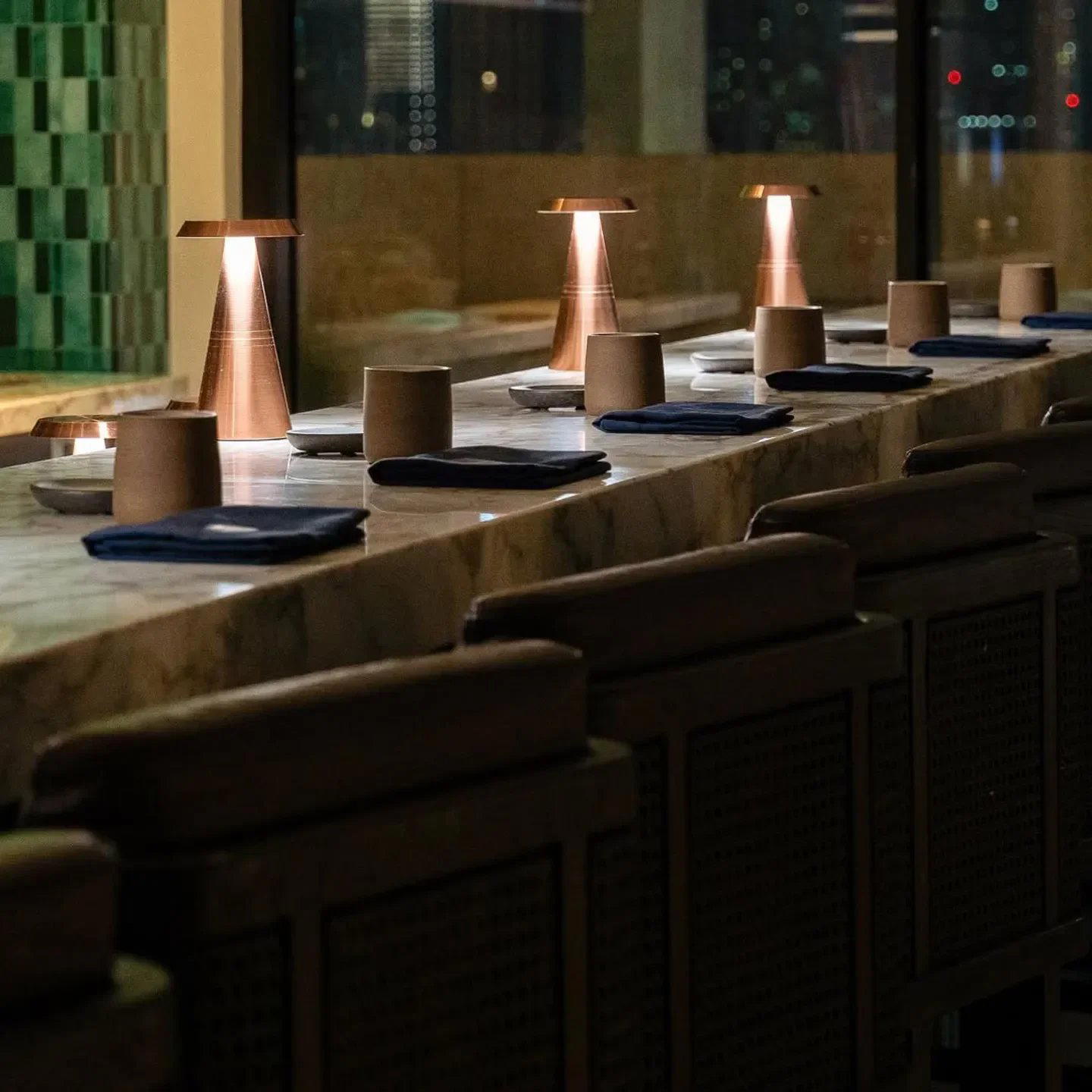
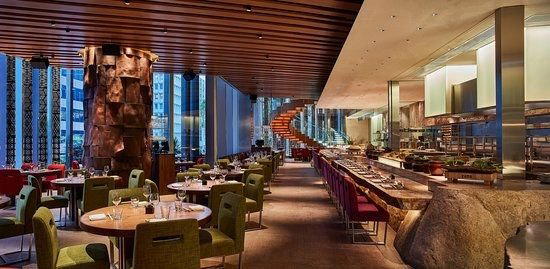
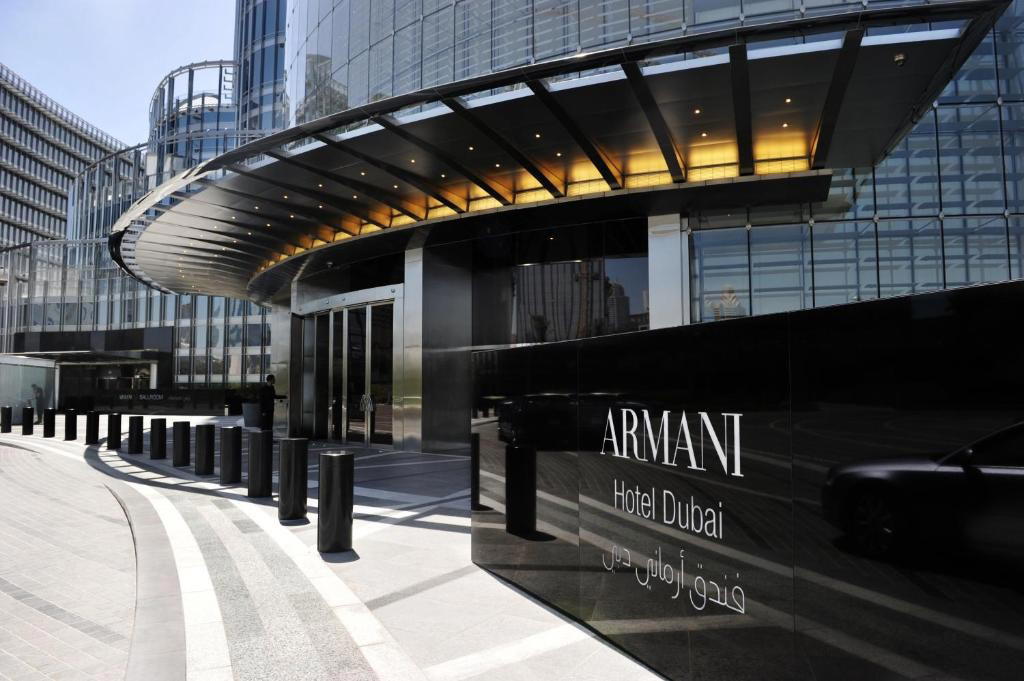
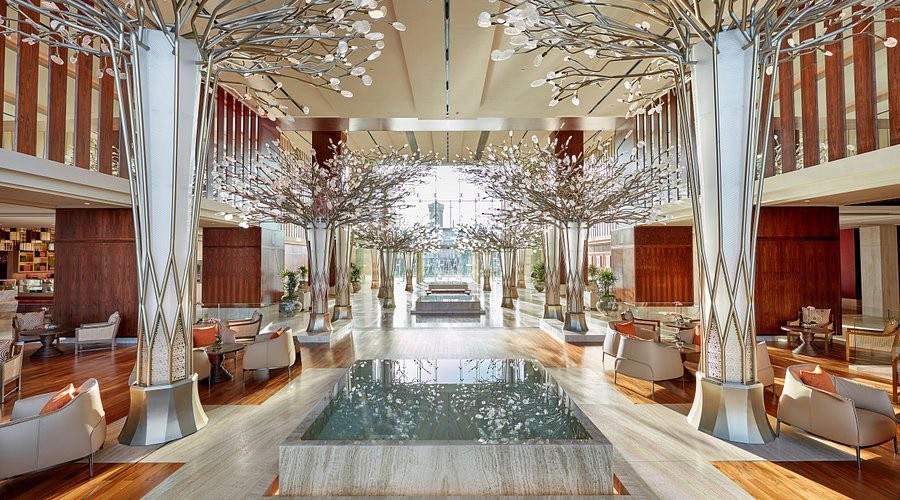
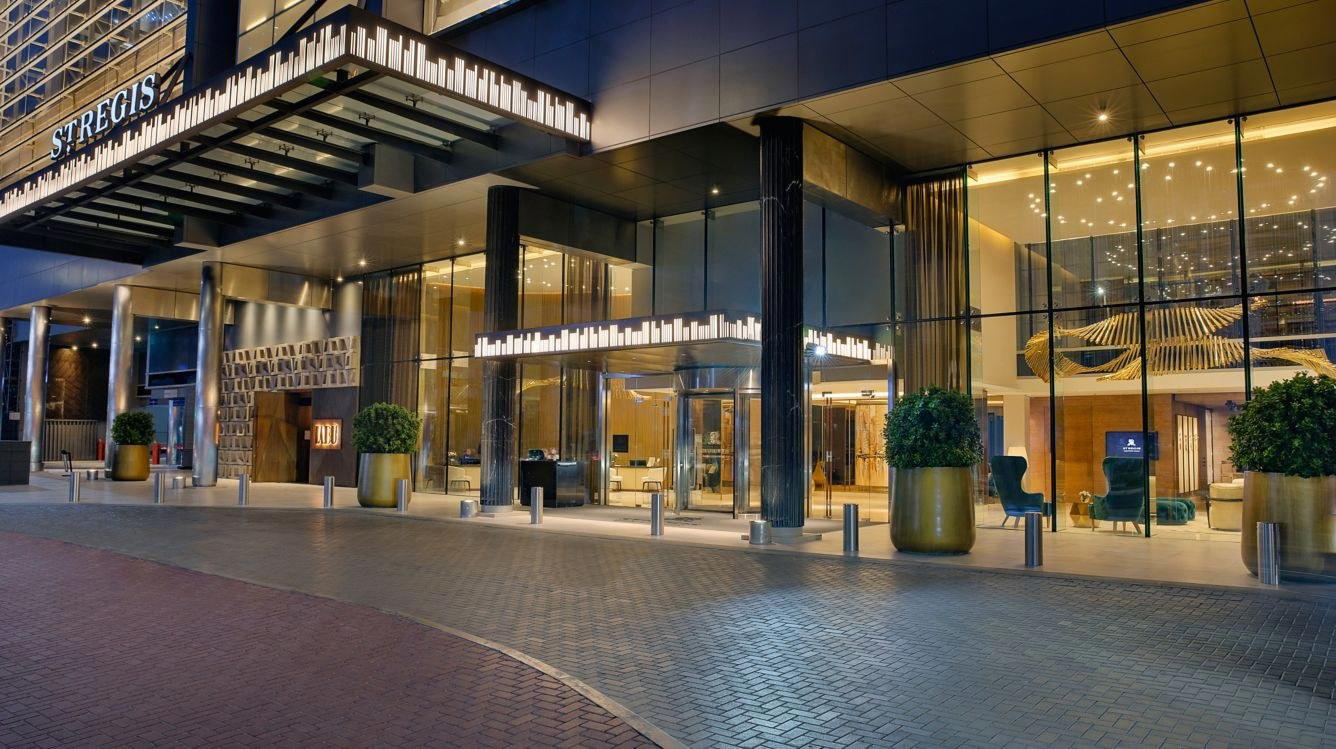
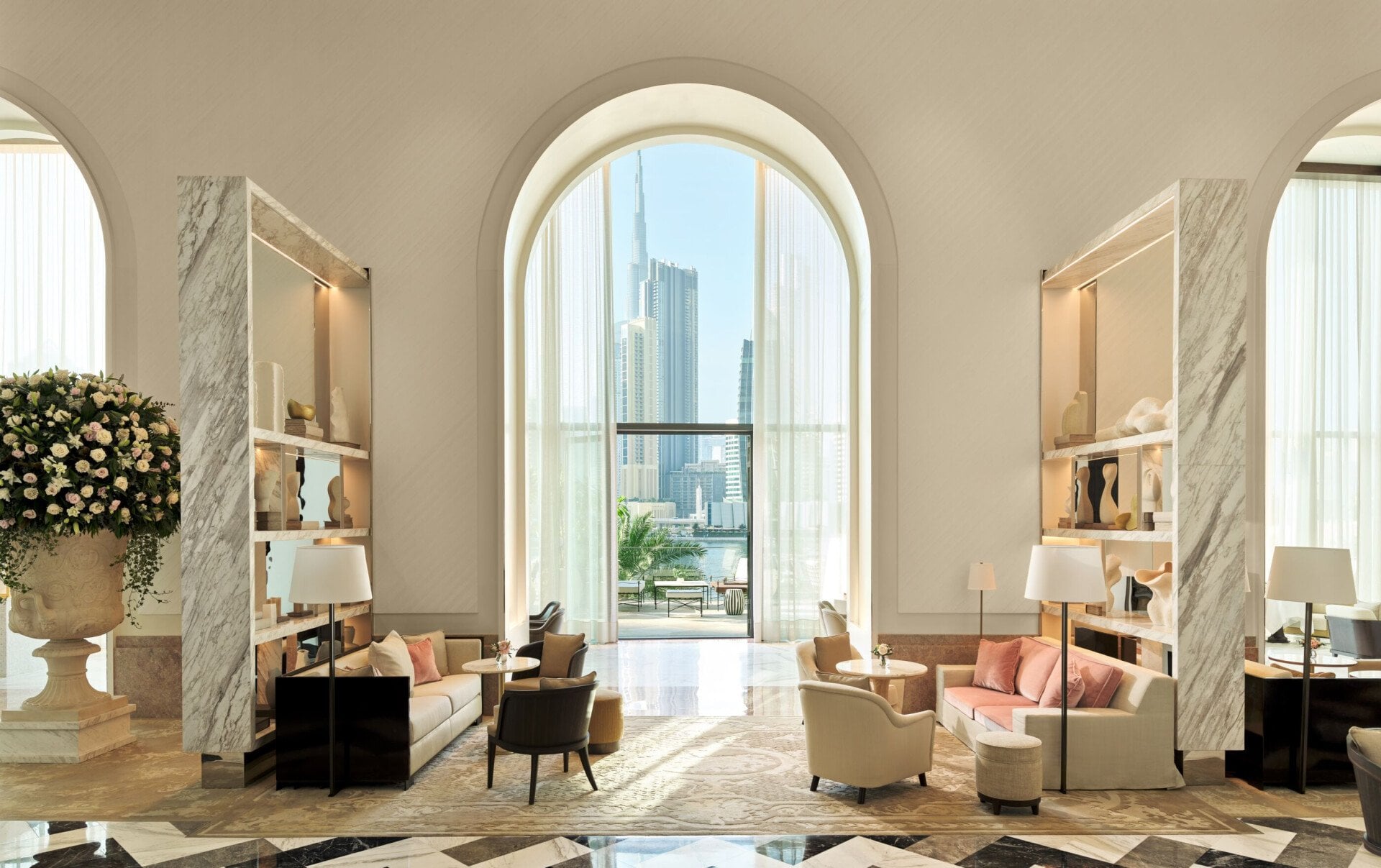
Entering through the, the approach is typical of the Sheikh Zayed Road hotel dining format: a lobby transition, a ride or walk to the relevant floor, and then a room that has been designed to create separation from the transit energy of the highway below. Hotel dining in Dubai at this level tends to invest in interior atmosphere precisely because the street-level cues that signal a destination restaurant in other cities are absent here. The physical environment does the work that a neighbourhood context would provide elsewhere.
That design function is worth noting because it shapes how the meal is experienced. Diners arriving at Hoi An are not walking in from a stroll through a Vietnamese quarter or a market street. They arrive from a taxi or a valet stand, which means the room itself must do more of the atmospheric positioning. In cities like Hong Kong, where Amber and 8 1/2 Otto e Mezzo Bombana have built their hotel dining identities against dense urban neighbourhoods, the street informs the room. In Dubai, the relationship runs in the opposite direction.
Vietnamese Cooking in a Gulf Context
Central Vietnamese cooking, the tradition the Hoi An name invokes, is built around a few structural principles: balance between fresh herbs and cooked elements, the use of fermented condiments like mam to add depth without heaviness, and a preference for broths that are clear but complex. Dishes associated with the actual town of Hoi An, such as cao lau (a noodle dish historically made with water from a specific local well) and white rose dumplings, represent a hyper-local specificity that is difficult to transport without adjustment. What tends to travel better is the broader grammar: the herb plates, the rice paper formats, the interplay of sour, salty, and herbal notes that defines the central Vietnamese table.
Dubai's audience for this style of cooking has grown alongside the city's broader cosmopolitan expansion. The dining public on Sheikh Zayed Road includes a significant proportion of long-term expatriates and frequent business travellers, many with direct experience of Southeast Asian food cultures, which raises the expectation bar for what a Vietnamese restaurant at a hotel address needs to deliver. Venues like 11 Woodfire and moonrise show how the Dubai market has absorbed format-led dining concepts with increasingly specific references. The Vietnamese format sits in a different register, one that prizes subtlety over spectacle, which can be both its strength and its communication challenge in a market that still rewards visual drama.
Placing Hoi An in the Sheikh Zayed Road Competitive Set
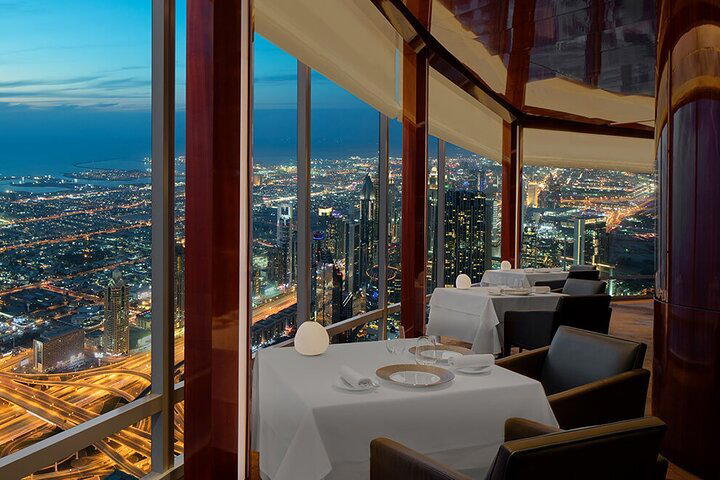
Along Sheikh Zayed Road and the immediate surrounding blocks, the premium dining set ranges from the seafood theatre of Al Mahara at the Burj Al Arab to the height-driven experiential format of At.mosphere in the Burj Khalifa. Hoi An does not compete in that register. Its peer group is the quieter hotel dining room that prioritises a considered menu and a reliable service standard over views or spectacle, a format that has its own consistent audience in Dubai, particularly among diners who have exhausted the visual-novelty circuit and are looking for cooking that holds attention through the plate rather than the room. For a broader survey of where Hoi An sits within the city's full dining picture,
For reference points elsewhere in the region and globally, the hotel dining format as a vehicle for serious cooking has strong precedent: Le Bernardin in New York, Alain Ducasse at the Louis XV in Monte Carlo, and Alléno Paris au Pavillon Ledoyen all demonstrate that hotel proximity does not dilute a kitchen's seriousness. The question for any hotel restaurant in Dubai is whether the cooking justifies the address or merely benefits from it.
The Minimal Set
Comparable venues nearby, for context on price, style, and recognition.
| Venue | Cuisine | Price | Notes |
|---|---|---|---|
| Hoi AnThis venue — the venue you are viewing | Al Satwa, Authentic Vietnamese | $$$ | Not listed |
| AVLU Dubai | Palm Jumeirah, Aegean Greek & Turkish | $$$ | Not listed |
| SOON Izakaya | Not listed | $$$ | Jumeirah Lake Towers, Modern Japanese Izakaya |
| Asie by Rikas | Not listed | $$$ | Contemporary restaurant by RIKAS Hospitality Group |
| Scalini | Jumeira, Traditional Italian Trattoria | $$$$ | Not listed |
| L'Antica Pizzeria da Michele | Al Wasl, Authentic Neapolitan Pizza | $$ | Not listed |
At a Glance
- Cozy
- Elegant
- Intimate
- Business Dinner
- Special Occasion
- Brunch
- Hotel Restaurant
Current opening hours
- Monday
- 12–3 PM, 7–11 PM
- Tuesday
- 12–3 PM, 7–11 PM
- Wednesday
- 12–3 PM, 7–11 PM
- Thursday
- 12–3 PM, 7–11 PM
- Friday
- 12–3 PM, 7–11 PM
- Saturday
- 12–4 PM, 7 PM–12 AM
- Sunday
- 12–4 PM, 7 PM–12 AM
Hours can change for holidays and private events. Last verified .
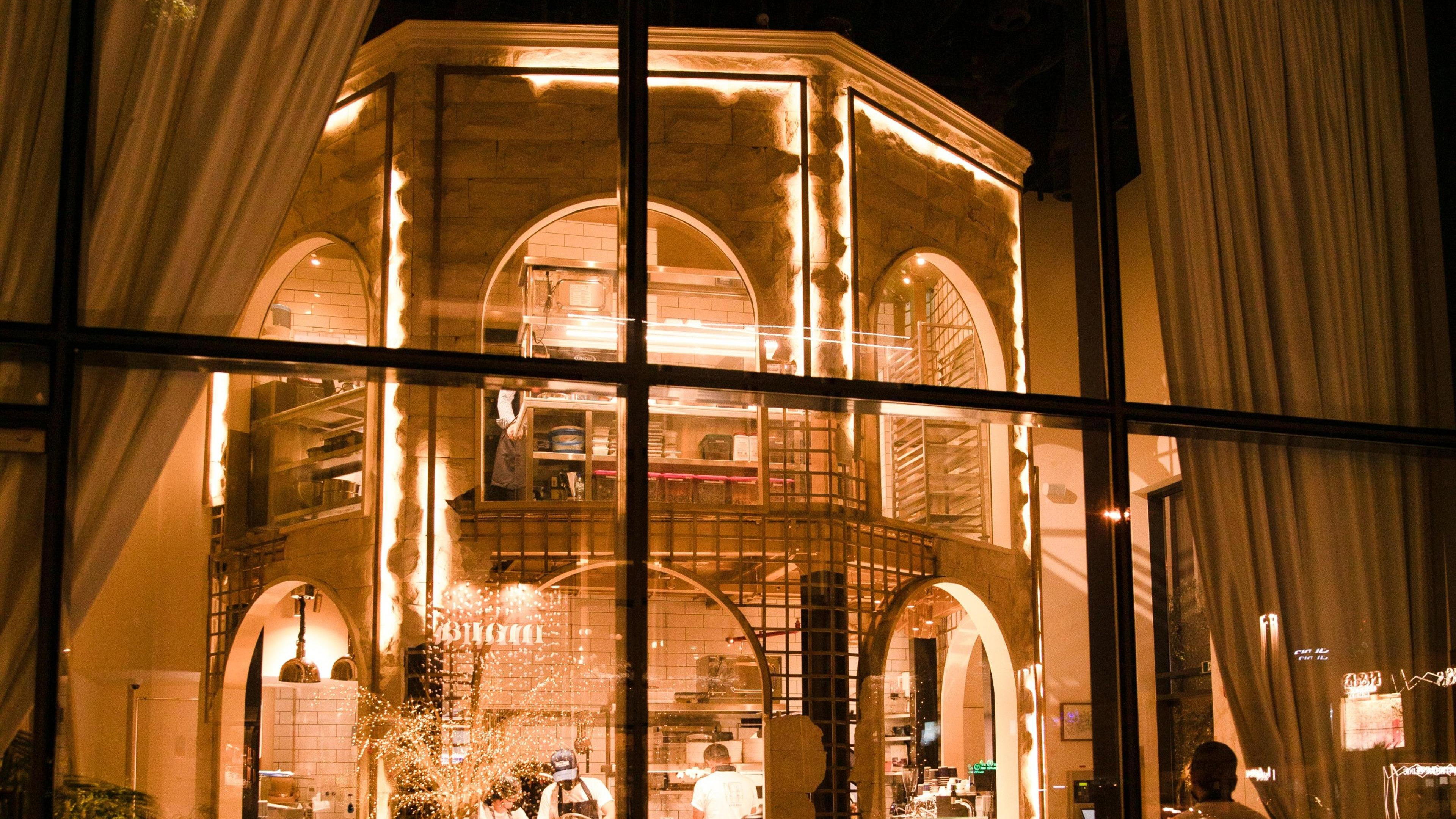
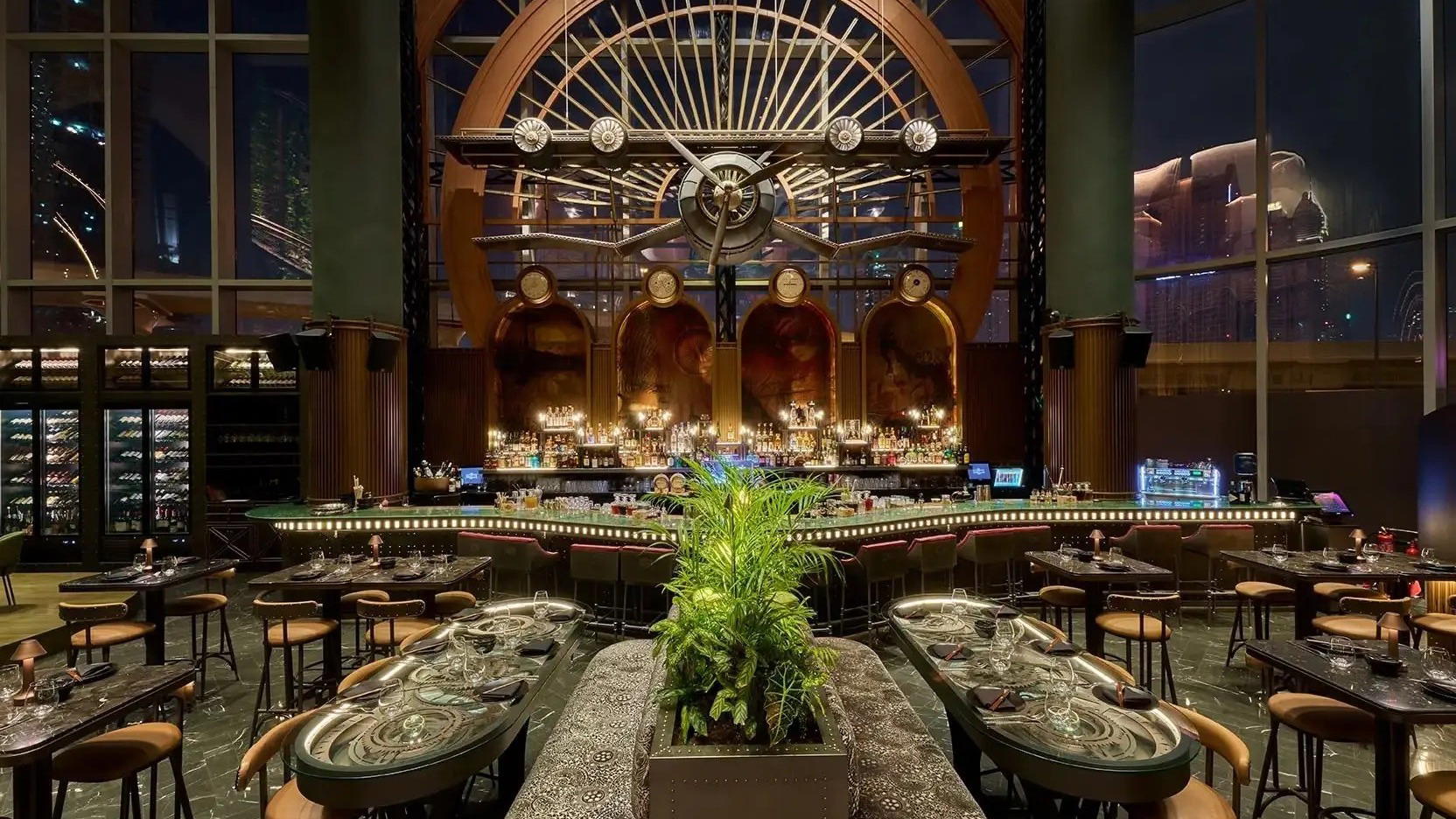
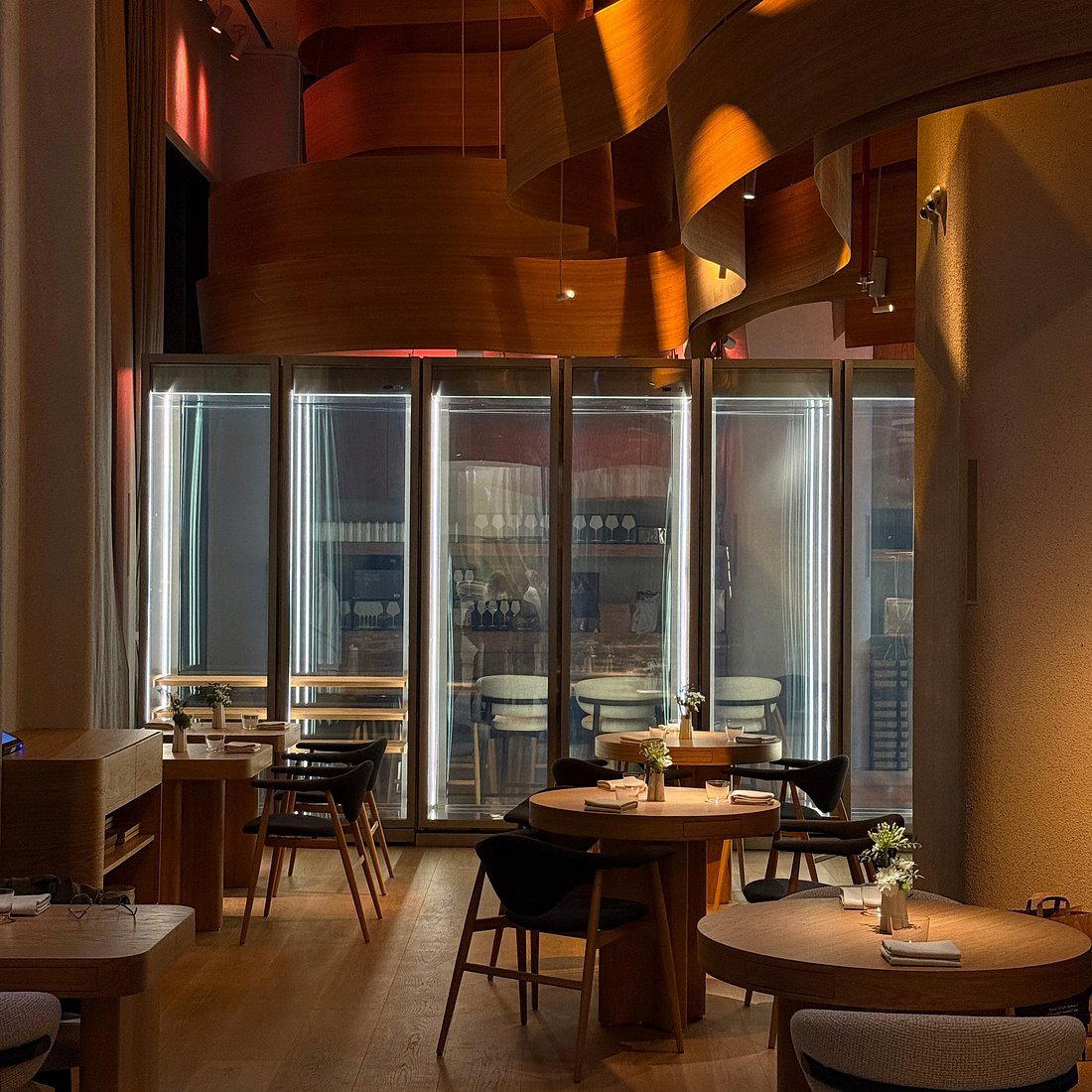
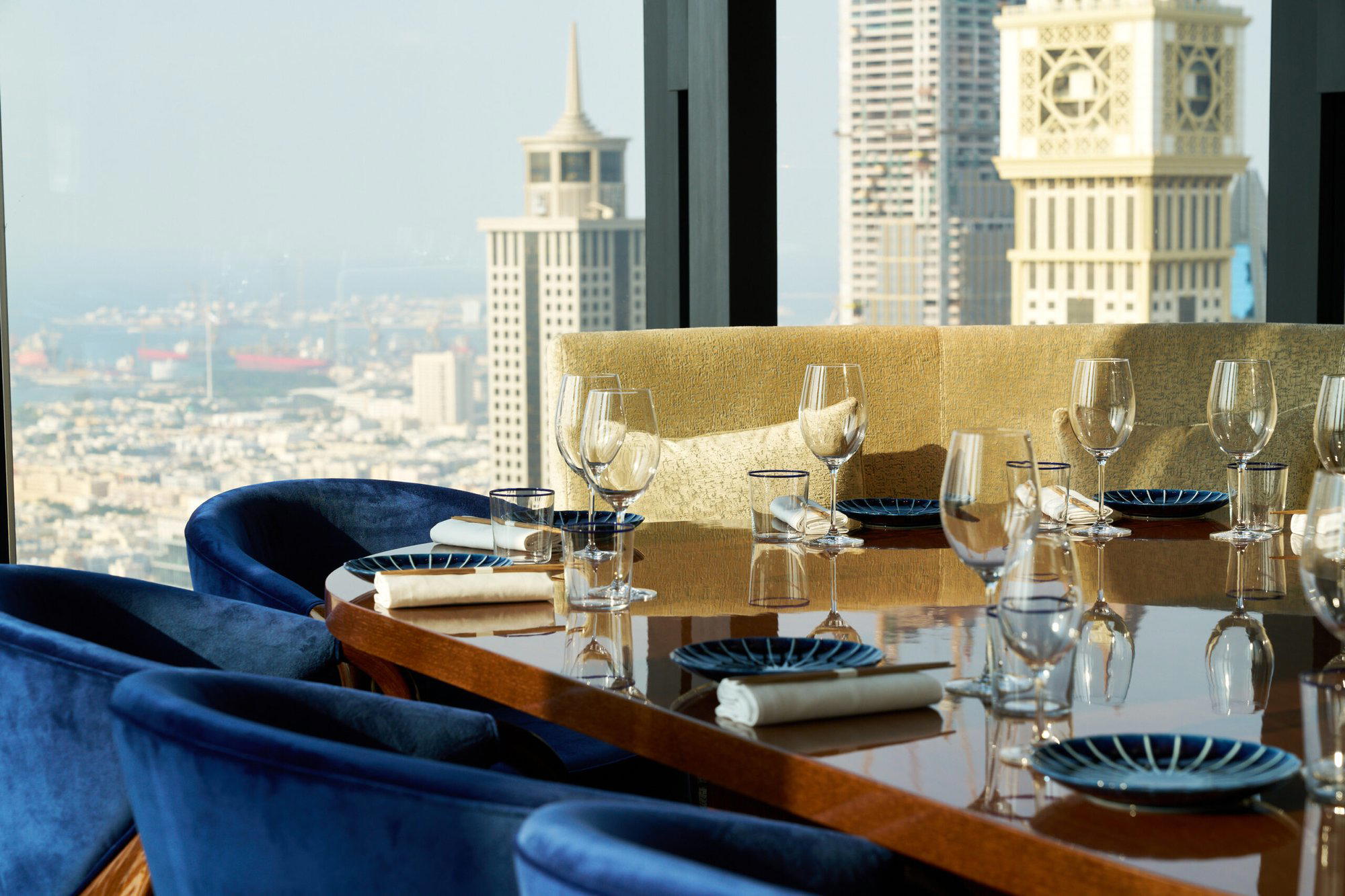
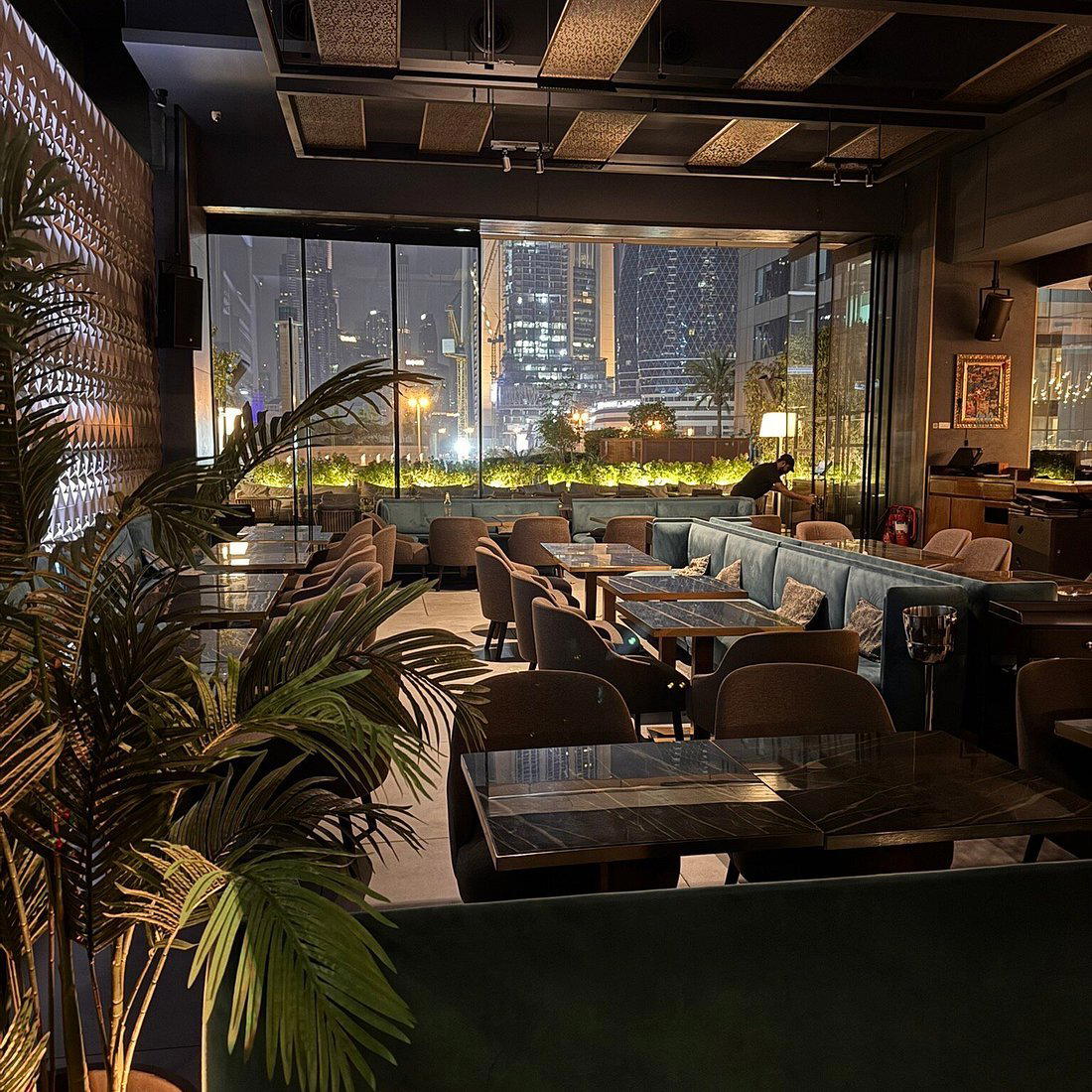
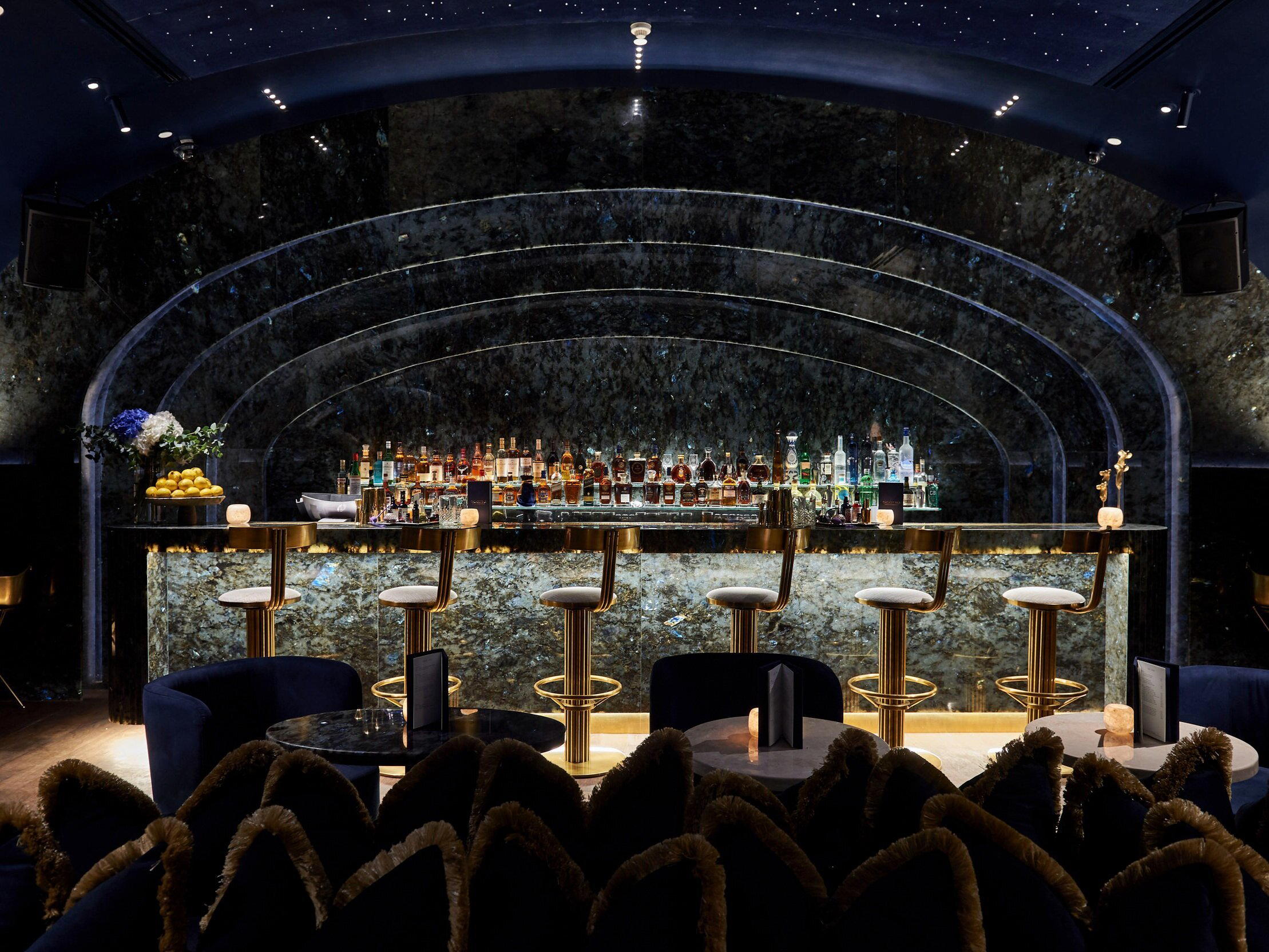
Terracotta walls, soft lantern lighting, blue-shuttered windows, and traditional Vietnamese decor creating a comfortable, thoughtful, and quiet atmosphere.