Hōchō

Michelin Plate
Our verdict
A Menu Built Around One Conviction VIA Riyadh, the retail and dining complex on Makkah Al Mukarramah Road in Al Hada, has become one of the city's more serious addresses for high-end dining, drawing concepts that operate with a clear point of...

Pearl is the En Primeur Club membership app, where members save venues, book tables and use the concierge.
The menu
What to order
- Kobe beef steak
- Crazy kani salad
- Kobe beef fried noodles
- Spicy salmon maki
A Menu Built Around One Conviction
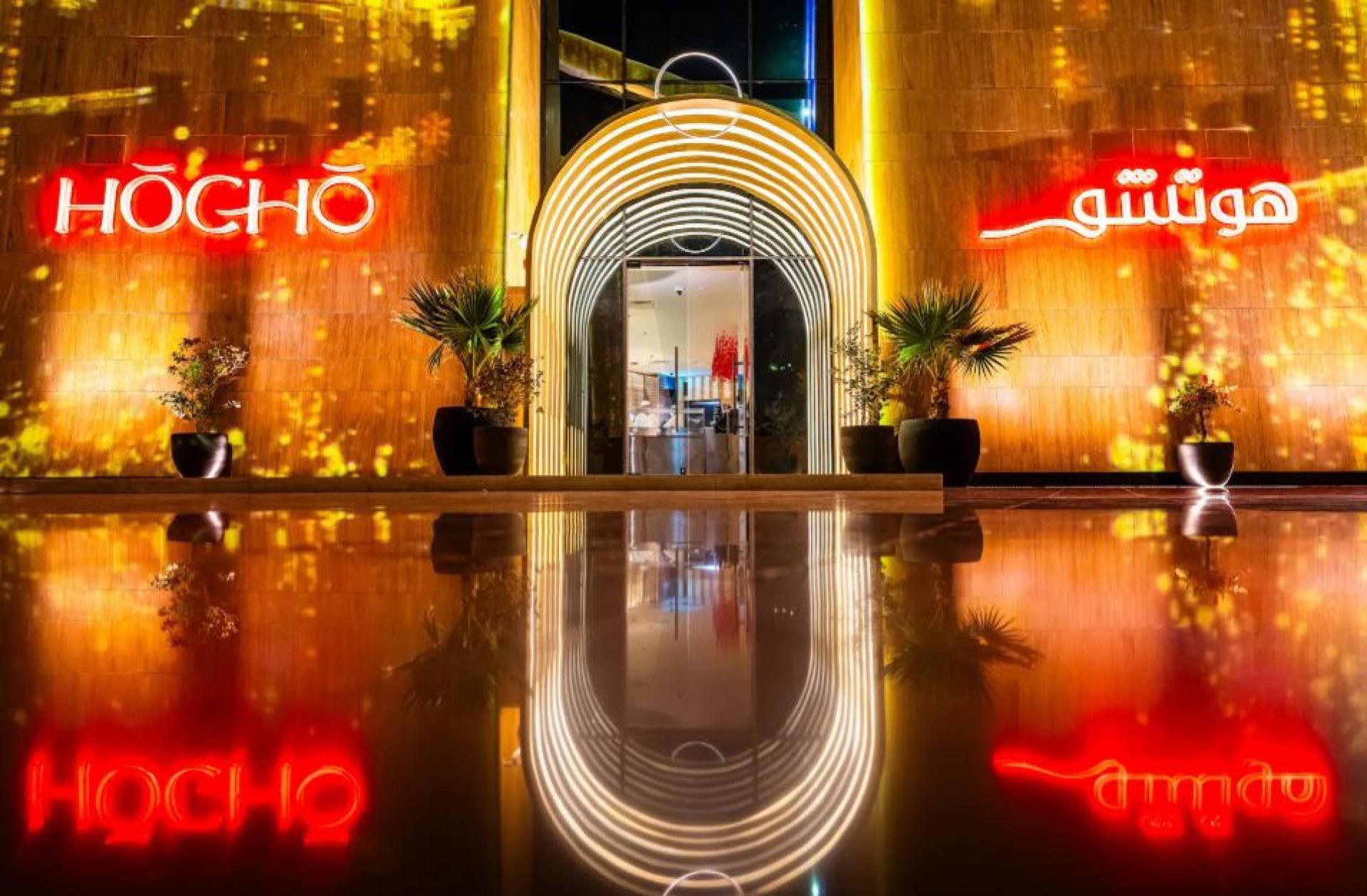
VIA Riyadh, the retail and dining complex on Makkah Al Mukarramah Road in Al Hada, has become one of the city's more serious addresses for high-end dining, drawing concepts that operate with a clear point of view rather than a broad appeal. Hōchō fits that pattern precisely. Its menu is not a survey of Japanese cuisine but a structured argument: Kobe beef is the subject, and everything else is arranged around it.
That kind of menu architecture is relatively rare in Riyadh's Japanese dining scene, where most venues build across sushi, robata, and wagyu without committing to a single category as the organizing principle. Hōchō's focus signals something about how it competes. Rather than positioning against multi-format Japanese restaurants like Myazu, it occupies a narrower, more deliberate niche, one where the sourcing of a single product carries the entire weight of the restaurant's identity.
The Space and the Kitchen
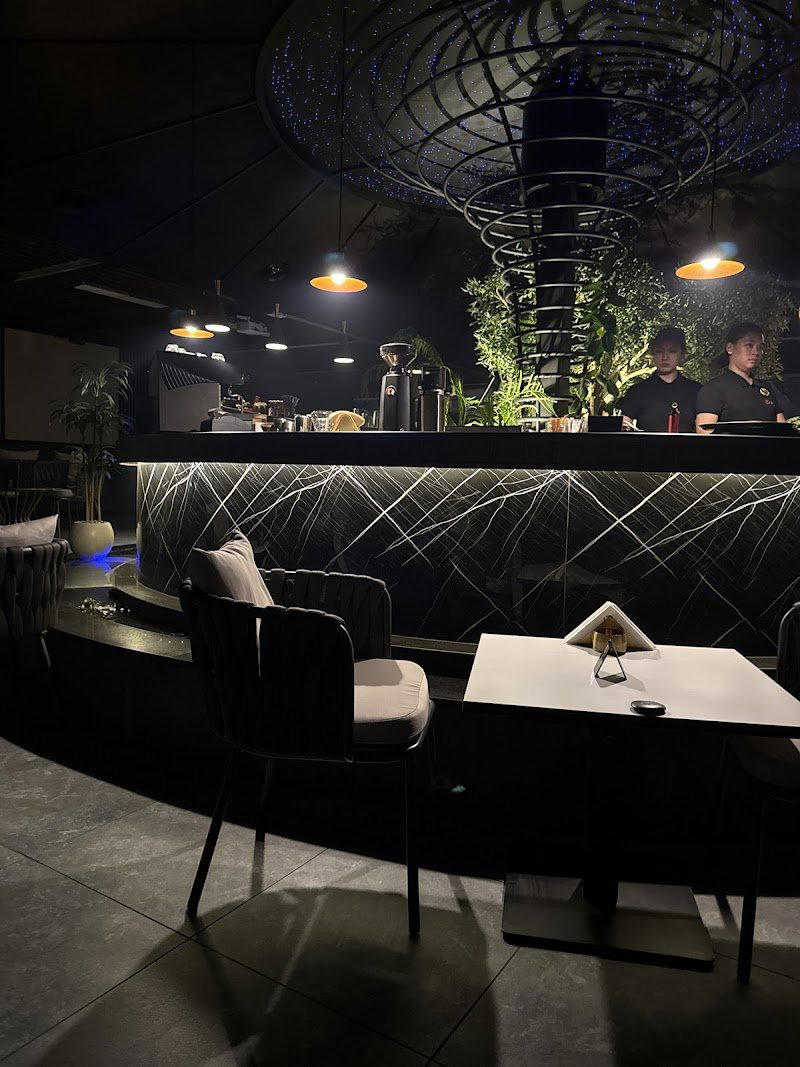
The room works in service of that clarity. The design is contemporary without being ostentatious: clean lines, restrained material choices, a large open kitchen that functions as the focal point. In restaurants built around premium beef, the visible kitchen is not just an aesthetic decision; it is a statement of transparency, an invitation to watch the handling of an ingredient whose value depends entirely on technique and precision. For diners who know Kobe beef, the kitchen view matters. For those who don't, it creates the kind of attention that reorients expectation before the first course arrives.
The setting inside VIA Riyadh places Hōchō in a context familiar to anyone who has spent time in high-end retail-anchored dining districts: the room benefits from foot traffic generated by the complex while operating at a standard that sits above casual dining. This dual positioning is common across premium shopping destinations globally, from Tokyo's mid-city towers to the dining floors of luxury retail hubs in Hong Kong, where venues like 8½ Otto e Mezzo Bombana demonstrate how seriously a retail context can be taken as a fine dining address.
Reading the Menu
Kobe beef, as a category, carries regulatory weight. True Kobe must come from Tajima-strain cattle raised in Hyogo Prefecture, Japan, graded at A4 or A5, and certified by the Kobe Beef Marketing and Distribution Promotion Association. The number of restaurants outside Japan licensed to serve it is tightly controlled, and the beef itself commands prices that reflect both scarcity and provenance. A restaurant that centers its identity on Kobe beef is making a sourcing claim that either holds or doesn't, and the menu at Hōchō is built on the assumption that it holds.
What distinguishes the menu's architecture is the inclusion of modern sushi alongside the beef program. This is not padding. Sushi requires a different set of technical disciplines, and a kitchen that executes both well is demonstrating range without abandoning focus. The beef remains the headline; the sushi operates as a secondary chapter that rewards those who read past the first page. Venues that do this well, using a secondary discipline to deepen rather than dilute the primary offering, tend to generate repeat visits from guests who want to work through the menu rather than simply return to one dish.
The closing note in the meal, a tart built from dates, walnuts, and Saudi coffee, is the menu's most direct engagement with its location. Saudi coffee (qahwa) is lightly roasted, cardamom-forward, and closely tied to hospitality tradition in the Kingdom. Using it as a dessert component is a precise editorial decision: the restaurant arrives at a Japanese-influenced format, builds through imported premium beef, and lands on something that is explicitly local. That progression from the global to the regional tells you something about how the kitchen thinks about its audience.
Where Hōchō Sits in Riyadh's Dining Picture
Riyadh's premium dining scene has expanded considerably in a short period, with new openings ranging from local Saudi concepts like Aseeb to internationally-influenced formats like Marble and the French bistro approach of Benoit. In that context, Hōchō's product-led Japanese format occupies a specific position: it is not trying to be a comprehensive Japanese dining destination but a focused one, which is a harder case to make and a more interesting one to evaluate.
Internationally, the model of the single-product premium restaurant has strong precedent. The commitment to one exceptional ingredient, structured around a tasting format or a tight menu, characterizes some of the most cited addresses in cities like New York, where Le Bernardin has built decades of recognition around seafood treated with similar specificity, or San Francisco, where Lazy Bear demonstrates how format discipline and a clear culinary position can define a restaurant's standing. The analogy is not direct, but the structural logic is comparable: know your subject, commit to it, and let execution make the argument.
For Saudi diners with experience in international premium beef programs, or for visitors arriving from markets where Kobe-certified restaurants are well-established, Hōchō provides a legible point of reference. For those newer to the category, the open kitchen and the progressive menu structure make the learning curve part of the experience rather than a barrier to it. Elsewhere in Saudi Arabia, regional dining is developing its own distinct vocabulary, as venues like Harrat in AlUla and Kuuru in Jeddah demonstrate; Hōchō's approach is the counterpoint, import-focused and globally calibrated rather than regionally rooted.
Planning Your Visit
Hōchō is located within VIA Riyadh on Makkah Al Mukarramah Road in Al Hada, a commercial address accessible by car with the parking infrastructure typical of the complex. Given its position inside one of Riyadh's more prominent luxury retail destinations, the restaurant draws from both planned dining visits and same-day decisions by shoppers at the complex; arriving with a reservation during peak evening hours is the sensible approach, particularly on weekends when VIA Riyadh's foot traffic is highest. Booking in advance at premium beef-focused restaurants in this city is increasingly standard practice as Riyadh's dining scene has tightened. For a fuller picture of what the city's restaurant scene currently looks like, our full Riyadh restaurants guide covers the range of cuisines and formats. Those building a broader Riyadh trip can also reference our Riyadh hotels guide, bars guide, wineries guide, and experiences guide.
Frequently asked questions
Does Hōchō have a Michelin star or similar recognition?
Hōchō has received recognition including: It’s all about Kobe beef here. Located in the luxurious VIA Riyadh, this simple yet contemporary restaurant with a large open kitchen finds itself sitting pretty in the high-end shopping district. While Kobe beef-based dishes are the star o….
What part of town is Hōchō in?
Hōchō is located at VIA Riyadh, Makkah Al Mukarramah Road, Al Hada, Riyadh.
What should I eat at Hōchō?
The Kobe beef dishes are the core of the menu and the clearest expression of what the kitchen is doing. Beyond the beef, the modern sushi selection is considered well-crafted and worth ordering alongside. Close with the date, walnut and Saudi coffee tart, which ties local ingredients into the dessert course.
Do I need a reservation for Hōchō?
Hōchō operates inside VIA Riyadh on Makkah Al Mukarramah Road, one of Riyadh's more active luxury retail and dining complexes, which means foot traffic is consistent and walk-in availability at peak hours is limited. Booking ahead is advisable, particularly on weekends. Contact details are best sourced directly through VIA Riyadh's directory.
What do critics highlight about Hōchō?
Editorial commentary centres on the restaurant's commitment to certified Kobe beef as the organizing principle of the menu rather than a peripheral premium add-on. The open kitchen and contemporary room design are noted as reinforcing that sense of focus. The date, walnut and Saudi coffee tart also draws attention as a considered local reference point within an otherwise Japanese-led menu.
Where the Accolades Land
Comparable venues nearby, for context on price, style, and recognition.
| Venue | Cuisine | Price | Awards | Notes |
|---|---|---|---|---|
| HōchōThis venue (the venue you are viewing) | Japanese-Silk Road Fusion with Halal Kobe Beef | Not listed | Michelin Plate | Not listed |
| The Rubi Room at Hōchō | Creative Omakase with Halal Kobe Beef | Not listed | Michelin Plate | Al Hada |
| Robata | Modern Japanese Robatayaki | $50–100 | Michelin Plate | Hitteen |
| Il Baretto | Authentic Northern Italian | $100–150 | Michelin Plate | Al Aqeeq |
| Hong | Authentic Chinese | Not listed | Michelin Plate | Al Sulaimaniyah |
| Yokari | Modern Japanese Fine Dining | $50–100 | Michelin Plate | Al Olaya |
Recognition history
Dated appearances from independent guides and award organizations, with the underlying list record or original source where available.
Michelin Plate
Michelin
Continue exploring
More in Riyadh
Restaurants in Riyadh
All restaurants in Riyadh →
Bars in Riyadh
All bars in Riyadh →

Details
- Sophisticated
- Elegant
- Modern
- Intimate
- Special Occasion
- Date Night
- Business Dinner
- Open Kitchen
- Private Dining
- A La Carte
- Omakase
- Halal
Current opening hours
- Monday
- 3 PM–12 AM
- Tuesday
- 3 PM–12 AM
- Wednesday
- 3 PM–12 AM
- Thursday
- 3 PM–1 AM
- Friday
- 3 PM–1 AM
- Saturday
- 3 PM–12 AM
- Sunday
- 3 PM–12 AM
Hours can change for holidays and private events. Hours as of .
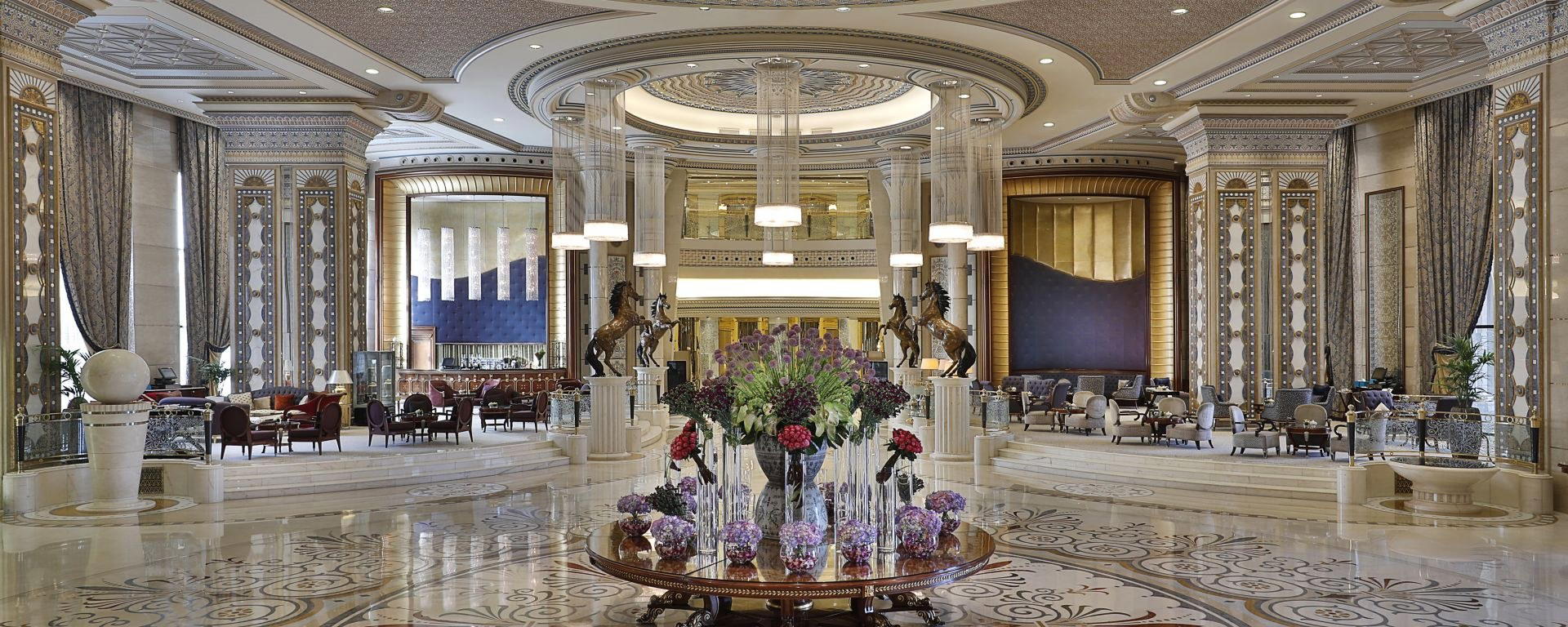
Warm and sophisticated interior with rich brown and maroon tones, featuring a large open kitchen and exclusive Rubi Room for intimate dining.