.png)
Hálong is a Michelin Bib Gourmand-recognised restaurant on Gamboa Street in Makati's CBD, where the kitchen draws on Vietnamese culinary tradition within a city that has become one of Southeast Asia's most competitive dining destinations. The 2026 Bib Gourmand recognition signals serious cooking at accessible price points, placing it in a growing cohort of Makati restaurants earning international notice without the full-starred price bracket.
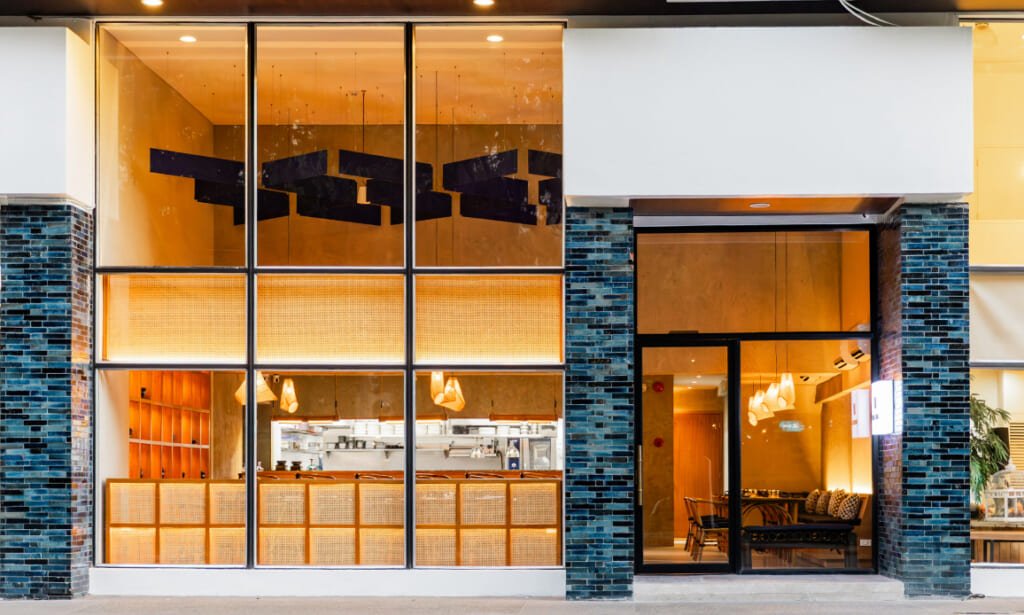
A Street Address That Signals Something
Gamboa Street sits in the quieter commercial grid south of Ayala Avenue, a stretch that has collected a particular kind of restaurant over the past decade: serious kitchens operating below the radar of the hotel-dining circuit. Unit 105 of the First Midland Condominium Building is the kind of address that requires intention to find. There is no lobby entrance, no valet queue, no ground-floor signage competing with fast-casual neighbours. What that address signals, in the context of Makati's current dining moment, is a restaurant that earns its audience through cooking rather than location premium.
Hálong joins a cluster of Makati addresses that have collectively shifted international attention toward the city's independent dining scene. Hapag (Filipino), which holds a Michelin Star, and Celera, also Michelin-starred, occupy the upper tier of that recognition. Hálong's 2026 Bib Gourmand places it in a different but equally deliberate bracket: the Michelin designation for cooking that inspires a return visit specifically because it delivers quality at a price point that doesn't require a special-occasion calculation. That distinction matters in a city where the gap between celebrated fine dining and everyday eating has historically been wide.
Vietnamese Cooking in the Philippine Context
Southeast Asian cuisines travel across the region in ways that rarely get the critical attention they deserve. Vietnamese food in Manila and Makati has long occupied the mid-market tier, associated with pho chains and rice-paper rolls served efficiently and cheaply. What shifts when a Vietnamese kitchen earns Michelin recognition is the critical framing: the cuisine gets evaluated on the same terms as any other serious cooking, assessed for sourcing discipline, technique, and internal consistency rather than simply benchmarked against a price expectation.
The name Hálong references Ha Long Bay in northeastern Vietnam, a geographic anchor that carries weight in Vietnamese cultural identity. Kitchens that reach for that kind of reference are usually making a claim about provenance and seriousness of purpose. The broader pattern across Southeast Asian restaurants earning Bib Gourmand recognition is a commitment to ingredient sourcing that connects dishes to specific regional origins rather than generic interpretations of a national cuisine. Whether that means northern versus southern Vietnamese flavour profiles, specific herb combinations, or proteins sourced with supply-chain transparency, the Bib Gourmand standard implies a kitchen that has answered those questions with some rigour.
The Sustainability Frame in a Makati Kitchen
Makati's restaurant scene has been slower than some of its regional peers to make sustainability a front-of-house conversation. Bangkok's leading independent restaurants have been discussing zero-waste prep and local farm sourcing in print for several years. Singapore's Michelin ecosystem includes multiple venues with documented sourcing ethics. In Manila and Makati, the conversation has been building more quietly, often driven by chefs working in cuisines where ingredient quality and waste discipline are structurally embedded rather than marketed as add-ons.
Vietnamese cooking has an inherent argument for low-impact sourcing built into its architecture. The cuisine uses whole animals and whole plants as a baseline, not as a sustainability gesture. Stocks built from bones and shells, herb beds that span dozens of varieties, fermented condiments that extend shelf life while building flavour depth: these are not modern sustainability retrofits but foundational techniques. A kitchen that earns Bib Gourmand recognition while working in this tradition is almost by definition operating with a degree of ingredient respect that more overtly marketed sustainability programs sometimes fail to match. The discipline is in the cooking, not the branding.
This connects Hálong to a broader shift visible across the Philippine restaurant scene, where younger kitchens are prioritising relationships with local producers, reducing imported ingredient dependency, and finding that sourcing closer to home often produces better results at lower cost. Linamnam in Parañaque has built its identity explicitly around Philippine regional sourcing. Gallery By Chele in Manila has documented farm partnerships in its public communications. Hálong operates in a different culinary register but within the same regional sourcing logic that defines serious cooking in the archipelago.
Placing Hálong in the Makati Peer Set
The 2026 Michelin Bib Gourmand is the primary trust credential here, and it should be read in context. Makati's Michelin-recognised restaurants now span the full range from one-star fine dining to Bib Gourmand, and the accumulation of recognition across multiple price tiers tells a story about the depth of the city's independent restaurant culture. Helm, Inatô, and Kása Palma each occupy distinct positions in that ecosystem. Hálong's position is at the accessible end of the recognised tier, which in practice means it is likely the most frequently visited of the group for diners who eat out regularly rather than reserving Michelin visits for specific occasions.
For comparison outside the Philippines, the Bib Gourmand cohort in a competitive city like New York, where Le Bernardin and Atomix anchor the upper end of the starred tier, often contains the restaurants locals actually frequent. The same logic applies in Makati. Blackbird Makati and Bolero in Taguig offer different reference points in the broader Metro Manila dining conversation, but Hálong's specific combination of Vietnamese cuisine and Bib recognition puts it in a category with few direct comparators in the city.
Planning a Visit
Hálong is located at Unit 105, First Midland Condominium Building, 109 Gamboa, Makati City, 1223 Metro Manila. The address sits within walking distance of the Ayala Avenue commercial corridor, though arriving by car or ride-share is the practical choice for most visitors given Makati's pedestrian infrastructure. Because specific hours, phone contact, and booking method are not publicly listed in the current record, confirming reservation availability directly through the restaurant's current channels before visiting is advisable, particularly given that Bib Gourmand recognition typically increases demand meaningfully in the months following publication. The 2026 designation is recent, which means booking pressure is likely higher now than it was in 2025. Walk-in availability depends on timing and capacity; calling ahead or checking for a current online booking link is the more reliable approach.
For a fuller picture of where Hálong sits within Makati's dining scene, see our full Makati restaurants guide. Those planning a wider trip to the area can also consult our full Makati hotels guide, our full Makati bars guide, our full Makati wineries guide, and our full Makati experiences guide. For Vietnamese and Southeast Asian cooking at Michelin standard elsewhere in the region, Abaseria Deli & Cafe in Cebu and Asador Alfonso in Cavite offer useful comparative reference points for the broader Philippine dining circuit.
Frequently Asked Questions
- What's the must-try dish at Hálong?
- The 2026 Michelin Bib Gourmand recognises the kitchen's cooking across the menu rather than singling out a specific dish, which reflects the consistency standard Michelin applies at this level. For Vietnamese cuisine of this calibre, the baseline test is usually the stocks and broths, which require the most sustained sourcing discipline and technique. Confirming current signature dishes directly with the restaurant before visiting will give you the most accurate answer, as menus at this level change with produce availability.
- Can I walk in to Hálong?
- Following the 2026 Bib Gourmand recognition, walk-in availability at Hálong is harder to predict than it would have been in prior years. Michelin's Bib Gourmand listings consistently drive increased bookings in the months after publication, and Makati's dining public is attuned to those designations. The restaurant is located in a condominium building on Gamboa Street in Makati City, which limits casual foot traffic, making a reservation the more dependable route. Check current booking channels before visiting.
- What's the signature at Hálong?
- Hálong's Michelin Bib Gourmand recognition is itself the clearest signal of what the kitchen prioritises: consistent, technique-driven cooking that delivers value relative to quality. Vietnamese cuisine's signatures are embedded in fermented and slow-cooked foundations, and kitchens earning this recognition at this cuisine level are typically distinguished by the depth of those preparations. For current dish information, contacting the restaurant directly or checking any active social channels is the most accurate approach.
- How does Hálong handle allergies?
- Specific allergy protocols for Hálong are not listed in the current public record. Vietnamese kitchens at this level typically work with multiple allergen-present ingredients including shellfish, peanuts, and gluten-containing sauces, so flagging dietary requirements before arrival is important. Given that Hálong does not have a publicly listed phone or website in the current record, reaching the restaurant through any active social media or reservation platform before visiting is the practical route for allergy communication in Makati.
- How does Hálong's Bib Gourmand recognition compare to the starred restaurants in Makati?
- Michelin's Bib Gourmand and Star designations are evaluated on different criteria: Stars assess cooking at the highest level regardless of price, while the Bib Gourmand specifically recognises good cooking at moderate prices. Makati's starred restaurants, including Hapag and Celera, operate in a higher price bracket and with different dining formats. Hálong's 2026 Bib Gourmand places it in a peer set where the value-to-quality ratio is the primary editorial judgement, making it a different kind of recommendation within the same city's recognised dining tier.
Recognition Snapshot
A quick comparison pulled from similar venues we track in the same category.
Need a table?
Our members enjoy priority alerts and concierge-led booking support for the world's most difficult tables.
Access the Concierge