Hisoka Na :: Japanese Tea Garden
A Japanese tea garden concept on Calle Loíza, San Juan's most design-forward dining corridor, Hisoka Na occupies a space where East Asian ceremony meets Caribbean setting. The format is spare and deliberate, placing seasonal tea ritual at the center of the experience. It belongs to a small tier of San Juan venues where the experience itself is the menu.
 Discover on Pearl
Pearl is the En Primeur Club membership app — saves, bookings, and concierge access live there. Same editors, same standards.
- Address
- 1501 C. Loíza, San Juan, 00911, Puerto Rico
- Phone
- +13213751085
- Website
- hisokanatea.com
Calle Loíza and the Quiet Format
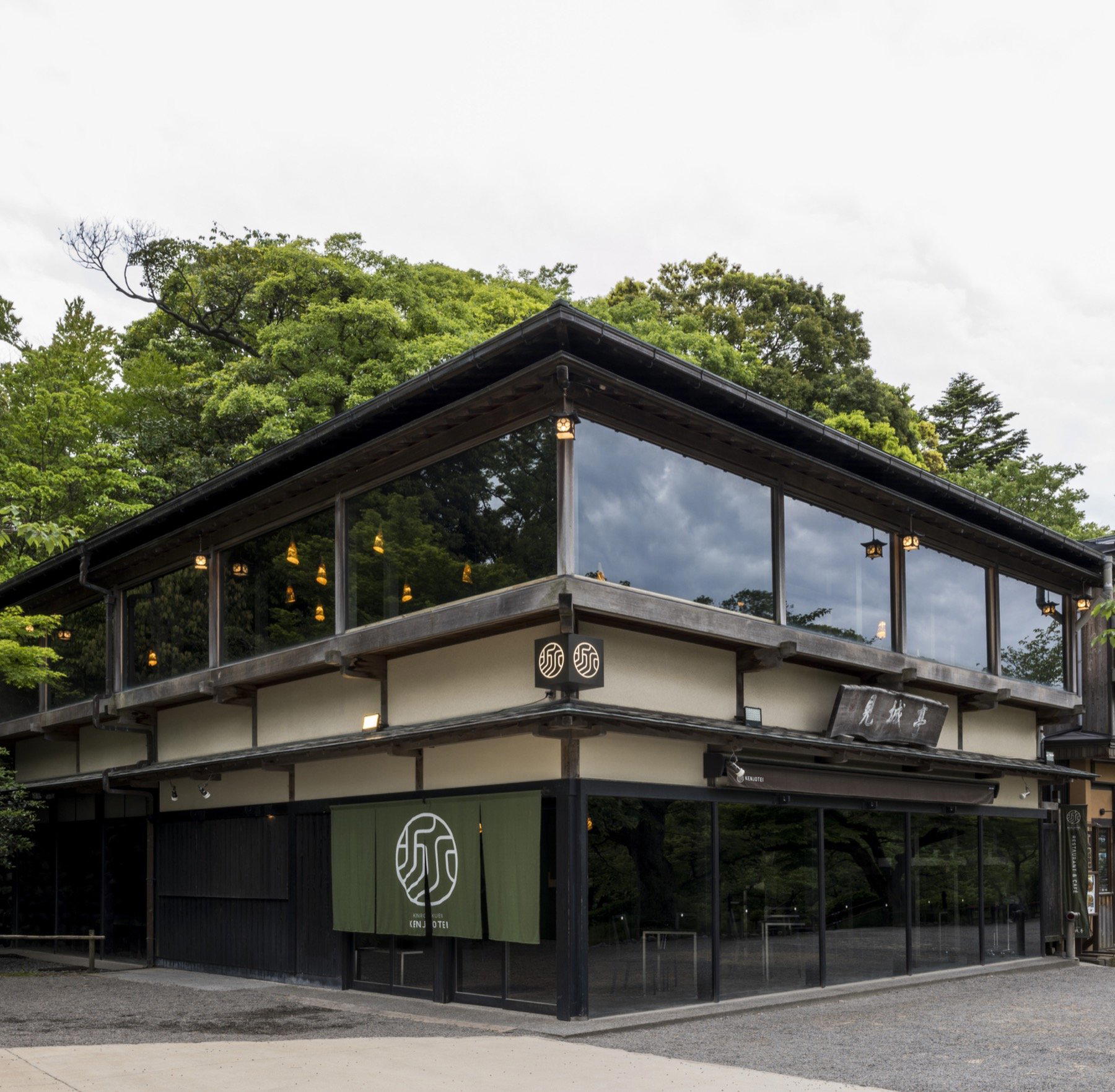
Calle Loíza has been the address of choice for San Juan's more considered dining concepts for the better part of a decade. The strip running through Santurce connects mid-century residential blocks with a rotating cast of independent restaurants, cafés, and concept spaces that tend to operate outside the tourist radius of Old San Juan and the Condado hotel corridor. It is the kind of street where formats that would struggle elsewhere, small-capacity, slow-paced, ingredient-specific, find an audience willing to adjust to the room's tempo rather than the other way around. At 1501 C. Loíza, Hisoka Na :: Japanese Tea Garden occupies that register: a concept built around tea ceremony and garden practice, set against the ambient heat and density of a Caribbean city.
The combination is less contradictory than it first appears. Japanese tea culture, at its foundational level, is an exercise in place-awareness, the garden, the season, the temperature of water, the weight of a ceramic bowl all condition the experience. Puerto Rico, with its layered agricultural history, its tropical botanical range, and its long tradition of herb and plant use in both cooking and domestic ritual, is not an inhospitable environment for that kind of attention. What Hisoka Na does, in concept, is position tea ceremony not as a transplanted cultural curiosity but as a format that can draw on local botanical and sensory material to say something specific about where it is located.
The Logic of Imported Method and Local Material
The broader pattern is worth understanding before focusing on any single venue. Across the Asia-Pacific diaspora and increasingly in cities with Caribbean and Latin American culinary traditions, there is a recognizable category of venue that takes a highly codified practice, Japanese tea ceremony, Korean fermentation, Taiwanese cold brew production, and runs it through a different agricultural and cultural context. The result is not fusion in the casual sense of the word. The technique and its underlying logic remain intact. What changes is the ingredient library and, more slowly, the sensory vocabulary the technique is used to express.
San Juan has developed that capacity across multiple cuisine types. The city now has a generation of chefs and operators who trained internationally and returned with method, applying it to ingredients that are either locally grown or historically embedded in Puerto Rican food culture. Areyto Modern Cuisine by Chef Jason González has worked this territory from a modern Caribbean angle. ARYA represents the city's appetite for South Asian technique applied to local context. Hisoka Na enters that conversation from a Japanese ceremonial direction, which is rarer and carries a different set of constraints: the format is inherently slower, more spatially defined, and less dependent on a kitchen output model than almost any restaurant category.
What a Japanese Tea Garden Format Demands
Tea garden concepts operate under different pressure than conventional restaurant formats. The experience is not primarily constructed around food output volume, table turns, or a kitchen brigade. The discipline lives in the quality and sourcing of tea, the temperature and mineral content of the water used, the sequence and pacing of service, and the spatial design of the garden or room itself. In Japan, the chashitsu, the tea room, is understood as an architectural and environmental argument, not simply a backdrop. In a tropical city like San Juan, the garden dimension becomes more active: humidity, foliage, ambient light, and seasonal plant cycles all play a role that a controlled interior would suppress.
Puerto Rico's botanical range gives that garden dimension genuine material to work with. The island's agricultural history includes not only commercial crops but a deep tradition of medicinal and aromatic plants, menta, toronjil, albahaca, and various endemic species that appear in traditional remedies and domestic preparation but rarely in formal hospitality contexts. A Japanese tea framework, applied with discipline and local knowledge, offers one of the more coherent rationales for bringing those materials into a premium experience format. Whether and how Hisoka Na executes on that potential is a question of the specific sourcing and preparation decisions made in practice, details that are best confirmed directly with the venue before visiting.
Calle Loíza in Context: Planning a Visit
The Loíza corridor sits within Santurce, accessible from the Condado and Miramar areas without requiring significant transit planning. Visitors staying along the Ashford Avenue hotel stretch can reach the neighborhood by short taxi or rideshare. The dining scene on Calle Loíza and its adjacent blocks runs independently of Old San Juan's tourism rhythm, which means peak hours and reservation windows follow a local rather than visitor calendar. For a format like Hisoka Na, quiet, capacity-sensitive, and dependent on a particular pace of service, advance contact with the venue is advisable before assuming walk-in availability. Loíza is the most reliable approach.
The broader Santurce dining circuit gives context for how to structure a visit. Amor y Sal and AQA Oceanfront represent the more coastal, seafood-driven end of San Juan dining. 1919 Restaurant at the Condado Vanderbilt operates in the formal modern American register. Hisoka Na sits in a different tier entirely: not organized around a tasting menu or kitchen-driven format, but around a ceremonial practice that asks the visitor to arrive without the expectations that come with a conventional restaurant booking.
For readers building a broader Puerto Rico itinerary, the island's dining range extends well past San Juan. CAÑA in Carolina, La Faena in Guaynabo, and Lechonera Los Pinos in Cayey each represent distinct registers of Puerto Rican food culture at a remove from the capital. Bottles Dorado in Dorado and Charco Azul in Vega Baja extend the range further west. For a global reference point on how technique-driven, quiet-format venues operate in a premium contemporary format, Atomix in New York City offers a useful comparison.
Comparable Options
Comparable venues nearby, for context on price, style, and recognition.
| Venue | Cuisine | Price | Notes |
|---|---|---|---|
| Hisoka Na :: Japanese Tea GardenThis venue — the venue you are viewing | Japanese Tea Garden | $$ | |
| Caficultura | Puerto Rican Cafe | $$ | San Francisco |
| Josefina Vino y Cocina | Caribbean Fusion with International Influences | $$ | Gobernador Piñero |
| Nonna Cucina Rustica | Rustic Italian Trattoria | $$ | Parque |
| Amor y Sal | Modern Puerto Rican Caribbean | $$ | Pozo del Hato |
| Los Yeyos Restaurant | Puerto Rican Mofongo House | $$ | San Francisco |


At a Glance
- Hidden Gem
- Cozy
- Whimsical
- Date Night
- Casual Hangout
- Garden
- Sake Program
- Garden
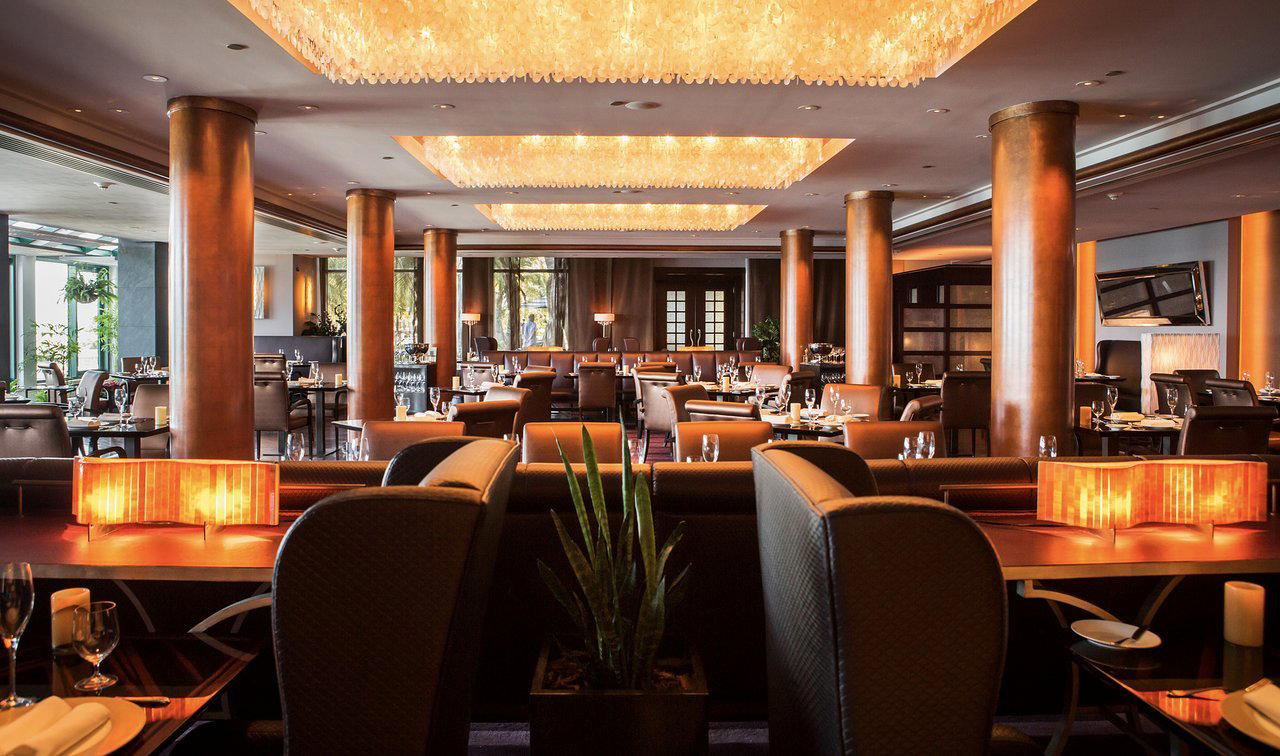
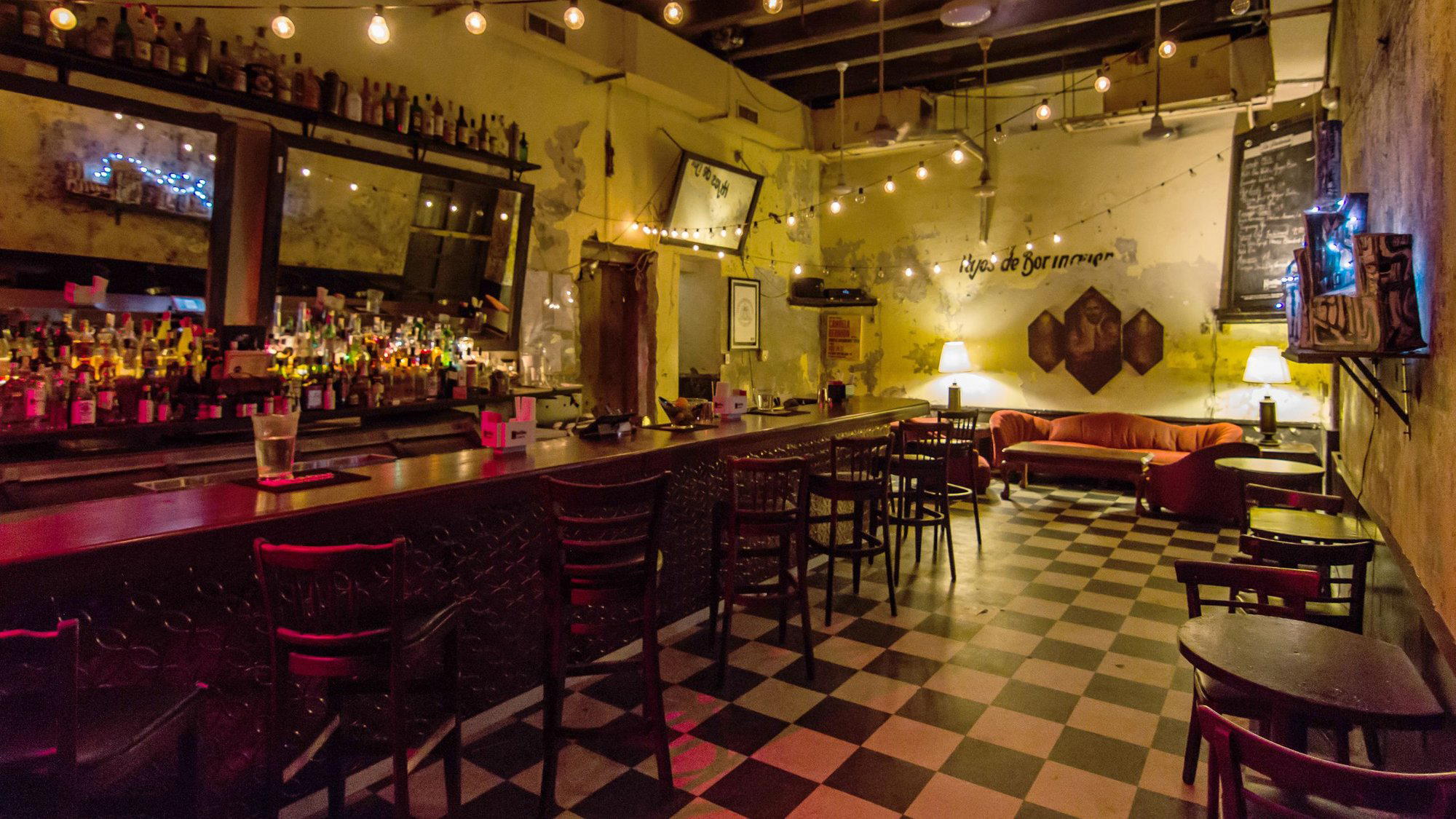
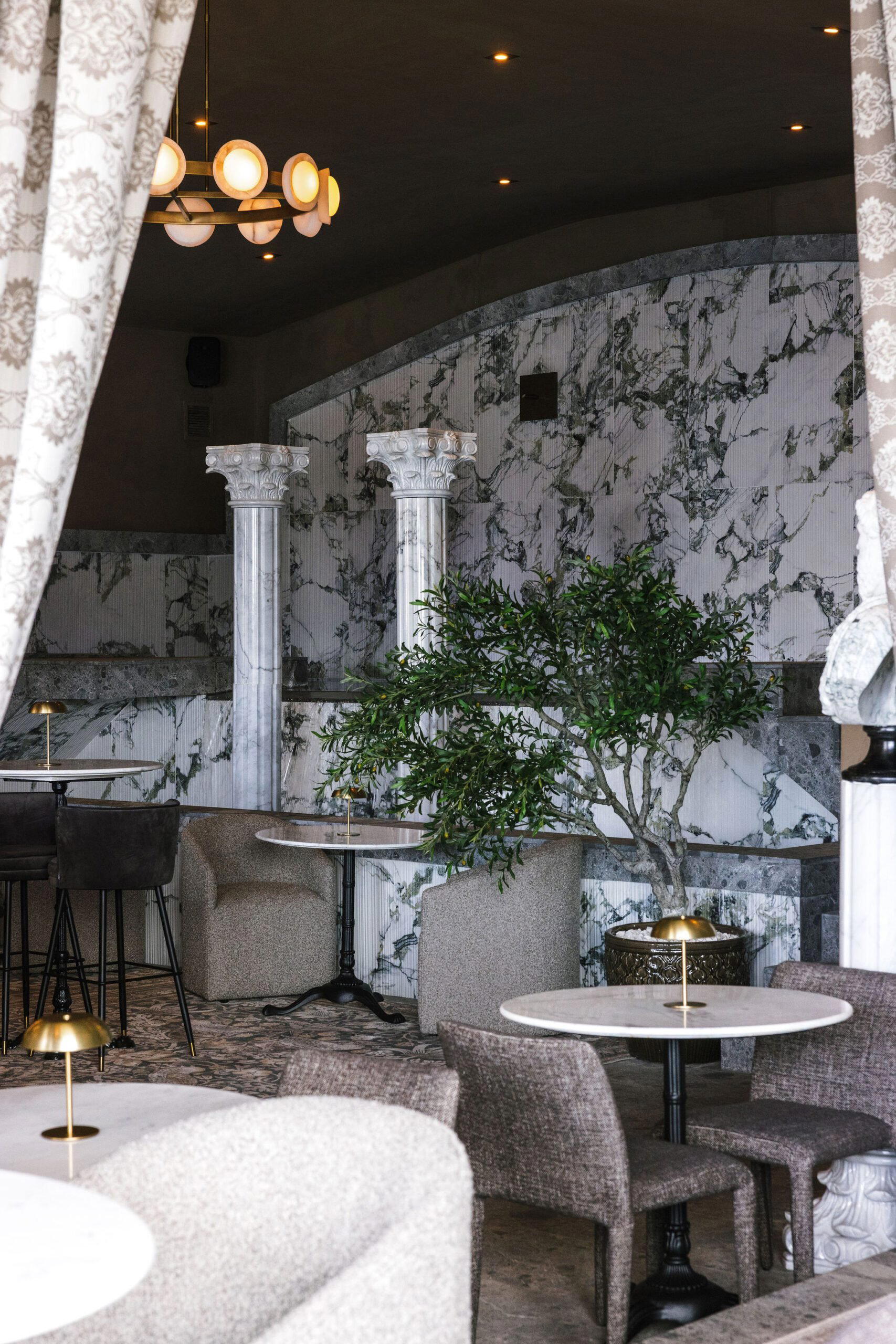
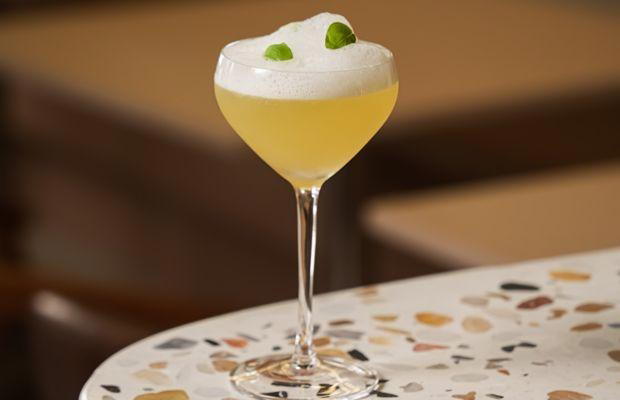
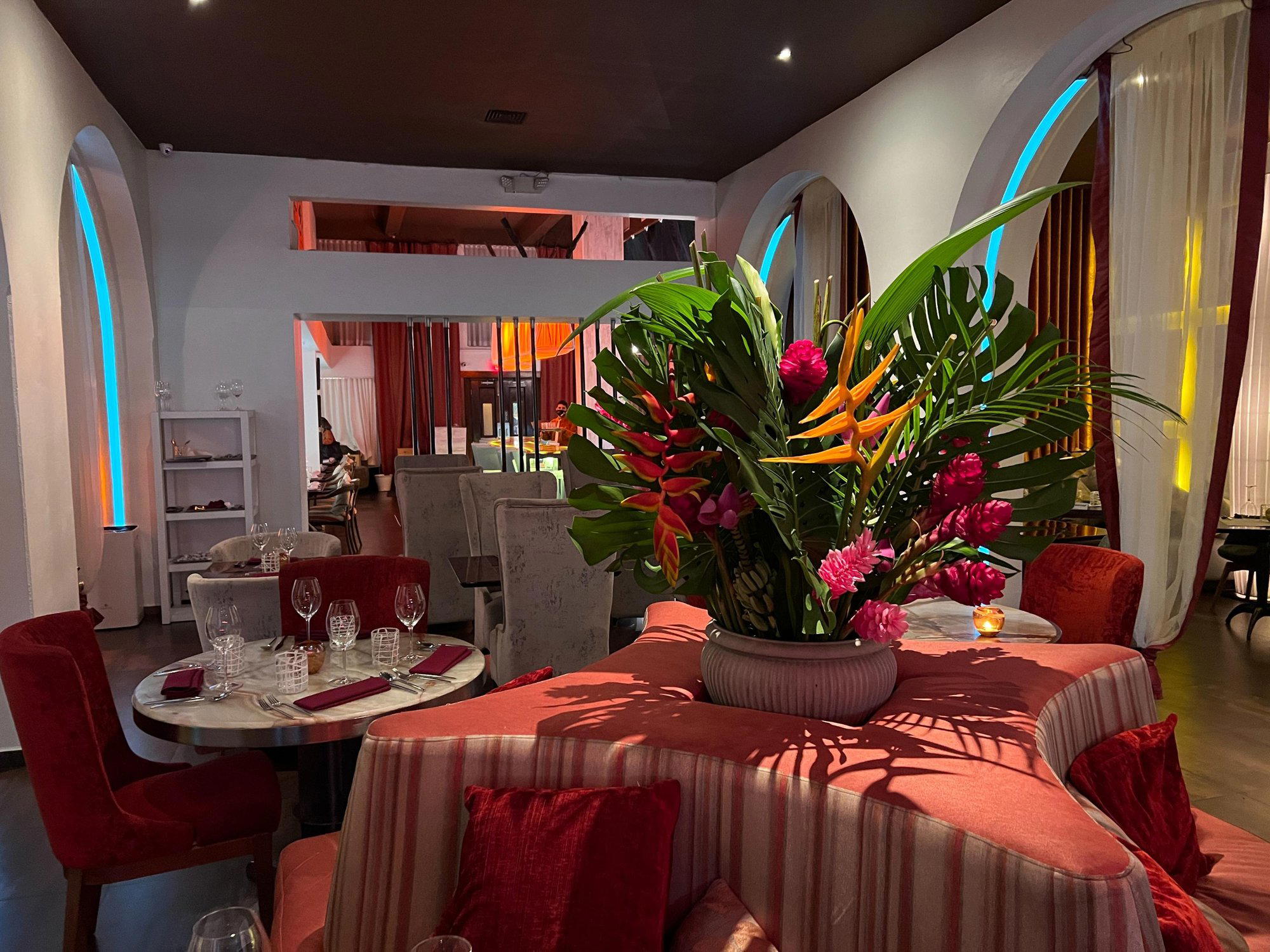
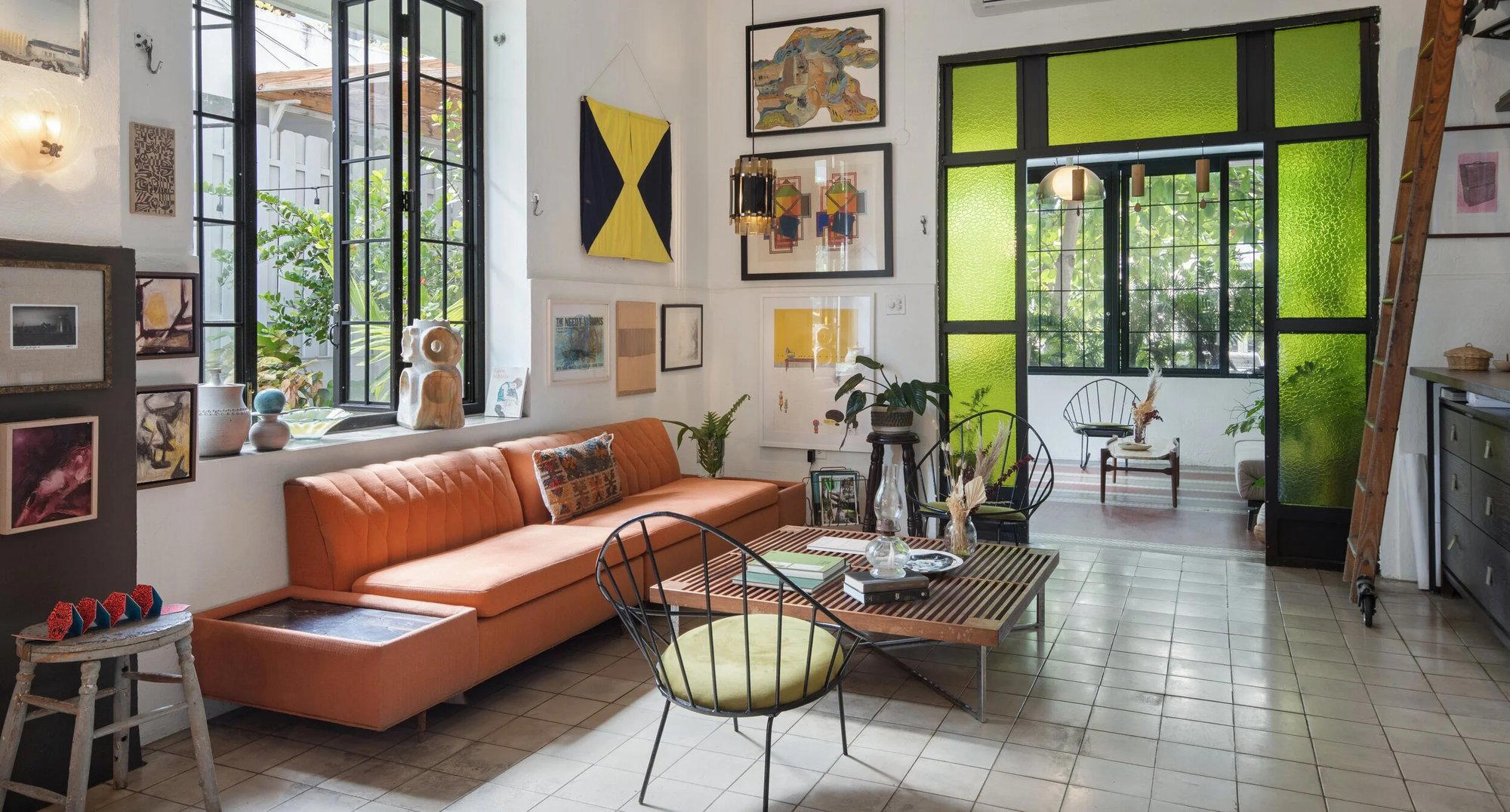
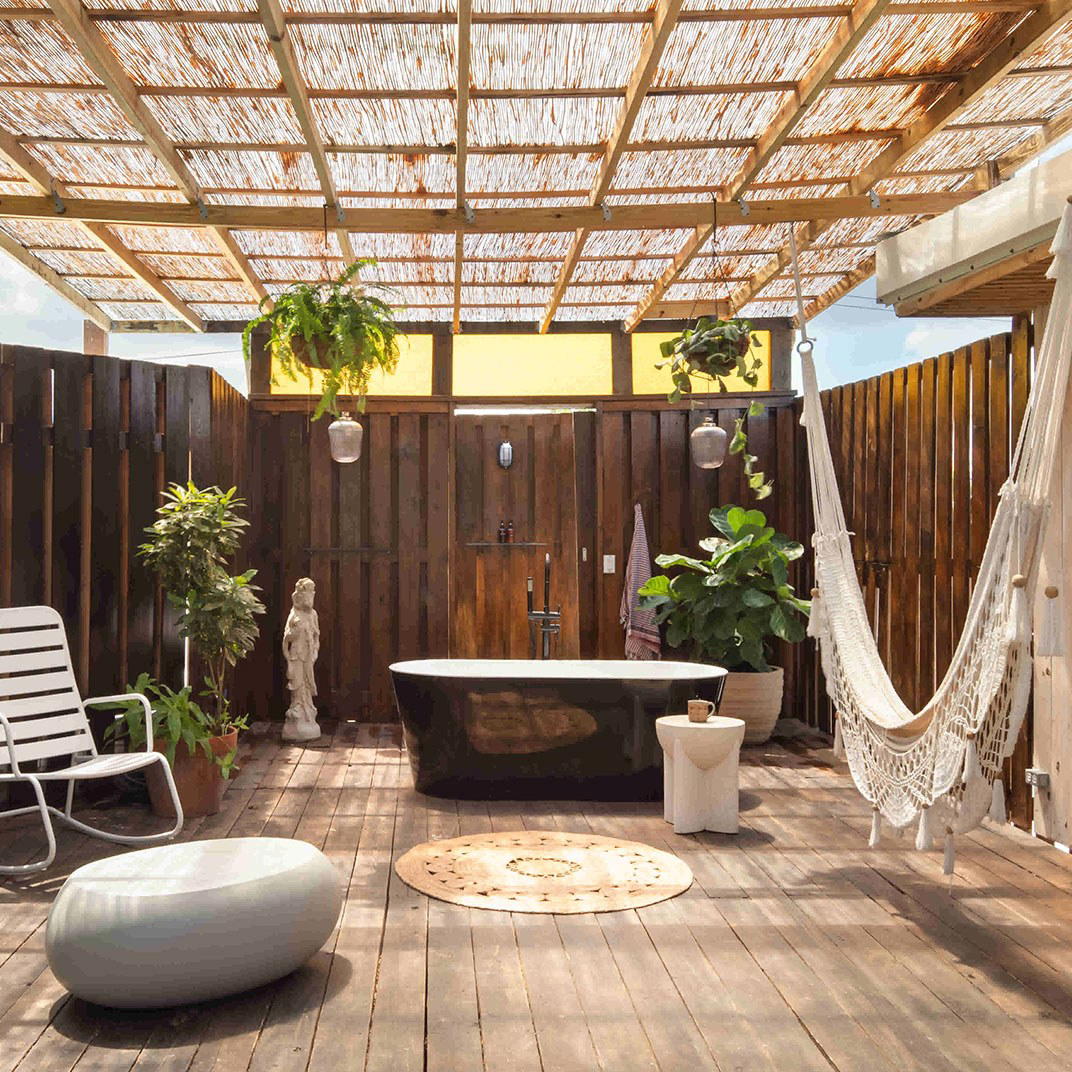
Tranquil oasis atmosphere with precise tea brewing and sensory experiences in a garden setting.