
Michelin Plate
Our verdict
Hirschkönig holds a Michelin Plate for 2024 and 2025, placing it among the recognised seasonal dining addresses in Bavaria's Altmühl Valley. Situated on Marktstraße in the market town of Parsberg, the kitchen works within the seasonal cuisine tradition that defines much of serious regional German cooking.

Pearl is the En Primeur Club membership app, where members save venues, book tables and use the concierge.
Where Parsberg Sits in Bavaria's Seasonal Dining Picture
Bavaria's fine dining geography is not a straight line from Munich outward. Serious kitchens appear in market towns, spa villages, and rural crossroads with surprising frequency, and Parsberg, a compact administrative centre in the Upper Palatinate district roughly midway between Regensburg and Nuremberg, belongs to that pattern. The Altmühl Valley and its surrounding limestone plateau provide a larder that regional kitchens have drawn on for generations: freshwater fish from the river, game from the extensive forests, mushrooms and wild herbs during the warmer months, and root vegetables that carry a depth of flavour that intensive agriculture rarely matches. Hirschkönig, on Marktstraße 1a in the heart of the market town, occupies this tradition rather than simply gesturing toward it.
For a broader view of where to eat, stay, and drink in the area, see our full Parsberg restaurants guide, as well as our guides to Parsberg hotels, bars, wineries, and experiences.
The Approach: Seasonal Cuisine as a Sourcing Discipline
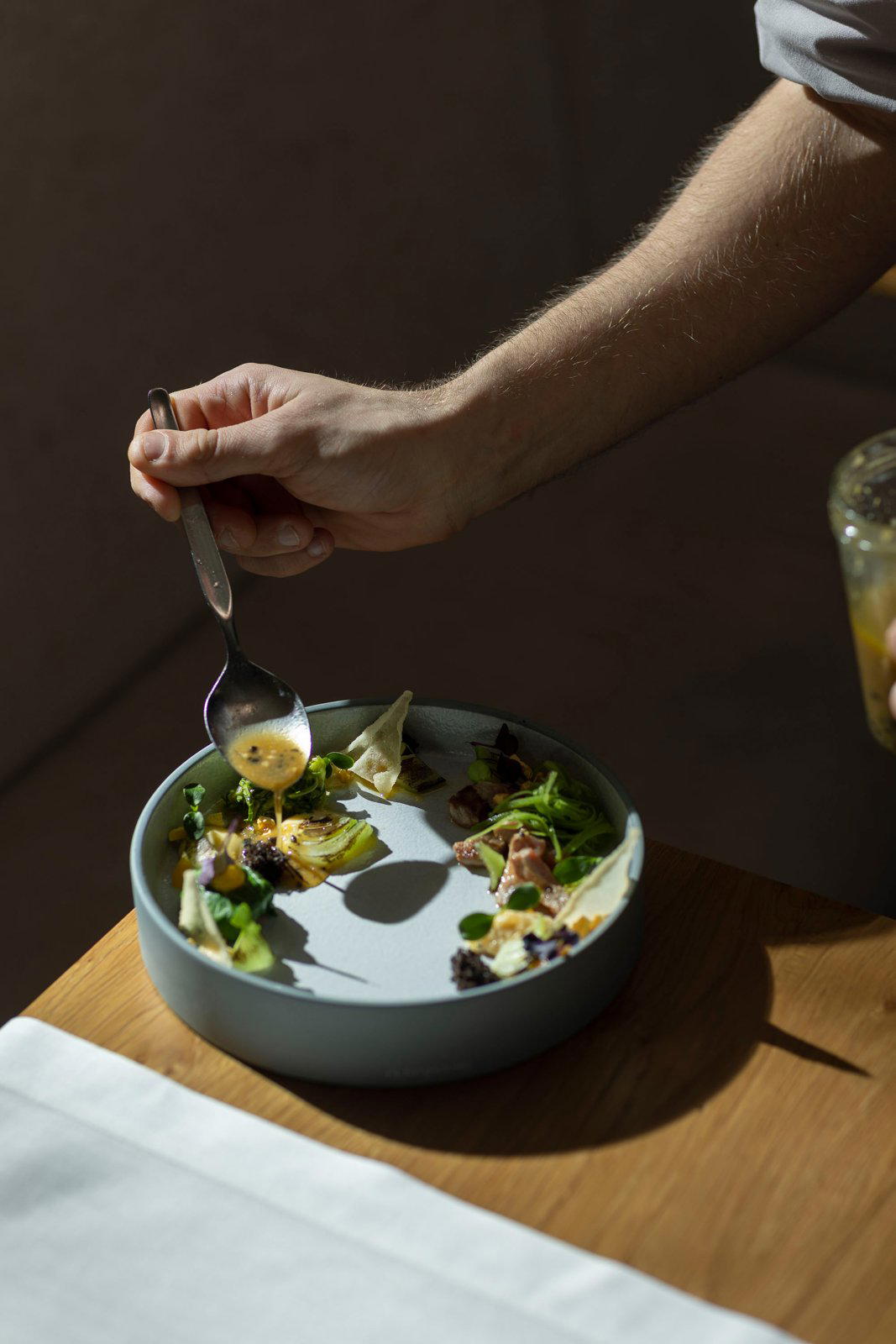
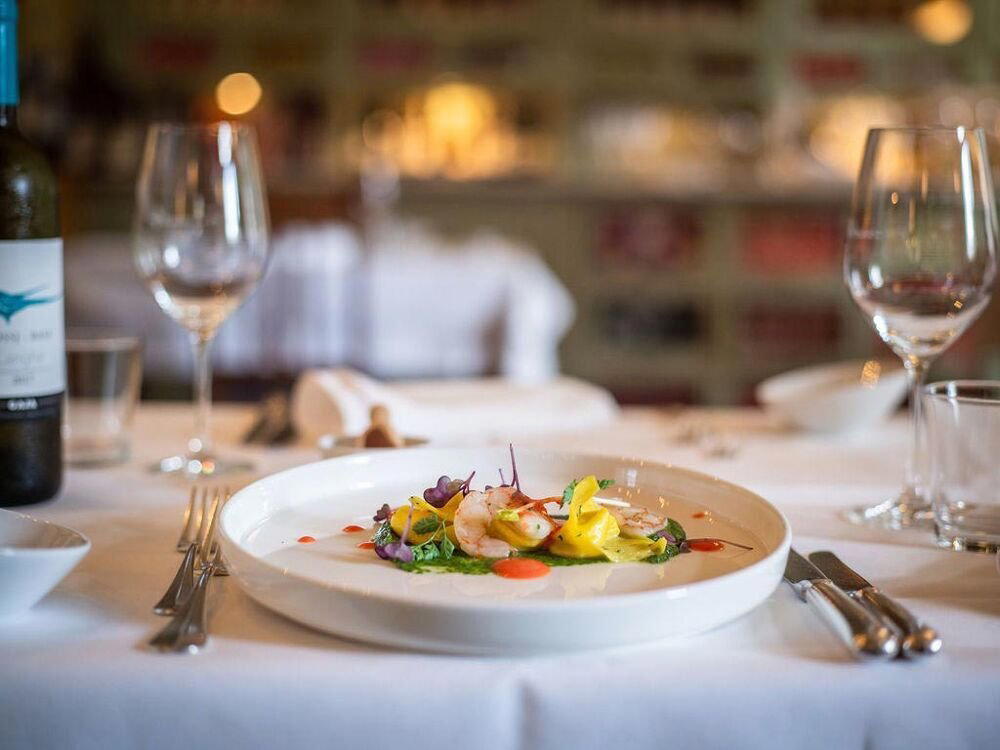
The label "seasonal cuisine" gets applied loosely across German restaurant culture, but at the recognised level it implies a specific discipline: menus that shift with the supply calendar rather than around fixed signature dishes, and sourcing relationships with producers close enough to make that responsiveness practical. The Altmühl region supports exactly this kind of kitchen logic. Game, deer, wild boar, hare, is available from local hunts through the autumn and winter months, which gives a kitchen named Hirschkönig (roughly, stag king) a direct referent in the surrounding countryside. Summer brings river fish and the foraged products of the limestone plateau. Spring is asparagus country in southern Germany, and the Upper Palatinate participates in that tradition as fully as any region in Bavaria.
For comparison with how seasonal sourcing gets executed at the starred level elsewhere in Germany, the kitchens at Schanz in Piesport and Waldhotel Sonnora in Dreis offer instructive benchmarks, both working within the broader tradition of sourcing-led German fine dining. Further afield, Schwarzwaldstube in Baiersbronn shows how deeply regional identity can anchor a kitchen operating at three-star level, while ES:SENZ in Grassau provides a closer Bavarian parallel for the same seasonal-regional approach.
Recognition and What It Signals
Hirschkönig carries a Michelin Plate for both 2024 and 2025. In the Michelin framework, the Plate designation marks kitchens that inspectors consider to offer good cooking worth knowing about, without yet reaching the threshold for star recognition. It is a meaningful signal rather than a consolation: many €€€€ restaurants operating at this price point do not receive any Michelin acknowledgement. Two consecutive years of recognition confirms that this is not an aberration; the kitchen delivers consistently at a level Michelin considers recommendable.
The sample size is modest, as it tends to be in market towns, but the score is notably high, suggesting a guest experience that matches the price and the ambition. For context on what consecutive Michelin recognition looks like at higher tiers in Germany, see JAN in Munich, Vendôme in Bergisch Gladbach, or Victor's Fine Dining by Christian Bau in Perl, all operating at the starred level with the same €€€€ pricing tier.
The Setting and How to Read It
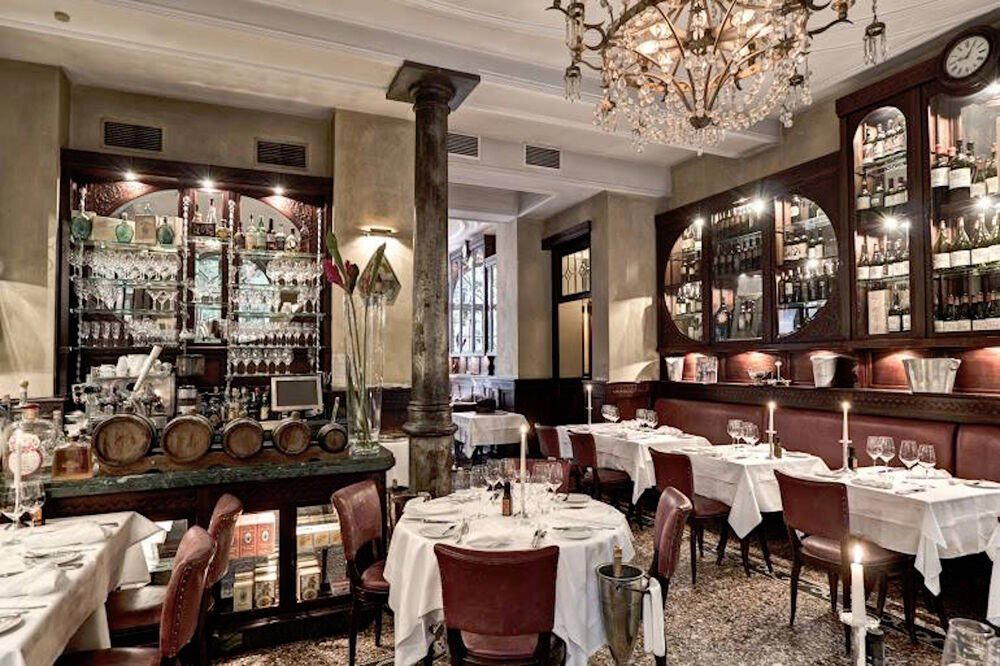
Marktstraße 1a places Hirschkönig on the main commercial street of a small Bavarian market town. This address type is common for serious regional German kitchens: not a hotel dining room, not an urban side street, but the kind of town-centre building that has housed a succession of civic and commercial uses over the decades. The physical experience of arriving is one of provincial German formality softened by proximity to a working countryside. These are not settings designed for spectacle; they operate on a different register, where the weight of the cooking and the quality of service carry the evening.
The Altmühl Valley, visible from the plateau above Parsberg on clear days, provides the backdrop that gives the name its weight. This is genuine game and agricultural country, not a stylised rural backdrop. That specificity matters in evaluating a kitchen like this: the sourcing claims, implicit in the seasonal cuisine positioning, are geographically plausible in a way that is harder to sustain in a city restaurant without a documented supplier network.
How Hirschkönig Compares Within the Seasonal Cuisine Category
Germany's seasonal cuisine tradition spans an enormous range of execution and ambition. At the three-star level, Aqua in Wolfsburg and Schwarzwaldstube in Baiersbronn represent the outer boundary of what the format can achieve. Michelin Plate recognition positions Hirschkönig below that tier but clearly within the category of kitchens that take sourcing and seasonality seriously. Comparable seasonal-format addresses in the broader German-speaking region include Kirchenwirt in Leogang (Austria) and Fields by René Mathieu in Luxembourg, both of which work within the same ingredient-first tradition across different national contexts.
Within Germany's creative end, kitchens like CODA Dessert Dining in Berlin and Restaurant Haerlin in Hamburg take the seasonal format in a more conceptual direction. Hirschkönig, based on its regional positioning and market-town address, appears to operate closer to the classical end of that spectrum, where the focus is on ingredient quality and kitchen execution rather than structural innovation. Bagatelle in Trier offers another regional German parallel for the Michelin-recognised kitchen operating outside the major city centres.
Planning Your Visit
Parsberg is accessible by road from both Regensburg (roughly 40 kilometres to the east) and Nuremberg (around 60 kilometres to the northwest), which makes it a feasible destination for guests travelling between those cities or making a dedicated excursion from either. At the €€€€ price point with Michelin recognition, booking in advance is advisable; while Hirschkönig is unlikely to carry the three-month lead times of Germany's starred urban counters, serious regional restaurants of this standing fill weekend slots quickly.
Frequently asked questions
How much does it cost to eat at Hirschkönig?
Pricing at Hirschkönig is listed as €€€€.
Where do I go for Hirschkönig?
Hirschkönig is located at Marktstraße 1a, 92331 Parsberg, Germany, Parsberg.
Comparable Spots, Quickly
| Venue | Cuisine | Price | Awards | Notes |
|---|---|---|---|---|
| HirschkönigThis venue (the venue you are viewing) | Modern Seasonal German Fine Dining | Not listed | Michelin Plate | Not listed |
| Schwarzwaldstube | Modern French Fine Dining | $150–200 | 3 Michelin Stars · World's 50 Best #47 | French, Classic French |
| Aqua | Contemporary German, Italian/Japanese, Creative | Not listed | Michelin 3 Star | Not listed |
| CODA Dessert Dining | Dessert-Inspired Fine Dining | $200–300 | 2 Michelin Stars · World's 50 Best #79 | Creative |
| Tantris | Modern French, French Contemporary | Not listed | Michelin 2 Star | Not listed |
| Vendôme | Modern German Haute Cuisine | $200–300 | 2 Michelin Stars · World's 50 Best #47 | Modern European, Creative |
Recognition history
Dated appearances from independent guides and award organizations, with the underlying list record or original source where available.
Michelin Plate
Michelin
Full recognition history (2 entries)
Michelin Plate
Michelin
Continue exploring
More in Parsberg
Restaurants in Parsberg
All restaurants in Parsberg →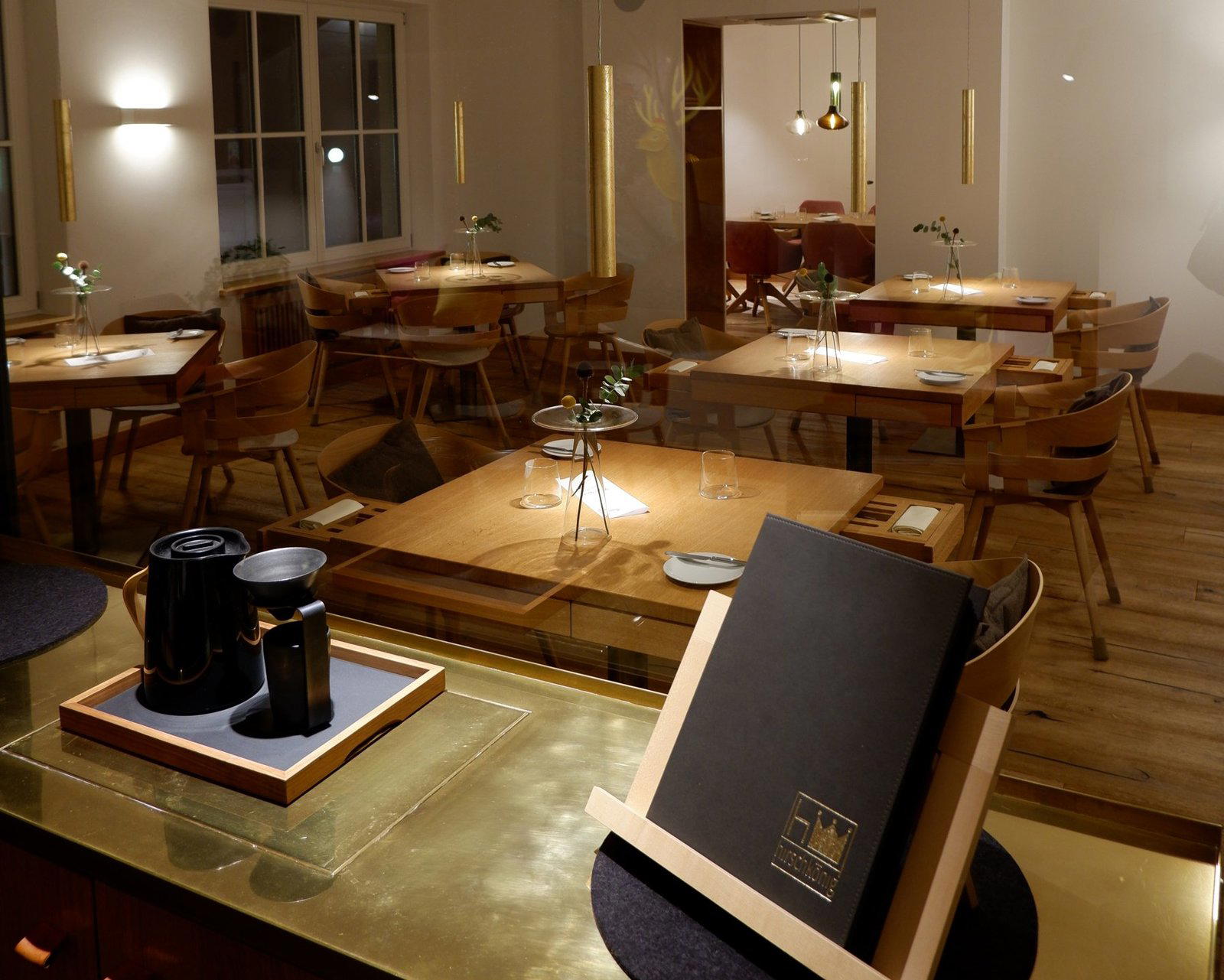
Bars in Parsberg
Browse all →
Hotels in Parsberg
Browse all →
Details
- Elegant
- Cozy
- Modern
- Intimate
- Rustic
- Date Night
- Special Occasion
- Hotel Restaurant
- Extensive Wine List
- Local Sourcing
- Set Menu
- Vegetarian Friendly
Current opening hours
- Monday
- Closed
- Tuesday
- Closed
- Wednesday
- Closed
- Thursday
- 6 PM–12 AM
- Friday
- 6 PM–12 AM
- Saturday
- Closed
- Sunday
- Closed
Hours can change for holidays and private events. Hours as of .
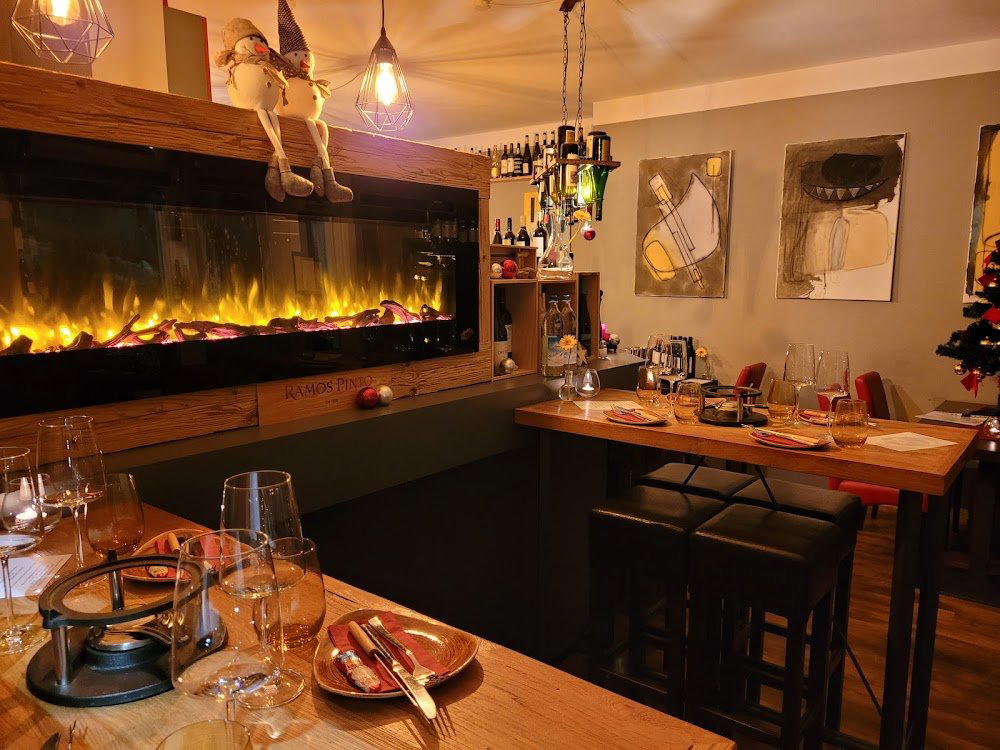
Elegant contemporary interior with warm lamp lighting, rural charm, and a puristic-sleek design creating a welcoming, relaxed fine dining atmosphere.