Roter Hahn

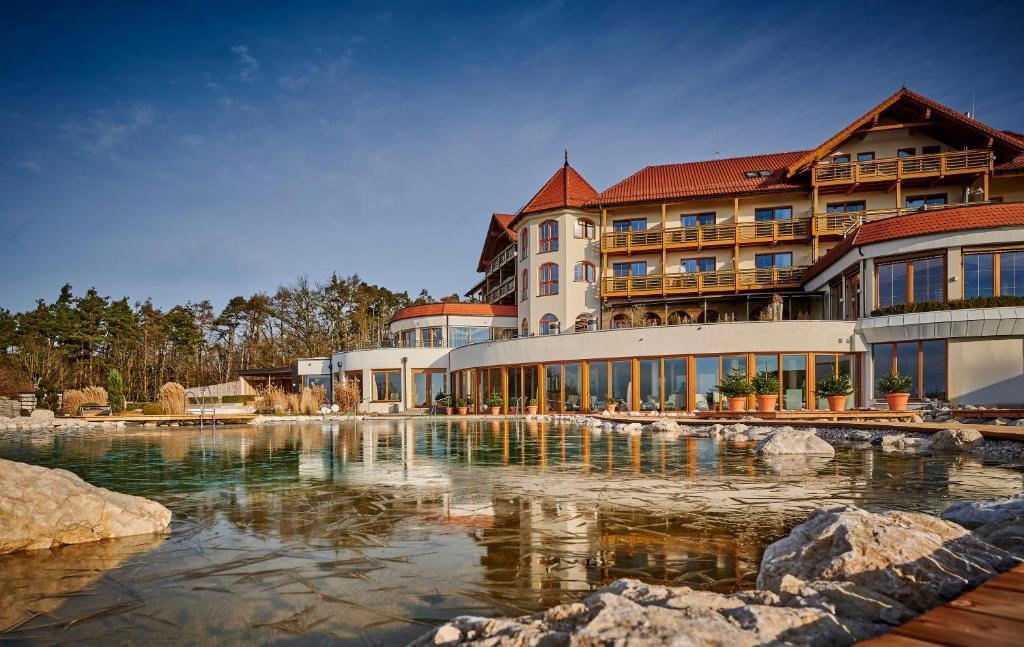
Roter Hahn occupies a historic address in Regensburg's UNESCO-listed old town, operating under Schmidt family ownership since 1950. Now managed by Maximilian Schmidt Jr., the property sits at the intersection of Bavarian hospitality tradition and a city with one of Germany's most concentrated medieval streetscapes. For travellers treating Regensburg as a serious stop rather than a day trip, it serves as a credible base within walking distance of the city's principal historic quarter.
Pearl is the En Primeur Club membership app — saves, bookings, and concierge access live there. Same editors, same standards.
- Address
- Rote-Hahnen-Gasse 10, 93047 Regensburg, Germany
- Phone
- +49 941 595090
- Website
- roter-hahn.com
 Saves & bookings on Pearl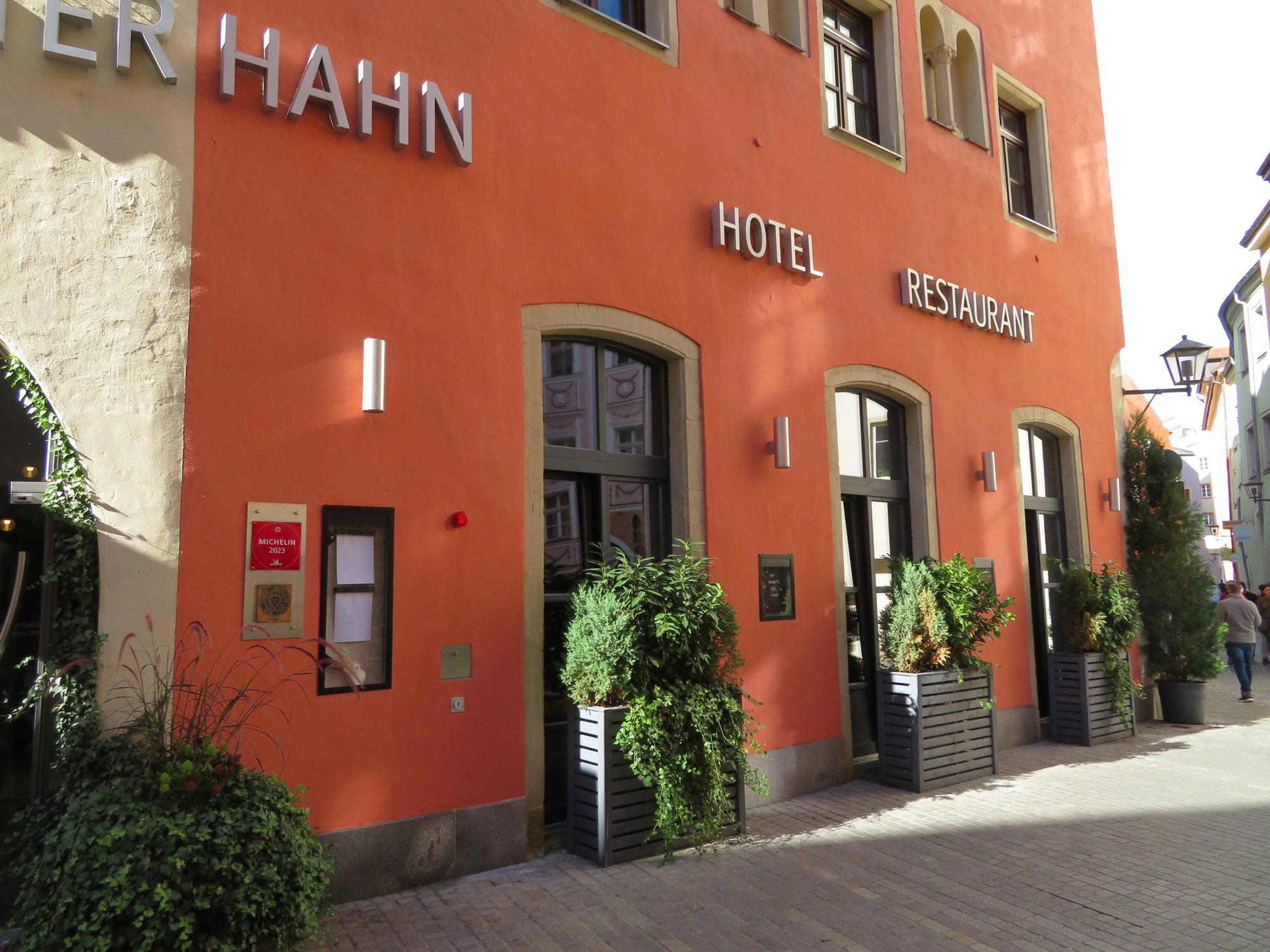
Old Town Coordinates
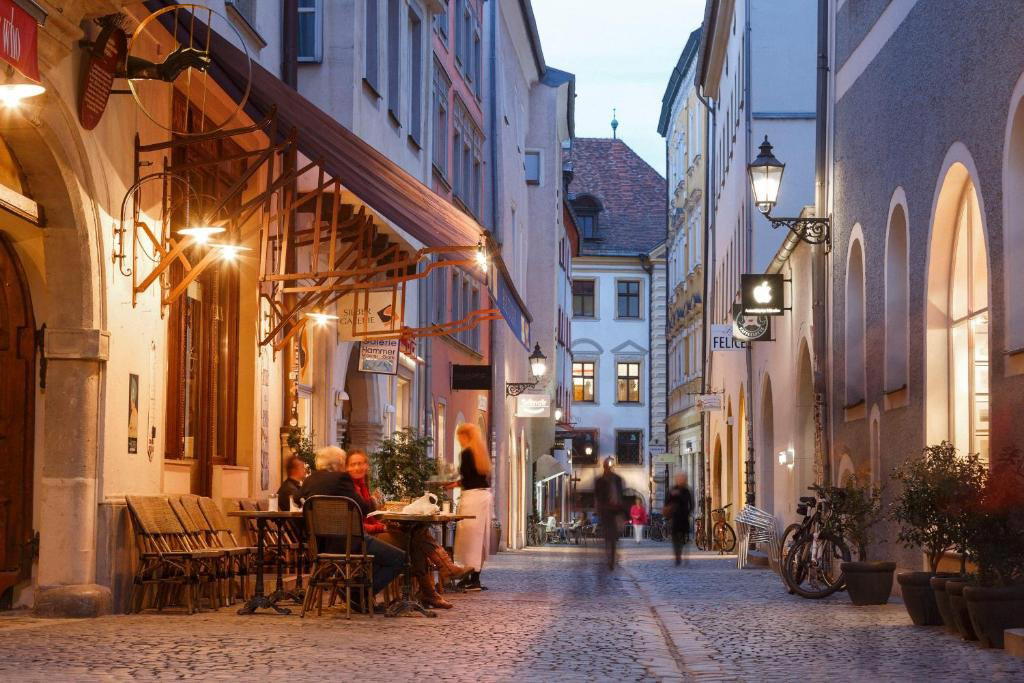
Regensburg's Altstadt is among the most intact medieval city centres in the German-speaking world, a UNESCO World Heritage Site since 2006 where Roman walls, Romanesque churches, and patrician tower houses occupy the same few square kilometres. Accommodation inside this perimeter is limited by design: the old town's protected status constrains new development, which means the hotel options that do exist here carry an access premium that newer peripheral properties simply cannot match. Rote-Hahnen-Gasse 10 sits within that tight geography, placing Roter Hahn in immediate walking distance of the Stone Bridge, the Cathedral of St. Peter, and the dense restaurant quarter that has made Regensburg increasingly relevant to German food-and-travel itineraries.
Continuity as a Credential
German hospitality has long placed weight on generational ownership as a mark of quality consistency, and Roter Hahn belongs squarely to that tradition. The Schmidt family has run the property since 1950, a span that covers the city's postwar reconstruction, its emergence as a tourist destination, and the more recent growth of serious dining in the region. Family-owned hotels in preserved city centres tend to accumulate a kind of institutional knowledge that chain properties cannot replicate: supplier relationships, an understanding of seasonal rhythms, and a guest retention rate built on repeat visits rather than online acquisition. Maximilian Schmidt Jr. now carries that operational continuity forward, which places Roter Hahn in the company of independent European city hotels where the handoff between generations is itself a trust signal.
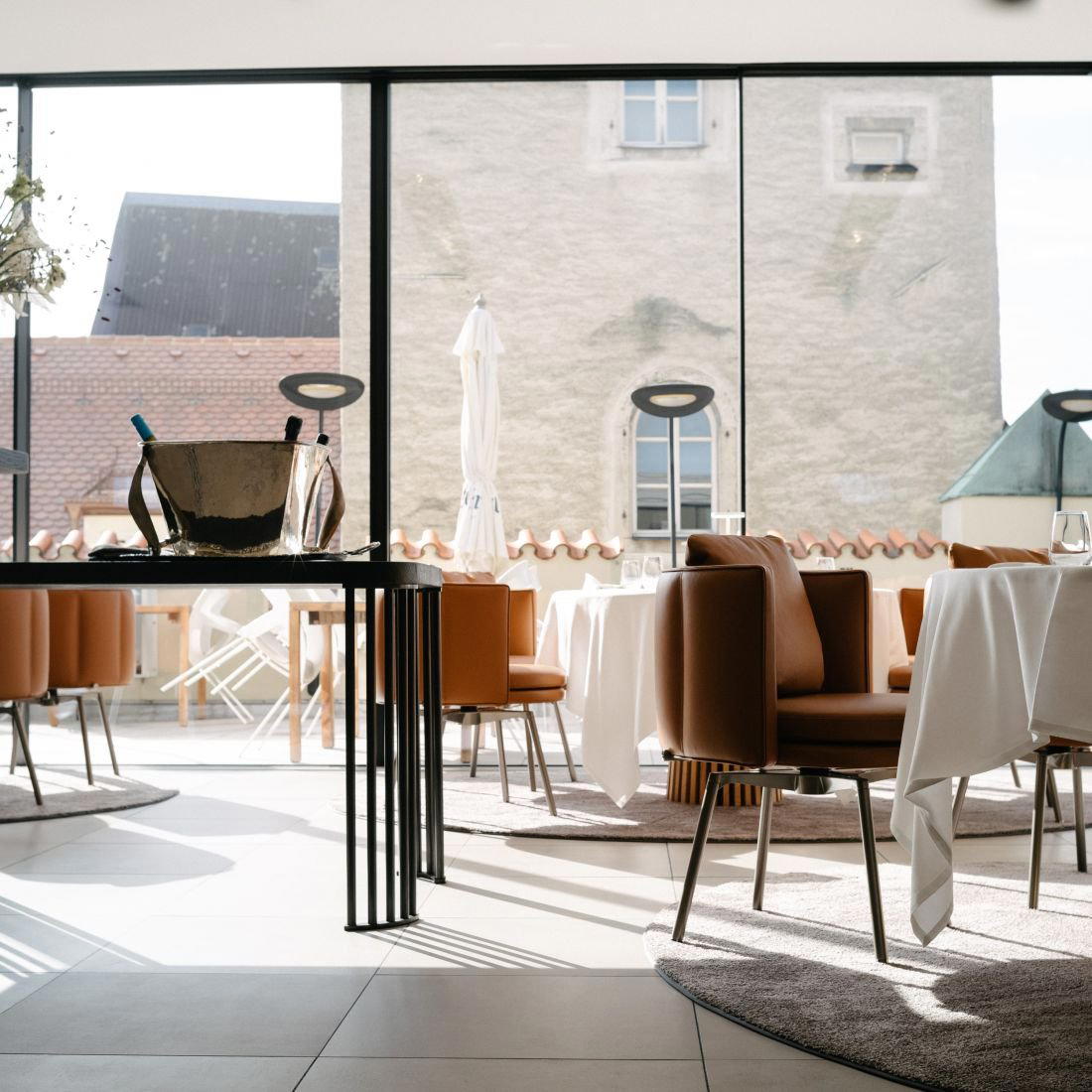
For travellers who use accommodation as an anchor for a broader programme, the hotel's position relative to Regensburg's dining scene matters as much as the rooms themselves. The city's most discussed restaurant addresses cluster within the old town and its immediate surrounds. ROTER HAHN by Maximilian Schmidt, the associated restaurant, operates at the €€€€ price point and sits in the same creative-modern bracket as Storstad, Regensburg's most recognised fine dining address. Ontra's Gourmetstube offers another modern cuisine option within the city, while Kreutzer's operates at a more accessible €€ tier for evenings when a full tasting menu isn't the objective.
Regensburg's Dining Character
Bavaria's culinary reputation is built primarily on beer halls, pork-heavy regional cooking, and the kind of hospitality that values volume and conviviality over precision. Regensburg fits that template in parts, particularly along the Danube waterfront where the Historische Wurstkuchl has been serving grilled sausages since the twelfth century. But the city also sustains a quieter counter-tradition of more considered cooking, one that has grown as Regensburg's international visitor profile has expanded and as the university population has shaped a more cosmopolitan local appetite. The result is a dining scene with genuine range: sausage stalls beside the river, middle-market brasseries in the patrician lanes, and a small cohort of ambition-led restaurants that benchmark themselves against Germany's broader fine dining circuit rather than regional Bavarian norms.
That broader circuit now includes names like Aqua in Wolfsburg, JAN in Munich, Schwarzwaldstube in Baiersbronn, and Vendôme in Bergisch Gladbach, all of which pull visiting food travellers into smaller German cities. Regensburg's appearance on similar itineraries is a relatively recent phenomenon, accelerated by the recognition that the old town's physical environment makes it a more atmospheric place to eat than most comparably sized German cities. The compact geography also means that a visitor staying in the Altstadt can cover the city's principal restaurant addresses on foot across a two- or three-night stay.
Where the Hotel Fits in the City's Accommodation Tier
Regensburg's accommodation market splits between large chain properties at the city's periphery, mid-market hotels in the outer districts, and a small inventory of independent properties within the Altstadt itself. The old town category is the smallest and, for most travellers with a genuine interest in the city rather than a transit stop, the most logical choice. Properties here trade on location as much as amenities, and the standard comparison is less about thread counts than about whether a guest wants to step directly into a medieval streetscape or commute into it. Roter Hahn's position on Rote-Hahnen-Gasse places it in that walkable core, which carries practical weight when the programme involves evening restaurant visits and early morning cathedral access.
Travellers building a full Regensburg programme beyond food and accommodation should note that the city has a small but coherent set of bar and cultural experiences concentrated in the same old town area.
Planning Your Stay
Regensburg draws heaviest visitor traffic during the summer months, when river cruise itineraries along the Danube make the city a scheduled stop and the outdoor eating culture along the waterfront is fully operational. The Christmas market season in December is a secondary peak, with the old town's medieval architecture providing a backdrop that has made the market one of the more atmospheric in southern Germany. Shoulder season visits in spring and autumn offer thinner crowds and, for restaurant-focused travellers, easier access to tables at the city's most discussed addresses. The associated ROTER HAHN by Maximilian Schmidt restaurant merits advance planning regardless of season.
Regensburg is served by Munich Airport (MUC) approximately 100 kilometres to the southwest, with direct rail connections running in roughly an hour and twenty minutes from Munich Hauptbahnhof. The city's main railway station sits outside the old town but within reasonable walking distance of the Altstadt, making Roter Hahn accessible without requiring a taxi for guests arriving by train.
Cost and Credentials
Comparable venues nearby, for context on price, style, and recognition.
| Venue | Cuisine | Price | Awards | Notes |
|---|---|---|---|---|
| Roter HahnThis venue — the venue you are viewing | Altstadt, Modern German Fine Dining | $$$$ | ||
| Historische Wurstkuchl | $$ | , | Old Town, Historic Bavarian Sausage Kitchen | |
| Spelunke | Dining | , | Michelin Plate | |
| Bella Tandoori Regensburg | Burgweinting, Authentic Indian Tandoori | $$ | , | |
| Storstad | $$$$ | Michelin 1 Star | Altstadt (Old Town), Nordic-Influenced Creative Fine Dining | |
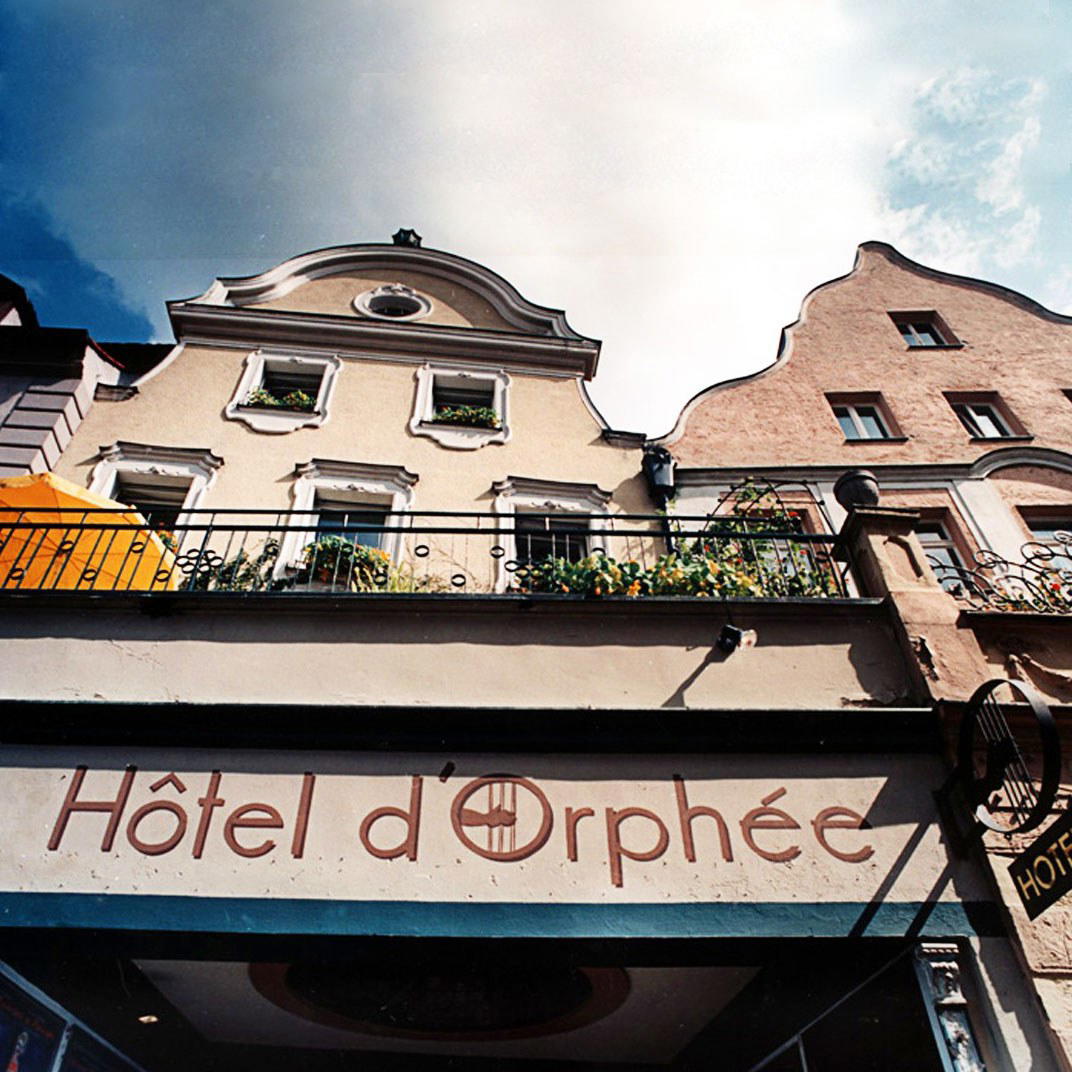
| Orphée | old town, Classic French Bistro | $$ | , |
Continue exploring
More in Regensburg
Restaurants in Regensburg
Browse all →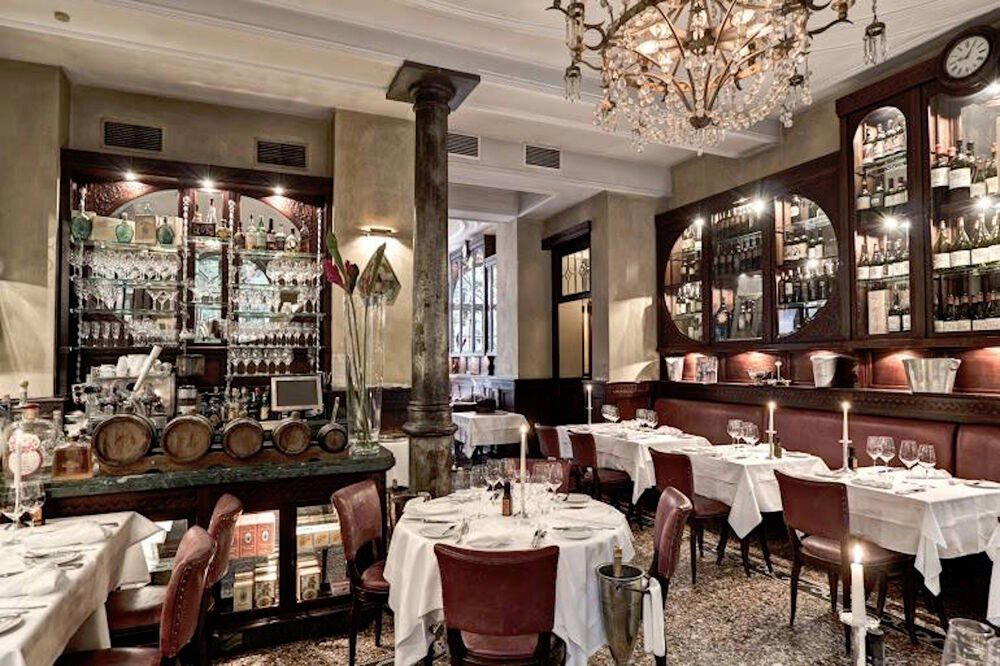
Bars in Regensburg
Browse all →
At a Glance
- Cozy
- Elegant
- Intimate
- Sophisticated
- Date Night
- Special Occasion
- Business Dinner
- Historic Building
- Hotel Restaurant
- Extensive Wine List
- Sommelier Led
- Local Sourcing
Cozy, warm, relaxed, and informal atmosphere with minimalist black interior, privacy between tables, and vinyl music playback.