
Michelin Bib Gourmand
Our verdict
A double Michelin Bib Gourmand recipient (2024 and 2025), MEIER in Pilsach represents the kind of rooted Bavarian country cooking that Michelin's value-recognition tier was designed to surface. Chef Michael Meier works within a regional tradition where the sourcing logic is as important as the technique.

Pearl is the En Primeur Club membership app, where members save venues, book tables and use the concierge.
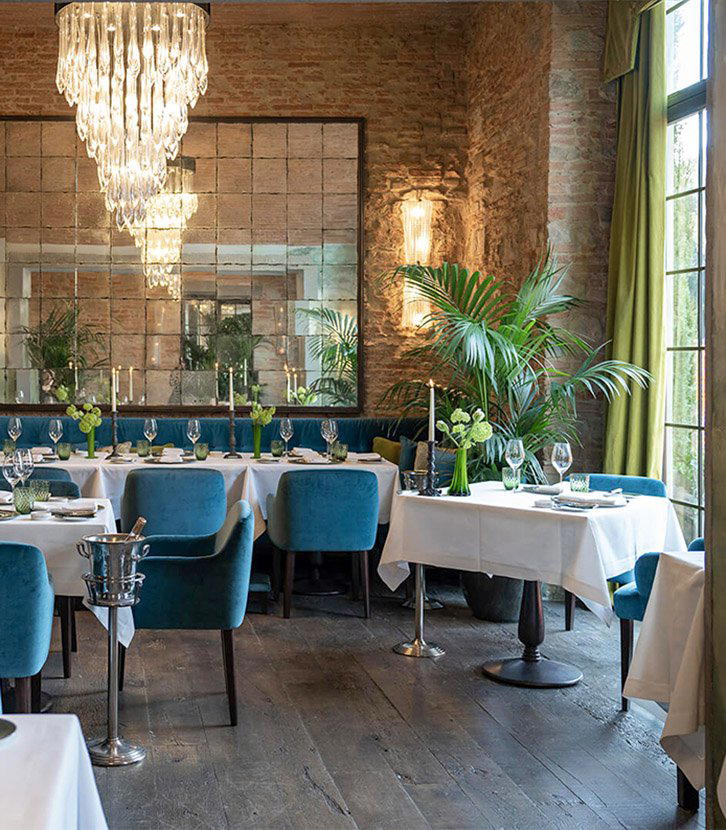
Country Cooking in the Bavarian Interior: Where Sourcing Defines the Kitchen
The drive into Pilsach, a compact settlement in the Upper Palatinate district of Bavaria, gives you the frame before you even reach the table. Farmland runs close to the road, and the villages here have not urbanised in any meaningful way. The physical distance from Munich or Nuremberg is not the point; the agricultural character of the surrounding land is. In this part of Germany, the raw material for country cooking is not imported or abstracted through supply chains. It exists, demonstrably, within a short radius. MEIER, at Hilzhofen 18, occupies that context directly.
This category of German country cooking has a different ambition from the €€€€ tasting-menu format that defines venues like Schwarzwaldstube in Baiersbronn, Aqua in Wolfsburg, or Vendôme in Bergisch Gladbach. Where those kitchens work in a register of extended technique and premium ingredient sourcing on an international scale, country cooking positions itself inside a regional supply logic: what grows here, what is raised here, what has been cooked here across generations. The discipline lies not in breaking from tradition but in executing within it with enough precision to earn external recognition.
The Bib Gourmand Signal: What Michelin's Recognition Tells You
MEIER has held the Michelin Bib Gourmand in both 2024 and 2025. The Bib Gourmand, for readers unfamiliar with Michelin's tier structure, is awarded to restaurants offering food of notable quality at a price point Michelin considers favourable relative to the local market. It sits below the starred categories in prestige but functions as a strong signal for value-conscious quality: the inspectors found something worth returning to, and found the price proportionate. At a €€ price range, MEIER operates well below the spend associated with Germany's starred circuit.
For comparison, kitchens like JAN in Munich, ES:SENZ in Grassau, or Restaurant Haerlin in Hamburg operate at a significantly higher price tier, anchored in multi-course tasting architecture and the overhead that comes with it. MEIER is not competing in that category. This distinction matters for how you plan the meal.
Ingredient Sourcing as the Central Logic
The cuisine type on record is country cooking, and in the German tradition, that phrase carries specific sourcing implications. Country kitchens in Bavaria and the Upper Palatinate have historically organised around the agricultural calendar, game seasons, freshwater fish, root vegetables, and grain-fed pork. The landscape around Pilsach is not a backdrop; it is a supplier network, even if informal. The short-description absence of a curated sourcing narrative in the public record is itself consistent with how these kitchens tend to operate: the sourcing is structural rather than marketed.
In this respect, MEIER sits in an interesting comparative position relative to Italian country-cooking peers. 21.9 in Piobesi d'Alba and Andrea Monesi at Locanda di Orta in Orta San Giulio operate within a similar framing: regional produce as the non-negotiable foundation, technique as the vehicle, and the kitchen's value measured against how faithfully it represents the land. The category travels across national borders with that consistent logic.
Chef Michael Meier leads the kitchen. Consistency at this level, in a village address without the promotional infrastructure of urban dining, is itself a data point about operational discipline.
Most village restaurants of this type do not accumulate that many reviews without drawing guests from well outside the immediate local catchment area. The Bib Gourmand designation drives search and editorial attention that brings diners from Nuremberg, Regensburg, and beyond. The review base suggests a mixed audience of local regulars and occasion-driven visitors making the trip specifically for the food.
This is a pattern visible in other decorated rural German addresses. Recognition tends to expand the catchment radius significantly, with the Michelin designation functioning as a permission structure for guests willing to drive for a meal. The €€ price point reinforces that decision: the ratio of effort to cost is favourable.
Planning Your Visit
MEIER sits at Hilzhofen 18, 92367 Pilsach. The village is not served by significant public transport infrastructure, and the practical assumption is that most guests arrive by car. The nearest larger urban centres are Nuremberg to the northwest and Regensburg to the east, both reachable within an hour depending on your starting point. Given the demand signals from a 1,259-review Google profile and consecutive Bib Gourmand recognition, advance reservation is advisable. Contacting the venue directly before your visit is the appropriate route. The €€ price range places the per-person spend well within accessible territory, particularly relative to what comparable quality costs in a city address.
For broader planning in the area, our full Pilsach restaurants guide covers the wider dining picture, and nearby HIO offers a contrasting creative format in the same geography. Hotels, bars, wineries, and experiences in Pilsach are documented separately for those spending more than a single meal in the area. For reference points elsewhere in Germany's decorated dining circuit, Schanz in Piesport, Waldhotel Sonnora in Dreis, and Victor's Fine Dining by Christian Bau in Perl represent the higher-tier end of what the country's kitchen talent produces, useful context for understanding where MEIER sits in the national picture. At the other end of the creative spectrum, CODA Dessert Dining in Berlin illustrates how far Germany's restaurant culture has moved from its regional roots in some cities, which makes the endurance of well-executed country cooking in addresses like Pilsach more, not less, significant.
Frequently asked questions
Where do I go for MEIER?
MEIER is located at Hilzhofen 18, 92367 Pilsach, Germany, Pilsach.
Which chef is MEIER associated with?
The chef associated with MEIER is Michael Meier.
A Pricing-First Comparison
| Venue | Cuisine | Price | Awards | Notes |
|---|---|---|---|---|
| MEIERThis venue (the venue you are viewing) | Modern German Country Cooking | $30–50 | Michelin Bib Gourmand | Not listed |
| Schwarzwaldstube | Modern French Fine Dining | $150–200 | 3 Michelin Stars · World's 50 Best #47 | French, Classic French |
| Aqua | Not listed | Not listed | Michelin 3 Star | Contemporary German, Italian/Japanese, Creative |
| CODA Dessert Dining | Dessert-Inspired Fine Dining | $200–300 | 2 Michelin Stars · World's 50 Best #79 | Creative |
| Tantris | Modern French, French Contemporary | Not listed | Michelin 2 Star | Not listed |
| Vendôme | Modern German Haute Cuisine | $200–300 | 2 Michelin Stars · World's 50 Best #47 | Modern European, Creative |
Recognition history
Dated appearances from independent guides and award organizations, with the underlying list record or original source where available.
Michelin Bib Gourmand
Michelin
Full recognition history (3 entries)
Michelin Bib Gourmand
Michelin
Michelin Bib Gourmand
Michelin
Continue exploring
More in Pilsach
Restaurants in Pilsach
All restaurants in Pilsach →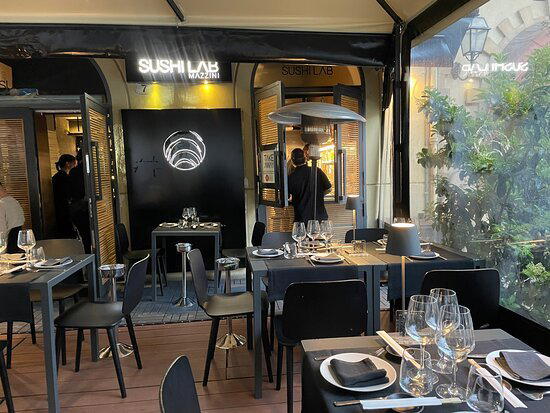
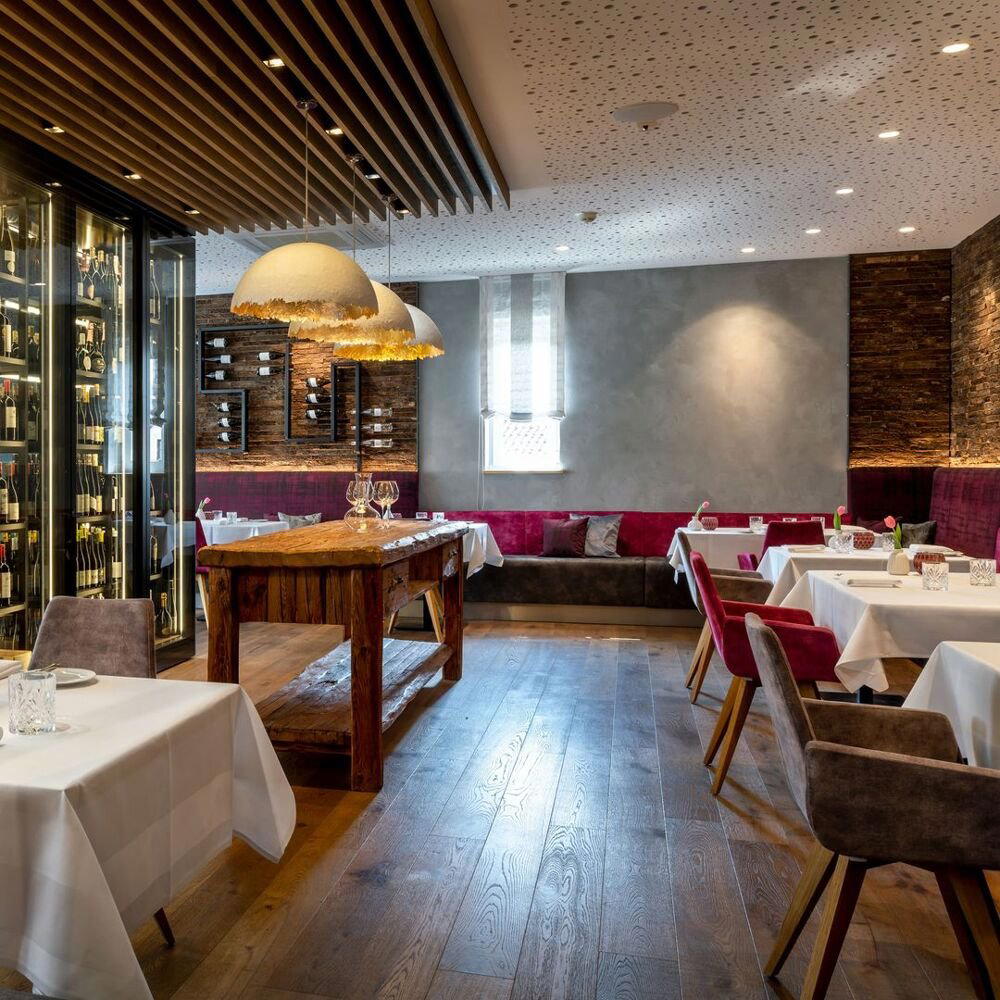
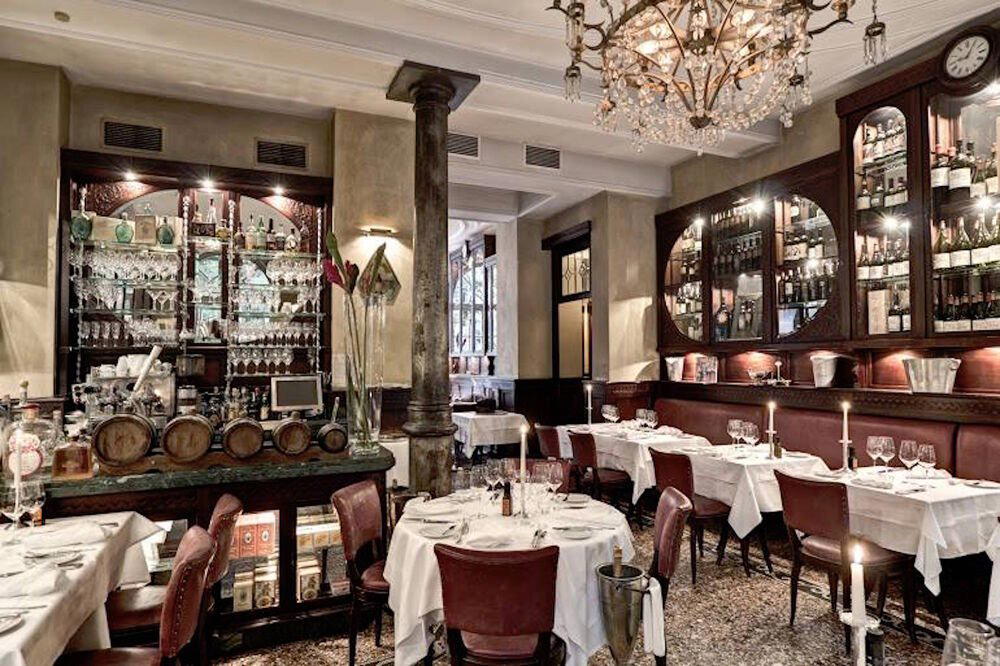
Hotels in Pilsach
Browse all →
Details
- Cozy
- Modern
- Rustic
- Elegant
- Family
- Group Dining
- Celebration
- Garden
- Open Kitchen
- Farm To Table
- Organic
- Local Sourcing
- Garden
- A La Carte
- Vegetarian Friendly
- Vegan Options
- Gluten Free Options
Trendy and warm interior with rustic touches, open kitchen, delightful garden terrace, and a cozy family atmosphere.