
Het Vliegend Tapijt in Marke sits at an interesting moment in West Flemish gastronomy: a restaurant with seasonal, locally sourced foundations now exploring a fully plant-based menu option. Nel Desmet and Chef Felix François are among the names drawing attention in Kortrijk's dining orbit for taking the region's ingredient-led tradition in a more forward-looking direction.
Pearl is the En Primeur Club membership app — saves, bookings, and concierge access live there. Same editors, same standards.
- Address
- Pottelberg 189, 8510 Kortrijk, Belgium
- Phone
- +32 56 22 27 45
- Website
- hetvliegendtapijt.be
- Directions
- Get directions
 Saves & bookings on Pearl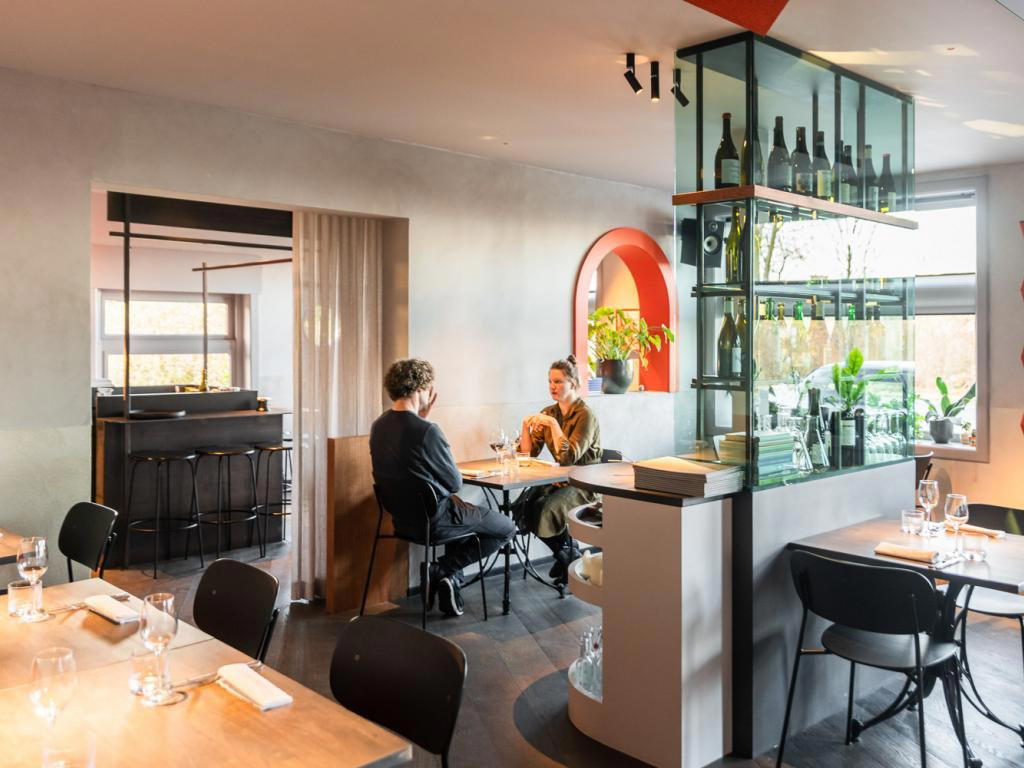
Seasons, Soil, and the Shift Toward Plant-Based Dining in West Flanders
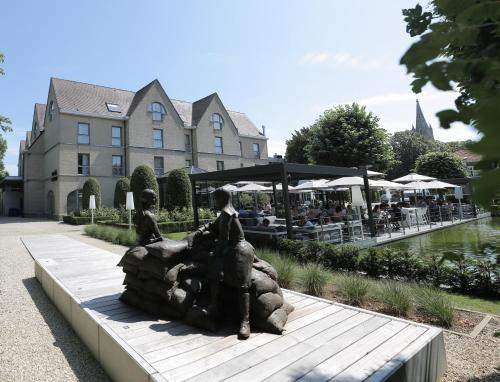
The road toward Pottelberg, in the quiet residential fringe between Marke and Kortrijk, doesn't announce itself as a dining destination. That kind of low-key approach is characteristic of West Flanders' most interesting restaurants, where the energy goes into the plate rather than the facade. This part of Belgium has long produced kitchens that treat the surrounding agricultural land as a working pantry, and Het Vliegend Tapijt fits that tradition while pushing it somewhere newer. The restaurant offers modern Belgian seasonal cooking with a plant-based option.
Where the Ingredients Come From, and Why That Shapes Everything
Belgian fine dining has always had a close relationship with its producers. The country's size, combined with the density of small-scale farms in the Flemish interior, means that a kitchen committed to sourcing locally can build menus around genuinely short supply chains. What distinguishes the serious kitchens from the merely competent ones is how that sourcing shapes the menu structure, rather than functioning as a marketing footnote. At Het Vliegend Tapijt, the seasons are described as taking centre stage, which in practice means the menu follows the land's logic rather than a fixed template. That kind of commitment requires relationships with growers built over time, and it shows in the consistency of what reaches the table.
The decision to explore a fully plant-based option extends that sourcing philosophy into different territory. Plant-based tasting menus at the fine dining level demand more from local producers, not less. Without animal proteins as structural anchors, the kitchen must source ingredients with enough complexity and textural range to carry a multi-course format. In West Flanders, that means leaning on a seasonal calendar that runs from asparagus and chicory through late-summer brassicas and autumn roots, with preservation techniques filling the gaps. It's a demanding brief, and the kitchen is treating it seriously rather than as an afterthought, signals genuine ambition.
For context on how this compares within the Belgian fine dining circuit: kitchens like Boury in Roeselare and Hof van Cleve in Kruishoutem have built their reputations on Flemish produce interpreted through technical French frameworks. Castor in Beveren and Cuchara in Lommel represent the creative European tier operating at the €€€€ level across the country. Het Vliegend Tapijt operates in Marke's quieter orbit, but the trajectory of its plant-based exploration puts it in conversation with a wider national shift. Zilte in Antwerp and Willem Hiele in Oudenburg represent the coastal and urban ends of the same progressive spectrum; the plant-forward inland kitchen is a different but complementary expression of it.
The Plant-Based Question in Contemporary Gastronomy
The framing around the restaurant's plant-based try-out is notable because it comes with genuine enthusiasm from outside observers rather than reluctant compliance. Giving guests the choice to go 100% plant-based reflects a shift that has been building across Europe's serious dining rooms for several years. What was once a niche accommodation has become a test of a kitchen's range and seriousness.
The distinction between a restaurant that adds a vegetable tasting menu and one that redesigns its sourcing relationships to support plant-based cooking at a high level is significant. The latter requires producers who can supply the volume and variety a plant-focused tasting menu needs across the full calendar year. In the Kortrijk region, where farming traditions are deeply rooted and small-scale growers are still active, that supply base exists. The question is whether a kitchen has built the relationships to access it consistently. The kitchen is still refining the format.
Internationally, the shift toward serious plant-based fine dining has been tracked in rooms ranging from Le Bernardin in New York City to kitchens across the Nordic region. Belgium is moving in the same direction, and West Flanders, with its agricultural density, is positioned to produce some of the more grounded versions of that shift.
Marke and the Kortrijk Dining Context
Marke sits within the broader Kortrijk metropolitan area, a city that has historically been overshadowed in Belgian gastronomy by Brussels, Bruges, and the Ghent-Antwerp axis. That's beginning to change. The cluster of serious kitchens in and around Kortrijk has grown over the past decade, and addresses like Rebelle and Vol-Ver in Marke itself demonstrate that the area is developing genuine density at the higher end of the dining spectrum. Bozar Restaurant in Brussels and Bartholomeus in Heist represent different ends of the Belgian fine dining geography, but the West Flemish interior is finding its own register.
For visitors approaching from Kortrijk, the Pottelberg address is a direct drive from the city centre.
The restaurant is at a transitional moment. The combination of seasonal sourcing and plant-based cooking puts it in conversation with other progressive Belgian kitchens.
In Context: Similar Options
Comparable venues nearby, for context on price, style, and recognition.
| Venue | Cuisine | Price | Awards | Notes |
|---|---|---|---|---|
| Het Vliegend TapijtThis venue — the venue you are viewing | Modern Belgian Seasonal | $$ | Not listed | Not listed |
| Rebelle | Modern French with Oriental Influences | $$$$ | Michelin 1 Star | Marke |
| Vol-Ver | Modern French Contemporary | $$$ | Michelin 1 Star | Marke |
| Garden Of Eden | other | Not listed | Not listed | Zurenborg |
| Pralinette | Artisanal Belgian Chocolatier | $$ | Not listed | Historic Center |
| Choc'atelier | Belgian Chocolatier | $$ | Not listed | Oostkamp |
Recognition history
Dated appearances from independent guides and award organizations, with the underlying list record or original source where available.
We're Smart World 1 Radish
We're Smart World

At a Glance
- Cozy
- Intimate
- Date Night
- Business Dinner
- Special Occasion
- Open Kitchen
- Natural Wine
- Local Sourcing
Current opening hours
- Monday
- Closed
- Tuesday
- 12–2 PM, 7–9:30 PM
- Wednesday
- 12–2 PM, 7–9:30 PM
- Thursday
- 12–2 PM, 7–9:30 PM
- Friday
- 12–2 PM, 7–9:30 PM
- Saturday
- 7–9:30 PM
- Sunday
- Closed
Hours can change for holidays and private events. Last verified .
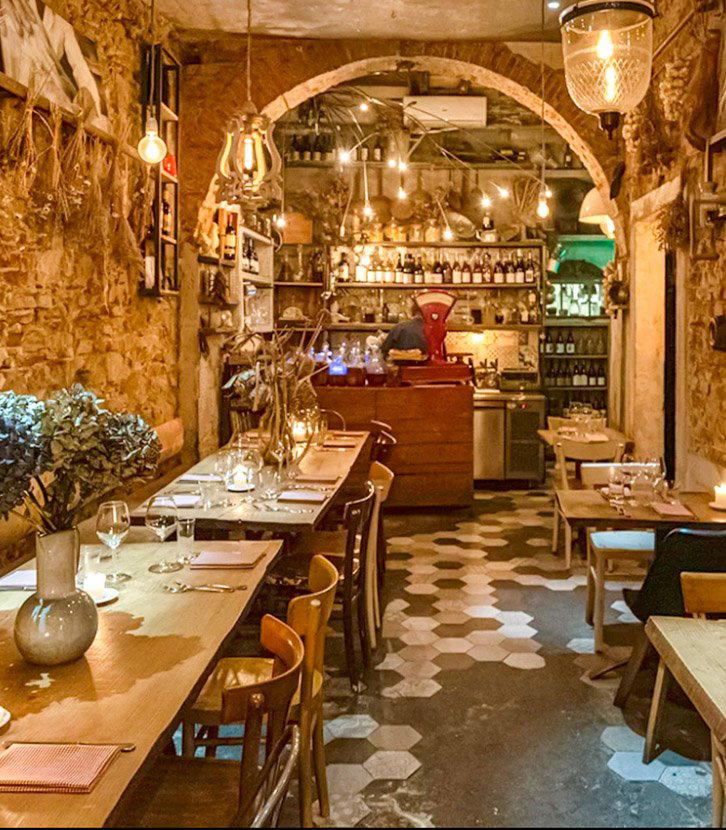
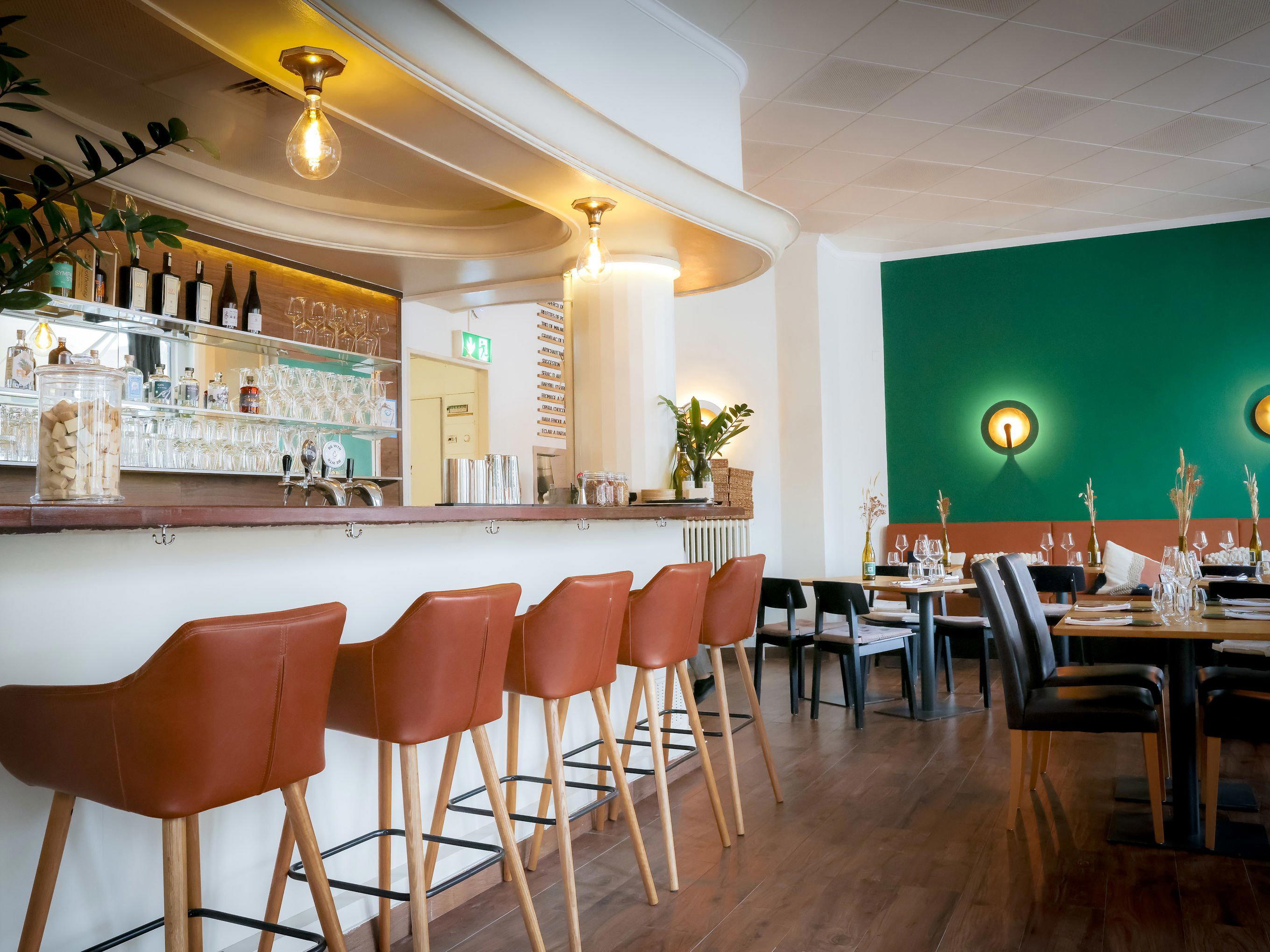
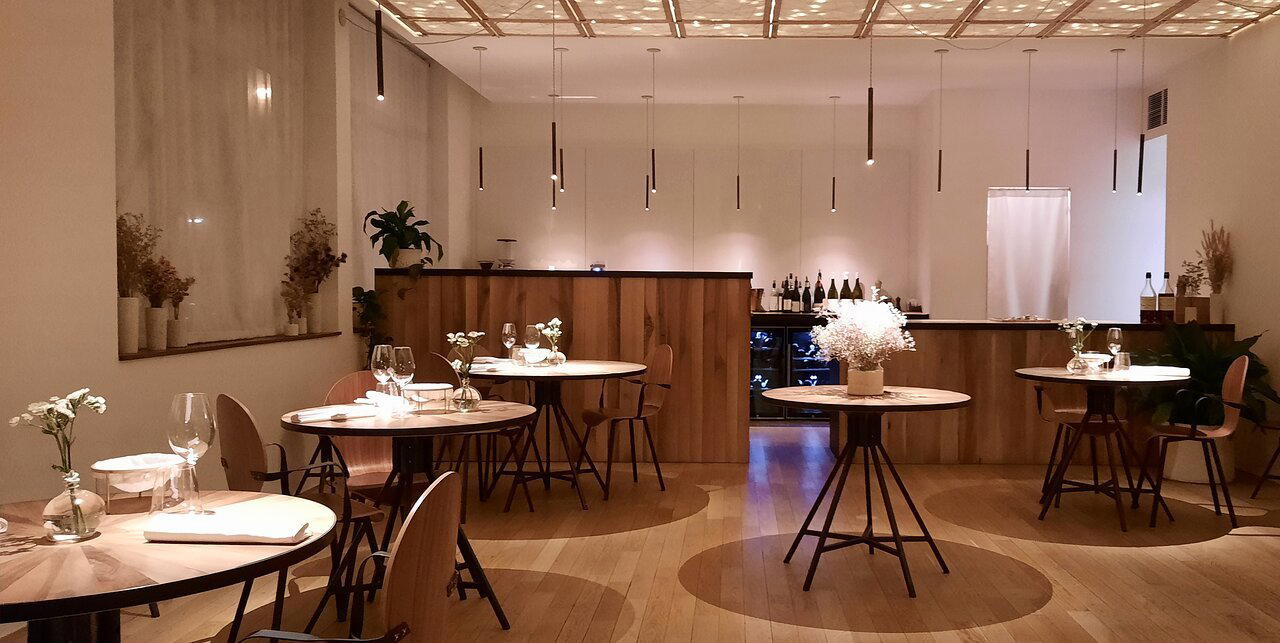
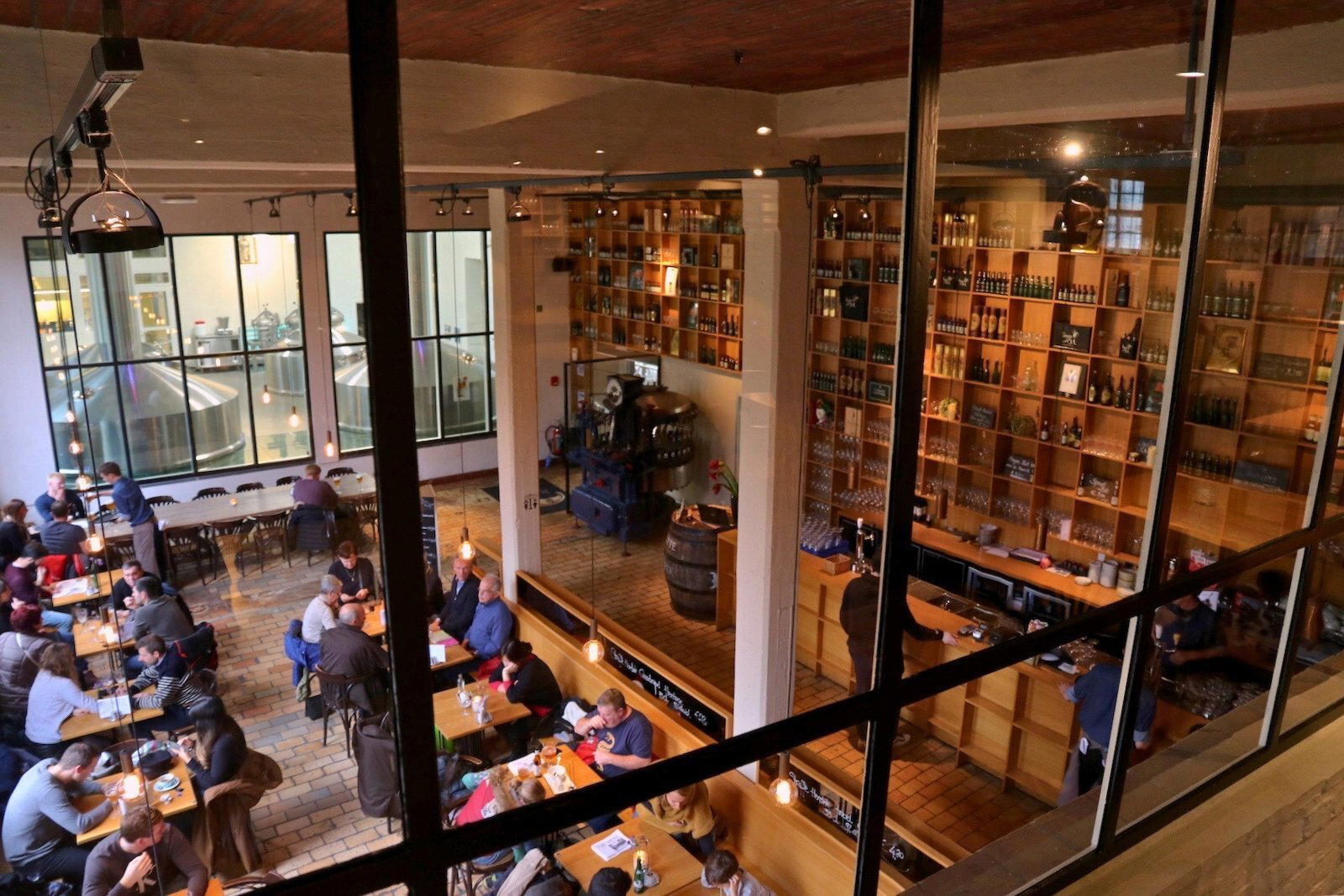
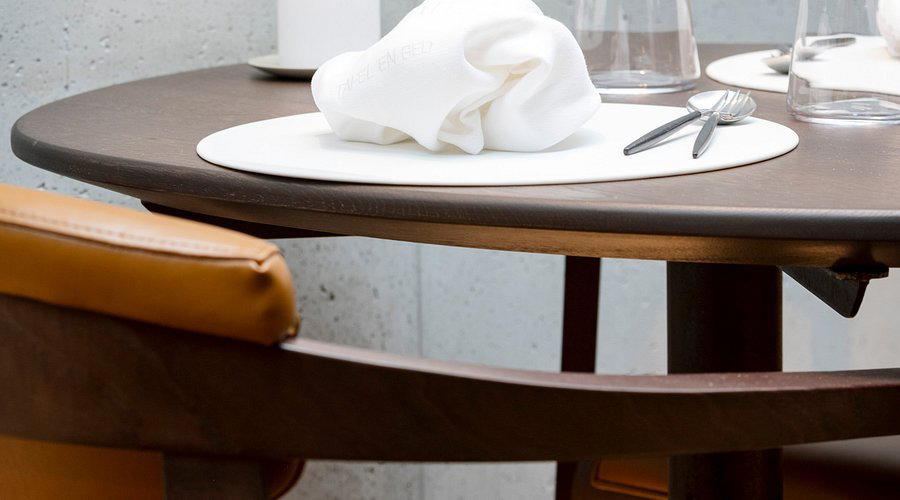
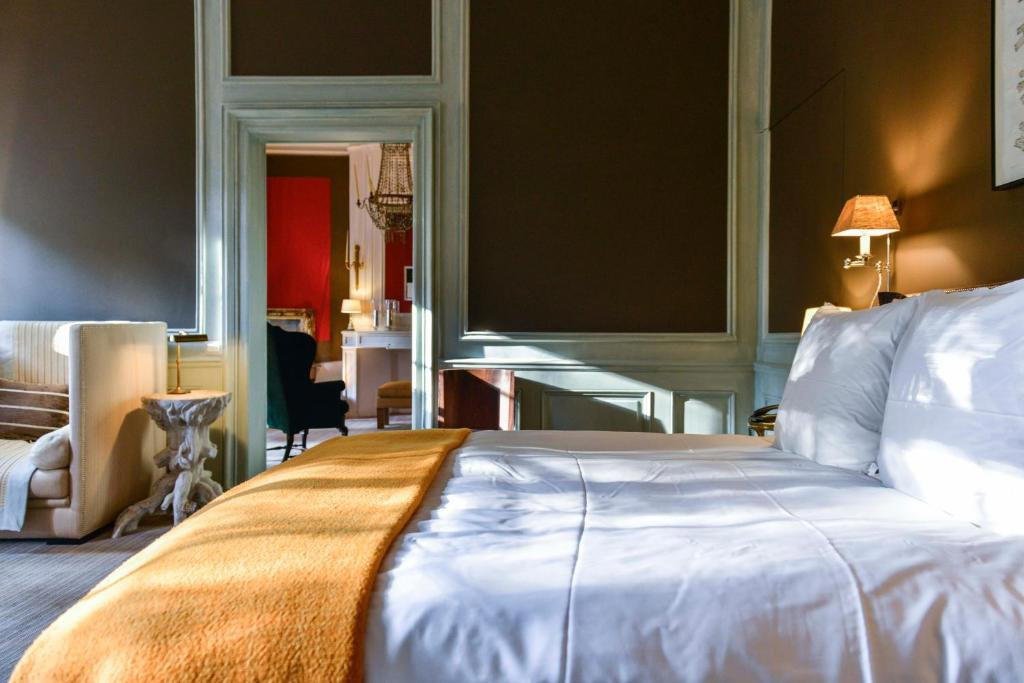
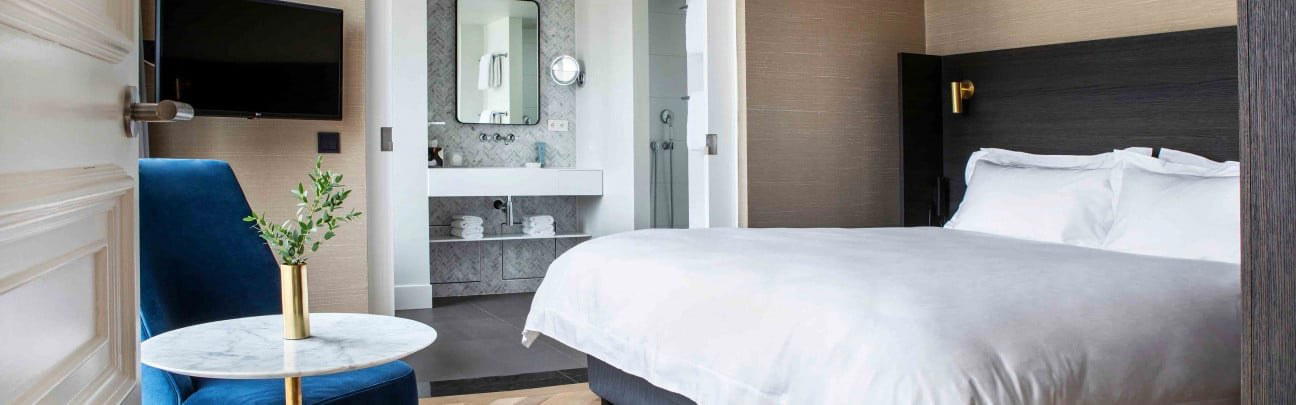
Gezellig and relaxed atmosphere with tasteful, though sometimes quirky, decor and good lighting for intimate dining.