Herrsching
Herrsching sits on the western shore of Ammersee in Bavaria, where the lake and the alpine foothills shape both the character of the town and the produce available to its kitchens. The village operates at a pace removed from Munich's restaurant density, drawing visitors who want proximity to water and upland farming country rather than urban dining theatrics. For the full picture of where to eat and drink here, see our full Herrsching Am Ammersee restaurants guide.
Pearl is the En Primeur Club membership app — saves, bookings, and concierge access live there. Same editors, same standards.
- Address
- Germany
- Website
- gemeinde-herrsching.de
- Directions
- Get directions
 Saves & bookings on Pearl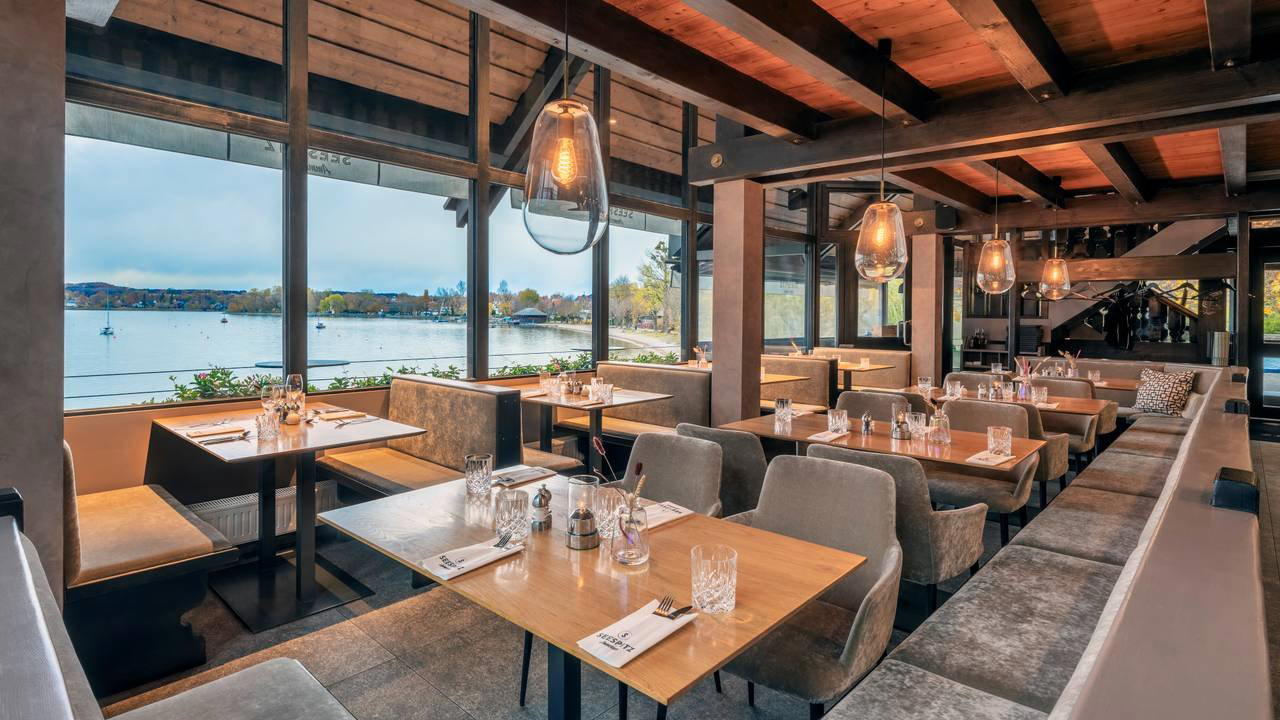
Where the Lake Sets the Table
Bavaria's alpine fringe produces a specific kind of dining culture, one shaped less by urban competition than by what the surrounding land and water actually yield. Along the western shore of Ammersee, roughly 40 kilometres southwest of Munich, the village of Herrsching occupies a position that has historically made it a retreat rather than a destination: close enough to the city for a day trip, far enough that its pace and its food supply remain distinctly rural. That geography is the starting point for understanding what eating and drinking here means.
The Ammersee itself, one of Bavaria's largest pre-alpine lakes, supports a freshwater fishing tradition that feeds directly into the kitchens of the area. Felchen, the whitefish native to these cold, clear waters, appears across menus in the region in a way that has no real parallel in landlocked parts of Bavaria. The fish is caught locally, handled quickly, and served simply, reflecting a sourcing logic that pre-dates any contemporary conversation about farm-to-table dining. This is ingredient-led cooking by necessity as much as by philosophy.
The agricultural hinterland above the lake adds a second layer. The upland farms between Ammersee and the foothills supply dairy, game, and root vegetables that anchor the heavier, more sustaining end of Bavarian cooking. Venison from local estates, butter and cream from small-scale dairies, and wild mushrooms gathered from the surrounding forests give the area's kitchens a seasonal specificity that changes sharply between quarters. Spring brings ramps and asparagus; autumn brings mushrooms and game; winter narrows the palette to preserved, cured, and braised preparations.
How Herrsching Sits Relative to Bavaria's Wider Restaurant Scene
Germany's most decorated restaurants operate at a remove from places like Herrsching. The multi-Michelin tier concentrates in cities and in unlikely rural outposts that have built reputations specifically around destination dining: Schwarzwaldstube in Baiersbronn, Aqua in Wolfsburg, Vendôme in Bergisch Gladbach, or Victor's Fine Dining by Christian Bau in Perl. These are restaurants that visitors plan journeys around. Herrsching is not that kind of place, and that distinction matters when setting expectations.
What the Ammersee region offers instead is the kind of cooking that supports a different kind of trip: one built around the lake, the walking trails, and the slower rhythm of a Bavarian market town, with food that connects to the landscape rather than existing independently of it. For visitors already using Munich as a base, the city's more serious restaurant scene, including JAN in Munich, fills the high-end brief. Herrsching complements that rather than competing with it.
The village also sits within reach of the Bavarian alpine south, where kitchens like ES:SENZ in Grassau have established serious culinary reputations within a similarly rural, lake-and-mountain context. That comparison is instructive: the alpine south has seen a handful of kitchens translate strong local produce into formally recognised fine dining, while the Ammersee shoreline has remained in a more traditional register.
Ingredient Sourcing as the Defining Thread
Across Germany's serious dining scene, the sourcing conversation has shifted in the last decade. Kitchens from CODA Dessert Dining in Berlin to Schanz in Piesport now foreground producer relationships in a way that would have been unusual twenty years ago. In the Ammersee area, that logic operates differently: the sourcing is structural rather than curated. Kitchens here draw from what is close and available, not from a network of artisan suppliers assembled for prestige.
The Felchen from the lake is the clearest example. Freshwater fish this good and this local rarely needs elaborate preparation, and the better kitchens in the region resist the temptation to overcomplicate it. Similarly, the dairy products from the farms above the shore carry a richness that reflects pasture quality and short supply chains, not intervention in the kitchen. For visitors who have been following the sourcing-first conversation in fine dining at places like Waldhotel Sonnora in Dreis or Restaurant Haerlin in Hamburg, what Herrsching's kitchens do with local produce operates at a different register of ambition, but the underlying logic is the same.
The seasonal calendar also drives what appears on plates. The area's game season, running from late summer through winter, brings venison and wild boar into kitchens that know how to handle them. This is not fashionable wild food styling but a continuation of regional cooking tradition that predates contemporary restaurant culture by generations. The same applies to the mushrooms, the asparagus, and the lake fish: these ingredients arrive at kitchens because they have always arrived there, and because the farms and the water are still doing what they have done for a long time.
Planning a Visit
Herrsching is accessible by S-Bahn from Munich on the S8 line, with a journey time of roughly 55 to 60 minutes from the city centre, making it a practical half-day or full-day excursion rather than an overnight destination for most visitors. The village is small enough to cover on foot, and the lake promenade is the natural starting point for orienting yourself. For seasonal produce at its most direct, the warmer months from May through September bring the lake and its fishing activity to the foreground, while autumn is the period for game and mushroom preparations. The Chalet am Kiental in the area focuses on seasonal cuisine and represents the kind of kitchen that connects directly to the surrounding landscape. For anyone building a broader Bavarian dining itinerary, the local options are worth exploring in more detail.
Those extending their German dining travel further afield will find useful contrasts at Bagatelle in Trier, L.A. Jordan in Deidesheim, GästeHaus Klaus Erfort in Saarbrücken, and Ösch Noir in Donaueschingen. For international reference points on ingredient-led cooking at the highest level, Le Bernardin in New York City and Lazy Bear in San Francisco each show how seriously sourcing-led kitchens perform at the formal end of the spectrum.
Fast Comparison
Comparable venues nearby, for context on price, style, and recognition.
| Venue | Cuisine | Price | Awards | Notes |
|---|---|---|---|---|
| HerrschingThis venue — the venue you are viewing | Bavarian Brew Pub | $$ | Not listed | Not listed |
| Chalet am Kiental | Modern Fine Dining with Local Influences | $$$$ | Michelin Plate | Herrsching am Ammersee |
| Marstall Festzelt | Traditional Bavarian Oktoberfest | $$ | Not listed | Theresienwiese |
| Das Neuhausen | German & European All-Day Dining | $$ | Not listed | Neuhausen |
| Wildmosers Restaurant-Cafe am Marienplatz - München | Traditional Bavarian | $$ | Not listed | Altstadt |
| Gasthaus DER BIERMANN | Traditional Bavarian Gastropub | $$ | Not listed | Riem |
Continue exploring
More in Herrsching am Ammersee
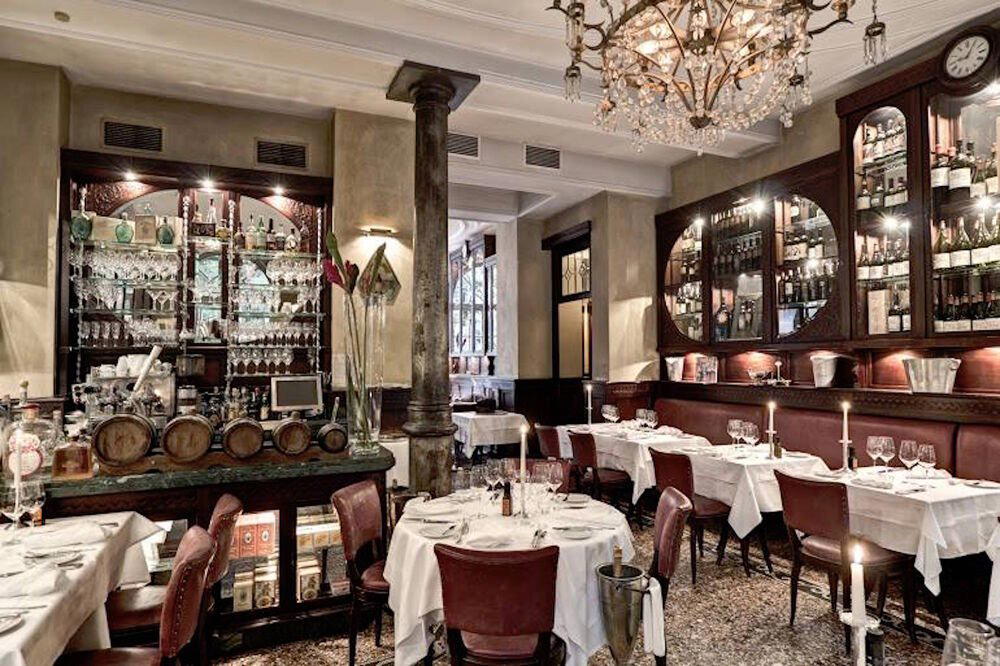
Restaurants in Herrsching am Ammersee
Browse all →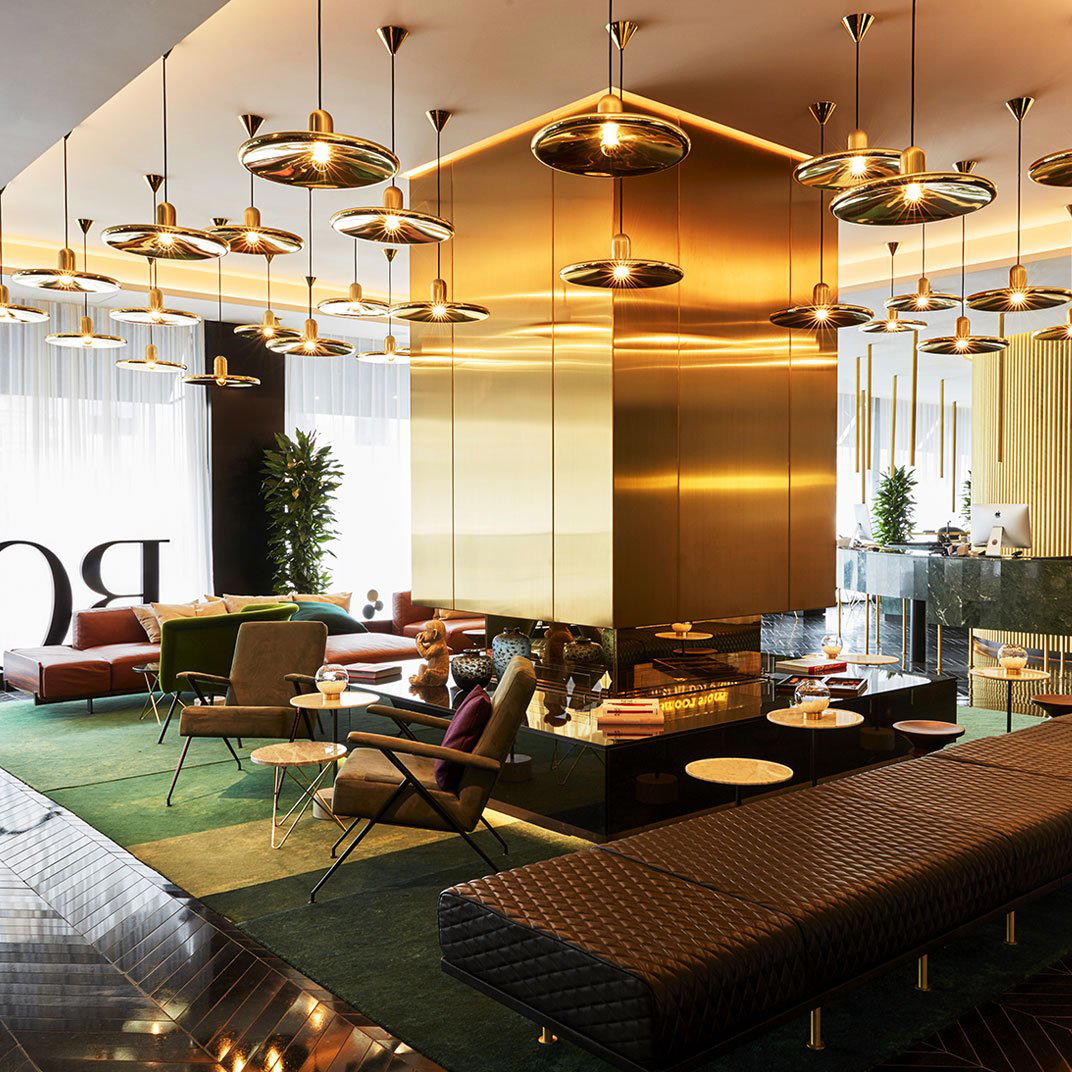
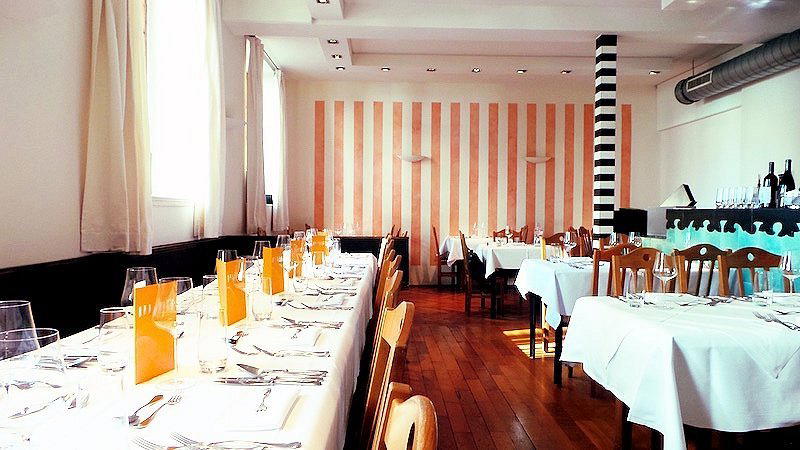
Bars in Herrsching am Ammersee
Browse all →
At a Glance
- Casual Hangout
- Group Dining
- Open Kitchen
- Beer Program
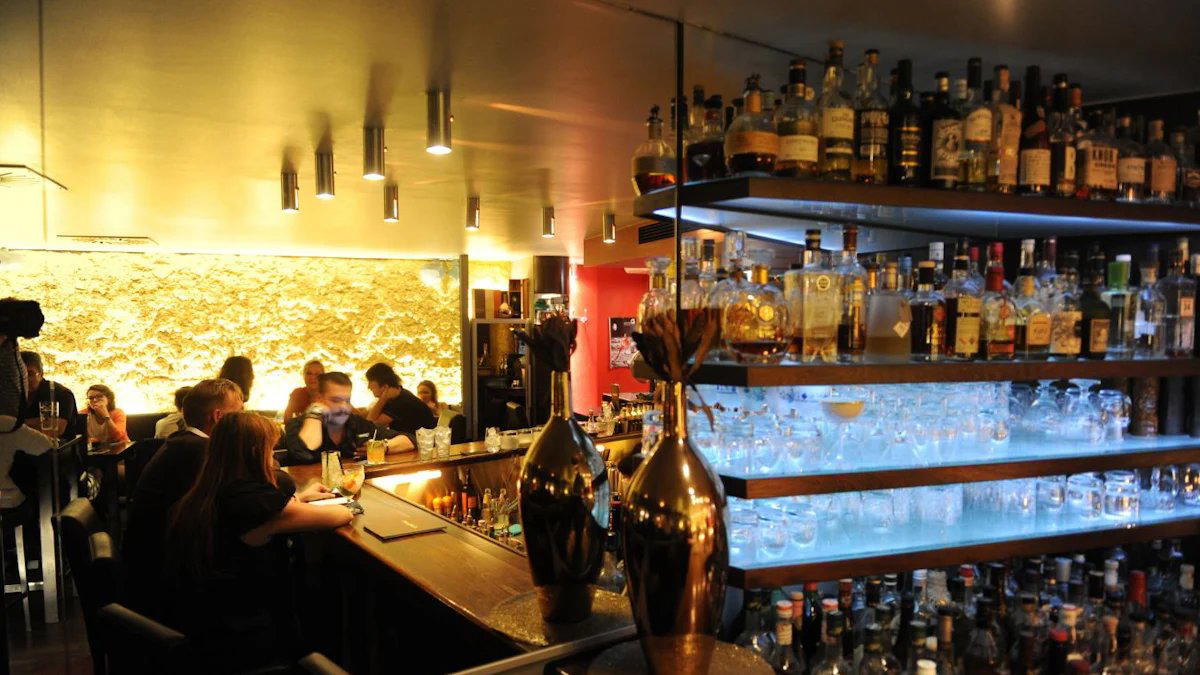
Casual pub atmosphere with lively seating and outdoor options.