

Michelin Plate · The Sunday Times Ireland’s 100 Best Restaurants
Our verdict
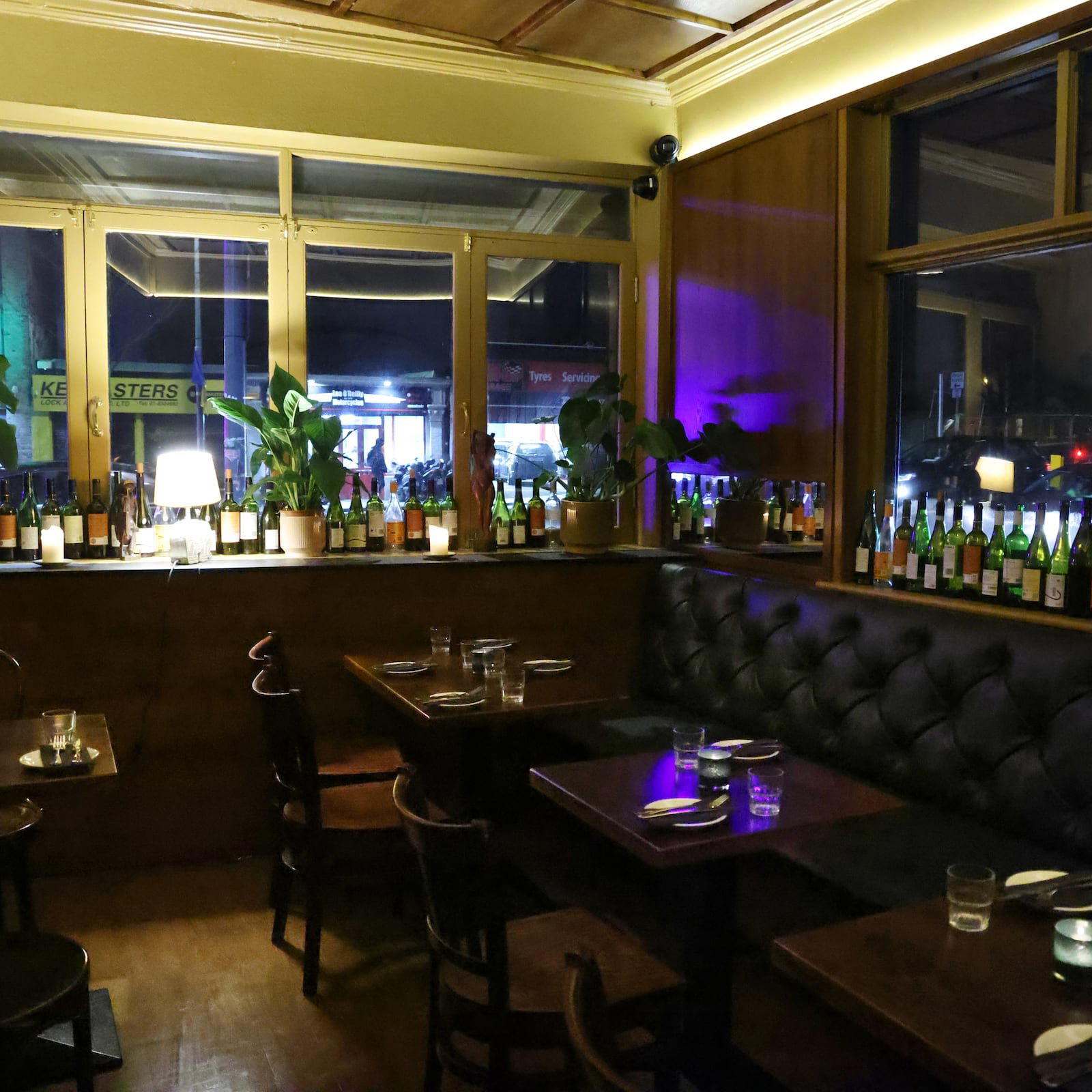
Part of the JUNO red-brick pub complex on Dorset Street Lower, Hera brings serious cooking to a stretch of Dublin 1 that formal dining has long overlooked. High-quality Irish produce, Carlingford oysters, Achill lamb, anchors a menu that pivots from pub-cooking tradition toward international technique. The wood-panelled room, soft lighting, and composed front-of-house make it a reliable address for the neighbourhood and well beyond.

Pearl is the En Primeur Club membership app, where members save venues, book tables and use the concierge.
The menu
What to order
- Carlingford oysters with smoked butter
- Brown butter and miso tart
- 42-day dry aged delmonico ribeye
Dorset Street Gets a Kitchen Worth Talking About
Dorset Street Lower has never been Dublin's dining destination. The long arterial road connecting the city centre to Drumcondra carries the traffic of daily commuter life, not the footfall of restaurant-hunters. That context matters, because Hera, the restaurant operating inside JUNO, a red-brick pub at number 58, represents something that has been quietly accumulating across Irish cities: serious, technically considered cooking arriving in neighbourhoods that spent decades waiting for it. Where Dublin 2 and Dublin 4 have long concentrated the city's formal dining tier, this particular corner of D1 has historically been passed over. Hera is the correction.
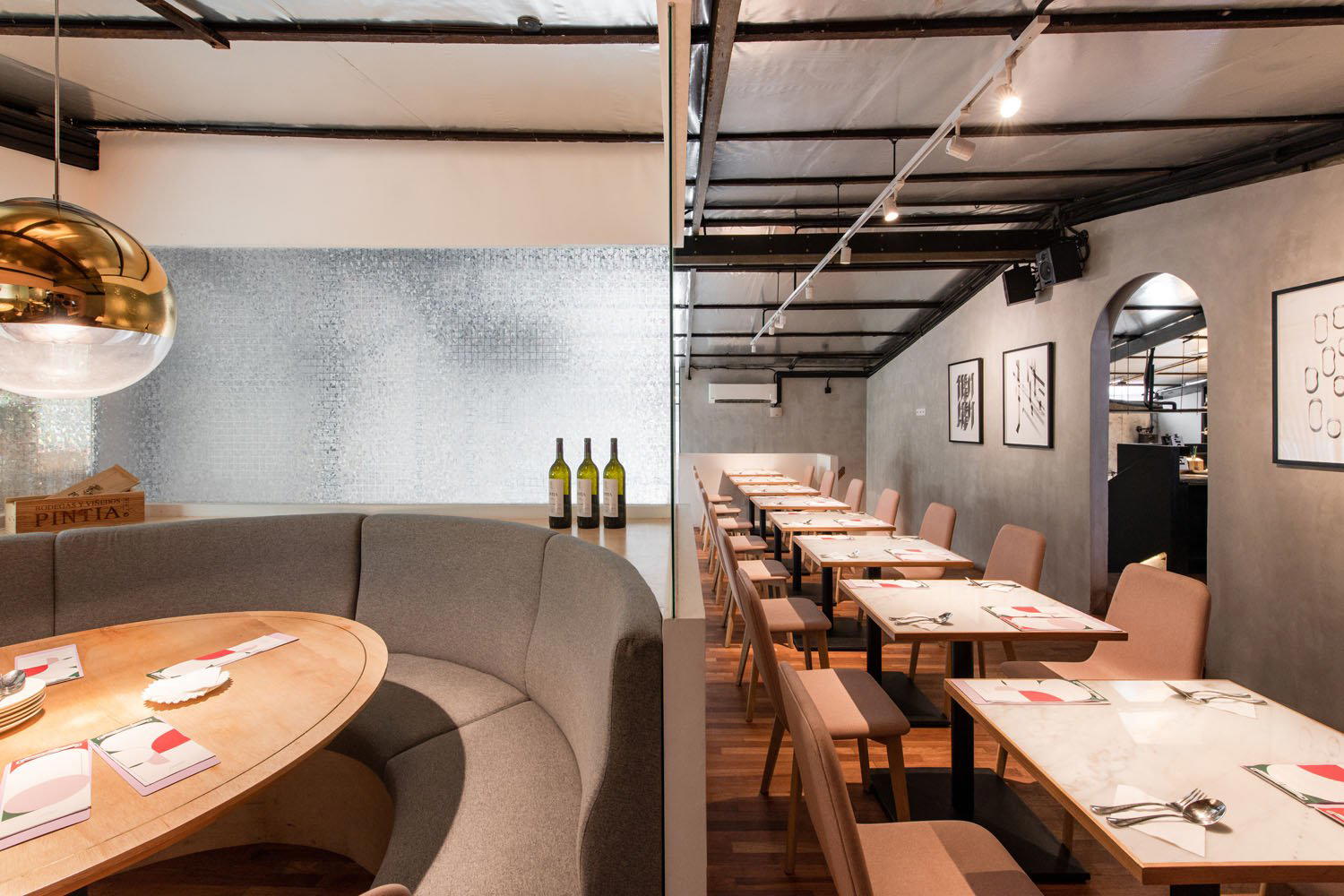
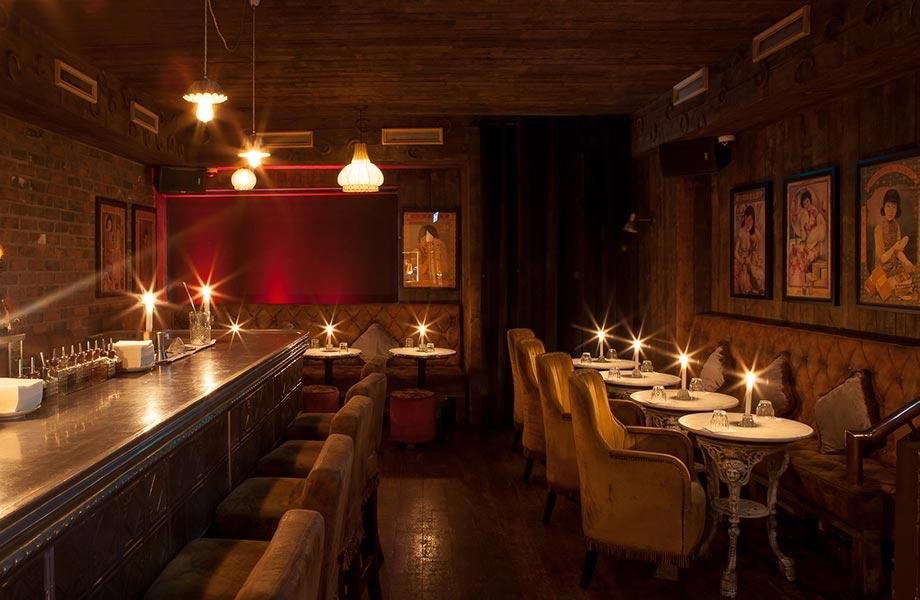
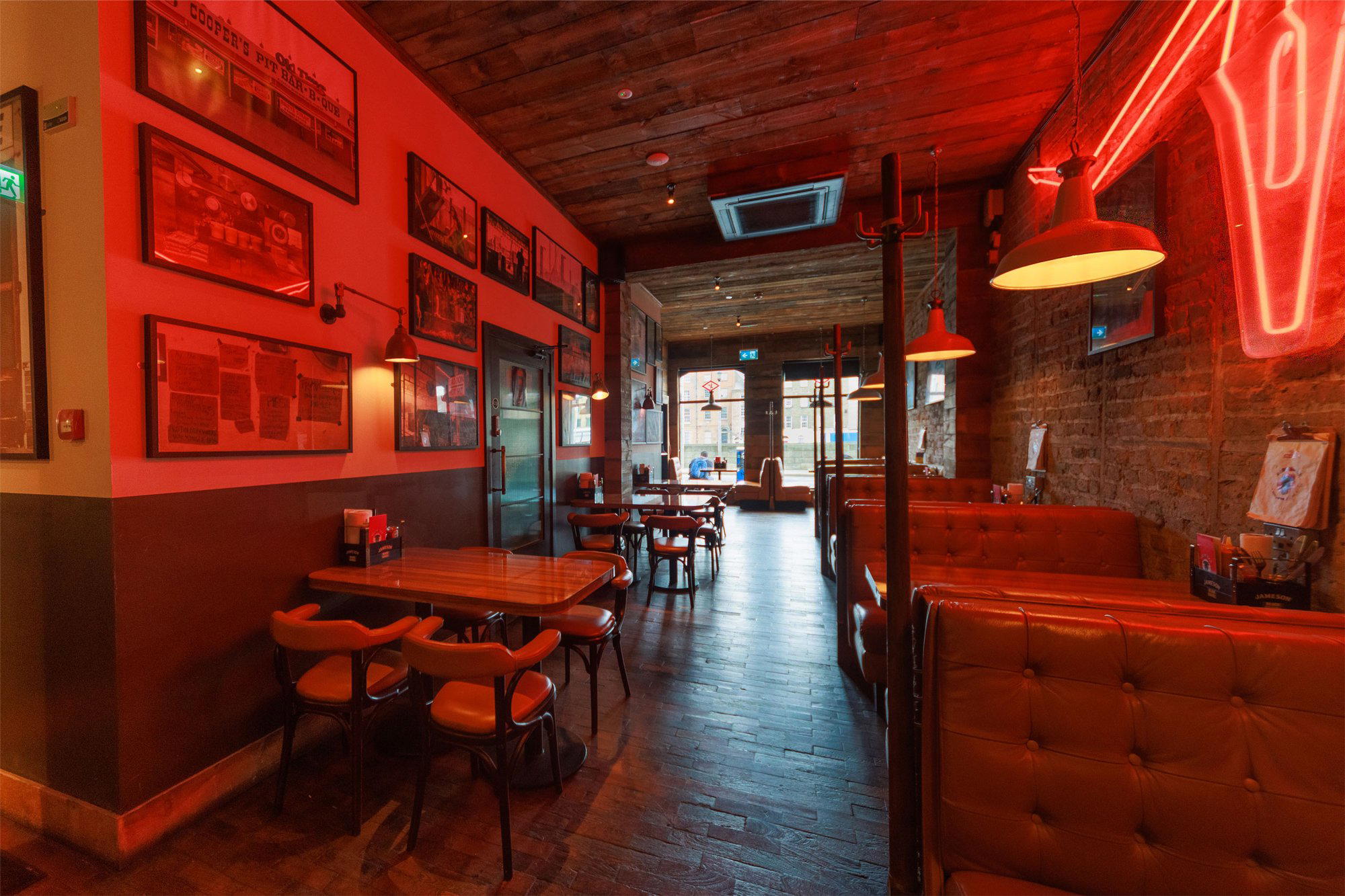
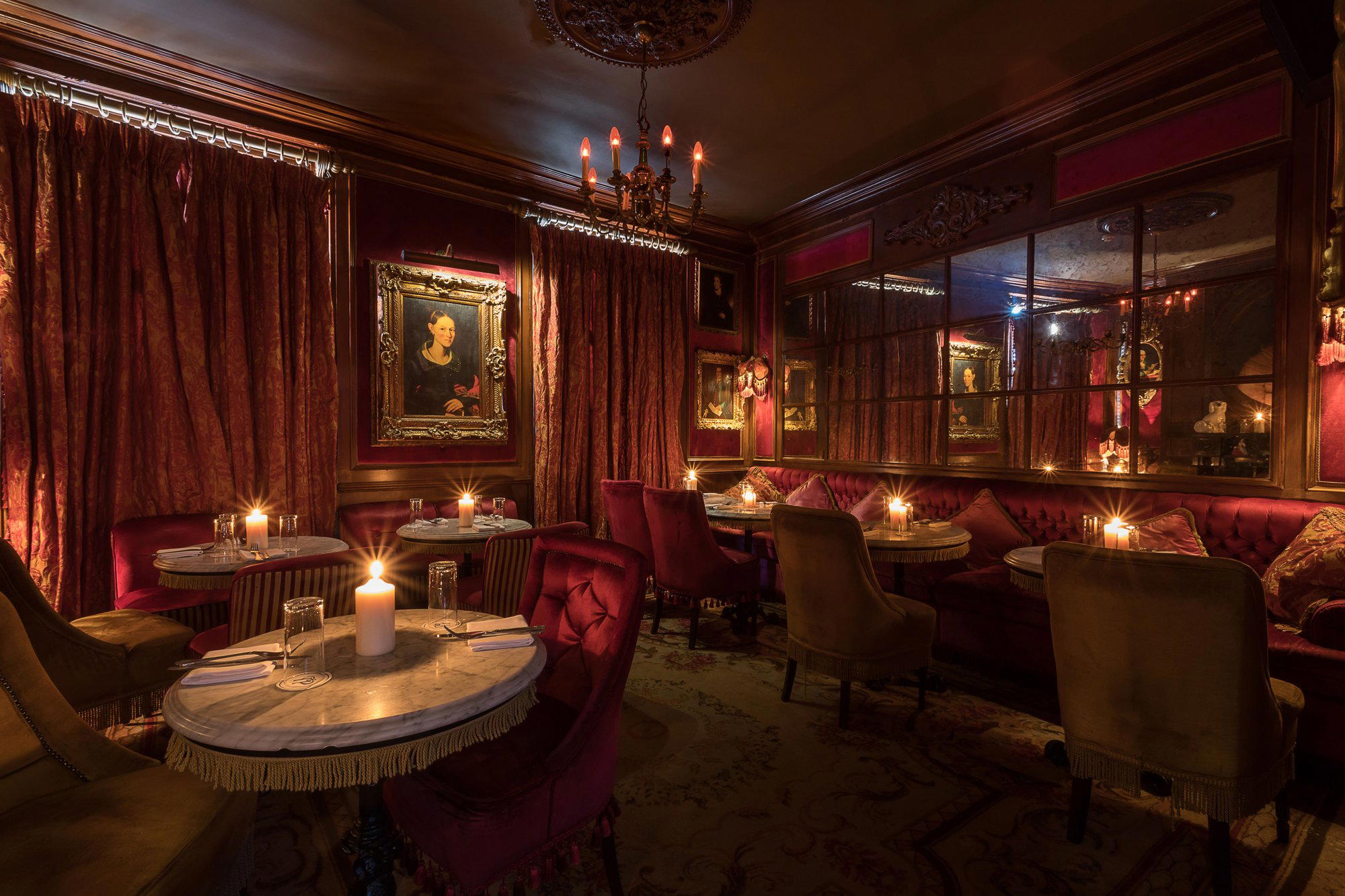
The physical approach sets expectations correctly. JUNO functions as the pub shell: wood panelling, a pre-dinner Guinness if you want one, the texture of a neighbourhood local. Hera operates within that envelope, bringing soft lighting and a subtle shift in register without abandoning the warmth of the building around it. The room doesn't announce itself. It settles you in.
The Evolution of Pub Cooking on This Stretch
The gastropub category in Ireland has a complicated history. At its lower end, it became a branding exercise, a printed menu with slightly better chips. At its better end, it produced cooking that matched formal restaurants while retaining the social ease of a pub setting. Hera belongs firmly to the latter cohort, and its menu tells that story directly. The structure is pub-cooking in its logic: recognisable formats, familiar comfort, nothing that demands a glossary. The execution, though, pulls from a broader international toolkit.
Scotch egg, as traditional a pub dish as exists in the British Isles, appears here reworked with lamb and harissa, or in a chorizo version with preserved lemon and basil aioli. Neither version abandons what a Scotch egg is supposed to be. Both versions demonstrate what happens when a kitchen treats pub staples as a starting point rather than a ceiling. That gap between format and ambition is where Hera's cooking operates, and it's a productive gap.
Irish produce provides the foundation throughout. Carlingford oysters and Achill lamb appear on the menu as named origins, not as decorative provenance labelling, but because both represent a supply chain that Irish kitchens have spent the past decade learning to foreground rather than obscure. That directional shift in how Irish restaurants talk about and use domestic ingredients has been visible across the country, from Aniar in Galway to Bastible in Dublin 8, and Hera sits inside that broader movement even while operating at a different price register and with a different format logic.
Where Hera Sits in Dublin's Wider Dining Map
Dublin's restaurant scene has stratified considerably over the past decade. At the upper end, two-Michelin-starred Patrick Guilbaud and the technically precise cooking at Chapter One by Mickael Viljanen define a formal tier that requires considerable planning and expenditure. A tier below that, places like Glovers Alley and D'Olier Street offer modern Irish cooking in more accessible settings. Hera operates at a different point on that spectrum: gastropub pricing and format, but with kitchen ambition that punches above the category's average.
That positioning matters for the reader deciding where to direct an evening. Hera is not competing with the tasting-menu tier. It is competing with every other gastropub in the city that handles good produce carelessly, or that treats international influence as decoration rather than structure. On that measure, the kitchen's approach to dishes like the smoked cod tarama with homemade crisps, and the brown butter and miso tart that closes the meal, signals a level of technique that the gastropub format rarely sustains. Brown butter is elementary in professional kitchens; pairing it with miso requires calibration. The combination works when the balance is correct, and its presence on the menu at all indicates a kitchen thinking across culinary traditions rather than borrowing from them superficially.
For a fuller picture of where Hera sits in Ireland's current dining moment, the country's most interesting cooking is distributed well beyond Dublin. dede in Baltimore, Liath in Blackrock, Bastion in Kinsale, Terre in Castlemartyr, and Campagne in Kilkenny all represent a national scene that has moved decisively beyond Dublin-centric concentration. Hera's arrival on Dorset Street is part of the same dispersal happening within the city itself, quality moving away from the established postcodes.
The Room and the Service
The front-of-house at Hera has drawn specific attention, and the description is instructive: young Dublin staff running the room with what has been characterised as sang-froid composure. That phrase earns its use. In a city where hospitality has historically swung between over-formal stiffness and casual inattention, a room that moves with quiet confidence is its own kind of achievement. The service matches the food's register: assured, unpretentious, aware of the room without performing awareness of it.
The pairing of that service with Kinnegar beer, a Donegal craft brewery whose output sits comfortably alongside a glass of natural wine in most rooms that take their beverage list seriously, points to the coherence of the overall offer. Nothing at Hera appears accidental.
Planning Your Visit
Hera is located at 58 Dorset Street Lower, Dublin 1, inside the JUNO pub building. The address is accessible from the city centre on foot or by bus, and the pub format means arriving early for a drink before moving to the restaurant makes practical sense. Given the positive reception the kitchen has received and the relatively modest size that a gastropub-within-a-pub typically implies, booking ahead is the sensible approach rather than relying on walk-in availability, particularly on Thursday through Saturday evenings, which tend to fill earliest. For broader planning across the city, our full Dublin restaurants guide covers the full range of options across neighbourhoods and price points, while our Dublin hotels guide, bars guide, wineries guide, and experiences guide provide the remaining layers of a Dublin trip.
Frequently asked questions
How do I find Hera?
Hera is located at 58 Dorset Street Lower, Drumcondra, Dublin 1, D01 EP86, Ireland, Dublin.
What awards or recognition does Hera have?
Hera has received recognition including: Forming part of JUNO, a larger red-brick pub where you can enjoy a pre-dinner Guinness, this bustling gastropub comes with wood panelling, soft lighting and a subtle elegance. Its menu has a pub-cooking base but is given some enticing inter….
What should I order at Hera?
The smoked cod tarama with homemade crisps is the dish most directly tied to the kitchen's ambition, a pub starter that punches well above its format. The Scotch egg, available in lamb and harissa or chorizo with preserved lemon and basil aioli, signals the international approach, and the brown butter and miso tart closes the meal on a note the room is known for.
Do they take walk-ins at Hera?
Hera operates inside JUNO, a red-brick pub at 58 Dorset Street Lower, which gives the space a degree of flexibility a standalone restaurant would not have. Arriving for a drink at the bar before your meal is a natural entry point, and the pub format means the room absorbs drop-ins more readily than a dedicated tasting counter would.
What makes Hera worth seeking out?
The kitchen at Hera is doing the kind of cooking that Dorset Street has not historically warranted, high-quality Irish ingredients like Carlingford oysters and Achill lamb, handled with enough confidence and international reference to hold interest beyond the neighbourhood. The front-of-house, run by young Dublin staff with a composure that draws specific editorial attention, closes the gap between a local pub and a restaurant worth crossing the city for.
Comparable Options
A short peer table to compare basics side-by-side.
| Venue | Cuisine | Price | Awards | Notes |
|---|---|---|---|---|
| HeraThis venue (the venue you are viewing) | Modern Gastropub | $50–100 | Michelin Plate · The Sunday Times Ireland’s 100 Best Restaurants | Not listed |
| Patrick Guilbaud | Modern French Fine Dining | $150–200 | 2 Michelin Stars · La Liste Top Restaurants | Irish - French, Modern French |
| Bastible | Modern Irish | $100–150 | 1 Michelin Star · The Sunday Times Ireland’s 100 Best Restaurants | Modern Cuisine |
| Host | Modern Italian | $50–100 | Michelin Plate | Nordic, Modern Cuisine |
| mae | Modern Irish Fine Dining | $50–100 | Michelin Plate · The Sunday Times Ireland’s 100 Best Restaurants | Southern, Modern Cuisine |
| Matsukawa | Authentic Edomae Omakase | $100–150 | Michelin Plate · La Liste Top Restaurants | Kaiseki, Japanese |
Recognition history
Dated appearances from independent guides and award organizations, with the underlying list record or original source where available.
Michelin Plate
Michelin
The Sunday Times Ireland’s 100 Best Restaurants
The Sunday Times
Continue exploring
More in Dublin
Restaurants in Dublin
All restaurants in Dublin →
Bars in Dublin
All bars in Dublin →
Details
- Cozy
- Modern
- Elegant
- Intimate
- Date Night
- Casual Hangout
- Open Kitchen
- Private Dining
- Craft Cocktails
- Local Sourcing
- Small Plates
- A La Carte
- Wine
- Cocktails
- Vegetarian Friendly
Current opening hours
- Monday
- 5–9:30 PM
- Tuesday
- 5–9:30 PM
- Wednesday
- 5–9:30 PM
- Thursday
- 5–10 PM
- Friday
- 5–10 PM
- Saturday
- 12:30–10 PM
- Sunday
- 12:30–10 PM
Hours can change for holidays and private events. Hours as of .
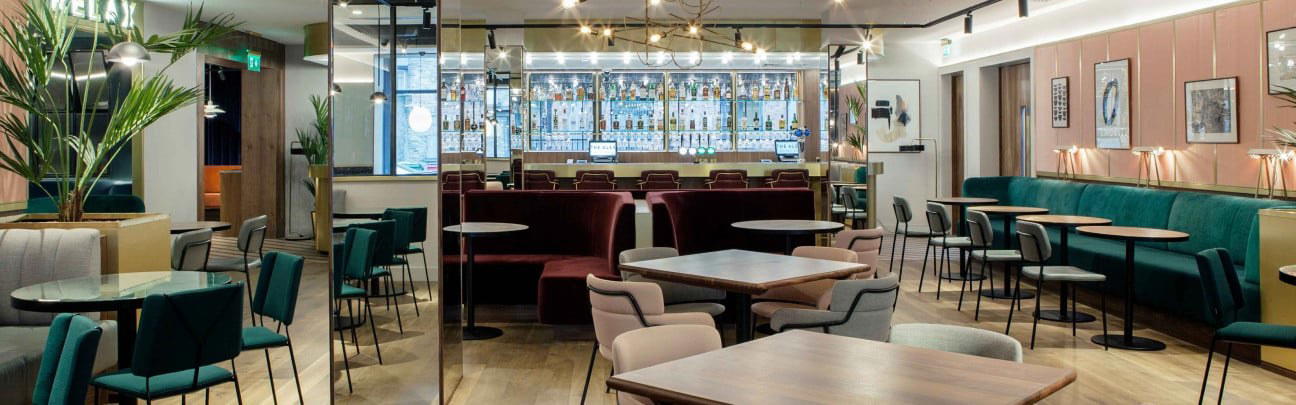
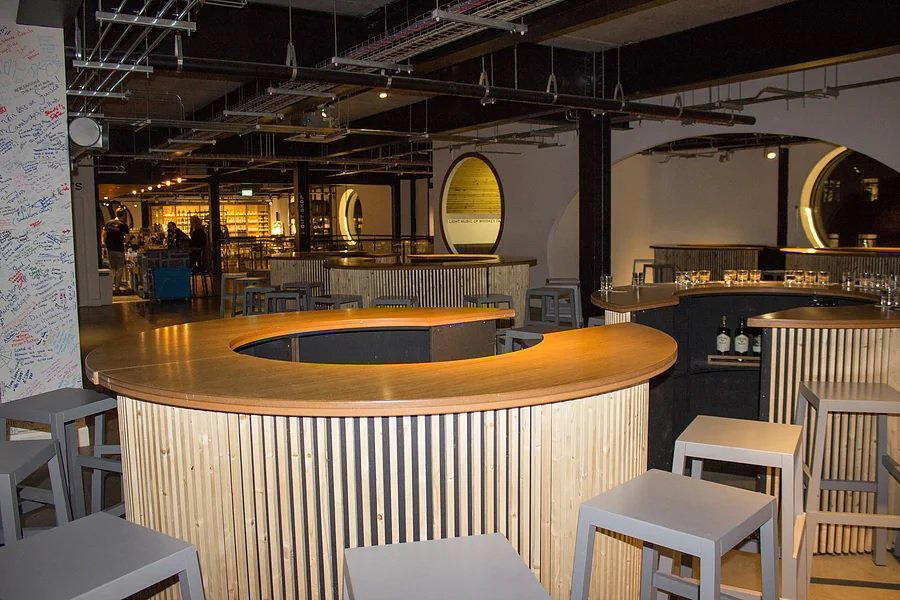
Soothing room of greys, greens and browns with eclectic artwork, candles on tables, wood panelling, soft lighting, and subtle elegance; cozy alcoves and a semi-private walnut wood room with plant life.