Hendo's Fish & Chips
On Abbeygate Street in the heart of Bury St Edmunds, Hendo's Fish & Chips represents the kind of straightforward, no-fuss British chippy that town centres used to take for granted and now increasingly prize. In a market town better known for its abbey ruins and Georgian architecture than its food scene, a dependable fish and chip shop occupies a specific and useful place in the local dining order.
Pearl is the En Primeur Club membership app — saves, bookings, and concierge access live there. Same editors, same standards.
- Address
- 29 Abbeygate St, Bury Saint Edmunds IP33 1UN, United Kingdom
- Phone
- +441284766999
- Website
- hendos.co.uk
- Directions
- Get directions
 Saves & bookings on Pearl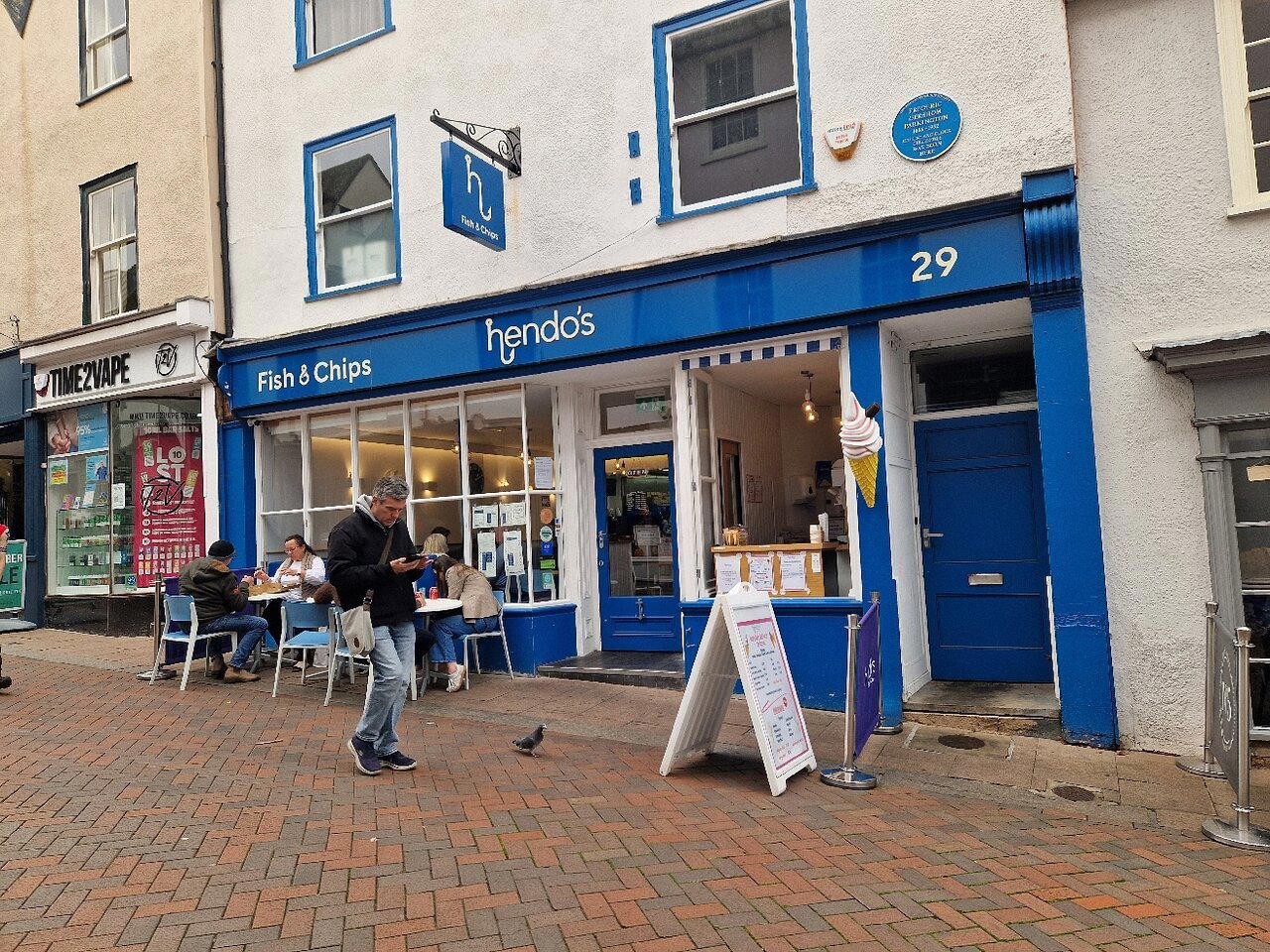
Abbeygate Street and the Chippy That Holds Its Ground
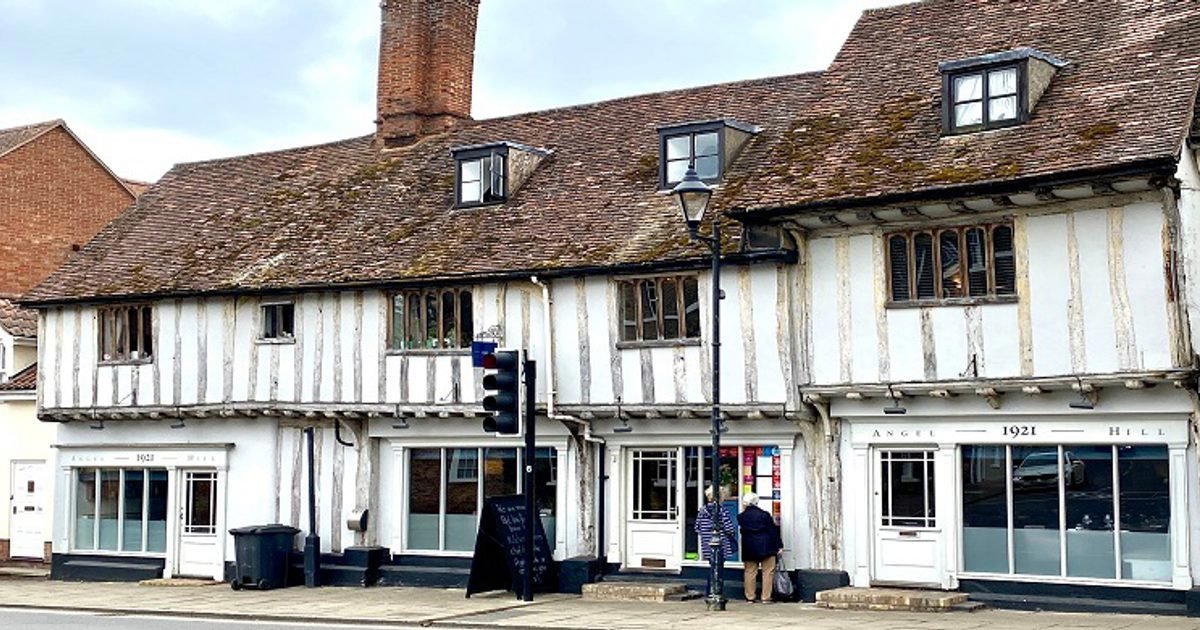
There is a particular kind of confidence required to run a fish and chip shop on a street like Abbeygate Street. The road that runs through the commercial core of Bury St Edmunds carries independent retailers, wine bars, and the ambient pressure of a town that has been steadily upgrading its hospitality offer for the better part of two decades. Alongside destination restaurants such as Pea Porridge, which has built a serious Mediterranean reputation, and the more formal setting of 1921 Angel Hill, Hendo's Fish & Chips at number 29 occupies a register that the others do not: quick, unpretentious, and unapologetically British. That is not a consolation — it is a position.
The broader Suffolk context matters here. This is a county with deep agricultural roots and a coastline that has supported inshore fishing communities for centuries. Ports such as Lowestoft and Aldeburgh have long fed the county's appetite for fresh-caught fish, and the supply chain that connects the North Sea catch to inland market towns like Bury St Edmunds is shorter than it might appear on a map. A chippy that takes sourcing seriously — choosing suppliers who can speak to the provenance of their cod, haddock, or plaice, is operating in a county where that conversation is entirely natural.
What the Ingredient Chain Looks Like for British Fish and Chips
Fish and chips as a category is often discussed as though it were a single dish with fixed characteristics, but the quality range within it is considerable. At the lower end, the fish is anonymous, the batter thin and grease-laden, and the chips cut from stored potatoes with little attention to variety or season. At the upper end, operators specify their catch by species and landing port, use potato varieties chosen for their frying characteristics, Maris Piper remains the benchmark for most serious operators, and manage their fryer temperatures with the same discipline a professional kitchen would apply to any other technique.
The East of England has a particular advantage in this chain. Suffolk and the surrounding counties produce a significant share of England's potato crop, which means that the distance between field and fryer can be measured in miles rather than hundreds of miles. Coastal fish markets at Lowestoft supply restaurants and takeaways across the region, and the relative density of the supply network in East Anglia gives local operators more flexibility to specify freshness than their counterparts in landlocked cities. This is the ingredient context in which a Bury St Edmunds fish and chip shop operates, and it is a meaningfully good one.
For comparison, the premium end of British seafood cookery, venues like Waterside Inn in Bray or Le Manoir aux Quat'Saisons in Oxford, builds its reputation partly on the same sourcing logic: knowing where the fish came from, when it was landed, and how it was handled. The chippy format collapses the formality, but the underlying principle that provenance drives quality is identical. Internationally, the same argument applies to fish-focused restaurants of the calibre of Le Bernardin in New York City, where the sourcing chain is treated as primary editorial content. The format is different; the logic is the same.
Bury St Edmunds as a Dining Town
Bury St Edmunds punches well above its population size when it comes to the range and ambition of its food scene. The town's market town structure, with a compact, walkable centre anchored by the cathedral and abbey gardens, concentrates its restaurants and food businesses in a relatively small area, which creates a density of options unusual for a Suffolk settlement of its scale. Bellota and Folk add to a scene that now spans everything from modern British tasting menus to neighbourhood wine bars. Lark, with its New American approach, demonstrates that the town's diners are willing to engage with formats that would have felt out of place here a decade ago.
Within that mix, the fish and chip shop serves a function that the formal restaurants cannot: it is available without a booking, accessible at lunch or early evening without ceremony, and priced within reach of the full range of the town's visitors and residents. The abbey ruins and the cathedral draw tourists who have been on their feet all day; the market draws locals on weekly errands; the Georgian streets attract a steady stream of day-trippers from Cambridge and beyond. All of them, at some point, want something hot, quick, and satisfying. That demand does not disappear because the town also has good restaurants. Readers looking for the full picture of what Bury St Edmunds offers can browse our full Bury St Edmunds restaurants guide.
Where Hendo's Sits in the Regional Picture
The East of England has no shortage of serious dining addresses beyond Bury St Edmunds. Midsummer House in Cambridge operates at the Michelin-starred end of the regional spectrum, and across England, the benchmark for ambitious, sourcing-led cookery is set by venues such as L'Enclume in Cartmel, Moor Hall in Aughton, Gidleigh Park in Chagford, Hand and Flowers in Marlow, hide and fox in Saltwood, and Opheem in Birmingham. Even CORE by Clare Smyth in London and Atomix in New York City are part of the broader conversation about where ingredient sourcing sits at the centre of a restaurant's identity.
Hendo's does not compete with any of those addresses, and the comparison is not intended to imply otherwise. What it does share with all of them is the underlying fact that British food at its most honest, whether served on white tablecloths or in paper wrapping, depends on the quality of what arrives in the kitchen. The chippy that uses fresh fish from a named supplier, cooked in clean oil with properly dried potatoes, is making an argument about ingredients that any serious kitchen would recognise.
Practical Notes
Hendo's Fish & Chips is located at 29 Abbeygate Street in the centre of Bury St Edmunds, within easy walking distance of the cathedral, the abbey gardens, and the main market square. The Abbeygate Street address places it on one of the town's principal pedestrian routes, which makes it a natural stop for anyone already moving through the town centre. No booking is required or possible for a takeaway format of this kind, and the central location means it is accessible by foot from most of the town's car parks. For visitors arriving by train, Bury St Edmunds station is approximately a fifteen-minute walk from Abbeygate Street.
How Hendo's Fish & Chips Bury St Edmunds compares with similar nearby venues.
| Venue | Cuisine | Price |
|---|---|---|
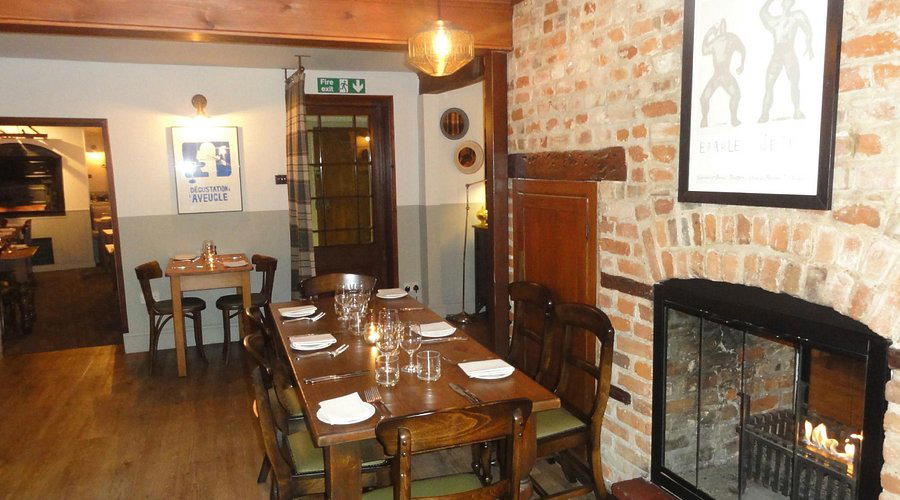
| Lark | New American, Modern Cuisine | ££ |
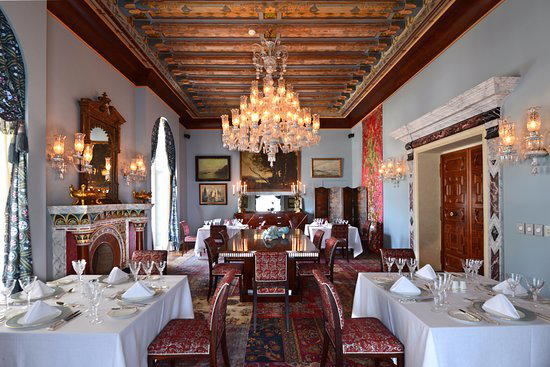
| Maison Bleue | French | £££ |
Continue exploring
More in Bury St Edmunds
Restaurants in Bury St Edmunds
Browse all →

Bars in Bury St Edmunds
Browse all →
Hotels in Bury St Edmunds
Browse all →
Wineries in Bury St Edmunds
Browse all →
At a Glance
- Cozy
- Classic
- Rustic
- Family
- Casual Hangout
- Standalone
Current opening hours
- Monday
- Closed
- Tuesday
- Closed
- Wednesday
- 11:30 AM–3 PM, 4:30–7 PM
- Thursday
- 11:30 AM–3 PM, 4:30–7 PM
- Friday
- 11:30 AM–3 PM, 4–7:30 PM
- Saturday
- 11:30 AM–7:30 PM
- Sunday
- 12–3 PM
Hours can change for holidays and private events. Last verified .
Diner-style casual seating in a constantly busy town center chippy with fresh fried aromas.
Know Before You Go
- Getting there
- 29 Abbeygate St, Bury Saint Edmunds IP33 1UN, United Kingdom