1921 Angel Hill

At 19-21 Angel Hill, chef-patron Zack Deakins runs one of Bury St Edmunds' most considered dining rooms, where a three-course lunch at £29 sits alongside a seasonally driven evening carte of genuine ambition. Dishes such as Mersea crab with pickled mooli and venison loin with blackened onion show a kitchen working with East Anglian provenance at its core. The tone throughout is calm, warm, and quietly assured.
Pearl is the En Primeur Club membership app — saves, bookings, and concierge access live there. Same editors, same standards.
- Address
- 19-21 Angel Hill, Bury St Edmunds, IP33 1UZ, United Kingdom
- Phone
- +441284704870
- Website
- nineteen-twentyone.co.uk
- Directions
- Get directions
 Saves & bookings on Pearl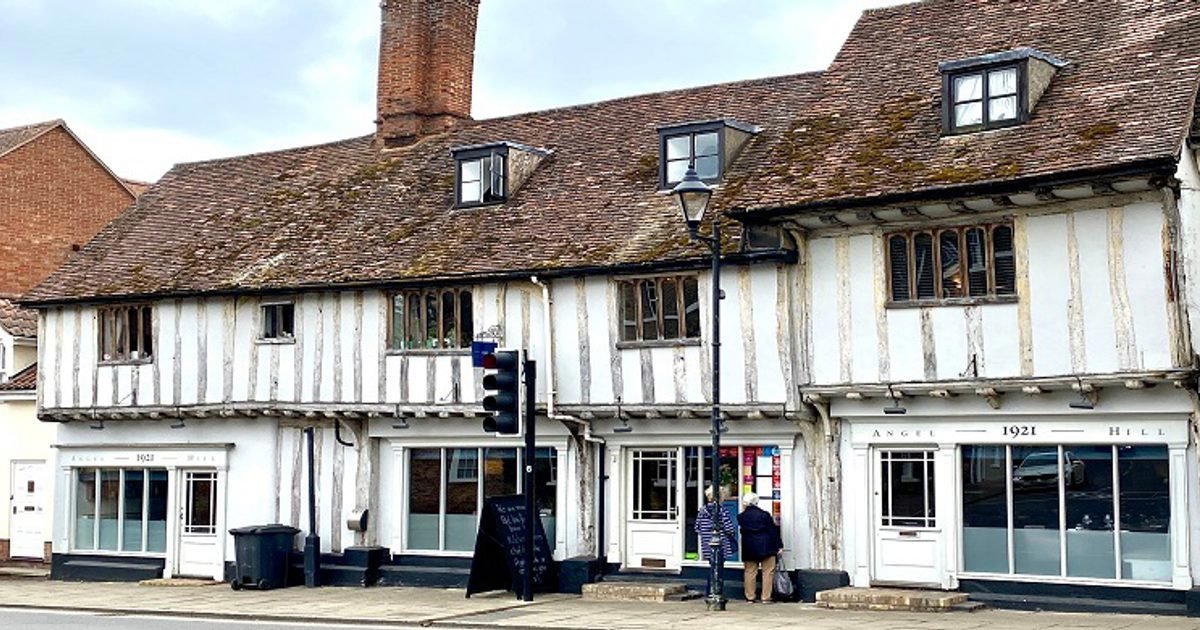
Where Angel Hill Sets the Tone
Angel Hill is one of the more architecturally composed addresses in Bury St Edmunds, a Georgian square that borders the abbey gardens and carries the quiet authority of a town that has never needed to shout about itself. Restaurants on or near it tend to inherit that register. 1921 Angel Hill, at numbers 19 to 21, fits the street's character precisely: the atmosphere inside is unhurried, the staff warm without performance, and the room itself exercises the kind of restraint that lets the food do its work. That atmosphere is not accidental. It flows directly from chef-patron Zack Deakins, whose calm manner, according to reviewers, filters through every corner of the operation.
Bury St Edmunds punches above its size when it comes to serious cooking. Pea Porridge, Maison Bleue, and Lark each hold their own in the £££ bracket, while Bellota offers a different proposition nearby. 1921 sits in the same peer group in terms of culinary ambition, but its pricing structure, particularly at lunch, positions it differently from most comparably accomplished rooms in East Anglia or, for that matter, anywhere in provincial England.
The Source Behind the Plate
The editorial argument for 1921 Angel Hill, viewed through the lens of ingredient sourcing, is direct: the kitchen draws on what coastal and agricultural East Anglia produces rather than constructing a menu around fashionable imports. Mersea crab, from the Essex coast roughly forty miles south, arrives pickled with mooli, apple, and black sesame. Grey mullet, a fish that British restaurant kitchens have historically underused despite its availability in home waters, appears grilled alongside chorizo, clams, and runner beans. Venison loin, prepared with blackened onion and roasted pear, reads as genuinely autumnal in the way that only a kitchen paying attention to what is actually in season can manage.
This approach places 1921 in a lineage of British restaurants that have made the case for regional sourcing as an editorial position rather than a marketing stance. The tradition runs through places like L'Enclume in Cartmel and Moor Hall in Aughton, where the surrounding landscape is treated as the primary larder. At 1921 the scale is smaller and the register less maximalist, but the underlying commitment is comparable: the menu changes with what is available, and the kitchen's technique is applied in service of that ingredient logic rather than in spite of it.
The lamb tartare with smoked yoghurt and sourdough croûtons is a useful example of how that works in practice. Tartare as a preparation tests kitchen confidence in its raw material; smoked yoghurt adds acidity and depth without obscuring what is underneath. The sourdough croûtons introduce texture. There are no extraneous elements. The same economy governs the chocolate crémeux with griottine cherry ice cream, and the dill parfait with green apple and salted goat's milk, which represents the more technically adventurous end of the dessert range.
The Canapé Sequence and What It Signals
A flight of canapés opens the meal at 1921. Reviewers have noted items such as a mushroom croquette with quail's egg and a tuna and anchovy cracker. The details matter less than what the sequence signals: this is a kitchen that uses the opening moments of a meal to calibrate the guest's expectations rather than to impress through spectacle. Both examples involve layering (fat on umami, salt on brine) rather than novelty. They are appetite-pricking, as one reviewer described them, which is precisely what canapés are supposed to be and rarely are at this price point.
The Lunch Proposition in Context
Three courses at lunch for £29, with choice, is a number that demands context to be properly understood. Internationally, the conversation about value in serious cooking runs through rooms like Le Bernardin in New York City and Emeril's in New Orleans, where set menus at lunch carry very different numbers.
What reviewers have consistently noted about the 1921 lunch is that the cooking does not change register to justify the lower price: the dishes are composed with the same care as those on the evening carte or the tasting menu. The dill and caraway bread served alongside mains, generous enough to mop up any cooking juices, is a small but telling detail about how the kitchen thinks about the full experience of eating rather than just the plate.
The Wine List and a Detour Worth Taking
The wine list at 1921 moves through familiar European territory before making a deliberate turn toward Japan's Yamanashi province. Grace Wine's Koshu, described by reviewers as fresh and textured, is made from an indigenous Japanese grape variety that has only recently begun appearing on British restaurant lists. Its presence alongside a 2015 Margaux from Château Cantenac-Brown tells you something about a list that was built with curiosity rather than convention. The Koshu occupies a different structural register from Bordeaux; placing them in the same wine programme is an editorial choice about range.
Planning a Visit
1921 Angel Hill sits at 19-21 Angel Hill, Bury St Edmunds, IP33 1UZ, within walking distance of the abbey gardens and the town's main Georgian core. The lunch service, priced at £29 for three courses, is the clearest entry point for first-time visitors and has drawn particular praise from reviewers for the quality delivered at that price. The evening menu operates at a different ambition level, bringing in the tasting menu and carte formats. For broader context on what else Bury St Edmunds has to offer, see our full Bury St Edmunds restaurants guide, as well as guides to hotels, bars, wineries, and experiences in the town. For comparison with other high-level British and international rooms, the Waterside Inn in Bray and The Ledbury in London offer a useful calibration of where ambition at this level can lead.
How 1921 Angel Hill Bury St Edmunds compares with similar nearby venues.
| Venue | Cuisine | Price |
|---|---|---|
| Lark | New American, Modern Cuisine | ££ |
| Maison Bleue | French | £££ |
Recognition history
Dated appearances from independent guides and award organizations, with the underlying list record or original source where available.
AA Rosettes 3 Rosettes
AA Rosettes
The Good Food Guide GFG Very Good
The Good Food Guide
Continue exploring
More in Bury St Edmunds
Restaurants in Bury St Edmunds
Browse all →
Bars in Bury St Edmunds
Browse all →
Hotels in Bury St Edmunds
Browse all →
Wineries in Bury St Edmunds
Browse all →
At a Glance
- Cozy
- Elegant
- Intimate
- Relaxed
- Date Night
- Special Occasion
- Business Dinner
- Historic Building
- Extensive Wine List
Current opening hours
- Monday
- Closed
- Tuesday
- 12–2 PM, 6–9 PM
- Wednesday
- Closed
- Thursday
- 12–2 PM, 6–9 PM
- Friday
- 12–2 PM, 6–9 PM
- Saturday
- 12–2 PM, 6–9 PM
- Sunday
- Closed
Hours can change for holidays and private events. Last verified .
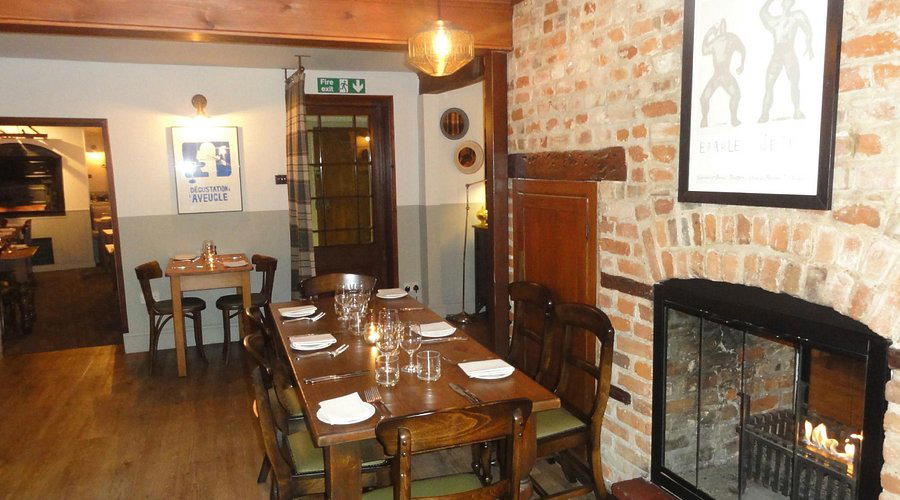
Relaxed and welcoming with classic decor, ambient lighting, and a cozy, convivial atmosphere.
Know Before You Go
- Getting there
- 19-21 Angel Hill, Bury St Edmunds, IP33 1UZ, United Kingdom