Maison Bleue


A Michelin Plate-recognised French restaurant in a converted 17th-century townhouse on Churchgate Street, Maison Bleue has become one of Bury St Edmunds' most enduring dining fixtures. Classical Gallic technique anchors the menu, with seafood a particular strength, while a French-leaning wine list and graceful service complete a package that draws guests from well beyond the town itself.
Pearl is the En Primeur Club membership app — saves, bookings, and concierge access live there. Same editors, same standards.
- Address
- 30-31 Churchgate St, Bury Saint Edmunds IP33 1RG, United Kingdom
- Phone
- +44 1284 760623
- Website
- maisonbleue.co.uk
- Directions
- Get directions
 Saves & bookings on Pearl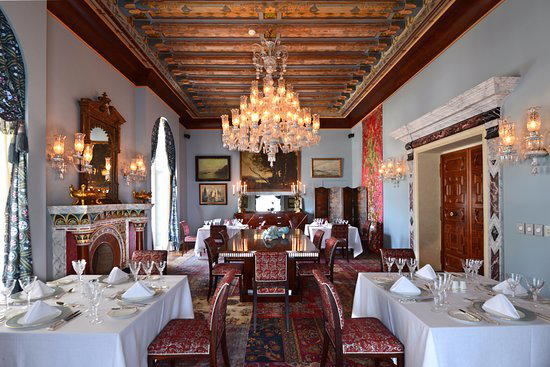
Classical French Cooking in a Market Town Setting
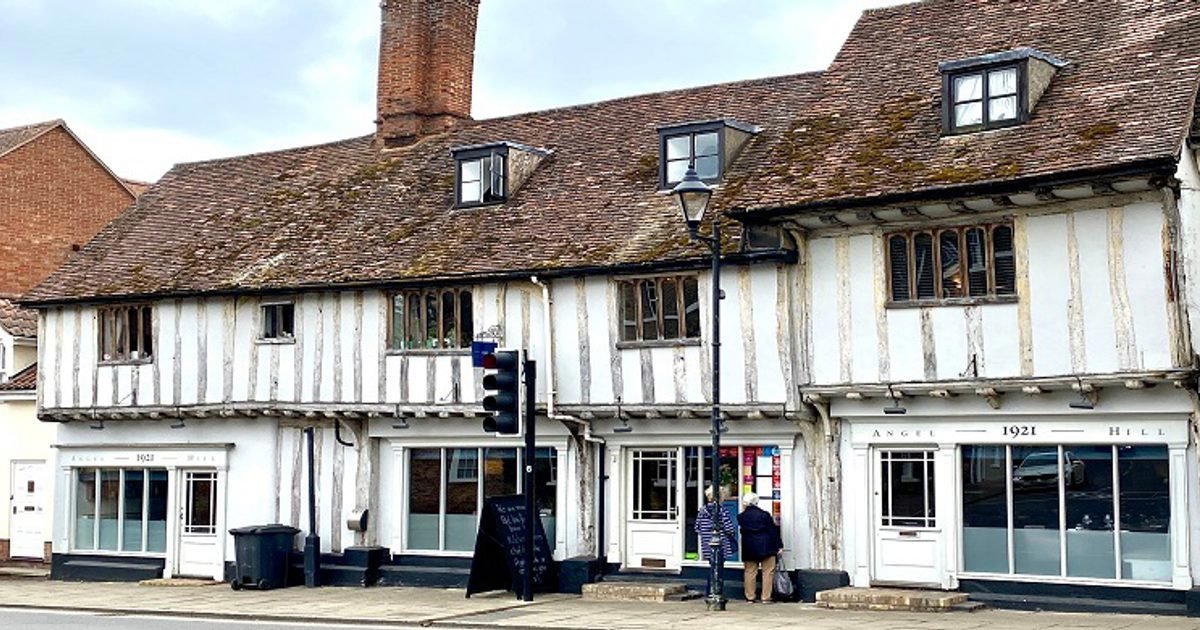
Bury St Edmunds is not a city that tends to attract much national dining attention, yet it maintains a small cluster of serious restaurants operating well above what the population size might suggest. Among them, Maison Bleue occupies a particular position: it is the town's established French house, set inside a converted 17th-century building on Churchgate Street, and it has been drawing guests from across Suffolk and beyond for long enough to qualify as a genuine local institution. The address alone sets an expectation. Churchgate Street sits close to the Norman tower of the Abbey of St Edmundsbury, and the building carries that weight of age in its fabric, its proportions, and the particular hush that comes with stone and old timber. Walking in, the atmosphere is one of settled confidence rather than studied theatre.
Where Classical Technique Meets Careful Restraint
The tension at the centre of contemporary French cooking in Britain is not whether to modernise, but how far to go before the classical foundation becomes decorative rather than functional. Maison Bleue sits toward the more restrained end of that spectrum, and it does so by choice rather than inertia. The menu operates from a Gallic base, drawing on the core repertoire of French provincial and bourgeois cooking, but the kitchen introduces international seasoning with precision rather than novelty. The result is a format that reads as classical but eats with more variety than the descriptions initially suggest.
Seafood is the section of the menu that tends to generate the most consistent praise, and the kitchen's handling of prime fish demonstrates exactly why classical training remains relevant. Gigha halibut, one of the more sought-after fish to come out of Scottish waters, arrives on a bed of cumin-warmed white cabbage with puréed cauliflower and pieces of smoked eel, a combination that uses earthy, aromatic support to let the fish retain its identity rather than bury it. Turbot, another indication of what the kitchen is working with in terms of raw material, is treated with the directness the fish demands. Devon crab is given a more international frame, paired with lemongrass, ginger and soy alongside Granny Smith apple and avruga caviar, a dish where the spice and acid sharpen rather than overwhelm the crustacean's natural sweetness.
The same logic applies to the vegetable work. Caramelised cauliflower with a gentle tandoori seasoning is the kind of dish that places Maison Bleue in an interesting position relative to French restaurants that either refuse to acknowledge influence from beyond the Channel or deploy it so heavily that the classical identity disappears. Here, the spicing adds a layer of interest without repositioning the menu as something it is not. It is a measured approach, and it reads as confident rather than cautious.
Meat on the gourmet menu draws from locally sourced material where it matters. Shimpling Park lamb, an organic producer based in Suffolk, appears in a format that plays both registers simultaneously: roasted saddle for texture and precision, slow-cooked shoulder for depth and unctuousness, supported by sweet potato, kohlrabi and a lamb reduction. The decision to work with a producer at that proximity is consistent with what serious regional restaurants across Britain have been doing for the better part of two decades, but the execution here is what counts.
Desserts, Cheese, and the Wine Case
The final stages of a meal at Maison Bleue tend to reward patience. A crème brûlée, a dish that functions partly as a test of kitchen discipline, is paired with a raspberry and tarragon sorbet, the sharpness and herbal note cutting against the richness in a way that keeps the palate engaged rather than fatigued. Brûlée of pear offers a seasonal variation on the same structural principle. The cheese trolley, stocked with French selections and served by the glass from the wine list, operates as a full alternative to the dessert course rather than an afterthought.
The wine program deserves specific mention. The list leans French by design, with depth in regions that can support serious pairings for the food being served. A Coudoulet Blanc from Château de Beaucastel in the southern Rhône, a wine made at one of the appellation's most closely watched estates, demonstrates the quality ceiling the list is working toward. Expert guidance comes with service, and the list is built to be navigated with help rather than in isolation. For a restaurant at the £££ price point in a market town context, the wine offering operates at a level more commonly associated with destination dining in larger centres.
Where Maison Bleue Sits in the Broader Picture
British French restaurants occupy a complicated position at the moment. At the highest end of the national tier, places like [Le Manoir aux Quat' Saisons, a Belmond Hotel in Great Milton]() and Restaurant Andrew Fairlie in Auchterarder hold the classical French flag at multi-Michelin level, while London's modern canon, represented by addresses like The Ledbury in London, has pushed the form into more hybrid territory. Further afield, what is happening at Sézanne in Tokyo shows how far the French tradition has travelled and been reinterpreted on other continents entirely. Maison Bleue does not compete in that conversation. What it does instead is make a credible, consistent case for classical French cooking in a regional English town, and it backs that case with Michelin Plate recognition in both 2024 and 2025, a signal that the guide is watching and approving of the standard being maintained.
Within Bury St Edmunds itself, the dining scene is broader than its size implies. Pea Porridge occupies the Mediterranean end at the same £££ tier, while Lark works the New American and modern format at a lower price point. Bellota adds further variety to what is, for a town this size, a genuinely plural offering. Maison Bleue's French identity distinguishes it clearly within that local set, and its longevity and guest loyalty suggest the positioning is well understood by the market it serves.
Planning Your Visit
Maison Bleue sits at 30-31 Churchgate Street in the town centre, making it walkable from Bury St Edmunds railway station, which has direct connections to Cambridge and Ipswich. The restaurant operates at the £££ price bracket, consistent with a multi-course gourmet menu format and a serious wine program. Given that it holds Michelin Plate recognition and draws guests from outside the immediate area, booking ahead is advisable, particularly for weekend lunch, which is a meal format the restaurant appears to handle particularly well given the pace and tone of the room. For broader orientation before or after a visit, the [full Bury St Edmunds restaurants guide]() covers the wider scene, while the [hotels guide](), [bars guide](), [wineries guide](), and experiences guide allow for building out a fuller stay in the town.
Where It Fits
| Venue | Cuisine | Price | Awards |
|---|---|---|---|
| Maison BleueThis venue — the venue you are viewing | French | £££ | Not listed |
| Lark | New American, Modern Cuisine | Not listed | New American, Modern Cuisine, ££ |
| Pea Porridge | Mediterranean Cuisine | £££ | Michelin 1 Star |
Recognition history
Dated appearances from independent guides and award organizations, with the underlying list record or original source where available.
Michelin Plate
Michelin
Michelin Plate
Michelin
The Good Food Guide GFG Very Good
The Good Food Guide
Michelin Plate
Michelin
Continue exploring
More in Bury St Edmunds
Restaurants in Bury St Edmunds
Browse all →
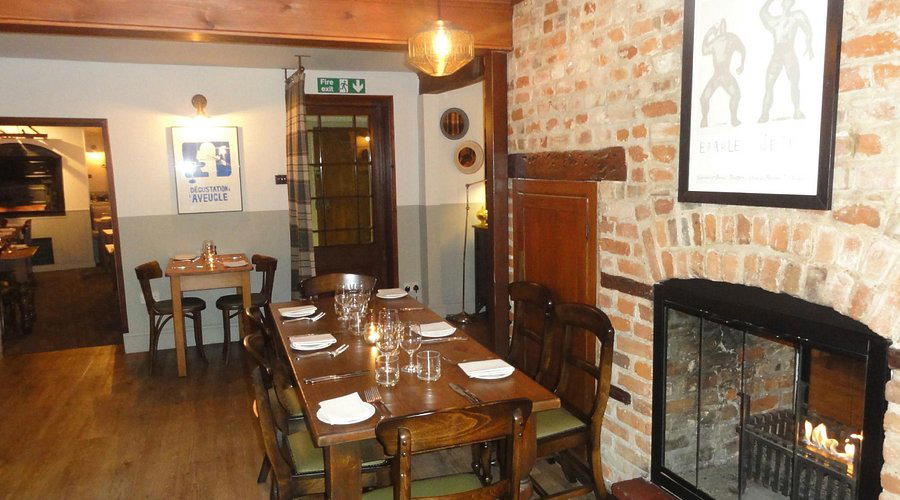
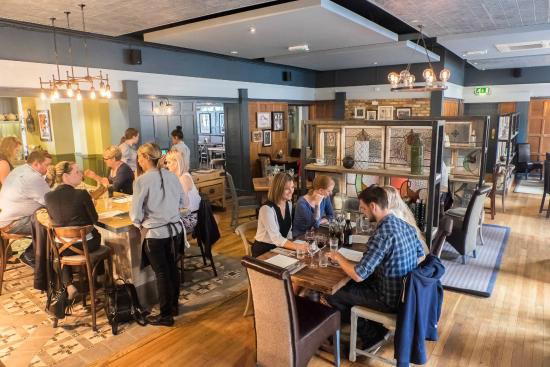
Bars in Bury St Edmunds
Browse all →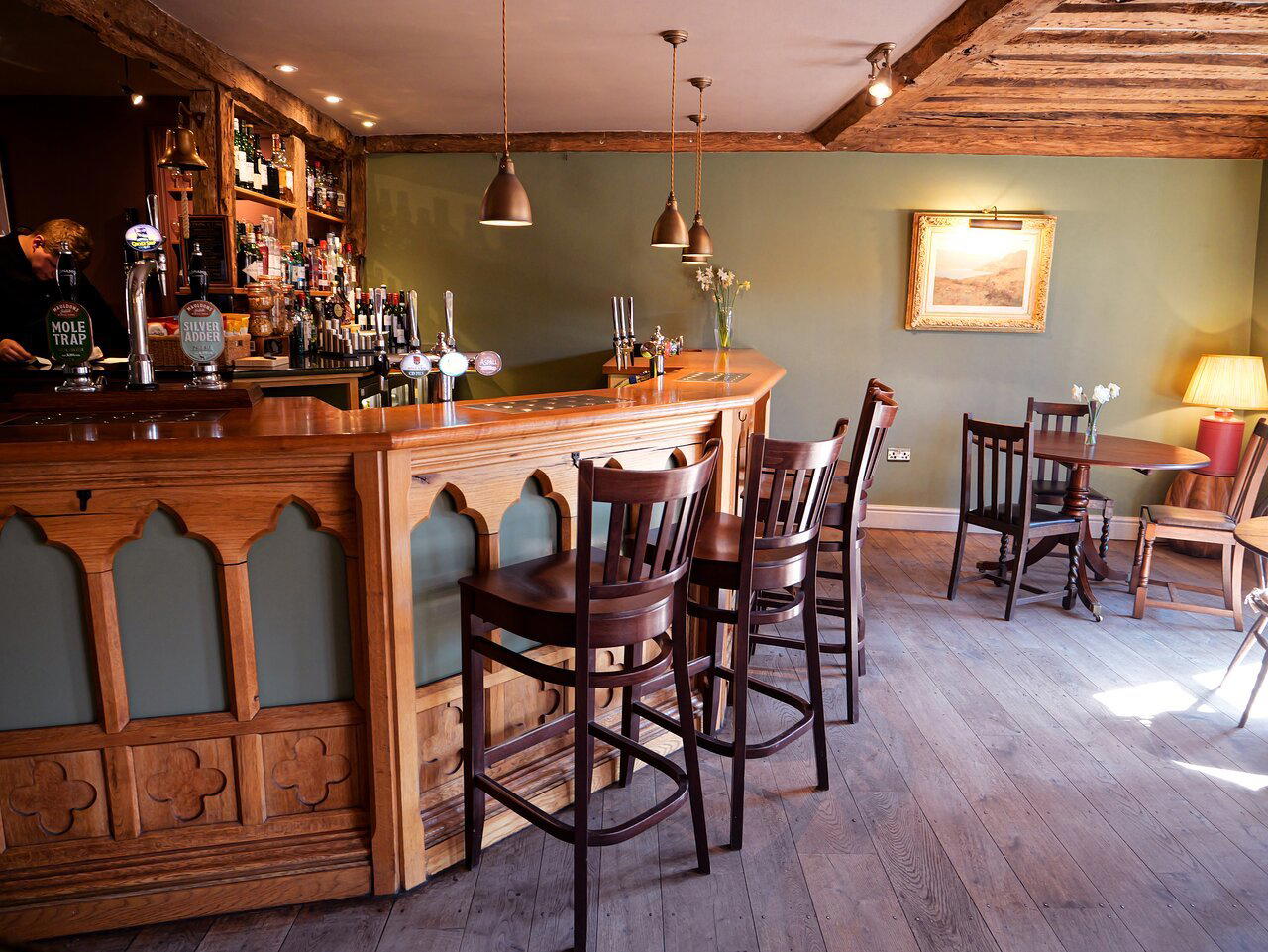
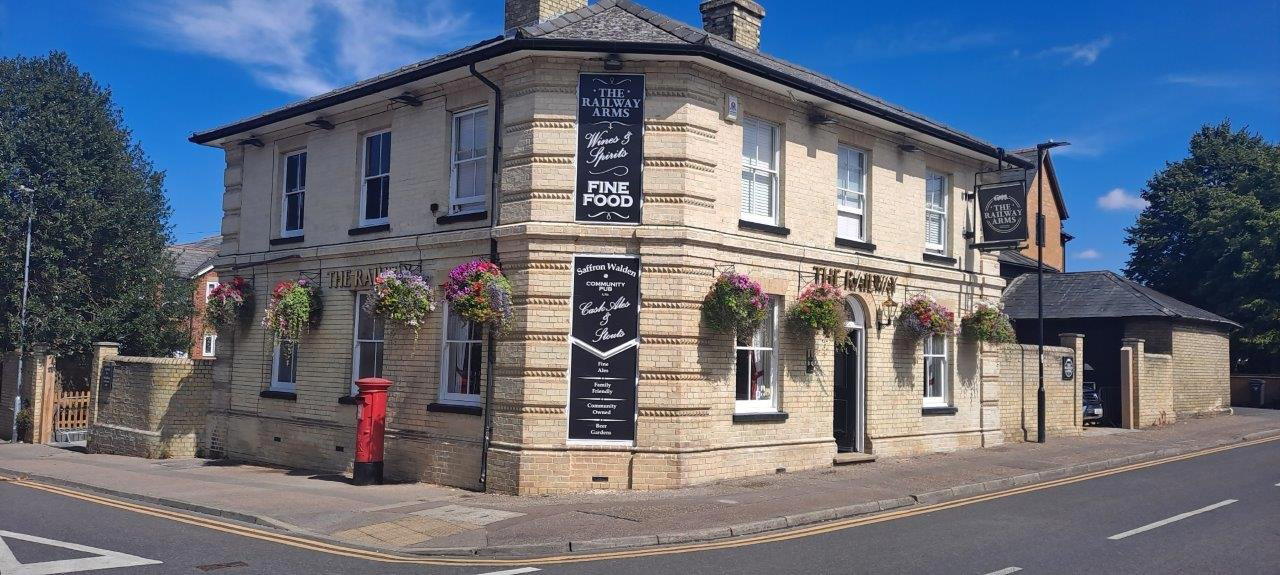
Hotels in Bury St Edmunds
Browse all →
Wineries in Bury St Edmunds
Browse all →
At a Glance
- Elegant
- Sophisticated
- Intimate
- Classic
- Date Night
- Special Occasion
- Business Dinner
- Historic Building
- Extensive Wine List
- Local Sourcing
Current opening hours
- Monday
- Closed
- Tuesday
- 12–1:30 p.m., 7–8:30 p.m.
- Wednesday
- 12–1:30 p.m., 7–8:30 p.m.
- Thursday
- 12–1:30 p.m., 7–8:30 p.m.
- Friday
- 12–1:30 p.m., 7–8:30 p.m.
- Saturday
- 12–1:30 p.m., 7–8:30 p.m.
- Sunday
- Closed
Hours can change for holidays and private events. Last verified .
Timeless elegance and serenity in cosy, tastefully decorated spaces with subtle lighting and graceful service.
Know Before You Go
- Getting there
- 30-31 Churchgate St, Bury Saint Edmunds IP33 1RG, United Kingdom