Folk in Bury St Edmunds serves British café food with local sourcing, a casual pace, and a quick-bite format for breakfast, brunch, or lunch.
Pearl is the En Primeur Club membership app — saves, bookings, and concierge access live there. Same editors, same standards.
- Address
- Fornham Business Court, The Drift, Bury St Edmunds, Bury Saint Edmunds IP31 1SL, United Kingdom
- Phone
- +441284705099
- Website
- folksuffolk.com
- Directions
- Get directions
 Saves & bookings on Pearl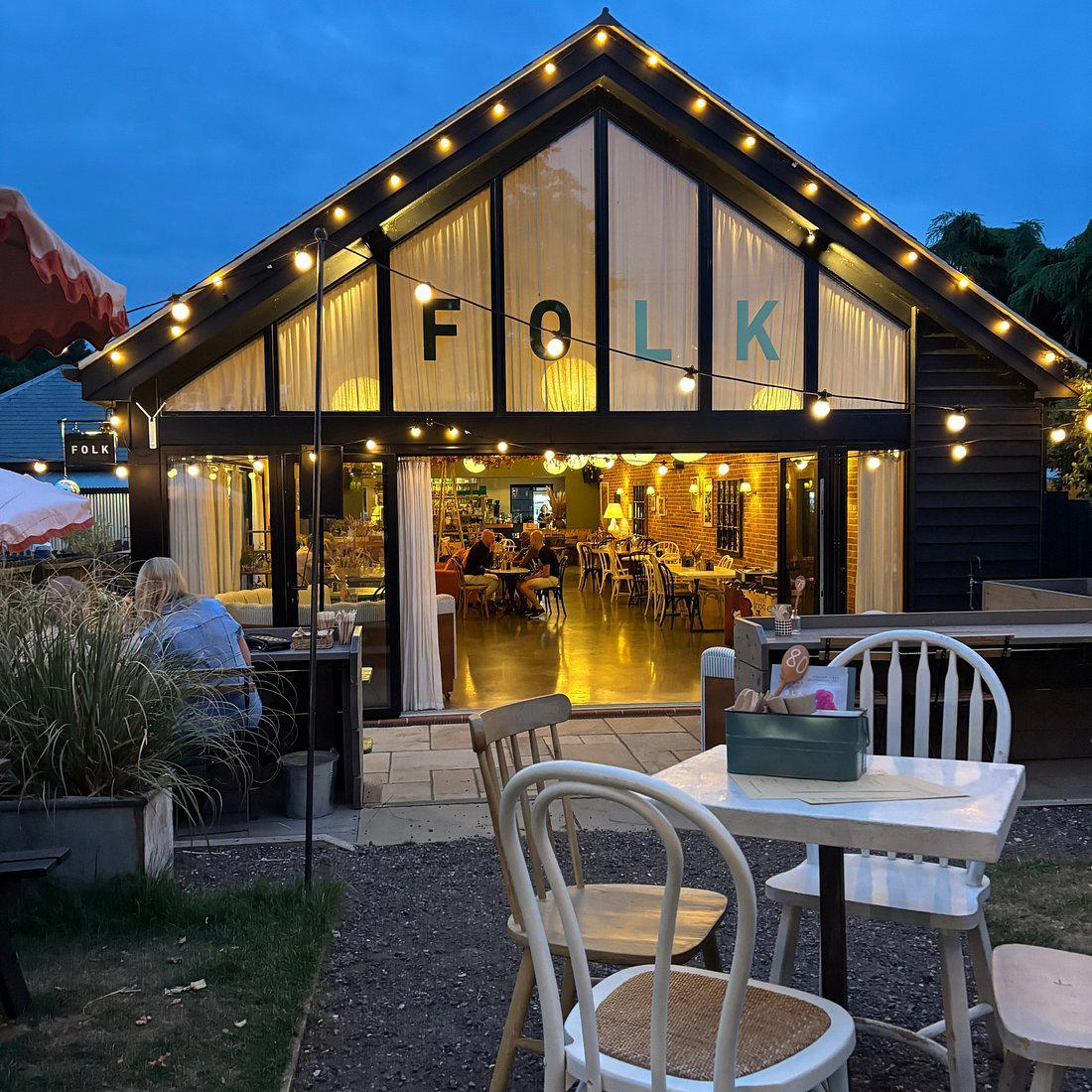
Where Bury St Edmunds Meets the Fields Beyond It
The approach to Folk sets a tone that the room then confirms. Fornham Business Court sits just north of the town centre, away from the Georgian streetscape of Angel Hill and the market square crowds, in a low-key commercial address that most visitors to Bury St Edmunds would not stumble across without intent. That deliberate remove is not incidental. It signals something about who Folk is cooking for and, more to the point, what it is cooking with: the agricultural land that rolls out across west Suffolk in every direction, supplying a region that has fed England for centuries.
Suffolk is not a county that broadcasts its food credentials loudly, but the raw material case is difficult to argue with. The county produces arable crops, free-range pork, and game in quantities that make it one of the more supplier-rich corners of England for a kitchen with the discipline to source locally. The leading farm-to-table restaurants in provincial England are not found exclusively in honeypot destinations. Particularly considered sourcing work happens in towns like Bury St Edmunds, where proximity to farmland is structural rather than aspirational, and where a restaurant can build supplier relationships that a London kitchen would require significant logistics to replicate.
The Case for Provenance-Led Cooking in a Market Town
Across the broader current of British dining, ingredient provenance has shifted from marketing footnote to structural kitchen decision. Restaurants like L'Enclume in Cartmel and Moor Hall in Aughton have built their reputations substantially on what happens before anything reaches the kitchen, treating the farm or the estuary as the first stage of menu development. That model has filtered outward from stronger examples from the Michelin table, and it now shapes mid-market and neighbourhood dining in ways that were not common even a decade ago. In a town like Bury St Edmunds, which sits within reach of some of England's most productive farmland, a kitchen that takes sourcing seriously has a natural advantage that its urban counterparts cannot replicate by effort alone.
Folk operates in that context. The business court address places it in the tier of Bury restaurants that require a specific decision to visit, rather than a passing glance through a window on Abbeygate Street. That filtering effect is useful: the clientele that makes the short drive out of town tends to be there with some foreknowledge, which in turn creates a room with a different atmosphere from the catch-all town-centre dining trade. Comparable in some respects to what hide and fox in Saltwood has done in Kent, or what Gidleigh Park in Chagford occupies at a more formal level on Dartmoor, Folk represents the strain of serious British cooking that happens away from the obvious postal codes.
Bury St Edmunds as a Dining Address
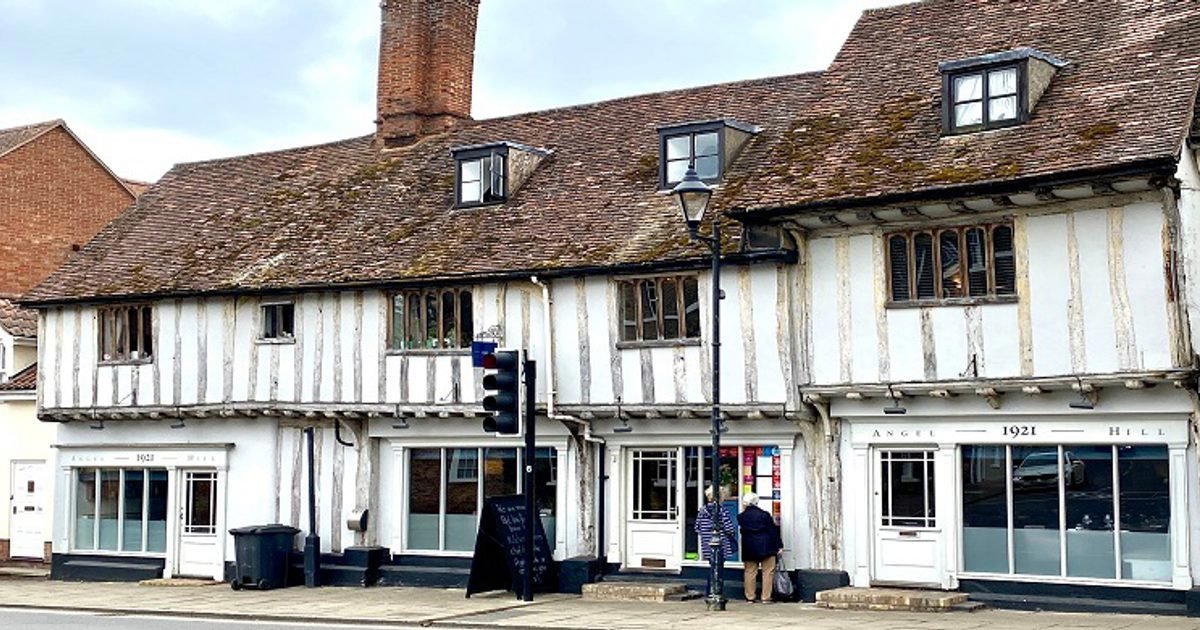
Bury St Edmunds punches above its population weight as a restaurant town. The combination of an affluent catchment area, regular market-day trade, and proximity to Cambridge has produced a dining scene with more range than most Suffolk towns of comparable size. Pea Porridge holds down the Mediterranean end of the market at the £££ tier, operating out of a converted chapel that has become a reference point for the town. 1921 Angel Hill occupies a formal dining position on the town's most photographed street. Lark covers the modern cuisine ground at a more accessible price point, while Bellota and Hendo's Fish and Chips serve different ends of the casual market. Folk fits into that map as the option most explicitly connected to the agricultural context that surrounds the town, a positioning that distinguishes it from the European-leaning and globally-inflected kitchens elsewhere on the Bury dining circuit.
Provincial British Cooking and Its Reference Points
The cooking style that Folk appears to represent has parallels at several levels of the British dining hierarchy. At the formal end, the Waterside Inn in Bray and CORE by Clare Smyth in London demonstrate how ingredient primacy can operate within technically ambitious formats. The Hand and Flowers in Marlow shows what happens when sourcing discipline meets a pub-dining format. Midsummer House in Cambridge, Folk's nearest serious regional peer, represents the more formal end of East Anglian fine dining. Internationally, the farm-integration model that operations like Lazy Bear in San Francisco have pursued, or the coastal sourcing discipline of Le Bernardin in New York, show how the principle scales across different cuisines and formats. What connects all of them is the decision to treat supply chain as creative constraint rather than logistical inconvenience.
Folk occupies a much more modest position in that hierarchy, but the underlying logic is the same: a kitchen that makes sourcing decisions first, and builds its menu outward from what the land and season offer, rather than back-filling local provenance claims onto a pre-determined format. In a county where the growing season produces vegetables, cereals, and livestock of genuine quality, that approach is both principled and practical. Venues with that orientation, from Opheem in Birmingham to Ynyshir Hall in Machynlleth, demonstrate that the model works across geography and cuisine type when the commitment is genuine.
Planning a Visit
Folk sits at Fornham Business Court on The Drift, a short drive north of the town centre and easily reached by car from the A14 or from central Bury St Edmunds in under ten minutes. Because the venue sits in a business court rather than on a retail or hospitality street, it is worth confirming current opening hours and booking directly before travelling, particularly mid-week when trading patterns at smaller independents can vary.
Side-by-Side Snapshot
Comparable venues nearby, for context on price, style, and recognition.
| Venue | Cuisine | Price | Awards | Notes |
|---|---|---|---|---|
| FolkThis venue — the venue you are viewing | British Café | $$ | Not listed | Not listed |
| 1921 Angel Hill | Modern British Fine Dining | $$$ | Not listed | Angel Hill |
| No 5 Angel Hill | British Cafe | $$ | Not listed | Angel Hill |
| Hendo's Fish & Chips | Traditional British Fish & Chips | $$ | Not listed | Abbeygate Street |
| Maison Bleue | Classic French Fine Dining | $$$ | Michelin Plate | town centre |
| Bellota | Modern Spanish Tasting Menu | $$$$ | Michelin Plate | Bury St Edmunds town centre |
Continue exploring
More in Bury St Edmunds
Restaurants in Bury St Edmunds
Browse all →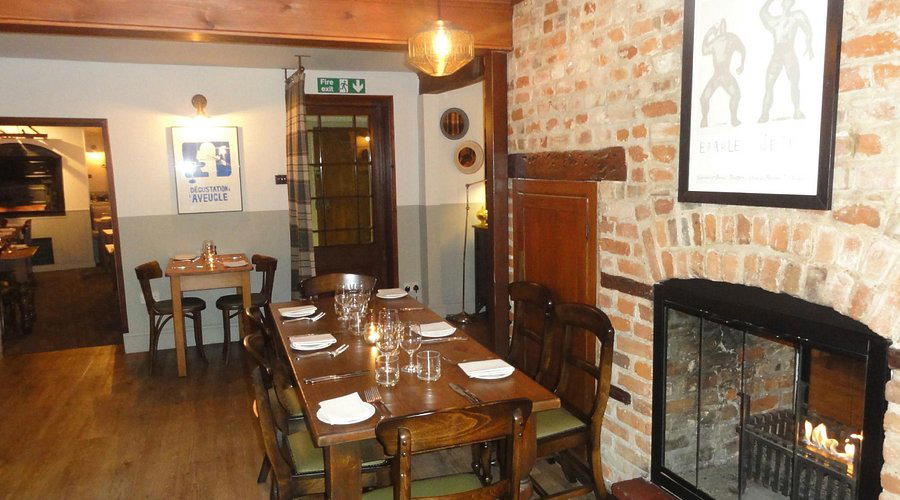
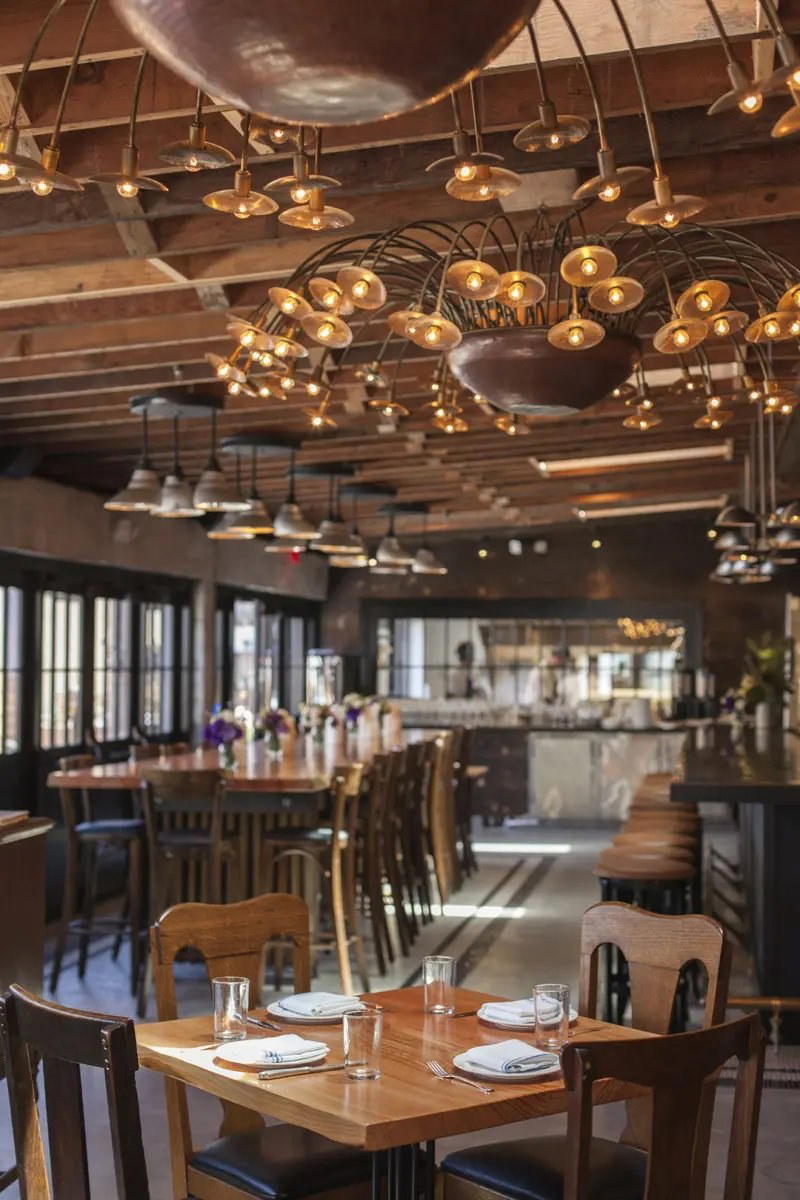
Bars in Bury St Edmunds
Browse all →
Hotels in Bury St Edmunds
Browse all →
At a Glance
- Cozy
- Lively
- Rustic
- Brunch
- Casual Hangout
- Family
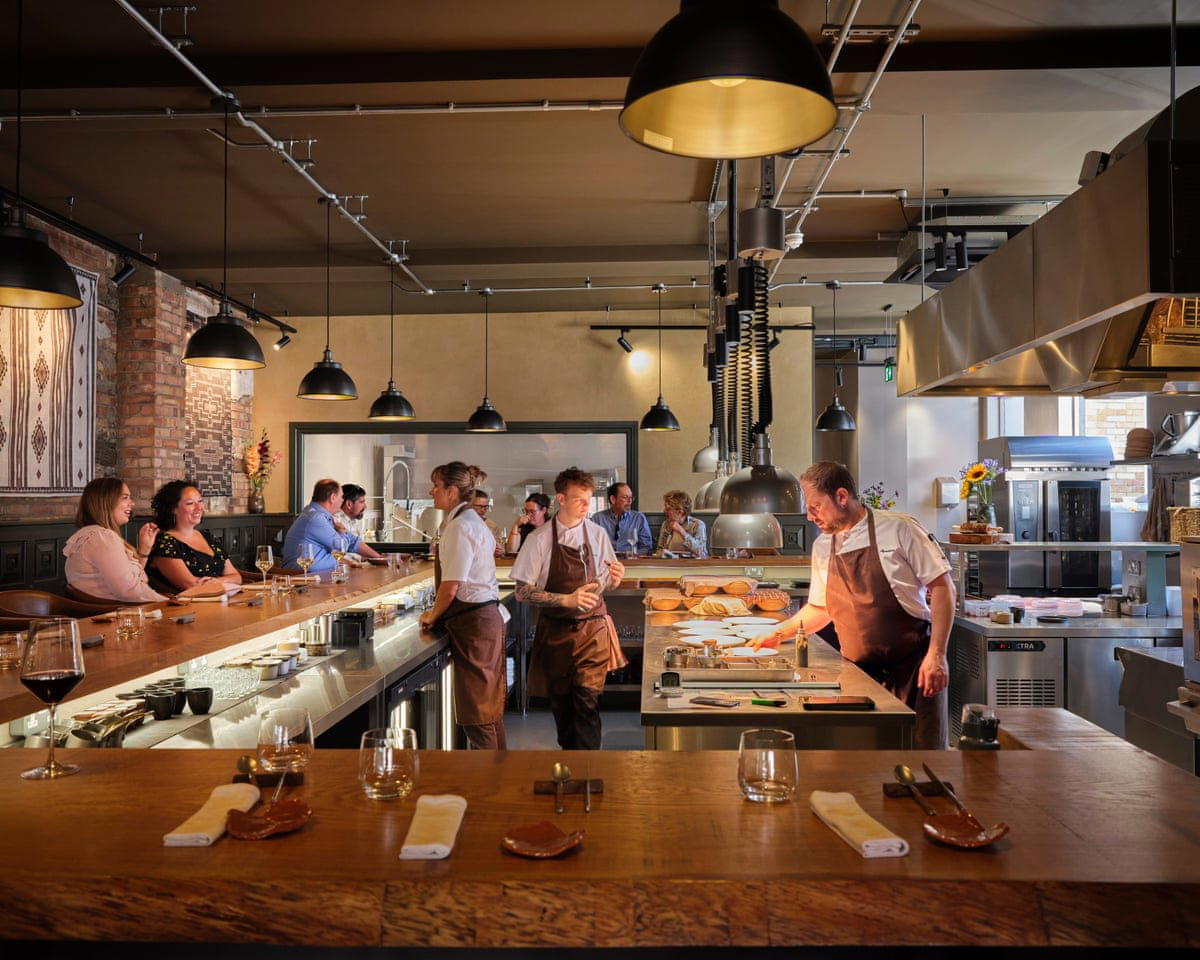
- Open Kitchen
- Local Sourcing
Current opening hours
- Monday
- 8:30 AM–4 PM
- Tuesday
- 8:30 AM–4 PM
- Wednesday
- 8:30 AM–4 PM
- Thursday
- 8:30 AM–4 PM
- Friday
- 8:30 AM–4 PM
- Saturday
- 8:30 AM–4 PM
- Sunday
- Closed
Hours can change for holidays and private events. Last verified .
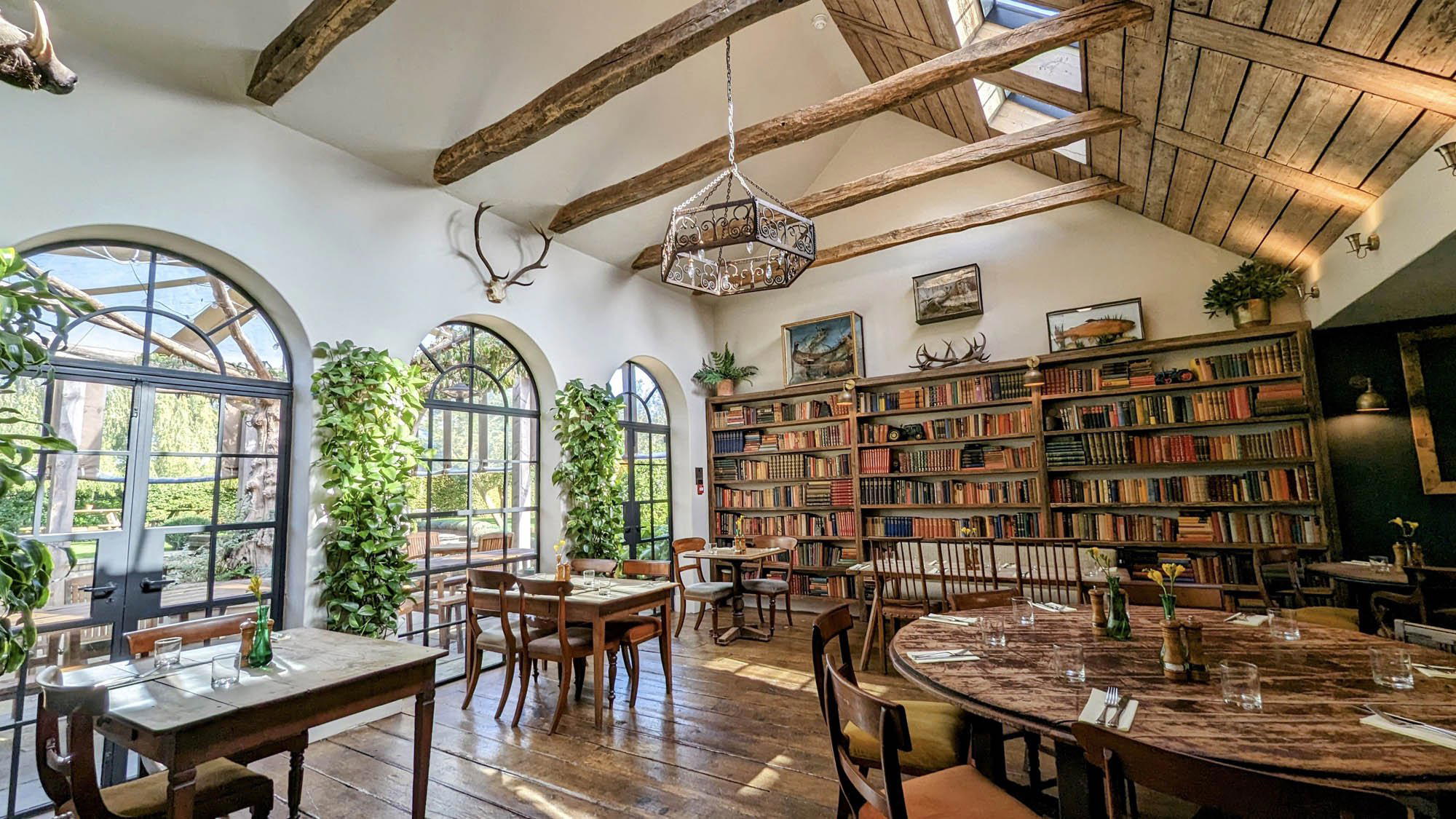
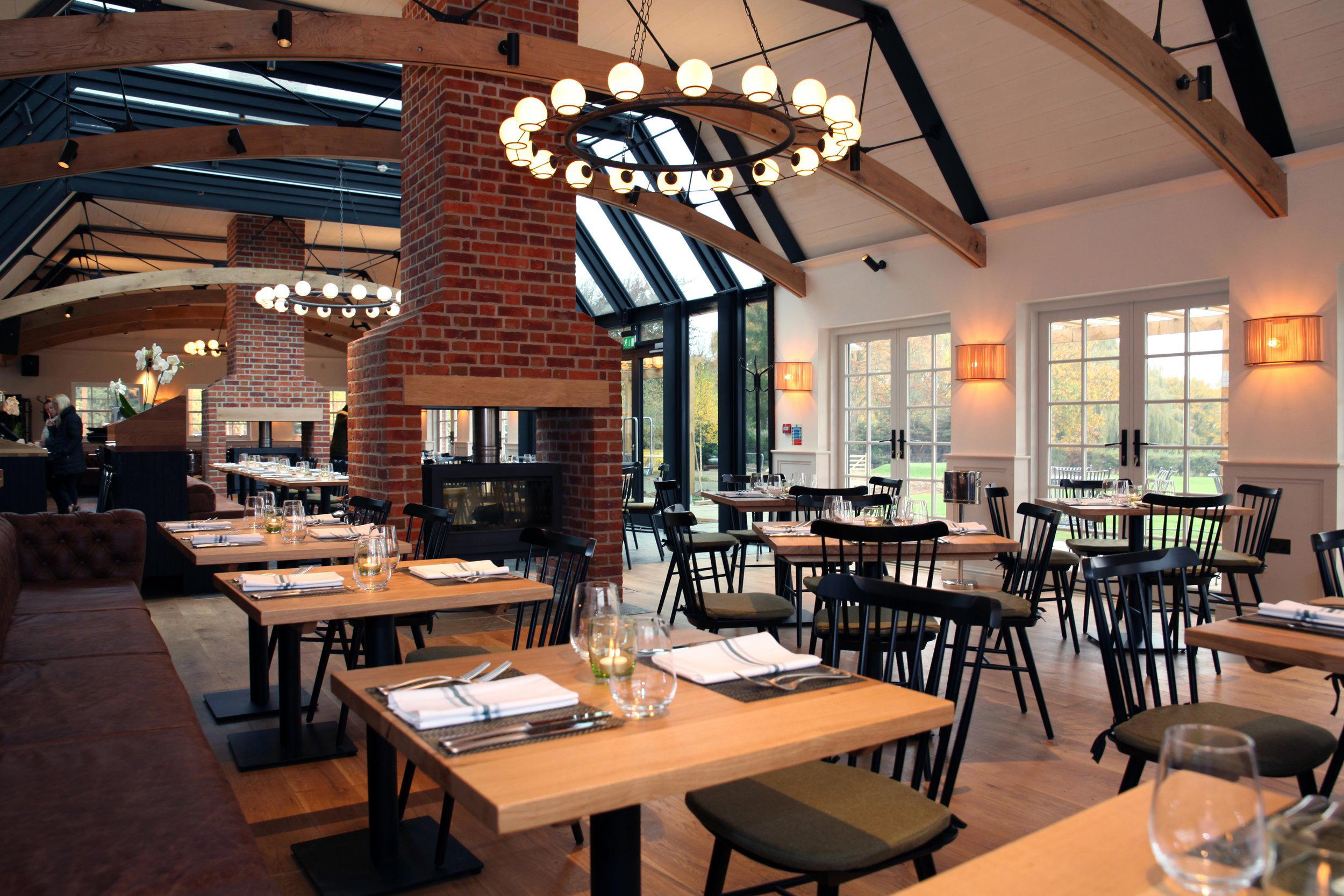
Warm, welcoming space always lively with chatter, featuring decent music and a cozy atmosphere.