Bellota

A 20-seat counter restaurant on Churchgate Street where the kitchen team cooks and serves, Bellota brings Spanish-inflected tasting menus to the centre of Bury St Edmunds. The format is intimate and deliberately paced: sharing plates at lunch, a structured tasting menu at dinner. Ruben Aquilar Bel's cooking draws on Iberian tradition, from cured ham croquetas rooted in family memory to restrained modern technique.
Pearl is the En Primeur Club membership app — saves, bookings, and concierge access live there. Same editors, same standards.
- Address
- 43 Churchgate St, Bury Saint Edmunds IP33 1RG, United Kingdom
- Phone
- +44 1702 844890
- Website
- bellotarestaurant.com
- Directions
- Get directions
 Saves & bookings on Pearl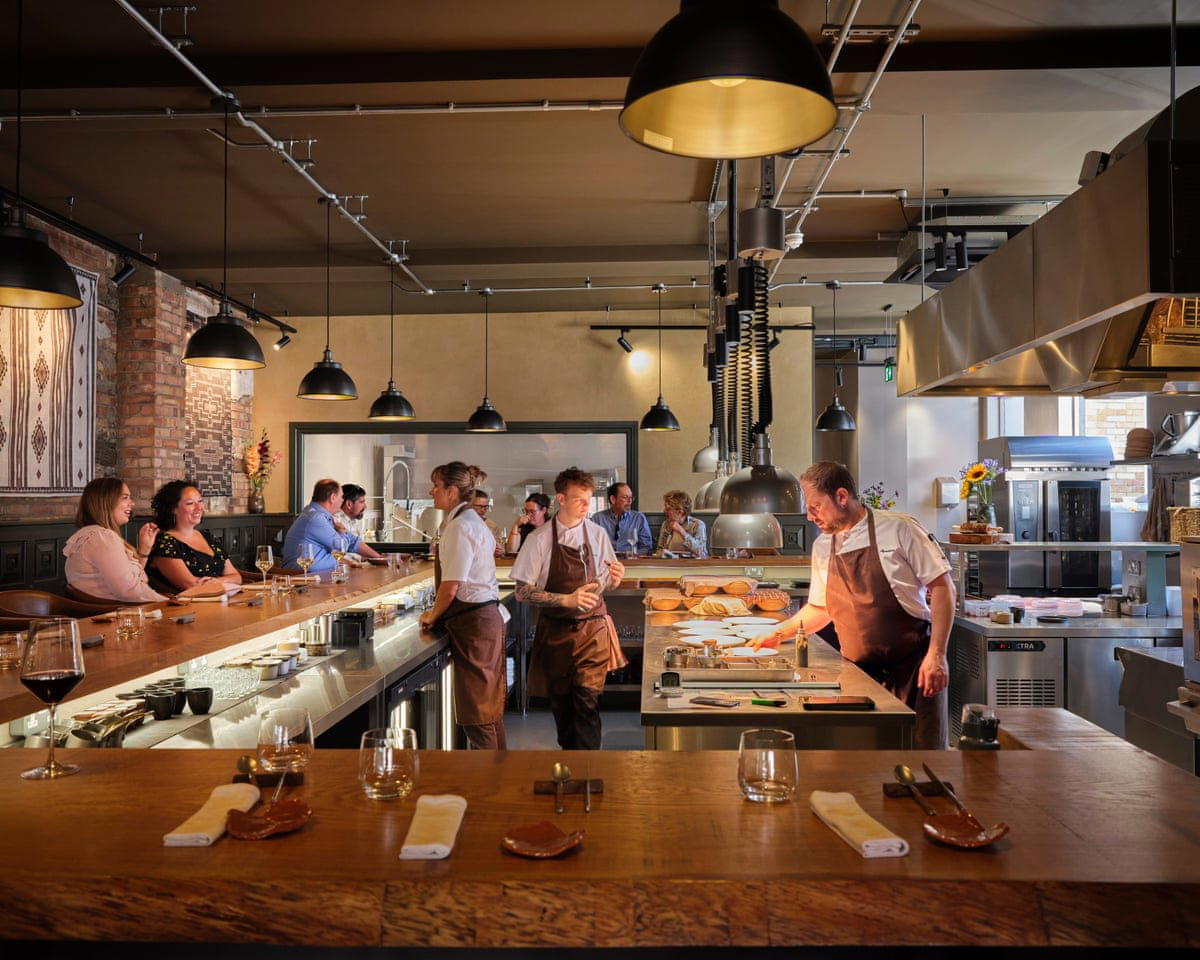
A Counter in Churchgate Street
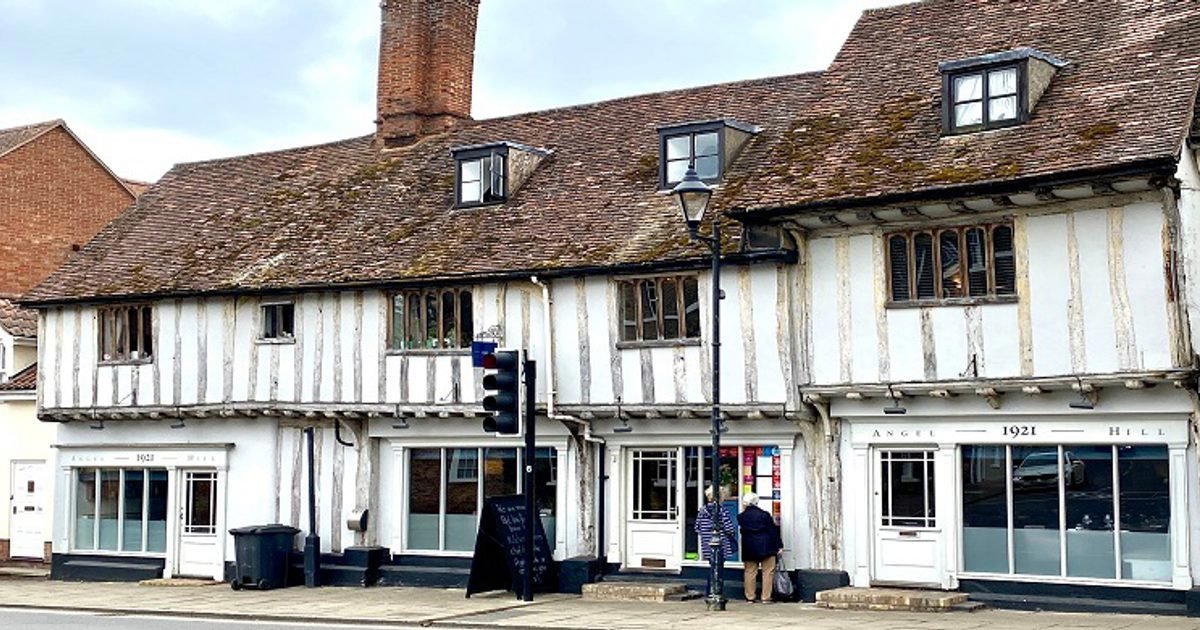
Churchgate Street runs through one of the better-preserved stretches of Bury St Edmunds, its Georgian and medieval frontages unchanged in ways that most English market towns have long since surrendered to retail chains. In this setting, a 20-seat counter restaurant serving Spanish tasting menus is a deliberate act of specificity. Bellota occupies 43 Churchgate Street with no particular fanfare, which is part of the point: the room is designed around proximity to the pass, not around impressing on arrival.
The counter format has become a reliable signal in British dining over the past decade. Where it once implied a casual sushi bar or a chef's table upgrade, it now describes a full category of restaurant in which the kitchen team both prepares and presents every dish. The division between cook and waiter collapses. At Bellota, that structure means the people who made what you are eating are also the people explaining it to you, which changes the register of the meal considerably. Small operations running this model at restaurants like hide and fox in Saltwood have demonstrated that the format sustains serious cooking ambitions without requiring hotel-group infrastructure behind it.
Spanish Sourcing in an English County Town
The editorial angle on Bellota that matters most is not the format but the ingredients. Spanish cooking at this tier is inseparable from provenance: the pata negra tradition depends on acorn-finished pigs, specific breeds, and curing periods that cannot be replicated by substitution. When a dish on a Suffolk counter references Iberian ham at the snack course, the question it raises is logistical as much as culinary. Where does the product come from, and does the supply chain hold the same standards that give the dish meaning in its place of origin?
"Yaya Bel's Iberian Ham Croqueta" signals this directly. The dish names Ruben Aquilar Bel's grandmother as its reference point, which is a way of saying it draws on a specific family and regional tradition rather than a generic Spanish category. Croquetas made with genuine Iberian ham have a different fat profile, a different depth of salt, and a different textural result than those made with supermarket alternatives. In a 20-seat restaurant that runs tasting menus rather than high-volume service, sourcing at that level of specificity is achievable in a way it would not be at scale.
This matters for the broader pattern of Spanish cooking in the UK. The country has produced some serious practitioners of Iberian technique, but the supply question remains the real test of commitment. Ingredient-led Spanish cooking requires relationships with importers, often direct, and a menu structure flexible enough to accommodate what is available at the right quality rather than what is convenient to list. The tasting menu format that Bellota uses for dinner is partly a solution to this: it allows the kitchen to build the meal around what has arrived, rather than around a fixed carte that must be maintained regardless of quality.
Format and Structure
The dual format at Bellota, sharing plates at lunch and a tasting menu at dinner, reflects a practical reading of how different diners use the same room. Lunch attracts a town-centre crowd for whom a structured multi-course progression is not always the right mode; the sharing format offers flexibility without abandoning the kitchen's Spanish reference points. Dinner operates under different conditions, with a tasting menu that allows restrained creativity to work at its own pace.
Gabi Aquilar Bel's contribution to the dessert and bread programmes is worth noting in this context. Bread at serious small restaurants in the UK has become a marker of kitchen seriousness in the same way amuse-bouche quality once was. Producing it in-house at a 20-seat operation, where the labour economics are tightest, is a commitment that tells you something about the kitchen's priorities. It also connects to the sourcing question: flour origin, fermentation approach, and baking method all determine whether bread at this level reinforces or undermines the Iberian register the kitchen is working in.
Bury St Edmunds has a small but considered restaurant scene for a market town of its size. Pea Porridge holds a Michelin star and works the Mediterranean end of the same serious-cooking territory, while Lark and Maison Bleue extend the options across modern American and French registers. Bellota's Spanish specialism puts it in a distinct position within that set: there is no obvious local competitor for the same cuisine and format combination. That position has parallels at the micro-level in other market towns, where a single operator with a specific non-British culinary identity can define a category for an entire catchment area.
For reference, the counter model at this level of ambition in the UK, where kitchen and front-of-house collapse into a single team, appears at venues including CORE by Clare Smyth in London and, in its more experimental forms, at destinations like The Fat Duck in Bray and L'Enclume in Cartmel. Bellota operates at a different scale and price point, but the structural principle that the cook should also be the person handing you the dish has the same logic at 20 seats as it does at 36.
Planning a Visit
The 20-seat capacity means forward planning is necessary. Dinner tasting menus at this size of operation typically require booking several weeks in advance, particularly on weekends when the town draws visitors to its market and cathedral. Lunch with sharing plates offers a more accessible entry point and a shorter booking window in most cases. The address, 43 Churchgate Street, is within walking distance of the town centre and the main car parks. For anyone building a broader Suffolk or East Anglian itinerary, the full Bury St Edmunds restaurants guide maps the other options; the hotels guide covers accommodation if you are staying over. The bars guide, wineries guide, and experiences guide round out the picture for a longer stay.
How Bellota Bury St Edmunds compares with similar nearby venues.
| Venue | Cuisine | Price |
|---|---|---|
| Maison Bleue | French | £££ |
| Lark | New American, Modern Cuisine | ££ |
Recognition history
Dated appearances from independent guides and award organizations, with the underlying list record or original source where available.
Michelin Plate
Michelin
Continue exploring
More in Bury St Edmunds
Restaurants in Bury St Edmunds
Browse all →
Bars in Bury St Edmunds
Browse all →
Hotels in Bury St Edmunds
Browse all →
Wineries in Bury St Edmunds
Browse all →
At a Glance
- Intimate
- Elegant
- Modern
- Cozy
- Date Night
- Special Occasion
- Open Kitchen
- Chefs Counter
Current opening hours
- Monday
- Closed
- Tuesday
- Closed
- Wednesday
- 5:30–10 PM
- Thursday
- 5:30–10 PM
- Friday
- 5:30–10 PM
- Saturday
- 5:30–10 PM
- Sunday
- Closed
Hours can change for holidays and private events. Last verified .
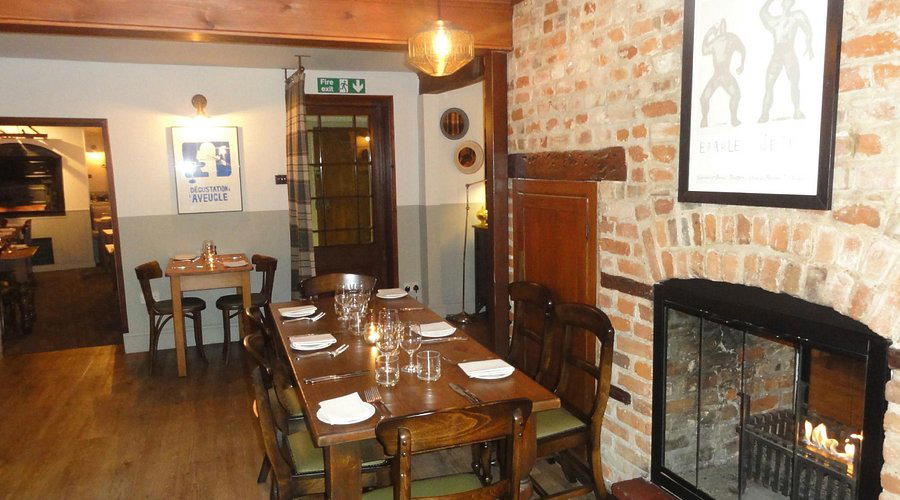
Warm and inviting with modern rustic décor featuring calm browns and golds, open brickwork, wall rugs, polished oak counter, and soothing open kitchen atmosphere conducive to conversation.
Know Before You Go
- Getting there
- 43 Churchgate St, Bury Saint Edmunds IP33 1RG, United Kingdom