
Michelin Plate
Our verdict
Among Hanoi's Western steakhouse options, Hemispheres Steak & Seafood Grill holds two consecutive Michelin Plate recognitions (2024 and 2025), placing it in a narrow tier of mid-to-upper-range meat-focused dining on Xuan Dieu Road in the Tay Ho lakeside district. The ₫₫₫ price point positions it below the city's starred tasting-menu counters while demanding more than the neighbourhood pho circuit.

Pearl is the En Primeur Club membership app, where members save venues, book tables and use the concierge.
West Lake Beef and the Hanoi Steakhouse Tier
Hanoi's premium dining map has been reshaping itself since the mid-2010s, with international-format restaurants taking up positions alongside the city's Vietnamese fine-dining wave. The steakhouse category occupies a specific niche in that shift: it appeals to resident expatriates, international business travellers, and a growing cohort of Vietnamese diners who want the high-heat, prime-cut format without flying to Singapore for it. Hemispheres Steak & Seafood Grill sits on Xuan Dieu Road in Tay Ho, the West Lake district that functions as Hanoi's semi-residential international corridor, and it has held a Michelin Plate in both 2024 and 2025, the guide's marker for cooking of a consistent, above-average standard that has not yet crossed into starred territory.
That Michelin Plate designation places it in the same recognition tier as a cluster of Hanoi restaurants that cook well but operate outside the conceptual frameworks the guide tends to star. For context within the city, Gia (Vietnamese Contemporary) and Hibana by Koki (Teppanyaki) both carry Michelin one-star status at the ₫₫₫₫ price tier, while Tầm Vị (Vietnamese) achieves a star at ₫₫. Hemispheres, priced at ₫₫₫, sits between those tiers on cost and competes for the same internationally oriented diner who wants table-service formality and sourcing accountability, without the four-course tasting commitment.
The Sourcing Question in Southeast Asian Steakhouses
For any steakhouse operating in Southeast Asia, the ethical sourcing question is harder to sidestep than it is in, say, a Chicago chophouse with a 200-year ranching infrastructure behind it. In the region, premium beef arrives predominantly through cold-chain imports, typically from Australia, the United States, or Japan, and the carbon and logistics cost of that supply chain is meaningful. Across the category, the restaurants that have built the most defensible position on this front are those that either supplement imported beef with regionally raised alternatives, work directly with certified farms on traceability, or pair the beef programme with a seafood component sourced from shorter, more accountable supply chains closer to home.
The Hemispheres format, a steak and seafood pairing, is structurally well-positioned to address this. Vietnam's coastline produces some of Southeast Asia's most diverse seafood, and a restaurant that balances imported beef with domestically sourced fish and shellfish spreads its environmental exposure across a more varied supply map. Steakhouses that lean into dual protein menus of this kind, rather than treating seafood as an afterthought to prime rib, tend to track better against the sourcing scrutiny that Michelin and other evaluators are applying more consistently. For regional comparison, Akuna in Ho Chi Minh City and La Maison 1888 in Da Nang both demonstrate how Vietnamese-ingredient integration can sharpen a restaurant's identity within the premium-dining tier rather than diluting it.
How It Compares Across the Asian Steakhouse Set
The Asian premium steakhouse category has developed a recognisable internal structure over the past decade. At one end sit the hotel-anchored formats with extensive imported-wagyu menus, white-tablecloth service ratios, and price points that push above ₫₫₫₫ in local terms. At the other are the neighbourhood grill rooms that price at ₫₫ or below and operate on volume rather than precision. Hemispheres occupies the middle ground, which is arguably the most contested space in the category: it competes for the diner who wants quality assurance and Michelin-level consistency without committing to the full luxury-hotel experience.
Looking across the steakhouse segment in Asia, A Cut in Taipei and Born and Bred in Busan represent what the category looks like when it leans into high-specification wagyu programmes with a clear regional identity. 1515 West Chophouse in Shanghai shows the hotel-steakhouse model at scale. In Western markets, Keens in New York City remains a reference point for institutional authority built over decades, while Knife & Spoon in Orlando and Capa in Orlando demonstrate how the format translates into resort contexts. Hemispheres does not compete in any of those categories directly.
Within Hanoi specifically, the closest point of competition on the beef-focused end is El Gaucho (Hoan Kiem), the Argentine-style grill room that brings a different sourcing geography and service register. The two venues address overlapping but distinct audiences: El Gaucho's open-fire South American model versus Hemispheres' steak-and-seafood pairing on the quieter West Lake strip. Neither dominates the category in the way a flagship hotel steakhouse would, which is part of what keeps both relevant.
Atmosphere and Setting on Xuan Dieu Road
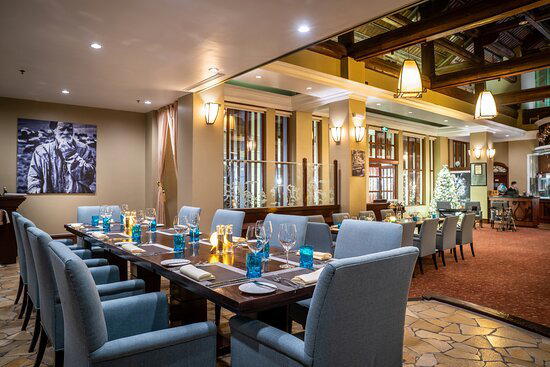
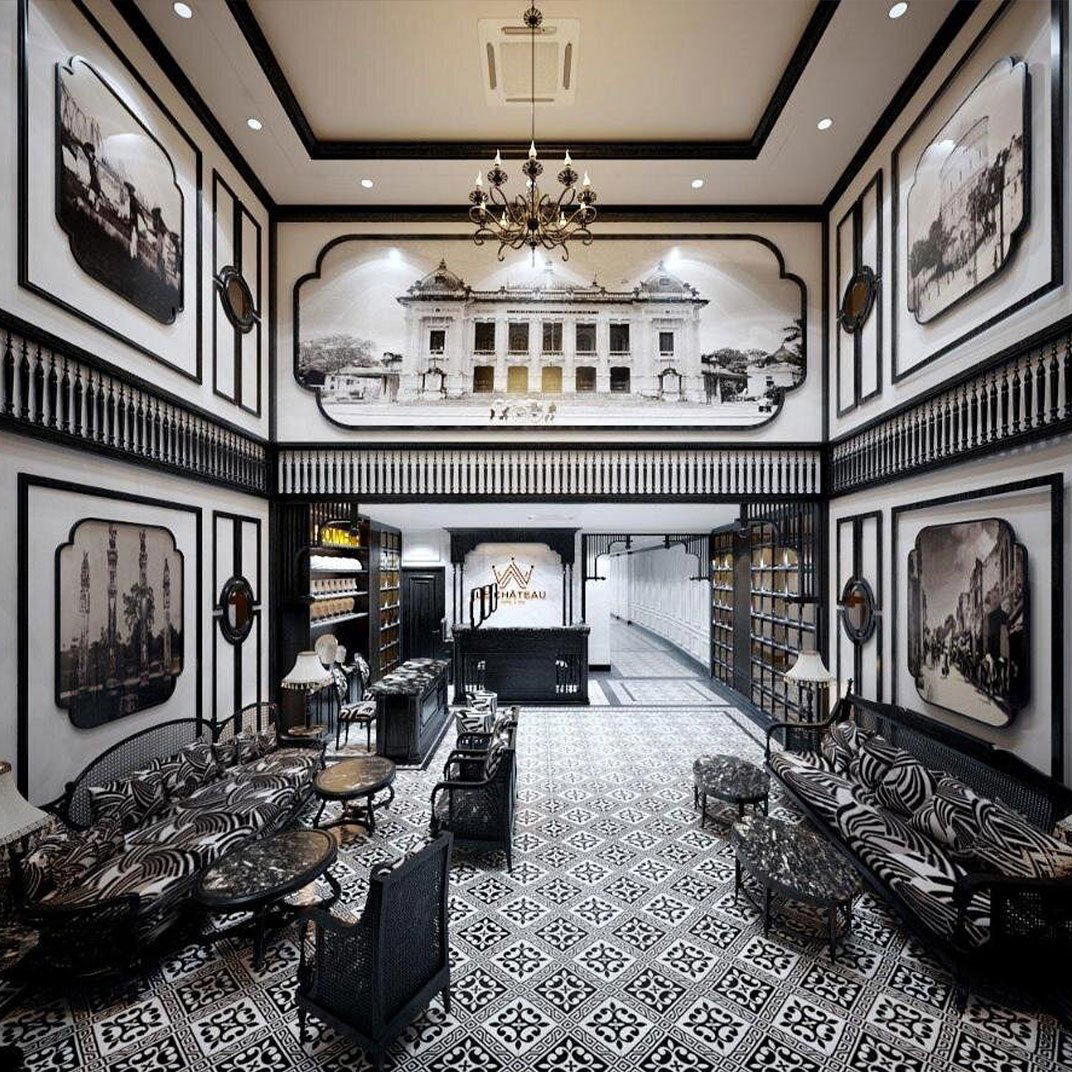
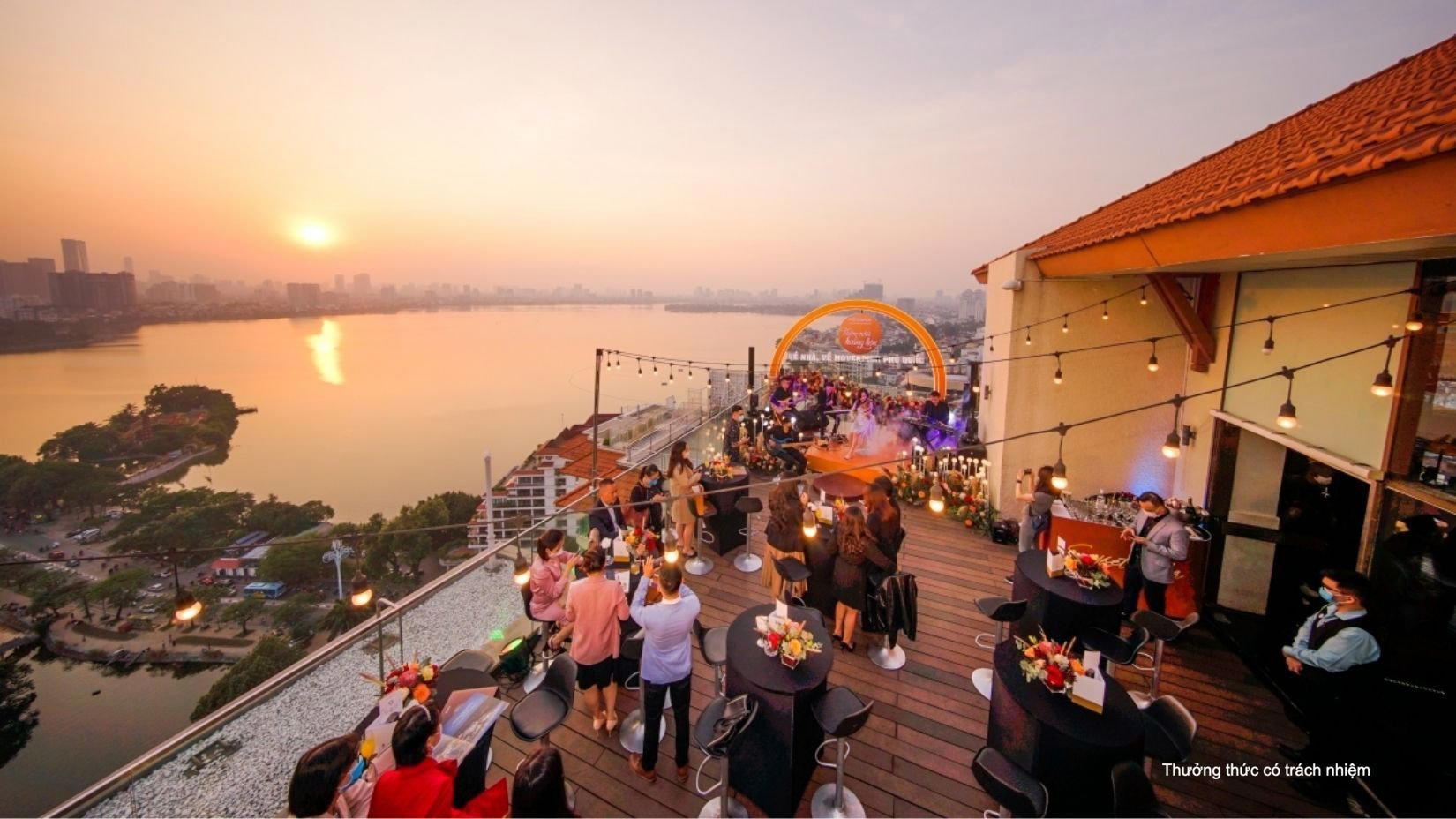
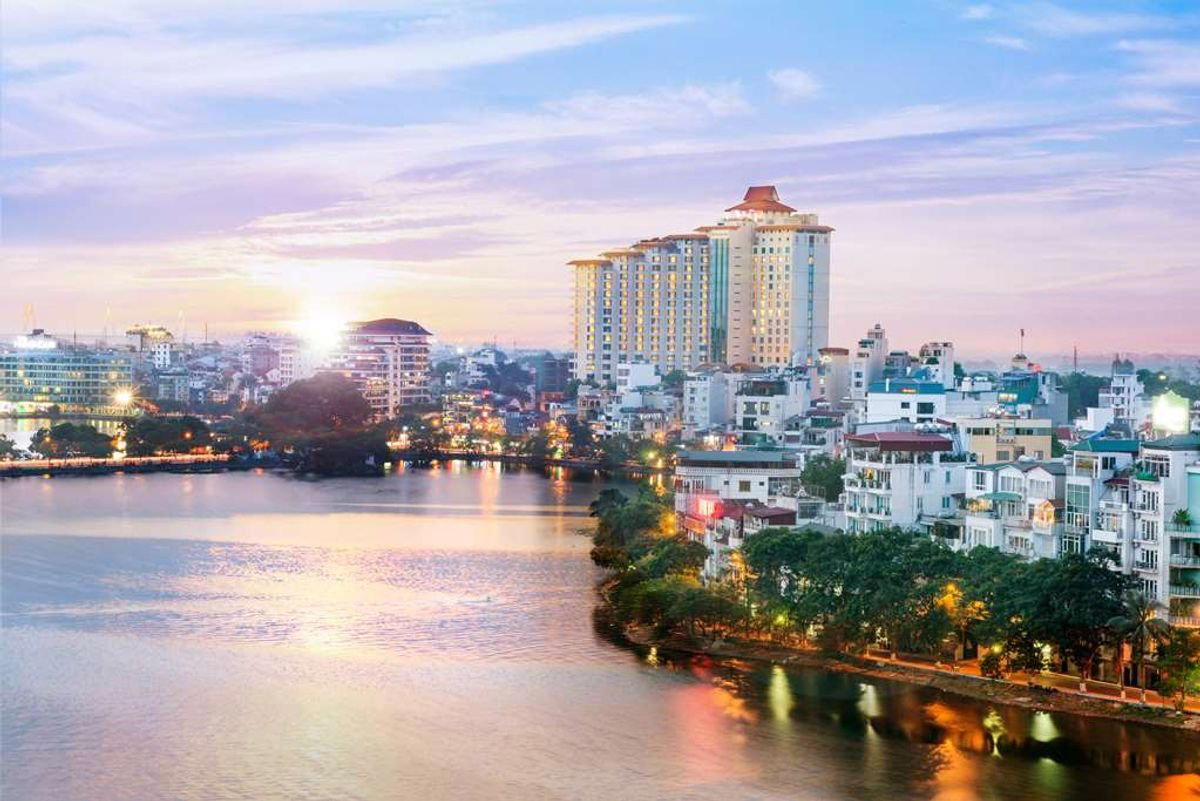
Xuan Dieu Road runs along the eastern edge of West Lake, and the stretch where Hemispheres is located has the character of an international dining corridor: lower-rise than central Hanoi, with more space between buildings and a residential register that filters out the backpacker and street-food crowd. The address at K5 Nghi Tam places it within the part of Tay Ho that has accumulated a concentration of higher-tariff restaurants serving the embassy and corporate residential population. Arriving by taxi from the Old Quarter takes roughly 15 to 20 minutes depending on traffic, and the area rewards evening visits when the lake-adjacent streets are less congested. The atmosphere is calmer and more deliberate than what you find in Hoan Kiem's restaurant cluster, a distinction that shapes the dining register before you've seen a menu.
Booking ahead is advisable for weekend evenings.
Planning Your Visit
Hemispheres Steak & Seafood Grill sits at the ₫₫₫ price level, which in Hanoi terms places it within the range of a serious dinner without reaching the full outlay of a starred tasting menu. For those building a wider Hanoi itinerary, our full Hanoi restaurants guide covers the city's current dining range across all price tiers and cuisine types. The Hanoi hotels guide, bars guide, wineries guide, and experiences guide complete the EP Club coverage of the city. For a contrasting price point in Vietnamese cooking, 1946 Cua Bac offers a local alternative at ₫ that places the city's food culture in sharper relief.
Frequently asked questions
Is Hemispheres Steak & Seafood Grill okay with children?
At ₫₫₫ pricing in Hanoi, this is a sit-down dinner venue rather than a family casual stop, it works for older children comfortable with a quieter, table-service format, but it is not geared toward young families.
What should I expect atmosphere-wise at Hemispheres Steak & Seafood Grill?
Tay Ho sets the register here: this is West Lake's international dining corridor, quieter and more residential than the Old Quarter, and the ₫₫₫ price tier with back-to-back Michelin Plate recognition (2024 and 2025) means the room tends toward deliberate, adult-focused evenings rather than high-energy group dining. Expect controlled noise levels and a service pace that suits a long dinner.
What's the must-try dish at Hemispheres Steak & Seafood Grill?
What the Michelin Plate and the steak-and-seafood format together suggest is that the dual-protein approach, beef alongside Vietnamese or regional seafood, is the structural point of difference worth exploring. A steakhouse that holds Michelin recognition in a city with strong Vietnamese fine-dining competition earns it through the quality of its primary proteins.
The Short List
A quick peer reference to anchor this venue in its category.
| Venue | Cuisine | Price | Awards | Notes |
|---|---|---|---|---|
| Hemispheres Steak & Seafood GrillThis venue (the venue you are viewing) | Premium Steak & Seafood Grill | Not listed | Michelin Plate | Not listed |
| Hibana by Koki | Michelin-Starred Japanese Teppanyaki | $200–300 | 1 Michelin Star · La Liste Top Restaurants | Teppanyaki, ₫₫₫₫ |
| Tầm Vị | Northern Vietnamese Home-Style | $10–20 | 1 Michelin Star | Vietnamese, ₫₫ |
| Gia | Modern Vietnamese Fine Dining | $100–150 | 1 Michelin Star · La Liste Top Restaurants | Vietnamese Contemporary, ₫₫₫₫ |
| 1946 Cua Bac | Northern Vietnamese | $10–20 | Michelin Bib Gourmand | Vietnamese, ₫ |
| Bun Cha Ta (Nguyen Huu Huan Street) | Authentic Vietnamese Bun Cha | $1–10 | Michelin Bib Gourmand | Noodles, ₫ |
Recognition history
Dated appearances from independent guides and award organizations, with the underlying list record or original source where available.
Michelin Plate
Michelin
Full recognition history (3 entries)
Michelin Plate
Michelin
Michelin Plate
Michelin
Continue exploring
More in Hanoi
Restaurants in Hanoi
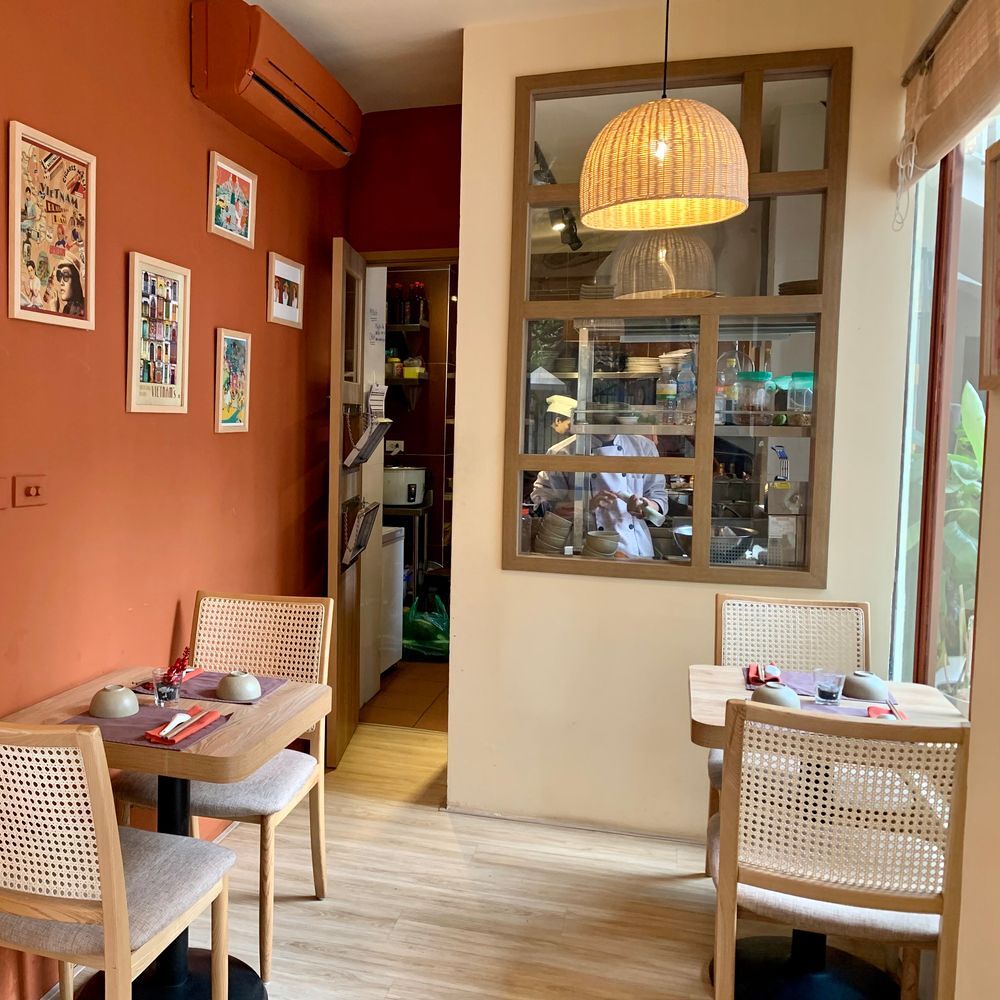
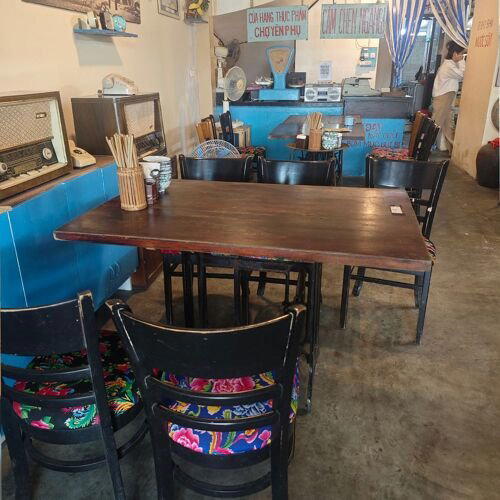
All restaurants in Hanoi →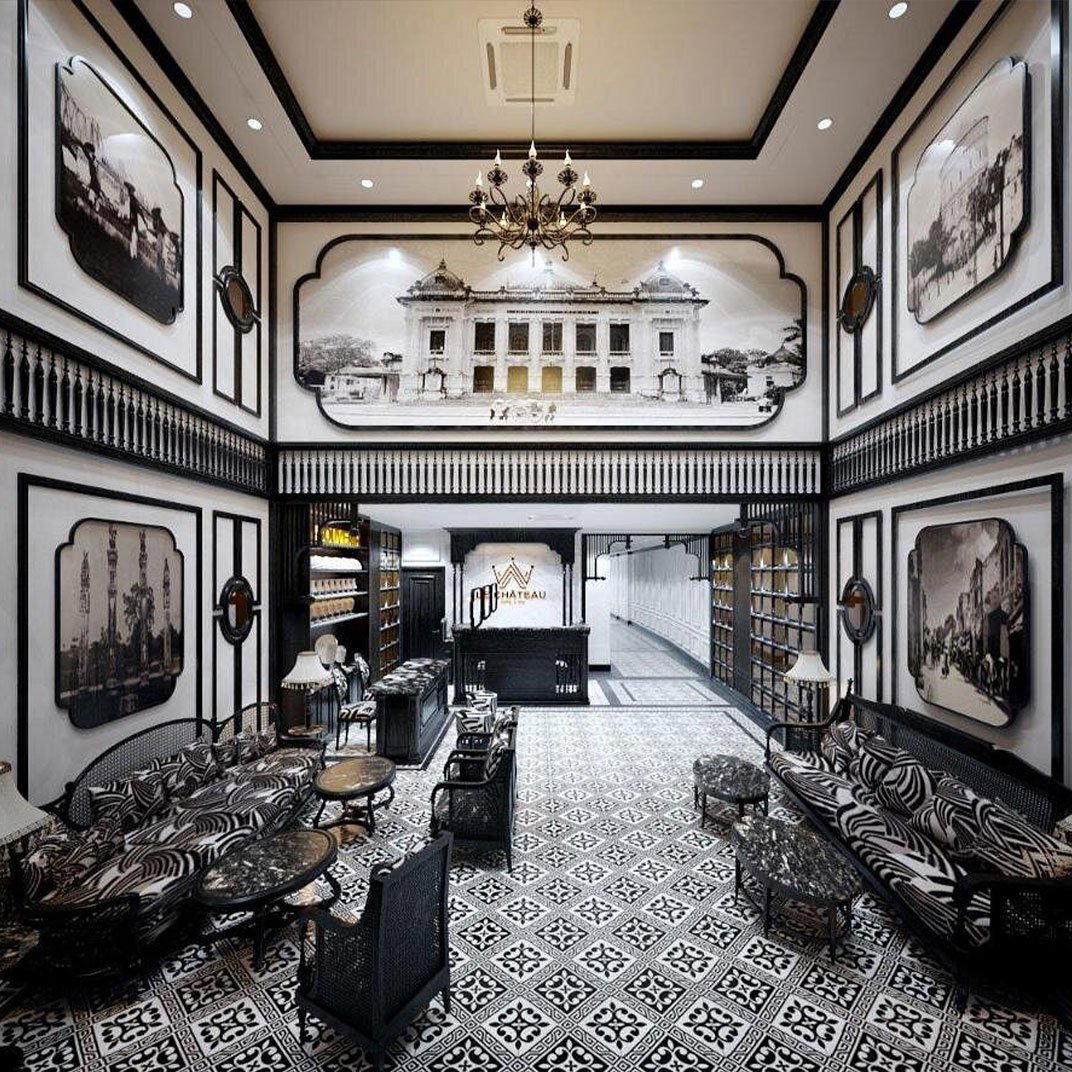
Details
- Elegant
- Sophisticated
- Modern
- Date Night
- Business Dinner
- Special Occasion
- Hotel Restaurant
- Open Kitchen
- Panoramic View
- Extensive Wine List
- Waterfront
- A La Carte
- Tasting Menu
Current opening hours
- Monday
- 6–10 PM
- Tuesday
- 6–10 PM
- Wednesday
- 6–10 PM
- Thursday
- 6–10 PM
- Friday
- 6–10 PM
- Saturday
- 6–10 PM
- Sunday
- 6–10 PM
Hours can change for holidays and private events. Hours as of .
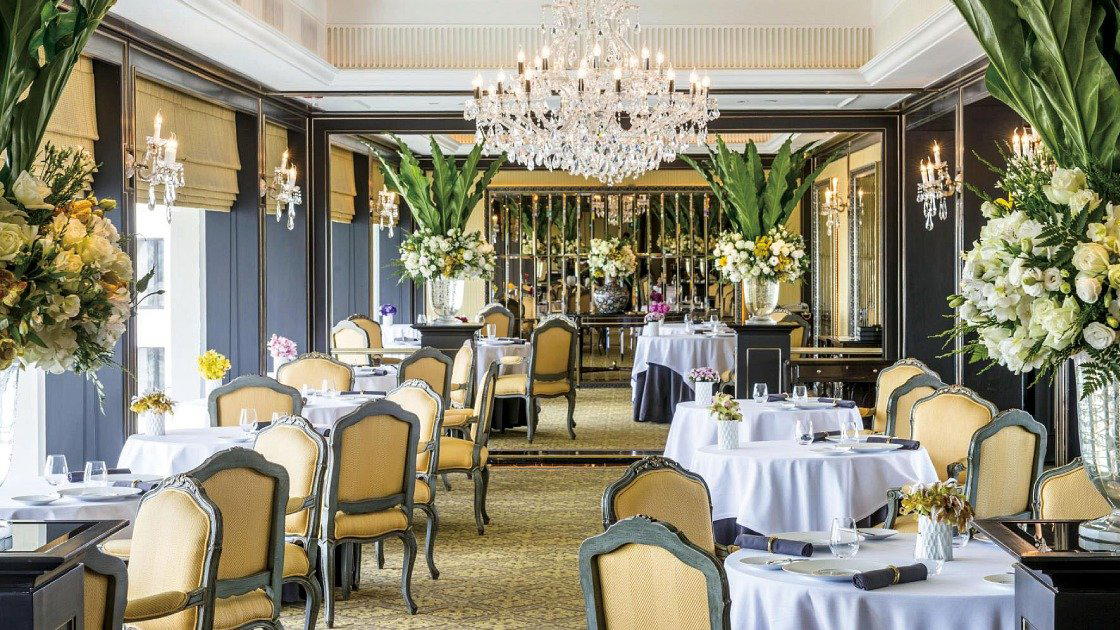
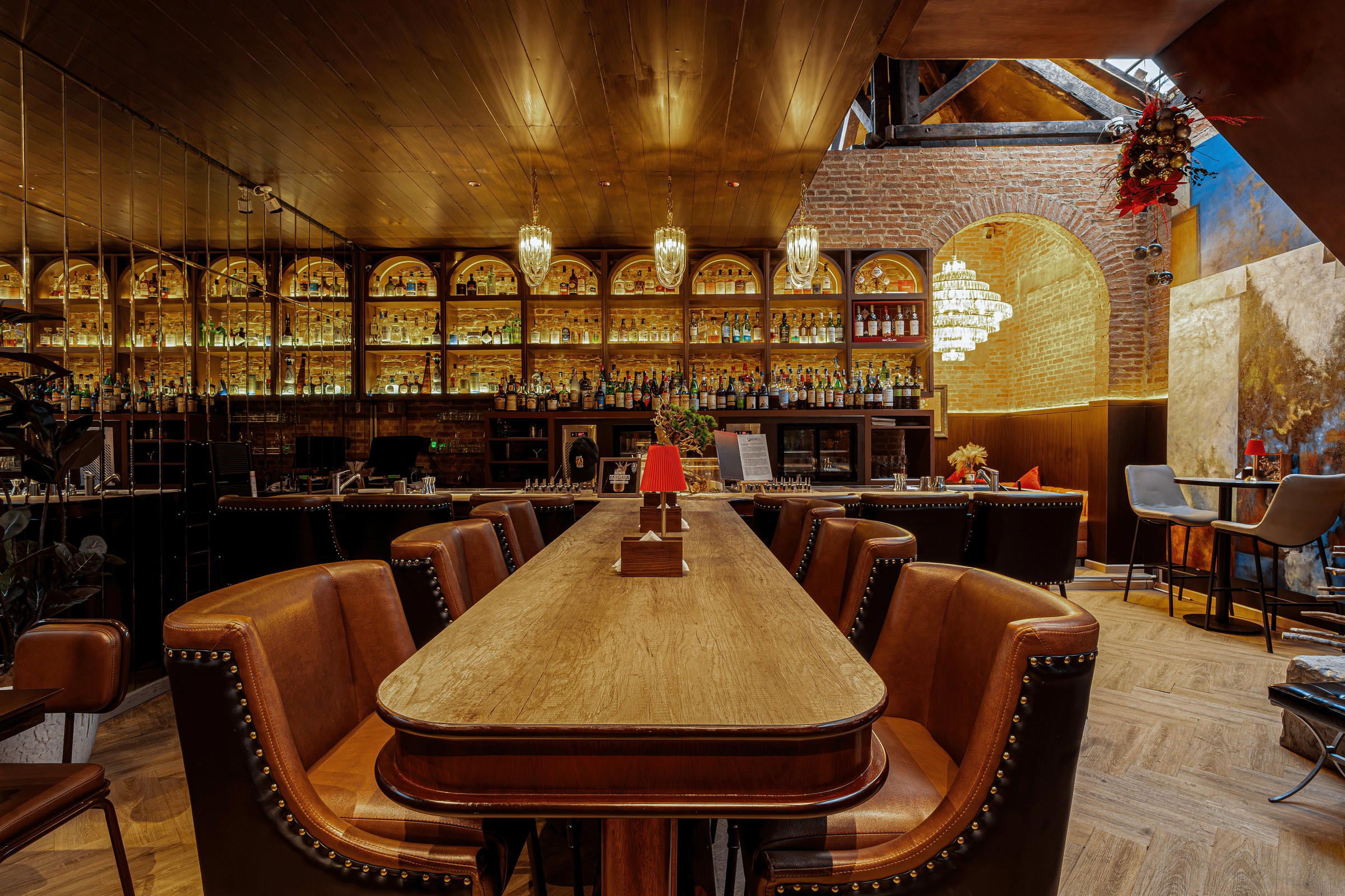
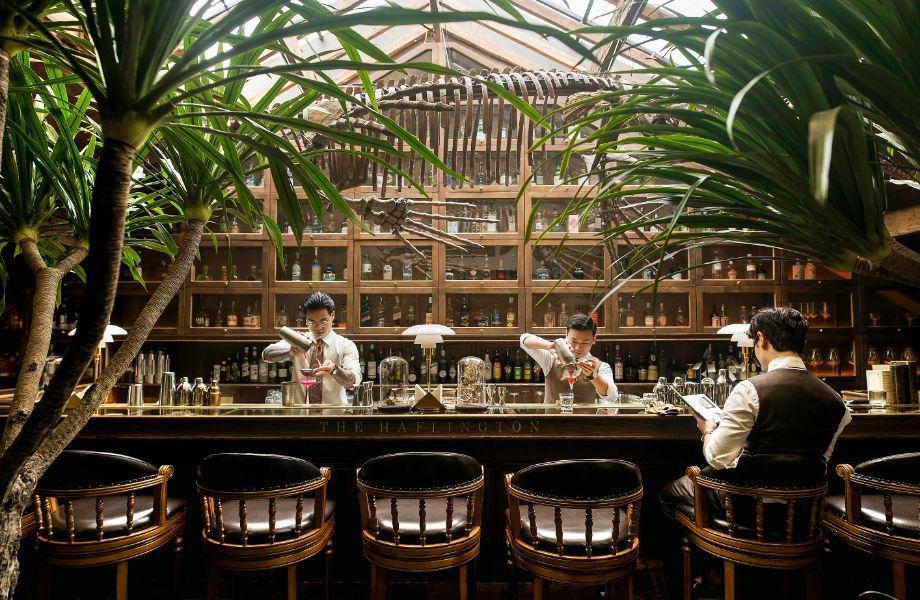
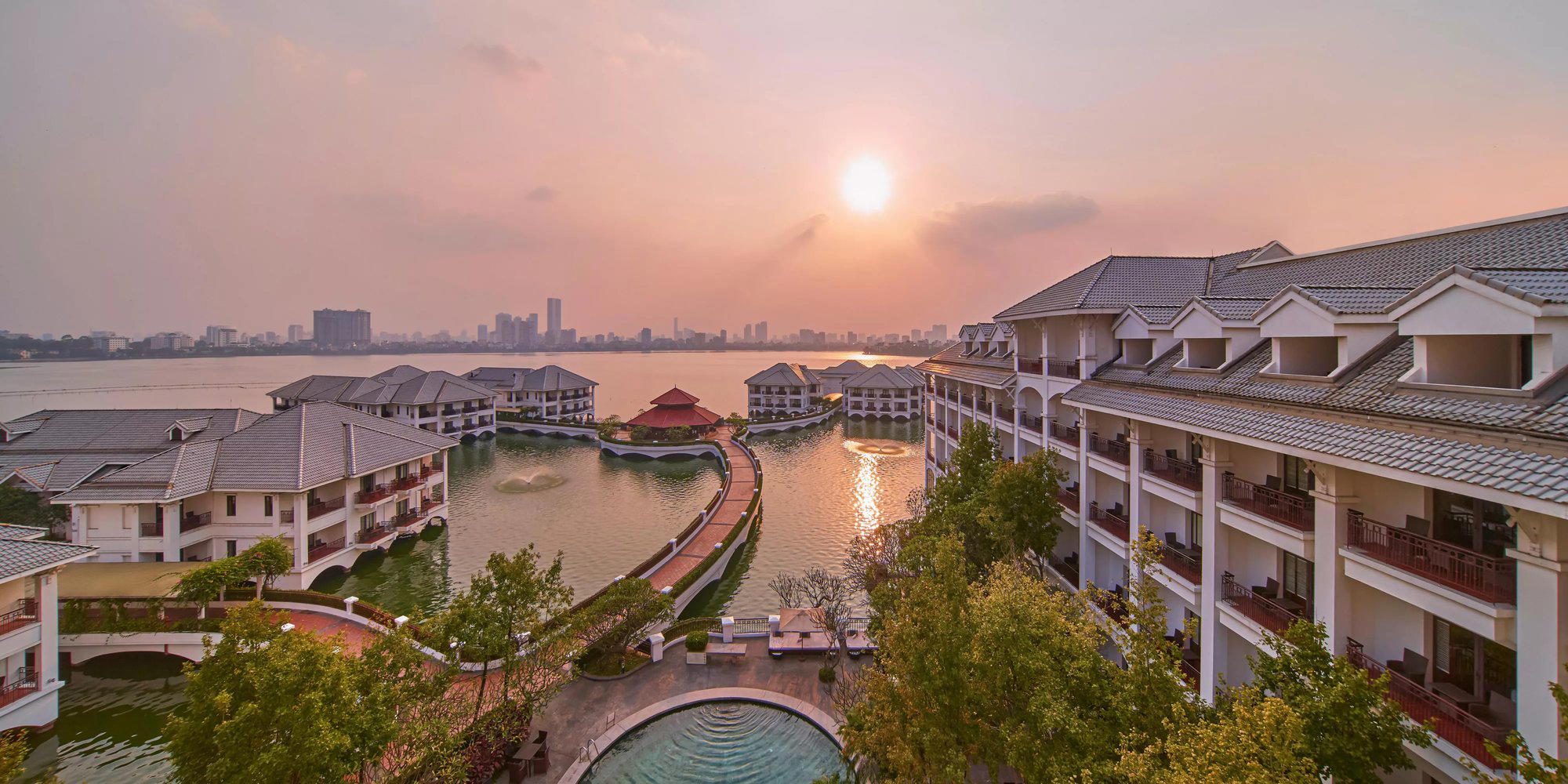
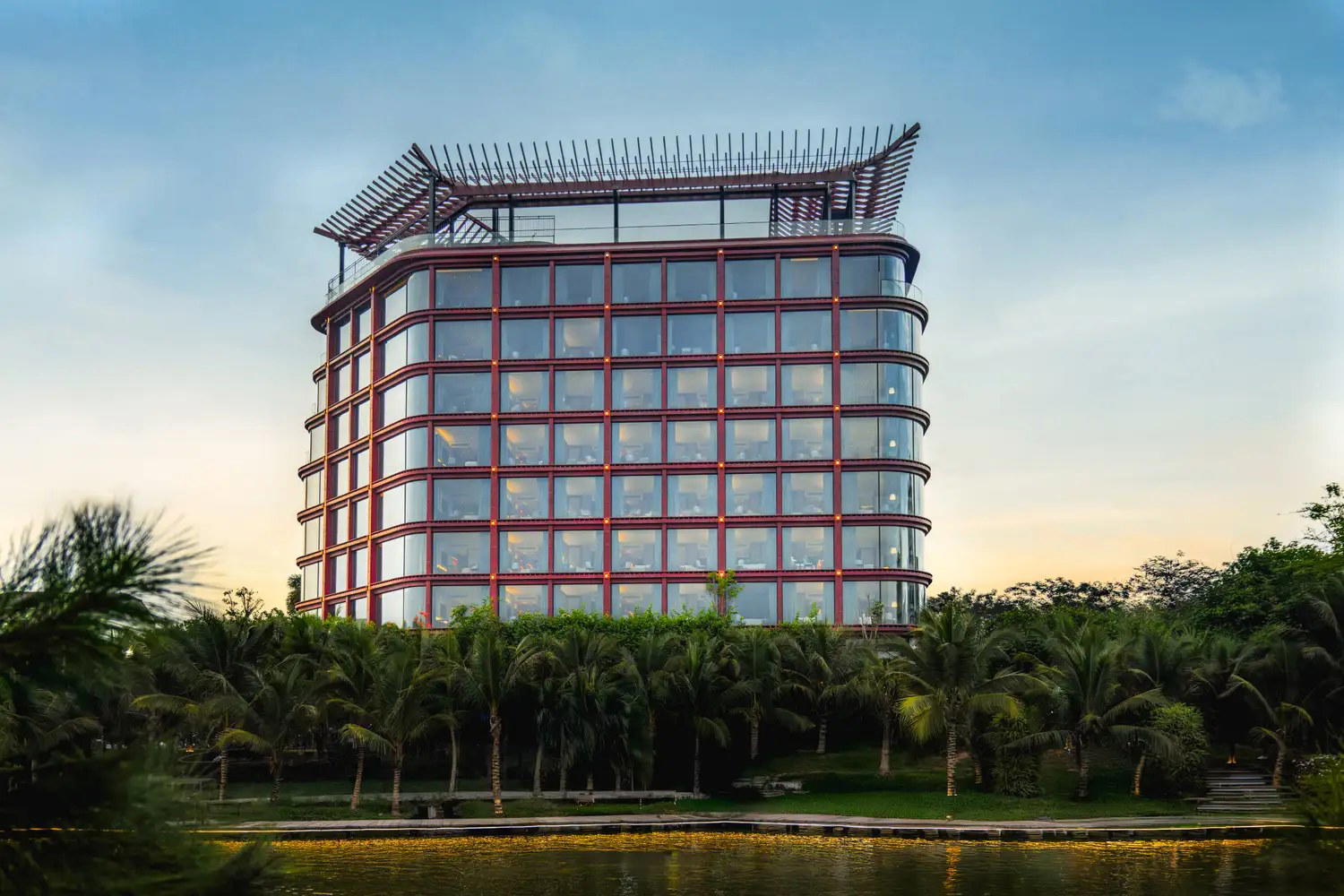
Refined and comfortable atmosphere with vaulted wood ceilings, plush armchairs, open kitchen views, and tranquil West Lake vistas.