Burg Landskron rises above Villach on a forested ridge, a medieval castle site that positions itself within Austria's tradition of historically rooted dining destinations. Visitors arriving via the winding Schloßbergweg approach a setting where the architecture alone frames the experience before any food arrives. For context on Villach's broader dining scene, see our full restaurant coverage.
Pearl is the En Primeur Club membership app — saves, bookings, and concierge access live there. Same editors, same standards.
- Address
- Schloßbergweg 30, 9523 Villach, Austria
- Phone
- +43424241563
- Website
- burg-landskron.at
- Directions
- Get directions
 Saves & bookings on Pearl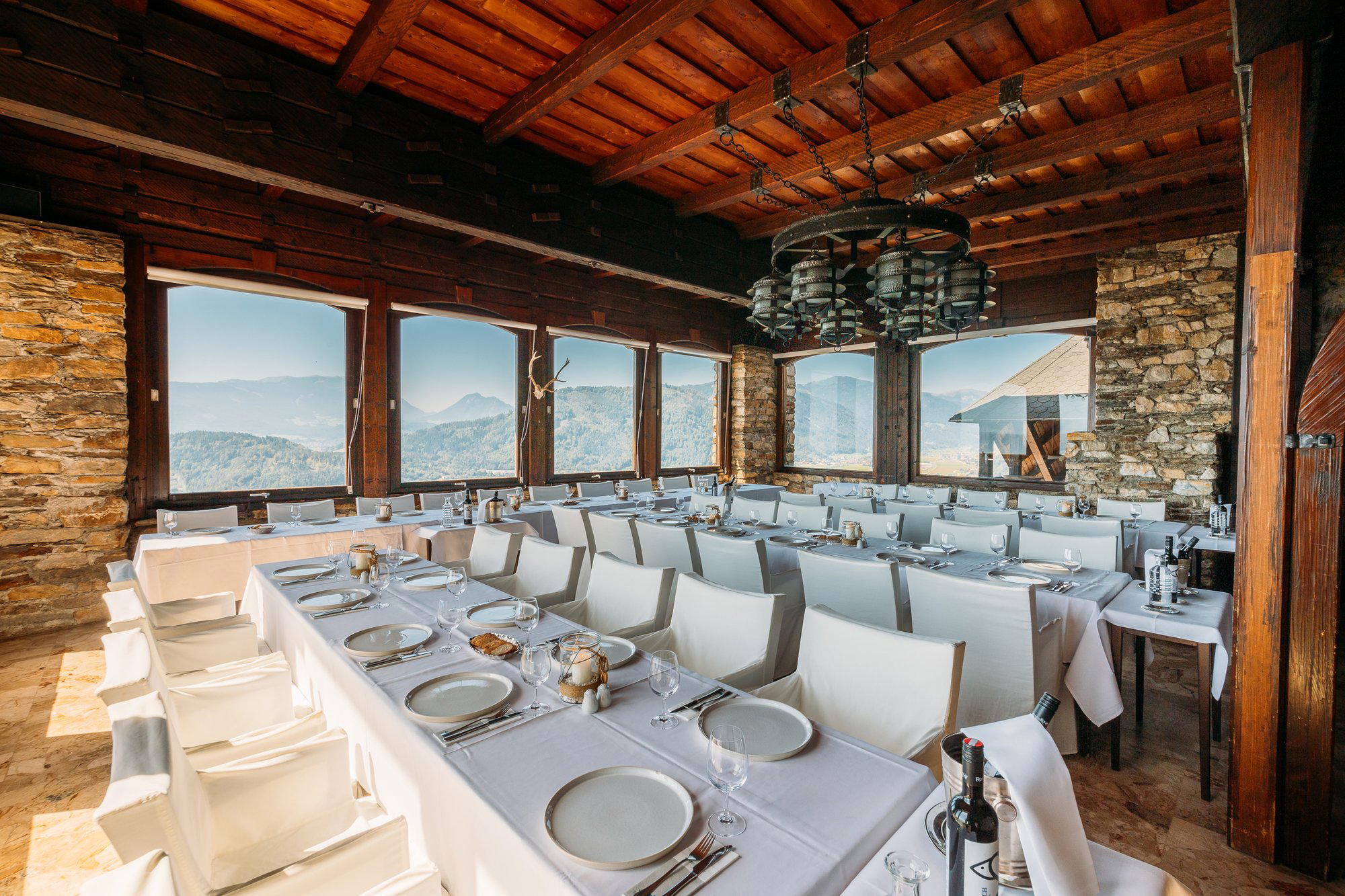
Castle Dining in Carinthia: What Burg Landskron Represents
The road to Burg Landskron, winding up from the Villach basin along the Schloßbergweg, sets up the experience before you reach the entrance. Castle-based restaurants occupy a specific and well-established niche in Austrian dining culture: they trade on the authority of place, where centuries of stone and elevation do work that a city-centre room cannot. Carinthia has developed this tradition more quietly than Salzburg or Tyrol, but the region's castle heritage is substantial, and Burg Landskron sits at the end of one of the more dramatic approaches in the province.
In Austria's broader restaurant geography, the castle-restaurant format tends to attract a particular kind of guest: one prioritising context and occasion over culinary innovation. That is not a criticism. Some of the country's most enduring dining destinations derive their authority from exactly this logic. Landhaus Bacher in Mautern an der Donau and Obauer in Werfen both operate within landscapes that amplify the food. The restaurant's proposition is built on similar foundations, with the Carinthian countryside and Lake Ossiach visible below providing a backdrop that urban venues cannot replicate.
Villach as a Dining City: Where Burg Landskron Sits in the Landscape
Villach does not function like Vienna or Graz in Austria's restaurant hierarchy. It operates as a regional hub for Carinthia, drawing from a mix of year-round residents, summer lake tourists, and cross-border traffic from Italy and Slovenia. That mix shapes the city's dining character: there is demand for both relaxed, accessible eating and for occasion-driven destinations that justify a drive out of the centre.
Within Villach, the spectrum runs from neighbourhood-level accessibility to more considered dining. Franz Streetfood and Burger Boutique represent the casual end. Aurea (Modern Cuisine) at the €€ tier occupies a middle ground with a modern approach, while Frierss Feines Haus (Regional Cuisine) at €€€ anchors the city's regional fine-dining offering. The restaurant sits outside this urban cluster altogether, its value proposition tied directly to the physical journey and the castle setting rather than to neighbourhood proximity or kitchen prestige.
Antoan represents another strand of Villach's offer, and the city's range across these venues reflects a modest but functional dining ecosystem. For a complete picture of what the city offers,
The Cultural Logic of Castle Restaurants in Austria
Austria's relationship with its castle heritage as a dining backdrop has deep roots. The tradition of receiving guests in historical structures, once the preserve of aristocratic hospitality, evolved through the twentieth century into a recognisable category of destination restaurant. The format persists because it delivers something a kitchen alone cannot engineer: an accumulated sense of place, the weight of a building that predates the restaurant industry itself.
In this, the restaurant connects to a wider European pattern. Venues like Schwarzer Adler in Hall in Tirol demonstrate how Tyrolean and broader Alpine hospitality has long found its most convincing expression in buildings with demonstrable history. The castle format in Carinthia carries the same logic: guests are not simply buying a meal, they are buying access to an architectural and historical context that has its own cultural weight.
What distinguishes the Austrian approach from, say, the French château restaurant tradition is a certain groundedness. Austrian castle dining tends toward the regional and the seasonal rather than the aspirationally international. The influence of Carinthian landscape cooking, with its emphasis on lake fish, game, and mountain produce, fits naturally within the castle format, which rewards ingredient-led menus over technical showmanship. For contrast, the kind of kitchen ambition that drives Steirereck im Stadtpark in Vienna or Döllerer in Golling an der Salzach operates in a different register entirely, one where the kitchen is the primary subject rather than the setting.
Arriving and Planning: Practical Notes for Visitors
The address at Schloßbergweg 30 places the restaurant above the main Villach valley, and the approach road requires a car or a committed uphill walk. This is not a venue you arrive at by accident. That self-selecting quality is part of what makes castle restaurants function as occasion destinations: the effort of getting there frames the experience before you walk in. Summer months bring higher visitor volumes to the Carinthian lake district, and visitors planning a meal here during the peak July-August season would be wise to check availability well in advance. The castle's position above Lake Ossiach means views are heavily weather-dependent, and clear days in late spring or early autumn often offer particularly rewarding conditions with fewer crowds than midsummer.
The Austrian castle restaurant category generally runs a lunch and dinner service during the warmer months, with reduced or suspended operations through the winter, but this pattern should be verified rather than assumed.
How Burg Landskron Reads Against Austria's Wider Scene
Austria's dining ambition at the highest levels is increasingly well-documented. Gourmetrestaurant Tannenhof in Sankt Anton am Arlberg, Stüva in Ischgl, and Kräuterreich by Vitus Winkler in Sankt Veit im Pongau represent the country's technical cooking ambition in Alpine contexts. Restaurant 141 by Joachim Jaud in Mieming and Ois in Neufelden show that serious kitchen work is distributed well beyond the capital. Internationally, the benchmark for destination dining rooted in place rather than pure technique includes venues as different as Lazy Bear in San Francisco and Le Bernardin in New York City, though both operate in entirely different registers from the castle-dining tradition.
The restaurant does not compete in that technical tier, nor does it need to. The castle restaurant format answers a different question: not what is happening at the frontier of a cuisine, but what it feels like to eat in a place with genuine historical depth. For Carinthian visitors seeking that kind of occasion, and for travellers passing through the region who want a destination that earns its setting, the ridge above Villach makes an argument that a city-centre table cannot.
Price and Positioning
Comparable venues nearby, for context on price, style, and recognition.
| Venue | Cuisine | Price | Awards | Notes |
|---|---|---|---|---|
| Burg LandskronThis venue — the venue you are viewing | Not listed | $$ | Not listed | Not listed |
| Milo | Alpine-Mediterranean | $$ | Not listed | Not listed |
| Pasta Mama | Not listed | $$ | Not listed | Stadtpark, Italian Trattoria with Homemade Pasta |
| Zack Noodles | City Center, Asian Fusion Noodles | $$ | Not listed | Not listed |
| Franz Streetfood | Atrio, Street Food | $$ | Not listed | Not listed |
| LAGANA | Not listed | $$$ | Michelin Plate | Europaplatz, Modern Austrian-Mediterranean Fusion |
Continue exploring
More in Villach
Restaurants in Villach
Browse all →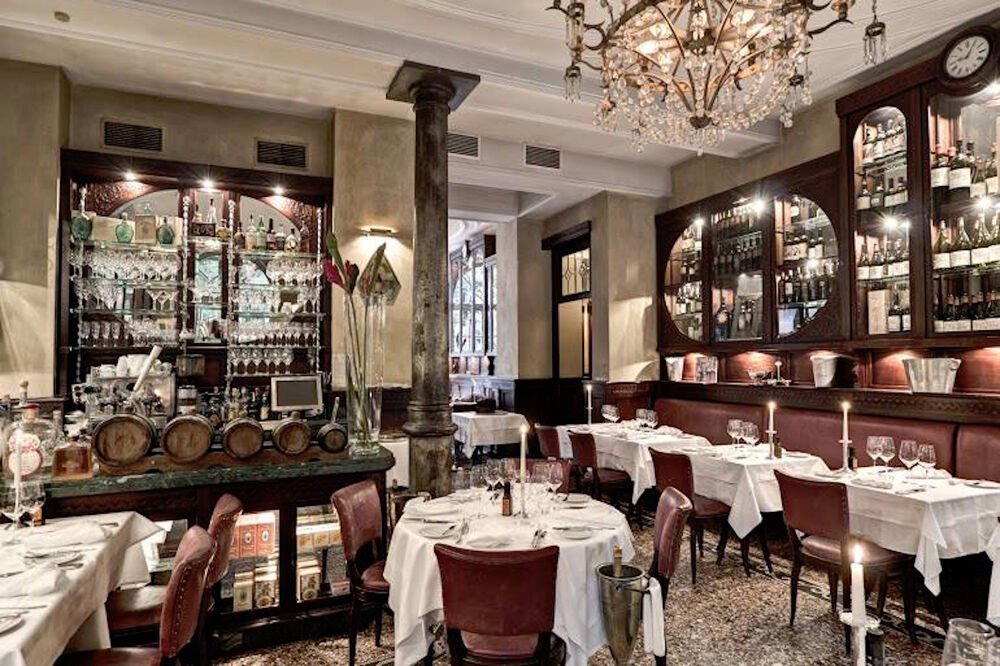
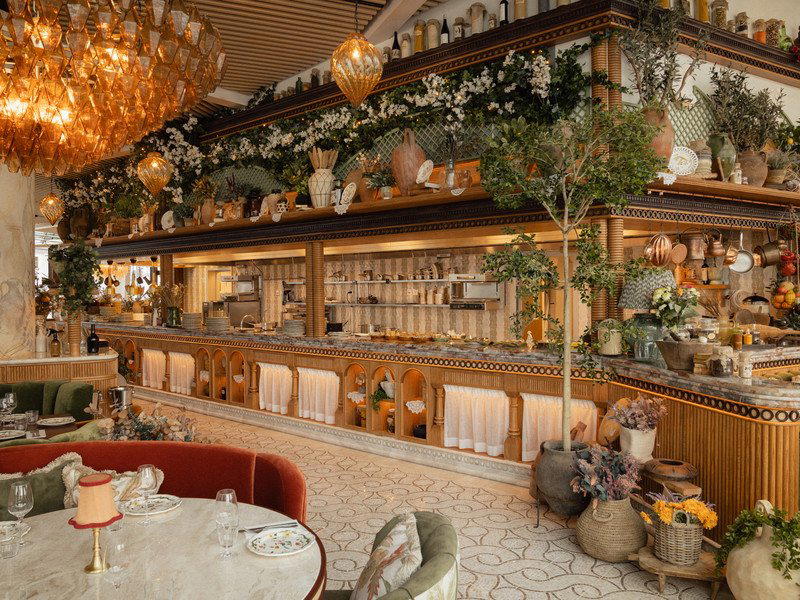
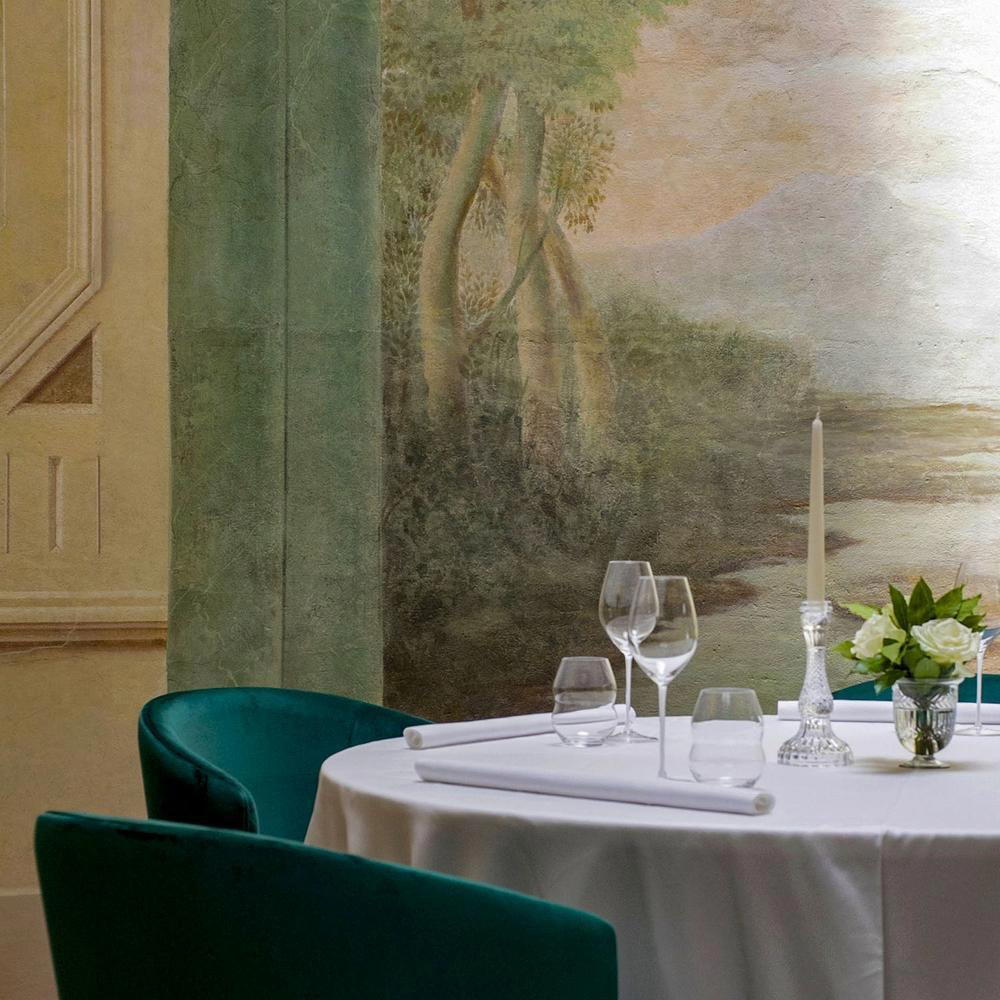
Bars in Villach
Browse all →
Hotels in Villach
Browse all →

At a Glance
- Scenic
- Rustic
- Classic
- Family
- Casual Hangout
- Terrace
- Historic Building
- Panoramic View
- Local Sourcing
- Mountain
- Street Scene
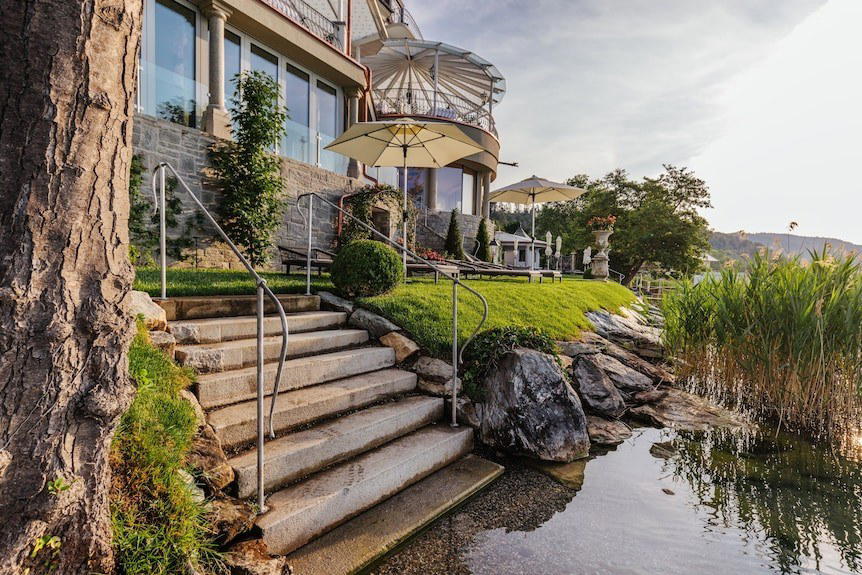
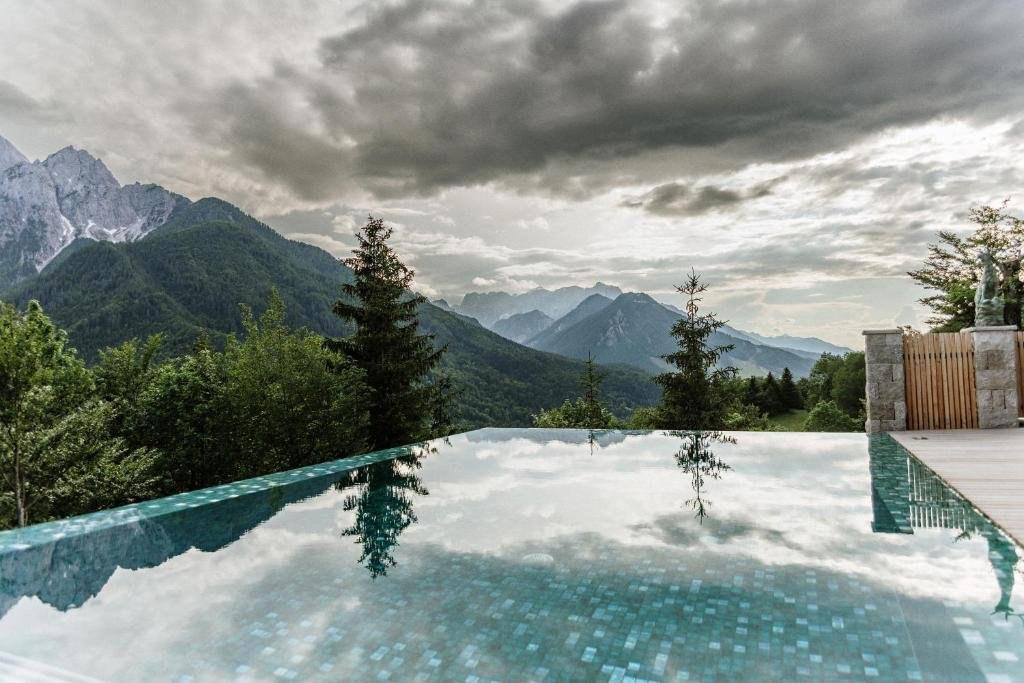
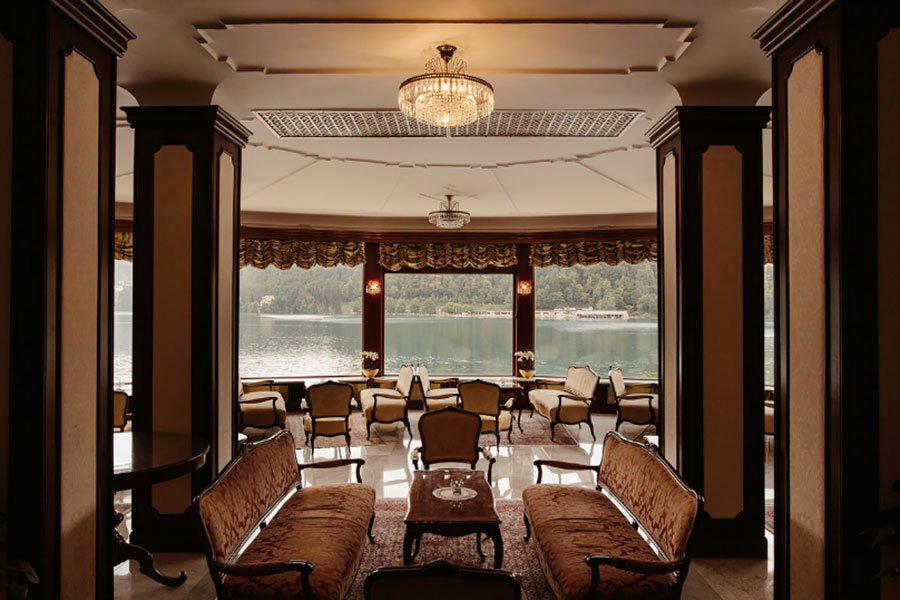
Panoramic terrace with castle setting, offering a scenic and historic atmosphere highlighted by far-reaching views.