Hashiri Bettei Kaiseki Aoki
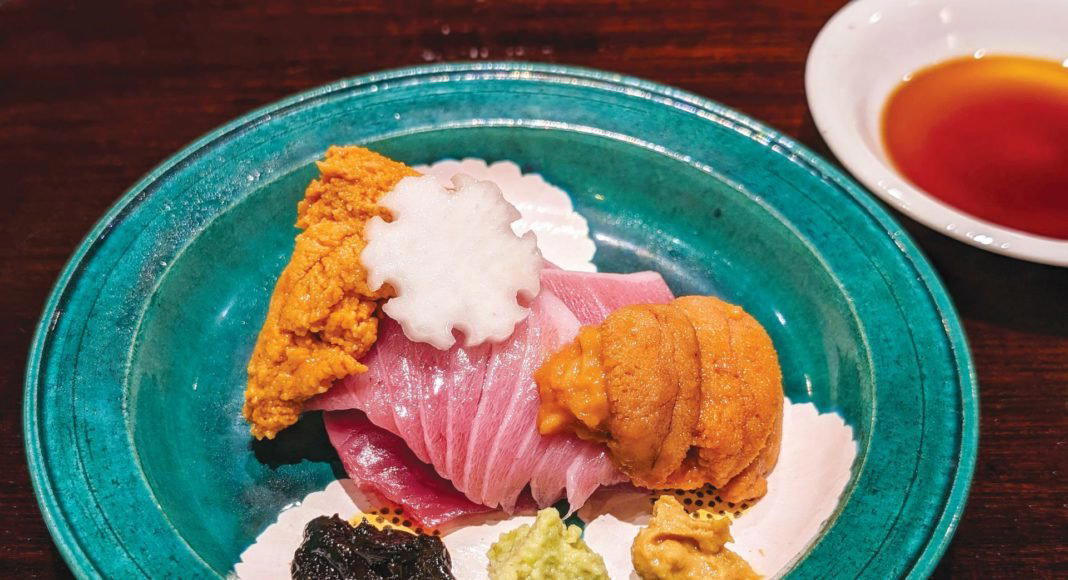
Kaiseki in the South Bay's quieter register: Hashiri Bettei Kaiseki Aoki occupies a Big Basin Way address in Saratoga, California, bringing the formal Japanese multi-course tradition to a town better known for Silicon Valley wealth than culinary ambition. The format places ingredient sourcing at its center, reading the kaiseki sequence as a document of season and provenance rather than kitchen spectacle.

Kaiseki on the Village Strip: What Saratoga's Dining Scene Has Room For
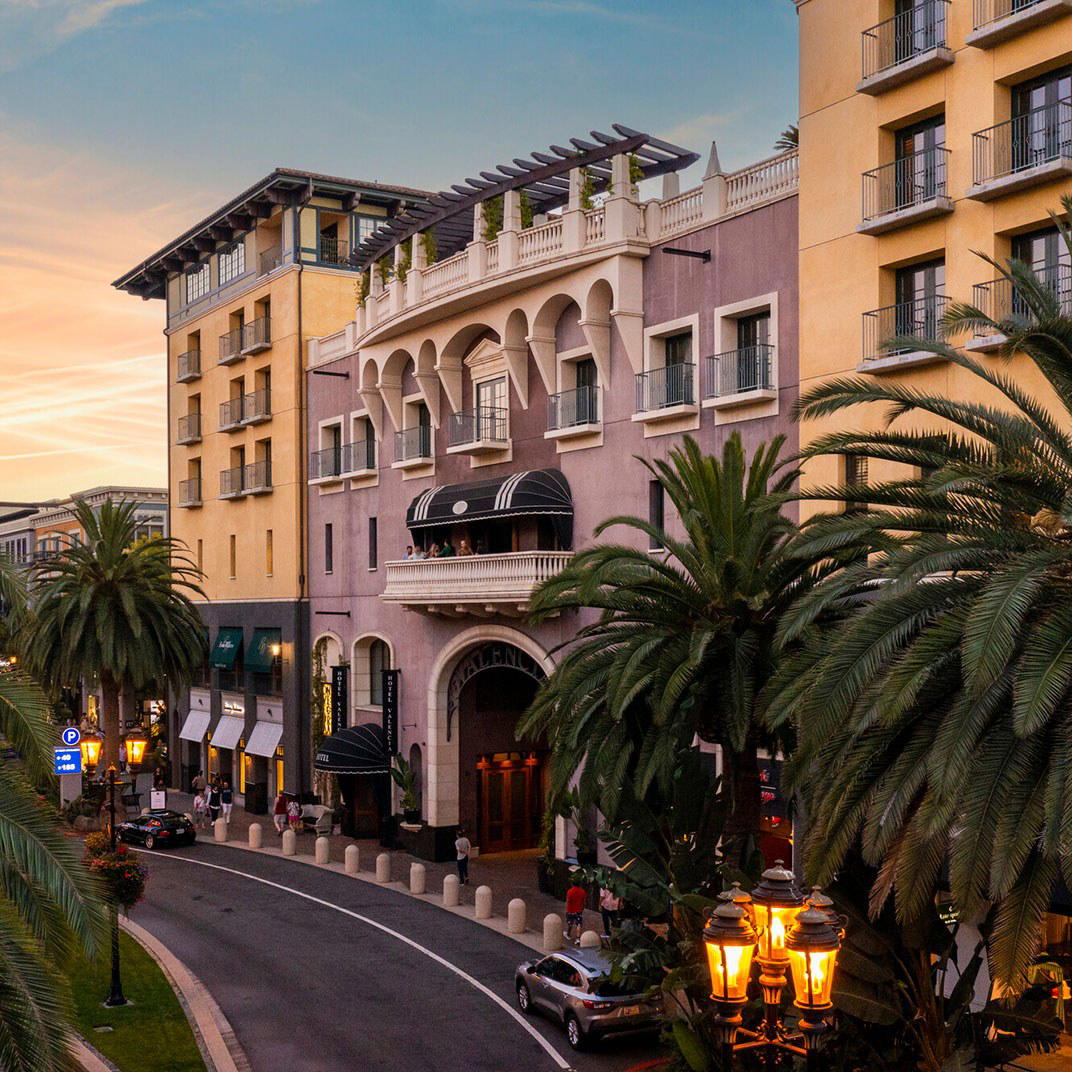
Big Basin Way runs through the heart of Old Saratoga like a small-town main street that has quietly absorbed a serious restaurant scene. The low-rise buildings, the mature trees, the relative calm compared with nearby San Jose or the Mission District — all of it creates conditions where a highly formalized Japanese dining format can operate without the ambient noise and competitive density of a city block. Hashiri Bettei Kaiseki Aoki occupies this address and this register: a kaiseki restaurant in a California suburb that draws a clientele willing to travel for the format rather than stumbling in from foot traffic.
The broader context matters here. Kaiseki as a dining discipline is among the most ingredient-driven formats in Japanese cooking. Unlike omakase, which concentrates the meal's logic on the chef's hand with a single primary ingredient (usually seafood), kaiseki sequences courses according to season, technique, and temperature — each dish a small argument about what the land or sea is producing right now and how heat, knife work, or restraint can leading express it. A kaiseki kitchen that takes provenance seriously reads more like a farm-to-table operation with Japanese technical vocabulary than a showpiece of theatrical plating.
The shortlist, unlocked.
Hard-to-book tables, cellar releases, and concierge-planned trips.
Get Exclusive Access →Saratoga's dining options across the same street range from the long-established contemporary American format at Plumed Horse (Contemporary), which holds a different competitive position at the leading of the local price tier, to more casual neighbourhood options like Bella Saratoga, Dos Burros, Flowers Saratoga, and GOGA. The kaiseki format sits in its own category , closer in spirit and price logic to what you find at nationally discussed tasting-menu destinations than to what surrounds it geographically. For the full picture of how the town's dining breaks down by format and price, the EP Club Saratoga restaurants guide maps it clearly.
Ingredient Sourcing as the Menu's Governing Logic
In the kaiseki tradition, seasonal sourcing is not a marketing posture , it is the structural principle that determines what appears on the table and in what order. The format emerged from Japanese tea ceremony culture, where the selection of food was meant to reflect the moment in the year with fidelity. In contemporary practice, that means a kitchen operating kaiseki properly is continuously renegotiating its menu against what suppliers, farms, and fisheries are producing at any given time.
California gives a kaiseki operation particular advantages here. The state's agricultural output is among the broadest in the country: citrus from the Central Valley, stone fruit from the foothills, Pacific seafood from Monterey Bay and further north, mushrooms from coastal foragers, and a year-round growing season that keeps the produce sourcing from going dormant in winter the way it might in colder regions. A kaiseki kitchen in the Bay Area has access to ingredient supply that would have been difficult to imagine even in Japan's major cities a generation ago.
This is the frame in which Hashiri Bettei Kaiseki Aoki operates. The kaiseki sequence , typically moving through sakizuke (amuse), hassun (seasonal platter), yakimono (grilled course), mushimono (steamed), and so on , becomes, in a California context, a vehicle for communicating local terroir through Japanese technique. The discipline of the format and the specificity of the sourcing reinforce each other: the courses give structure to what might otherwise be a diffuse farm-to-table proposition, and the provenance gives weight to what might otherwise be a purely technical exercise.
This is a different proposition from what you find at kaiseki-adjacent destinations on the coasts. At Single Thread Farm in Healdsburg, the kaiseki influence operates within a hybrid format that foregrounds the owners' farm directly. At The French Laundry in Napa, a similar seasonal discipline applies but within a French tasting-menu logic. Hashiri Bettei Kaiseki Aoki's positioning is more formally Japanese in structure while remaining thoroughly Californian in its ingredient supply chain , a combination that defines a small but growing tier of West Coast fine dining.
How This Format Compares in the National Tasting-Menu Conversation
The formalized multi-course experience at this level of ambition puts Hashiri Bettei Kaiseki Aoki in a peer conversation that extends well beyond the South Bay. Restaurants like Alinea in Chicago, Atomix in New York City, and Le Bernardin in New York City represent the high-water marks of the format in their respective traditions; closer to the kaiseki idiom, Blue Hill at Stone Barns in Tarrytown and Providence in Los Angeles demonstrate how ingredient-sourcing discipline can anchor a multi-course format with critical credibility. What distinguishes the kaiseki format from all of these is its inherent sequencing logic: the meal's architecture is not invented by the chef each season but inherited from a centuries-old structure that the kitchen then populates with contemporary ingredients.
That distinction matters for the reader deciding where to spend a serious dining occasion. At venues like Lazy Bear in San Francisco or Addison in San Diego, the creative arc of the meal is largely the chef's own invention. At a kaiseki restaurant, you are partly eating a tradition , the chef's contribution is one of interpretation and sourcing, not architecture. For diners who find that distinction meaningful, the kaiseki format delivers something that Western tasting menus do not replicate, regardless of their technical ambition.
Other reference points in the category internationally include 8½ Otto e Mezzo Bombana in Hong Kong, which operates at comparable formality in a different culinary tradition, and The Inn at Little Washington in Washington and Emeril's in New Orleans, where the tasting format is organized around place-driven cooking of a different kind.
Planning a Visit
Hashiri Bettei Kaiseki Aoki is located at 14417 Big Basin Way, Saratoga, CA 95070 , walkable from the village center and accessible by car from San Jose in under 20 minutes, or from San Francisco in under an hour depending on traffic. For a formal kaiseki reservation, booking ahead is standard practice; kaiseki kitchens typically require it to manage the sourcing and preparation cycles that the format demands. Diners should expect the multi-course format to occupy two to three hours minimum. Specific hours, current pricing, and reservation methods should be confirmed directly with the restaurant, as these details shift with seasonal programming.
Frequently Asked Questions
- Is Hashiri Bettei Kaiseki Aoki okay with children?
- Kaiseki is a multi-course format that typically runs two to three hours and is structured around sequential, small-portion dishes requiring patience and quiet at the table. In Saratoga , where dining prices at the upper end reflect a clientele accustomed to formal settings , this format suits adults and older teenagers who are comfortable with an extended, structured meal. Younger children are generally not a good fit for the pace or the format, regardless of price tier.
- What kind of setting is Hashiri Bettei Kaiseki Aoki?
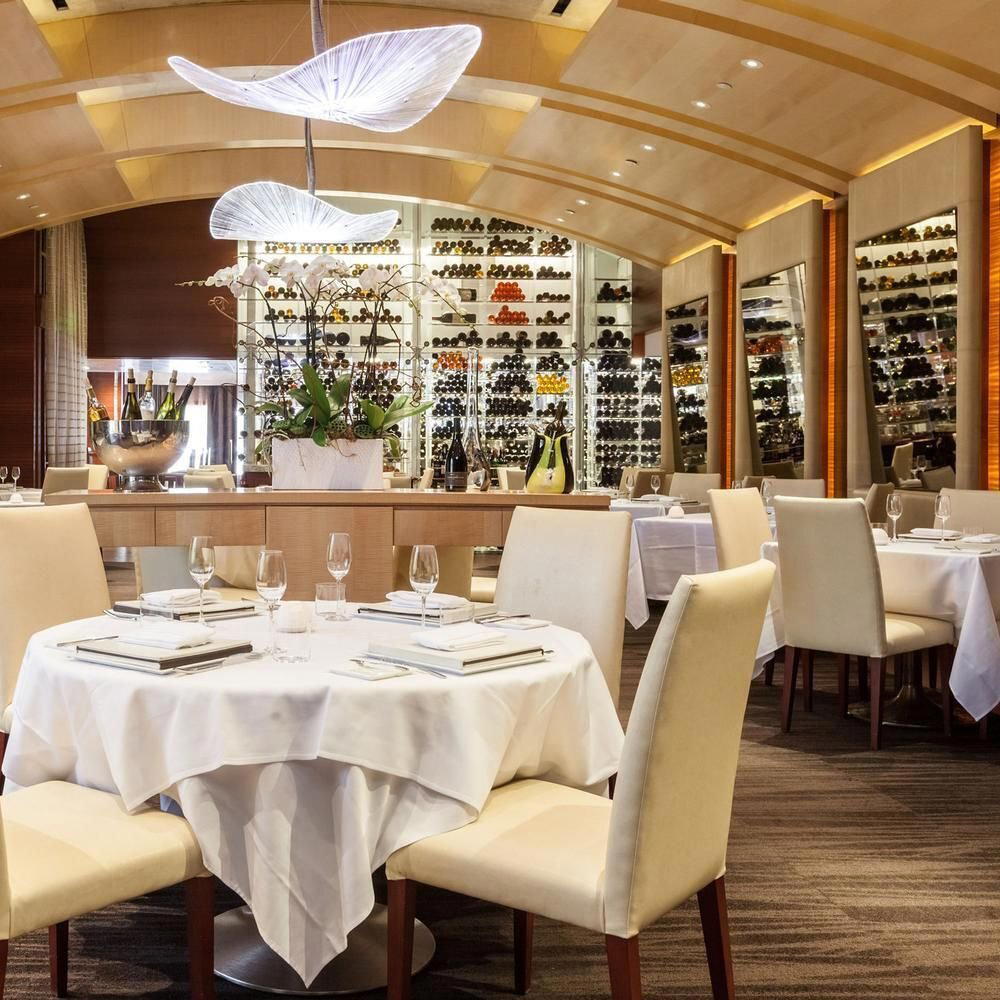
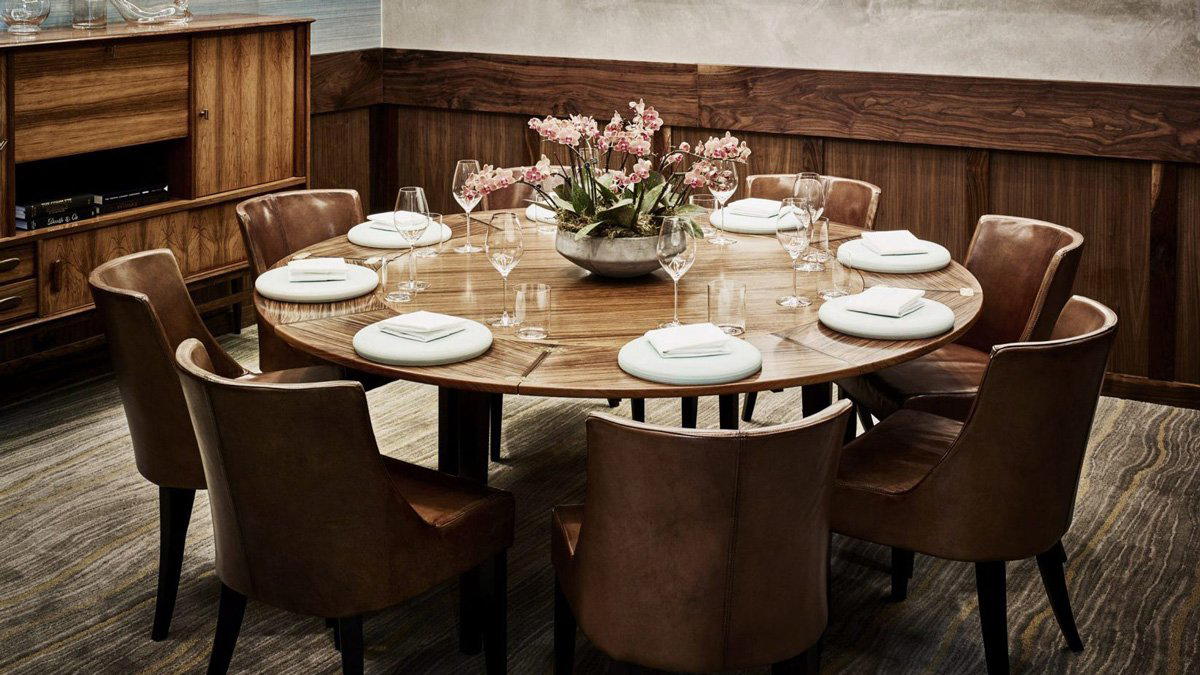
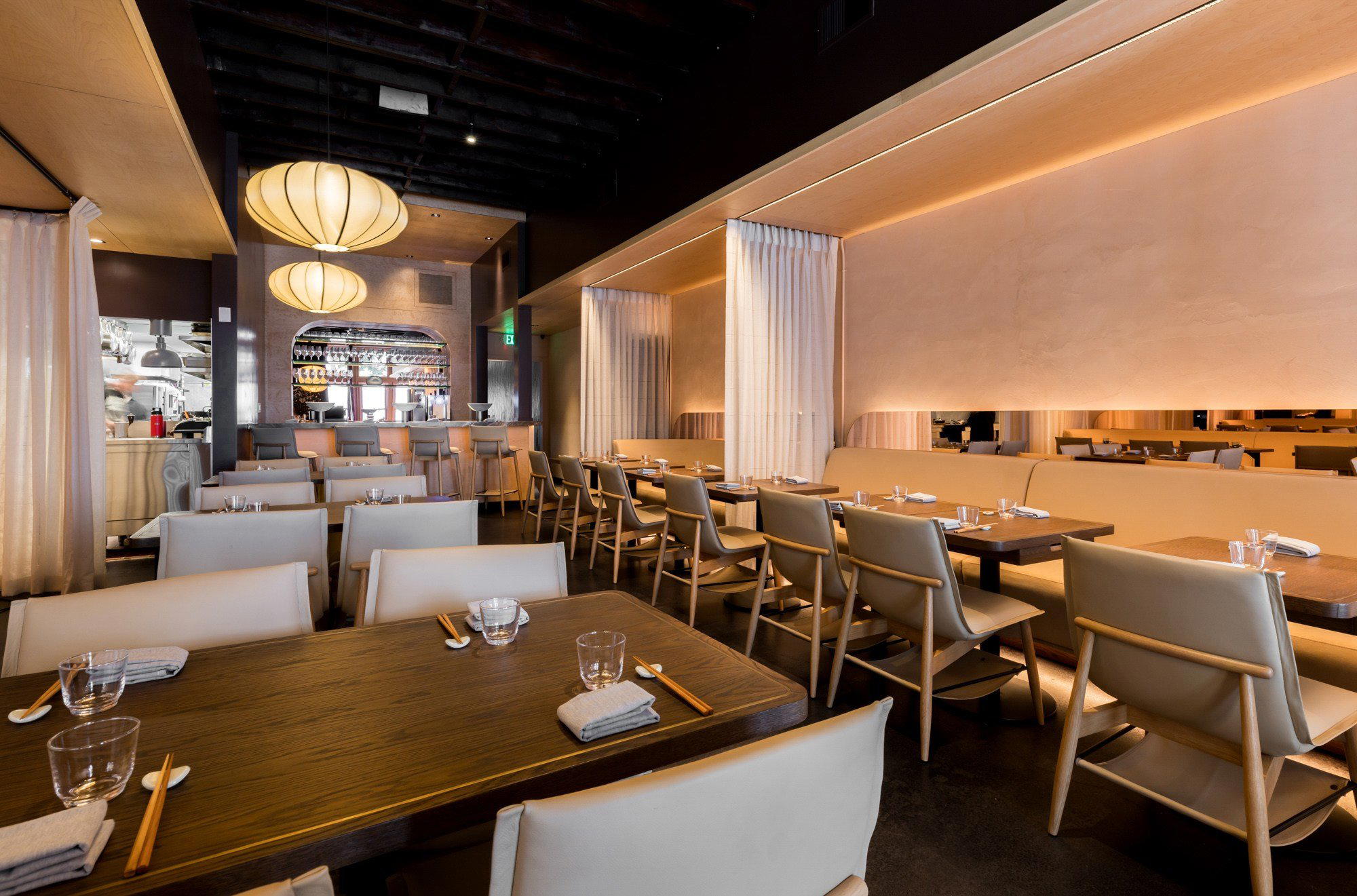
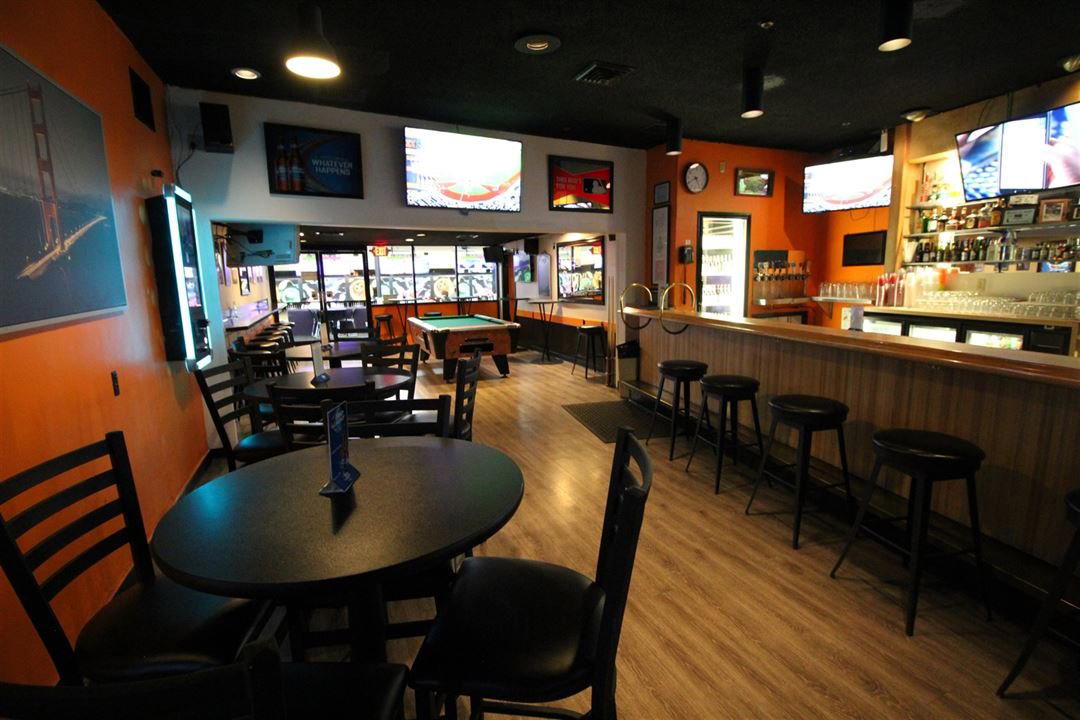
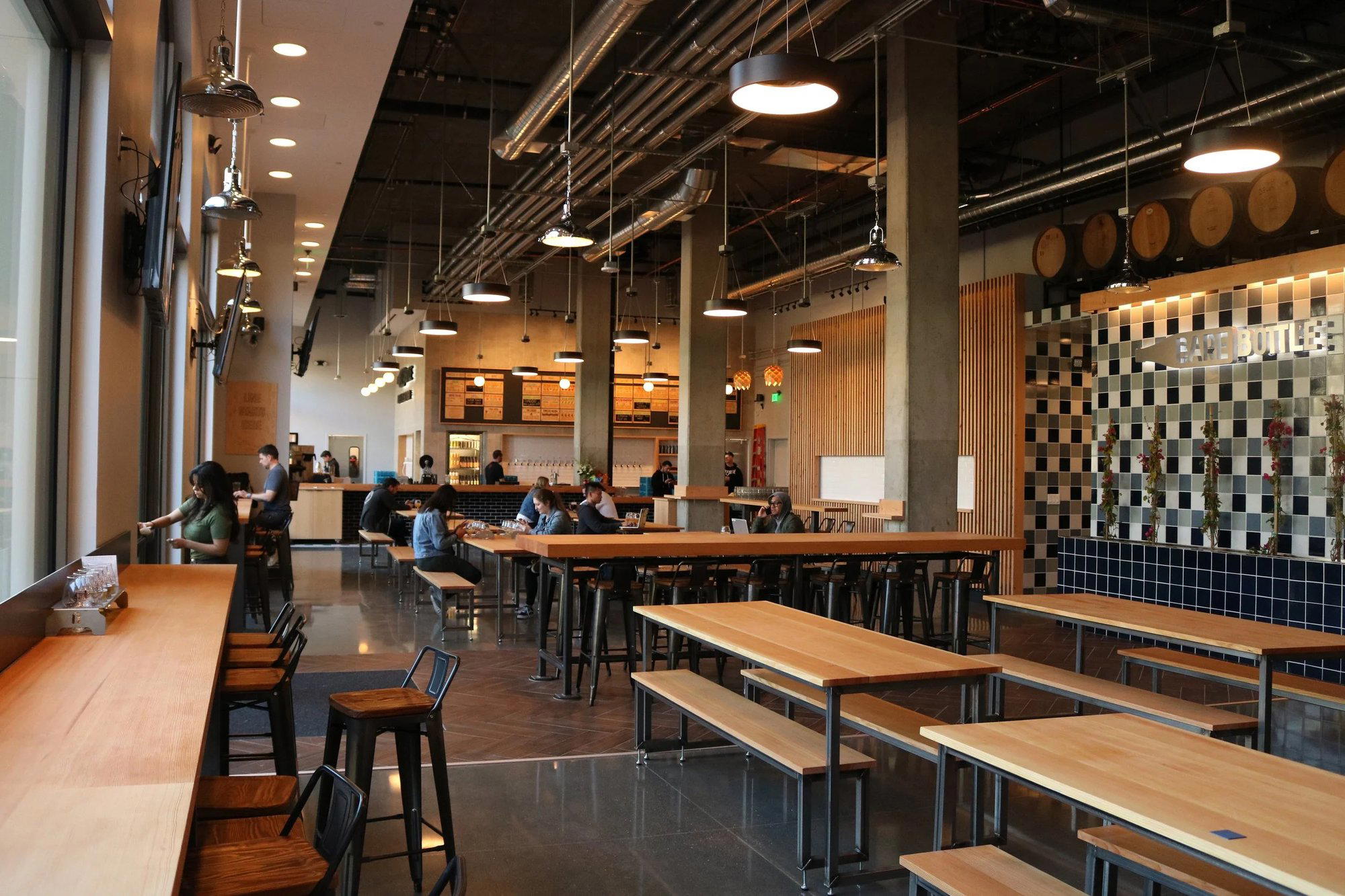
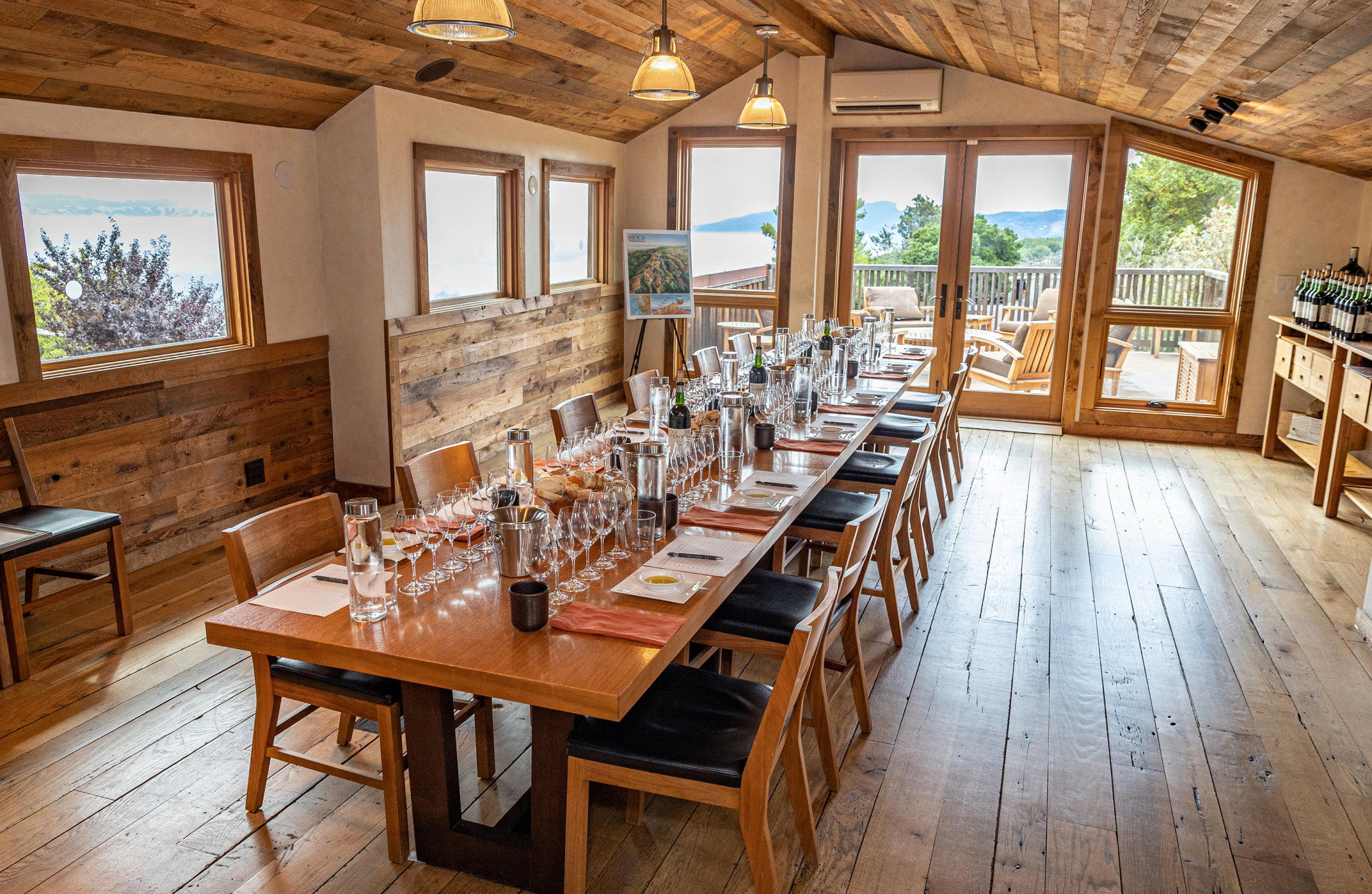
- The setting is a formal kaiseki dining room on Saratoga's Big Basin Way, the village's main restaurant corridor. In a town where the upper dining tier skews toward contemporary American formats, a kaiseki room occupies a distinct niche , quieter in service style, more structured in sequence, and more explicitly Japanese in its visual and culinary vocabulary than the surrounding options. It is a sit-down, multi-course environment, not a casual or drop-in one.
- What do regulars order at Hashiri Bettei Kaiseki Aoki?
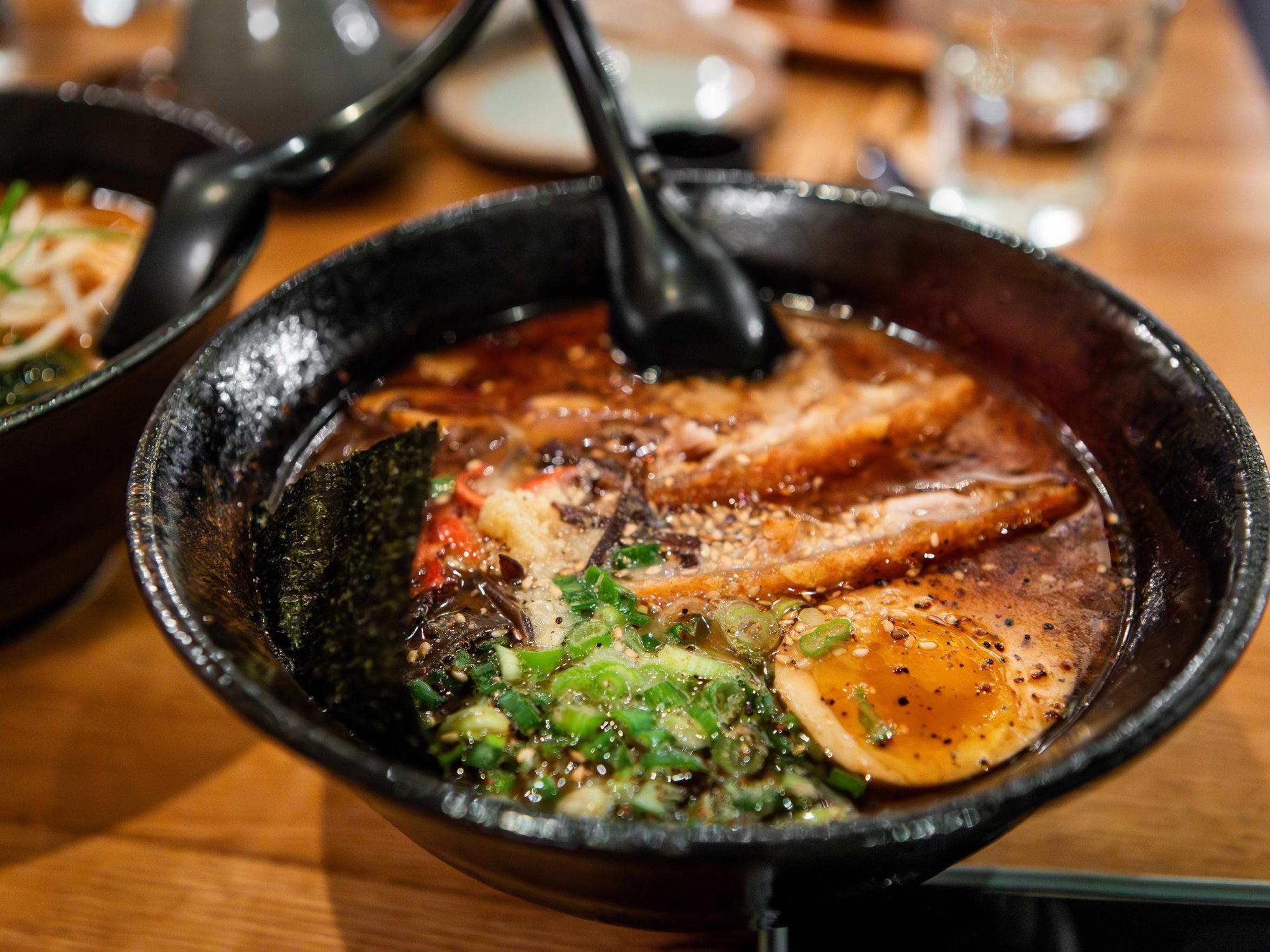
- The kaiseki format is not an à la carte operation , the meal follows a set seasonal sequence determined by the kitchen. Regulars return to track how the same course structure changes as sourcing shifts through the year, rather than to repeat a single dish. The consistent draw is the kitchen's interpretation of the current season's ingredients through the formal kaiseki sequence.
- Do I need a reservation for Hashiri Bettei Kaiseki Aoki?
- For any kaiseki restaurant operating at this level of format discipline, a reservation is effectively required. The multi-course structure demands precise advance preparation in sourcing and kitchen labor that walk-in service cannot accommodate. In Saratoga's upper dining tier, where comparable restaurants like Plumed Horse also book ahead, the expectation is the same: contact the restaurant in advance and confirm your booking before arriving.
- How does Hashiri Bettei Kaiseki Aoki differ from other Japanese restaurants in the Bay Area?
- Most Japanese fine dining in the Bay Area operates in the omakase format , a chef-driven sequence built around seafood, usually sushi or sashimi. Kaiseki is a broader and older multi-course tradition that sequences dishes by technique and temperature across an entire meal, with seasonal land and sea ingredients treated with equal weight. Hashiri Bettei Kaiseki Aoki brings that more comprehensive format to Saratoga's Big Basin Way, placing it in a small category of Bay Area restaurants where the kaiseki discipline, rather than a single star ingredient, organizes the entire dining experience.
Fast Comparison
A compact peer snapshot based on similar venues we track.
| Venue | Cuisine | Price | Awards | Notes |
|---|---|---|---|---|
| Hashiri Bettei Kaiseki Aoki | This venue | |||
| Plumed Horse | Contemporary | $$$$ | Michelin 1 Star | Contemporary, $$$$ |
| Flowers Saratoga | ||||
| La Fondue | ||||
| GOGA | ||||
| Dos Burros |
Need a table?
Our members enjoy priority alerts and concierge-led booking support for the world's most difficult tables.
Get Exclusive AccessThe shortlist, unlocked.
Hard-to-book tables, cellar releases, and concierge-planned trips.
Get Exclusive Access →