Skip to Main Content
← Collection
LocationSaratoga, United States

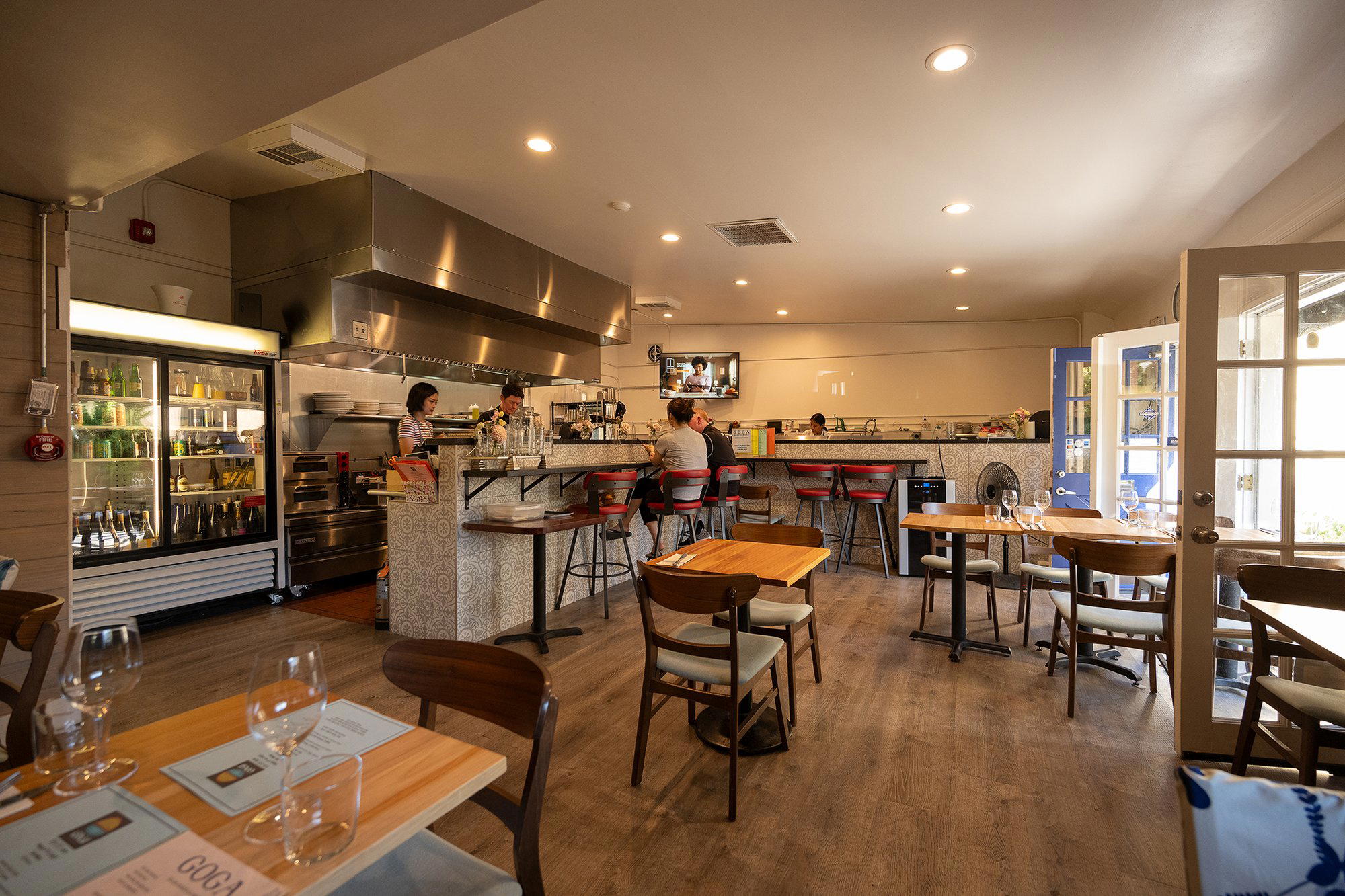
On Big Basin Way in the heart of Saratoga's compact village strip, GOGA sits among a dining corridor that punches well above its small-town weight. The address places it alongside some of the South Bay's more serious restaurant options, from the Michelin-starred Plumed Horse to a cluster of independently operated kitchens serving a neighbourhood that expects quality over volume.

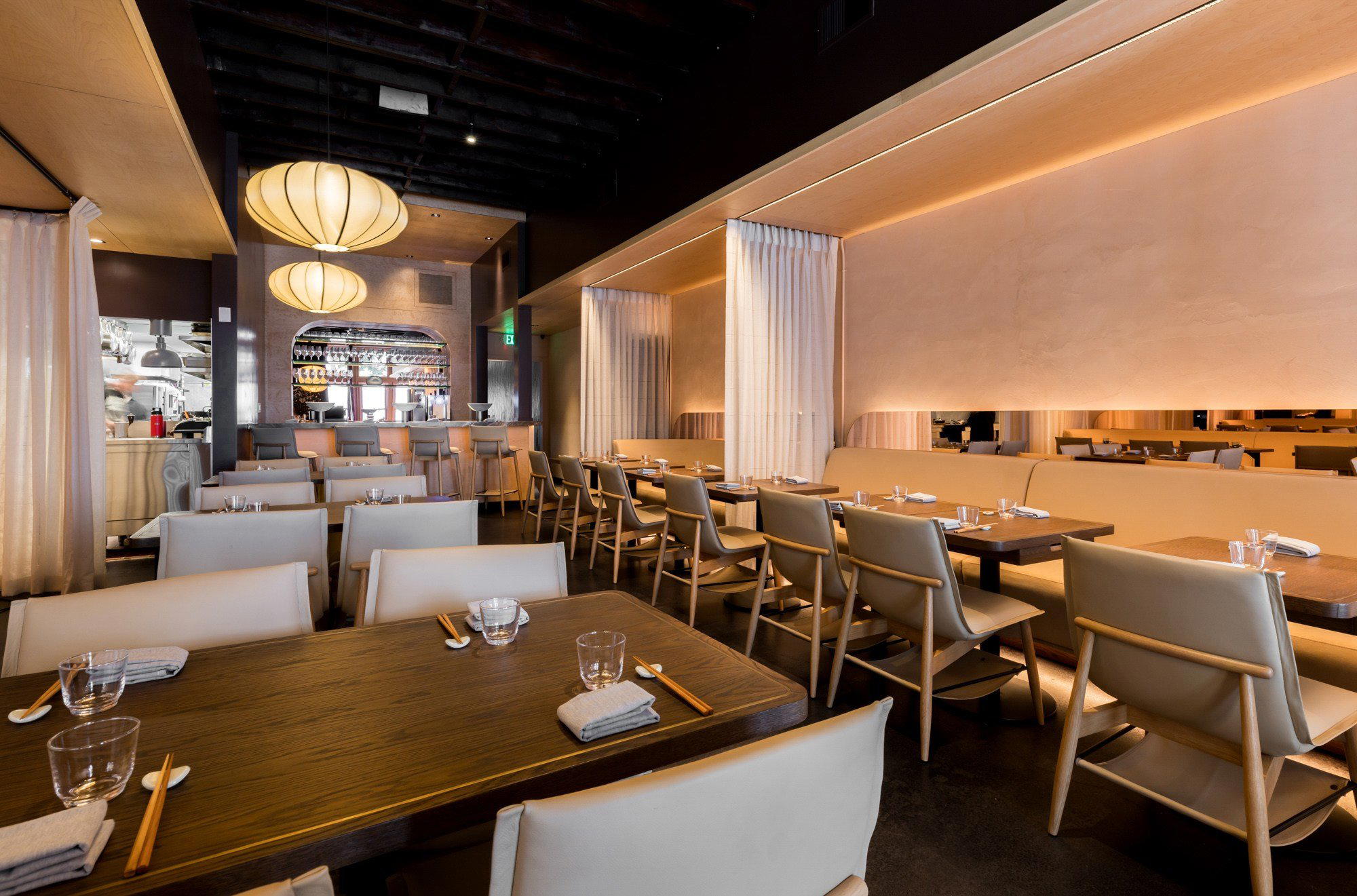
GOGA restaurant in Saratoga, United States
About

Big Basin Way and the Quiet Ambition of Saratoga Dining

Big Basin Way does not announce itself the way that Napa's Main Street or San Francisco's Hayes Valley does. The strip through Saratoga village is short, tree-lined, and largely free of the foot traffic that defines better-known California dining corridors. That restraint is, in part, what makes it worth attention. The restaurants that survive here do so on repeat local custom and word-of-mouth rather than tourist volume, which tends to filter out the merely adequate. GOGA occupies a unit on this strip at 14443 Big Basin Way, sitting within a concentrated cluster of independently operated kitchens that collectively represent the South Bay's most coherent case for serious neighbourhood dining.

The area draws a customer base that skews toward established professionals from the surrounding Silicon Valley communities, people who eat out frequently and carry calibrated expectations from travel and corporate dining. That audience shapes what the street's restaurants are willing to attempt. It explains why Saratoga sustains a Michelin-starred property in Plumed Horse (Contemporary) at the higher end, while mid-register kitchens on the same block compete on precision and ingredient quality rather than price alone.

Members Only

The shortlist, unlocked.

Hard-to-book tables, cellar releases, and concierge-planned trips.

Get Exclusive Access →

A Strip That Earns Its Reputation

Understanding GOGA requires understanding what Big Basin Way has become as a dining address. The village format, low density, and absence of large hotel infrastructure mean the street operates almost exclusively for locals and deliberate visitors. There is no walk-in tourist trade in the way that sustains a waterfront or a downtown dining district. Restaurants here build their businesses over years of neighbourhood trust rather than seasons of passing custom.

That context matters when assessing what a kitchen on this strip is actually doing. Across the corridor, Bella Saratoga holds ground in the Italian-leaning space, while Dos Burros represents the casual end of the spectrum and Flowers Saratoga occupies its own distinct register. At the more considered end of the range, Hashiri Bettei Kaiseki Aoki brings a kaiseki format to the area that would not look out of place in a major metropolitan dining district. GOGA's position within this range reflects what the village asks of its kitchens: a defined point of view, executed with enough consistency to hold an audience that has other options within a twenty-minute radius.

The broader South Bay and Peninsula dining belt runs from San Jose northward through Los Altos and Menlo Park, eventually feeding into San Francisco's restaurant density. Saratoga sits at the southwestern edge of that geography, far enough from the city that residents are not automatically defaulting to the Ferry Building corridor or the Mission for a good dinner. That geographic positioning creates a genuine opening for a kitchen that can offer something in the range of what a diner might otherwise travel to San Francisco or Napa to find. In the national context, the kind of sourcing and technique-driven cooking visible at places like Single Thread Farm in Healdsburg or Lazy Bear in San Francisco represents the upper register of what California's ingredient-led approach can produce. Closer parallels in terms of neighbourhood scale and local-audience focus exist in how kitchens across the country, from Smyth in Chicago to Addison in San Diego, have built serious reputations within residential rather than tourist-driven contexts.

What the Address Tells You

A Unit C address on Big Basin Way signals something specific about scale and format. Saratoga's village strip does not run to large dining rooms; the building footprints are modest, which tends to keep seat counts low and service ratios tighter than a downtown room of equivalent price level might offer. That physical constraint is not a disadvantage in the current dining climate, where smaller, more focused operations have consistently outperformed large-format restaurants in critical recognition and customer loyalty. The pattern is visible at the leading of the national table: kitchens at Le Bernardin in New York City, The French Laundry in Napa, Blue Hill at Stone Barns in Tarrytown, and The Inn at Little Washington all operate at a scale where every seat receives considered attention. The model scales down to neighbourhood level in places like Saratoga, where a compact room can sustain a higher calibre of kitchen than a larger operation in the same geography might.

For the reader considering where GOGA fits against the broader California dining field, the honest framing is this: Saratoga is not Yountville, and Big Basin Way is not a destination dining strip in the way that draws international visitors. What it is, is a street where a well-run kitchen can find a sophisticated and loyal audience, and where the absence of city-level competition allows a focused operator to occupy a position that would be much harder to hold in San Francisco or Los Angeles. That dynamic has produced credible dining in other California communities with similar demographics, and it is the structural logic that supports kitchens at GOGA's address on the strip. Comparable neighbourhood logic operates internationally: the precision-driven kaiseki model at Atelier Moessmer Norbert Niederkofler in Brunico or the Korean fine dining format at Atomix in New York City are both built on the same premise that a serious kitchen does not require a glamour address to hold a serious audience.

For planning purposes, Saratoga village is most accessible by car from the surrounding South Bay communities; the strip has limited parking directly on Big Basin Way but more available on adjacent streets. Visitors from San Francisco should allow around an hour by car, somewhat longer during peak commute windows. The full range of what the street offers is covered in our full Saratoga restaurants guide, which maps the dining corridor against neighbourhood and price-tier context.

Practical Notes for the First Visit

Gulf of Mexico seafood-focused kitchens that reference New Orleans traditions, such as Emeril's in New Orleans, operate within a very different dining culture than a California village strip. What connects them, and what connects GOGA to the broader picture, is that neighbourhood context shapes the offer as much as the kitchen's stated ambitions. Arriving at Big Basin Way with expectations calibrated to a major metropolitan dining room will produce the wrong read. The right frame is a serious local kitchen, operating at the scale the address allows, serving an audience that knows what it wants and returns regularly. That is the category GOGA occupies, and in Saratoga's compact dining scene, it is a meaningful one. The comparable anchors on the street, from the Michelin-recognised Plumed Horse at the formal end to the more relaxed formats elsewhere on the strip, give a useful map of where a first visit fits within the broader choice the village offers.

Frequently Asked Questions

What do regulars order at GOGA?
Specific menu details for GOGA are not available in our current verified data. Given the kitchen's position on Big Basin Way alongside Saratoga's more technique-driven operations, the expectation from the local audience that sustains this strip is consistent quality on core dishes rather than rotating novelty. For current menu specifics, checking directly with the restaurant before your visit is the most reliable approach. The broader Saratoga dining scene, including credentialled peers such as Plumed Horse and the kaiseki-format Hashiri Bettei Kaiseki Aoki, gives a sense of the culinary range from which the strip's customers draw their reference points.
How hard is it to get a table at GOGA?
Booking data for GOGA is not part of our current verified record. In the Saratoga village context, where restaurants operate primarily on local repeat business rather than tourist-driven demand, availability at well-regarded addresses tends to tighten on weekend evenings more than midweek. Saratoga does not carry the same booking pressure as a San Francisco destination like Lazy Bear or a Napa anchor like The French Laundry, but a kitchen holding a strong local reputation on Big Basin Way will have limited seats by default given the strip's building scale. Contacting the venue directly for current reservation availability is advised.
What makes GOGA worth seeking out?
The case for GOGA is primarily geographic and structural. On a strip that sustains one of the Bay Area's few Michelin-starred suburban kitchens in Plumed Horse (Contemporary), a kitchen at GOGA's address is operating within a local competitive field that demands consistent quality from its participants. For diners based in the South Bay or Silicon Valley corridor who want a considered dinner without driving to San Francisco, Providence in Los Angeles, or Napa, Saratoga's Big Basin Way offers a concentrated set of serious options, and GOGA holds a position within that set. The full picture of what the village offers is in our Saratoga restaurants guide.
Does GOGA suit diners who are already familiar with serious California wine-country cooking?
Diners who regularly visit kitchens in Healdsburg, Yountville, or San Francisco's Hayes Valley will find the scale and neighbourhood atmosphere of Saratoga's Big Basin Way markedly quieter and less scenographic. The strip is residential in character rather than destination-driven, which means the focus shifts to the plate rather than the room. For those whose reference points include ingredient-led California cooking as practised at properties like Single Thread Farm in Healdsburg, the Saratoga corridor, including GOGA, sits in a different tier of setting while drawing on the same regional food culture and audience expectations.

A Tight Comparison

A fast peer set for context, pulled from similar venues in our database.

Collector Access

Need a table?

Our members enjoy priority alerts and concierge-led booking support for the world's most difficult tables.

Get Exclusive Access
Members Only

The shortlist, unlocked.

Hard-to-book tables, cellar releases, and concierge-planned trips.

Get Exclusive Access →