Harvest Clintonville
Our verdict
On North High Street in Clintonville, Harvest has built its reputation around a direct relationship with Ohio farms and producers, translating seasonal availability into a menu that shifts with the harvest rather than against it. The neighborhood's commitment to local commerce finds a natural anchor here, where what's on the plate reflects the specific agricultural moment rather than a fixed kitchen identity.

Pearl is the En Primeur Club membership app — saves, bookings, and concierge access live there. Same editors, same standards.
- Address
- 2885 N High St, Columbus, OH 43202
- Phone
- (614) 947-7133
- Hours
- Mon ClosedTue–Sun 11 AM–10 PM
- Website
- harvestpizzeria.com
- Directions
- Get directions
The menu
What to order
- Buffalo Cauliflower
- Vegan pepperoni pizza
North High Street in Late October
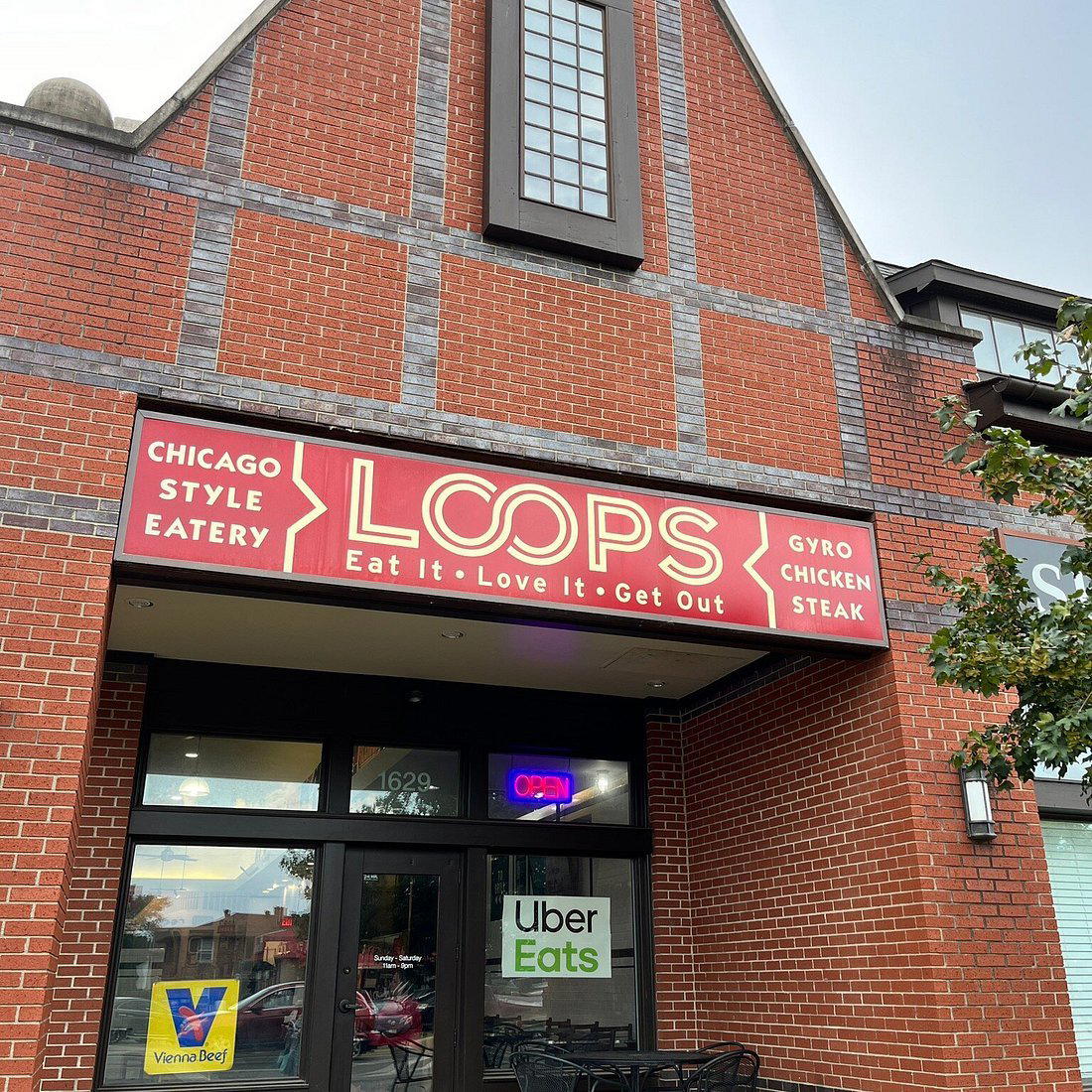
Clintonville sits north of Columbus's denser urban core, and North High Street's rhythm there is distinctly different from the Short North's gallery-district energy or the Arena District's volume-driven dining. The storefronts are smaller, the signage less performative, and the foot traffic arrives on foot rather than by Uber. Harvest at 2885 N High St occupies that character rather than fighting it. Approaching from the sidewalk, the scale reads residential before it reads restaurant, which is exactly the register that farm-to-table dining in a mid-sized Midwestern city tends to occupy leading.
The farm-to-table category in American dining has split over the past decade into two fairly distinct tiers. At one end sit operations where sourcing is a marketing layer applied to a fixed menu, the local farm names appearing on the bottom of the menu like footnotes. At the other end are kitchens where the sourcing genuinely drives the structure of the menu, meaning the menu changes not according to a seasonal refresh schedule but according to what is actually available from specific producers. Harvest's positioning in Clintonville aligns it with the latter model, operating in a neighborhood that has historically supported independent, community-rooted businesses over chains.
What the Ohio Growing Season Actually Looks Like
Central Ohio's agricultural calendar is specific in ways that matter to any kitchen claiming to source locally. The window for sweet corn closes in early September. Tomatoes from farms in the Scioto and Olentangy valleys peak in August and are gone before the leaves turn. The autumn months bring a different palette: winter squash, root vegetables, cold-hardy greens, apples from the orchards in Licking and Delaware counties. A kitchen genuinely tied to Ohio producers operates on that calendar rather than importing asparagus from Peru in January to maintain a static menu.
This is the culinary tradition that places like Blue Hill at Stone Barns in Tarrytown and Single Thread Farm in Healdsburg have refined at a much larger budget and with agricultural operations attached to the restaurant itself. What those properties demonstrate is that sourcing-led cooking is not an aesthetic choice so much as a structural one: it requires different supplier relationships, different menu cadences, and a kitchen capable of working with whatever is at peak rather than whatever is most consistent. Columbus doesn't have the same density of agricultural infrastructure as Sonoma County or the Hudson Valley, but the farms within an hour's drive of North High Street are capable of supplying serious kitchens through most of the year.
The comparison to coastal farm-to-table operations is worth making not to diminish what a Clintonville restaurant can achieve but to contextualize the framework. Restaurants like The French Laundry in Napa or Lazy Bear in San Francisco operate in regions where year-round growing and proximity to extraordinary ingredient sources is almost structural. Columbus kitchens working in the same sourcing philosophy have to be more inventive with preservation, fermentation, and cold-storage technique to extend the usefulness of peak-season product into leaner months.
Clintonville as a Dining Neighborhood
Columbus's dining scene has matured considerably in the past five years, with the Short North drawing national attention and the Franklinton and Olde Towne East corridors developing their own dining identities. Clintonville has remained somewhat apart from those conversations, in part because its identity is more residential and in part because the dining operations there tend to serve the neighborhood rather than draw destination traffic from across the city.
That neighborhood-service model is actually well suited to sourcing-led cooking. A regular clientele that returns weekly creates the conditions in which a kitchen can experiment with less familiar vegetables, offer dishes built around single-farm product, and make menu changes between visits without alienating guests expecting to find last month's order. The short-drive accessibility from the University District and from Bexley and Worthington means Harvest draws from a wide enough catchment to sustain that kind of program.
Columbus as a whole is worth understanding in that peer context. The city's restaurant scene now includes operations that sit in the same conversations as some of the more established Midwestern dining destinations. Agni and Alqueria represent the kind of focused, technique-forward cooking that signals a maturing market. 2110 and [['plas] add different registers to what the city's dining conversation can hold. See our full Columbus restaurants guide for a broader map of the current scene.
Against that backdrop, Harvest occupies a specific and underrepresented niche: a neighborhood-scale, ingredient-led operation in a part of the city that doesn't typically generate the editorial coverage that the Short North does. That positioning is not a liability. Some of the strongest sourcing-led restaurants in American dining, from Addison in San Diego to The Inn at Little Washington, have built their identities partly by operating outside the highest-density urban corridors, where the relationship with local agriculture is easier to maintain and where the pace of service allows the sourcing story to actually land with guests.
Planning a Visit
Harvest is located at 2885 N High St, Columbus, OH 43202, in the heart of the Clintonville commercial strip. The neighborhood is accessible by car with street parking available along North High Street, and the #2 COTA bus line runs the corridor for those approaching from campus or the Short North. Given the sourcing model, the menu is most interesting during the active Ohio growing season, which runs roughly May through October, though the autumn root vegetable and storage crop period through November and December offers its own coherent pantry. For current hours, booking availability, and any specific dietary accommodation questions, the most reliable approach is to contact the restaurant directly or check their current listings, as operational details for a kitchen running a seasonal program can shift.
Visitors who have experienced the farm-to-table format at operations like Providence in Los Angeles, Le Bernardin in New York City, or Alinea in Chicago will arrive with a frame of reference for ingredient-forward cooking, though the price point and format at Harvest will sit in a different register from those operations entirely. The comparison is useful for understanding the sourcing philosophy, not the scale or ambition of the production. Agave & Rye Grandview in Columbus provides a contrast in format for those building out a broader evening itinerary.
Frequently asked questions
Where is Harvest Clintonville in Columbus?
Harvest Clintonville is located at 2885 N High St, Columbus, OH 43202, Columbus.
Does Harvest Clintonville source ingredients from Central Ohio farms specifically?
Harvest's menu programming follows the Central Ohio growing season, which runs from early spring greens through late-autumn storage crops. That regional focus means sourcing changes as the Ohio calendar shifts rather than relying on out-of-state fill-ins to maintain a static menu year-round. For diners in Columbus interested in tracking what's currently on the plate, the Clintonville location at 2885 N High St reflects whatever the regional season is producing at that moment.
What dish is Harvest Clintonville famous for?
Harvest's menu is built around Central Ohio's agricultural seasons, so the kitchen's signature shifts with the growing calendar. Sweet corn preparations dominate late summer; root vegetables and preserved goods anchor the colder months. The dish that draws repeat visits tends to be whatever reflects that week's peak local harvest rather than a fixed house specialty.
How hard is it to get a table at Harvest Clintonville?
Harvest occupies a commercial strip on North High Street in Columbus's Clintonville neighborhood, where foot traffic is steady but the pace differs from the Short North's weekend surges. Reservations are advisable, particularly on Friday and Saturday evenings when the northside dining corridor draws regulars from across the city. Weeknight walk-ins are generally more accessible.
What has Harvest Clintonville built its reputation on?
The restaurant has established itself in Columbus's northside as a kitchen that takes Central Ohio's agricultural calendar seriously, adjusting sourcing and preparation around what the region's farms actually produce. Within Clintonville's dining scene, that commitment to local supply chains sets it apart from more generalist neighborhood spots. Columbus's broader dining scene has matured considerably over the past five years, and Harvest has grown alongside that shift.
Is Harvest Clintonville allergy-friendly?
A kitchen organised around seasonal and local sourcing typically maintains close relationships with suppliers, which supports more transparent ingredient tracing than a standard supply chain allows. Guests with specific dietary requirements should check the venue's official channels at 2885 N High St, Columbus, OH 43202, to discuss current menu compositions, which change with the season.
Similar Picks
Comparable venues nearby, for context on price, style, and recognition.
| Venue | Cuisine | Price | Notes |
|---|---|---|---|
| Harvest ClintonvilleThis venue — the venue you are viewing | Gourmet American Pizza | $20–30 | Not listed |
| Rusty Bucket - Bexley | American Comfort Food Gastropub | $20–30 | Hanford Village |
| Service Bar at Middle West Spirits Distillery | Contemporary American with Asian Influences | $30–50 | Short North |
| Hangar 815 | Modern American | Not listed | Port Columbus Internation Ariport |
| The Eagle Short North | Southern Fried Chicken | $20–30 | Short North |
| Rusty Bucket - Clintonville | American Tavern Comfort Food | $20–30 | Clintonville |