Hart House Restaurant occupies a restored Tudor-style manor on the edge of Deer Lake Park in Burnaby, offering a dining setting that few suburban venues in the Greater Vancouver region can match for architectural drama. The kitchen has long drawn on seasonal and regional sourcing principles that connect the plate to the Pacific Northwest landscape surrounding it. Book ahead: the heritage property draws steady demand from both local and Vancouver-based diners.
Pearl is the En Primeur Club membership app — saves, bookings, and concierge access live there. Same editors, same standards.
- Address
- 6664 Deer Lake Ave, Burnaby, BC V5E 2T2, Canada
- Phone
- +16042984278
- Website
- harthouserestaurant.com
- Directions
- Get directions
 Saves & bookings on Pearl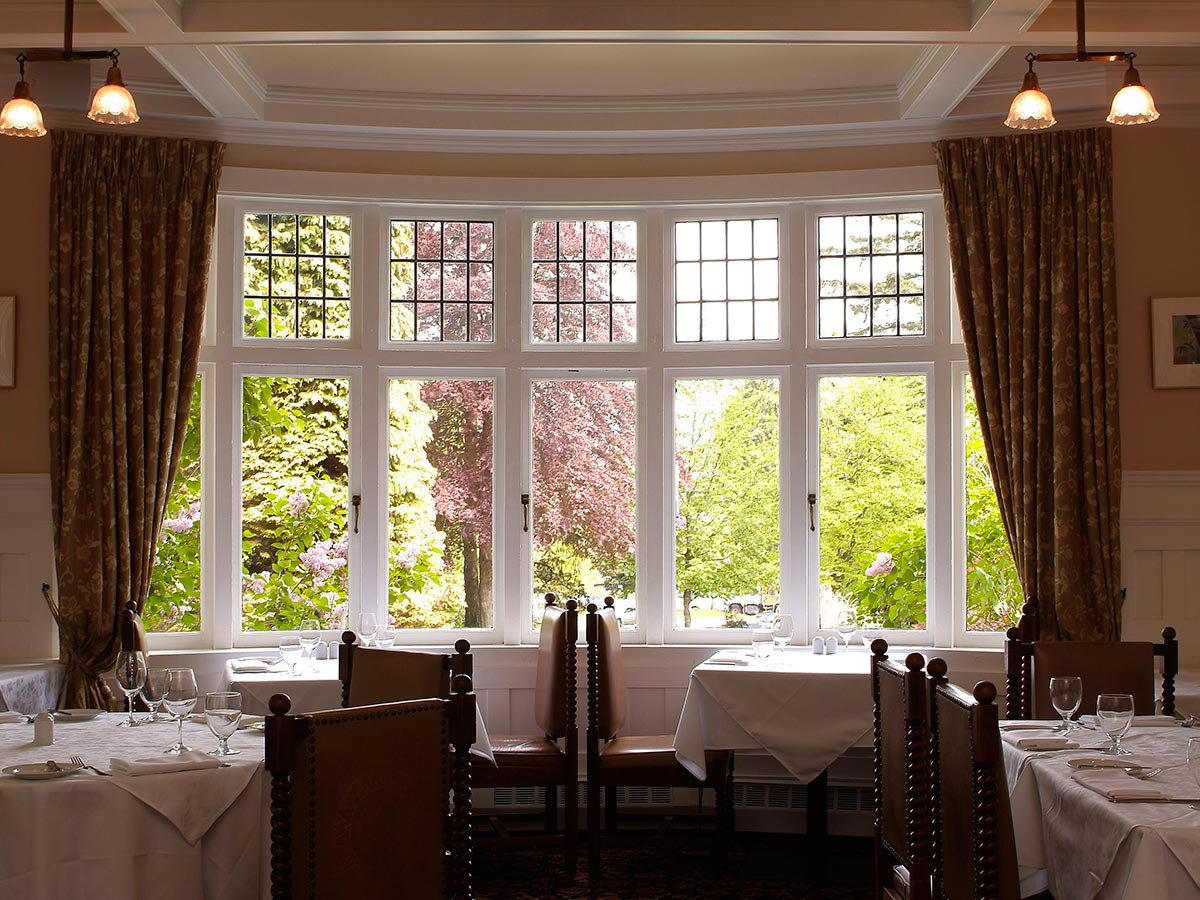
A Manor House at the Edge of the Park
Hart House Restaurant is a Mediterranean-Inspired West Coast restaurant in Burnaby, recommended for reservations and priced around $75 per person. The approach to Hart House along Deer Lake Avenue does much of the restaurant's storytelling before you reach the door. The Tudor-style manor, framed by mature trees and set against the quiet periphery of Deer Lake Park, signals a dining register that the strip-mall restaurant clusters along Kingsway do not attempt. In Burnaby's dining scene, which runs mostly toward dense urban formats and mall-anchored dining at Brentwood or Metrotown, this kind of heritage property occupies a category of its own: a freestanding historic building where the room itself carries the evening's atmosphere.
That physical context matters when assessing where Hart House sits competitively. Burnaby's dining options span everything from the polished steakhouse format at Atlas Steak + Fish to the casual-neighbourhood register of Birdies and the entertainment-dining hybrid at Cineplex VIP Cinemas Brentwood. Hart House operates at a remove from all of those formats, positioning itself as a destination for occasions that require a setting with weight: anniversaries, corporate dinners, proposals, or the kind of meal where the room is half the point.
Where the Food Comes From
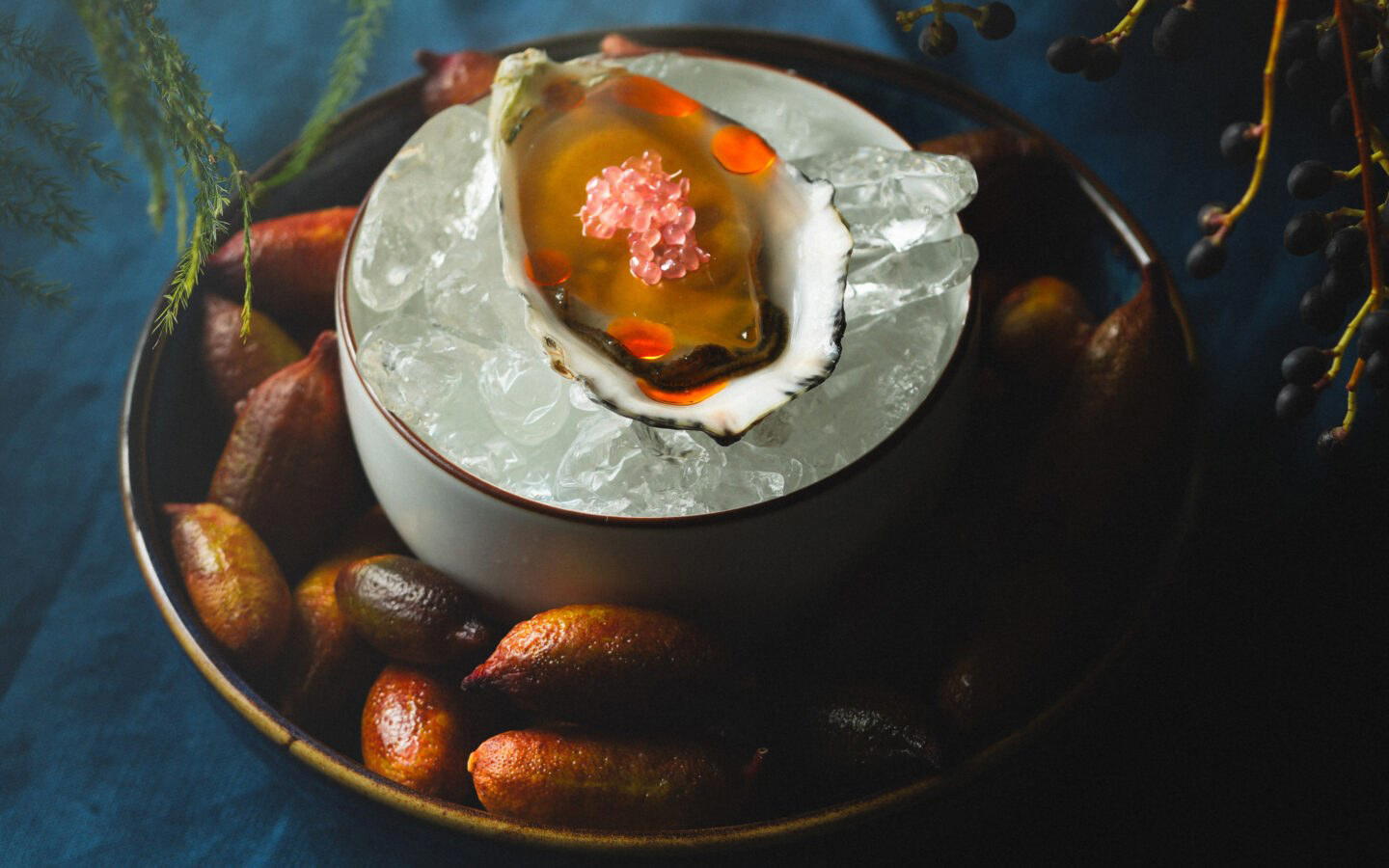
The Pacific Northwest's ingredient story is one of the more compelling regional sourcing narratives in North America. British Columbia's agricultural calendar produces wild salmon from the Fraser River system, Haida Gwaii halibut, Okanagan Valley produce and wines, Vancouver Island lamb, and foraged goods from coastal forests. Any kitchen operating at Hart House's price register and heritage setting carries an implied obligation to that geography, and the restaurant's reputation has historically been built on drawing from that surrounding larder.
This is not a minor point. The sourcing relationship between a kitchen and its regional suppliers defines what ends up on the plate more directly than technique alone. Canadian restaurants that have distinguished themselves nationally, from Tanière³ in Quebec City with its hyperlocal northern Quebec focus, to Eigensinn Farm in Singhampton where the land and kitchen are literally the same operation, to Restaurant Pearl Morissette in Lincoln with its farm-integrated wine and food program, have made sourcing specificity the editorial spine of their cooking. In that national context, a heritage dining room positioned beside Deer Lake Park is well-placed to make a similar argument about proximity and place.
The Greater Vancouver region, which includes Burnaby, has a well-documented farm-to-table infrastructure, with the Fraser Valley supplying dairy, poultry, and vegetables within an hour's drive of the kitchen. AnnaLena in Vancouver has demonstrated that a mid-sized urban kitchen can build serious credibility around that regional sourcing story. Hart House, with its parkside setting and heritage atmosphere, is positioned to carry that argument into a more occasion-specific format.
The Burnaby Heritage Dining Format
Heritage buildings repurposed as restaurants occupy a specific niche in Canadian dining. Across the country, from Aux Anciens Canadiens in Quebec, which dates to 1675, to restored farmhouse formats in Ontario wine country, the building itself functions as a trust signal: it communicates longevity, investment in place, and a dining experience where the architecture is not decorative backdrop but structural to the offer. Guests arrive expecting a room that feels unlike a contemporary open-kitchen dining room, and Hart House delivers on that expectation.
The Tudor manor format, less common in Western Canada than in Ontario or Quebec, gives Hart House a visual identity that distinguishes it from the Italian trattoria model at Claudio's Ristorante or the subcontinental register at Desi Turka Indian Cuisine, both of which are addressing different dining occasions and audiences. Hart House is not competing on cuisine category so much as on occasion type: it is the room Burnaby residents use when the meal needs to mean something.
That occasion-specific positioning is worth understanding before booking. Diners who arrive expecting the energy and informality of a neighbourhood restaurant may find the atmosphere more formal than anticipated. Those who arrive understanding that the building and its park surroundings are the primary sensory experience will be better calibrated for what the evening delivers.
Hart House in the Broader Canadian Fine Dining Conversation
Canada's premium dining scene has concentrated its critical attention on a handful of urban centres, with Alo in Toronto and Jérôme Ferrer's Europea in Montreal drawing most of the national award attention. Outside those centres, regionally grounded restaurants in smaller cities, like Narval in Rimouski or The Pine in Creemore, have found audiences by leaning hard into local identity rather than competing on the same terms as metropolitan tasting-menu programs. Hart House's Burnaby address, just outside Vancouver's city limits, places it in an analogous position: not a Vancouver restaurant, but close enough to draw Vancouver diners who want the occasion-dining register without the density of the city centre.
For diners planning a broader Burnaby evening, the restaurant's Deer Lake location sits within a neighbourhood worth understanding on its own terms. The park itself is a significant piece of municipal green space, and the broader Metrotown and Brentwood corridors covered in our full Burnaby restaurants guide offer context for how Hart House fits within the city's overall dining geography.
International reference points are useful for calibrating expectations. The combination of heritage setting, regional sourcing emphasis, and occasion-dining format echoes what places like Barra Fion in Burlington have built in Ontario: a dining identity grounded in the building and its surroundings rather than in a particular cuisine category. For a different register entirely, the ingredient-precision of Le Bernardin in New York City or the sourcing discipline of Atomix show what it looks like when a kitchen makes provenance the organising principle of the entire menu, which is the standard against which any regionally positioned kitchen will eventually be measured.
Planning Your Visit
Hart House Restaurant is located at 6664 Deer Lake Avenue in Burnaby, a parkside address that is most conveniently reached by car given its distance from the nearest SkyTrain stations. The property's heritage status and occasion-dining reputation mean demand is consistent, particularly on weekends and around major holidays, and advance reservations are the practical approach for anyone planning a specific evening.
Comparison Snapshot
Comparable venues nearby, for context on price, style, and recognition.
| Venue | Cuisine | Price | Notes |
|---|---|---|---|
| Hart House RestaurantThis venue — the venue you are viewing | Mediterranean-Inspired West Coast | $$$ | Not listed |
| Atlas Steak + Fish | Modern Steakhouse & Seafood | $$$ | Burnaby |
| Time & Place | Modern American Fusion | $$$ | Metrotown |
| The Rec Room Brentwood | Contemporary Canadian Comfort Food | $$ | Brentwood |
| JOEY Burnaby | Global Fusion Casual Dining | $$ | Willingdon Heights |
| Desi Turka Indian Cuisine | Traditional Indian Cuisine | $$ | Burnaby |

At a Glance
- Elegant
- Scenic
- Cozy
- Sophisticated
- Date Night
- Special Occasion
- Brunch
- Garden
- Private Dining
- Historic Building
- Extensive Wine List
- Craft Cocktails
- Local Sourcing
- Garden
Current opening hours
- Monday
- Closed
- Tuesday
- 11:30 AM–8:30 PM
- Wednesday
- 11:30 AM–8:30 PM
- Thursday
- 11:30 AM–8:30 PM
- Friday
- 11:30 AM–9 PM
- Saturday
- 10 AM–9 PM
- Sunday
- 10 AM–8 PM
Hours can change for holidays and private events. Last verified .
Bright atrium with natural light, relaxing park setting, and garden views.