Hambleton Hall






1 Michelin Star · La Liste Top Restaurants · AA Rosettes 4 Rosettes
Our verdict
One of England's first country house hotels, Hambleton Hall has held a Michelin star since 1984 and remains among the most consistent destinations in the East Midlands. Aaron Patterson, in post since 1992, cooks classical Modern British food with seasonal produce and modern lightness. The 400-bin wine list and Rutland Water setting complete a formula that Opinionated About Dining and La Liste still rank among Europe's classical dining leaders.

Pearl is the En Primeur Club membership app, where members save venues, book tables and use the concierge.
The menu
What to order
- Apricot soufflé
- Pea and mint velouté
- Grouse
- Venison
A Formula That Has Resisted the Pull of Reinvention
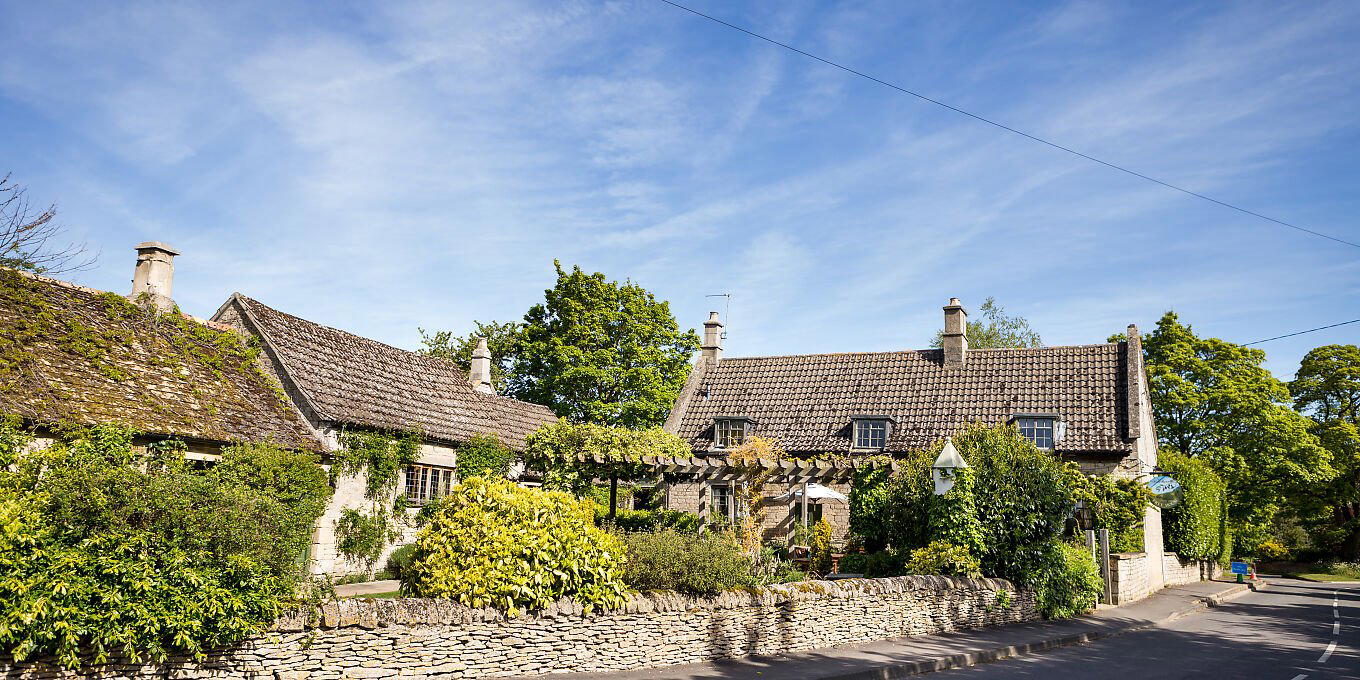
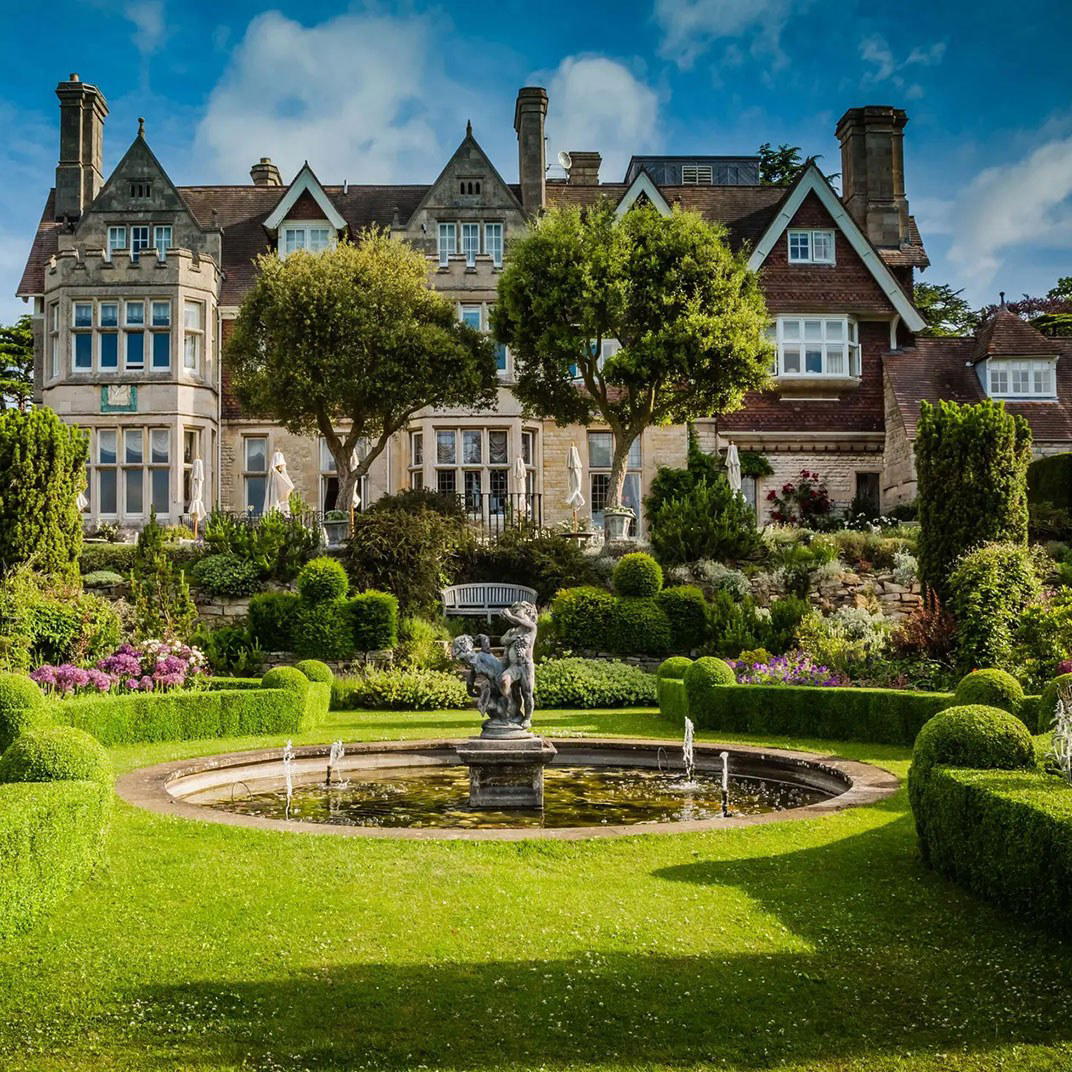
The drive to Hambleton Hall sets up the experience before you reach the front door. The late-Victorian house sits on a peninsula jutting into Rutland Water, and the approach through landscaped grounds gives the reservoir its full theatrical weight. This is a corner of Leicestershire that most London-based diners have never visited, which makes arrival feel like a discovery rather than a confirmation of something already widely documented. That relative obscurity is partly the point: the country house hotel format, at its most committed, has always operated at a remove from metropolitan food culture.
The country house dining tradition that Hambleton Hall represents is now a smaller, more pressured category than it was when Tim and Steffa Hart opened the property in 1980. Many of the houses that once defined the format have converted to wedding venues, dropped their restaurant ambitions, or been absorbed into branded hotel groups. Hambleton, independently owned since that first year, has stayed its course. The Harts purchased the property from a member of the Hoare banking dynasty, and the building carries the material confidence of that provenance: proportioned rooms, landscaped gardens, and a front-of-house brigade trained to the formalities of the tradition without the stuffiness that sometimes accompanied them. This is the context in which the kitchen operates, and it shapes the expectation a diner brings to the table.
Where Classical Cooking Holds the Line
Editorial framing of England's food decade tends to emphasise reinvention: the gastropub movement, the tasting-menu proliferation, the no-reservations naturalist kitchens. Hand and Flowers in Marlow made the case that pub dining could carry two Michelin stars; L'Enclume in Cartmel relocated fine dining to a village and redefined what a destination could be. Hambleton Hall's contribution to that conversation is different: it is a sustained argument that classical country house cooking, done with skill and consistency, remains a legitimate and valuable format.
Aaron Patterson has been the head chef here since 1992, a tenure that is now measured in decades rather than years. In an industry where kitchen restlessness is the norm, that kind of continuity produces something distinct: a cooking style that has been refined rather than reinvented, with seasonal produce forming the structural logic of the menu. The dishes documented in the awards record illustrate the approach. A starter built on heritage carrots with spiced carrot ice cream and coriander oil; jointed quail on seasonal greens with spinach tortellini and a fried quail's egg; poached halibut with wild garlic, egg yolk purée and morels, served warm rather than hot, as the menu notes directly. These are dishes that understand classical French technique and apply it to British ingredients without the self-consciousness that can make such combinations feel laboured. The kitchen also produces bread from its own artisan bakery, which is worth noting as a signal of how seriously the fundamentals are taken here.
The dessert record is similarly instructive. A blackcurrant soufflé described in reviews as featherlight and emphatic sits alongside a house 'walnut whip' with passion fruit marshmallow, which appears on the menu only periodically. The tiramisu, in its deconstructed version, attracted more divided opinion, which is itself a useful data point: the kitchen occasionally tests the classical framework, and the results are not always the point of consensus. That's the nature of cooking that reaches rather than settles.
Le Manoir aux Quat' Saisons in Great Milton and Gidleigh Park in Chagford occupy the same country house fine dining category, as does Restaurant Andrew Fairlie in Auchterarder in Scotland. Within London, the formal Modern British register is carried by restaurants including CORE by Clare Smyth, The Ledbury, and The Ritz Restaurant. Hambleton's Michelin star, held since 1984, places it in that upper tier. Its La Liste score of 89 points in 2025 and an Opinionated About Dining Classical in Europe ranking of 449th in 2025 position it as a recognised European reference point for the classical tradition, not merely a regional marker of quality.
The Wine List as a Statement of Intent
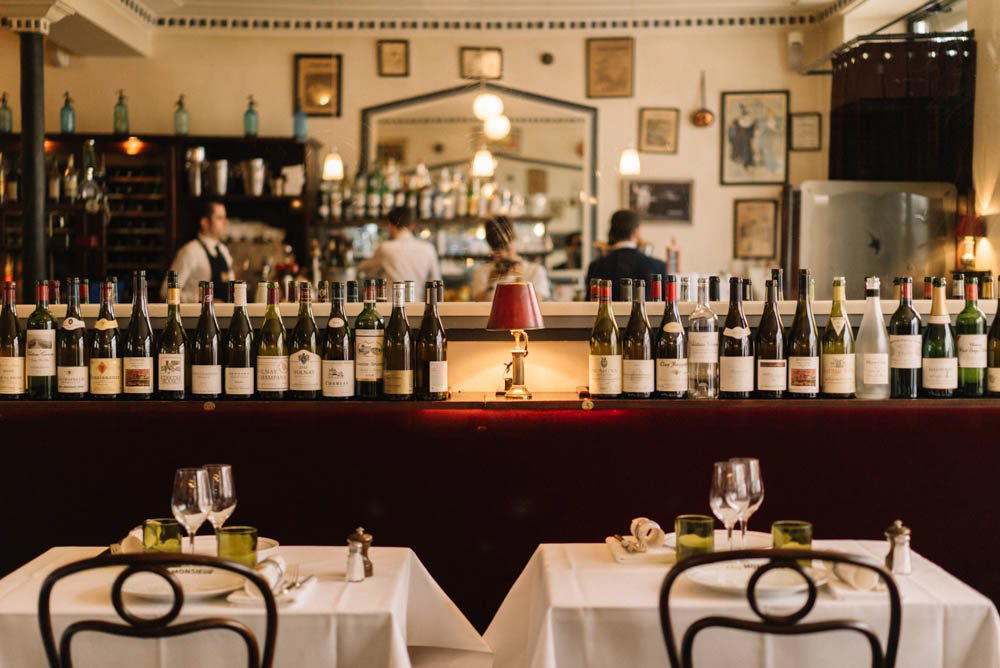
The 400-bin wine list at Hambleton Hall functions as editorial content in its own right. Wine lists of this scope at country house hotels can sometimes read as inherited collections, assembled over decades without a guiding intelligence. What distinguishes the Hambleton list, according to consistent reviewer observation, is its active curation: high-toned classics sit alongside what the menu describes as 'wines of the moment', and Coravin glass selections extend access to bottles that would otherwise require full-bottle commitment. This is a list built for drinkers who come to the table with knowledge, and it prices and structures itself accordingly. For diners whose principal interest is wine-and-food pairing at the classical end of the spectrum, the list is a primary reason to book rather than an afterthought.
The Room, the Setting, and the Register of the Experience
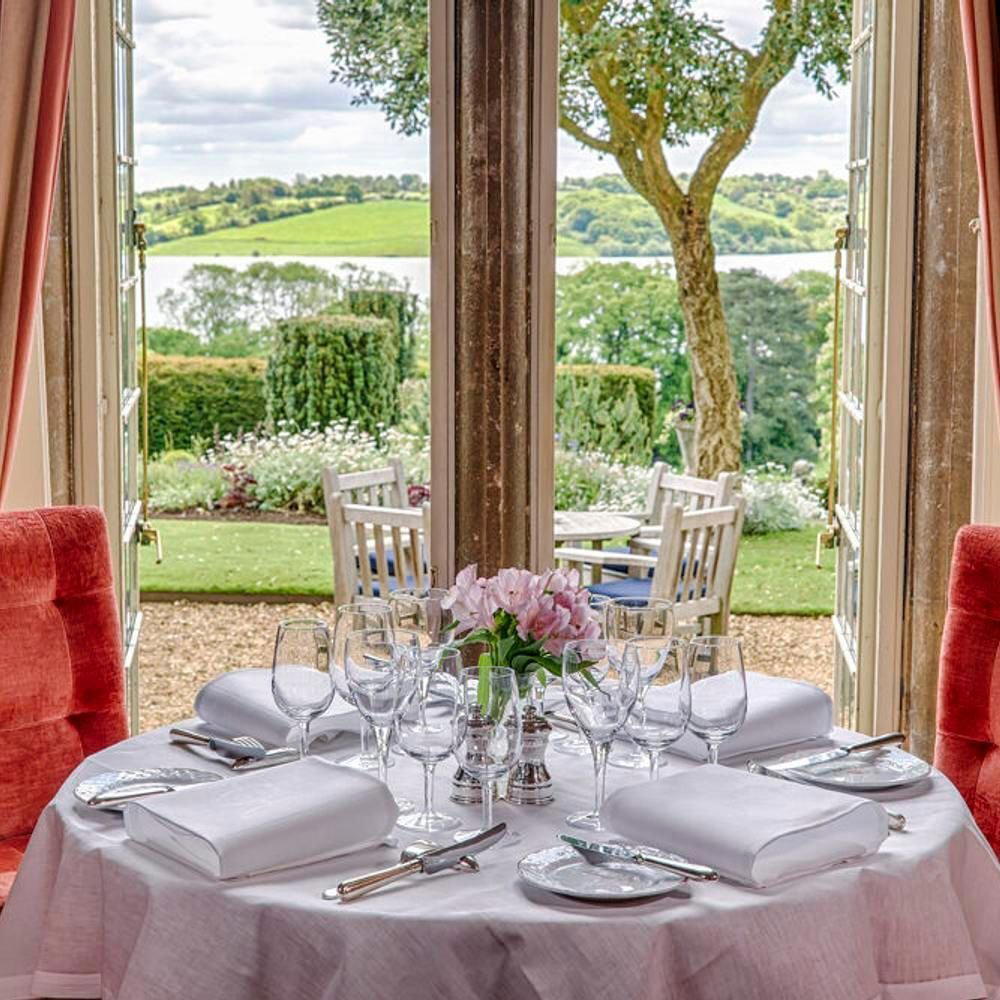
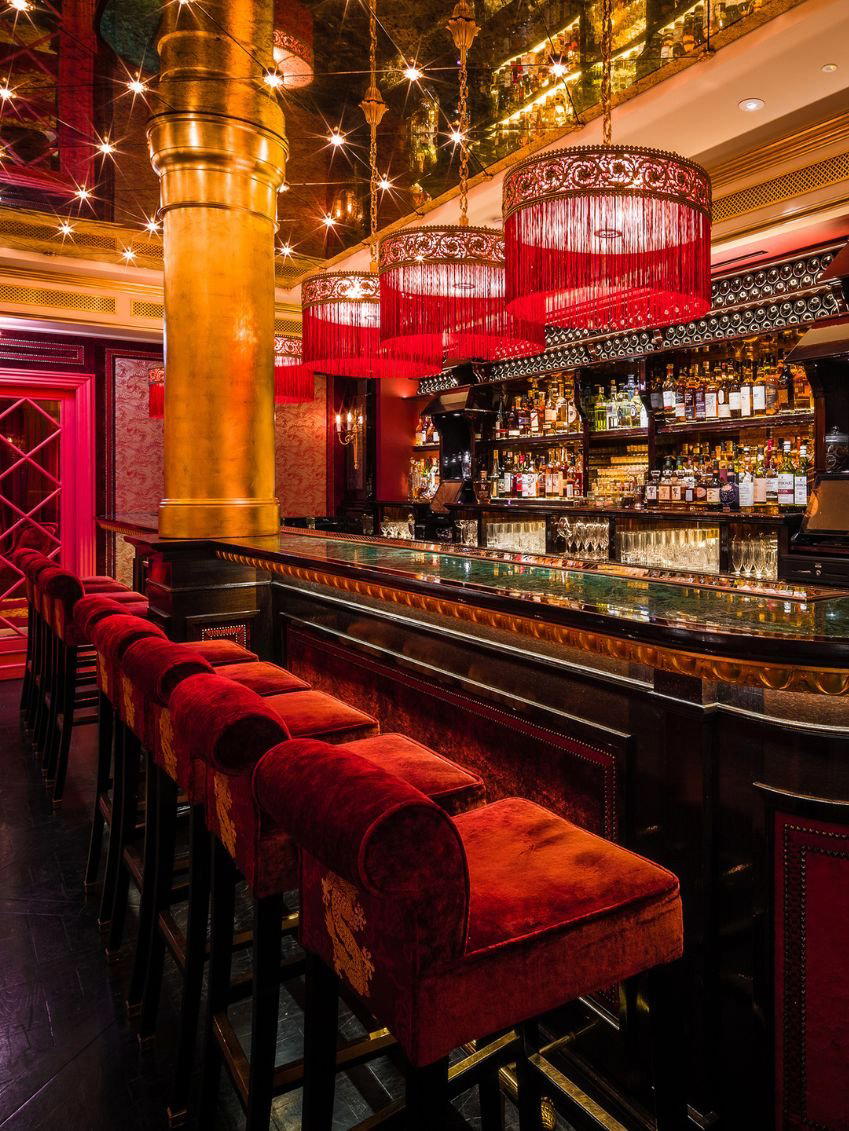
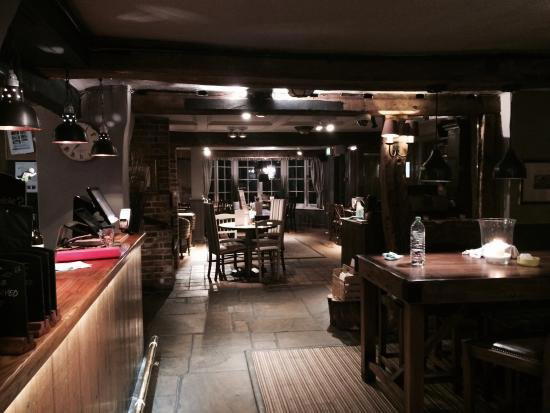
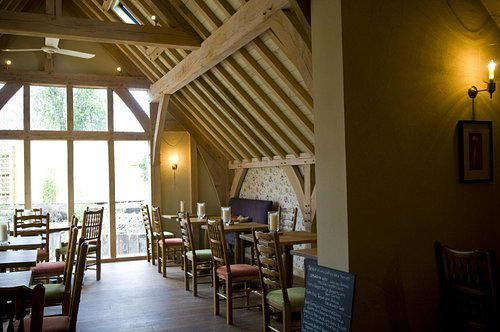
The interior at Hambleton Hall carries the formal weight you would expect from a late-Victorian country house: traditionally styled rooms, period proportions, and a front-of-house service standard described consistently in the record as exemplary. The service style is attentive without being intrusive, and it belongs to the older school of English hospitality in which the mechanics of the meal are handled so smoothly that the diner barely registers them. For those who find contemporary casual-dining informality a relief from ceremony, this is probably not the room. For those who believe the formal dining setting still serves a purpose in marking occasions and slowing down the pace of eating, Hambleton Hall makes the case with conviction.
View of Rutland Water from the grounds is a genuine landscape feature, not a peripheral detail. The reservoir, completed in the 1970s, is younger than the house itself and sits against the building in an unusual historical reversal: the Victorian pile looks out over a piece of engineered twentieth-century countryside. Rutland Water is now one of England's largest man-made lakes by area, and the peninsula setting gives Hambleton Hall a water-edge quality that few country house dining rooms in the English Midlands can match.
Planning a Visit
Hambleton Hall is located at Ketton Road, Oakham, LE15 8TH, in Rutland, approximately 25 miles east of Leicester and 20 miles south-west of Peterborough. Oakham is the county town of Rutland, England's smallest county, and the surrounding area is accessible by train via Oakham station on the Midland Main Line. The house operates as a hotel and restaurant, so an overnight stay is a logical extension of the dining visit and allows the setting and gardens to be properly appreciated. Booking in advance is advisable given the property's standing and its small number of dining covers relative to its reputation. For further reading on the local area, the EP Club guides to Oakham restaurants, Oakham hotels, Oakham bars, Oakham wineries, and Oakham experiences provide a complete picture of what the county offers. For those building a longer East Midlands itinerary, Hitchen's Barn is a nearby option worth including. Those comparing the country house format more broadly might also consider Moor Hall in Aughton, The Fat Duck in Bray, or Midsummer House in Cambridge for different expressions of the formal dining destination format, as well as hide and fox in Saltwood for a smaller-scale alternative.
Frequently asked questions
What's Hambleton Hall's location?
Hambleton Hall is located at Ketton Rd, Oakham LE15 8TH, United Kingdom, Oakham.
At-a-Glance Comparison
| Venue | Cuisine | Price | Awards | Notes |
|---|---|---|---|---|
| Hambleton HallThis venue (the venue you are viewing) | Classical French Fine Dining | $150–200 | 1 Michelin Star · La Liste Top Restaurants | Not listed |
| The Ledbury | Modern British Fine Dining | $300–500 | 3 Michelin Stars · World's 50 Best #42 | Modern European, Modern Cuisine |
| Sketch, The Lecture Room and Library | Modern French Fine Dining | $200–300 | 3 Michelin Stars · World's 50 Best #18 | Modern French |
| CORE by Clare Smyth | Modern British Fine Dining | $150–200 | 3 Michelin Stars · World's 50 Best #97 | Modern British |
| Restaurant Gordon Ramsay | French Fine Dining | $200–300 | 3 Michelin Stars · World's 50 Best #13 | Contemporary European, French |
| Dinner by Heston Blumenthal | Modern British, Traditional British | Not listed | Michelin 2 Star | Not listed |
Recognition history
Dated appearances from independent guides and award organizations, with the underlying list record or original source where available.
Michelin 1 Star
Michelin
La Liste Top Restaurants
La Liste
AA Rosettes 4 Rosettes
AA Rosettes
Harden's Top 100 UK Restaurants #35
Harden's
Relais Chateaux Award
Relais Chateaux
Full recognition history (11 entries)
La Liste Top Restaurants
La Liste
Michelin 1 Star
Michelin
Opinionated About Dining Classical in Europe Ranked #449
Opinionated About Dining
The Good Food Guide GFG Very Good
The Good Food Guide
Michelin 1 Star
Michelin
Opinionated About Dining Classical in Europe Recommended
Opinionated About Dining
Continue exploring
More in Oakham
Hambleton Hall
The wine
- Wine program
- Deep wine list
- Extensive wine list
- Sommelier-led
Details
- Elegant
- Romantic
- Classic
- Sophisticated
- Scenic
- Special Occasion
- Celebration
- Date Night
- Business Dinner
- Group Dining
- Hotel Restaurant
- Waterfront
- Garden
- Private Dining
- Terrace
- Extensive Wine List
- Sommelier Led
- Local Sourcing
- Farm To Table
- Waterfront
- Garden
- A La Carte
- Tasting Menu
- Wine
- Artisan Bread
- Vegetarian Friendly
- Allergy Accommodating
Traditionally styled Victorian hunting lodge with cosy, luxurious interiors enhanced by lakeside setting; warm lighting in intimate dining spaces with views of manicured gardens and water.