Prévost @ Haycock Manor


Michelin Plate · AA Rosettes 3 Rosettes · The Good Food Guide GFG Very Good
Our verdict
Set in the orangery of a 16th-century coaching inn near Burghley House, Prévost brings Michelin Plate-recognised modern cuisine to a corner of Northamptonshire that rarely appears on serious dining itineraries. Three set menus running up to eight courses place the accent on sourced ingredients and technically precise sauces, with a drinks list spanning global producers by the glass.

Pearl is the En Primeur Club membership app — saves, bookings, and concierge access live there. Same editors, same standards.
- Address
- The Haycock Manor Hotel, Wansford, Peterborough PE8 6JA, United Kingdom
- Phone
- +44 1780 782223
- Hours
- Mon–Tue ClosedWed 6–9 PMThu–Sat 12–2 PM, 6–9 PMSun Closed
- Website
- haycock.co.uk
- Directions
- Get directions
- Booking
- Book on ResDiary
A Coaching Inn Orangery as the Setting for Serious Cooking
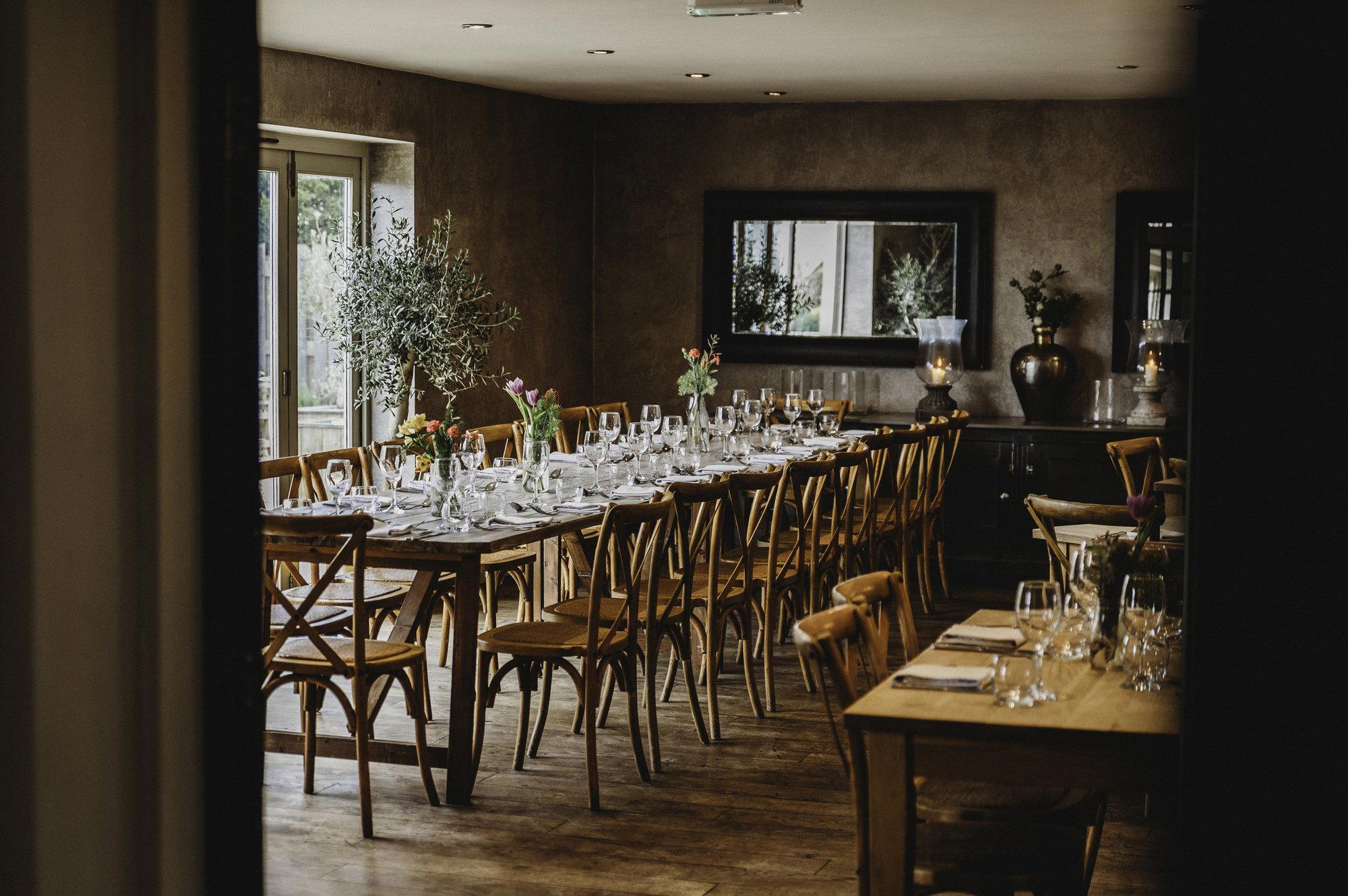
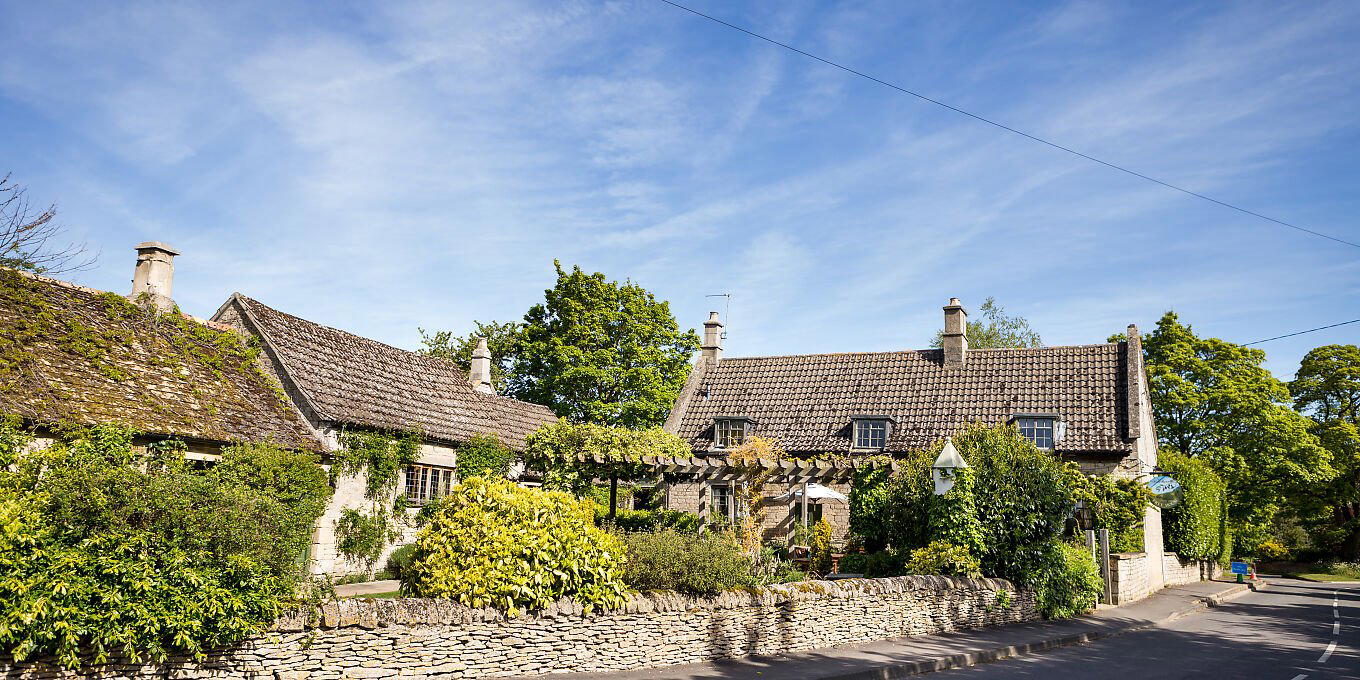
The drive into Wansford from the A1 offers little warning of what follows. The village is the kind of place that appears unchanged across decades: stone buildings, a wide river, a pronounced quiet. The Haycock Manor Hotel sits at its centre, a former 16th-century coaching inn whose interior retains stone walls and low-lit corridors before opening into an orangery that operates as an entirely different register. French windows look out onto the gardens; birdcage chandeliers hang overhead; a faux olive tree threaded with fairylights anchors the room. It is a studied contrast, and one that sets the tone for cooking that treats its rural postcode not as a limitation but as a supply network.
England's premium hotel-restaurant model has long been dominated by properties in the Cotswolds and Home Counties. The Haycock occupies a different corridor: the Nene Valley stretch between Stamford and Peterborough, close to Burghley House and the flat, agricultural land that produces much of the East Midlands' leading primary ingredients. Prévost, which relocated here from Peterborough city centre in 2021, has taken advantage of that geography in ways that distinguish it from similarly priced contemporaries further south. For comparable cooking within hotel settings, [Le Manoir aux Quat' Saisons, a Belmond Hotel in Great Milton]() and Gidleigh Park in Chagford represent the established benchmarks, but they also carry the price premium of their reputations. Prévost sits in the same format category while remaining less known nationally, which at this level means better availability and, at the three-course tier, prices that the venue's Michelin Plate recognition and cooking quality would justify at a higher point.
Where the Food Comes From and Why It Shows
The sourcing logic at Prévost is not decorative. The kitchen's relationship with named producers runs through the menu in ways that confirm rather than announce it. Bread and butter sourced from Ampersand Dairy in Oxfordshire arrives at the table freely replenished, a signal of kitchen confidence in its basics that tighter operations often overlook. Shrimps from King's Lynn appear in a kombu dashi with cod alongside Jersey Royals and lightly pickled cucumber. The geography here is coherent: East Anglian coastal catch, local shellfish, and seasonal vegetables positioned not as accent ingredients but as the structural components of the dish.
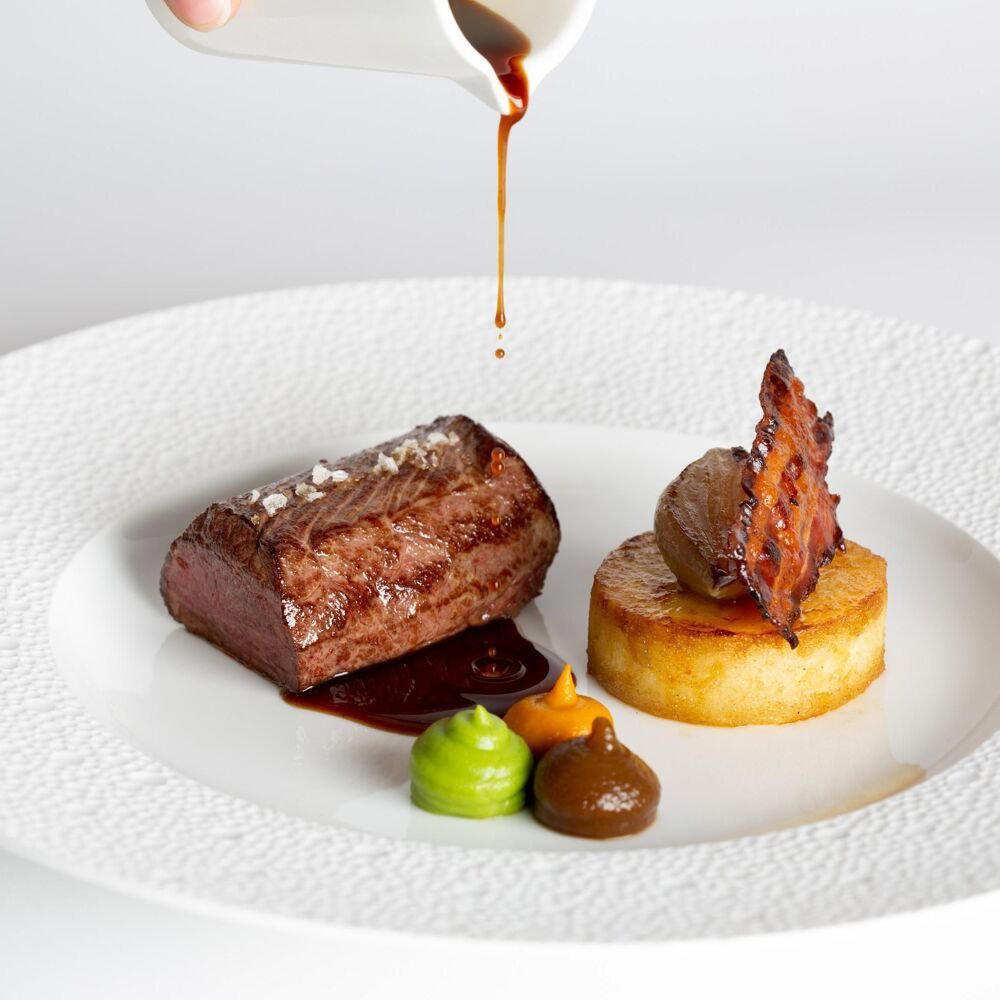
This approach to regional sourcing places Prévost in a peer conversation with kitchens like L'Enclume in Cartmel and Moor Hall in Aughton, both of which have built reputations partly on the argument that distance from London is not a disadvantage when the surrounding land and coast are your larder. The East Midlands and Fenland supply chain is less celebrated than the Lake District's, but the ingredients themselves, from Lincolnshire livestock to North Sea and Wash catches, make a credible case. A Longhorn short rib main, served with pickled walnut and a roast-beef jus, draws directly on that cattle-farming tradition. That the dish arrives tender and well-seasoned matters; that the accompanying sauce concentrates the argument about provenance into a single spoonful matters equally.
Consommés and sauces are, by the kitchen's own emphasis, where technique and sourcing converge most visibly. A runner bean and elderflower consommé served as a snack at inspection is the kind of course that gets cited in reviews precisely because it is difficult to execute without strong base ingredients: the clarity of a consommé reflects both the quality of the raw material and the discipline of the preparation. The duck jus referenced in Michelin's assessment carries the same implication. These are not decorative flourishes but indicators of a kitchen working at a level that its Michelin Plate recognition in 2024 has begun to document publicly.
Kitchen Transition and What to Expect
A note on kitchen continuity: the cooking described in Michelin's assessment and early press coverage was produced under the previous head chef, who trained at L'Enclume in Cartmel before joining Prévost. The kitchen is now led by Rikki Hughes, formerly head chef at 263 Preston before its transition into Aven. The structural format, including three set menus running up to eight courses and the orangery setting, remains in place. Visitors booking now should treat the experience as in documented transition rather than as a confirmed continuation of the previous inspection result.
What is not in transition is the sourcing framework or the format logic, both of which are embedded in the restaurant's design rather than its personnel. The three-course option has historically offered strong value relative to the tasting menu, given the supplementary snacks and pre-dessert courses brought to the table as part of the experience. That value argument is likely to hold under the new kitchen, though dish-level specifics should be treated as subject to change until a current review confirms them.
The Drinks List and How to Approach It
The wine list at Prévost is described as a global survey with limited annotation, which is a format that rewards experience more than curiosity. By-the-glass options are available and represent the more accessible entry point for guests who want to match pours to each course without committing to a full bottle. For those navigating the full list, a conversation with front-of-house will likely be more useful than the list itself in its current form. Service at Prévost has been characterised as attentive and energetic, with younger staff who make up in attentiveness what they lack in formal sommeliers' depth. That dynamic is common at serious regional restaurants operating outside the staffing pools of London and the major university cities, and it generally produces a warmer room than the more scripted service at places like The Ledbury in London or Restaurant Andrew Fairlie in Auchterarder.
Planning a Visit
Prévost sits within the Haycock Manor Hotel in Wansford, just off the A1 near the Peterborough junction, making it accessible by car from Cambridge, Leicester, and Nottingham in under an hour. The village has no rail connection; driving is the practical choice. Booking ahead is advisable given the room's size and the format's tasting-menu structure, though the relative obscurity of the Nene Valley on the national dining circuit means tables are more available here than at comparably recognised restaurants in the Cotswolds. Price range sits at ££££, which at the three-course level represents stronger value than the equivalent tier in London; the tasting menu carries a higher commitment per head. The hotel itself is available for overnight stays, which makes a full tasting menu dinner a more sensible proposition if the drive distance is a factor.
For further reading on dining and staying in the area, see our full Wansford restaurants guide, our full Wansford hotels guide, our full Wansford bars guide, our full Wansford wineries guide, and our full Wansford experiences guide. For context on where Prévost sits within the broader field of modern cuisine in the UK and beyond, Midsummer House in Cambridge, Opheem in Birmingham, and hide and fox in Saltwood offer useful comparisons for regional ambition at a similar price point. At the higher end of the modern cuisine register, The Fat Duck in Bray, Hand and Flowers in Marlow, Frantzén in Stockholm, and FZN by Björn Frantzén in Dubai represent the international tier against which serious regional kitchens measure their ambitions.
Frequently asked questions
Is Prévost @ Haycock Manor okay with children?
Is Prévost @ Haycock Manor better for a quiet night or a lively one?
What should I eat at Prévost @ Haycock Manor?
| Venue | Cuisine | Awards |
|---|---|---|
| Prévost @ Haycock ManorThis venue — the venue you are viewing | Modern British Fine Dining | Michelin Plate · AA Rosettes 3 Rosettes |
| The Ledbury | Modern European, Modern Cuisine | Michelin 3 Star |
| Sketch, The Lecture Room and Library | Modern French | Michelin 3 Star |
| CORE by Clare Smyth | Modern British | Michelin 3 Star |
| Restaurant Gordon Ramsay | Contemporary European, French | Michelin 3 Star |
| Dinner by Heston Blumenthal | Modern British, Traditional British | Michelin 2 Star |
Recognition history
Dated appearances from independent guides and award organizations, with the underlying list record or original source where available.
Michelin Plate
Michelin
AA Rosettes 3 Rosettes
AA Rosettes
The Good Food Guide GFG Very Good
The Good Food Guide
Full recognition history (5 entries)
Michelin Plate
Michelin
Michelin Plate
Michelin
Continue exploring
More in Wansford
Restaurants in Wansford
Browse all →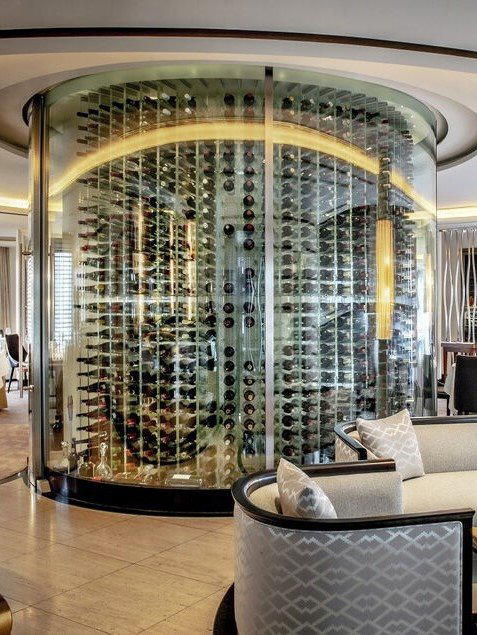
Bars in Wansford
Browse all →
Hotels in Wansford
Browse all →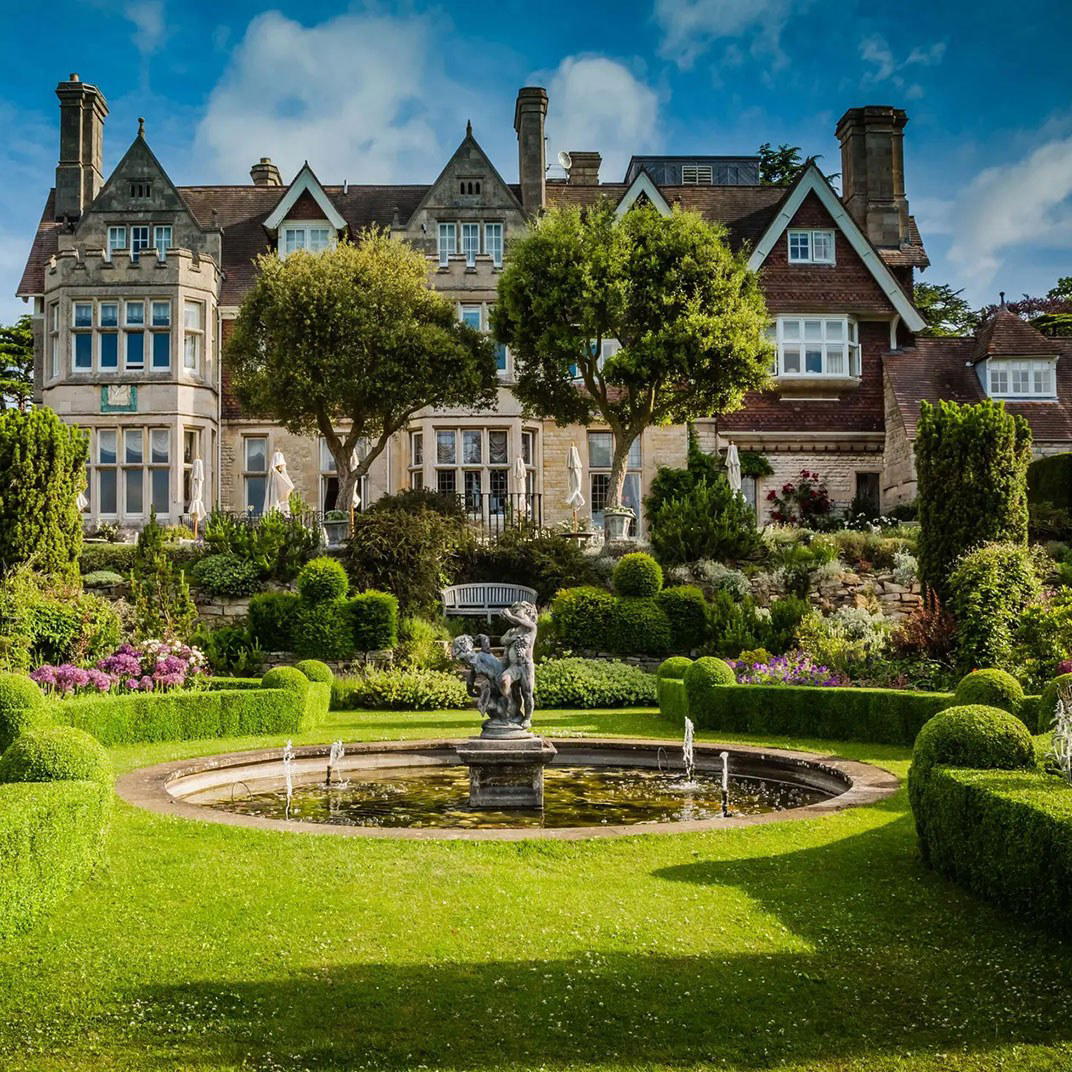
Details
- Elegant
- Cozy
- Sophisticated
- Date Night
- Special Occasion
- Hotel Restaurant
- Historic Building
- Extensive Wine List
- Garden
- Tasting Menu
- A La Carte
Current opening hours
- Monday
- Closed
- Tuesday
- Closed
- Wednesday
- 6–9 PM
- Thursday
- 12–2 PM, 6–9 PM
- Friday
- 12–2 PM, 6–9 PM
- Saturday
- 12–2 PM, 6–9 PM
- Sunday
- Closed
Hours can change for holidays and private events. Last verified .
Softly lit stone-walled interior transitioning to a light-filled orangery with French windows overlooking gardens, birdcage chandeliers, and an olive tree centerpiece with fairylights.