Google: 4.7 · 206 reviews
Hambledon Vineyard
.png)
Sitting on what is reputedly England's oldest commercial vineyard, Hambledon Vineyard restaurant pairs estate-grown sparkling wine with seasonal dishes in a timber-and-glass dining room overlooking the South Downs. The kitchen garden is visible from the approach path, and its produce appears on the plate shortly after. For Hampshire, this is as close to field-to-fork dining as the county offers.
 Discover on Pearl
Pearl is the En Primeur Club membership app — saves, bookings, and concierge access live there. Same editors, same standards.
Where the Kitchen Garden Meets the Chalk Downs
The walk from the car park to the dining room at Hambledon Vineyard tells you most of what you need to know before you sit down. The path runs alongside a working kitchen garden, and the ingredients visible through the planting — herbs, salad leaves, seasonal vegetables — are not decorative. They are the afternoon's mise en place. In an era when provenance claims appear on menus with little supporting evidence, the transparency here is structural: the source is physically adjacent to the table.
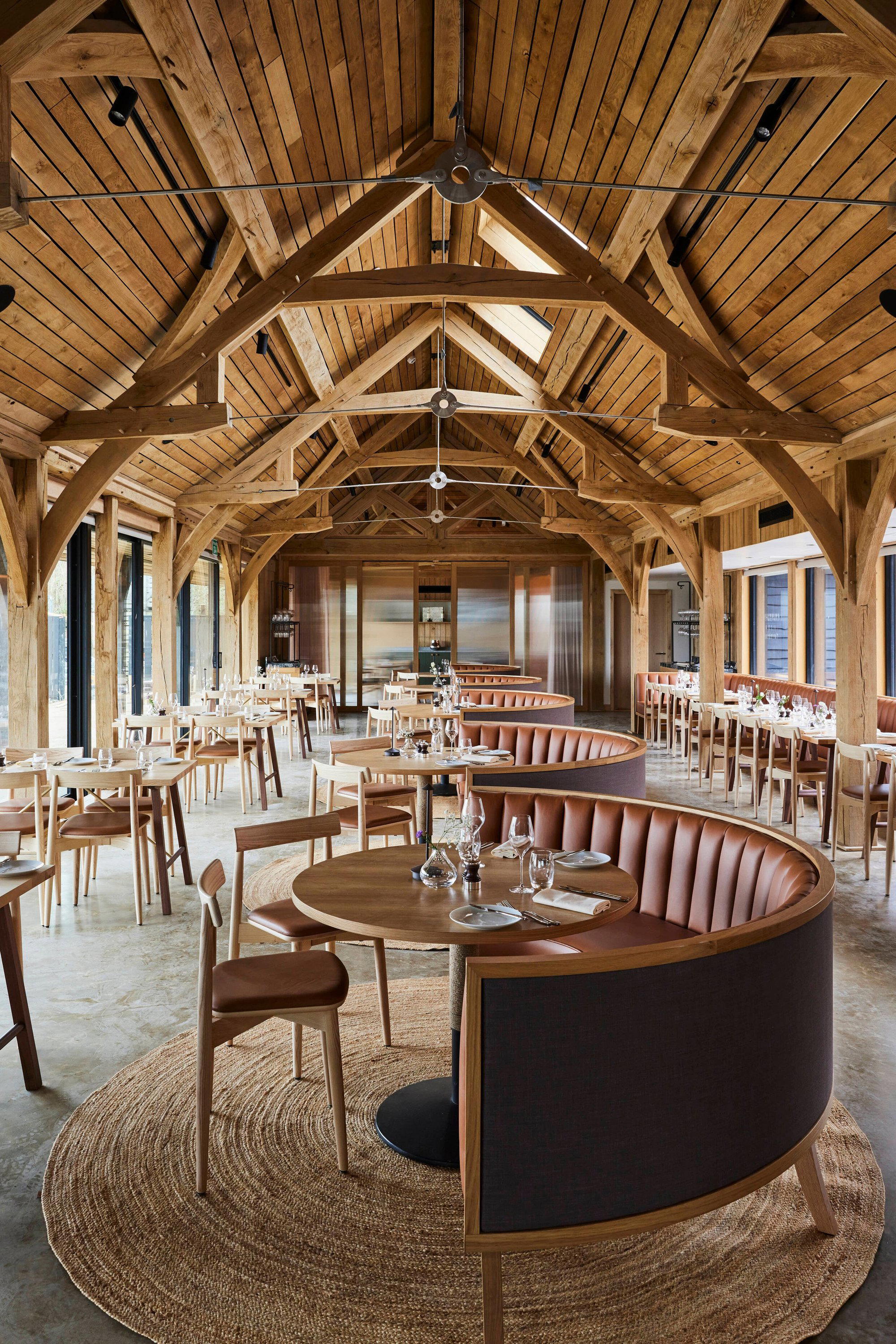
England's vineyard dining scene has matured considerably over the past decade. Properties in Sussex, Kent, and Hampshire have moved from offering a glass of wine with a cheese board toward full restaurant operations with sourcing programs, seasonal menus, and serious kitchens. Hambledon sits at the more developed end of that spectrum. The dining room, a timber-and-glass structure, is designed to keep the outside visible. Facing the vines with the South Downs rising behind them, the room reads less like a restaurant attached to a winery and more like a place where the landscape is the primary architectural feature.
Provenance as the Central Argument
The ingredient-sourcing model at vineyard restaurants in southern England draws from a specific geography: chalk-and-clay soils, temperate maritime conditions, and a farming tradition that has supplied London's better kitchens for generations. Hampshire in particular has long been a reliable source of game, watercress, and seafood from the coast at Southsea and beyond. A dish like sea bream with tomato risotto, which appears among the kitchen's output at Hambledon, fits within that coastal-meets-garden logic: the fish coming from nearby South Coast waters, the tomatoes most plausibly from the kitchen garden visible on arrival.
This kind of short supply chain is common enough in the broader farm-to-table category, but vineyard restaurants carry an additional layer of integration that distinguishes them from destination country-house dining. The wine is not sourced from a supplier list. It comes from the same chalk terroir underfoot. Hambledon's sparkling wine, produced from the estate's own vines, is the natural opening pour, and the relationship between what is in the glass and what is on the plate reflects a coherence that takes years of agricultural and culinary investment to achieve.
England's sparkling wine category has shifted the country's vinous reputation decisively over the past two decades, with Hampshire and Sussex producers consistently drawing comparisons to Champagne in blind tastings and earning attention from international buyers. Hambledon, operating on what is reputedly the oldest commercial vineyard in England, sits at the historical origin point of that category. That context matters at the table: the wine you are drinking is not a regional novelty but a product from one of the founding sites of English sparkling wine production.
The Setting and When to Go
The South Downs backdrop shifts character across the year, and the timing of a visit to Hambledon rewards some thought. Peak interest months run from June through to October, when the vines are in full leaf or moving toward harvest and the kitchen garden is at maximum yield. A June lunch allows the longest natural light and the fullest view of the growing season. September and October carry a different appeal: harvest activity on the estate and the transition in seasonal produce from summer salads and fish dishes toward game and autumnal ingredients from the surrounding Hampshire countryside.
For those planning a broader Hampshire or South Downs itinerary, Hambledon village sits in the county's interior, away from the coastal noise of Portsmouth and Southampton. The setting is quiet in a way that encourages a long lunch rather than a quick cover. Booking ahead is advisable, particularly for weekend visits during the summer and harvest seasons when the combination of estate activity and dining draws consistent demand.
For context on the wider regional dining picture, our full Hambledon restaurants guide maps the local options, while our Hambledon wineries guide covers the estate's wine production in more depth. If you are planning a multi-day visit, our Hambledon hotels guide and our Hambledon experiences guide cover accommodation and estate activities. The Hambledon bars guide is also worth consulting for pre- or post-dinner options in the area.
How Hambledon Sits in the Broader English Dining Picture
Vineyard dining in England occupies a specific tier that sits outside the metropolitan Michelin circuit. The reference points for Hambledon are not the tasting-menu counters of London, such as CORE by Clare Smyth, or the destination fine-dining properties that draw guests from across the country, such as The Fat Duck in Bray or L'Enclume in Cartmel. Those properties compete on kitchen technique and conceptual ambition. Hambledon competes on integration: the coherence between estate, terroir, kitchen garden, and plate.
The closer peer group is the category of British properties where location and produce sourcing drive the proposition as much as technical cooking. Places like Gidleigh Park in Chagford or Le Manoir aux Quat' Saisons in Great Milton operate with kitchen gardens and strong estate identities. What separates Hambledon from that country-house category is the wine dimension: the estate produces the wine served at the table, which is a level of vertical integration those properties do not replicate. Properties like hide and fox in Saltwood or Hand and Flowers in Marlow show how seriously English provincial dining now takes sourcing and craft, but neither operates within an active vineyard. For internationally minded readers, the model shares DNA with estate restaurants in Burgundy or Napa, though at a lower price point and with an English informality that places it closer to a generous, well-sourced lunch than a formal tasting experience. Le Bernardin in New York or Atomix represent a completely different ambition tier; the comparison is useful only to underscore that Hambledon is not competing for technical formality but for a different quality: the sense that the place producing the food and wine has done so with genuine agricultural commitment.
Other strong regional points of reference for readers building a British dining itinerary include Moor Hall in Aughton, Midsummer House in Cambridge, Opheem in Birmingham, and Restaurant Andrew Fairlie in Auchterarder, each of which defines a distinct regional character in British cooking.
Planning Your Visit
Hambledon Vineyard is located at East Street, Hambledon, Waterlooville, PO7 4RY. The village is most easily reached by car from the A3 corridor connecting Portsmouth and London, making it a practical stop for those travelling between the South Coast and the capital. Weekend bookings during June, September, and October will see the highest demand, and reservations made well in advance are the more reliable approach during those periods. A weekday lunch in the shoulder months of the season offers a quieter experience of the same estate, with the South Downs light at its most useful for appreciating the view from the dining room. The estate's own sparkling wine is the logical choice for an opening glass, and allowing time to walk the kitchen garden before or after the meal adds a layer of context that makes the sourcing story tangible rather than abstract.
At-a-Glance Comparison
These are the closest comparables we have in our database for quick context.
| Venue | Cuisine | Price | Awards |
|---|---|---|---|
| Hambledon VineyardThis venue — the venue you are viewing | |||
| The Ledbury | Modern European, Modern Cuisine | ££££ | Michelin 3 Star |
| Sketch, The Lecture Room and Library | Modern French | ££££ | Michelin 3 Star |
| CORE by Clare Smyth | Modern British | ££££ | Michelin 3 Star |
| Restaurant Gordon Ramsay | Contemporary European, French | ££££ | Michelin 3 Star |
| Dinner by Heston Blumenthal | Modern British, Traditional British | ££££ | Michelin 2 Star |
Continue exploring
More in Hambledon
Restaurants in Hambledon
Browse all →
Bars in Hambledon
Browse all →
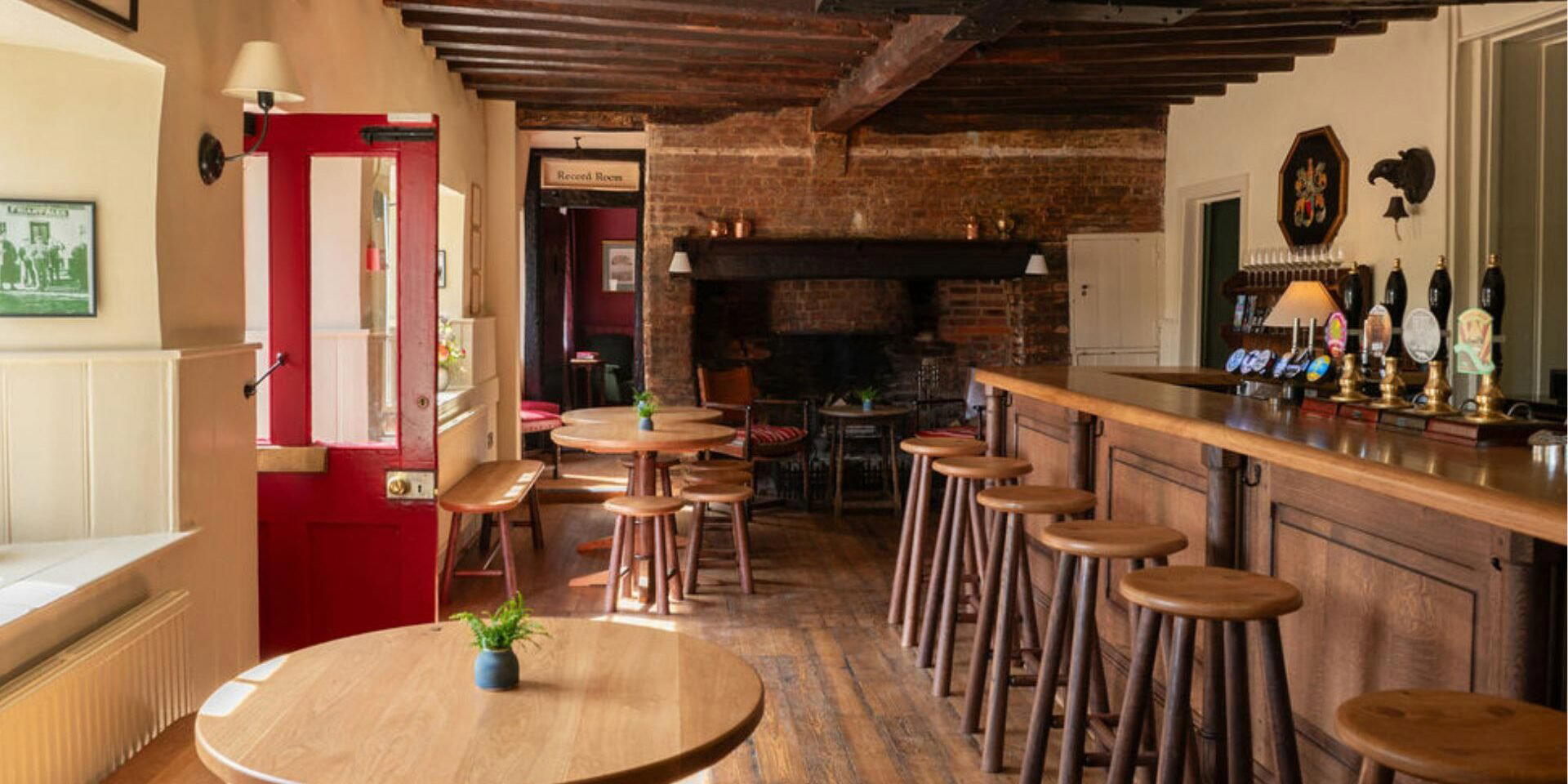
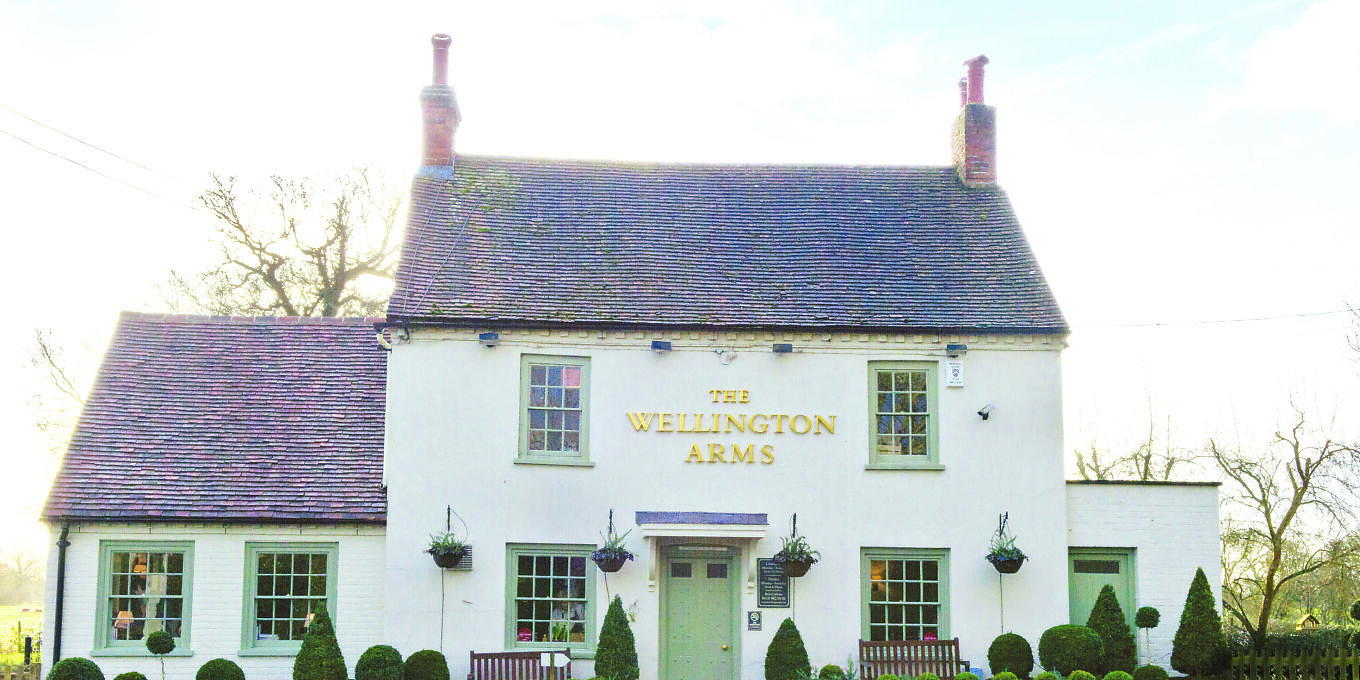
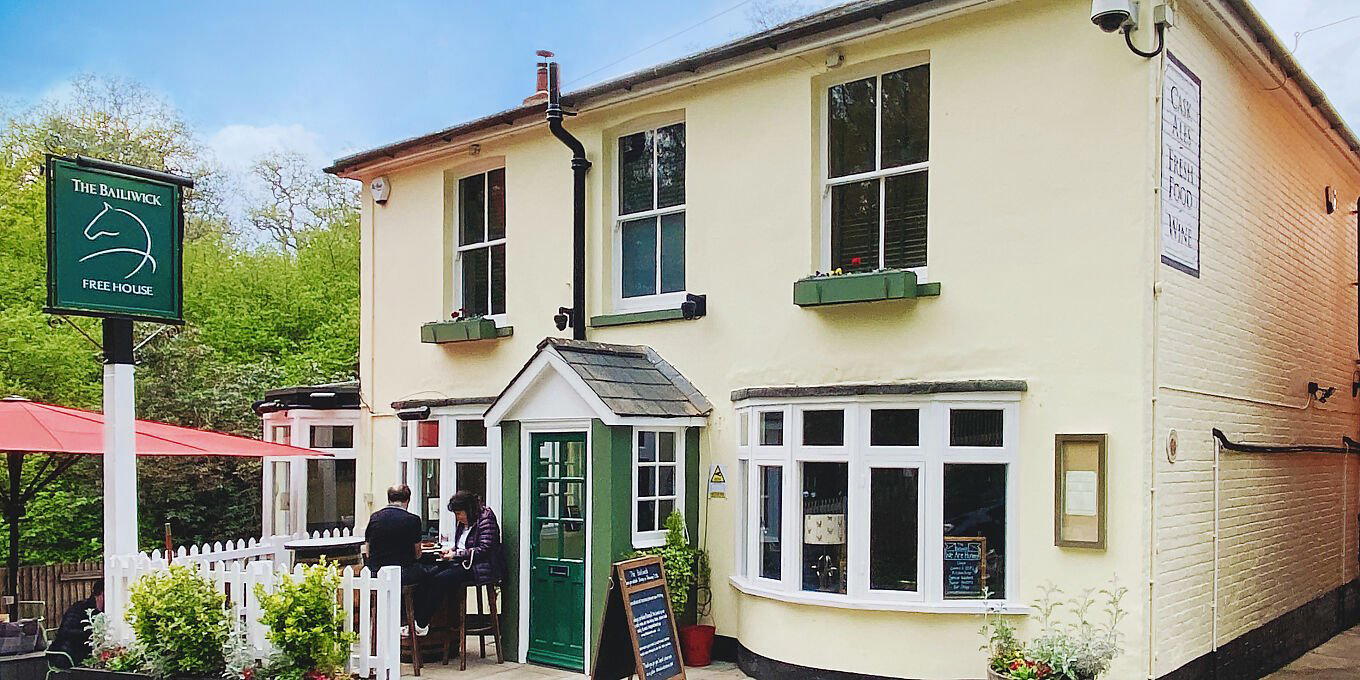
Hotels in Hambledon
Browse all →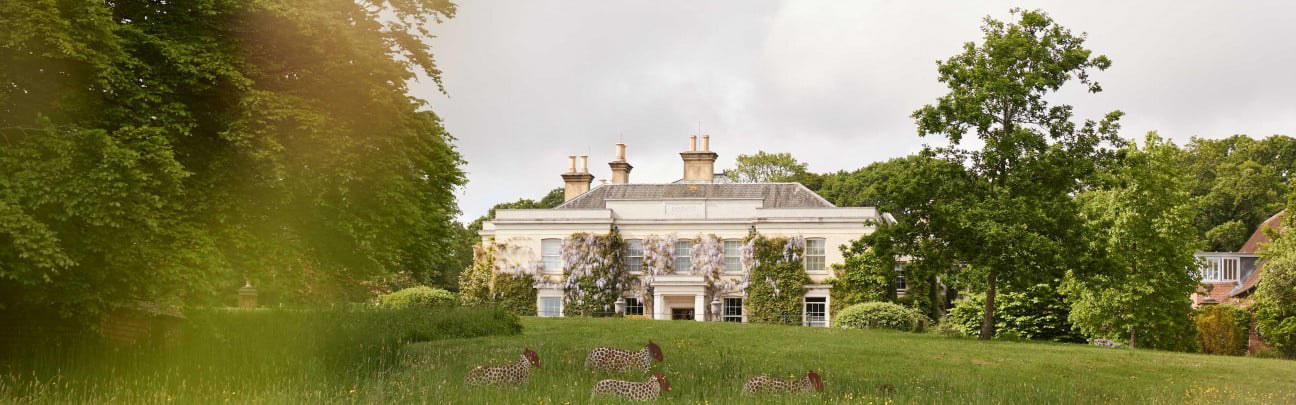
Wineries in Hambledon
Browse all →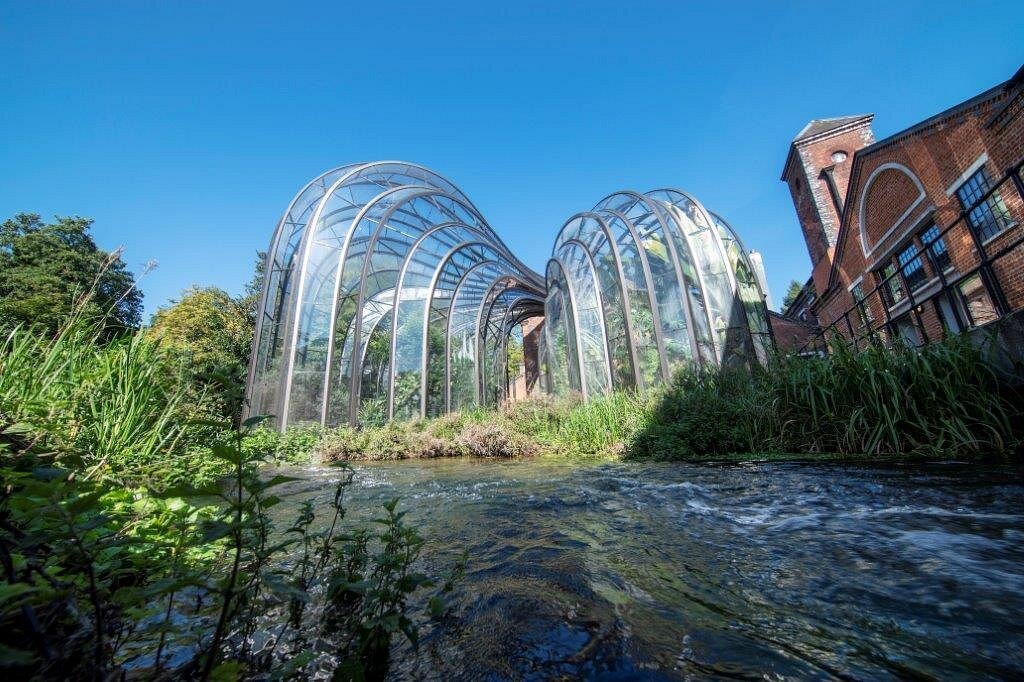
At a Glance
- Scenic
- Elegant
- Rustic
- Serene
- Intimate
- Special Occasion
- Date Night
- Celebration
- Terrace
- Private Dining
- Extensive Wine List
- Local Sourcing
- Farm To Table
- Vineyard
- Garden
Serene and welcoming with natural light flooding the timber-and-glass space, offering picturesque vineyard views and a relaxed yet elegant atmosphere.