.png)
At Gran Via del Marqués del Túria, 62, Haku brings a specific and documented culinary proposition to València's L'Eixample district: Japanese-Italian omakase, anchored by a 50/50 vinegar blend of traditional rice vinegar and Modena balsamic on the nigiris. Holding a Michelin Plate in both 2024 and 2025, it occupies a niche that no other counter in the city directly replicates, sitting at the €€€ price tier alongside peers like Saiti and Llisa Negra.
 Discover on Pearl
Pearl is the En Primeur Club membership app — saves, bookings, and concierge access live there. Same editors, same standards.
- Address
- Gran Via del Marqués del Túria, 62, L'Eixample, 46005 València, Valencia, Spain
- Phone
- +34 628 86 95 25
- Website
- hakuvalencia.es
Where the Counter Becomes the Room
L'Eixample is València's grid-plan residential and commercial district, built on the late-19th-century expansion that pushed the city beyond its medieval walls. The neighbourhood's wide boulevards and mid-rise apartment buildings give it a quieter register than the old town, and its restaurant culture reflects that: fewer tourist-facing terraces, more locals eating deliberately. Gran Via del Marqués del Túria is one of the district's principal arteries, and at number 62, Haku occupies a space that rewards the short walk from the city centre's more obvious circuits.
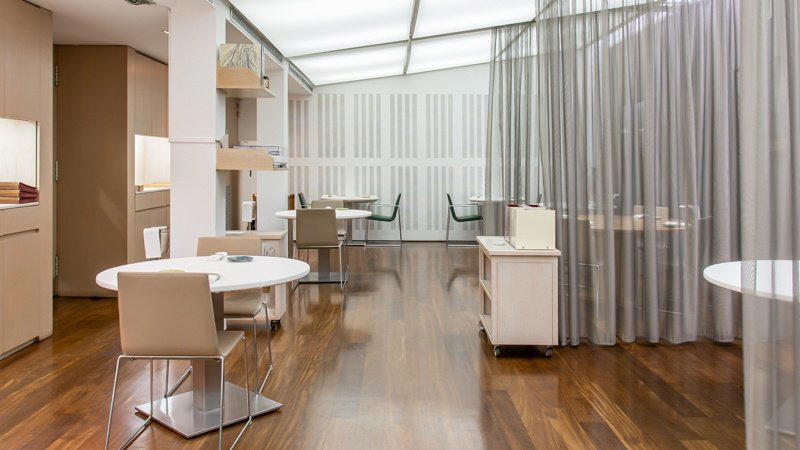
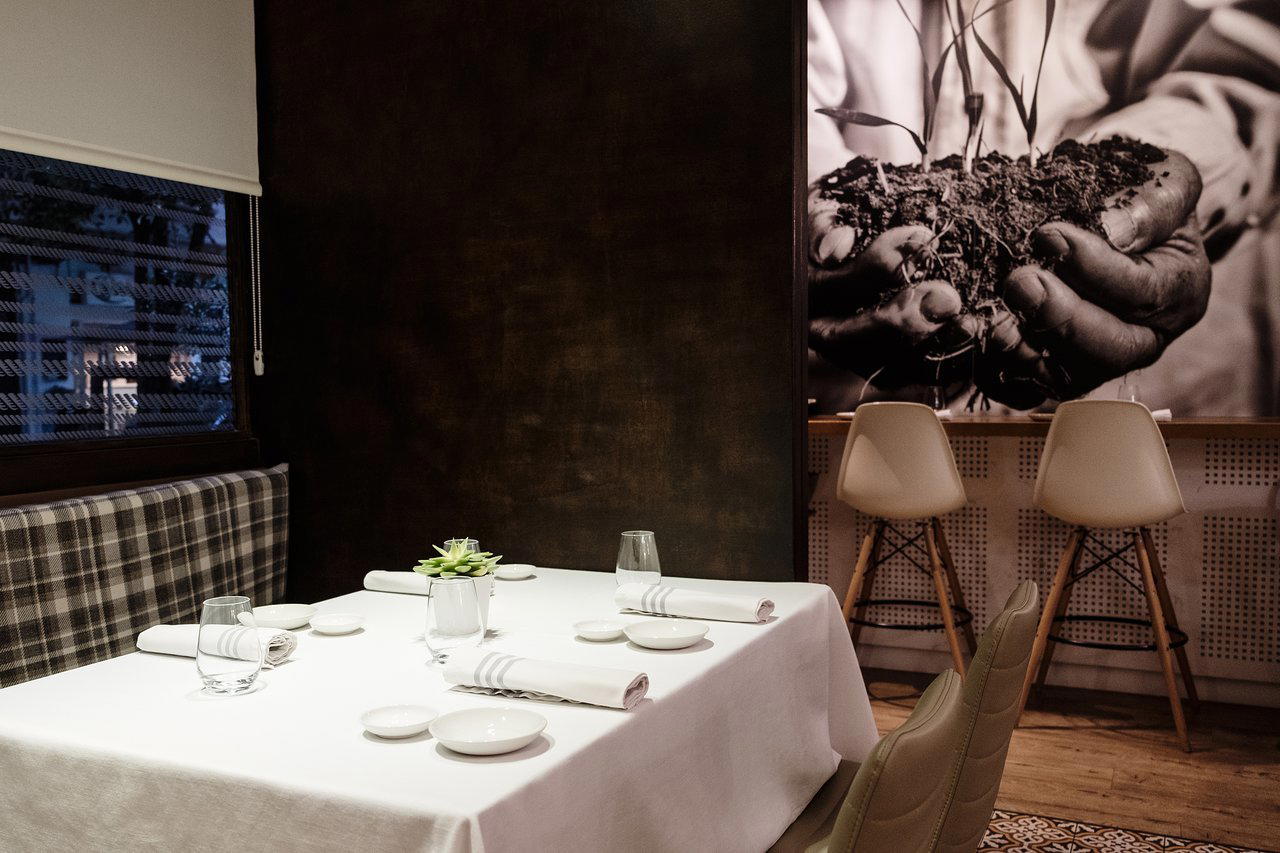
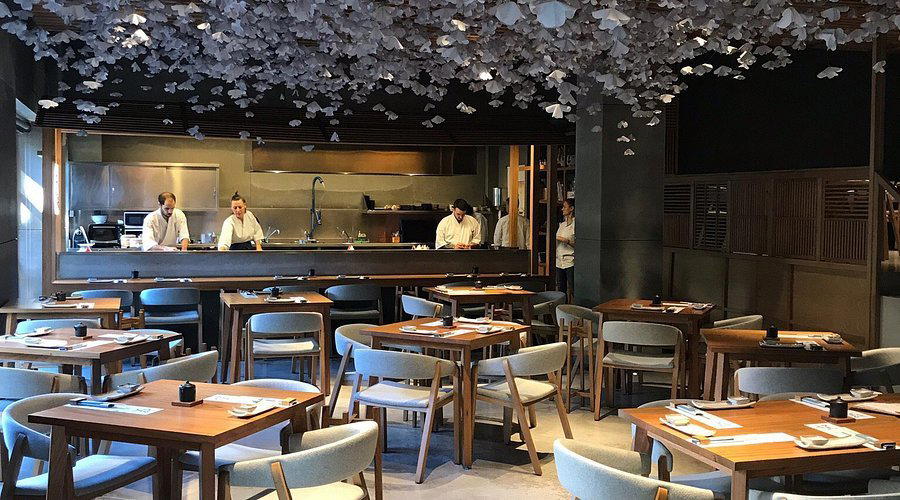
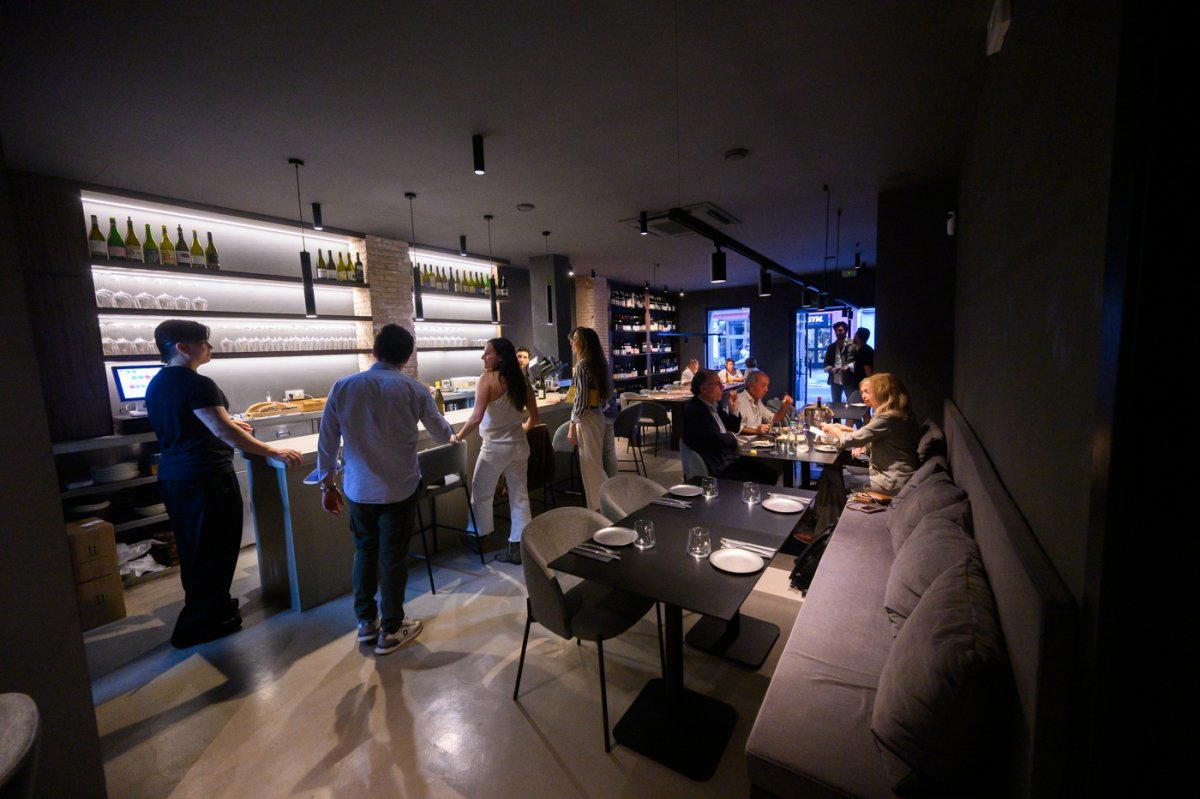
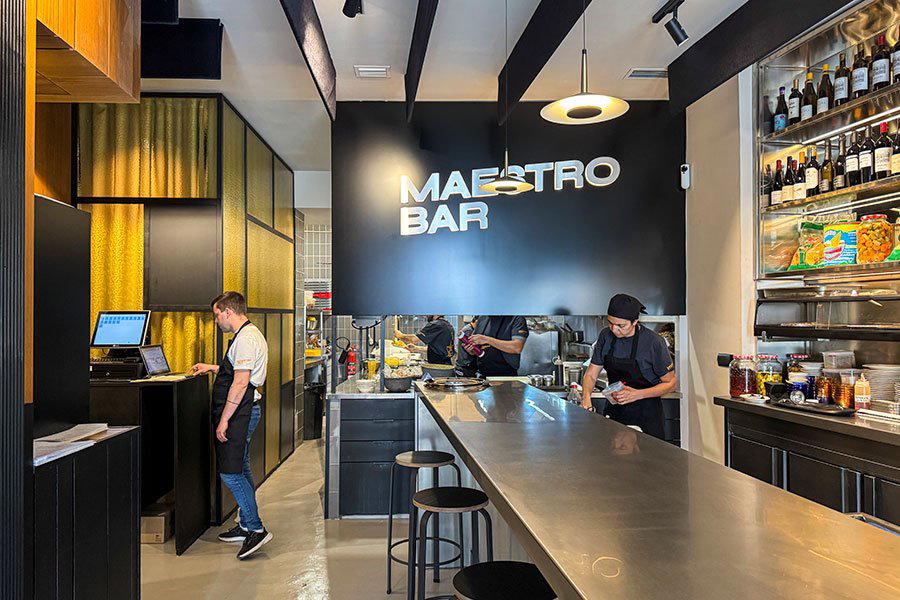
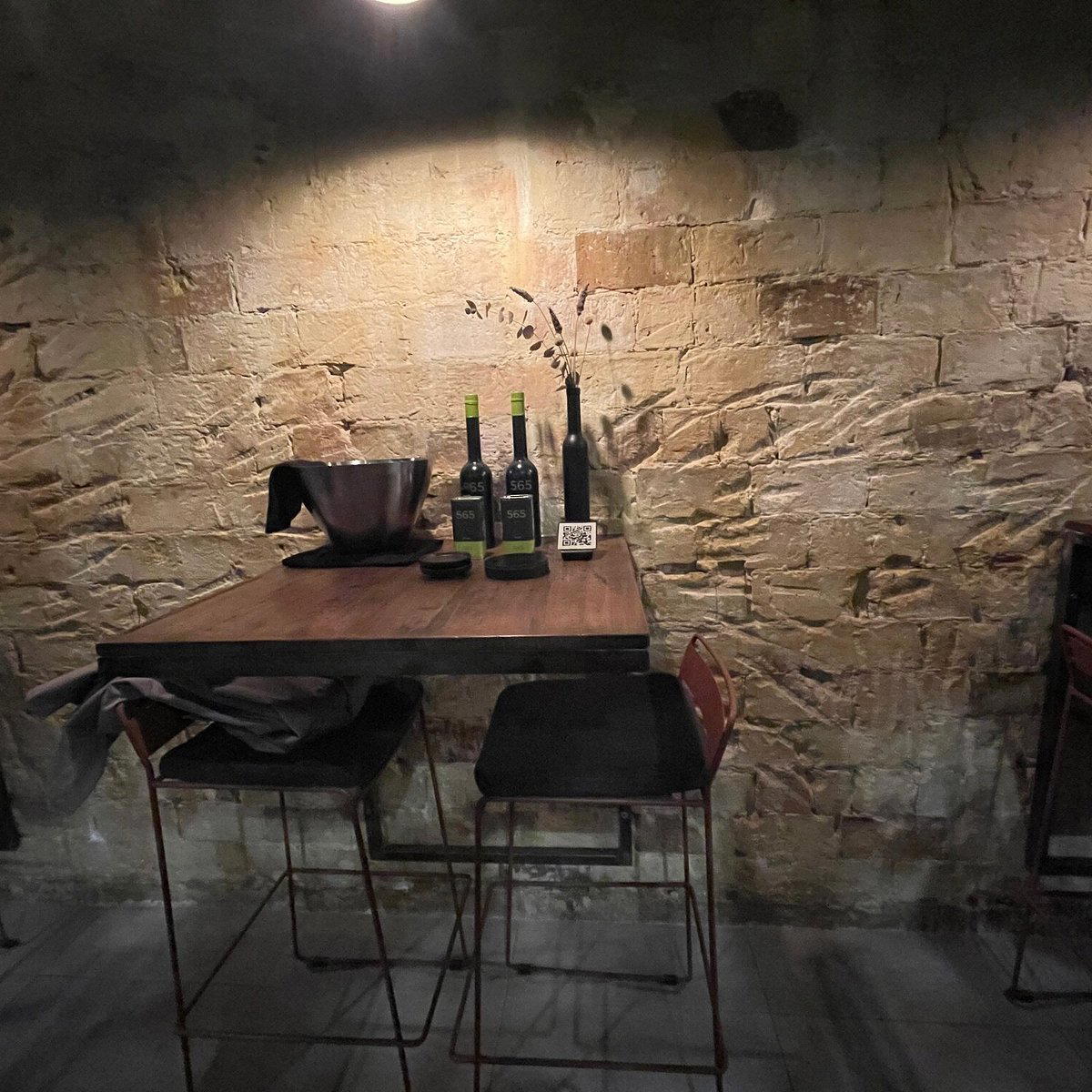
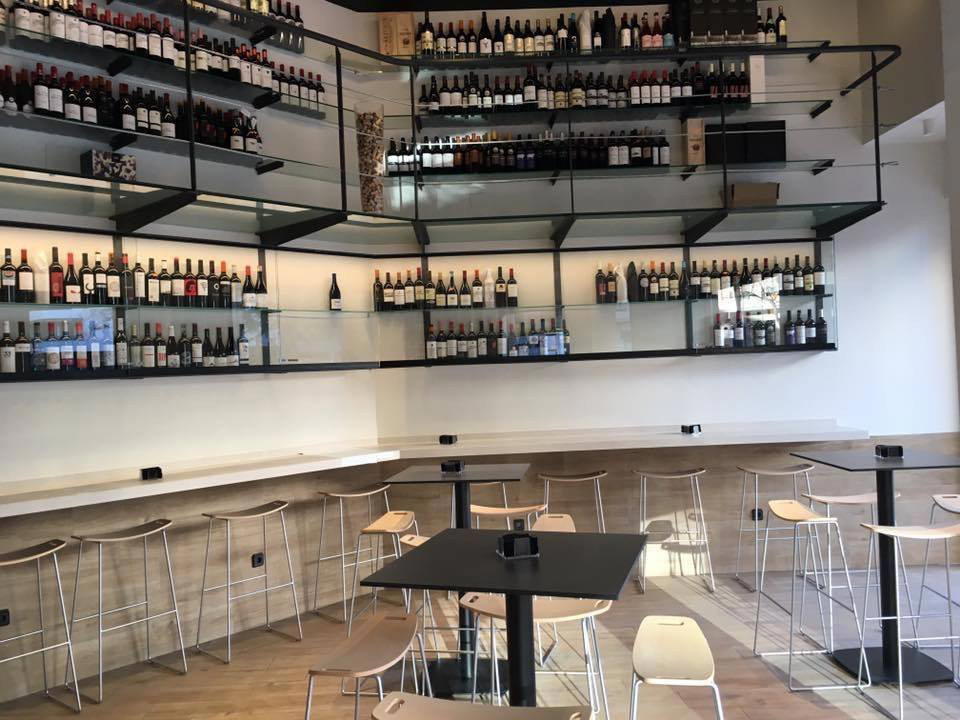
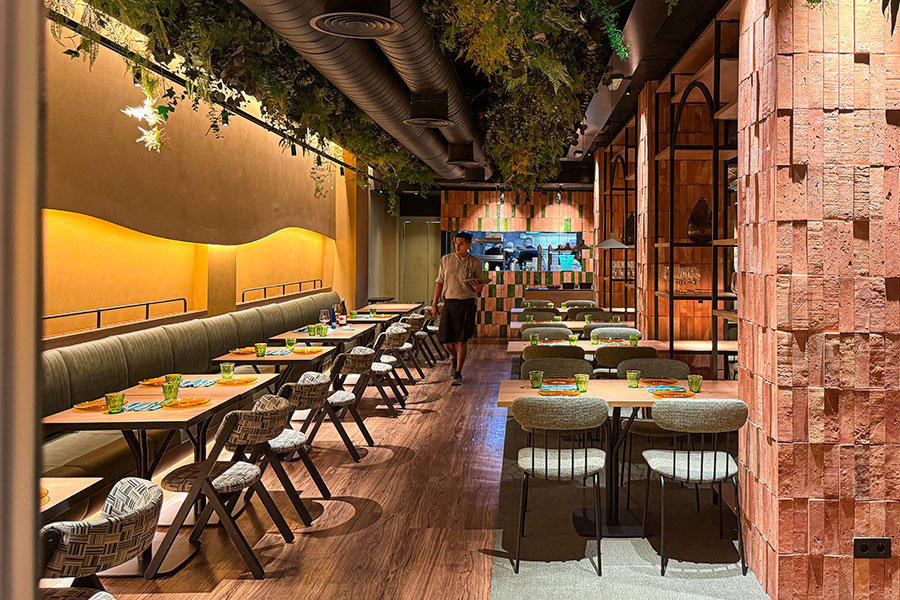
The physical arrangement at Haku communicates the operating logic before the first dish arrives. Counter seating places guests directly in the sightline of preparation, compressing the distance between kitchen action and the eating experience. A separate private space offers a different register for those who want enclosure over exposure, but the bar is where the format is most legible. The room is not staging spectacle, the attention runs toward the plate, and the material choices reflect that priority.
A Specific Convergence: Japan Meets Piedmont via the Mediterranean
Haku focuses that idea through the Piedmontese background of chef Rob Drennan, adding a northern Italian thread to the omakase structure. What Haku adds to that conversation is a third coordinate: northern Italy. Chef Rob Drennan brings that regional specificity into the omakase structure, and the result is not a general East-West gesture but something with more precise edges.
Detail that most concisely illustrates this is the nigiri preparation. The shari, the seasoned rice underneath each piece, is seasoned with a 50/50 blend of traditional Japanese rice vinegar and Modena balsamic vinegar. Balsamic from Modena carries its own designation and production history; using it at equal weight with the conventional vinegar is a choice with flavour consequences, not a decorative flourish. The acidity profile shifts, and so does the sweetness register. Guests can explore the idea across three distinct formats: Taibo, Bohan, and Honbo. The naming draws on Japanese phonetic vocabulary, but the content is assembled from market-driven ingredients, which aligns with the omakase philosophy's foundational premise: the chef selects, and the selection is only as good as what the market offers on the day.
The guest is ceding menu control in exchange for the chef's reading of what is available. In València, with its proximity to the Mediterranean coast and the fertile Horta agricultural belt, that sourcing context is genuinely productive. The city's Central Market is one of the most consistently supplied in Spain, and the seasonal range available to chefs working at this price point is considerable.
Where Haku Sits in València's Creative Tier
At the €€€ price tier, Haku shares positioning with several of the city's more serious creative addresses. Saiti and Llisa Negra operate at a comparable spend level, both working within a Spanish or Mediterranean frame. Fierro and Fraula occupy the contemporary bracket at adjacent price points. The step up to Ricard Camarena and El Poblet at the €€€€ tier brings Michelin-starred modern Spanish cooking of a different ambition and price scale.
The Michelin Plate recognition in both 2024 and 2025 places Haku within the Guide's acknowledged tier. Across Spain more broadly, that Plate classification has been awarded to addresses that the Guide considers worth the journey for their cooking quality. At the national level, the country's starred canon runs from El Celler de Can Roca in Girona through to Arzak in San Sebastián, Azurmendi in Larrabetzu, Cocina Hermanos Torres in Barcelona, and Aponiente in El Puerto de Santa María. Haku is not in that conversation, but its consistent Plate recognition across two consecutive years is evidence that the quality is not accidental.
The Google review score of 4.5 across 245 reviews reinforces the Michelin signal from a different direction. That figure, gathered from a general dining public rather than a specialist critic, suggests the experience reads clearly to guests who are not necessarily evaluating it within a framework of omakase orthodoxy.
Planning a Visit
Haku is at Gran Via del Marqués del Túria, 62, in L'Eixample, a walkable distance from the city's main hotel corridors and well-served by public transport. The €€€ price tier indicates a meaningful spend for the city but not at the top of the local market. Three menu formats, Taibo, Bohan, and Honbo, suggest different entry points in terms of length or scope, though the precise distinctions between them are worth confirming at the time of booking. Counter seating is the primary format and delivers the format in its most direct version; the private space is available for those preferring a more enclosed setting.
What People Recommend at Haku
The dish that comes up most consistently in conversation about Haku is the nigiri, specifically the shari seasoned with the 50/50 rice vinegar and Modena balsamic blend. That preparation is the clearest single expression of what makes the kitchen's approach specific rather than generic. Beyond the nigiris, guests tend to return to the omakase menus as the most coherent way to experience the full range of the Japanese-Italian convergence. The three menu options, Taibo, Bohan, and Honbo, offer different depths of that experience, and the market-driven sourcing means the content shifts with the season. Chef Bo Jimmy Zhu's Piedmontese background and his application of omakase philosophy to ingredients from both Italian and Japanese traditions gives the menu its particular character. The Michelin Plate, awarded in both 2024 and 2025, provides an external reference point for what to expect in terms of cooking quality at the counter.
Similar Picks
Comparable venues nearby, for context on price, style, and recognition.
| Venue | Cuisine | Price | Notes |
|---|---|---|---|
| HakuThis venue — the venue you are viewing | Italian-Japanese Fusion Omakase | $$ | |
| Canalla Bistro by Ricard Camarena | Modern Fusion Bistro | $$$ | Russafa |
| Ma Khin Café | Asian Fusion with Burmese Influences | $$ | El Pla Del Remei |
| Toshi | Japanese-Mediterranean Fusion Omakase | $$$$ | La Seu |
| Gran Azul | Modern Spanish Seafood & Paella | $$$ | Mestalla |
| Vuelve Carolina | Modern Spanish Fusion Tapas | $$$ | Sant Francesc |
At a Glance
- Minimalist
- Modern
- Intimate
- Elegant
- Date Night
- Special Occasion
- Open Kitchen
- Chefs Counter
Serene minimalist decor with an open kitchen showcasing sushi artistry, creating an intimate and focused dining atmosphere.