

Michelin Plate · Gault & Millau Türkiye 1 Toque
Our verdict
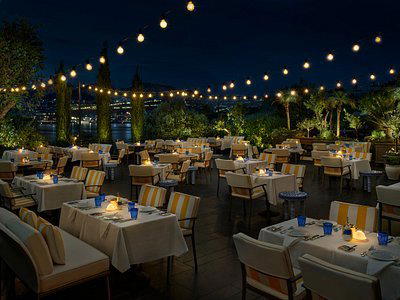
Set along Çökertme Caddesi in one of Turkey's most visited resort towns, the restaurant operates at the ₺₺₺ tier, placing it above casual waterfront dining but below the stratospheric pricing of Bodrum's ultra-premium set.

Pearl is the En Primeur Club membership app, where members save venues, book tables and use the concierge.
The menu
What to order
- Miso marinated black cod
- Sushi
- Sashimi
- Lobster tempura
Contemporary Japanese on the Aegean Shore
The global expansion of contemporary Japanese dining has followed a consistent pattern: a flagship format developed in a major city, then exported to high-season resort markets where international visitors create year-round demand for familiar luxury. Bodrum fits that model precisely. The Turkish Riviera draws a cosmopolitan crowd from late spring through early autumn, and that audience supports the kind of restaurant that would feel at home in Dubai, London, or Miami. Zuma restaurant Bodrum is the local expression of that wider story, operating the robata grill and izakaya-influenced sharing format that the brand has refined across its global footprint. Two consecutive Michelin Plates, in 2024 and 2025, confirm that the kitchen here is held to, and meets, the same technical standards as its international peers.
Bodrum's dining scene has diversified considerably over the past decade. The town now spans everything from low-cost waterfront mezes at casual neighbourhood spots to design-led Aegean cuisine at Maçakızı, which operates at the ₺₺₺₺ tier. Zuma sits at ₺₺₺, a price point that positions it as a serious dinner destination without reaching the leading bracket. For visitors already familiar with the Zuma format, the Bodrum location offers exactly what they expect.
How the Day Divides at Zuma Bodrum
Across the broader contemporary Japanese category, the gap between lunch and dinner service tends to be more pronounced than in European or Mediterranean formats. Dinner is where the full robata program, the premium sake list, and the late-evening social energy converge. Lunch, by contrast, typically runs at a more compressed pace, with lighter sharing plates and a crowd that is as likely to be on their way to or from the beach as to linger through multiple courses. That rhythm maps clearly onto Zuma Bodrum's Aegean context.
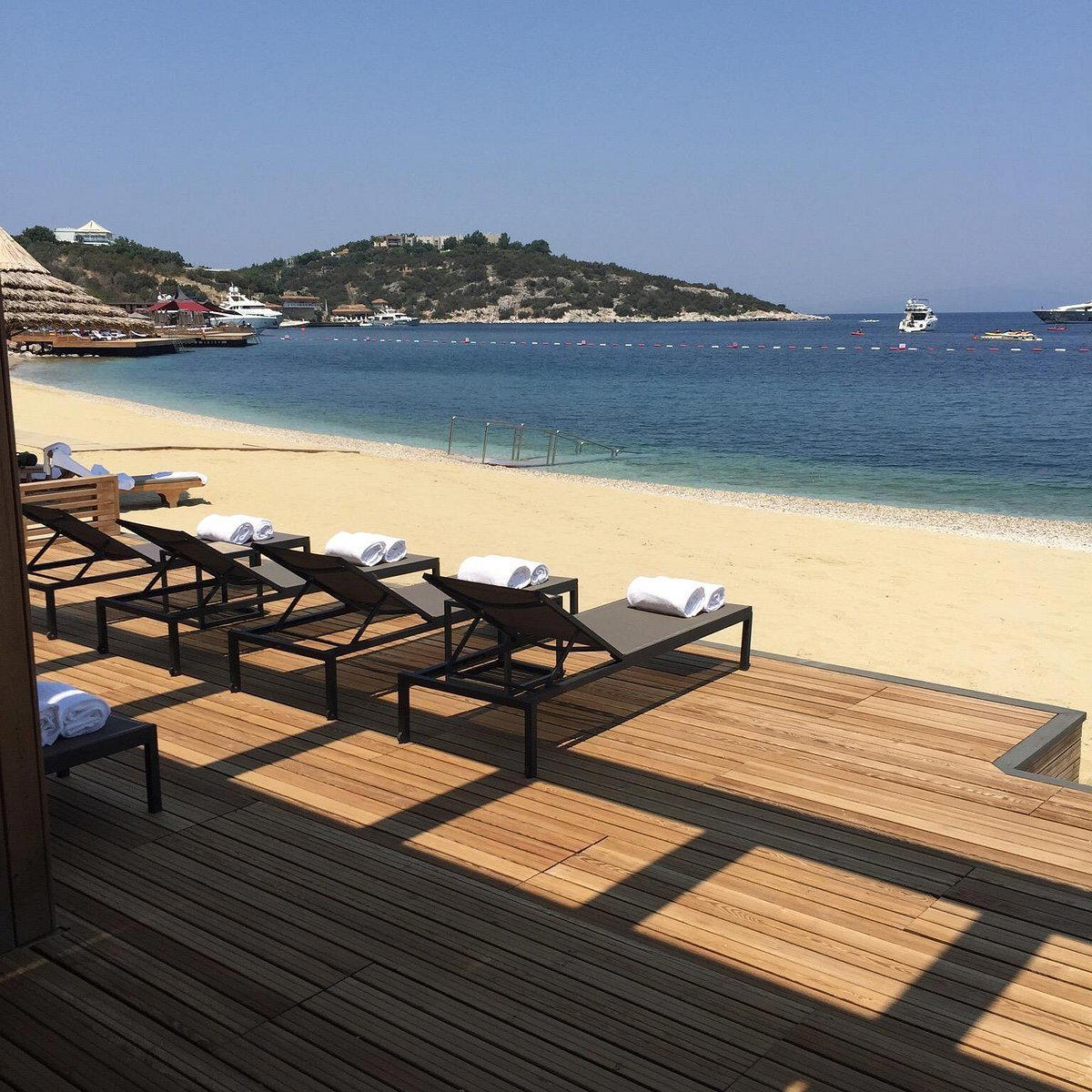
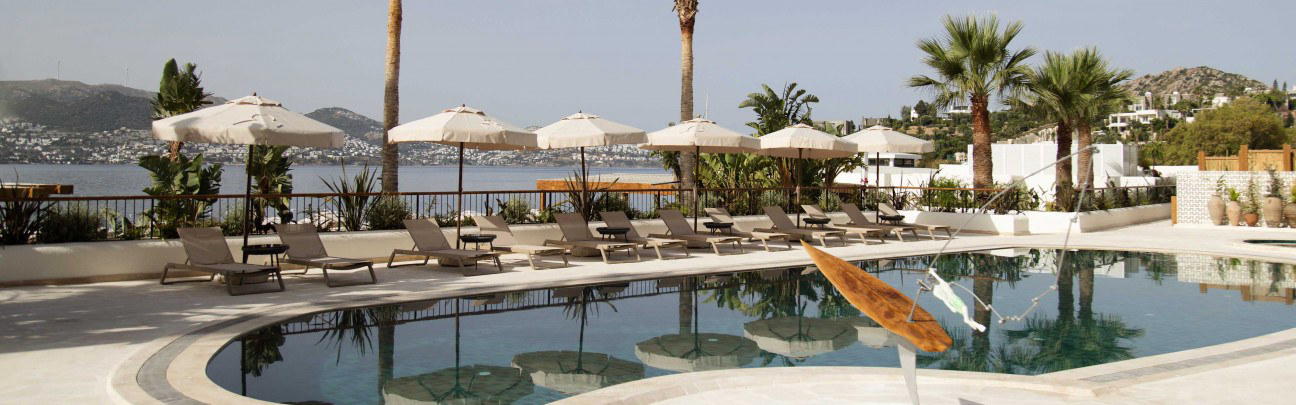
During high season in Bodrum, the lunch hour carries the particular character of the Turkish Riviera: sunlight off the water, a crowd still in resort mode, and a preference for dishes that feel like a pause rather than a main event. The robata grill, which produces much of the kitchen's most technically demanding output, tends to come into sharper focus after dark, when the temperature drops and the format's Japanese-meets-communal-dining logic is easier to sustain across two or three hours. Evening service at Zuma restaurant Bodrum is where the Michelin Plate distinction is most legible: the kitchen has the space and the pace to execute the full menu with the precision the recognition implies. For those comparing lunch and dinner value at the ₺₺₺ price tier, dinner is the more complete experience; lunch is the more accessible entry point and the better option for solo diners or smaller groups not wanting a full sharing-plate spread.
Where Zuma Bodrum Sits in the Local Competitive Set
Understanding Zuma's position in Bodrum requires placing it against what else the town offers at a similar or adjacent tier. Kitchen by Osman Sezener operates at ₺₺, bringing modern culinary technique at a lower price point, while Barbarossa holds down the Mediterranean end of the mid-to-upper market. Bağarası represents the Turkish-tradition segment that runs parallel to the international formats.
Zuma occupies a distinct niche within this set: it is the only venue in Bodrum operating the contemporary Japanese shared-plates format at this price and recognition level. That specificity is both its competitive advantage and its limitation. Visitors who want Aegean produce, local wine, and the flavors of southwest Turkey will find more natural options elsewhere in the city. Those who want the Japanese-influenced robata-and-sharing format, executed at a Michelin Plate standard in a resort environment, have limited alternatives. For a broader look at what Bodrum's dining scene offers across all styles and price points, the full EP Club Bodrum restaurants guide covers the range in detail.
It is also worth placing Zuma Bodrum in its wider Turkish context. The country's most talked-about restaurant right now is Turk Fatih Tutak in Istanbul, which holds two Michelin stars and operates at a different tier of ambition entirely. Contemporary Japanese as a category is more developed in Istanbul than in Bodrum, which means the Bodrum location functions partly as a seasonal satellite for an audience that encounters the format in larger cities and wants continuity when they travel south. That dynamic is common across the Mediterranean resort circuit and should calibrate expectations accordingly: this is not a culinary destination that will draw visitors to Bodrum on its own, but for those already here, it delivers a format that is otherwise absent from the local scene.
Zuma Bodrum Menu: What the Format Signals
The Zuma menu format, consistent across the group's locations, is built around the izakaya principle of multiple small dishes shared across the table, anchored by robata-grilled proteins and supported by sashimi, sushi, and cold preparations. The Zuma Bodrum menu follows this structure, which means the kitchen is built for flexibility: smaller groups can graze across a few dishes, while larger tables can run the full format across two or three hours.
At the ₺₺₺ tier, the menu sits in a bracket where ordering patterns matter as much as individual dish prices. A focused two-person lunch using three or four shared plates and a drink each will come in at a meaningfully different spend than a full dinner with sake and robata items. For specific current menu composition, checking directly with the restaurant at Çökertme Caddesi, 48990 Bodrum is the correct approach, as seasonal menus at resort-format restaurants shift with the calendar.
Planning a Visit
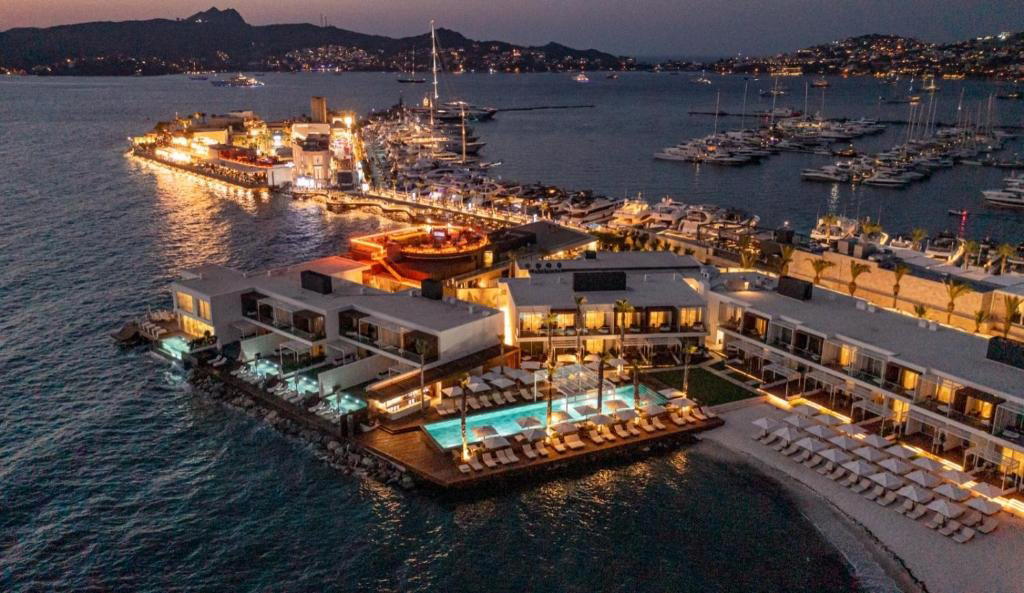
Bodrum operates on a strong seasonal curve, with the peak running from June through September. During this window, Zuma restaurant Bodrum will be at its busiest, and dinner reservations at the ₺₺₺ tier in a resort town with this level of international traffic should be secured in advance. The venue sits on Çökertme Caddesi, which places it within the broader dining and waterfront corridor that anchors most visitor activity in the town centre. For planning purposes, dinner is the service to prioritise if the goal is the full experience; lunch is the better option for those who want to keep the afternoon free or prefer a lighter format.
Visitors exploring the wider region will find the EP Club guides for Bodrum hotels, bars, wineries, and experiences cover the full picture. For the broader Aegean and Turkish restaurant scene, Narımor in Izmir, 7 Mehmet in Antalya, and Ahãma in Göcek represent the wider coastal dining context. For those interested in the contemporary Japanese format at other destinations, The Japanese Restaurant in Andermatt and Eika in Taipei offer instructive points of comparison.
What Should I Order at Zuma Bodrum?
The Zuma Bodrum menu is structured around shared plates, robata-grilled proteins, and cold preparations including sashimi and sushi, consistent with the group's izakaya-influenced format. Because the kitchen holds a Michelin Plate, the robata section and raw preparations are where the technical standards are most visible. Ordering across categories, rather than anchoring the meal to a single section, reflects how the format is designed to be experienced. Specific current dishes and seasonal availability are best confirmed with the restaurant directly, as menu composition at resort-format venues shifts across the season. The two consecutive Michelin Plates in 2024 and 2025 provide the most reliable signal of where kitchen quality sits.
Category Peers
| Venue | Cuisine | Price | Awards | Notes |
|---|---|---|---|---|
| Zuma BodrumThis venue (the venue you are viewing) | Modern Japanese Izakaya | $150–200 | Michelin Plate · Gault & Millau Türkiye 1 Toque | Not listed |
| Maçakızı | Modern Aegean | $150–200 | 1 Michelin Star · World's 50 Best #96 | Modern Cuisine, ₺₺₺₺ |
| Kitchen By Osman Sezener | Contemporary Turkish Coastal Cuisine | $150–200 | 1 Michelin Star · Gault & Millau Türkiye 2 Toques | Modern Cuisine, ₺₺ |
| Arka Ristorante Pizzeria | Neapolitan Pizza Trattoria | $10–20 | Michelin Bib Gourmand | Not listed |
| Beynel | Traditional Turkish Meze & Kebab | $20–30 | Michelin Bib Gourmand | Not listed |
| İki Sandal | Traditional Turkish Meyhane | $20–30 | Michelin Bib Gourmand | Not listed |
Recognition history
Dated appearances from independent guides and award organizations, with the underlying list record or original source where available.
Michelin Plate
Michelin
Gault & Millau Türkiye 1 Toque
Gault & Millau · Gault & Millau Türkiye 2026 - 1 Toque
Full recognition history (3 entries)
Michelin Plate
Michelin
Continue exploring
More in Bodrum
Restaurants in Bodrum
All restaurants in Bodrum →

Details
- Lively
- Sophisticated
- Elegant
- Trendy
- Energetic
- Date Night
- Celebration
- Special Occasion
- Waterfront
- Terrace
- Open Kitchen
- Live Music
- Sake Program
- Craft Cocktails
- Sommelier Led
- Waterfront
- A La Carte
- Small Plates
- Sake
- Cocktails
- Gluten Free Options
- Vegetarian Friendly
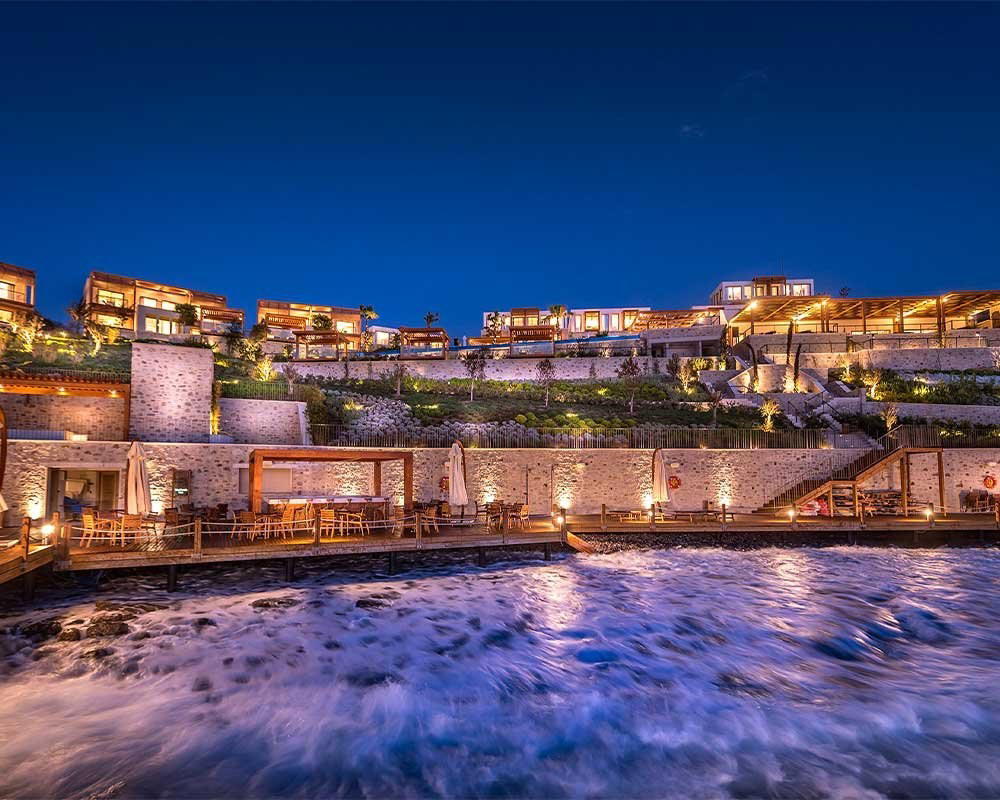
Sophisticated clubby vibe with dim lighting, laid-back yet energetic atmosphere enhanced by live music and DJ after 10:30 PM.