

A Michelin Plate-recognised farm-to-table address in Yalıkavak, Mezra grounds its modern Turkish menu in open-fire cooking, preservation techniques, and produce sourced from the chef's own farm. The industrial-style space, with floor-to-ceiling windows and a tandoori oven visible from the dining room, sets the tone for cooking that treats local terroir as both ingredient list and editorial statement. Priced at the upper tier of the Bodrum dining scene (₺₺₺₺), it books ahead.
Pearl is the En Primeur Club membership app — saves, bookings, and concierge access live there. Same editors, same standards.
- Address
- Dirmil, 6885. Sk No:3, 48990 Bodrum/Muğla, Türkiye
- Phone
- +90 532 490 72 74
- Website
- mezrayalikavak.com
- Directions
- Get directions
 Saves & bookings on Pearl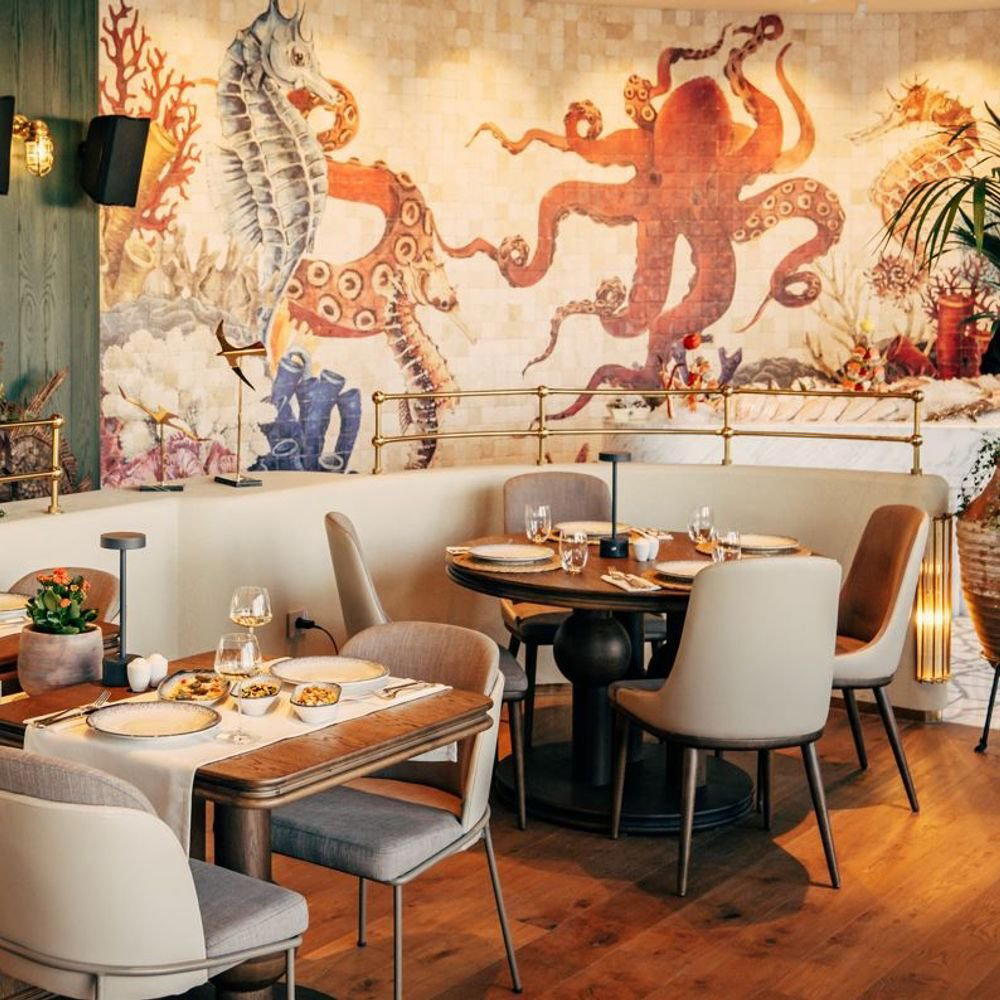
Where the Farm Ends and the Kitchen Begins
The approach to modern Turkish dining has split in two directions over the past decade. One path leans into Mediterranean-resort aesthetics, whitewashed walls and seafood platters calibrated for the summer crowd. The other takes Turkish culinary tradition seriously as a living system, drawing on fermentation, open-fire technique, and hyper-local sourcing to produce food that reads as contemporary but is rooted in method. Mezra Yalıkavak, a one-Michelin-star restaurant in Bodrum's Yalıkavak area, sits firmly in the second camp, and that positioning carries weight.
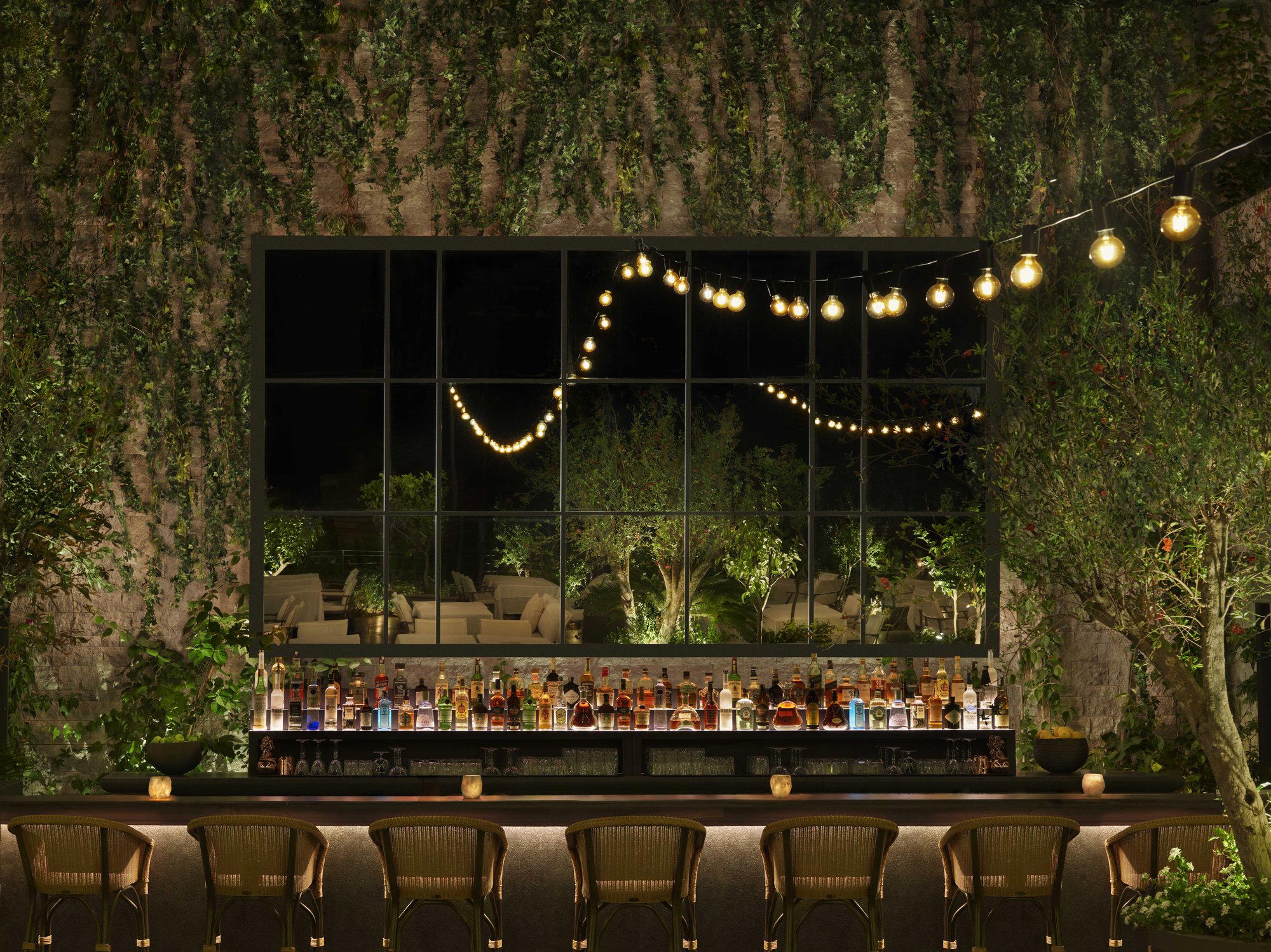
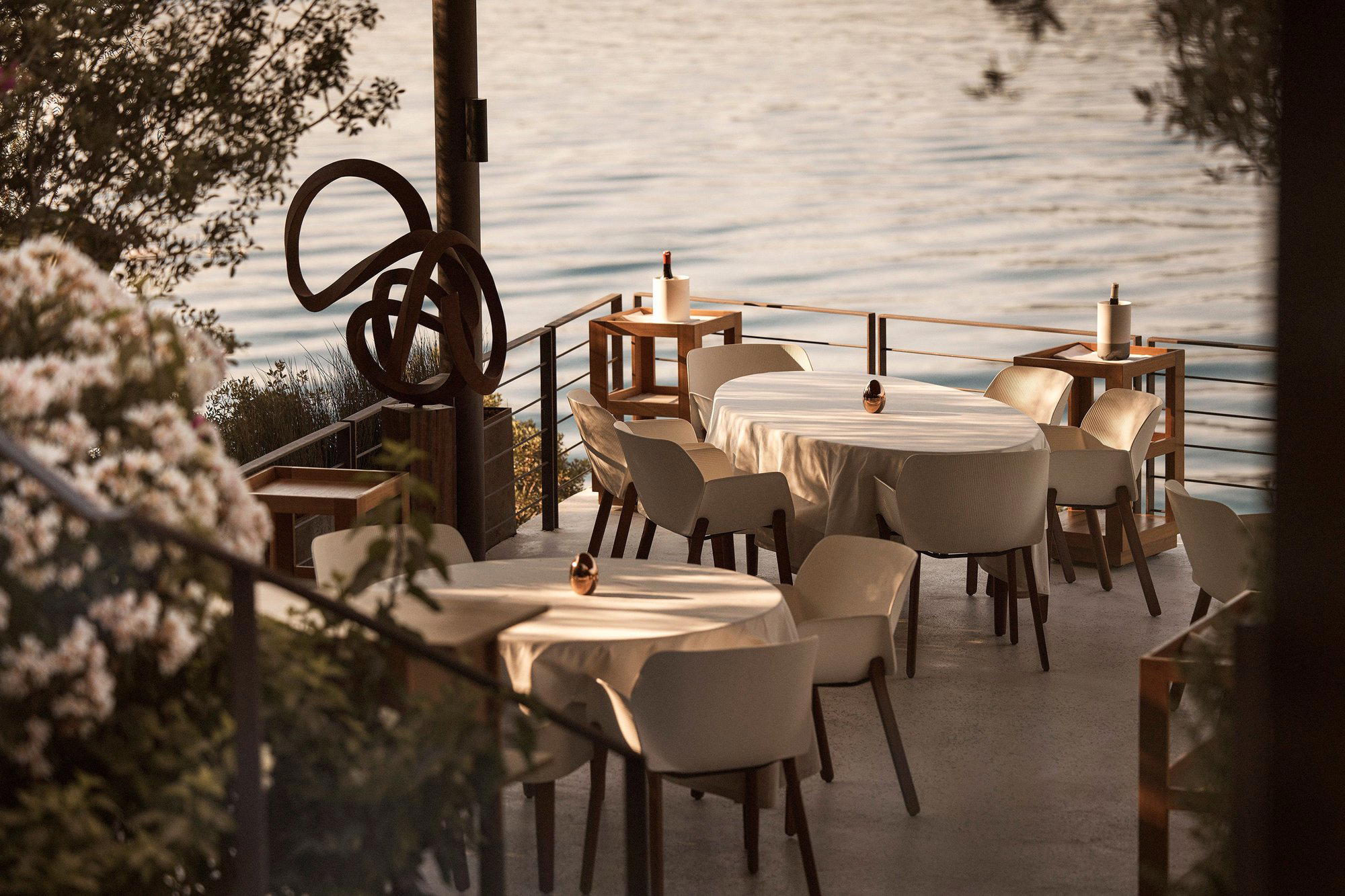
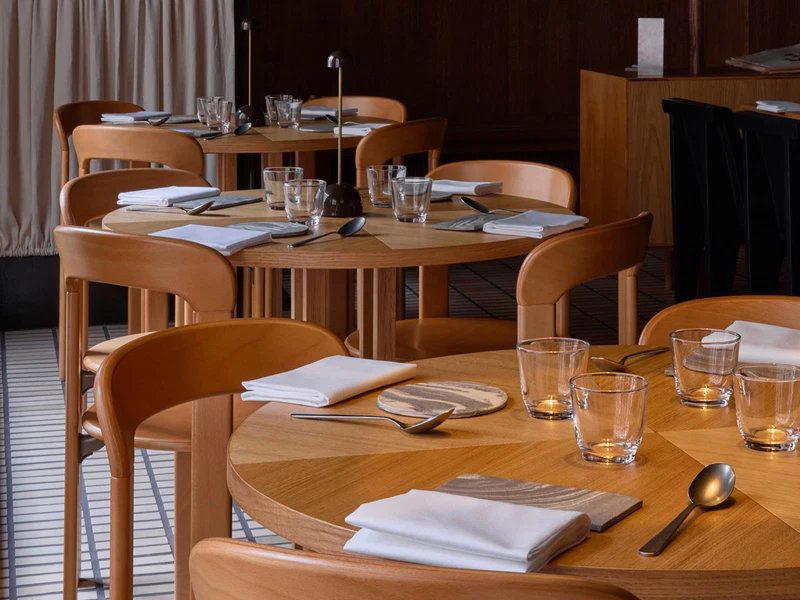
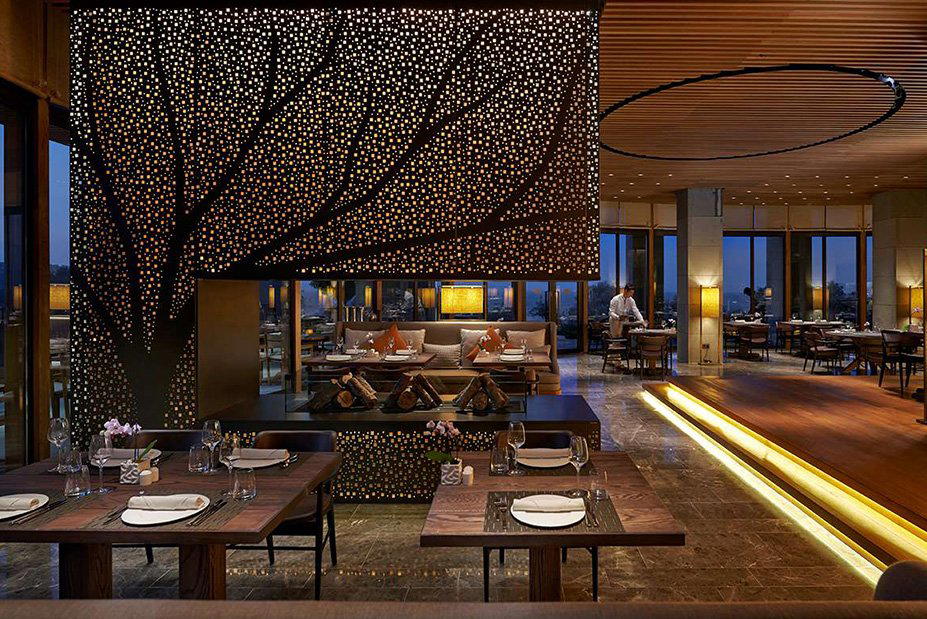
The room announces its intentions before a dish arrives. Floor-to-ceiling windows flood the lofty, industrial-style space with light, and the sightline through the dining room takes in the tandoori oven before it reaches the tables. The lounge bar occupies the path between entrance and kitchen, making the journey to your seat feel deliberate rather than functional. On the upper level, two VIP tables sit tucked into the corners, and a marble counter runs along one section, the positions most worth requesting when you book. On certain evenings, the stage beyond the kitchen hosts live performances, which shifts the atmosphere considerably. Whether you want the quieter side of the room or the more social energy closer to the bar will shape which reservation slot and which seat request makes sense.
A Supply Chain That Starts Outdoors
Farm-to-table has become a phrase that covers a broad range of commitment levels, from restaurants that buy seasonal produce at local markets to operations that control their own growing. Mezra belongs to the latter category. The grounds include a vegetable garden and space kept for animals; the chef runs a working farm that feeds directly into the kitchen. It shapes what appears on the set menu and when. In practical terms, it means the menu is genuinely seasonal in the strict sense: what grows or is harvested sets the terms, not the other way around.
This kind of supply model is still rare at the ₺₺₺₺ price tier in Bodrum, where the more common approach is premium sourcing from established suppliers rather than vertical integration. For comparison, Maçakızı operates at the same price bracket with modern cuisine anchored in Aegean ingredients, but its model is purchasing rather than growing. Kitchen By Osman Sezener sits at a lower price point (₺₺) and takes a different tack on modern Turkish food altogether. The farm-led approach at Mezra places it in a distinct comparable set, closer, conceptually, to addresses like BOK Restaurant in Münster or Clostermanns Le Gourmet in Niederkassel, where the farm-to-table designation reflects genuine agricultural involvement rather than a sourcing preference.
Open Fire, Preservation, and the Logic of the Set Menu
The cooking method at Mezra reflects what its ingredient base demands. Open-fire cooking preserves texture and concentrates flavour without requiring heavy manipulation, which suits produce harvested at its proper moment. Alongside this, the kitchen uses preservation techniques, brining, marinating, fermentation, that extend the utility of seasonal ingredients and add depth to dishes that might otherwise read as simple. This is a useful index of culinary philosophy: kitchens that preserve and ferment are making a structural argument about flavour, not just following a trend.
The set menu format is well-suited to this approach. Rather than allowing individual selection that might pull the kitchen in multiple directions, the set menu allows each course to build on what came before, reinforcing the terroir argument through accumulation. The Michelin commentary notes the balance achieved between salted bonito, red chilli, and a combination of fresh and fermented strawberries, showing the kitchen's command of contrast. The dessert course carries the same logic through to the finish: a chilled millefeuille built around Turkish coffee, using biscuit, almond, orange marmalade, coffee cream, and coffee emulsion to reframe a familiar flavour in a lighter register.
This kind of coherent arc from savoury to sweet is the test of whether a set menu is genuinely authored or merely assembled. At Mezra, that tribute to local terroir is reflected in the dessert as much as in any main course.
Bodrum's Broader Table
Yalıkavak sits at the northern tip of the Bodrum peninsula, a positioning that separates it physically and tonally from the more concentrated dining activity around Bodrum town itself. Restaurants here draw a clientele that has generally made a deliberate choice to be in Yalıkavak, which creates a different baseline expectation. The Bodrum restaurant scene as a whole has matured considerably, with addresses across the peninsula, from Bağarası for traditional Turkish cooking to Barbarossa for Mediterranean fare and Arka Ristorante Pizzeria for Italian, covering a wide range of formats and price points.
Within Turkey more broadly, the case for terroir-led modern Turkish cooking is being made at several addresses: Turk Fatih Tutak in Istanbul sits at one decorated end of that spectrum, while Narımor in Izmir and 7 Mehmet in Antalya make similar arguments from their respective regional bases. Elsewhere in the Aegean, Agora Pansiyon in Milas and Ahãma in Göcek operate at the intersection of local ingredient culture and considered cooking. Aravan Evi in Ürgüp takes an Anatolian approach to the same instinct. Mezra fits within this current without being derivative of it, the farm ownership is what separates its sourcing claim from most peers.
Planning a Visit
Mezra sits at Dirmil, on a side street in Yalıkavak (address: 6885. Sk No:3, 48990 Bodrum/Muğla). The restaurant's pricing (₺₺₺₺) and Michelin recognition mean it draws bookings from visitors staying across the peninsula, not only those based in Yalıkavak. The summer season in Bodrum concentrates demand from June through August; reservations made well in advance are advisable during that window. The set menu format means there are no à la carte decisions to make on arrival, which simplifies the experience but also means the visit is most rewarding for those who come without strict dietary constraints. For those building a broader itinerary, the Bodrum hotels guide, bars guide, wineries guide, and experiences guide cover the peninsula's wider options.
Comparable Options
Comparable venues nearby, for context on price, style, and recognition.
| Venue | Cuisine | Price | Notes |
|---|---|---|---|
| Mezra YalıkavakThis venue — the venue you are viewing | Modern Turkish Farm-to-Table | $$$$ | Not listed |
| Kitchen By Osman Sezener | Contemporary Turkish Coastal Cuisine | $$$$ | Yalikavak |
| Loft Elia | Modern Turkish Fine Dining | $$$$ | Bodrum City |
| Dereköy Lokantası | Modern Turkish | $$ | Dereköy |
| Beynel | Traditional Turkish Meze & Kebab | $$ | Bitez |
| Maçakızı | Modern Aegean | $$$$ | Göltürkbükü |
Recognition history
Dated appearances from independent guides and award organizations, with the underlying list record or original source where available.
Gault & Millau Türkiye 2 Toques
Gault & Millau · Gault & Millau Türkiye 2026 - 2 Toques
Michelin 1 Star
Michelin
Michelin Plate
Michelin
Michelin Plate
Michelin
At a Glance
- Rustic
- Elegant
- Romantic
- Intimate
- Scenic
- Date Night
- Celebration
- Special Occasion
- Open Kitchen
- Garden
- Terrace
- Extensive Wine List
- Farm To Table
- Local Sourcing
- Mountain
- Garden
Current opening hours
- Monday
- 7–10 PM
- Tuesday
- 7–10 PM
- Wednesday
- 7–10 PM
- Thursday
- 7–10 PM
- Friday
- 7–10 PM
- Saturday
- 7–10 PM
- Sunday
- 7–10 PM
Hours can change for holidays and private events. Last verified .
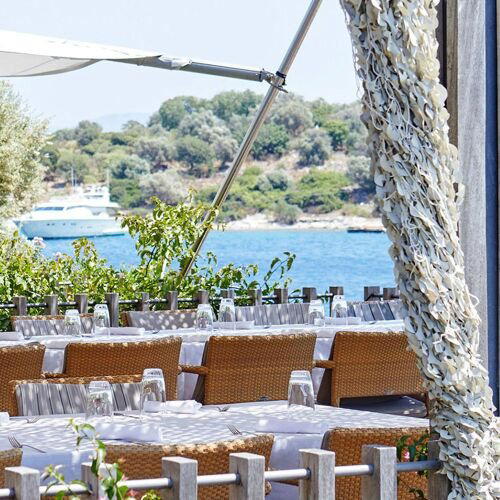
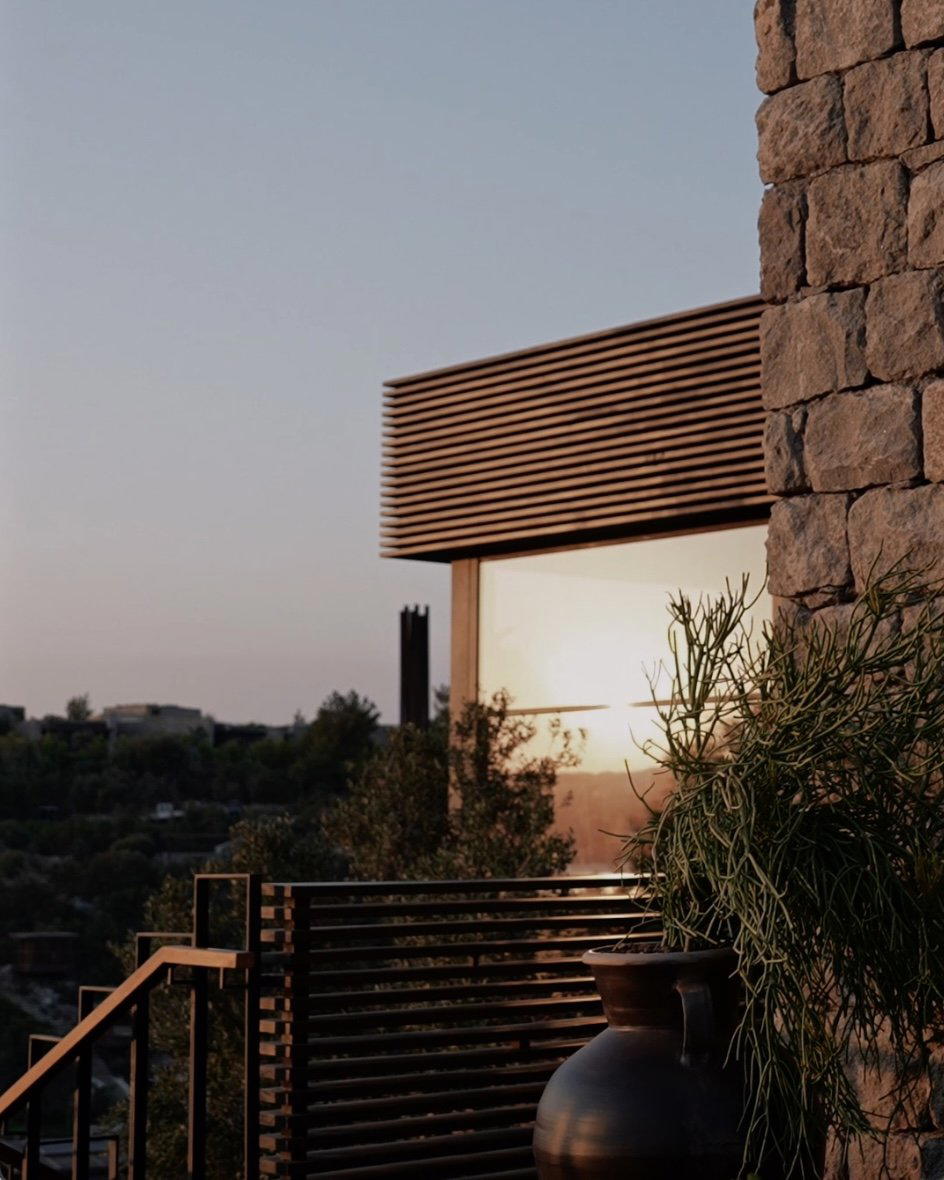
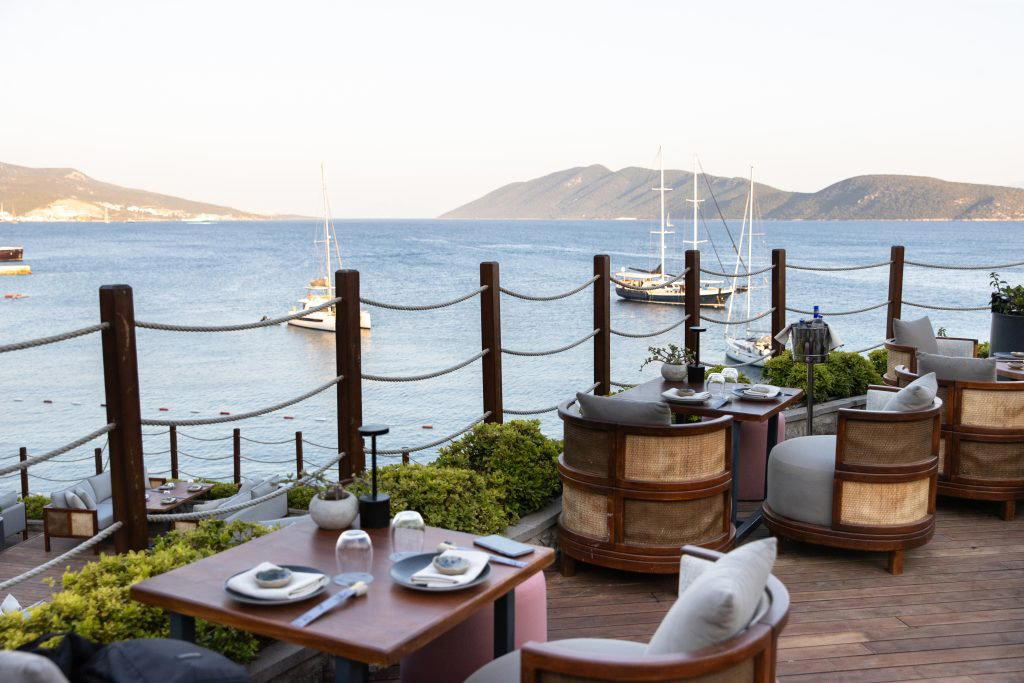
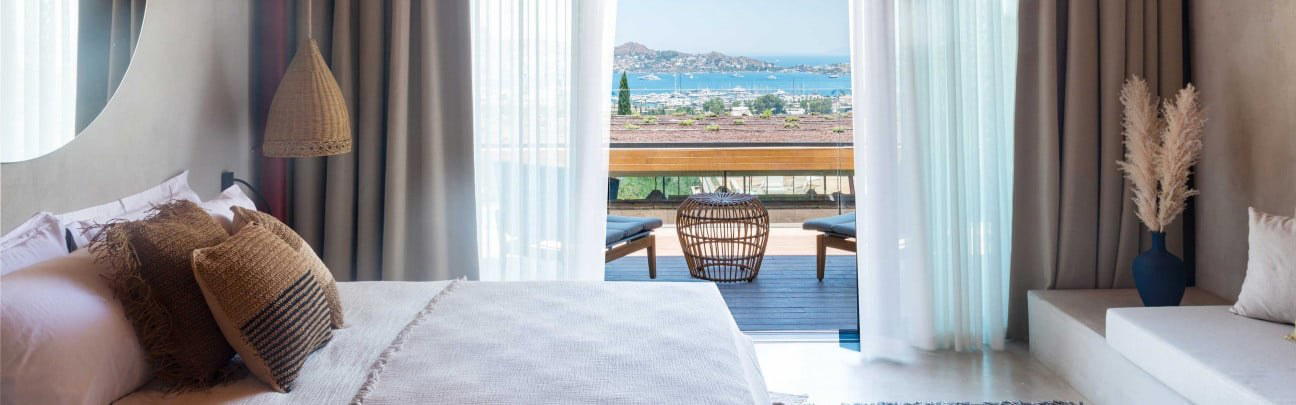
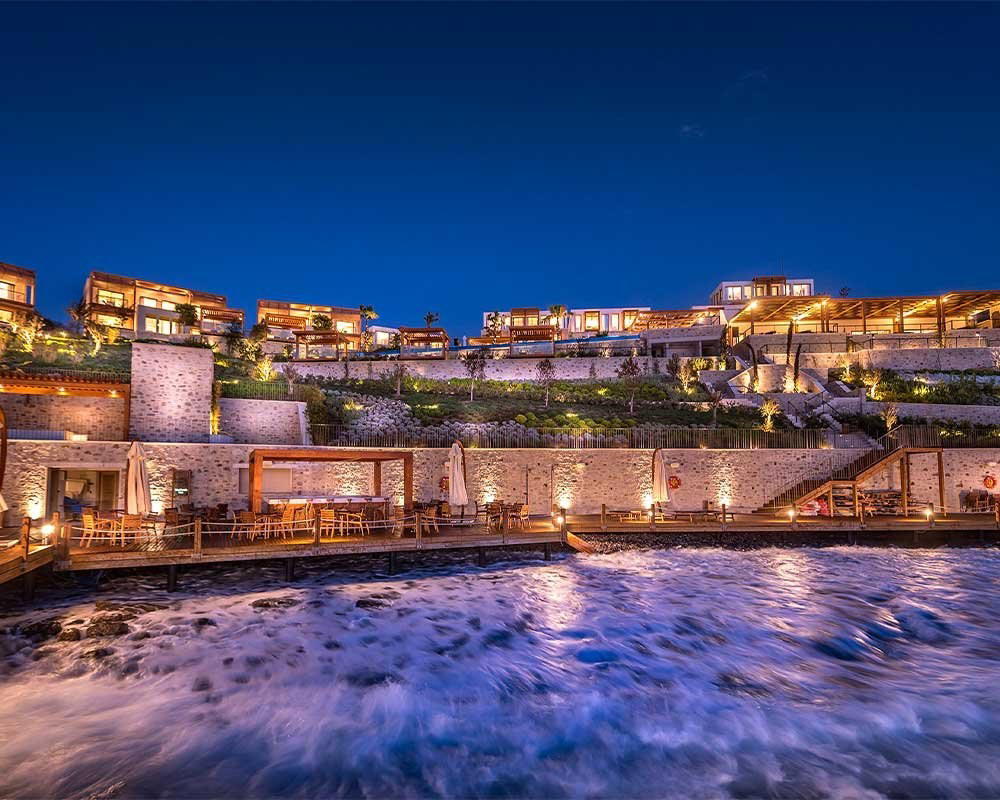
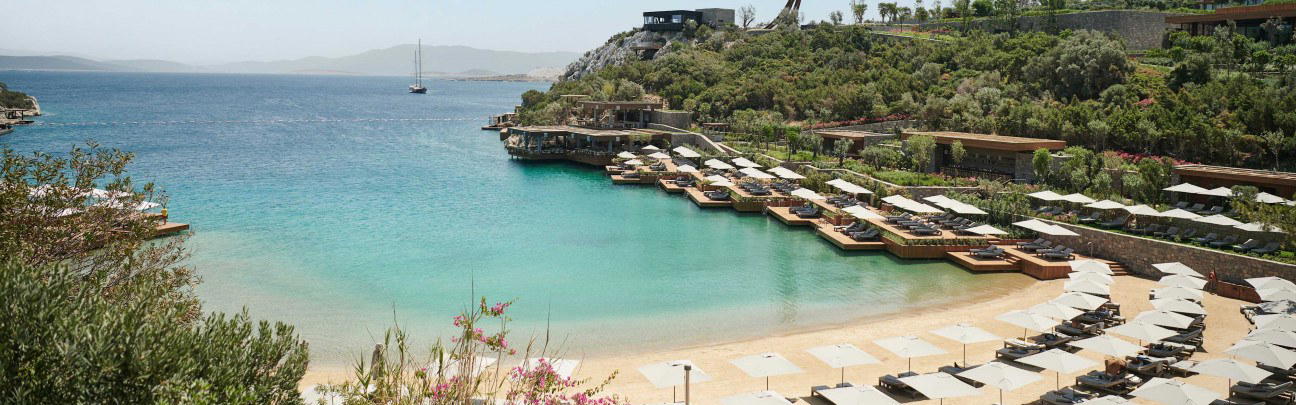
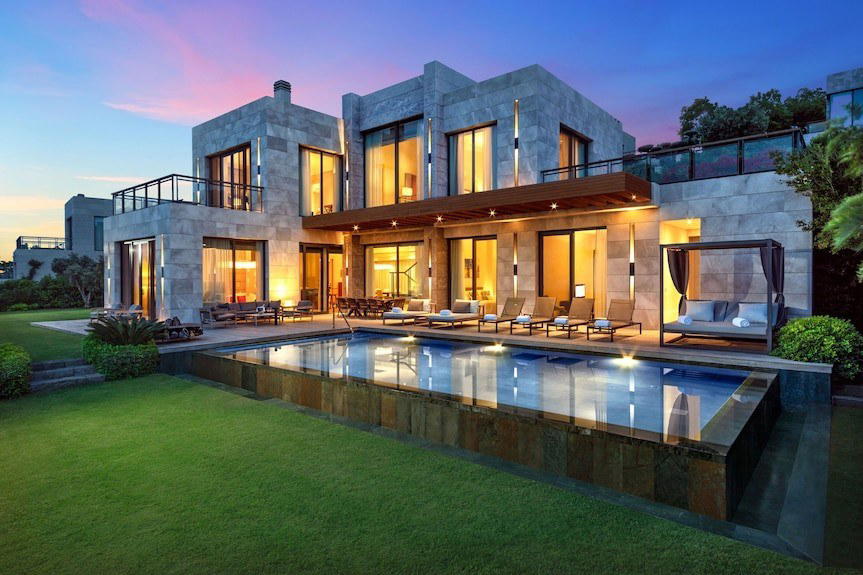
Peaceful rustic interiors with warm lighting, large glass facades opening to nature, shaded terrace, and elegant modern design amid 500 types of trees.