Our verdict
On Atatürk Caddesi in the heart of Fethiye's older commercial district, Hakan Abi occupies the kind of address that locals use as a landmark rather than a destination. The kitchen operates within a Turkish tradition that treats ingredient provenance as non-negotiable: what arrives on the table reflects where the town sits, between the Aegean coast and the pine-covered hills of Muğla province. For visitors working through Fethiye's dining options, it represents a grounded, neighbourhood-facing alternative to the harbour-front tourist circuit.

Pearl is the En Primeur Club membership app, where members save venues, book tables and use the concierge.
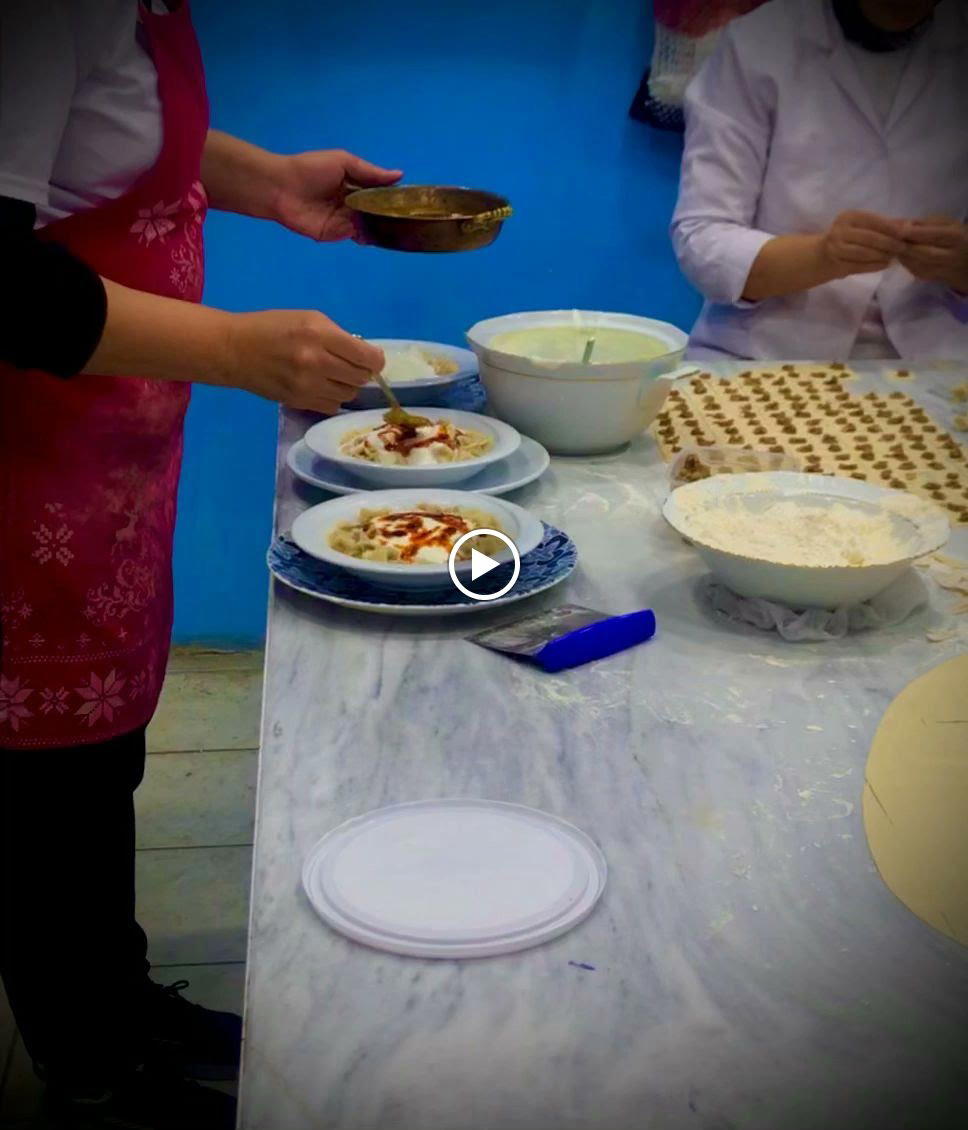
Where the Town Eats, Not Where It Performs
Atatürk Caddesi runs through the functional core of Fethiye rather than its photogenic edge. The street is lined with the kind of businesses that serve residents on weekday errands: hardware shops, small supermarkets, bakeries open before 7am. Hakan Abi sits within this fabric, at the Kesikkapı end of the avenue, which means the crowd arriving for lunch or an early dinner is overwhelmingly local. This is a meaningful signal in a town where the harbour-front and Old Town bazaar zone cater predominantly to visiting traffic during the summer months. The distinction between where tourists eat and where Fethiye residents eat is sharper here than in many comparable Aegean resort towns, and Hakan Abi operates firmly on the latter side of that line.
Ingredient Sourcing in the Aegean Interior
Fethiye's position in Muğla province places it at a productive intersection of marine and agricultural supply. The Aegean coast delivers fish and seafood through Fethiye's working harbour, while the Çalış plain and the inland valleys around Kemer and Üzümlü contribute vegetables, pulses, and herbs that have defined the region's kitchen vocabulary for generations. Turkish coastal cooking at this level is not assembled from a national wholesale supply chain, it follows what the market and the season offer, which means menus shift in ways that reflect the actual rhythm of the surrounding landscape rather than a fixed restaurant programme.
This sourcing logic is visible across the broader Turkish Aegean culinary tradition. Venues like Narımor in Izmir and Hiç Lokanta in Urla have built substantial reputations by making that provenance relationship explicit and central to their editorial identity. Hakan Abi operates with less institutional framing but within the same underlying logic: the quality of what arrives on the table is a function of what the local supply network can deliver that day. In a town with direct access to the Aegean's fish stocks and the productive agricultural land of the Muğla interior, that supply network carries genuine weight.
What the Kitchen Tradition Looks Like Here
Turkish lokanta and esnaf lokantası cooking, the tradition to which neighbourhood spots on streets like Atatürk Caddesi most naturally belong, operates on principles that are almost the opposite of tasting-menu restaurant culture. Dishes are prepared earlier in the day and held, meaning the discipline lies in timing and selection rather than à la minute execution. Meze plates drawn from regional produce, grilled proteins sourced from the harbour market, and pulse-based dishes built around the legume traditions of inland Aegean kitchens form the structural backbone. At the Fethiye end of Turkey's Aegean coast, lamb from the surrounding hills and fish from the gulf appear repeatedly across menus in this category.
This contrasts with the approach at Istanbul's more formally recognised addresses: Turk Fatih Tutak and Asitane in Fatih both treat Ottoman and Anatolian culinary heritage as a research object, reconstructing dishes with documented historical sources. Neighbourhood cooking on Fethiye's commercial streets operates without that intellectual apparatus, but the ingredient fidelity in the better examples of this format is not lesser, it is differently oriented, toward daily availability and local consensus rather than archival accuracy.
The Fethiye Dining Context
Fethiye's restaurant scene stratifies clearly. At one end sit the harbour-front fish restaurants, where the setting commands a premium and the tourist season determines pricing and volume. In the middle sits a tier of mid-range venues serving mixed local and visitor traffic, including spots like ADA Restaurant and Mezegi, which occupy a more deliberate dining register. At the other end are the functional neighbourhood addresses, bakeries, döner counters, kebab houses, and lokanta-style kitchens, that serve the town's working population and operate on margins and volumes that make harbour-front pricing impossible.
Hakan Abi belongs to this third category, which is not a depreciation but a description. Some of the most consistently sourced food in any Turkish coastal town comes from this tier, precisely because it has no incentive to substitute quality for presentation and no margin to absorb the cost of doing so badly. The comparison set here is not Maçakızı in Bodrum or anything operating within the luxury resort framework. It is more usefully compared against other dependable neighbourhood addresses in the same zone: Canciğer Balık Restaurant covers a different protein focus, and Love Breakfast and Eatery sits at a different daypart entirely. For grilled or cooked lunch in the town centre, the options at this address level are more limited than tourists typically expect.
Elsewhere in Turkey, the lokanta tradition has its committed advocates in recognised form: Dürümzade in Beyoğlu demonstrates what a single-format neighbourhood address can achieve at the highest level of its category, and Kısmet Etliekmek ve Lahmacun Salonu in Karaman shows how regional specificity within a narrow format can generate genuine authority. Hakan Abi operates at a more local scale, but within the same cultural logic.
Planning a Visit
The Kesikkapı address on Atatürk Caddesi puts the venue within walking distance of Fethiye's central market and the older residential streets behind the bazaar. Dress expectations are informal; the crowd is local and practical.
For visitors building a fuller picture of what Fethiye's food scene offers across different registers, the EP Club full Fethiye restaurants guide maps venues across dayparts and price tiers. The Cafe Çaylı fast food address covers a faster, lighter format for different moments in the day. For a point of international comparison in an entirely different register, Le Bernardin in New York City and Atomix illustrate how ingredient provenance gets handled at the other end of the formality spectrum, where sourcing becomes explicit programme rather than embedded habit.
Frequently asked questions
What part of town is Hakan Abi Fethiye in?
Hakan Abi Fethiye is located at Kesikkapı, Atatürk Cd. No, Fethiye.
How does Hakan Abi Fethiye differ from the harbour-front fish restaurants?
Fethiye's harbour restaurants price for the view and the tourist circuit; Hakan Abi's address on Atatürk Caddesi, away from the waterfront, places it squarely in the local dining tier where pricing reflects the food rather than the postcode. The esnaf lokantası model it follows is built for the town's working population, market traders, residents in the older streets behind the centre, not for visitors ordering à la carte. That separation in audience is also a separation in price and in what the kitchen chooses to cook.
What should I order at Hakan Abi Fethiye?
Hakan Abi sits in the esnaf lokantası tradition, where the kitchen produces a rotating slate of slow-cooked dishes, think braised meats, legume stews, and vegetable preparations built around whatever Muğla province's inland farms and the Aegean coast supply that week. The practical approach is to arrive at lunch, survey what's in the pans, and ask what came in that morning. There is no set menu to navigate; the counter dictates the decision.
Is Hakan Abi Fethiye reservation-only?
Neighbourhood lokantas on working streets like Atatürk Caddesi in Fethiye operate on a walk-in basis as a rule, reservations are not part of the format. The Kesikkapı address puts Hakan Abi in the functional core of town rather than the harbour strip, so lunch-hour turnover is the rhythm to plan around.
A Quick Peer Check
Comparable venues nearby, for context on price, style, and recognition.
| Venue | Cuisine | Price | Notes |
|---|---|---|---|
| Hakan Abi FethiyeThis venue (the venue you are viewing) | Authentic Turkish | $10–20 | Not listed |
| Zoka Restaurant Yeni nesil eğlence, Yeni nesil meyhane | Modern Turkish Meyhane | $20–30 | Foça mah. |
| Rise Restaurant | Mediterranean Turkish | $10–20 | Akarca Mahallesi |
| Love Breakfast & Eatery | International Breakfast Cafe with Russian Specialties | $10–20 | Foça Mah. |
| Cafe Çaylı fast food | Mediterranean Cafe | Not listed | Cumhuriyet |
| Canciğer Balık Restaurant | Traditional Turkish Seafood | $20–30 | Foça |
Continue exploring
More in Fethiye
Restaurants in Fethiye
All restaurants in Fethiye →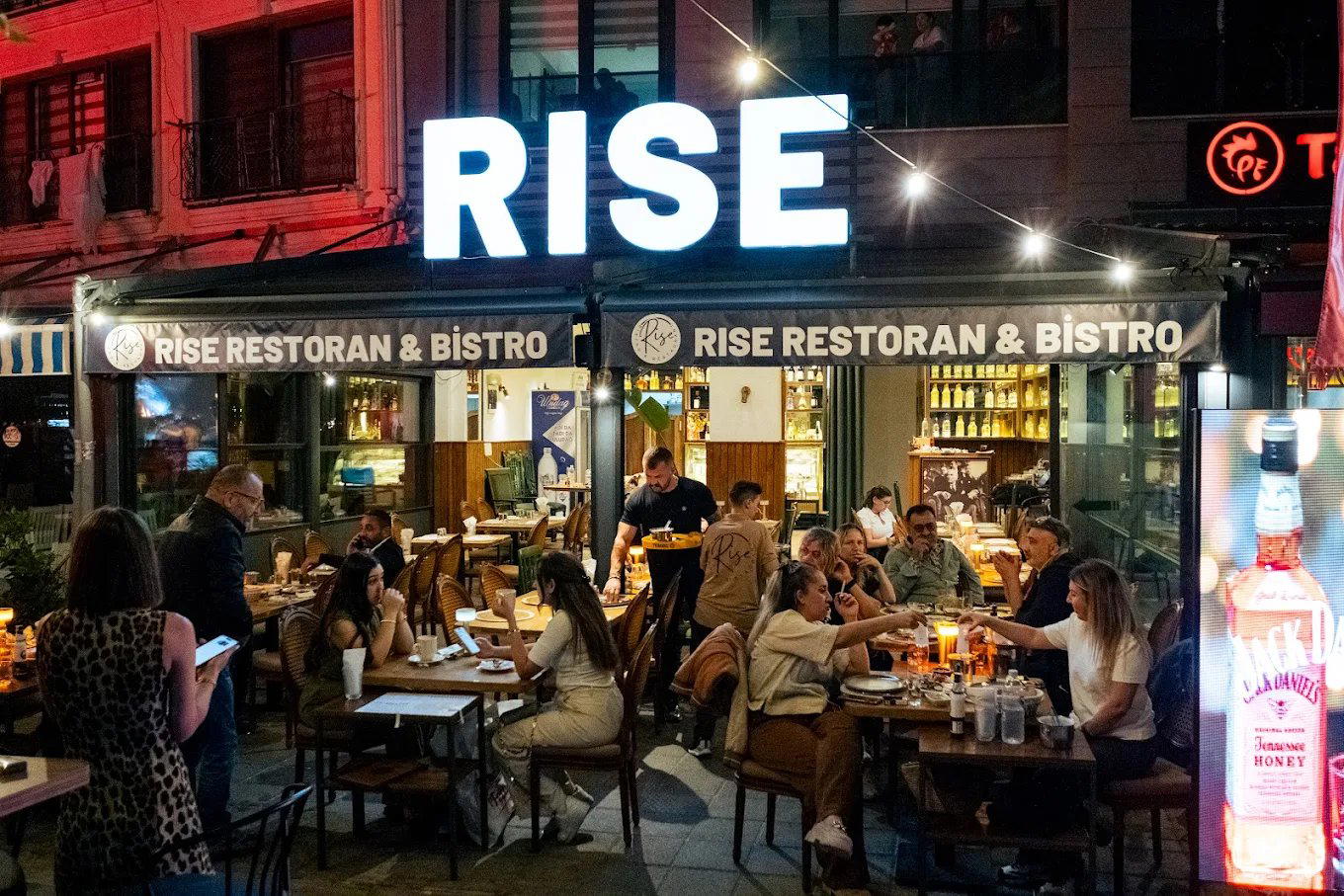
Bars in Fethiye
Browse all →
Details
- Rustic
- Cozy
- Casual Hangout
- Group Dining
- Family
- Standalone
- Local Sourcing
- A La Carte
Current opening hours
- Monday
- 10 AM–8 PM
- Tuesday
- 10 AM–8 PM
- Wednesday
- 10 AM–8 PM
- Thursday
- 10 AM–8 PM
- Friday
- 10 AM–8 PM
- Saturday
- 10 AM–8 PM
- Sunday
- Closed
Hours can change for holidays and private events. Hours as of .
Warm and welcoming local atmosphere with traditional Turkish decor and intimate setting.