
Michelin Plate
Our verdict
Reached by a free ferry from Şat Burnu pier, ADA Restaurant sits on Şövalye Island with views across Fethiye's harbour and open water on every side. The kitchen draws on the Aegean's coastal larder, pairing wood-fired technique with Turkish tradition. Among Fethiye's dining options, it is one of the few that earns its setting through the food as much as the scenery.

Pearl is the En Primeur Club membership app, where members save venues, book tables and use the concierge.
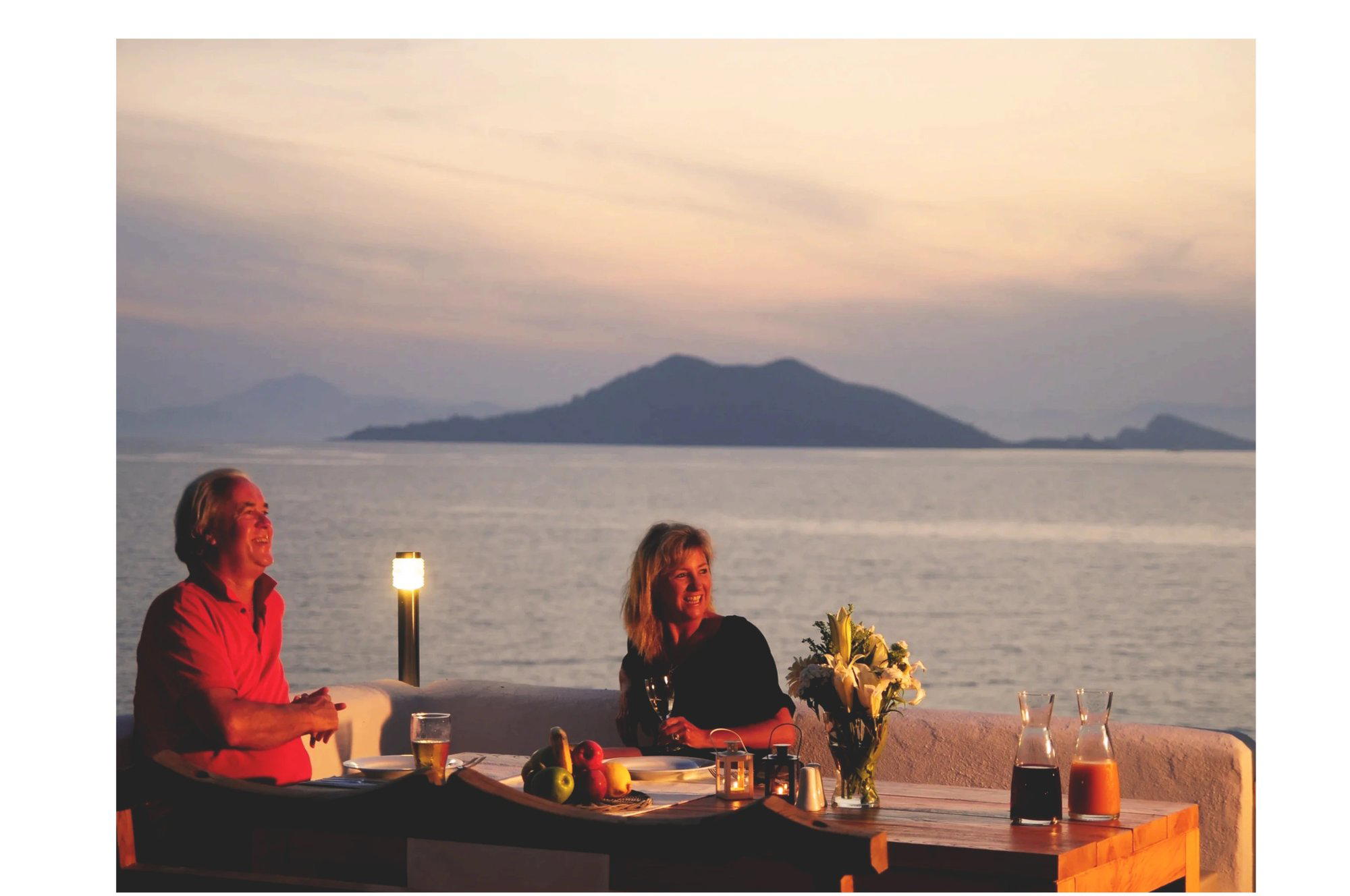
An Island Table in the Aegean
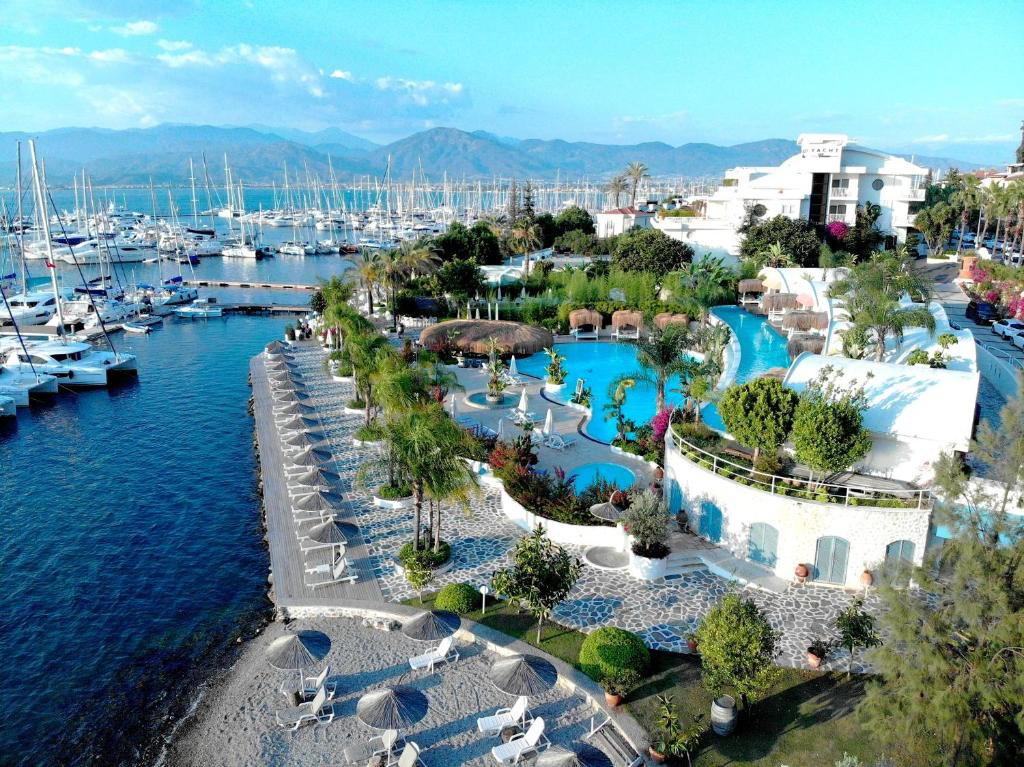
The approach to ADA Restaurant is as much a part of the experience as the meal itself. From the wooden pier at Şat Burnu, the Sovalyece ferry crosses to Şövalye Island in under ten minutes, at no charge. The water opens around you, Fethiye's old town recedes to the shore, and by the time you step onto the island, the pace of the evening has already changed. This is how dining on a small Aegean island works when done properly: geography becomes the first course.
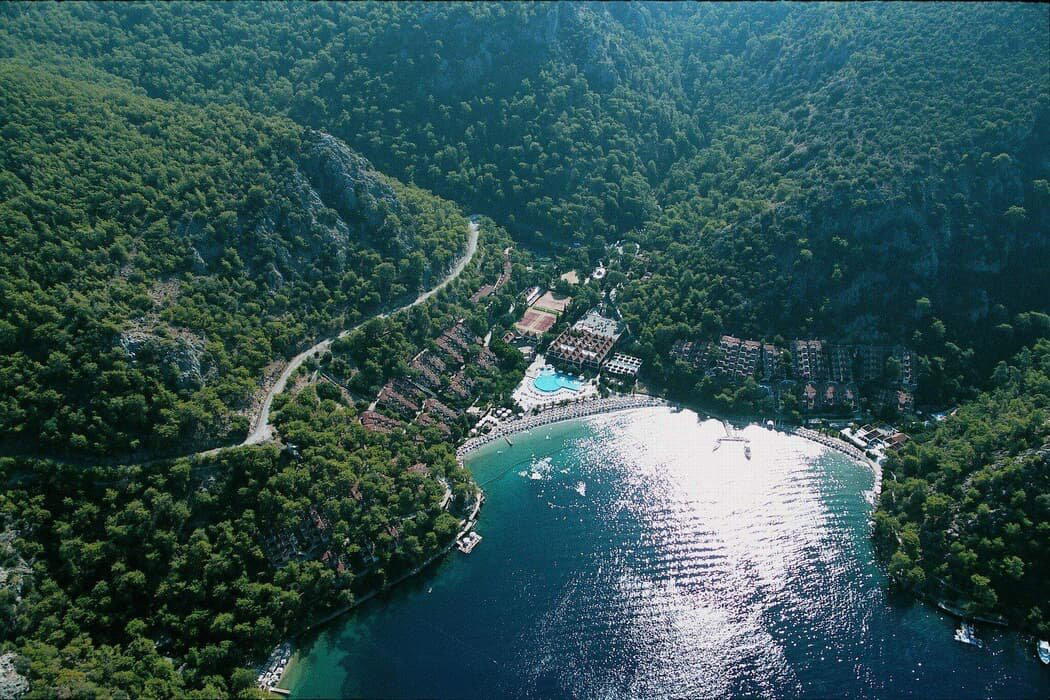
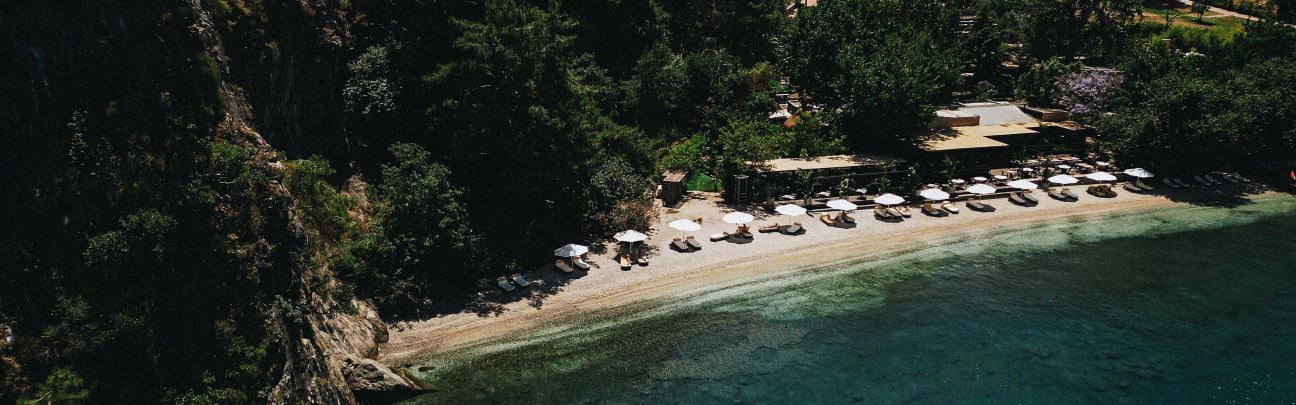
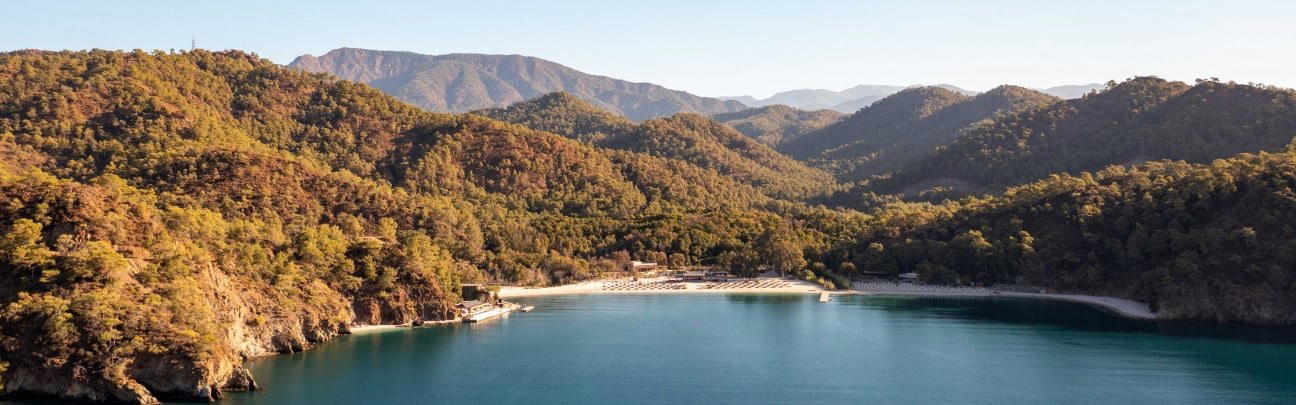
Şövalye Island sits within Fethiye Bay, a sheltered inlet on the Turkish Mediterranean coast where the mountains drop sharply to the water. The bay's position, protected from open-sea swell and oriented toward the southwest, means sunsets here are theatrical, the light moves across the water in long horizontal bands before it disappears behind the hills. At ADA, the tables face that view, and the sound of small waves against the island's edge runs underneath every conversation.
Where the Food Comes From
The Aegean and Mediterranean coasts of Turkey have long supplied some of the country's most compelling raw ingredients: fish pulled from clear, relatively cool inshore waters; aubergines and peppers grown in volcanic-adjacent soil with high mineral content; lamb from flocks that graze the region's scrubby highland pastures. The kitchens of coastal Anatolia have historically known how to treat these ingredients with restraint, and ADA's menu sits within that tradition.
Sea bass is the signature fish of the Turkish Aegean, a species that moves between inshore and offshore waters and arrives in kitchens with firm, white flesh suited to grilling over high heat. Here it is served with spicy roasted potatoes, a pairing that draws on both Anatolian spice logic and the Levantine habit of serving fish with something that pushes back against it. The smoke does the seasoning work that butter or cream would do elsewhere in Europe.
Aubergine cooked in a wood-fired oven represents one of the oldest techniques in the Turkish culinary repertoire. The char on the skin drives moisture out and concentrates the flesh into something dense and smoky, and the addition of yoghurt is a specifically Anatolian move: the acidity of the dairy cuts the richness of the oil that the aubergine absorbs during cooking. This is not a fusion gesture. It is a dish that has existed, in some form, across this coast for centuries. The wood-fire version at ADA preserves that lineage rather than reinterpreting it.
Tandoori lamb on the same menu might read as a curveball, but the tandoor oven has roots that run from Central Asia through Anatolia, and its presence in Turkish cooking predates the dish's more widely known associations elsewhere. Slow-roasted lamb in a sealed, radiant-heat environment produces a result that is closer to the Ottoman tradition of long-cooked meat than to anything borrowed from elsewhere. Chicken curry, by contrast, represents the menu's more Mediterranean-facing side, acknowledging the spice trade routes that have always connected this coast to the wider world.
The bread that arrives at the table immediately is Turkish, and its timing matters. In serious Turkish dining culture, bread is not an afterthought or an amuse-bouche substitute. It is the signal that the table is open and the kitchen is attentive. The diversity of the menu, spanning grilled fish, wood-fired vegetables, slow-cooked meat, and curry-spiced poultry, reflects the Aegean's historical position as a meeting point of technique and ingredient rather than a single coherent culinary tradition. This is a coast that has absorbed and adapted, and the menu at ADA reads accordingly.
ADA in the Context of Turkish Coastal Dining
The upper tier of Turkish restaurant culture, represented by places like Turk Fatih Tutak in Istanbul and Maçakızı in Bodrum, tends toward higher price points and more formally constructed menus. Narımor in Izmir and 7 Mehmet in Antalya operate in their respective cities with a similar ambition to present Turkish cuisine in a considered, composed format. ADA occupies a different register: less formally constructed, more directly connected to the coastal ingredient tradition, and defined more by its setting than by any claim to technical innovation.
Along the Aegean and Mediterranean coast, the dining model that works at ADA has strong precedent. Ahãma in Göcek, a short distance up the coast, operates in a similarly scenic waterside context. Mori, also in Fethiye, represents the Mediterranean cuisine approach in the town itself. What ADA offers that neither can replicate is the island crossing, and the specific visual and acoustic conditions of a table on Şövalye. The setting is not decorative. It is structural to the experience in a way that dining rooms on the mainland cannot approximate.
For those travelling more broadly through Turkey's culinary regions, Aravan Evi in Ürgüp and Nahita Cappadocia in Nevsehir represent the inland Anatolian tradition, where the ingredient logic and cooking techniques diverge sharply from the coast. Agora Pansiyon in Milas offers another data point on how the western Aegean coast handles its local produce. And for those approaching Turkish dining from a background in international fine dining contexts, Le Bernardin in New York City, Emeril's in New Orleans, and Lazy Bear in San Francisco represent the kinds of technically ambitious rooms against which ADA measures quite differently, it is not competing on that axis, and that is a deliberate position.
Planning the Evening
The ferry from Şat Burnu pier runs passengers to Şövalye Island at no cost, with a crossing time of under ten minutes. The island is located in Fethiye Bay, accessible from the town centre. Booking in advance is advisable given that island capacity is finite by nature. Sunset timing varies by season, but the southwest-facing orientation of the bay means that evening sittings in summer and early autumn capture the full arc of light over the water. The dress code is smart casual at most, consistent with the wider coastal Turkish dining register. Those travelling with children should find the ferry crossing and the open-air setting manageable, though the boat transfer means the logistics require slightly more planning than a standard town restaurant. For a broader picture of what Fethiye offers across dining, accommodation, and nightlife, our full Fethiye restaurants guide, Fethiye hotels guide, Fethiye bars guide, Fethiye wineries guide, and Fethiye experiences guide cover the full range. Divia by Maksut Aşkar in Marmaris is worth noting for those extending their trip along the Turquoise Coast.
Frequently asked questions
Is ADA Restaurant child-friendly?
The free ferry from Şat Burnu pier takes under ten minutes, which is manageable for most families, though it does add a logistical step worth factoring in with very young children or pushchairs. The menu's range, covering grilled fish, lamb, and bread-led starters, gives enough variety for mixed groups. The open waterside setting at Şövalye Island is informal enough that the atmosphere does not demand strict adult-only conditions.
What's the overall feel of ADA Restaurant?
ADA sits at the romantic end of the Fethiye dining spectrum. The setting on Şövalye Island means water views on all sides, audible waves, and a sunset orientation that shapes the entire evening. The approach via the free Sovalyece ferry from Şat Burnu pier adds a sense of arrival that a restaurant on the mainland cannot replicate.
What's ADA Restaurant known for in terms of accolades?
ADA Restaurant has received recognition including: Head to the wooden pier at Şat Burnu, board the Sovalyece which will take you (free of charge) to Şövalye Island in under 10min and, finally, settle in at the chic ADA Restaurant. Your trip is rewarded with a dining experience with romance ….
What should I order at ADA Restaurant?
The grilled sea bass with spicy roasted potatoes is the kitchen's most direct statement: Aegean fish over direct heat, paired with a sharp, roasted accompaniment. Smoked aubergine from the wood-fired oven with yoghurt is the vegetable dish worth ordering alongside it. Tandoori lamb and chicken curry show the Mediterranean-inflected range of a menu that doesn't restrict itself to a single register.
What's the address for ADA Restaurant?
ADA Restaurant is located at Şövalye Adası No:61, Fethiye.
Comparable Spots, Quickly
Comparable venues nearby, for context on price, style, and recognition.
| Venue | Cuisine | Price | Awards | Notes |
|---|---|---|---|---|
| ADA RestaurantThis venue (the venue you are viewing) | Mediterranean Seafood with Turkish Traditions | $30–50 | Michelin Plate | Not listed |
| Mori | Mediterranean with Italian influences | Not listed | Michelin Plate | Fethiye Marina |
| ONNO Grill & Bar | Modern Mediterranean Grill | $50–100 | Michelin Plate | Göcek |
| Mezegi | Turkish Meze & Mediterranean | $20–30 | Michelin Bib Gourmand | Göcek |
| Canciğer Balık Restaurant | Traditional Turkish Seafood | $20–30 | Not listed | Foça |
| Zoka Restaurant Yeni nesil eğlence, Yeni nesil meyhane | Modern Turkish Meyhane | $20–30 | Not listed | Foça mah. |
Recognition history
Dated appearances from independent guides and award organizations, with the underlying list record or original source where available.
Michelin Plate
Michelin · 2026 Michelin Plate
Continue exploring
More in Fethiye
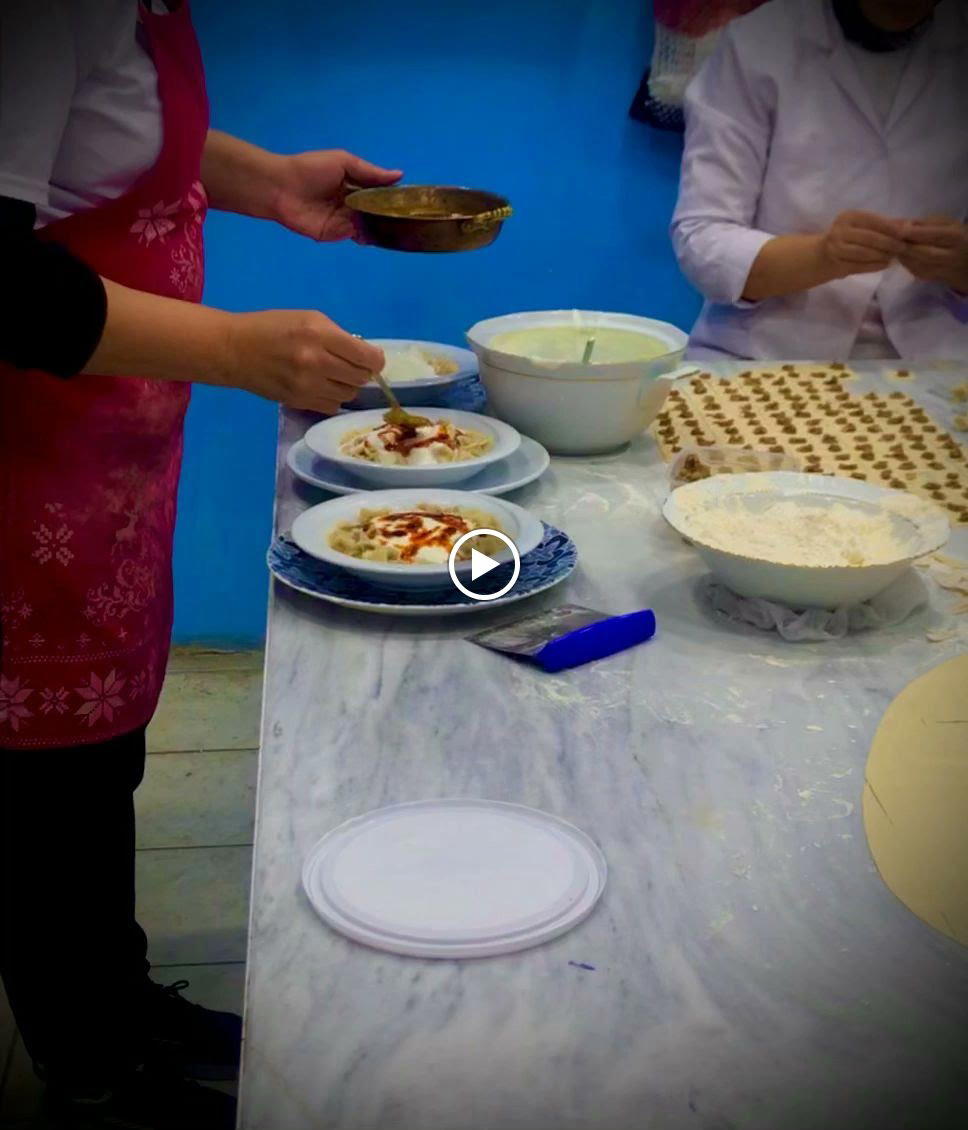
Restaurants in Fethiye
All restaurants in Fethiye →
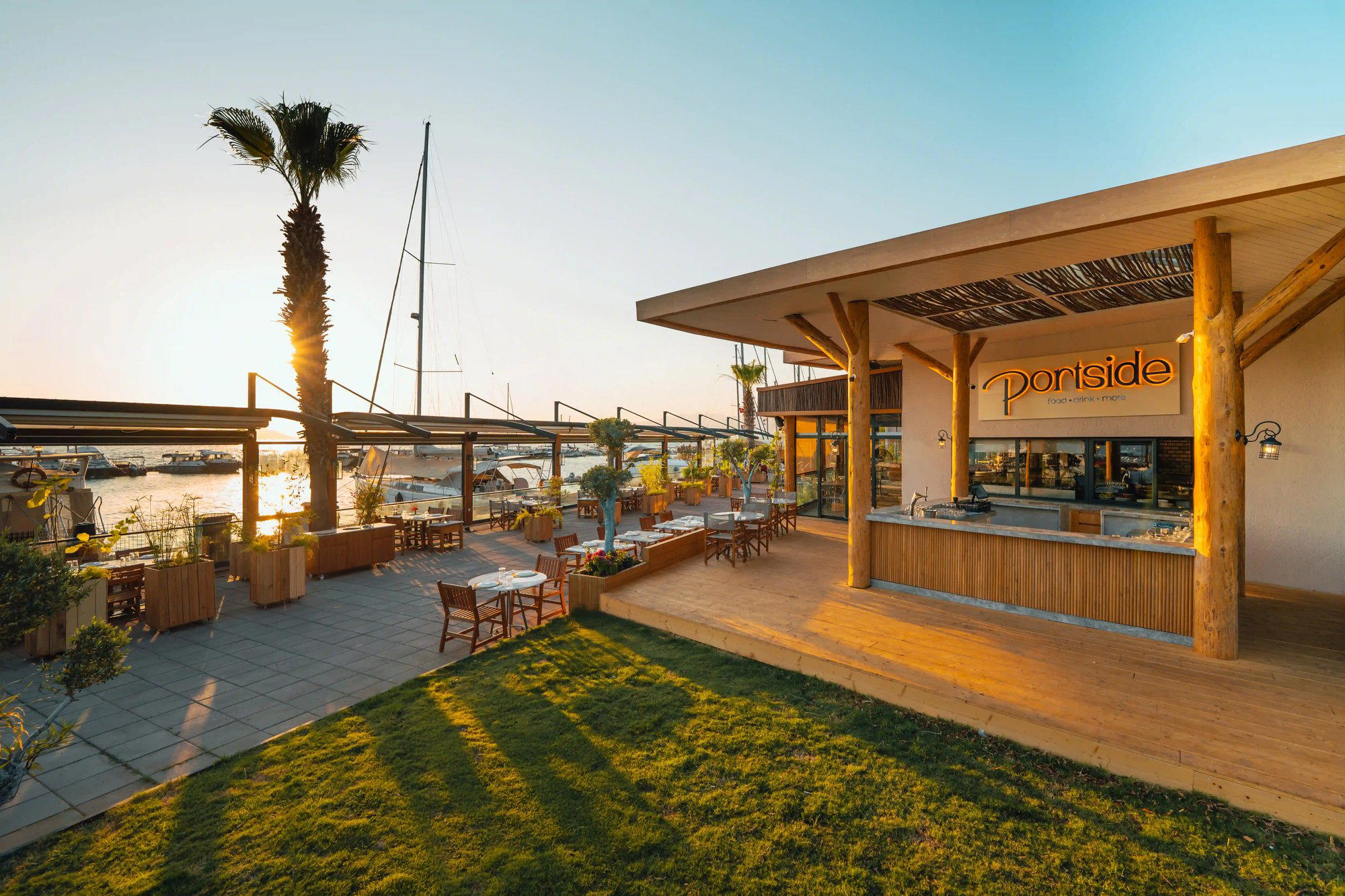
Bars in Fethiye
Browse all →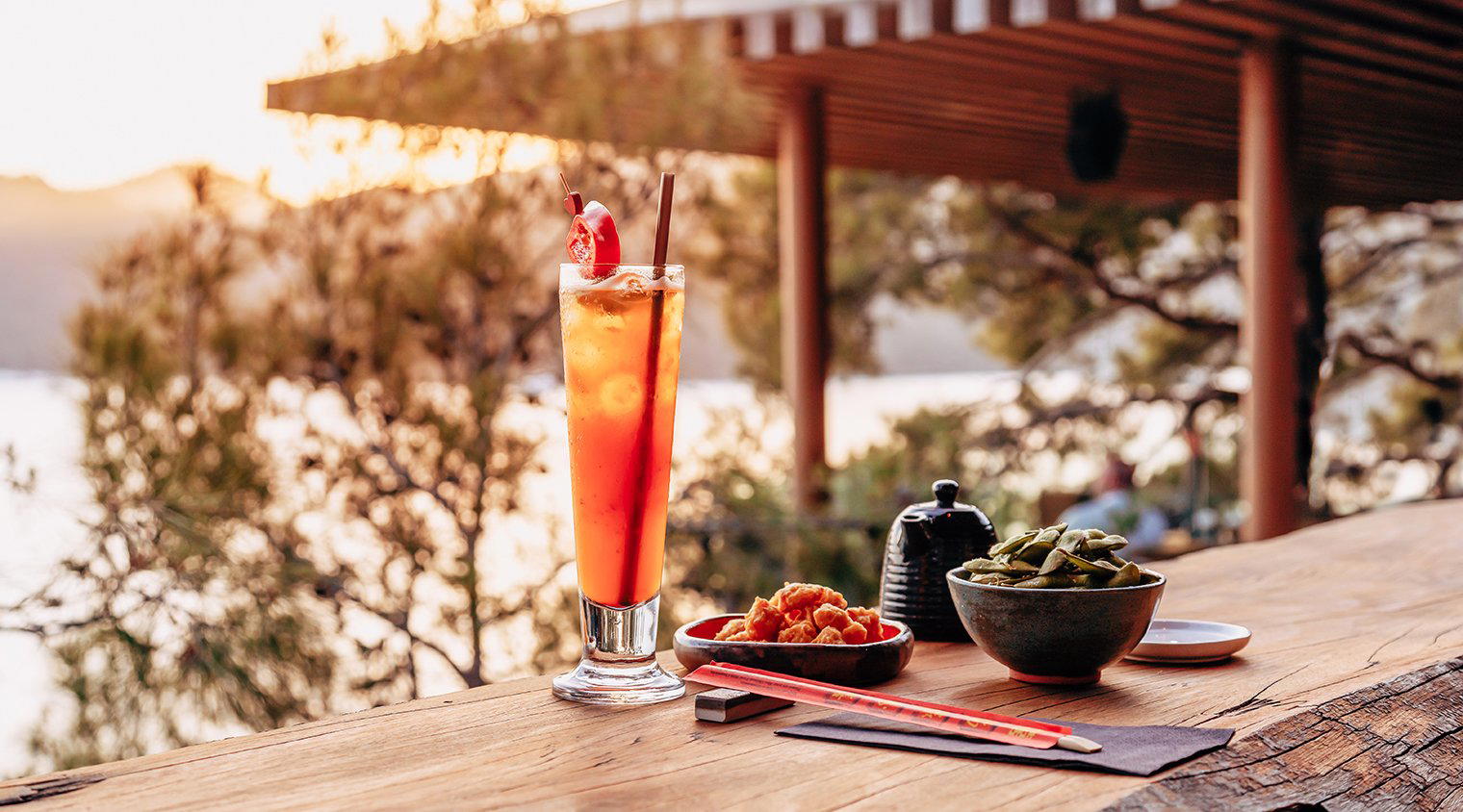
Details
- Scenic
- Elegant
- Romantic
- Date Night
- Special Occasion
- Waterfront
- Terrace
- Local Sourcing
- Waterfront
- A La Carte
- Vegetarian Friendly
- Vegan Options
- Gluten Free Options
Current opening hours
- Monday
- 12–11:45 PM
- Tuesday
- 12–11:45 PM
- Wednesday
- 12–11:45 PM
- Thursday
- 12–11:45 PM
- Friday
- 12–11:45 PM
- Saturday
- 12–11:45 PM
- Sunday
- 12–11:45 PM
Hours can change for holidays and private events. Hours as of .
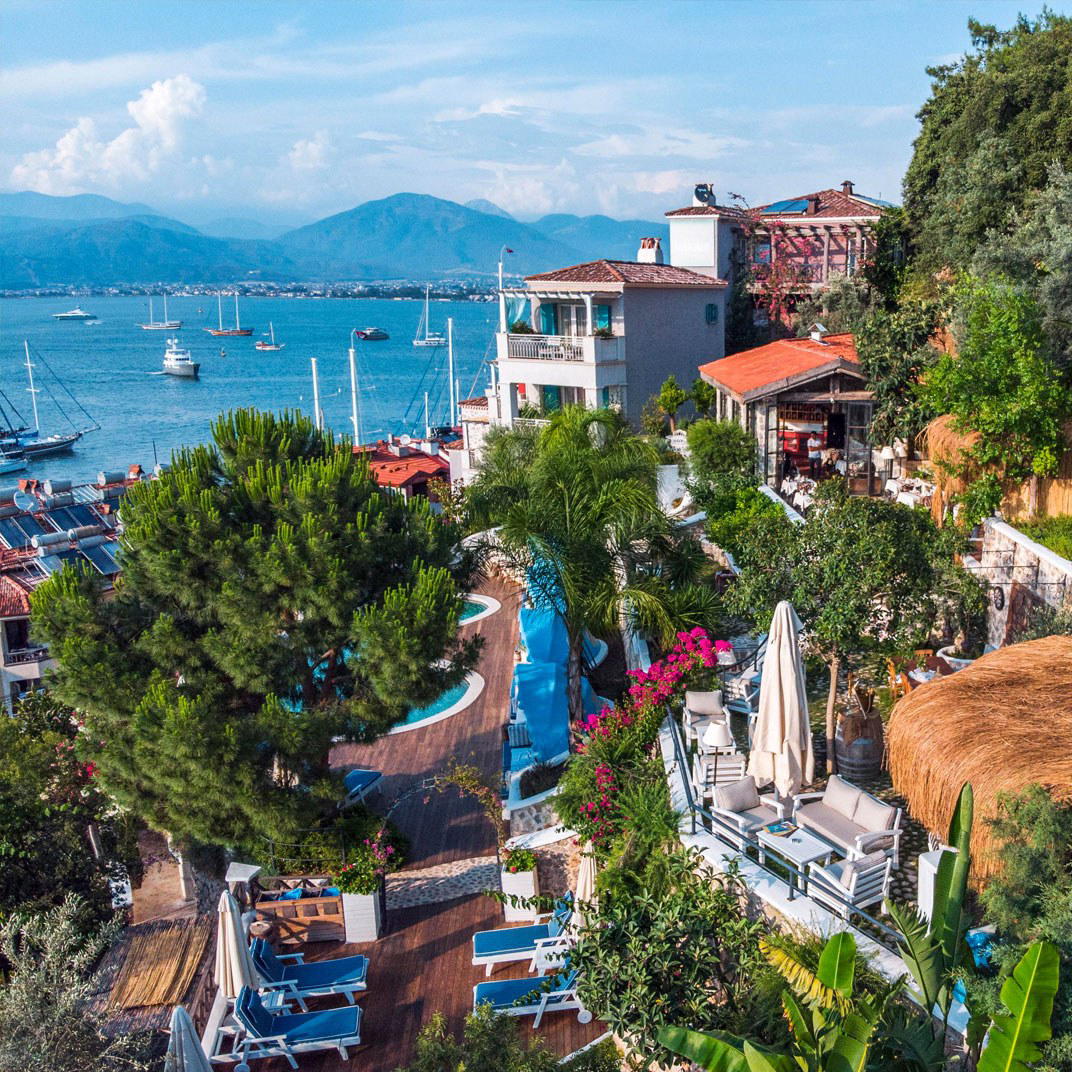
Dramatic sea views from an eastern hilltop on a historical island, creating an elegant and scenic dining atmosphere.