Hacienda Cazadores
La Mesa Blvd and the Mexican Dining Tradition It Carries La Mesa Boulevard runs through one of San Diego's oldest incorporated cities with the particular energy of a main street that has never fully decided whether it belongs to the past or the...
Pearl is the En Primeur Club membership app — saves, bookings, and concierge access live there. Same editors, same standards.
- Address
- 8302 La Mesa Blvd, La Mesa, CA 91942
- Phone
- +16194397154
- Website
- haciendacazadores.com
 Saves & bookings on Pearl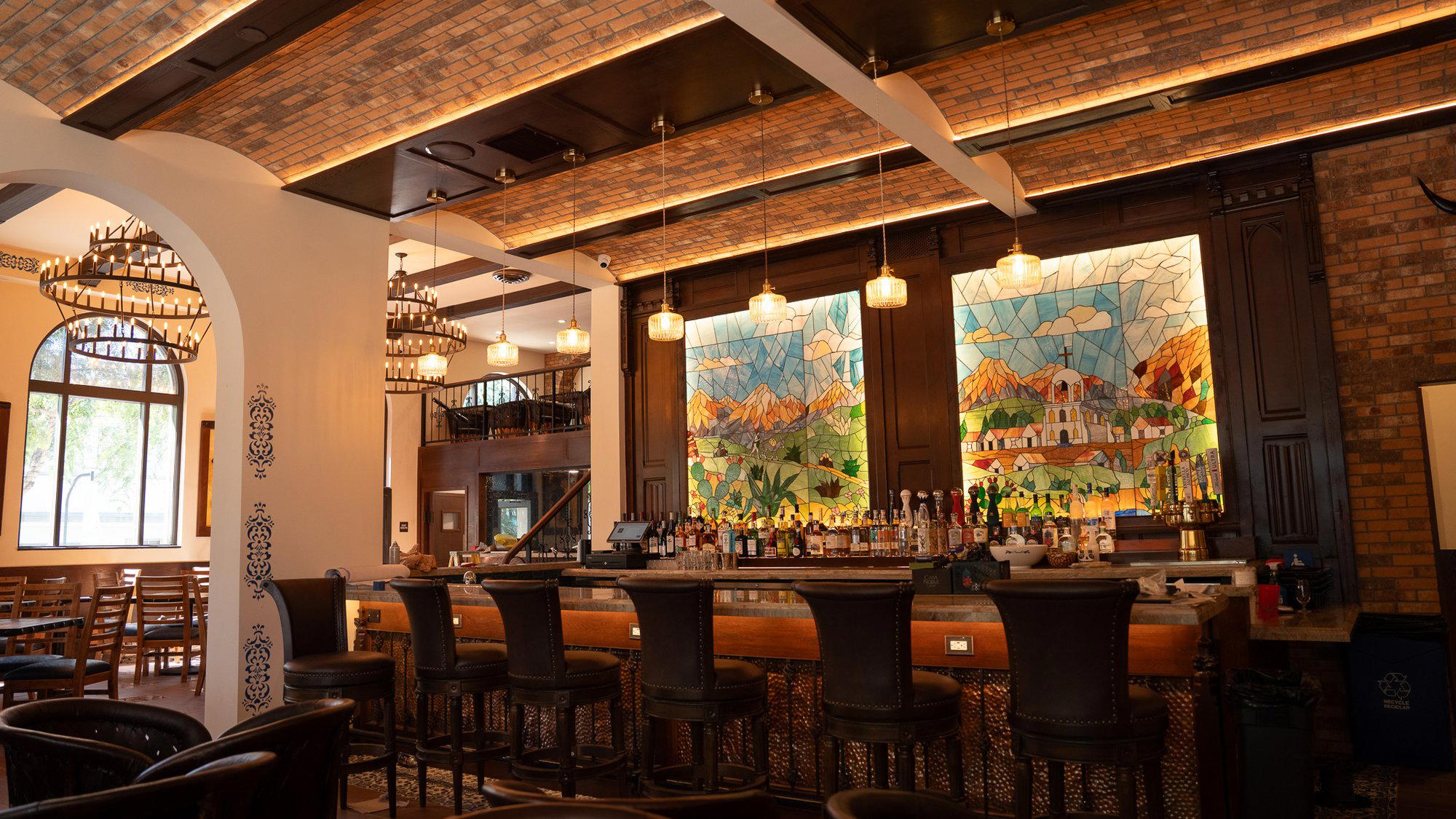
La Mesa Blvd and the Mexican Dining Tradition It Carries
La Mesa Boulevard runs through one of San Diego's oldest incorporated cities with the particular energy of a main street that has never fully decided whether it belongs to the past or the present. Storefronts cycle, but certain kinds of restaurants hold. The Mexican table has remained a constant presence along this corridor, shaped by the region's proximity to Baja California and by the generations of cooks who brought northern Mexican ranching traditions across the border. Hacienda Cazadores, at 8302 La Mesa Blvd, is a Sonoran Mexican Steakhouse in La Mesa, with a recommended reservation policy and a price point around $40 per person.
What the Hacienda Tradition Means on a California Plate
The hacienda as a culinary framework is not simply decorative. In Jalisco and the surrounding agave country, hacienda cooking developed around what the land produced: slow-braised meats from cattle ranches, corn ground in-house, chiles dried and stored through the dry season, and the fermented agave that eventually became tequila. That tradition, when transplanted to Southern California, meets a different agricultural system. San Diego County sits within reach of some of the most productive growing regions in North America. The Imperial Valley, an hour east, produces a significant share of the country's winter vegetables. The farms of the Otay Mesa and Ramona corridors add herbs, specialty peppers, and heritage grains to what regional cooks can source close to home.
This matters when considering what ingredient-sourced Mexican cooking actually looks like in practice. It is not fusion; it is proximity. The chile negro that anchors a mole has always been a dried, transported ingredient, so its provenance may span several states regardless of the restaurant's location. But the tomatoes, the squash, the fresh herbs, the corn tortillas pressed daily rather than sourced from a commercial distributor: these are the elements where a California address creates genuine opportunity. Restaurants along the greater San Diego corridor that take sourcing seriously tend to show it most clearly in their salsas, their seasonal sides, and the texture of their tortillas. These are the markers worth watching.
Where Hacienda Cazadores Sits in La Mesa's Dining Mix
La Mesa's restaurant scene is smaller and more neighbourhood-scaled than the dining districts of downtown San Diego or North Park, but it is not thin. The boulevard and its surrounding blocks carry a range of options across price points and cuisines. Antica Trattoria and Aromi Italian Cuisine represent the Italian presence on the strip, both working within a European tradition that relies on ingredient quality as heavily as technique. Brigantine La Mesa holds the seafood position, drawing on the coastal supply that defines much of San Diego County's restaurant identity. Casa De Pico represents the longer-established Mexican dining presence in the area, with a format and following built over decades. 6126 Lake Murray Blvd adds another reference point in the neighbourhood's broader dining conversation.
Within that mix, Hacienda Cazadores occupies the Mexican regional tier, where the competitive comparison is less about price-per-plate formality and more about whether a kitchen is cooking from a tradition or assembling one. The hacienda framing, if taken seriously, implies a specific regional commitment: Jalisco-influenced proteins, agave-adjacent drink lists anchored by tequila and mezcal, and a hospitality register that leans festive and communal rather than austere. The name Cazadores itself, meaning hunters, reinforces an association with rural northern and western Mexican culture, where game, grilled meats, and outdoor cooking define the table. Whether the execution matches that reference is the question a first visit is designed to answer.
The Broader San Diego Context: Mexican Dining and Regional Identity
San Diego occupies a specific and somewhat underappreciated position in American Mexican dining. Its proximity to Tijuana and the Baja peninsula means that the region has long had access to a different register of Mexican cooking than what reached, say, Chicago or New York. Baja-style seafood, Tijuana-style Caesar salad (which originated there, not in the United States), and the fish taco tradition that diffused northward from Ensenada are all part of what shapes local expectations. Compared to that coastal Baja influence, the Jalisco and central-Mexican hacienda tradition represents a different pole: inland, land-based, oriented around cattle, agave spirits, and slow cooking methods. Restaurants working in that vein operate with a different set of reference points than the taco shops and mariscos counters that define San Diego's street-level Mexican scene.
For context on how sourcing-led dining operates at a higher tier elsewhere, it is useful to look at what restaurants like Blue Hill at Stone Barns in Tarrytown or Single Thread Farm in Healdsburg have done with farm-to-table frameworks: the commitment is structural, not decorative, and it shows in menu seasonality and supplier transparency. Closer to San Diego, Addison in San Diego and Providence in Los Angeles operate at a level of sourcing rigour that sets a regional benchmark. At the neighbourhood level, the standard is different, but the underlying question of where ingredients come from and how that shapes the plate remains relevant regardless of price tier. Further afield, restaurants like Le Bernardin in New York City, Lazy Bear in San Francisco, Alinea in Chicago, Emeril's in New Orleans, The French Laundry in Napa, The Inn at Little Washington in Washington, Atomix in New York City, and 8 1/2 Otto e Mezzo Bombana in Hong Kong demonstrate how ingredient provenance becomes a defining editorial signal at the highest levels of the global restaurant conversation. That conversation filters down, and its influence is visible even in how neighbourhood restaurants in cities like La Mesa frame their menus and their identity.
Planning Your Visit
Hacienda Cazadores is located at 8302 La Mesa Blvd in La Mesa, California 91942, within walkable distance of the La Mesa Village historic district and accessible by car with street parking typically available along the boulevard. Reservations are recommended, and hours run Mon: 3–9 PM; Tue: 3–9 PM; Wed: 3–9 PM; Thu: 3–9 PM; Fri: 4–10 PM; Sat: 10 AM–2 PM, 4–10 PM; Sun: 10 AM–2 PM, 3–9 PM. The boulevard corridor is generally more active during weekend evenings, when foot traffic from the surrounding neighbourhood creates a livelier atmosphere along the strip.
Comparison Snapshot
Comparable venues nearby, for context on price, style, and recognition.
| Venue | Cuisine | Price | Awards | Notes |
|---|---|---|---|---|
| Hacienda CazadoresThis venue — the venue you are viewing | Sonoran Mexican Steakhouse | $$$ | , | |
| Mario's De La Mesa Restaurant | Traditional Mexican | $$ | , | La Mesa Village |
| Casa Gabriela | Elevated Mexican | $$ | , | La Mesa Village |
| Craft Kitchen | Craft American Gastropub | $$ | , | Downtown La Mesa |
| Antica Trattoria | Authentic Italian Trattoria | $$ | , | La Mesa |
| Brigantine La Mesa | Seafood & Steakhouse | $$ | , | La Mesa |




At a Glance
- Rustic
- Lively
- Classic
- Group Dining
- Celebration
- Brunch
- Live Music
- Craft Cocktails
Moderate noise level with live mariachis on weekends creating a lively yet traditional atmosphere.