Himalayan Cuisine
Himalayan Cuisine on El Cajon Boulevard brings the cooking traditions of Nepal, Tibet, and the broader Himalayan region to La Mesa's increasingly varied dining corridor. In a city where Mexican and Italian restaurants dominate, it occupies a distinct niche for dishes built around warming spices, fermented flavors, and techniques shaped by altitude and isolation. It serves as a practical entry point for diners curious about a culinary tradition that remains underrepresented across greater San Diego.
Pearl is the En Primeur Club membership app — saves, bookings, and concierge access live there. Same editors, same standards.
- Address
- 7918 El Cajon Blvd P, La Mesa, CA 91942
- Phone
- +1 619 461 2503
- Website
- himalayancuisineone.com
 Saves & bookings on Pearl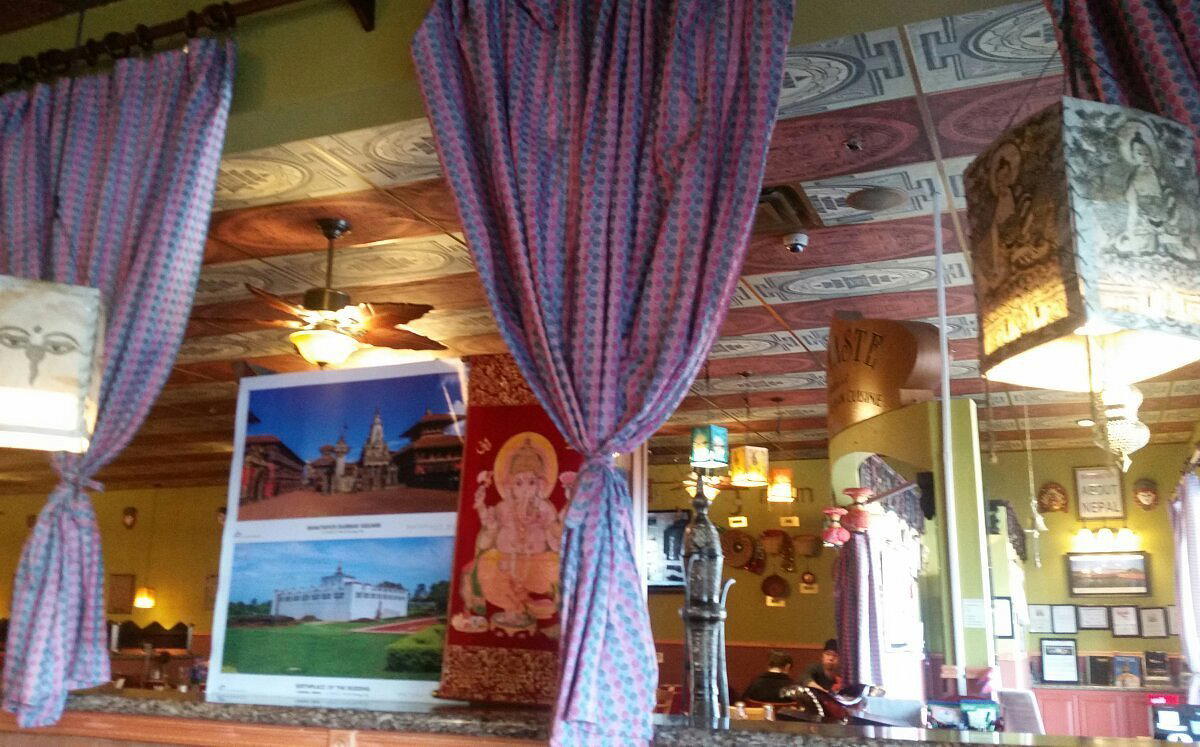
El Cajon Boulevard and the Case for Eating Outside Your Comfort Zone
La Mesa's main commercial artery, El Cajon Boulevard, has long operated as the unglamorous workhorse of the East County dining scene. Strip-mall storefronts, shared parking lots, and modest signage define the stretch. It is not the kind of address that generates press coverage or draws diners from across the county on name recognition alone. That ordinariness is precisely what makes it interesting: the corridor tends to absorb cuisines that cannot yet afford or justify higher-profile real estate, and those cuisines are often the most instructive to eat. Himalayan Cuisine, at 7918 El Cajon Blvd in La Mesa, fits that pattern. The address puts it among a mix of fast-casual spots and family-run independents rather than the polished restaurant rows of downtown La Mesa or Mission Hills.
That context matters for setting expectations. This is neighborhood dining in the most direct sense: a place that serves a community rather than performing for a wider audience. Diners arriving from outside the area should orient their mindset accordingly. The experience here is measured against the tradition it represents and the gap it fills locally, not against what you would find at Addison in San Diego or Providence in Los Angeles.
What Himalayan Cooking Actually Is
The phrase "Himalayan cuisine" covers a broad swath of cooking traditions shaped by geography as much as ethnicity. Nepal, Tibet, the Indian states of Sikkim and Darjeeling, and parts of Bhutan share overlapping food cultures built around the constraints of high-altitude agriculture: limited growing seasons, a reliance on grains like buckwheat and barley, preserved vegetables, and proteins from yak, goat, and chicken. The result is a cuisine that prizes warming, sustaining dishes over lightness or delicacy.
Momos, the steamed or fried dumplings that have become the most recognizable export of Himalayan cooking outside the region, appear on virtually every menu in this category. They function similarly to how dumplings operate across East and Central Asian traditions: as a practical, high-calorie, shareable format that adapts to available fillings. Dal bhat, the lentil-and-rice plate that serves as the daily staple across Nepal, is another anchor dish. Thukpa, a noodle soup with broth-based depth, reflects the Tibetan influence that moves through the northern parts of this culinary zone. Fermented flavors appear frequently, from gundruk (fermented leafy greens) to achar (spiced pickles), adding acidity and complexity to what might otherwise read as heavy cooking.
In greater San Diego, this tradition has limited representation. The county's restaurant ecosystem skews heavily toward Mexican, with significant Italian, Japanese, and Vietnamese presences rounding out the dominant options. East County in particular, which includes La Mesa, Spring Valley, and El Cajon, reflects those proportions. Himalayan or Nepali restaurants represent a small fraction of the total count. For context: Antica Trattoria and Aromi Italian Cuisine both serve La Mesa's appetite for Italian, while Casa De Pico anchors the Mexican end. The relative scarcity of Himalayan options in the region gives Himalayan Cuisine an automatic positional advantage for anyone seeking that specific tradition.
Placing It in the La Mesa Dining Scene
La Mesa's restaurant profile is more varied than its suburban character suggests. Brigantine La Mesa handles the seafood-and-casual end of the market. 6126 Lake Murray Blvd represents a different neighborhood pocket within the same city. The dining corridor on El Cajon connects La Mesa to a broader East County network of independent spots that serve price-sensitive, regulars-first audiences. That is the competitive set Himalayan Cuisine operates within: independent, neighborhood-facing, and priced for accessibility rather than occasion.
The comparison to marquee operations like Le Bernardin in New York City, The French Laundry in Napa, or Lazy Bear in San Francisco is instructive only by contrast. Those properties operate as destination experiences with tasting menus, lengthy reservation windows, and prix-fixe structures. Himalayan Cuisine occupies the opposite end of the format spectrum: accessible, casual, and built for repeat visits rather than single occasions. That is not a limitation so much as a clarification of purpose. The comparison set more relevant here is the class of under-the-radar, cuisine-specific independents across the San Diego region.
Planning a Visit
The El Cajon Boulevard location is accessible from central San Diego via the 94 or Interstate 8, with the venue sitting on the boulevard's eastern stretch closer to La Mesa's Spring Street boundary. Parking is typically lot-based in this stretch of the boulevard, consistent with its strip-mall commercial format. The restaurant is open daily, with later hours on Friday and Saturday, and reservations are recommended.
Why This Category Matters
Value of a restaurant like this extends beyond the individual meal. Cuisines from the Himalayan region remain genuinely unfamiliar to most American diners, including those with significant exposure to South Asian cooking more broadly. Indian and Pakistani cuisines have established footholds in most U.S. metro areas, but Nepali and Tibetan cooking occupies a narrower band of the market. Operations like Himalayan Cuisine function as introduction points: low-stakes, accessible environments where diners can encounter a new tradition without the pressure of a high-investment tasting format. The kind of culinary range that makes cities like New York, Los Angeles, or the Bay Area compelling for food-minded travelers is built precisely from this layer of independent, cuisine-specific restaurants that fill gaps rather than chase trends.
Across the country, venues like Smyth in Chicago, Blue Hill at Stone Barns in Tarrytown, and Atomix in New York City receive sustained critical attention for their approach to technique, sourcing, and cultural framing. Those restaurants operate at a format and investment level that serves a specific segment of the dining public. The independent neighborhood restaurant serving a less-represented cuisine serves a different but equally real function in the overall ecosystem. Single Thread Farm in Healdsburg and Atelier Moessmer Norbert Niederkofler in Brunico similarly demonstrate that culinary specificity and geographic rootedness can define a restaurant's identity at any price point.
The Quick Read
Comparable venues nearby, for context on price, style, and recognition.
| Venue | Cuisine | Price | Notes |
|---|---|---|---|
| Himalayan CuisineThis venue — the venue you are viewing | La Mesa, Himalayan-Nepalese | $ | |
| 6126 Lake Murray Blvd | $$ | La Mesa, American Barbecue and Craft Beer | |
| Farmer's Table | La Mesa, Farm-to-Table American-Italian | $$ | |
| Swami's Cafe La Mesa | $$ | Old La Mesa, California Breakfast & Lunch Cafe | |
| Riviera Supper Club and Turquoise Room | $$ | La Mesa, American Steakhouse with Grill-Your-Own | |
| La Torta Cafe | La Mesa, Mexican Torta Sandwiches | $$ |






At a Glance
- Cozy
- Rustic
- Casual Hangout
- Family
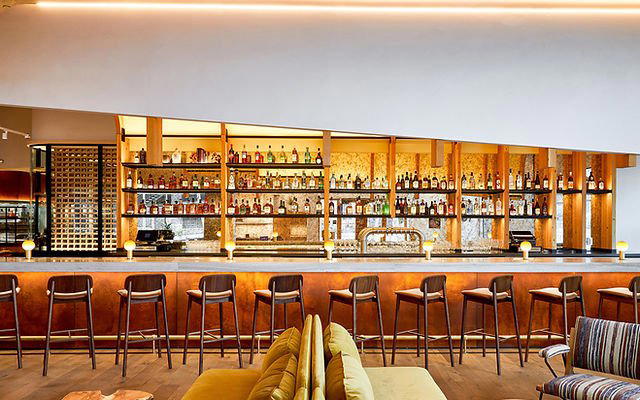
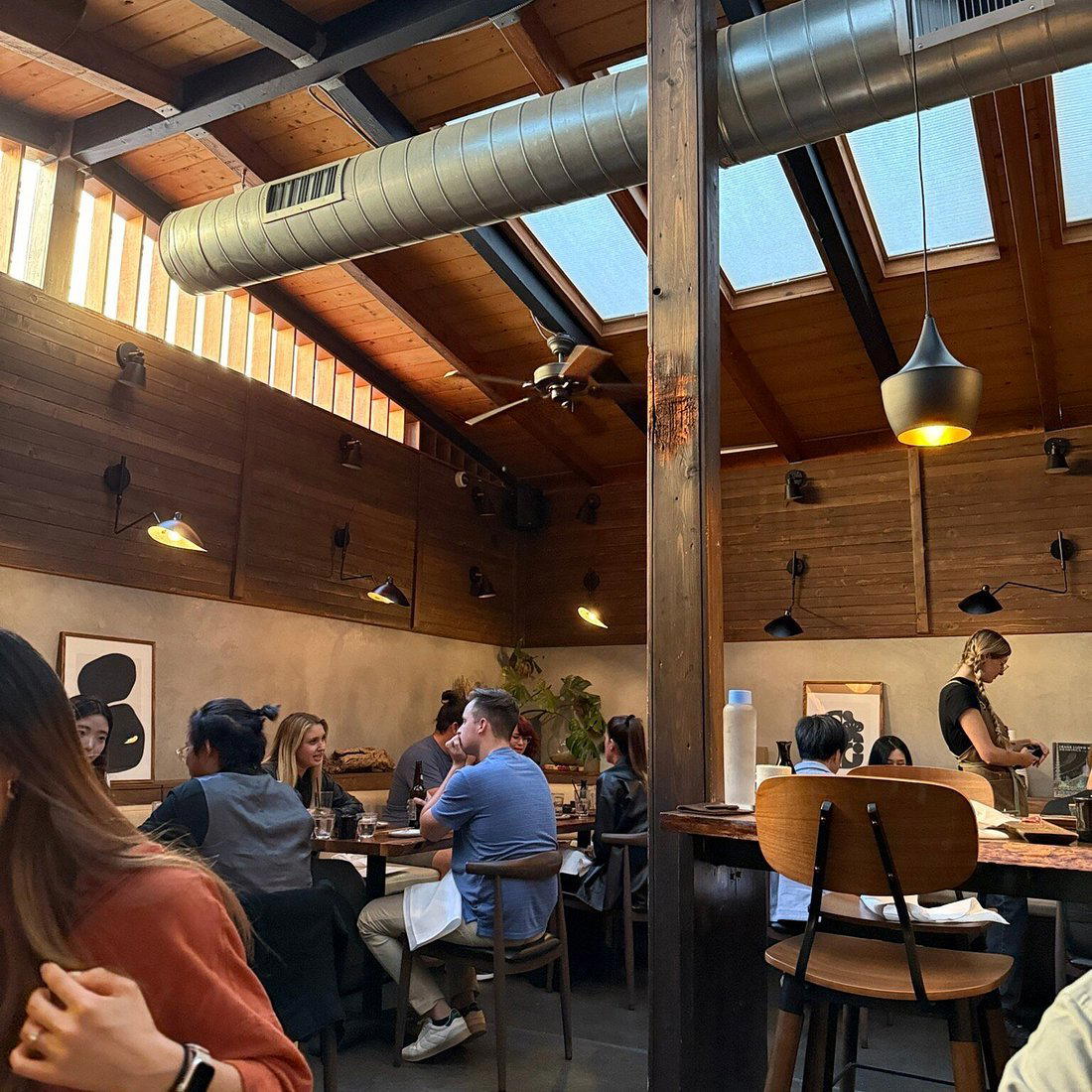
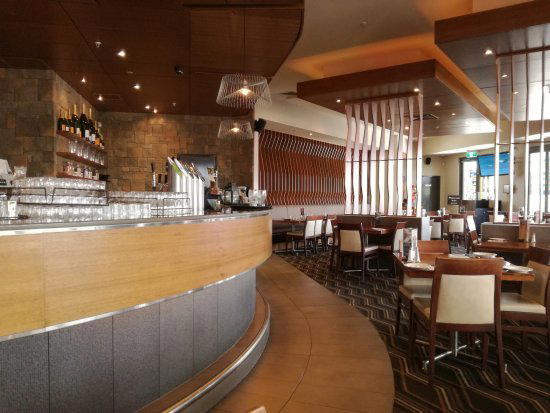
Warm earth-colored walls create an exotic, cozy atmosphere.