

Michelin Plate · Guía Repsol 1 Sol
Our verdict
Gunnen sits in A Coruña’s ingredient-led dining conversation, a city where Atlantic produce, Galician markets, and modern Spanish technique carry more weight than spectacle. Its 1 Sol recognition in the 2026 Guía Repsol places it in a serious regional tier, especially for diners comparing contemporary cooking with the city’s seafood and traditional Galician rooms.

Pearl is the En Primeur Club membership app — saves, bookings, and concierge access live there. Same editors, same standards.
- Address
- Rúa Juan Díaz Porlier, 15, 15009 A Coruña, Spain
- Hours
- Mon ClosedTue–Wed 1:30–3:30 PMThu–Sat 1:30–3:30 PM, 8:30–11 PMSun Closed
- Directions
- Get directions
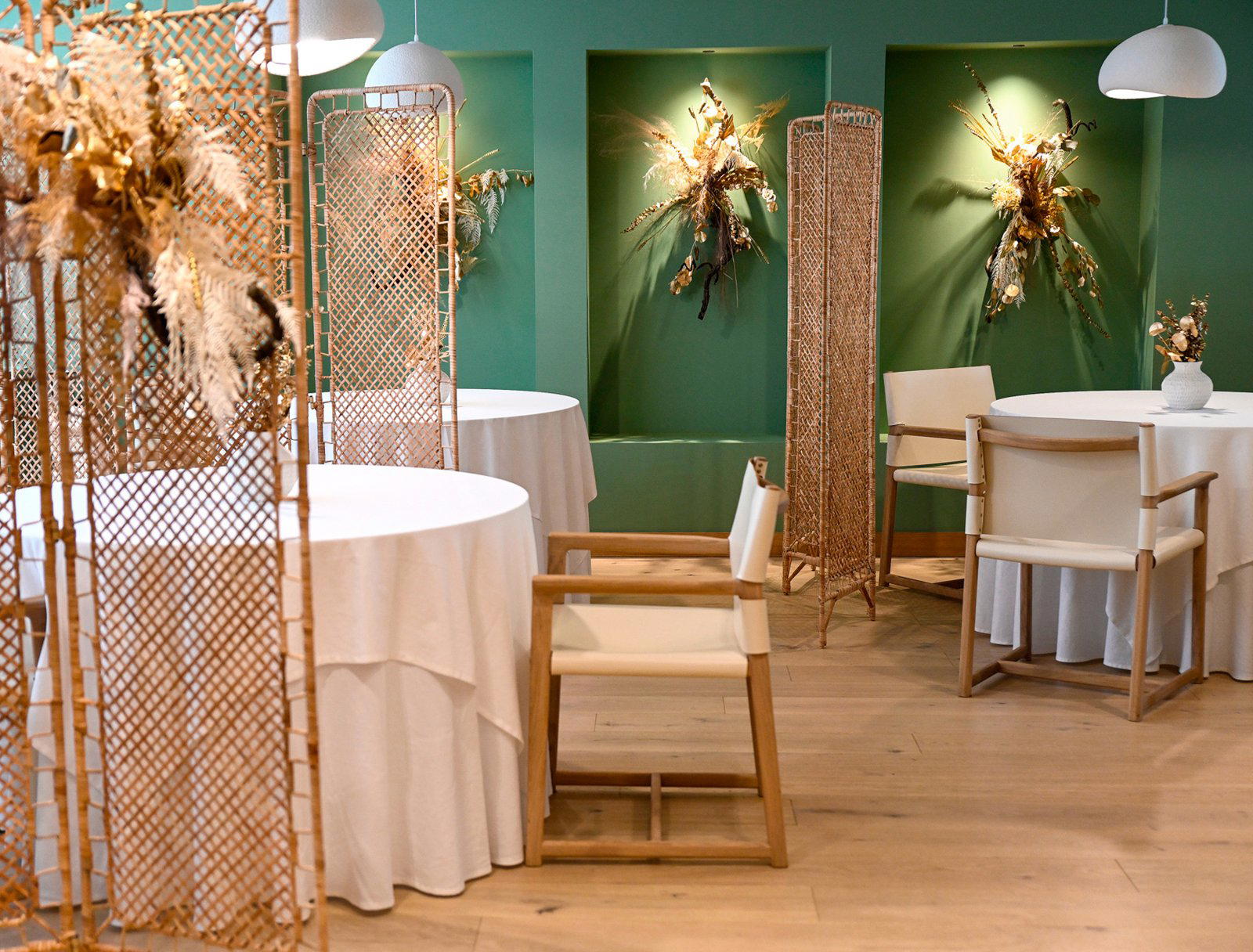
Approaching a serious restaurant in A Coruña, the first signal is rarely theatrical. The city’s dining culture is shaped by a strong local sense of quality and by diners who tend to judge a table on substance before styling. Gunnen belongs to that more exacting side of the city: not merely a name to file under casual dining, but a restaurant that now carries outside recognition within the Spanish guide landscape.
That matters in A Coruña because the city can punish vague modernity. A kitchen here cannot simply borrow the language of ambition and call it progress; it has to answer a local question. What does a restaurant do in a place where expectations around product, clarity, and hospitality are already high? Gunnen’s 1 Sol recognition in the 2026 Guía Repsol gives the answer some external weight. It places the restaurant in a Spanish guide system that pays attention to regional identity, not only metropolitan polish.
Atlantic produce sets the terms for the room
A Coruña’s restaurant hierarchy is different from Madrid’s or Barcelona’s. In the larger cities, novelty can drive the reservation conversation for months. Here, the baseline is confidence in the table itself: diners tend to notice when a restaurant is leaning too hard on image, when the experience feels underpowered, and when technique is being asked to do more than the meal can support. Restaurants in this city have to show restraint because the surrounding food culture already has a clear standard.
Gunnen is useful for understanding that shift. Its recognition sits between the city’s familiar dining traditions and its more current restaurant ambitions, a middle lane increasingly visible in regional Spanish dining. The point is not to escape local context but to work within it. That is the difference between a restaurant using place as decoration and one being read seriously by the people who know the city.
For comparison within A Coruña, A Mundiña represents the Galician category more directly, while Asador Coruña sits closer to traditional dining. Those rooms help explain why a contemporary restaurant here has to be precise rather than loud. Other A Coruña dining rooms point to another local pressure: credibility is not built by language alone; it has to be earned at the table.
The better way to read Gunnen is therefore not as a standalone address but as part of a citywide argument about how A Coruña’s restaurant scene should move forward. The city has enough classic rooms to satisfy diners who want recognisable tradition. The interesting contemporary tables are the ones that can adopt a more current restaurant language without flattening the local character that makes the city worth eating in.
A modern Spanish address in a traditional city
The 1 Sol marker is the cleanest public signal here. It does not place Gunnen in the same conversation as global destination restaurants, and it should not be read that way. It does, however, mark the restaurant as a serious regional address, the kind that matters for travellers who want to understand where A Coruña’s dining scene is moving rather than simply where it has been.
That distinction is useful when comparing it with the city’s broader set. Bido, Culuca, and Terreo Cocina Casual each point toward current eating in A Coruña, while traditional rooms keep the city anchored in familiar Galician forms. Gunnen’s relevance sits in the tension between those poles. It is a choice for diners who want a restaurant shaped by its city but read through a more contemporary register.
Across Spain, this is not an isolated pattern. Regional cities are producing restaurants that no longer need to imitate the capital to feel ambitious. Other dining rooms in Madrid, the Basque Country, Catalonia, the Balearic Islands, and elsewhere all sit in different regional conversations. The common thread is that Spain’s serious dining map is no longer defined only by capital-city gravity.
For A Coruña, the added pressure is local expectation. A restaurant working in this city has less room to hide behind elaborate positioning because the dining public already understands what makes a meal convincing. That makes recognition-led cooking a sharper test than it sounds. It asks whether the restaurant can feel considered without making the experience feel overwritten.
Who should choose it in A Coruña
Gunnen makes the strongest case for travellers building a meal around a recognised contemporary restaurant in A Coruña rather than a purely traditional dinner. Diners seeking old-school portions, a broad family table, or the familiar rhythm of a classic Galician restaurant may find a more direct fit elsewhere in the city. Those looking for a tighter, more focused meal, with external recognition and a clearer point of view, have a stronger reason to place it on the itinerary.
The planning logic is simple: treat it as a focused restaurant meal, not a casual fallback. A Coruña rewards diners who separate categories properly. Use Gunnen and other contemporary rooms for the modern side of the city, keep traditional Galician addresses for comfort and familiarity, and compare the decision against the full local map in our full A Coruña restaurants guide. For the rest of the trip, our full A Coruña hotels guide, our full A Coruña bars guide, our full A Coruña wineries guide, and our full A Coruña experiences guide give the city context beyond dinner.
Internationally, it has little in common with format-driven addresses in other cities. That contrast is useful: Gunnen’s appeal is not imported minimalism or novelty. Its interest lies in how a Galician city with serious dining expectations absorbs a contemporary restaurant without losing the discipline that local diners bring to the table.
Frequently asked questions
Is Gunnen a family-friendly restaurant?
Gunnen reads more as a focused sit-down restaurant than a casual drop-in. Its 1 Sol from Guía Repsol in A Coruña points to a serious meal built around the restaurant rather than an improvised stop.
Is Gunnen better for a quiet night or a lively one?
It suits a quieter night more naturally. The restaurant’s profile in A Coruña suggests a focused meal rather than a late, high-energy scene.
Is Gunnen open every day?
Check Gunnen directly for current opening days and hours before planning a visit, as schedules can change.
What's Gunnen's location?
A Coruña.
Quick Comparison
Comparable venues by cuisine and price in the same metro.
| Venue | Cuisine | Price | Awards | Notes |
|---|---|---|---|---|
| GunnenThis venue — the venue you are viewing | Contemporary Galician tasting menu | $50–100 | Michelin Plate · Guía Repsol 1 Sol | Not listed |
| Asador Coruña | Galician Steakhouse Grill | Not listed | Michelin Plate | Traditional Cuisine |
| Bido | Contemporary Galician | $50–100 | Michelin Plate · Guía Repsol 2 Soles | Modern Cuisine |
| Culuca | Modern Galician Tapas | $20–30 | Michelin Plate · Macarfi 7.4 Food Rating | Modern Cuisine |
| Terreo Cocina Casual | Modern Spanish Fusion | $30–50 | Michelin Bib Gourmand · Guía Repsol 1 Sol | Contemporary |
| A Mundiña | Galician Seafood & Market Cuisine | $50–100 | Michelin Plate · Macarfi 7.7 Food Rating | Galician |
Recognition history
Dated appearances from independent guides and award organizations, with the underlying list record or original source where available.
Michelin Plate
Michelin
Guía Repsol 1 Sol
Guía Repsol
Continue exploring
More in A Coruña
Restaurants in A Coruña
Browse all →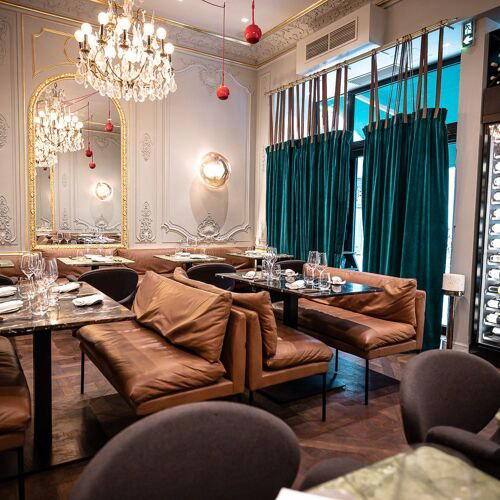
Details
- Intimate
- Cozy
- Modern
- Sophisticated
- Date Night
- Special Occasion
- Celebration
- Solo
- Business Dinner
- Standalone
- Design Destination
- Extensive Wine List
- Natural Wine
- Zero Proof
- Local Sourcing
- Sustainable Seafood
- Zero Waste
- Farm To Table
- Tasting Menu
- Set Menu
- Wine
- Zero Proof
- Creative Non Alcoholic
- Allergy Accommodating
Current opening hours
- Monday
- Closed
- Tuesday
- 1:30–3:30 PM
- Wednesday
- 1:30–3:30 PM
- Thursday
- 1:30–3:30 PM, 8:30–11 PM
- Friday
- 1:30–3:30 PM, 8:30–11 PM
- Saturday
- 1:30–3:30 PM, 8:30–11 PM
- Sunday
- Closed
Hours can change for holidays and private events. Last verified .
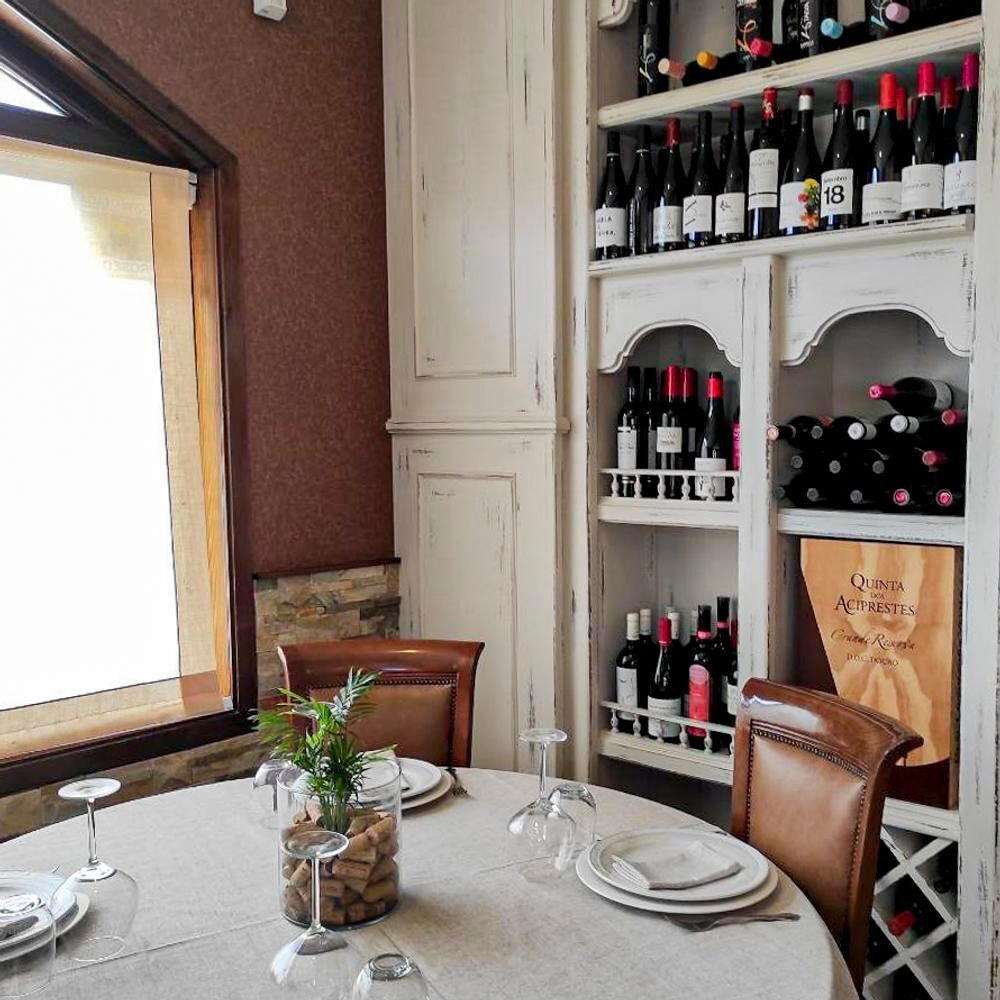
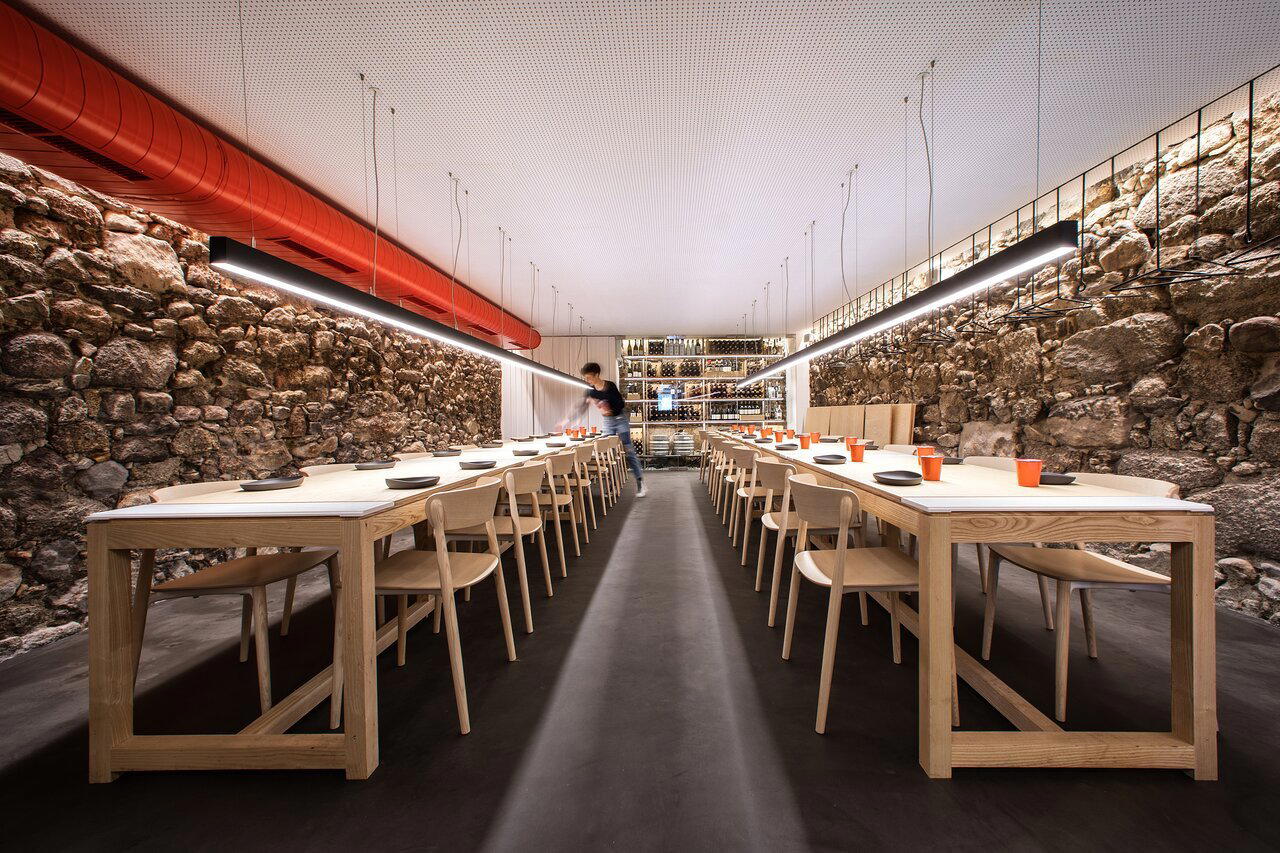
A small, product-focused dining room designed as a warm refuge: cozy, understated and honest in style, with an intimate, quiet atmosphere that encourages conversation and unhurried tasting-menu dining.