


A Michelin Plate recipient for 2024 and 2025, Bido sits close to A Coruña's fish market and translates the catch and produce of Galicia into a contemporary register. The menu's half-portion option across all dishes makes it a practical entry point for broad grazing, while the Gastronómico and Degustación set menus offer a more structured progression through contemporary local cuisine.
Pearl is the En Primeur Club membership app — saves, bookings, and concierge access live there. Same editors, same standards.
- Address
- Rúa Marcial del Adalid, 2, 15005 A Coruña, Spain
- Phone
- +34 881 92 28 47
- Website
- bidorestaurante.es
- Directions
- Get directions
 Saves & bookings on Pearl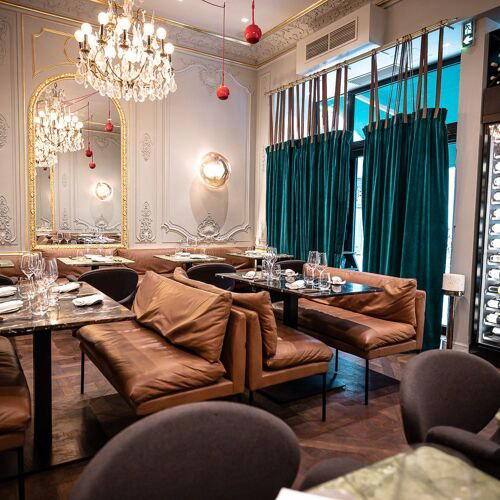
Where the Fish Market Meets the Designer Interior
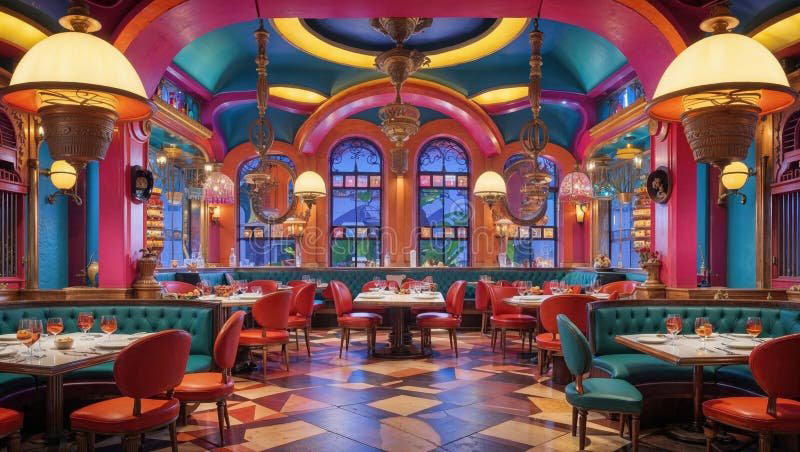
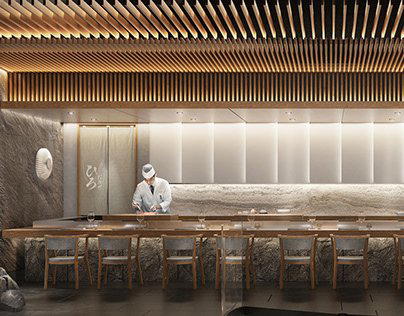
A Coruña's relationship with its Atlantic larder is old and unconditional. The city's covered market on the Praza de Lugo has set the daily rhythm of cooking here for generations, and the restaurants that cluster within its orbit tend to operate on an implicit agreement: the ingredient speaks, the kitchen refines. Bido, on Rúa Marcial del Adalid a short walk from the market, occupies that tradition but arrives at it through a contemporary lens. The room is designer-finished, its aesthetic closer to the polished minimalism you find in newer Spanish urban dining than to the tiled, fish-sauce-fragrant taverns that still anchor much of Galician eating. The contrast is the point. The setting is cool and deliberate, the product underneath it as rooted as anything the market can offer.
The Modern Galician Frame
Galician cuisine has spent the better part of two decades working through its own version of a question most regional Spanish food has had to answer: how much of the local tradition survives contact with contemporary technique? The answer in A Coruña has generally been conservative, particularly compared to the more aggressive reinvention you find at Árbore da Veira, which holds a Michelin star and pushes the creative register harder. At the other end, restaurants like El de Alberto operate in the Modern Cuisine category at a lower price point and with a more casual register. Bido at €€€ occupies a position between these two orientations: formal enough in ambition and presentation to justify the price tier, contemporary in its approach to local ingredients, but grounded rather than experimental. The Michelin Plate recognition it has received in both 2024 and 2025 reflects exactly this: cooking that meets a technical and product standard without tipping into the risk appetite that would push it toward starred territory.
Reading the Menu
The structure of Bido's menu carries some intelligence worth registering before you book. Half portions are available across all dishes, which is less common than it sounds at this price tier in Spain. In a city where the eating culture still leans heavily on the shared table and successive rounds of food rather than a fixed progression, this flexibility aligns the kitchen's output with how Galicians actually like to eat. It also makes the menu more useful for two people who want range without the volume commitment of a full tasting format.
For those who prefer a set path, two fixed menus are offered: the Gastronómico and the Degustación, both available with wine pairing. This is the architecture you find across much of Spain's mid-to-upper dining tier, where the tasting menu has become the primary way kitchens express intent. What distinguishes a menu at this level from the format you'd find at something like DiverXO in Madrid or El Celler de Can Roca in Girona is scope and ambition rather than quality of execution. Bido is not attempting to rewrite Galician cooking; it is attempting to express it with precision and care.
The Michelin assessment flagged the grilled lamb loin and braised neck as a particular success, citing the combination of flavours alongside Queso do Cebreiro, avocado and pea guacamole. The dish is instructive as a signal of approach: a Galician cheese with strong regional identity, an Atlantic-facing lightness in the guacamole, and a technique applied to the lamb that asks for concentration and char in the same plate. This is the vocabulary of a kitchen that knows its region's pantry and has thought carefully about how to layer it.
The A Coruña Context
A Coruña's dining scene is smaller and less internationally legible than San Sebastián or Barcelona, but it punches with a specificity those cities often trade away in favour of scale. The access to Galician seafood alone, sourced through one of Spain's most active fishing ports, gives kitchens here a raw material advantage that restaurants in landlocked cities spend serious money trying to replicate. At Culuca and 55 Pasos, the approach is modern Spanish in a similar register to Bido. A Espiga takes a farm-to-table angle that draws from the Galician interior rather than the coast. The city's dining is coherent rather than sprawling, which means a well-chosen week of eating here can feel more satisfying than an equivalent week in a larger city where the leading tables are separated by geography and competition for reservations.
Within the broader arc of Spanish fine dining, Galicia sits in a different register to the Basque Country's long-established prestige corridor (Arzak in San Sebastián and Azurmendi in Larrabetzu represent that benchmark) or Catalonia's more international visibility (Cocina Hermanos Torres in Barcelona sits in a different tier of ambition). What Galicia offers instead is a cuisine with deep roots and a product base that many of Spain's most celebrated kitchens draw on as a supplier. Eating well in A Coruña means engaging with that supply chain at source.
Planning Your Visit
Bido is located at Rúa Marcial del Adalid, 2, in the 15005 postcode of A Coruña, within reasonable walking distance of the fish market and the central city. At the €€€ price tier for a Michelin Plate restaurant, it represents a realistic commitment for a meal that rewards attention. The availability of wine pairing with both set menus is worth considering if the approach suits your preference; Galician whites, particularly from the Rías Baixas and Ribeiro designations, are the natural complement to the kind of product-led cooking the kitchen favours. For a fuller picture of where Bido sits within A Coruña's eating and drinking scene, the [full A Coruña restaurants guide]() maps the city's options across style and price tier. If you're planning a broader visit, the [A Coruña hotels guide](), [A Coruña bars guide](), [A Coruña wineries guide]() and A Coruña experiences guide cover the surrounding context. For those tracking Spain's contemporary fine dining at a higher level of international recognition, Aponiente in El Puerto de Santa María and Frantzén in Stockholm sit at the far end of the ambition range; FZN by Björn Frantzén in Dubai shows how that register travels. Bido operates in a different register, closer in intent to the precision-but-grounded mode that has produced some of the most reliable eating in Spain's smaller cities over the past decade.
In Context: Similar Options
| Venue | Cuisine | Price | Awards |
|---|---|---|---|
| BidoThis venue — the venue you are viewing | Modern Cuisine | €€€ | Not listed |
| NaDo | Gallician, Creative | €€ | Gallician, Creative, €€ |
| Árbore da Veira | Creative | €€€ | Michelin 1 Star |
| El de Alberto | Modern Cuisine | €€ | Modern Cuisine, €€ |
| Miga | Traditional Cuisine | €€ | Traditional Cuisine, €€ |
| Omakase | Japanese | €€€ | Japanese, €€€ |
Recognition history
Dated appearances from independent guides and award organizations, with the underlying list record or original source where available.
Guía Repsol 2 Soles
Guía Repsol
Macarfi 7.5 Food Rating
Macarfi
Michelin Plate
Michelin
Michelin Plate
Michelin
Michelin Plate
Michelin
Continue exploring
More in A Coruña
Restaurants in A Coruña
Browse all →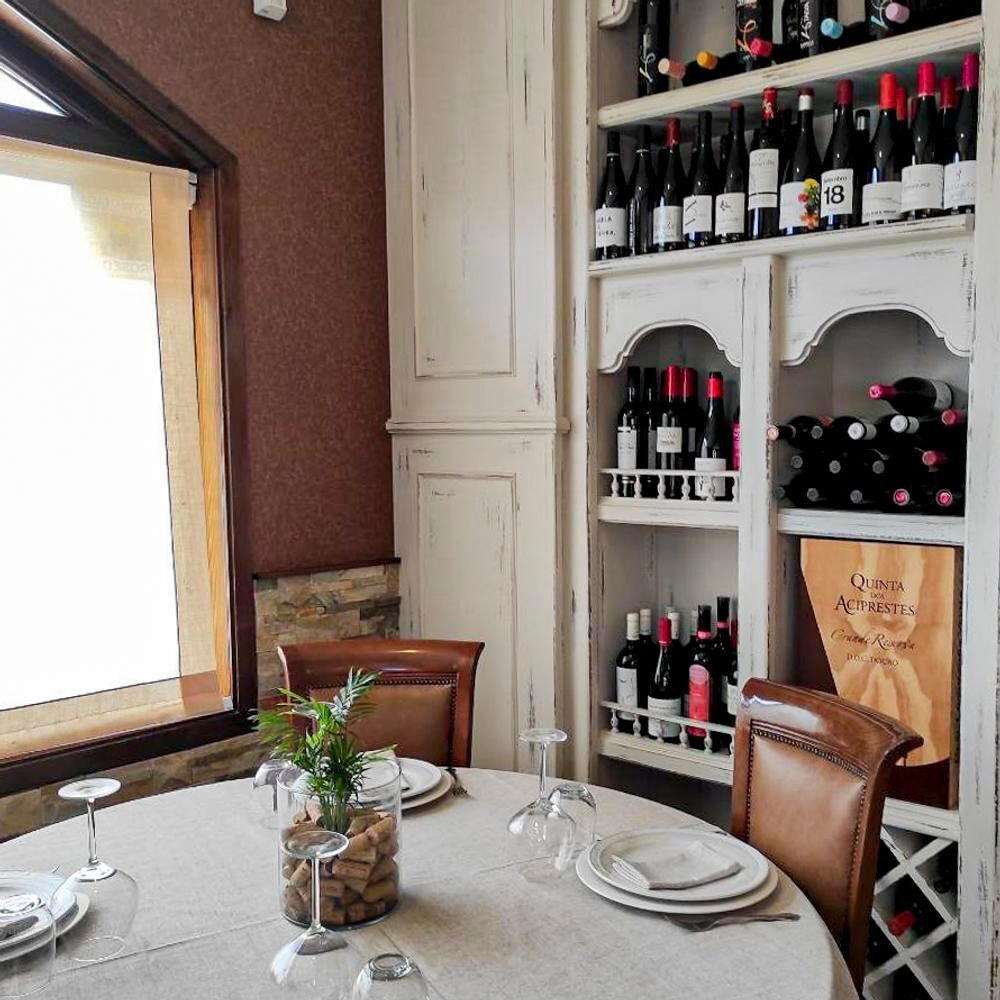
At a Glance
- Elegant
- Cozy
- Sophisticated
- Modern
- Date Night
- Special Occasion
- Group Dining
- Open Kitchen
- Extensive Wine List
- Craft Cocktails
- Local Sourcing
Current opening hours
- Monday
- 1:30–3:45 PM, 8:30–10 PM
- Tuesday
- 1:30–3:45 PM, 8:30–10 PM
- Wednesday
- 1:30–3:45 PM, 8:30–10 PM
- Thursday
- 1:30–3:45 PM, 8:30–10 PM
- Friday
- 1:30–3:45 PM, 9–10:30 PM
- Saturday
- 1:30–3:45 PM, 8:30–10:30 PM
- Sunday
- 1:30–3:45 PM
Hours can change for holidays and private events. Last verified .
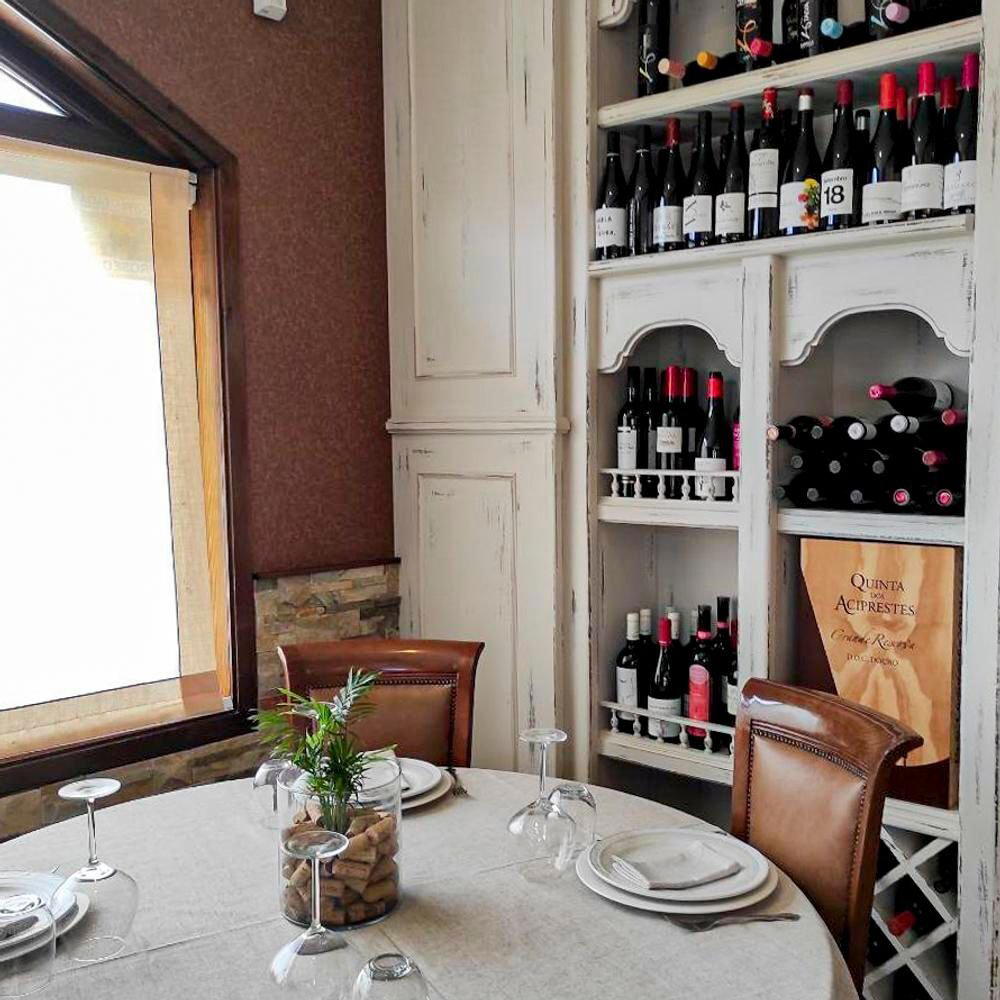
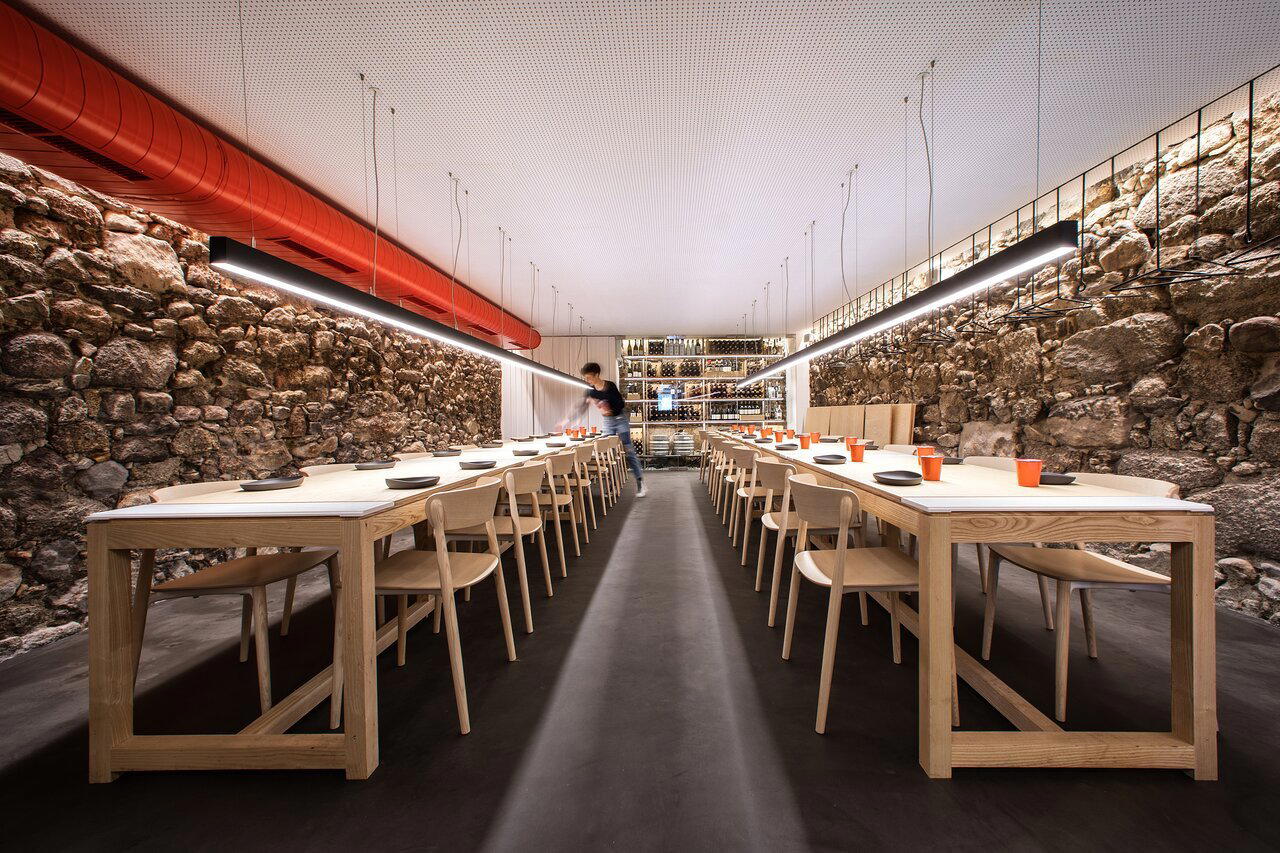
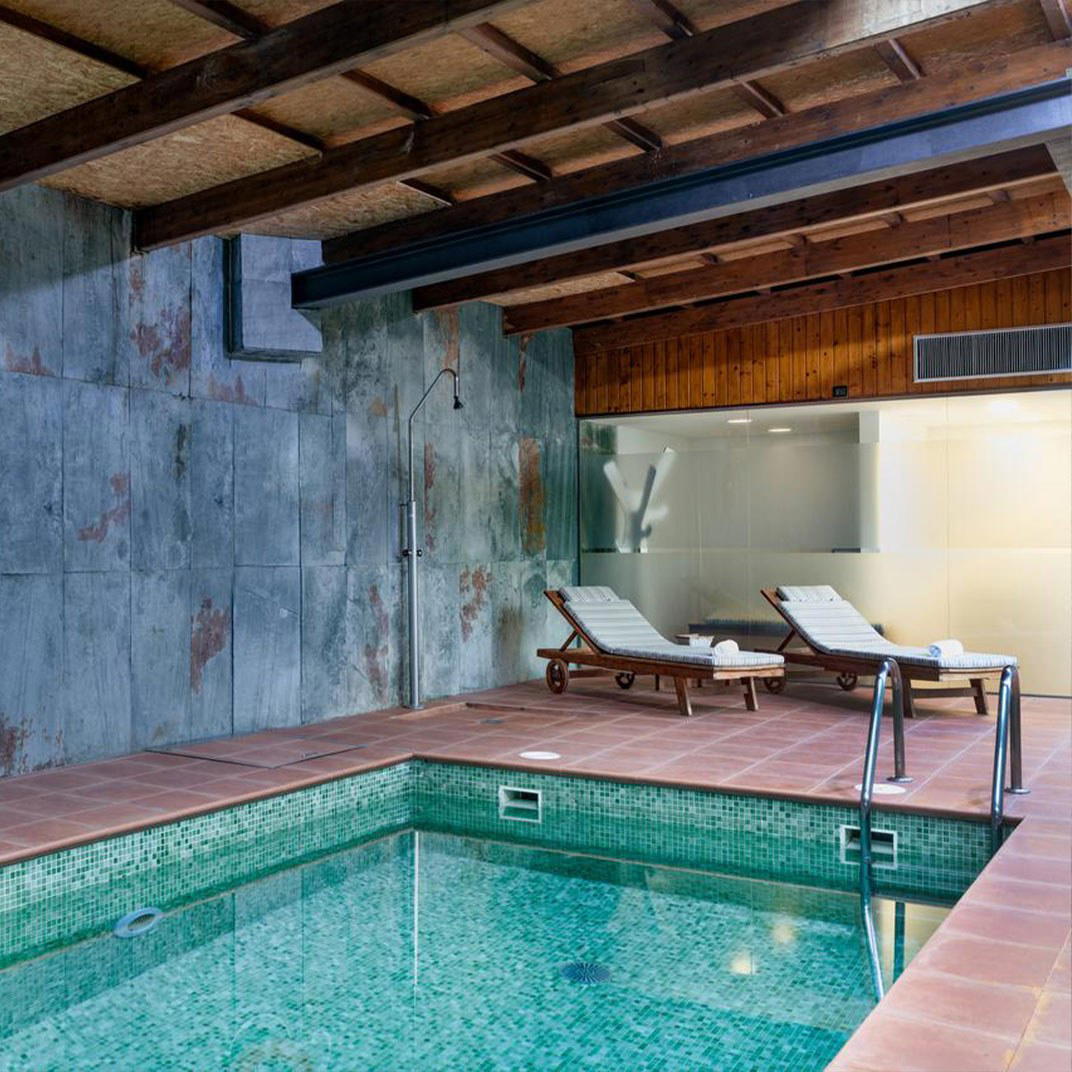
Designer interior with noble materials like wood and metal, simple yet cared-for lines, relaxed atmosphere for complicit conversations, and a charming, stylish feel.
Know Before You Go
- Getting there
- Rúa Marcial del Adalid, 2, 15005 A Coruña, Spain