Guillotine Bakery
Among Chicago's small crop of dedicated French boulangeries, Guillotine Bakery on West Chicago Avenue occupies a particular niche: serious viennoiserie and patisserie craft in a neighbourhood better known for tacos and cocktail bars. The address at 1711 W Chicago Ave puts it squarely in East Ukrainian Village, where the surrounding residential density sustains a genuine daily-ritual crowd rather than a destination-tourist one.
 Discover on Pearl
Pearl is the En Primeur Club membership app — saves, bookings, and concierge access live there. Same editors, same standards.
- Address
- 1711 W Chicago Ave, Chicago, IL 60622
- Website
- instagram.com
Flour, Butter, and the West Side: Chicago's French Bakery Tradition
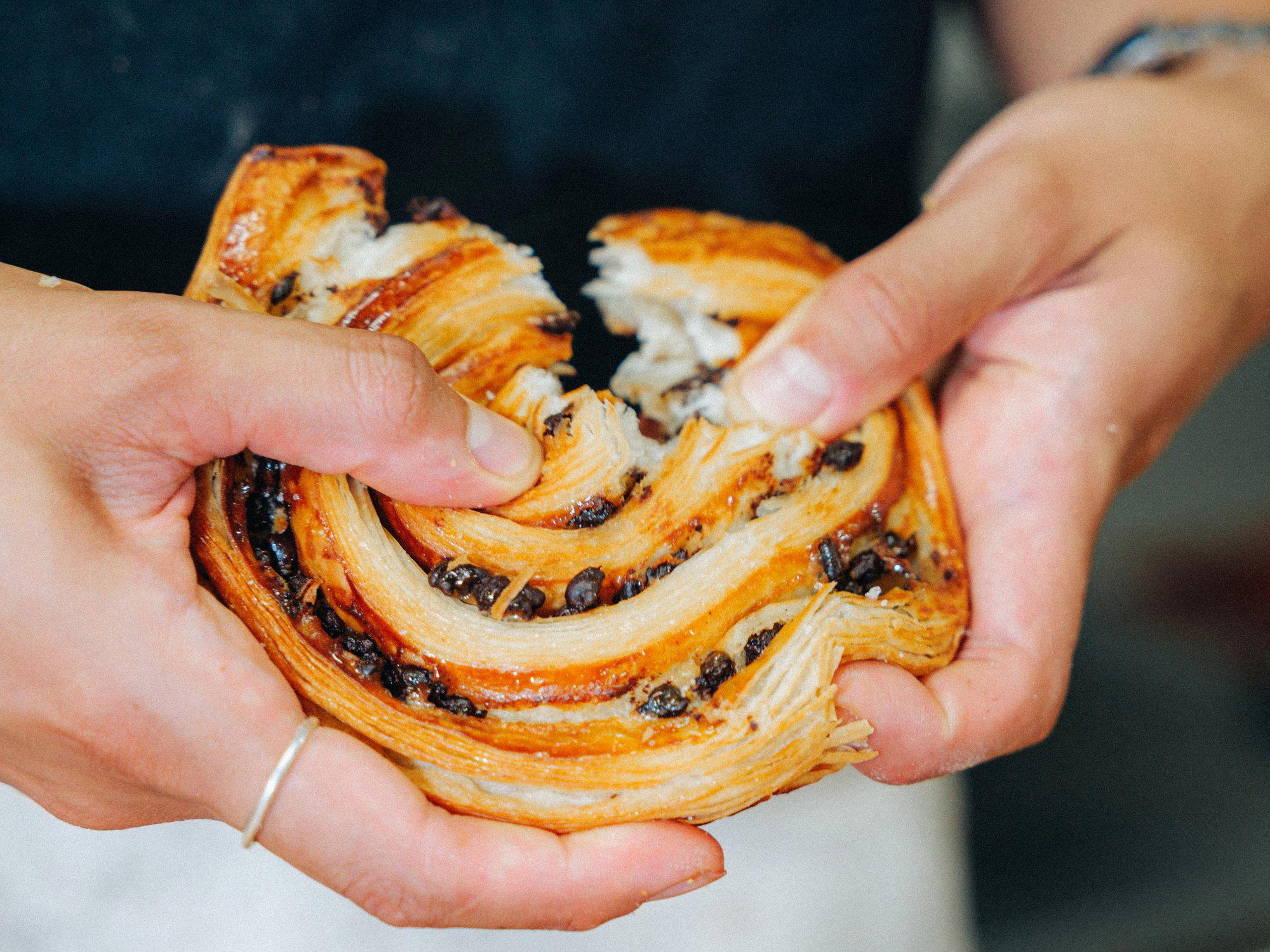
Guillotine Bakery is a casual French bakery in Chicago, with an average Google rating of 4.2 and an average spend of about $15 per person. The city built its food identity on steakhouses, deep-dish, and a fine-dining scene anchored by places like Alinea and Smyth, not on neighbourhood boulangeries. That makes the emergence of dedicated French bakery formats on the city's west side worth paying attention to. Where other ambitious Chicago restaurants have pursued tasting-menu prestige in the vein of Oriole or experimental formats like Next Restaurant, Guillotine Bakery works a quieter register: the laminated dough, the morning counter, the smell of butter browning in a deck oven before the neighbourhood wakes up.
East Ukrainian Village, where 1711 W Chicago Ave sits, is a neighbourhood in active transition. It has enough residential density to support a daily-ritual bakery and enough food-literate foot traffic to sustain ambition in the pastry case. The surrounding blocks mix long-established Eastern European grocers with newer wine bars and coffee shops, which means Guillotine occupies an interesting middle position: French technique in a decidedly non-Francophile postcode.
The Sensory Logic of a French Boulangerie
The French boulangerie format is defined by a specific sensory sequence. You encounter it before you arrive: the yeast-and-caramel register of a working oven carries through a half-open door or a ventilation grate in a way that no other food format quite replicates. Inside, the visual grammar is consistent across Paris and its international outposts, wire cooling racks, flour-dusted linen, the geometric precision of croissants laid out in rows. Sound is minimal: the crackle of a freshly baked baguette under thumb pressure, the soft percussion of a pastry case being restocked.
That sensory specificity is exactly what distinguishes a serious boulangerie from a café that happens to sell pastries. In cities like San Francisco, where places like Lazy Bear have raised the bar for format discipline, or in Napa, where The French Laundry has long demonstrated what culinary rigour looks like, the benchmark for craft is high. The boulangerie equivalent of that rigour lives in lamination: the number of folds in a croissant dough, the temperature management during butter incorporation, the proofing time. These are not visible processes, but their outcomes are immediately legible to anyone who has eaten well in France. A croissant that shatters along its outer crust and gives way to a honeycomb interior is a different category of object from one that is merely golden and crescent-shaped.
Chicago's dining culture has increasingly developed the vocabulary to recognise that difference. The same crowd that books Kasama for weekend brunch, a restaurant that applies the same level of technical attention to Filipino-inflected pastry, is the crowd that understands why a kouign-amann made with cultured butter and a proper caramelisation crust is worth a significant premium over a supermarket version.
Where Guillotine Sits in the Chicago Food Picture
That concentration means that serious craft at the bakery and patisserie level is comparatively underrepresented, which creates both an opportunity and a burden of expectation for a place like Guillotine Bakery. The French boulangerie format carries implicit reference points that are hard to escape. Anyone who has spent time in Paris, or eaten at the patisserie counters attached to restaurants like Le Bernardin in New York, arrives with calibrated expectations.
What the format does well in a neighbourhood setting is build routine. The boulangerie is one of the few food formats that rewards daily return, the baguette purchased on Monday should be slightly different from the one on Friday, because fermentation schedules, humidity, and oven behaviour all shift across the week. A bakery that operates at this level of attention creates a different kind of loyalty than a restaurant does. It becomes infrastructural to the neighbourhood rather than occasional. For context, compare what Single Thread Farm in Healdsburg has done for hyper-local ingredient discipline in a fine-dining context: Guillotine operates in a different register but with a similar underlying commitment to process over spectacle.
The broader French culinary tradition that Guillotine draws on has global reference points. The technical standards established in places like Alain Ducasse's Louis XV in Monte Carlo, where French classical technique is maintained with extraordinary rigour, filter down through training lineages into every serious bakery that takes laminated dough seriously. That lineage is not always visible on a menu, but it shows up in outcomes.
Planning a Visit: What to Know Before You Go
Guillotine Bakery is at 1711 W Chicago Ave in East Ukrainian Village. The neighbourhood is accessible by the Chicago Blue Line (Chicago station) or by bus along Chicago Avenue.
Bakeries in the boulangerie format typically operate on morning-to-afternoon hours, with the most significant depleting of stock happening before noon on weekends. Arriving early is the practical rule for any serious patisserie counter, not because of any particular policy, but because laminated pastry does not improve after three hours at room temperature and serious operators do not hold stock past its prime.
For those comparing Chicago's dining scene with other American cities, Emeril's in New Orleans, Providence in Los Angeles, and 8½ Otto e Mezzo Bombana in Hong Kong offer useful benchmarks for how French-influenced craft translates across different food cultures. Chicago's version of that translation is still developing, and Guillotine is one of the addresses worth noting as it does.
The Short List
Comparable venues nearby, for context on price, style, and recognition.
| Venue | Cuisine | Price | Notes |
|---|---|---|---|
| Guillotine BakeryThis venue — the venue you are viewing | Chicago, French Bakery | $$ | |
| Francois Frankie | The Loop, French-American Brasserie | $$$ | |
| Chez Poulet | $$ | Bucktown, French-inspired Chicken & Comfort Food | |
| Roots Handmade Pizza | Lincoln Square, Quad Cities-Style Pizza | $$ | |
| Kin Sushi & Thai Cuisine | Noble Square, Sushi & Thai Fusion | $$ | |
| Carpenter Street | $$ | West Loop, Elevated American Comfort Food |

At a Glance
- Cozy
- Modern
- Casual Hangout
- Brunch
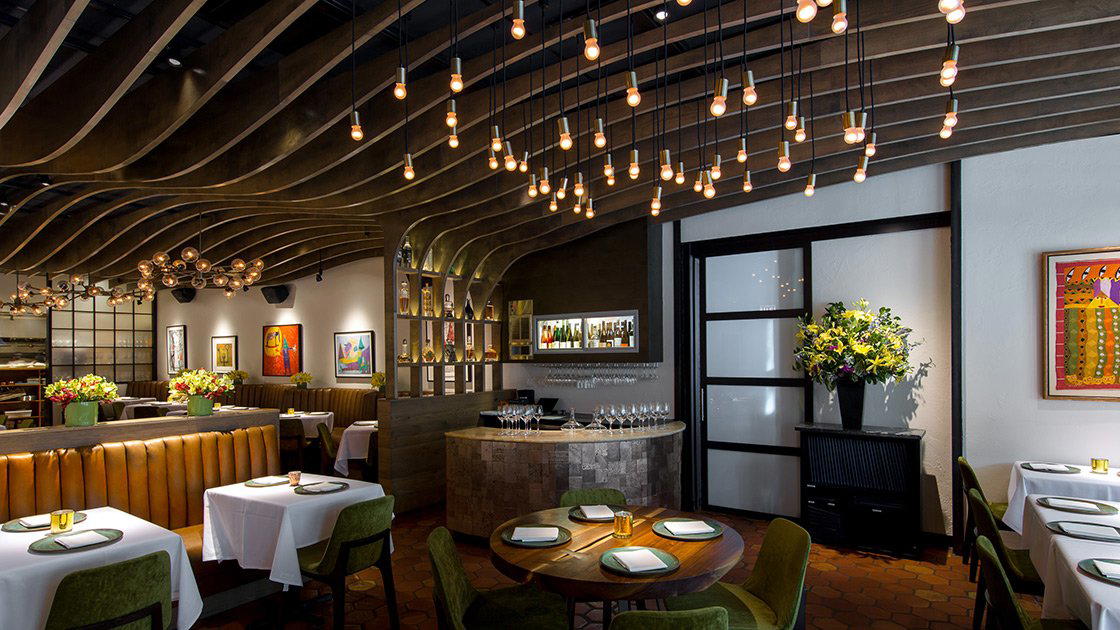
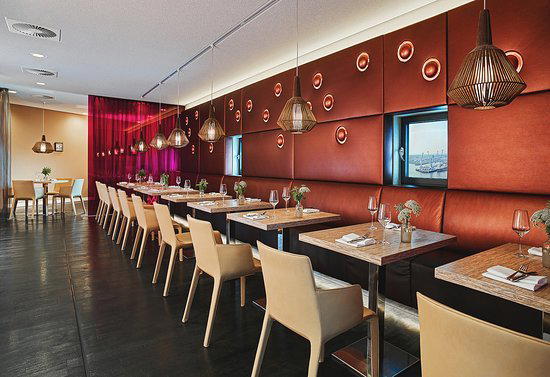
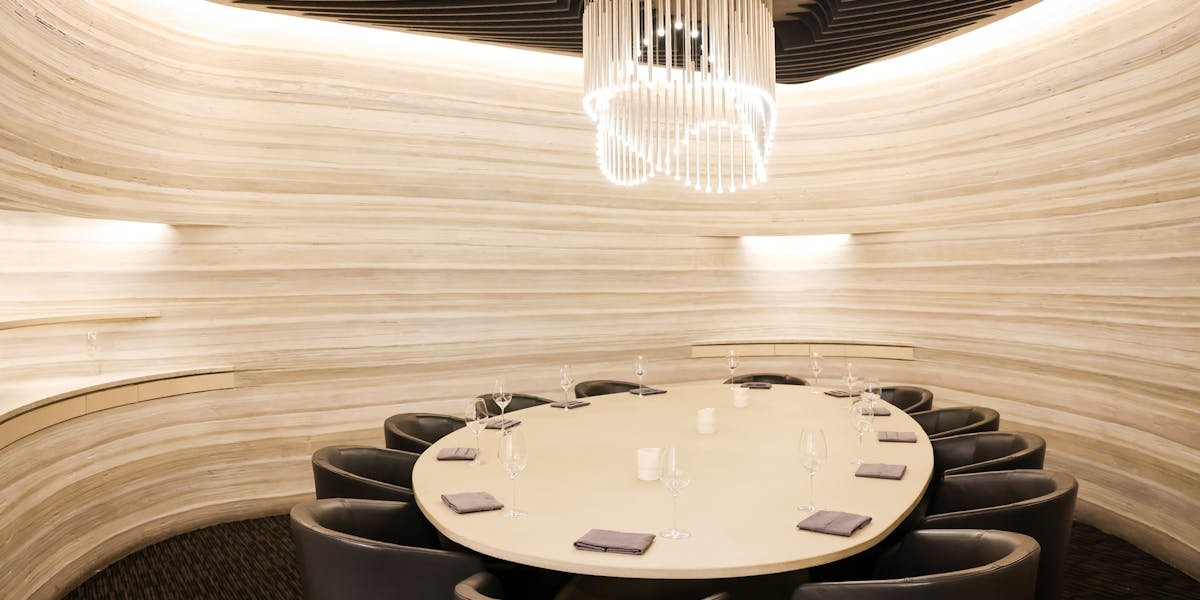
Cozy bakery atmosphere focused on fresh pastries.