Ramen in Metz arrives without the usual fanfare: Kyôdaï Ramen at 9 Rue Sainte-Marie occupies a city better known for Michelin-tracked French kitchens and Alsatian-inflected brasseries than Japanese noodle culture. For a city of Metz's size, a dedicated ramen address signals a maturing dining scene willing to hold space for formats that live outside the regional tradition.
Pearl is the En Primeur Club membership app — saves, bookings, and concierge access live there. Same editors, same standards.
- Address
- 9 Rue Sainte-Marie, 57000 Metz, France
- Phone
- +33387762198
- Website
- ramenkyodai.eatbu.com
- Directions
- Get directions
 Saves & bookings on Pearl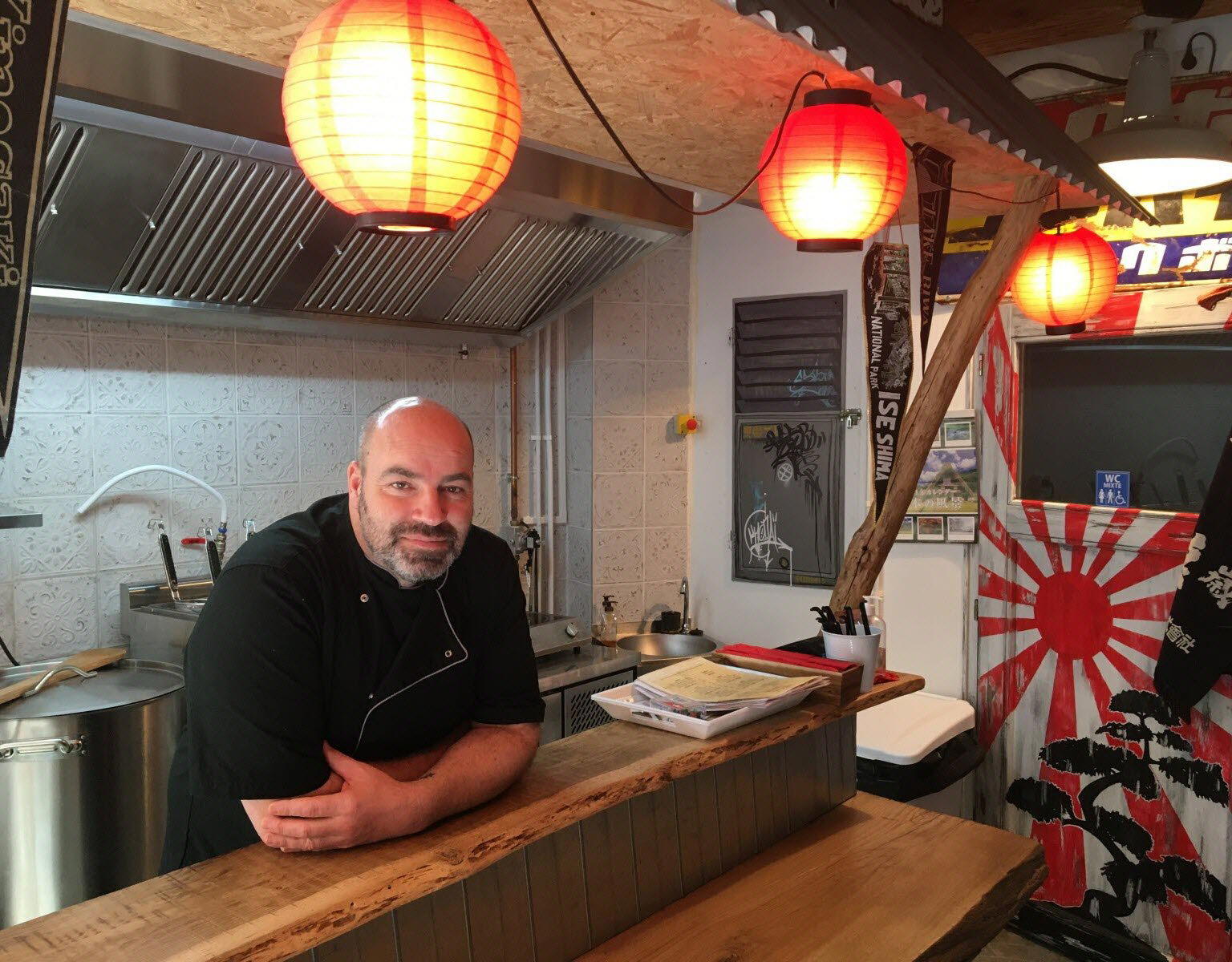
A Bowl in the Wrong City, and Why That Matters
Metz is not the French city you expect to find ramen. The Moselle runs through a centre defined by Gothic cathedral light, sandstone arcades, and a restaurant scene shaped by the proximity of Alsace and Lorraine's own canon of preserved meats, choucroute, and classical French technique. The city's most-watched tables, from creative tasting menus like Yozora to the communal French format of Bouillon Batignolles, draw from European traditions. Against that backdrop, a ramen address is a minor structural surprise, and Kyôdaï Ramen at 9 Rue Sainte-Marie is the city's answer to it.
Across France's secondary cities, Japanese noodle formats have followed a now-familiar pattern: they arrive late, they arrive small, and they tend to occupy the affordable middle of the market rather than the premium tier. Ramen in Lyon, Strasbourg, or Nancy means counter seating, steam, and broth that's been running since morning. Metz follows that model. Kyôdaï sits in a neighbourhood where the street-level offer is varied enough that a ramen shop doesn't feel anomalous, it feels like the city catching up with itself.
What the Menu Structure Tells You
The editorial logic of a ramen menu is unusually transparent compared to most restaurant formats. Where a French tasting menu reveals its priorities through sequence and progression, and an Italian trattoria through the ratio of primi to secondi, a ramen menu lays its philosophy out immediately: how many broth styles are on offer, whether the kitchen skews toward tonkotsu richness or shoyu clarity, and whether the supporting card, gyoza, karaage, rice dishes, is treated as an afterthought or as a genuine second act.
In cities where ramen has had longer to develop, menus tend to narrow. Tokyo's most respected ramen shops often serve a single style, refined daily. French ramen addresses at Kyôdaï's tier typically work differently: the menu runs wider, covering several broth categories to serve a customer base still building its ramen literacy. That width is a pragmatic commercial decision, and it is not inherently a weakness. It reflects where Metz sits in the adoption curve of Japanese noodle culture, interested, growing, but not yet at the single-obsession stage that defines the genre's most specialised practitioners.
What a menu like this does well is give the first-time visitor a reliable path in. The structure signals which dishes represent the kitchen's core commitment and which are there to accommodate range. In ramen terms, that typically means a flagship broth, usually the labour-intensive, the one that requires the longest cook time, and a set of variations built around it. Reading the menu with that frame in mind is more useful than scanning it without one.
Ramen in the Context of Metz's Mid-Range Dining
Metz's mid-price dining tier has become more considered in recent years. The city holds a mix of formats: Italian at addresses like 83 Restaurant, French bistro fare at 2'Moiselles, and Southern European cooking at Cantino. Ramen occupies a different register within that set: it is faster, more casual in its service model, and priced at a point where the decision to go is low-friction. At Kyôdaï Ramen, expect about €15 a person.
That accessibility matters contextually. France's higher dining register is well-documented: the country holds more Michelin stars than almost any other, with addresses like Alléno Paris au Pavillon Ledoyen, Mirazur in Menton, Troisgros in Ouches, and Bras in Laguiole anchoring the upper tier, while Alsace specifically contributes institutions like Au Crocodile in Strasbourg and Auberge de l'Ill in Illhaeusern. Regional stars like Assiette Champenoise in Reims and creative outliers like AM par Alexandre Mazzia in Marseille push the format conversation further. Ramen does not compete with any of that. It occupies a different layer of the eating-out stack, one that French cities are still learning to take seriously as a genre rather than a passing import.
The comparison further afield is instructive. In New York, where ramen culture is several cycles more developed, destinations like Atomix represent one end of a Korean-Japanese fine dining continuum, while ramen shops at the opposite end of the formality scale still command queues and sustained critical attention. The gap between those poles illustrates how far a noodle format can travel when a city commits to it. Metz is earlier in that arc.
Planning a Visit to 9 Rue Sainte-Marie
Kyôdaï Ramen is at 9 Rue Sainte-Marie in central Metz, a short walk from the cathedral quarter and accessible on foot from the main train station, which sits on the Paris-Strasbourg TGV line with journey times under 90 minutes from Paris-Est. The address places it within easy reach of the city's denser dining streets. For a fuller picture of where Kyôdaï sits within Metz's eating-out options, the EP Club Metz restaurants guide covers the breadth of the city's current offer.
Ramen shops in French cities of this scale tend to operate without reservations at the counter, with peak hours running at lunch from noon and dinner from 7pm. Walk-in is the standard model. For a city the size of Metz, an internationally recognised format like Paul Bocuse's Auberge du Pont de Collonges or Flocons de Sel requires months of advance planning; a ramen counter operates on a completely different booking logic, where the same-day decision is the norm rather than the exception.
Standing Among Peers
Comparable venues nearby, for context on price, style, and recognition.
| Venue | Cuisine | Price | Notes |
|---|---|---|---|
| Kyôdaï RamenThis venue — the venue you are viewing | Authentic Japanese Ramen | $ | Not listed |
| Les Pas Sages | French Bistro | $$ | centre-ville |
| Kung Pao | Asian Sushi and Chinese | $$ | place Saint-Louis |
| 2'Moiselles | Seasonal French Bistronomy | $$$ | Outre-Seille |
| Cantino | Italian Trattoria | $$ | Ancienne Ville |
| Gueuleton - Metz | French Grill & Wine Bar | $$ | centre historique |
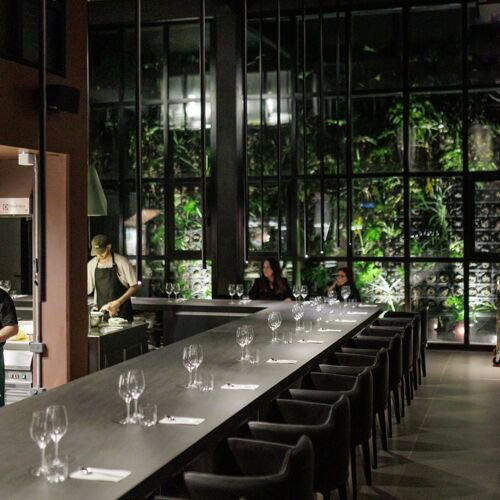
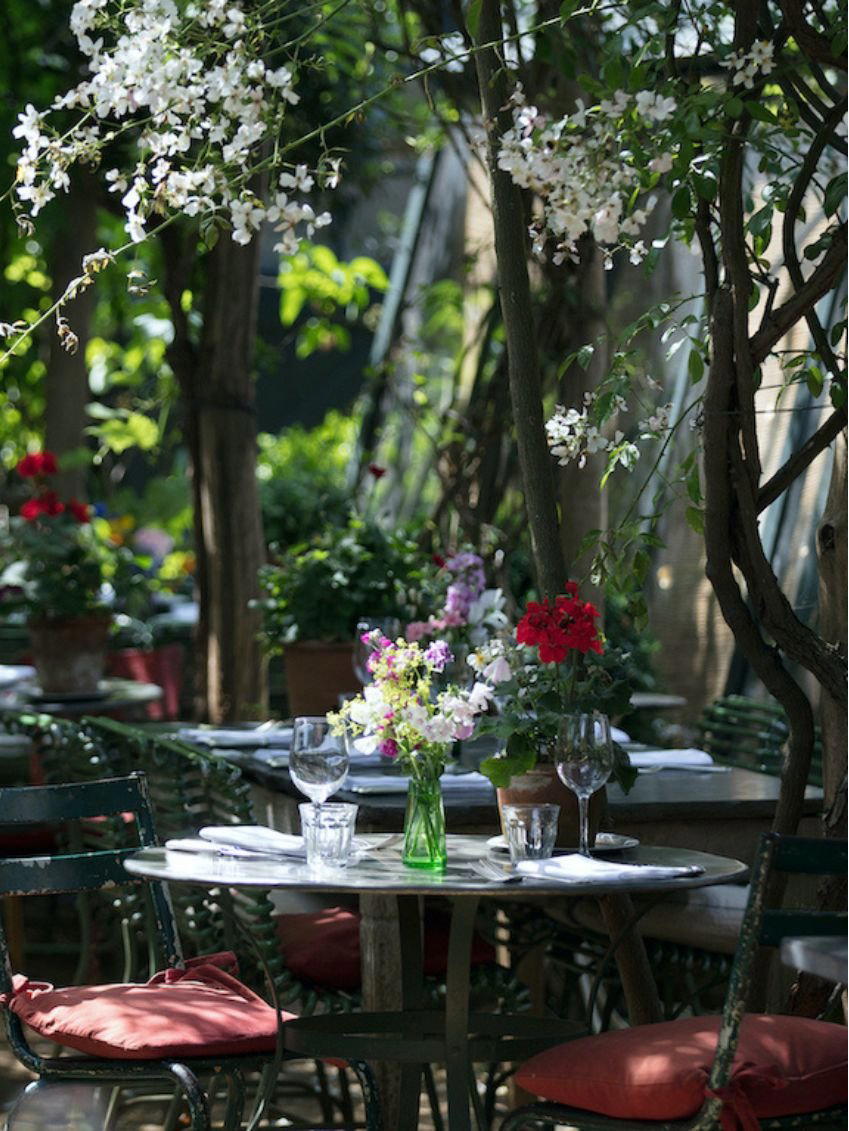
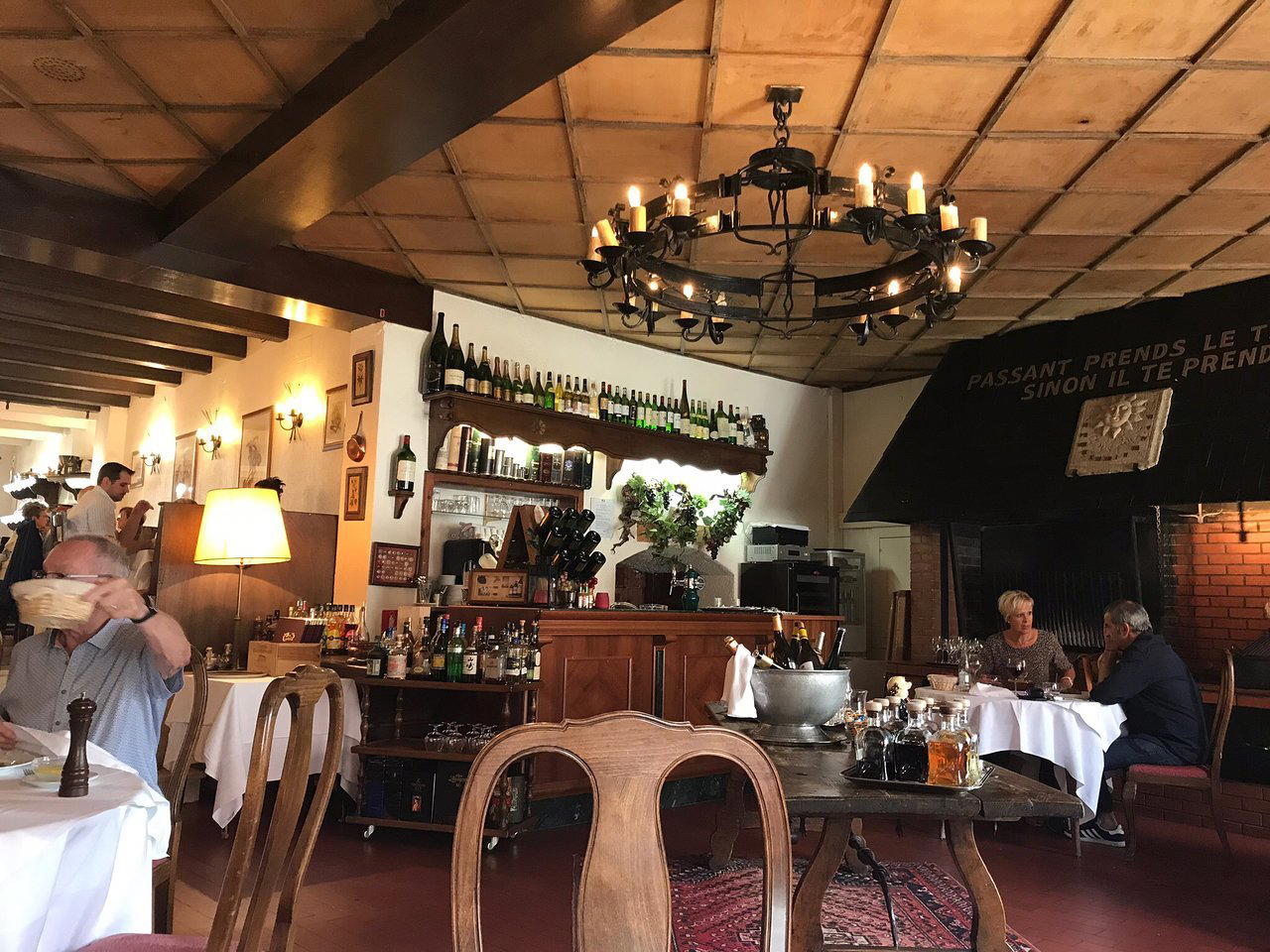


At a Glance
- Cozy
- Trendy
- Casual Hangout
- Family
- Sake Program
Current opening hours
- Monday
- Closed
- Tuesday
- 12–2 PM, 7–10 PM
- Wednesday
- 12–2 PM, 7–10 PM
- Thursday
- 12–2 PM, 7–10 PM
- Friday
- 12–2 PM, 7–10 PM
- Saturday
- 12–2 PM, 7–10 PM
- Sunday
- Closed
Hours can change for holidays and private events. Last verified .
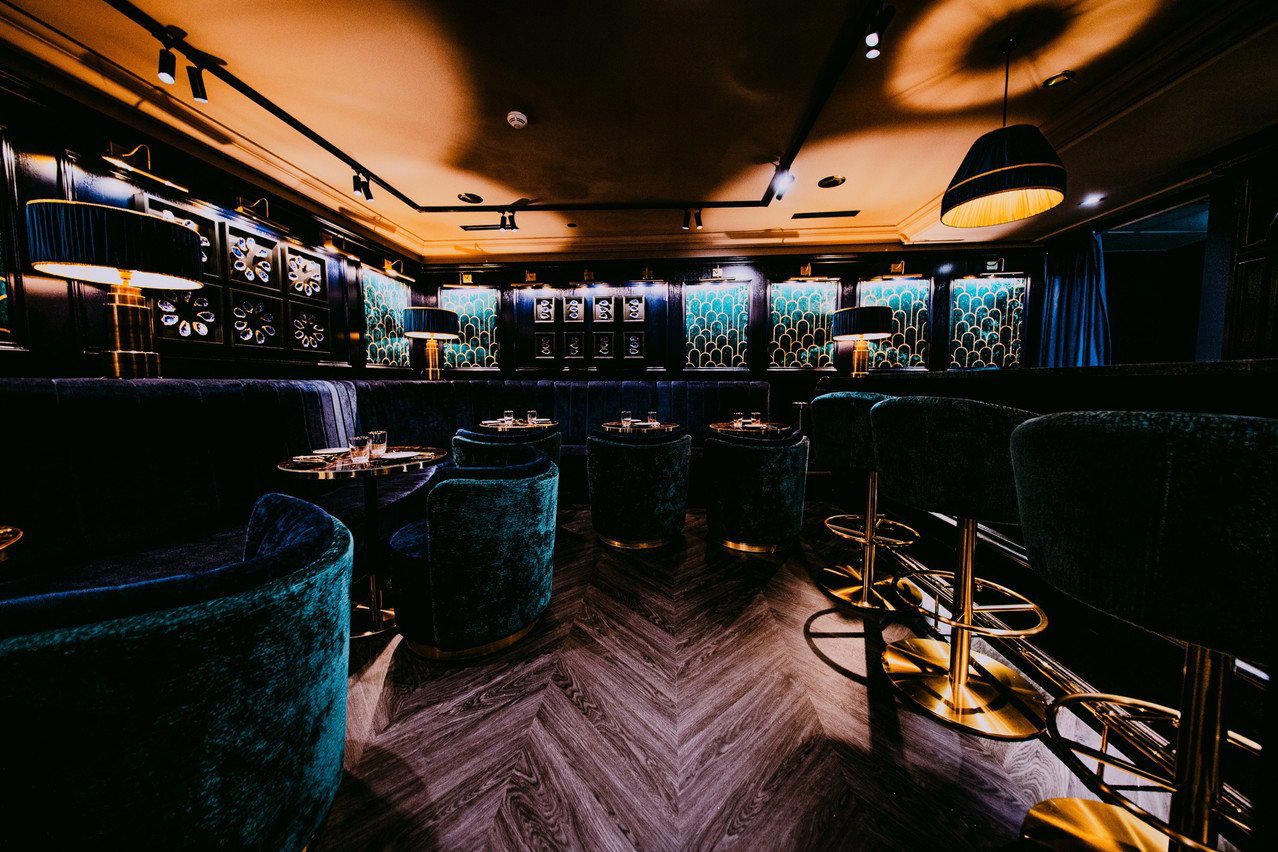
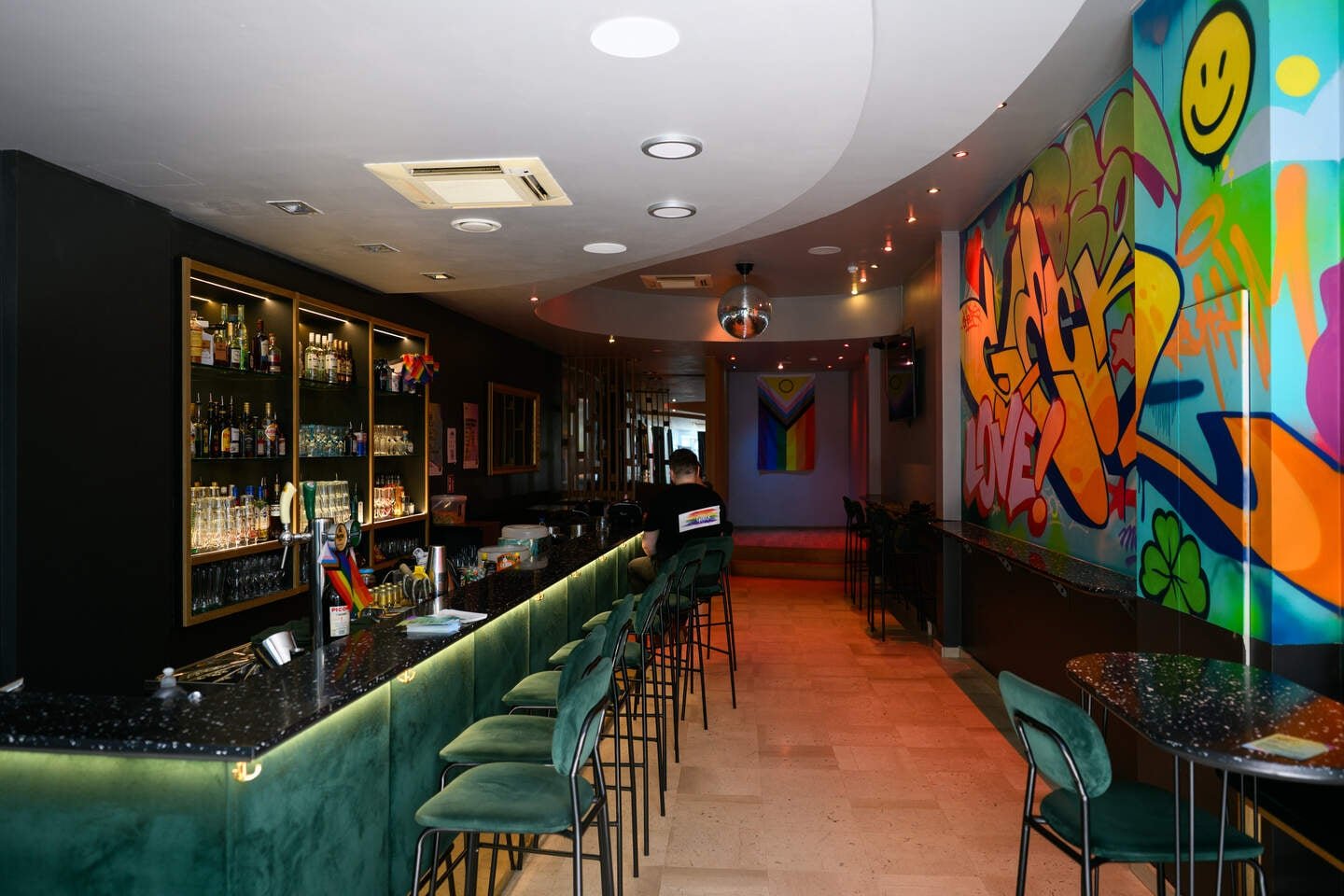
Family-friendly decor with a welcoming and ravishing atmosphere.