Grottino 1313
Located on Industriestrasse in Lucerne's emerging left-bank industrial corridor, Grottino 1313 draws from the Swiss-Italian grotto tradition — an informal, ingredient-led style of eating that predates modern restaurant culture by centuries. The address places it outside the tourist circuit, which is part of the point. For visitors willing to cross the tracks, it represents one of the city's more considered alternatives to the lakefront fine-dining mainstream.
Pearl is the En Primeur Club membership app — saves, bookings, and concierge access live there. Same editors, same standards.
- Address
- Industriestrasse 7, 6005 Luzern, Switzerland
- Phone
- +41416101313
- Website
- grottino1313.ch
- Directions
- Get directions
 Saves & bookings on Pearl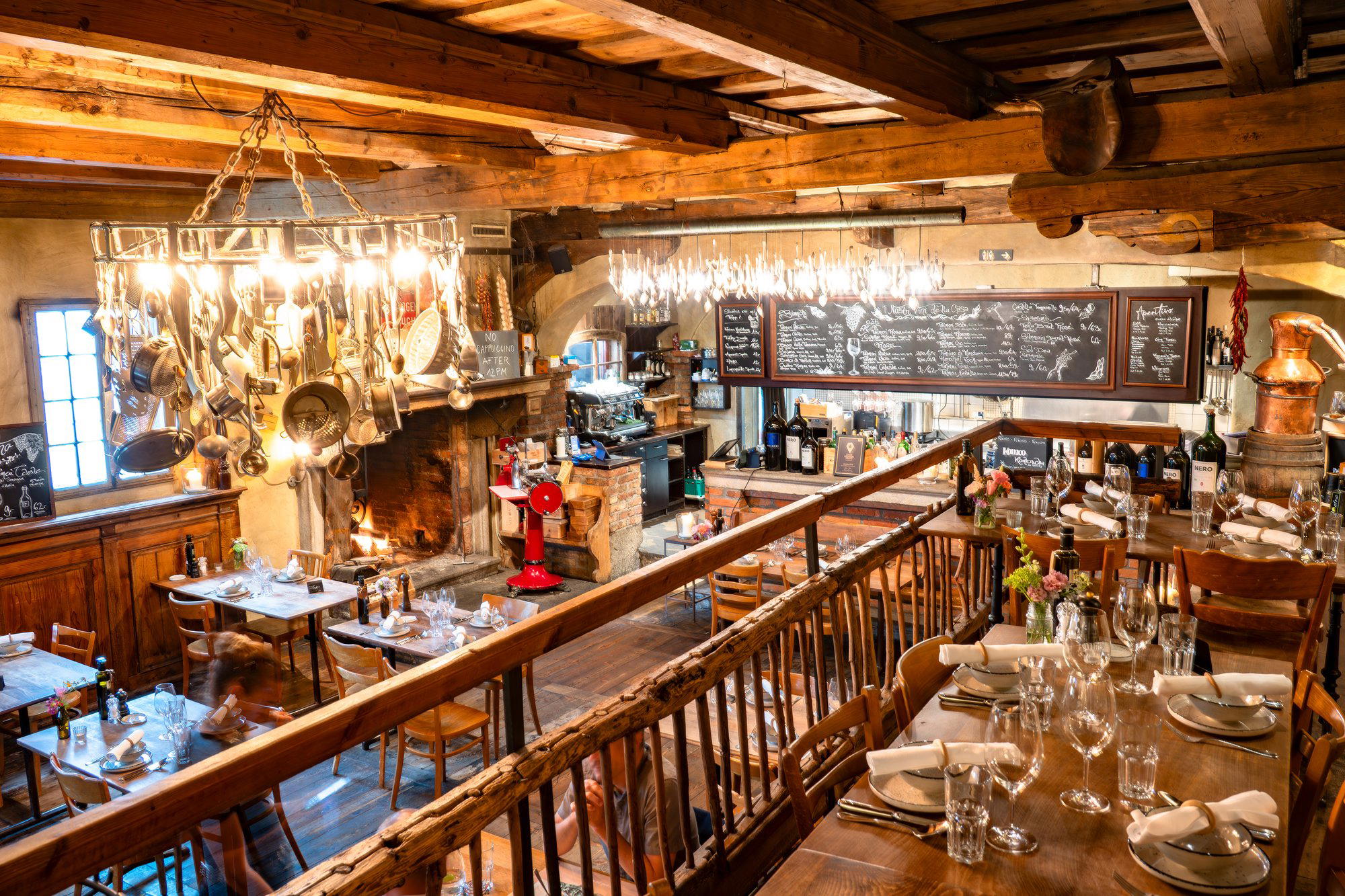
The Grotto Tradition and What It Demands
Switzerland's Italian-speaking canton of Ticino gave the world the grotto: a rough-hewn, cellar-adjacent eating house where the food was dictated by what grew nearby, what was cured in-house, and what the season permitted. The format spread northward into German-speaking Switzerland not as a trend but as a counterpoint — a rebuke to the formality that defines the country's fine-dining reputation. Cities like Lucerne, positioned between the Germanic north and the Alpine south, became natural hosts for this hybrid sensibility. The grotto-influenced restaurant that operates here is not serving nostalgia; it is applying a sourcing logic that was practical before it became philosophical.
Grottino 1313 sits at Industriestrasse 7, in a part of Lucerne that reads more workshop than waterfront. The name itself signals the lineage: grottino is the diminutive of grotto, suggesting an intimate scale rather than a regional institution. The address is a ten-to-fifteen minute walk from the main station, south of the Reuss river, in a district where creative businesses and food concepts have been accumulating quietly over the past decade. That geography matters. Lucerne's tourist dining orbit is concentrated tightly around the Chapel Bridge and the lake; anything outside that radius operates on different terms, drawing a more local clientele and carrying less pressure to perform for first-time visitors.
Ingredient Logic in a City Still Defined by the Lake
Lucerne's established dining scene tends to organise itself around Classical French technique and the spectacle of lake views. Venues like Colonnade and Lucide operate in the €€€€ tier, with contemporary European menus that reference international technique as much as Swiss produce. The contrast with a grotto-format venue is substantial. Where those kitchens make produce serve a framework, the grotto model reverses the equation: the framework exists to show the produce.
The Swiss Alpine supply chain that feeds this style of cooking is genuinely distinctive. Central Switzerland sits within range of some of the country's most particular agricultural micro-zones: aged mountain cheeses from Obwalden and Nidwalden, lake fish from the Vierwaldstättersee, charcuterie traditions that run from Ticino through the Gotthard corridor. A kitchen that takes sourcing seriously in this region has real material to work with, not as a marketing claim but as a practical advantage over urban restaurants in cities without comparable hinterlands. The question, always, is whether the cooking acknowledges that advantage or obscures it.
Venues operating in Lucerne's mid-tier creative space, such as Maihöfli by UniQuisine, have shown that ingredient-led cooking with local anchors can coexist with technical ambition without demanding Michelin-tier pricing. That positioning is increasingly relevant in a city where the gap between casual eating and high-end dining has historically been wide, with less in between. Grottino 1313's address and format suggest it occupies something closer to that middle register.
What the Industrial Address Implies
The shift of food-serious venues into non-traditional neighbourhoods is a pattern that Lucerne shares with other mid-sized European cities. When rents on the tourist circuit price out independent operators, creative kitchens move to where the lease terms are different. Industriestrasse is that kind of address in Lucerne — functional rather than scenic, which imposes a certain honesty on what happens inside. A venue that cannot rely on a postcard backdrop has to earn attention through what it serves.
This dynamic has produced some of the more interesting eating in cities like Zurich and Basel, where restaurant scenes have migrated repeatedly over the past twenty years. In Lucerne the process is less advanced, which means venues that have already established themselves in the industrial corridor carry a degree of local credibility that newer arrivals will need time to earn. For a visitor from outside Switzerland, the walk from the old town to Industriestrasse is also a useful recalibration: it reveals a city that functions independently of its tourist economy, which is a different and arguably more accurate version of the place.
Other Lucerne options worth considering for a different register include Barbatti and Bayts, both of which reflect the city's growing appetite for food concepts that sit outside the Classical European mainstream. For a broader picture of where Lucerne dining stands, the full Lucerne restaurants guide maps the scene across price tiers and styles.
Switzerland's Fine-Dining Context
Grottino 1313 does not operate in the tier occupied by Switzerland's most decorated kitchens, but understanding that tier provides useful perspective on what the country's ingredient culture can produce at its most refined. Schloss Schauenstein in Fürstenau, Hotel de Ville Crissier in Crissier, and Cheval Blanc by Peter Knogl in Basel represent the upper bracket of Swiss fine dining, each with multiple Michelin stars and menus that treat Swiss produce as serious culinary material. Closer to Lucerne, focus ATELIER in Vitznau operates on the lake's eastern arm with a similarly sourcing-conscious approach at a higher technical level. These venues establish a baseline: Swiss ingredients are capable of carrying serious cooking.
The grotto format makes a different argument. It suggests that the same ingredients, handled with less intervention and more directness, can be equally persuasive. That argument has been made successfully in Ticino for centuries. Whether it holds in Lucerne depends on the specific kitchen's commitment to the sourcing logic rather than just the aesthetic. The name and address of Grottino 1313 both suggest that commitment; the proof is in the execution.
For points of international comparison, kitchens like Le Bernardin in New York City and Atomix in New York City demonstrate how ingredient-first philosophies can operate across very different culinary frameworks. Closer to the Swiss Alpine context, Memories in Bad Ragaz, 7132 Silver in Vals, Da Vittorio - St. Moritz, Einstein Gourmet in Sankt Gallen, IGNIV Zürich by Andreas Caminada, and L'Atelier Robuchon in Geneva each represent how Swiss and European kitchens at different price points have found their own answers to the sourcing question.
Planning Your Visit
Grottino 1313 is at Industriestrasse 7, 6005 Lucerne, south of the Reuss and accessible on foot from the main station. The grotto format historically skews toward informal service and shorter menus, which can mean tables turn faster or fill earlier than at more structured restaurants; arriving with a reservation is sensible regardless of day or season. Given the venue's position outside the tourist core, it draws a predominantly local crowd, which tends to mean earlier dinner sittings on weekdays and fuller rooms on Fridays and Saturdays.
How Grottino 1313 Lucerne compares with similar nearby venues.
| Venue | Cuisine | Price |
|---|---|---|
| Thai Garden | Thai | €€ |
| Lucide | Contemporary | €€€€ |
Continue exploring
More in Lucerne
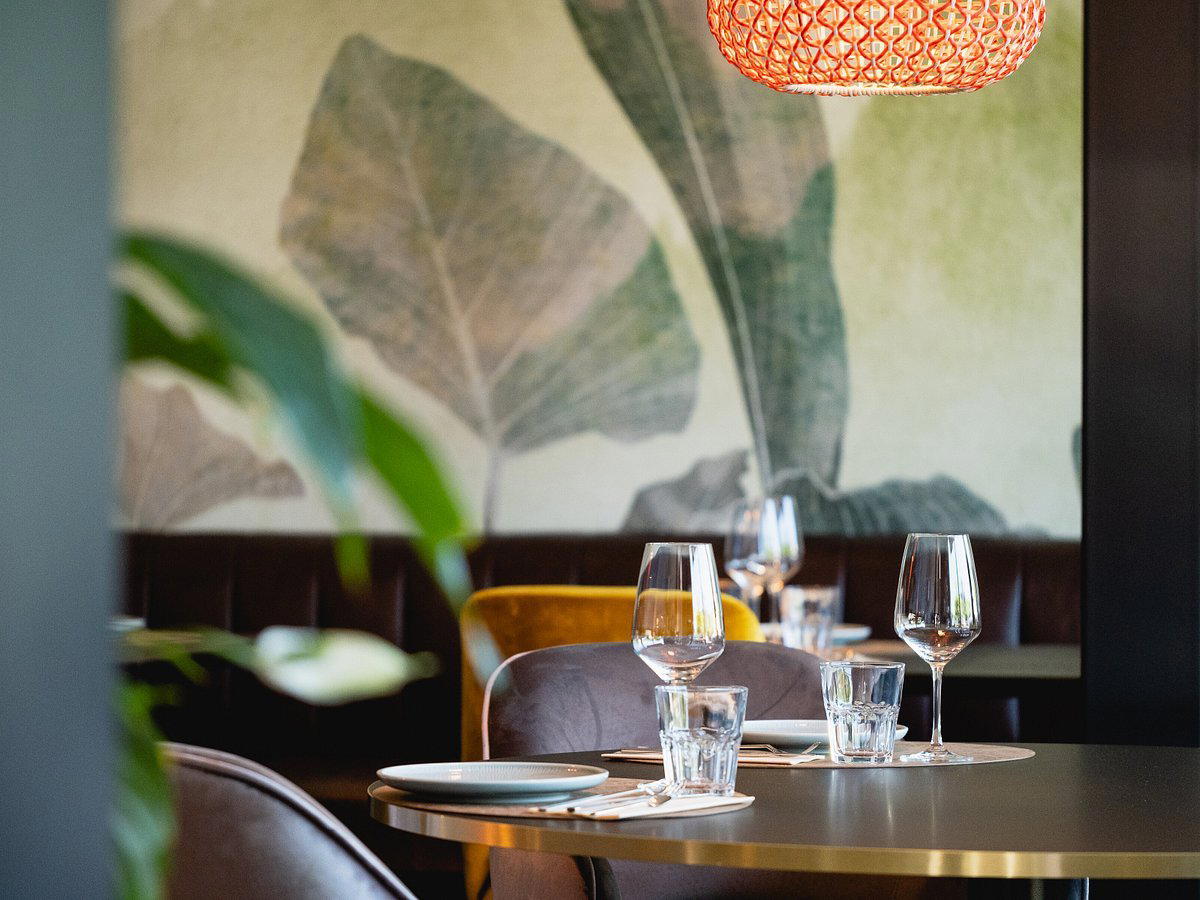
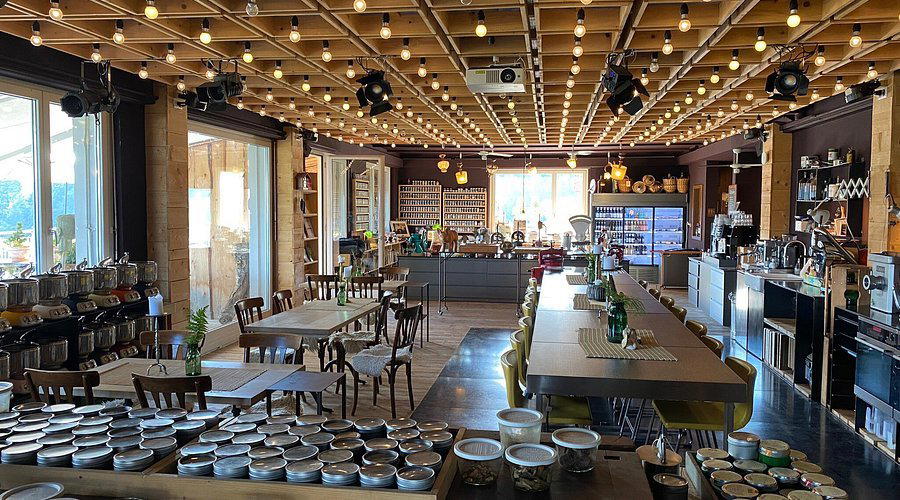
Restaurants in Lucerne
Browse all →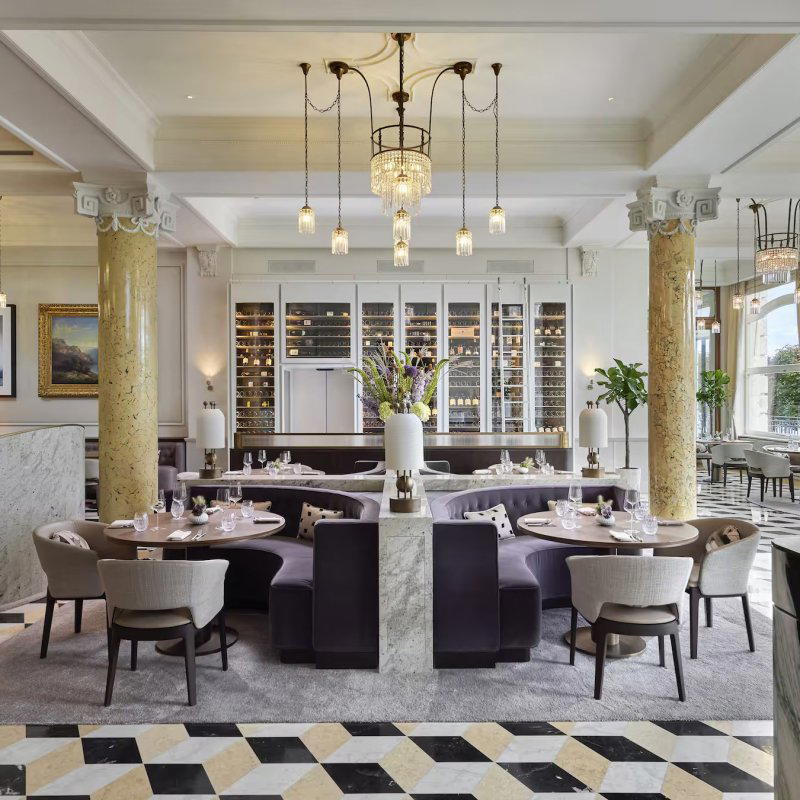
Bars in Lucerne
Browse all →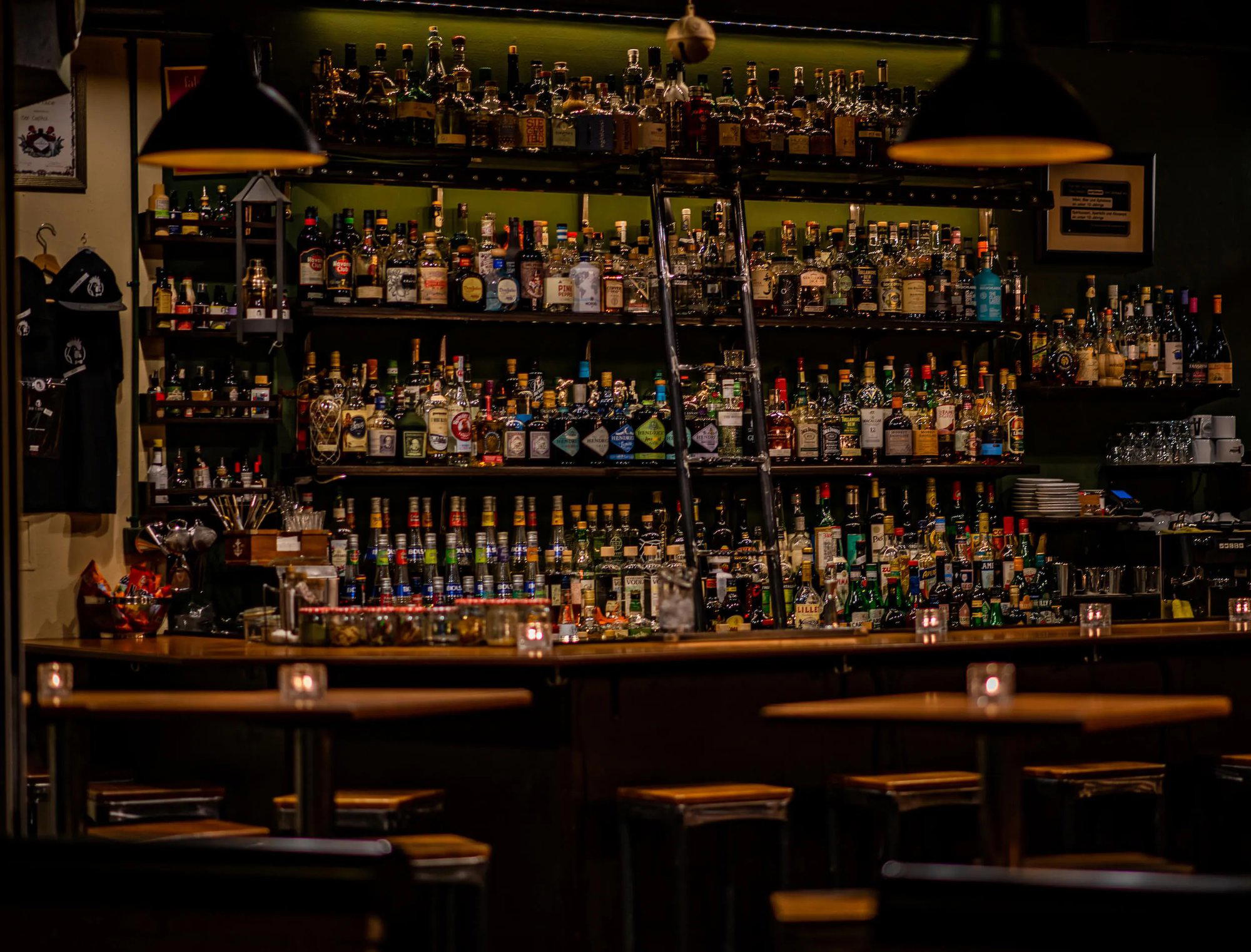
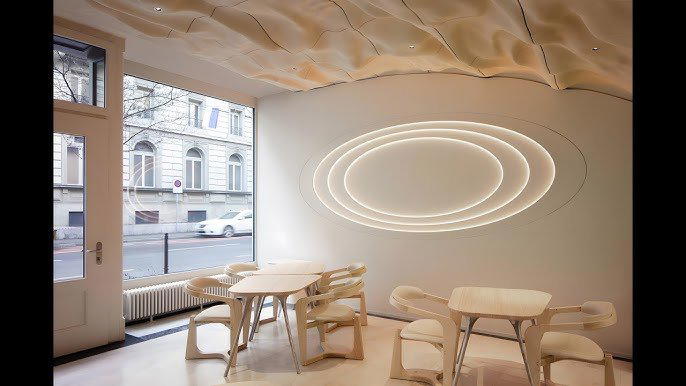
Hotels in Lucerne
Browse all →

At a Glance
- Rustic
- Romantic
- Cozy
- Intimate
- Date Night
- Special Occasion
- Group Dining
- Open Kitchen
- Extensive Wine List
Current opening hours
- Monday
- 11:30 AM–2 PM, 6–11:30 PM
- Tuesday
- 11:30 AM–2 PM, 6–11:30 PM
- Wednesday
- 11:30 AM–2 PM, 6–11:30 PM
- Thursday
- 11:30 AM–2 PM, 6–11:30 PM
- Friday
- 11:30 AM–2 PM, 6–11:30 PM
- Saturday
- 6 PM–12 AM
- Sunday
- 10 AM–2 PM, 6 PM–12 AM
Hours can change for holidays and private events. Last verified .
Rustic charm with solid wooden beams, stone fireplace, candlelight, and lively yet romantic atmosphere.
Know Before You Go
- Getting there
- Industriestrasse 7, 6005 Luzern, Switzerland