Grieks restaurant Vasileia
Our verdict
Grieks restaurant Vasileia serves Greek Restaurant fare at Eindsestraat 2 in Dongen, with gyros and baklava on the menu for a casual dinner.

Pearl is the En Primeur Club membership app — saves, bookings, and concierge access live there. Same editors, same standards.
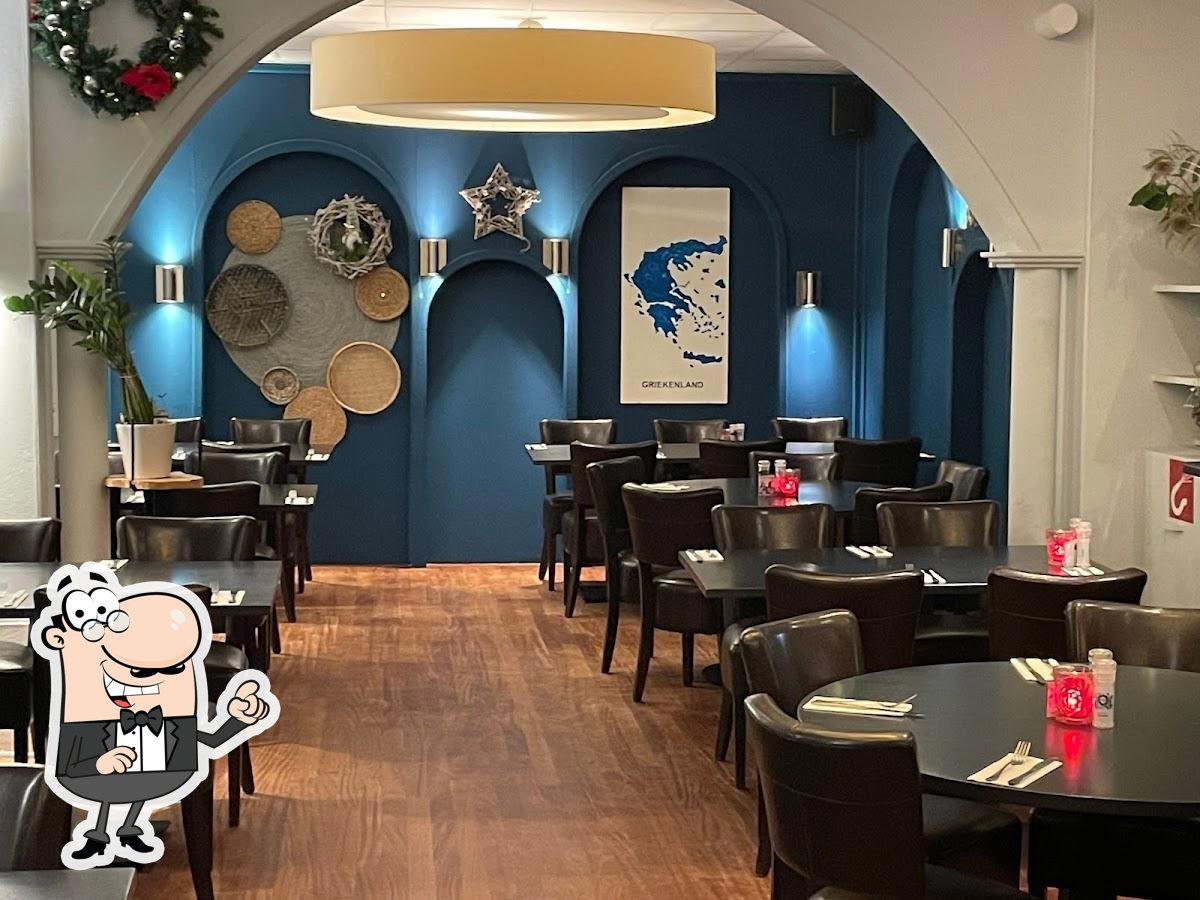
Greek Cooking in a Dutch Market Town
Dongen sits in the Noord-Brabant province, a working town of around 25,000 people whose restaurant scene has historically revolved around Dutch standards and the occasional Italian trattoria. Greek cuisine arrives here as something different: a tradition built on olive oil pressed from specific regional groves, fish sourced from Aegean waters, and the kind of slow-braised lamb that requires both the right cut and the patience to treat it correctly. Vasileia, at Eindsestraat 2, occupies that gap in the local dining mix, bringing a cuisine whose ingredient logic is almost entirely Mediterranean into a range of North Sea-influenced kitchens.
The address places the restaurant on one of Dongen's older commercial streets, away from the town's newer retail edges. Approaching on foot, the signage is modest and the facade reads more quietly than the brash frontages you might expect from a cuisine that in tourist-heavy cities often leans into theatrical Hellenic branding. That restraint sets a tone.
The Sourcing Logic Behind Greek Cuisine
Greek cooking at its most considered is an exercise in provenance discipline. The cuisine's backbone ingredients, olive oil, dried oregano, feta, aged graviera, dried figs, and sea-caught fish, each carry protected designation of origin classifications that matter to anyone cooking authentically. Greek PDO products are among the most tightly regulated in Europe: Kalamata olives must come from Messinia, genuine feta is restricted by EU law to specific Greek regions, and the oregano grown on mountain slopes in Crete or the Peloponnese carries a flavour intensity that the dried herb sold in bulk across Northern European wholesale markets cannot match.
For a Greek restaurant operating in the Netherlands, ingredient sourcing is therefore not a marketing angle but a structural question. The difference between a dish built on proper Cretan extra-virgin olive oil and one made with generic vegetable oil is perceptible in every mouthful. The same applies to whether the lamb on the menu arrives as a fresh cut from a Greek producer or is sourced locally and treated with Greek technique. Neither approach is automatically wrong, but the kitchen's answers to these questions define whether the food connects to its culinary tradition or simply borrows its names. Greek restaurants across Northern Europe operate across that full spectrum, from those importing core ingredients directly to those adapting with local substitutes.
This framing matters when assessing any Greek restaurant outside Greece. The leading versions operating in Western European cities, from London's Mayfair to Amsterdam's canal belt, tend to anchor authenticity through a small number of non-negotiable imports: the olive oil, the cheese classifications, and the dried aromatics, while adapting proteins and vegetables to local seasonal supply. Whether Vasileia follows that model or a different one is something a first visit answers quickly through the table oil and the flavour of a basic dakos or tzatziki.
Where This Sits in the Dutch Dining Context
The Netherlands has a well-developed fine-dining tier, with Michelin-starred tables including De Librije in Zwolle, 't Nonnetje in Harderwijk, and Aan de Poel in Amstelveen representing the country's modern Dutch and creative French traditions. Further south in Brabant, De Lindehof in Nuenen and De Treeswijkhoeve in Waalre anchor the regional fine-dining tier, while Tribeca in Heeze adds another reference point for serious eating in the area. None of these operate in the Greek tradition.
Greek cuisine sits in a different tier in the Netherlands, generally occupying the mid-market casual space rather than the premium bracket. That positioning is partly historical: Greek restaurants expanded through Western Europe during the 1970s and 1980s primarily as affordable, family-friendly operations, and the category has been slow to shake that association even as individual operators have raised the standard considerably. Internationally, the shift is visible: at the ambition end of the Greek diaspora dining scene, restaurants in London and New York have begun applying the same ingredient rigour that defines Japanese or Basque cooking to Greek tradition. In Dutch provincial towns, Vasileia represents the category at the local neighbourhood level, where the comparison set is other mid-market ethnic restaurants rather than the Michelin tier represented by Ciel Bleu in Amsterdam or the boundary-pushing sourcing of De Nieuwe Winkel in Nijmegen.
For the Dongen diner, the relevant comparison is not those starred addresses but what else the local restaurant scene offers in terms of ingredient-driven cooking from outside Northern Europe. On that basis, a well-executed Greek kitchen fills a real gap.
What the Format Suggests
Greek restaurant formats in Western Europe typically divide between meze-led shared table service and à la carte structured around starters, grills, and whole fish. The meze format suits convivial group eating and allows a kitchen to show range across cold and warm dishes simultaneously: taramosalata alongside saganaki, dolmades next to spanakopita, the progression working through textures and temperatures before a main protein arrives. The à la carte structure suits couples and smaller parties more naturally and tends to anchor around a signature grilled protein, lamb chops, whole sea bream, or octopus treated over high heat.
Either format, when the ingredients are sound, produces a table that reads as Mediterranean in the clearest sense: high olive oil presence, acidic punctuation from lemon, herbs as structural elements rather than garnish, and a general preference for technique that respects rather than obscures the base ingredient. That is the philosophical opposite of the French-influenced Dutch fine-dining tradition, which layers technique on top of ingredient. Neither approach is superior, but they produce very different tables.
Planning a Visit to Vasileia
Dongen is accessible from Tilburg in approximately fifteen minutes by car and from Breda in around twenty, making it a reasonable mid-week or weekend dinner destination for residents across the northern Brabant corridor. For those exploring the wider Dutch dining circuit, see our full Dongen restaurants guide for additional context on the local scene. Booking ahead is advisable, particularly for weekends, as Greek restaurants in smaller Dutch towns tend to operate with limited covers and no walk-in buffer. Specific hours and reservation channels are best confirmed directly with the restaurant given available data.
Greek cuisine elsewhere in Europe has produced serious drinking programmes around indigenous grape varieties: Assyrtiko from Santorini, Xinomavro from Naoussa, and Moschofilero from the Peloponnese are the three most commonly encountered outside Greece and pair tightly with the food's acidity and fat profile. Whether Vasileia's wine list extends to Greek labels or stays within a standard European by-the-glass programme is a practical question worth asking at reservation.
Internationally, the ambition ceiling for Greek-influenced cooking is visible in kitchens well beyond Greece itself. Precision-driven tasting menus at addresses like Le Bernardin in New York City or the Korean-inflected sourcing rigour of Atomix in New York City demonstrate what happens when a cuisine's ingredient logic is applied at the highest technical level. Greek cooking has the raw material to sit in that conversation: the produce tradition, the PDO classifications, and the cooking methods are all there. Vasileia operates far below that tier in scale and context, but the underlying cuisine it draws from is not a minor one.
For broader regional reference, Inter Scaldes in Kruiningen, De Bokkedoorns in Overveen, FG in Rotterdam, De Groene Lantaarn in Staphorst, De Lindenhof in Giethoorn, Brut172 in Reijmerstok, and 't Amsterdammertje in Loenen aan de Vecht collectively show the range of serious Dutch dining across price tiers and styles. Vasileia does not compete in that tier but occupies a complementary position as the accessible, cuisine-specific option in a town where the alternative is usually the generic Dutch-international menu.
Frequently asked questions
Does Grieks restaurant Vasileia work for a family meal?
Greek restaurant formats in Western Europe are generally built around shared eating — meze plates, grilled proteins, and dips passed across the table — which makes them a natural fit for groups of mixed ages. Vasileia sits on Eindsestraat in central Dongen, a market-town setting that tends toward relaxed, neighbourhood dining rather than formal service. The shared-table structure of Greek cooking removes the pressure of individual ordering and accommodates varied appetites.
What should I expect atmosphere-wise at Grieks restaurant Vasileia?
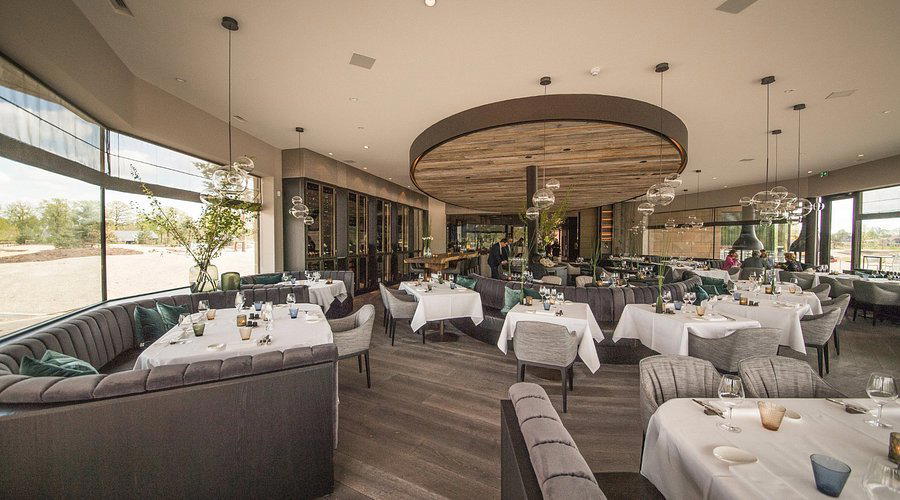
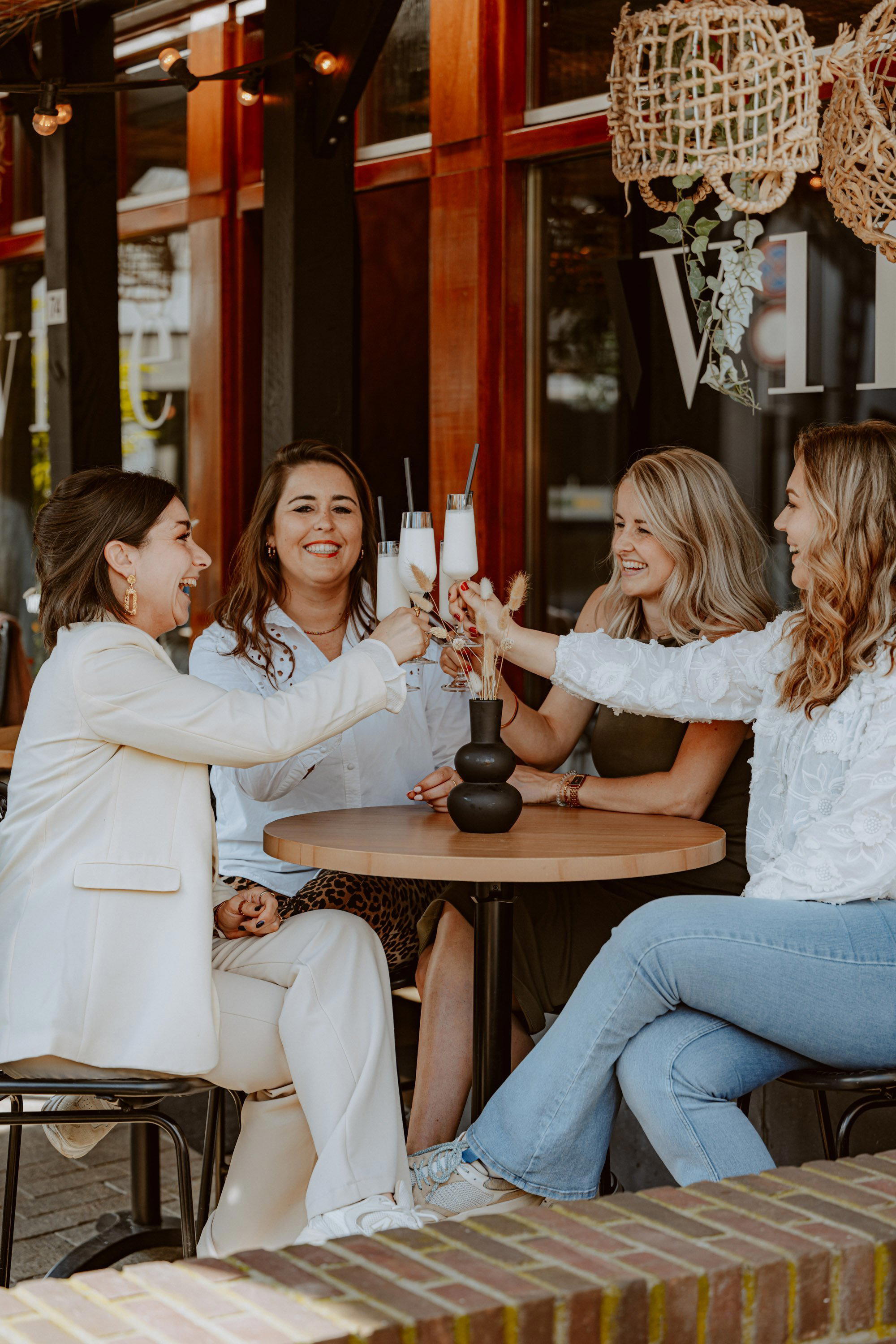
Dongen is a working town of around 25,000 people in Noord-Brabant, and its restaurant scene reflects that: neighbourhood-oriented, unpretentious, and locally patronised. A Greek restaurant in this context typically operates as a convivial, mid-tempo dining room rather than a destination-format venue. Expect a setting shaped more by regulars than by passing tourism.
Is Grieks restaurant Vasileia a good option for visitors travelling from Tilburg or Breda?
Dongen is around fifteen minutes by car from Tilburg and approximately twenty from Breda, making Vasileia a plausible mid-week or weekend destination rather than a detour. For diners in either city looking for Greek cooking outside the larger urban centres, it represents one of the few dedicated Hellenic tables in Noord-Brabant. The address — Eindsestraat 2, Dongen — is straightforward to reach by road.
What should I order at Grieks restaurant Vasileia?
Greek menus in Western Europe are typically anchored by meze — dips, grilled halloumi, spanakopita — alongside charcoal-grilled lamb, pork souvlaki, and whole fish. The cuisine's backbone ingredients, olive oil, dried oregano, and feta, carry significant weight, and the quality of those sourced staples tends to separate a considered Greek kitchen from a generic one. Without current menu documentation, arriving open to the day's specials is the practical approach.
What's the address for Grieks restaurant Vasileia?
Grieks restaurant Vasileia is located at Eindsestraat 2, 5105 AC Dongen, Netherlands, Dongen.
Comparable Spots, Quickly
Comparable venues nearby, for context on price, style, and recognition.
| Venue | Cuisine | Price | Notes |
|---|---|---|---|
| Grieks restaurant VasileiaThis venue — the venue you are viewing | Greek Restaurant | Not listed | Not listed |
| Nova | Asian | Not listed | Centrum |
| De Botanist | Global Fusion Shared Dining | $20–30 | City |
| Osteria Vicini | Authentic Italian Osteria | $20–30 | Kralingen Oost |
| De Kleine Ondeugd | Traditional Thai | $20–30 | Kralingen West |
| SPYCE Foodbar | Organic World-Spice Fusion | $20–30 | centrum |
Continue exploring
More in Dongen
Restaurants in Dongen
All restaurants in Dongen →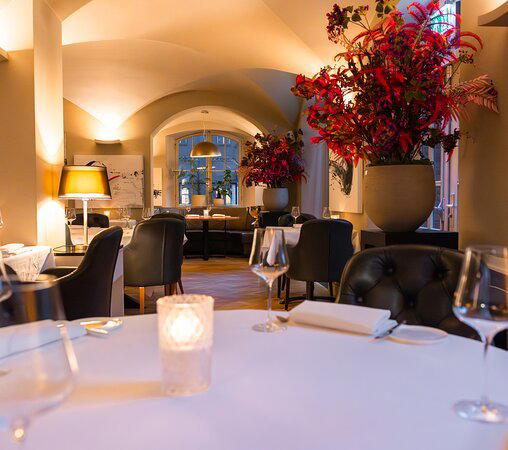
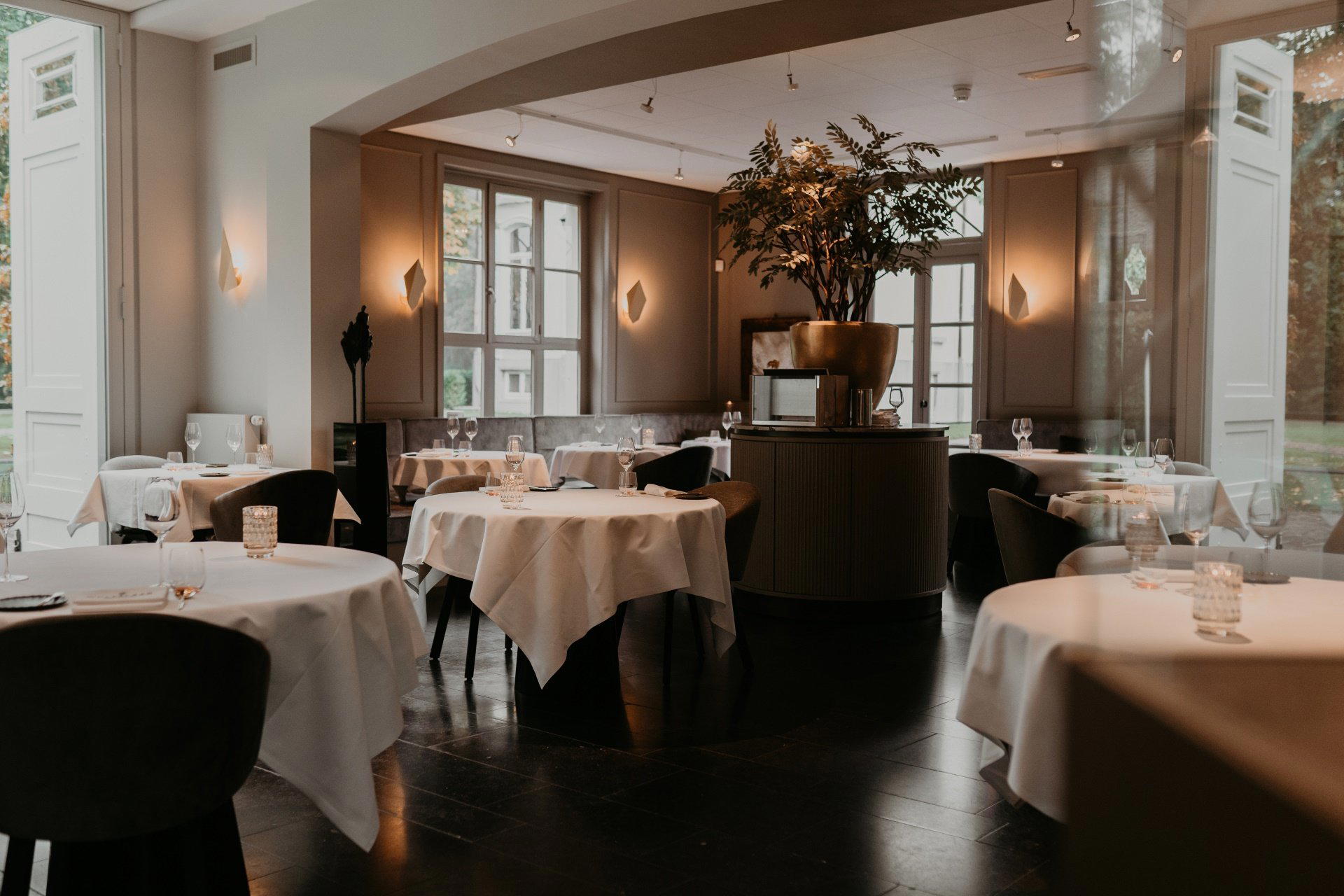
Details
- Cozy
- Family
- Casual Hangout
- A La Carte
Current opening hours
- Monday
- Closed
- Tuesday
- Closed
- Wednesday
- 4:30–10 PM
- Thursday
- 4:30–10 PM
- Friday
- 4:30–10 PM
- Saturday
- 4:30–10 PM
- Sunday
- 4:30–9 PM
Hours can change for holidays and private events. Last verified .
Gezellig (cozy and welcoming) family-friendly atmosphere with good food.