
On the first floor of the JW Marriott Frankfurt, GRETA OTO brings a Latin American-inflected menu to the city centre, with sharing plates built around ceviche, tacos, and Japanese-influenced techniques like mushroom karaage. The à la carte format encourages a relaxed, exploratory approach to eating. It sits above the hotel's ground-floor bar, making it a natural two-part evening in one address.
Pearl is the En Primeur Club membership app — saves, bookings, and concierge access live there. Same editors, same standards.
- Address
- Thurn-und-Taxis-Platz 2
- Phone
- +49 69 297237573
- Website
- gretaoto-restaurants.com
- Directions
- Get directions
 Saves & bookings on Pearl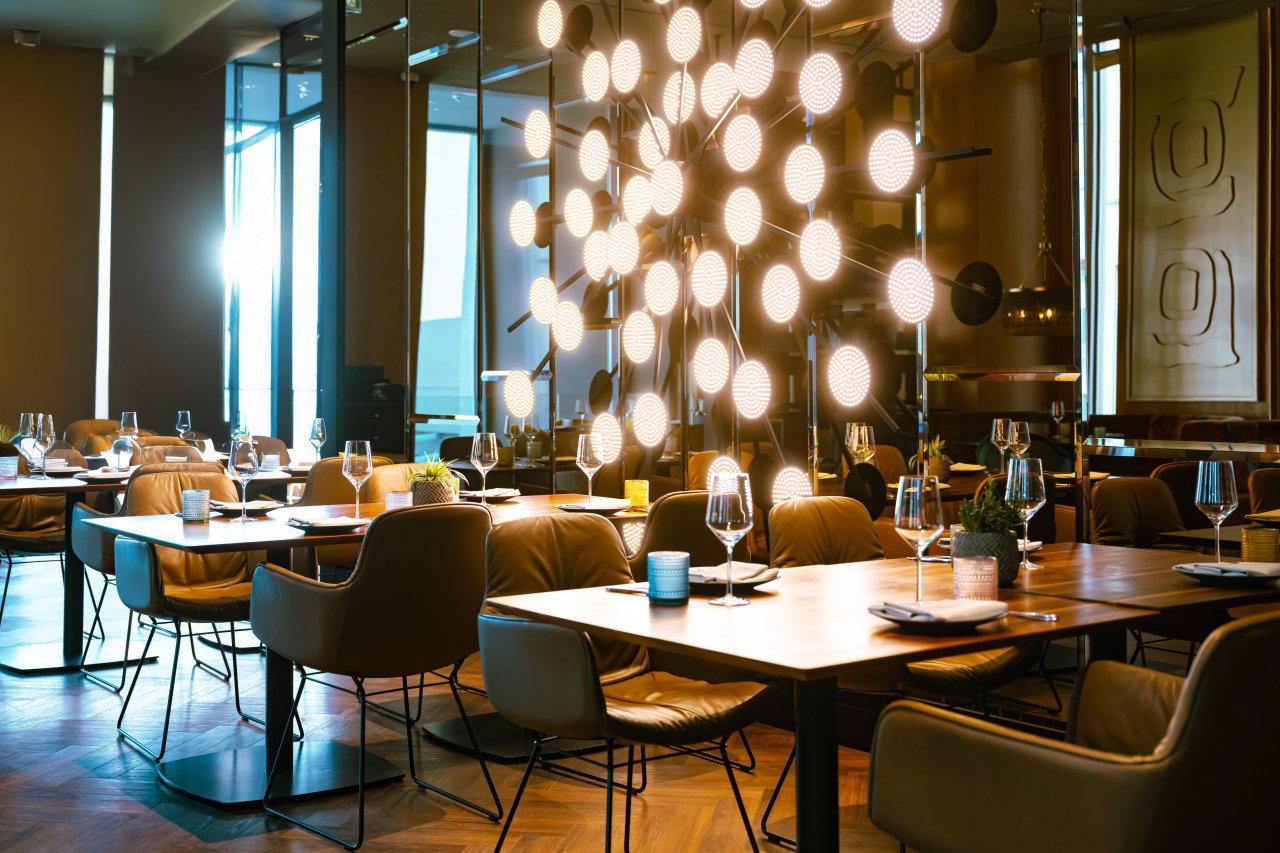
A Latin American Kitchen Inside Frankfurt's Financial Centre
Frankfurt's dining scene is often framed around its European credentials: the two-Michelin-starred precision of Lafleur, the classic French discipline of Erno's Bistro, the Italian regionalism of Carmelo Greco. Against that backdrop, GRETA OTO occupies a different register entirely, bringing Latin American technique and produce-driven sharing plates into the city centre without apology or qualification. The kitchen draws on the Pacific coast tradition of ceviche, the street-food logic of tacos, and the Japanese influence that has quietly reshaped contemporary South American cooking over several decades, a cross-cultural borrowing made visible in dishes like mushroom karaage alongside aji verde sauce and cashews.
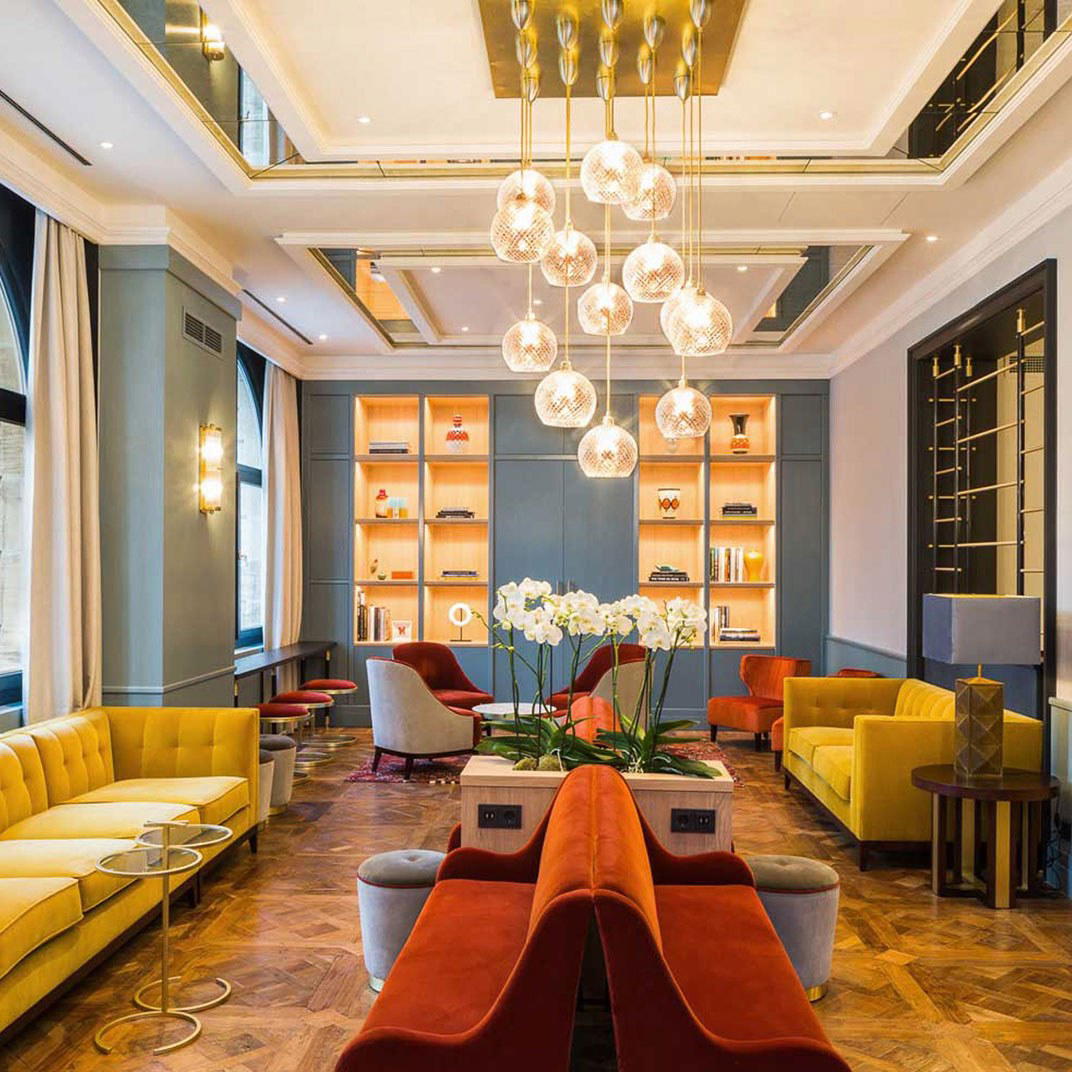
The setting reinforces the tonal shift. On the first floor of the JW Marriott Frankfurt at Thurn-und-Taxis-Platz 2, the dining room sits above the hotel's upscale ground-floor bar, which means any evening here tends to operate as a two-part structure: drinks below, food above. The design is described as stylish and elegant, the kind of interior that signals investment without turning the atmosphere clinical. For a city where hotel dining often defaults to the conservative, this is a deliberate shift.
Where the Ingredients Come From, and Why That Matters
Latin American cooking, at its core, is a cuisine built on specificity of sourcing. Ceviche is the clearest illustration: its character depends almost entirely on the quality and freshness of the fish, the acidity and heat of the leche de tigre, and the precision of the cure time. GRETA OTO offers a choice between salmon, sea bass, and king prawns for its ceviche, which lets diners choose between different textures and fat contents in an acid-forward preparation.
This sourcing logic extends to the broader menu. Mushroom karaage, a technique borrowed from Japanese frying traditions, requires a specific kind of mushroom density to work properly: too watery and the batter loses its crispness, too dry and the interior turns leathery. Offering it as a standalone dish rather than a garnish suggests the kitchen is treating the ingredient as a subject in its own right. Aji verde, the Peruvian green sauce built on aji amarillo, herbs, and often a dairy base, is a preparation that varies considerably depending on whether the chilies are fresh, fermented, or paste-form. Its appearance alongside cashews here follows a regional tradition of pairing fat and acid to moderate heat, a combination that requires balance at the sourcing level before it works at the plate level.
Frankfurt, as a financial capital with significant international transit, has a population that encounters Latin American cooking more frequently than many comparable German cities. In that context, sourcing integrity is not a differentiator so much as a baseline expectation.
The Sharing Format and What It Asks of the Table
The à la carte sharing format is worth taking seriously as a structural choice rather than a hospitality trend. Sharing plates work leading when the menu is calibrated around contrast rather than repetition, acid against fat, crisp against soft, heat against cool. At GRETA OTO, the combination of ceviche, tacos, karaage, and sauce-driven sides suggests a kitchen that has thought about this arc. Ceviche arrives cold and bright; karaage arrives hot and textured; tacos provide a starchier base that moderates both. The aji verde threads across multiple components, which is a useful design choice when ordering a range of dishes independently.
The practical implication for the table is that ordering two or three dishes each, shared across four people, tends to work well. This is a format that rewards conversation before the food arrives: agreeing on coverage across the menu's temperature, texture, and heat ranges produces better results than defaulting to individual preferences. For a business dinner or a relaxed social evening, the sharing structure lowers the formality threshold without compromising the experience.
For reference on how Frankfurt handles more structured formats, MAIN TOWER Restaurant and Lounge offers a different international perspective from its refined position on the city's skyline, while bidlabu takes a farm-to-table bistro approach that sits at a different point on the sourcing-to-plate spectrum. Across Germany more broadly, the range of ambitious cooking extends from Aqua in Wolfsburg to Schwarzwaldstube in Baiersbronn and JAN in Munich, a range of dining that GRETA OTO positions itself against not through fine dining codes but through a different kind of technical confidence.
Planning an Evening at GRETA OTO
The restaurant sits at Thurn-und-Taxis-Platz 2, within the JW Marriott Frankfurt, which places it centrally relative to the city's banking district and walking distance from several transit points. The practical structure of the evening, given the relationship between the ground-floor bar and the first-floor restaurant, allows for a natural sequencing of drinks then dinner without changing venues. For those arriving from elsewhere in Germany, the address is direct from Frankfurt Hauptbahnhof.
Given the sharing format, the question of how many dishes to order is the main logistical decision before you sit down. The menu's Latin American range, from ceviche through tacos to karaage, suggests aiming for variety across categories rather than depth in any single one. The ceviche choice between salmon, sea bass, and king prawns is worth making deliberately: salmon carries more fat, sea bass more delicacy, king prawns more texture. Aji verde as a recurring element across the meal provides continuity between courses.
At-a-Glance Comparison
Comparable venues nearby, for context on price, style, and recognition.
| Venue | Cuisine | Price | Awards | Notes |
|---|---|---|---|---|
| GRETA OTO FrankfurtThis venue — the venue you are viewing | Modern South American | $$$ | Michelin Plate | Not listed |
| Emma Metzler | Modern French-German Bistro | $$$ | Not listed | Sachsenhausen-Nord |
| Medici | Modern Mediterranean Fusion | $$$ | Michelin Plate | Altstadt |
| Goldmund | Modern French-German Brasserie | $$$$ | Michelin Plate | Innenstadt |
| RAUSCH | Modern German Fine Dining | $$$$ | Michelin Plate | Westend |
| Mon Amie Maxi | Classic French Brasserie & Oyster Bar | $$$$ | Michelin Plate | Westend-Süd |
Recognition history
Dated appearances from independent guides and award organizations, with the underlying list record or original source where available.
Michelin Plate
Michelin · 2026 Michelin Plate
Continue exploring
More in Frankfurt
Restaurants in Frankfurt
Browse all →
Bars in Frankfurt
Browse all →

Hotels in Frankfurt
Browse all →

At a Glance
- Elegant
- Lively
- Modern
- Date Night
- Business Dinner
- Special Occasion
- Hotel Restaurant
- Design Destination
- Craft Cocktails
- Extensive Wine List
Current opening hours
- Monday
- 12–3 PM, 6–11 PM
- Tuesday
- 12–3 PM, 6–11 PM
- Wednesday
- 12–3 PM, 6–11 PM
- Thursday
- 12–3 PM, 6–11 PM
- Friday
- 12–3 PM, 6–11 PM
- Saturday
- 12–3 PM, 6–11 PM
- Sunday
- 12–3 PM, 6–11 PM
Hours can change for holidays and private events. Last verified .
Dramatic and elegant with an imposing stairway, comfortable table booths, fluid banquette seating, and recurring butterfly motifs evoking the Amazon; stylish, lively, and visually harmonious.