Grecian Gyro
Grecian Gyro on Virginia Avenue brings the core of Greek street-food tradition to Hapeville, a small city that punches well above its size in casual dining. The gyro format, built around spiced rotisserie meat, fresh vegetables, and tzatziki folded into warm pita, has sustained Greek households and city counters for generations. For travellers moving through the Atlanta airport corridor, it represents a grounded, no-ceremony alternative to chain dining.
Pearl is the En Primeur Club membership app — saves, bookings, and concierge access live there. Same editors, same standards.
- Address
- 855 Virginia Ave, Hapeville, GA 30354
- Phone
- +14047621627
- Website
- greciangyro.com
- Directions
- Get directions
 Saves & bookings on Pearl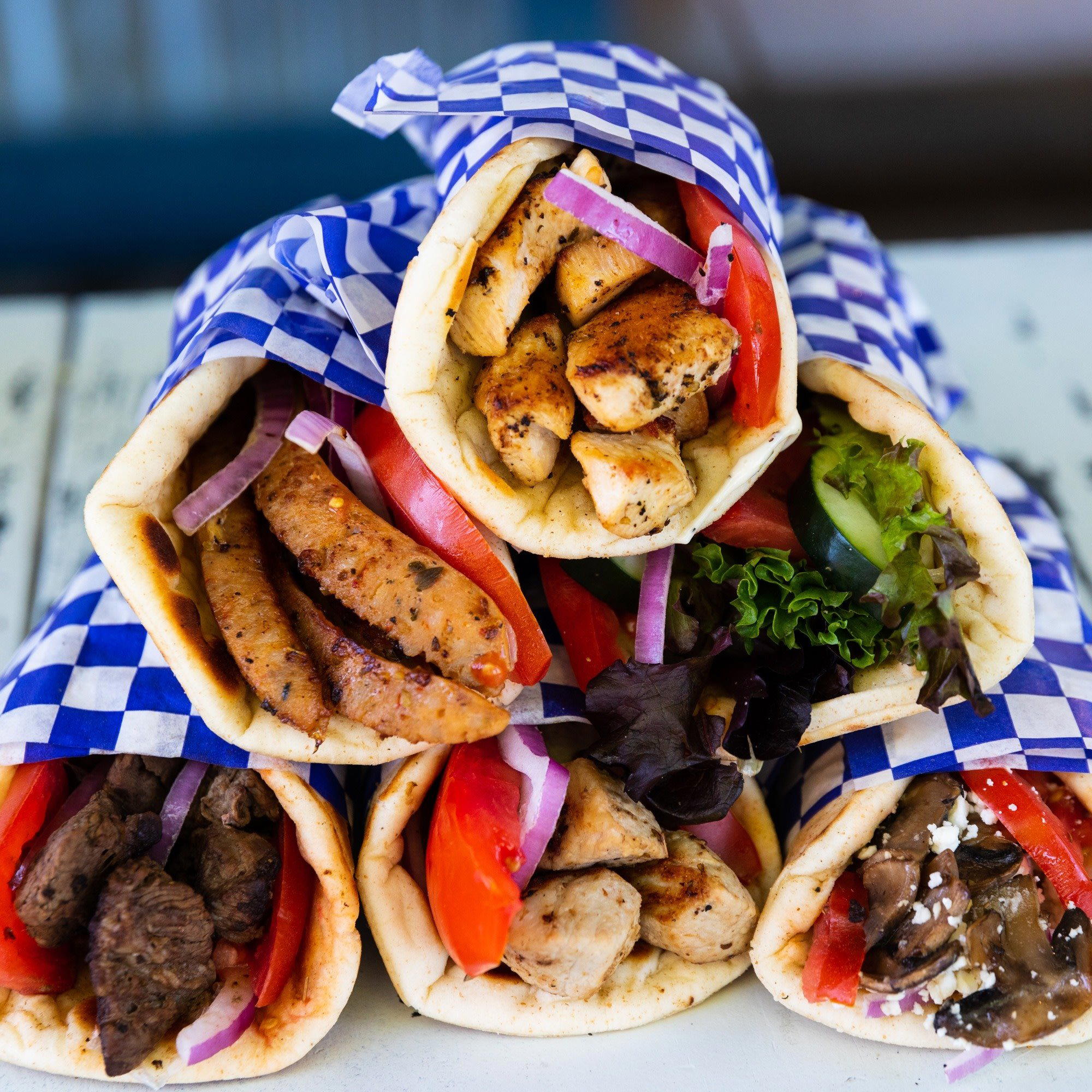
Virginia Avenue and the Case for Greek Street Food in the South
Hapeville sits at the southern edge of Atlanta's urban sprawl, pressed against Hartsfield-Jackson's flight paths and defined more by its working character than by any dining reputation. That context makes the presence of a dedicated Greek gyro counter on Virginia Avenue worth noting. American cities have absorbed Greek cuisine in waves since the early twentieth century, and the gyro, which crossed into mainstream American food culture during the 1970s and 1980s, has split into two distinct tracks: the frozen-cone product served at mass-market chains, and the hand-prepared version made with seasoned ground or sliced meat cooked on a vertical rotisserie. Grecian Gyro plants itself in the latter tradition, at least by name and local positioning, on a street where APRON and RedEye Southern Kitchen represent the more formal end of the neighbourhood's dining range.
What the Gyro Format Actually Represents
Greek street food has never been a simplified cuisine. The gyro specifically derives from the broader Eastern Mediterranean tradition of vertical spit-roasting, a technique shared across Turkish, Lebanese, and Greek cooking cultures under different names: döner, shawarma, gyros. What distinguishes the Greek iteration is the seasoning profile, typically a blend of garlic, oregano, thyme, and rosemary applied to pork or lamb, and the accompaniment of tzatziki, the yogurt-cucumber-dill sauce that provides cool contrast to the meat's char. Wrapped in a thick, slightly blistered pita with sliced tomato and onion, it is architecture more than assembly, the proportions mattering as much as the ingredients.
In Greece, gyro counters operate at all hours and price points, from late-night street stands to sit-down tavernas. The format arrived in the United States primarily through Greek immigrant communities concentrated in cities like Chicago, New York, and Baltimore, where Greek diners became neighbourhood institutions. The South's relationship with Greek cuisine is older than most visitors assume. Atlanta's Greek community has maintained a visible presence since at least the early twentieth century, and the influence has filtered into the region's food culture in ways that go beyond occasional souvlaki. For context on how Atlanta's more formal dining scene intersects with Mediterranean and European traditions, Bacchanalia represents the opposite end of the spectrum: prix-fixe precision where Grecian Gyro offers rotisserie directness.
Hapeville's Dining Position in the Atlanta Corridor
Hapeville is not Atlanta, and the distinction matters for anyone arriving at the airport expecting either the city's full dining range or an interchangeable suburban strip. The city has a genuine neighbourhood character, with independently owned businesses along Virginia Avenue that reflect a community rather than an airport-adjacent service economy. Slideways nearby signals the same independent spirit. Within that context, a Greek counter fits the street's register. It is the kind of format that requires no explanation to the people who live nearby and no pretension toward visitors passing through.
For travellers who have spent time at full-service tasting-menu restaurants such as Le Bernardin in New York City, Lazy Bear in San Francisco, Alinea in Chicago, or The French Laundry in Napa, the gyro counter represents the opposite pole of the dining spectrum: no reservation required, no extended service, no wine list, maximum speed. That is not a criticism. It is a category. The same traveller who books months ahead for Single Thread Farm in Healdsburg or Atomix in New York City may want nothing more than a properly made wrap after a long flight. The gyro, done correctly, delivers that without ceremony.
The Cultural Weight of Simple Food
There is a tendency in premium travel writing to treat street-food formats as charming novelties rather than as the primary way most people eat in their home culture. Greek street food does not require that condescension. In Athens and Thessaloniki, the gyro is consumed by everyone: it is not a budget fallback but a preferred format. The speed, the portability, the specific satisfaction of warm pita against cool tzatziki and hot meat are not compromises. They are the point.
That framing matters in a city like Hapeville, where the food available on Virginia Avenue serves a working population with real appetite expectations. The Greek gyro format translates well to the American South because both traditions understand the value of seasoned meat, bread as a vehicle rather than a garnish, and condiments that do actual structural work. It is a different cultural logic than the slow-smoked tradition visible across Georgia, but not an incompatible one. Venues like Blue Hill at Stone Barns in Tarrytown, Providence in Los Angeles, Addison in San Diego, The Inn at Little Washington, Emeril's in New Orleans, and Brutø in Denver each represent considered cuisine built around a specific regional or cultural argument. The gyro makes its own argument, no less considered for being faster to execute. For a broader view of what Hapeville's dining scene offers across formats and price points, the full Hapeville restaurants guide maps the range. And for a global counterpoint to American gyro culture, 8½ Otto e Mezzo Bombana in Hong Kong demonstrates how European culinary traditions travel and transform across geographies.
Planning a Visit
Grecian Gyro sits at 855 Virginia Avenue, Hapeville, GA 30354, within easy reach of Hartsfield-Jackson's domestic terminals. Pricing at Greek street-food counters in this category typically runs well below $20 per person, making it one of the more accessible options on the street.
Continue exploring
More in Hapeville
Restaurants in Hapeville
Browse all →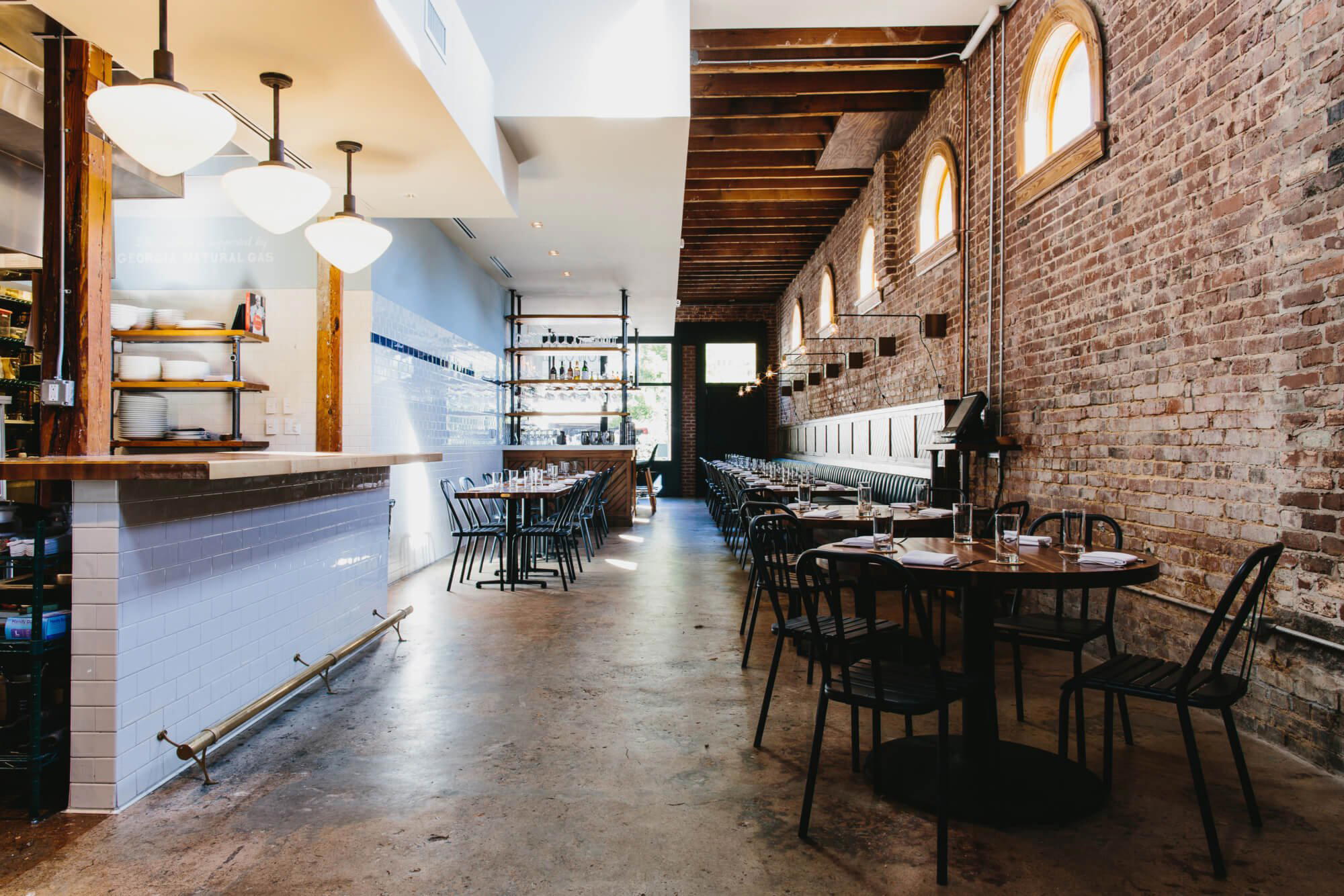
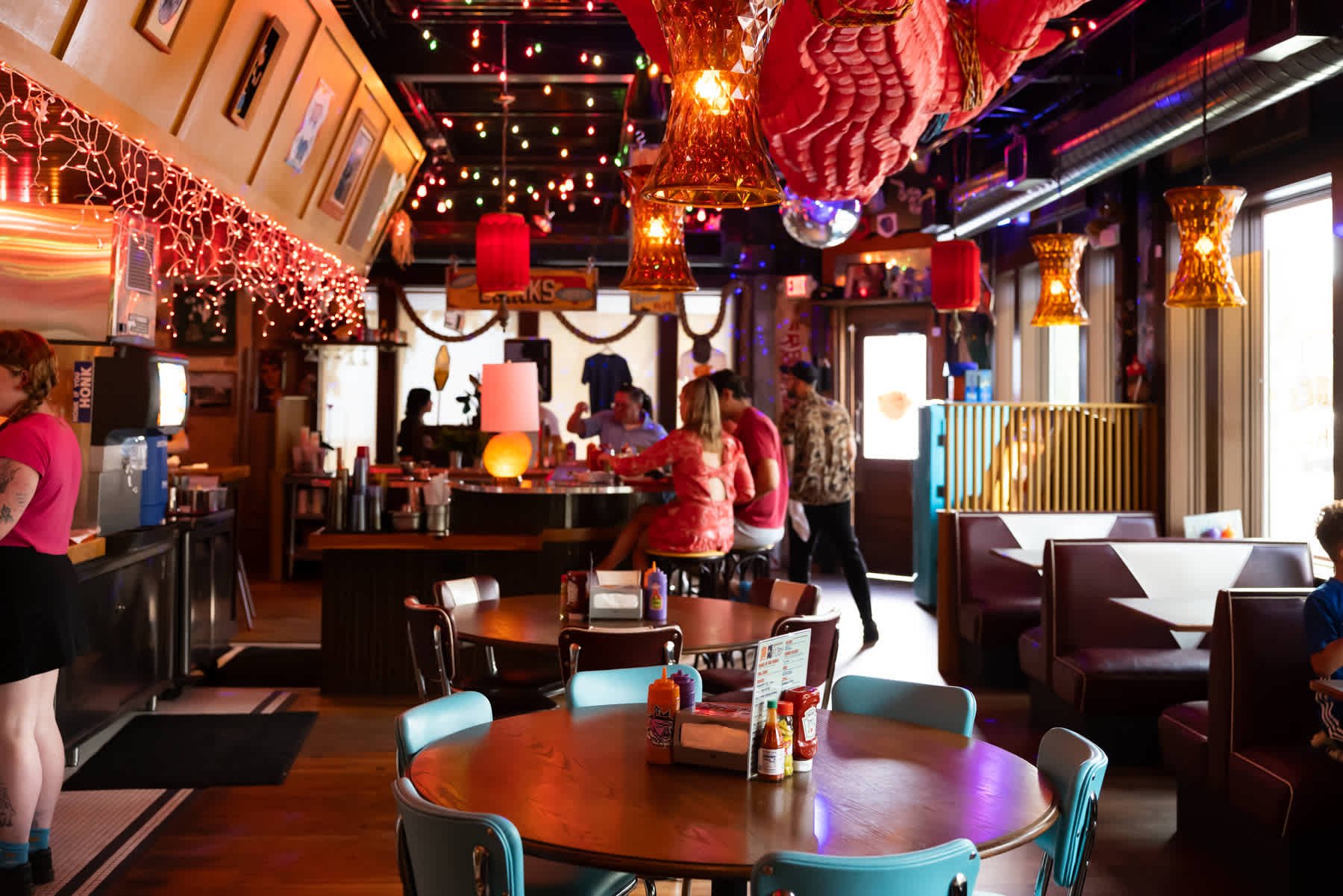
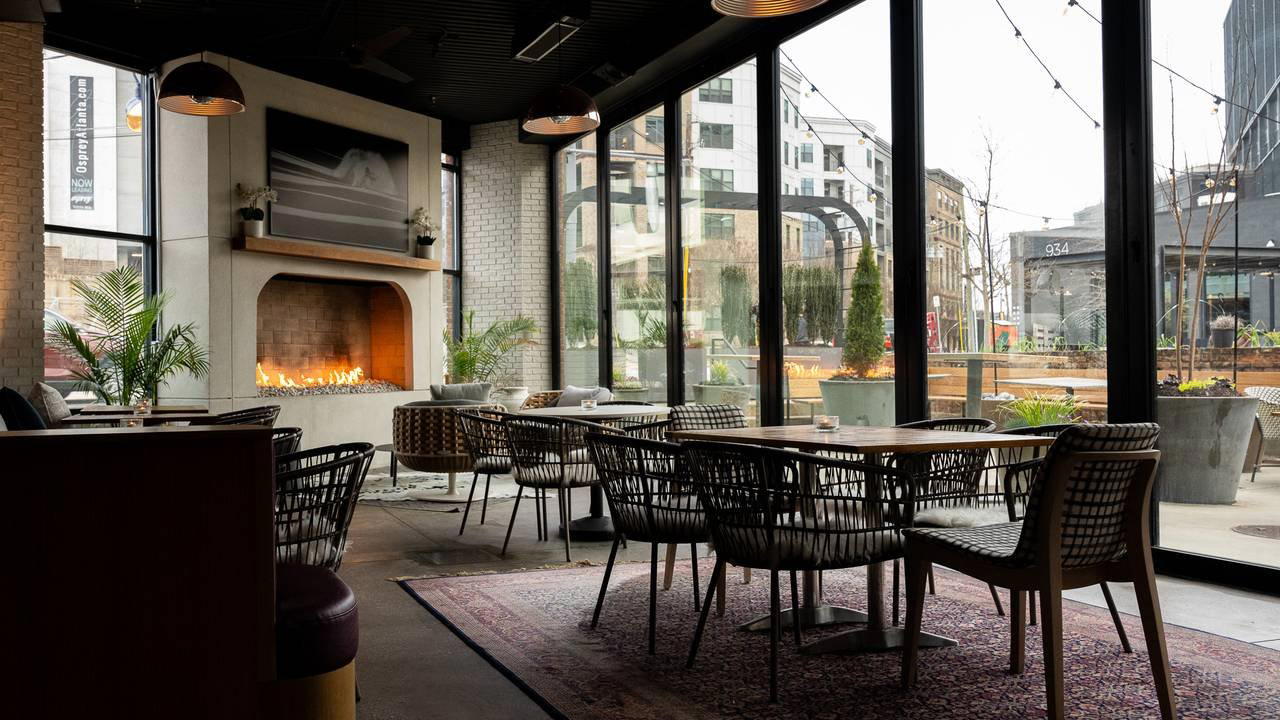
Bars in Hapeville
Browse all →




At a Glance
- Classic
- Casual Hangout
- Local Sourcing
Current opening hours
- Monday
- 10 AM–9:30 PM
- Tuesday
- 10 AM–9:30 PM
- Wednesday
- 10 AM–9:30 PM
- Thursday
- 10 AM–9:30 PM
- Friday
- 10 AM–9:30 PM
- Saturday
- 11 AM–9 PM
- Sunday
- 11 AM–9 PM
Hours can change for holidays and private events. Last verified .
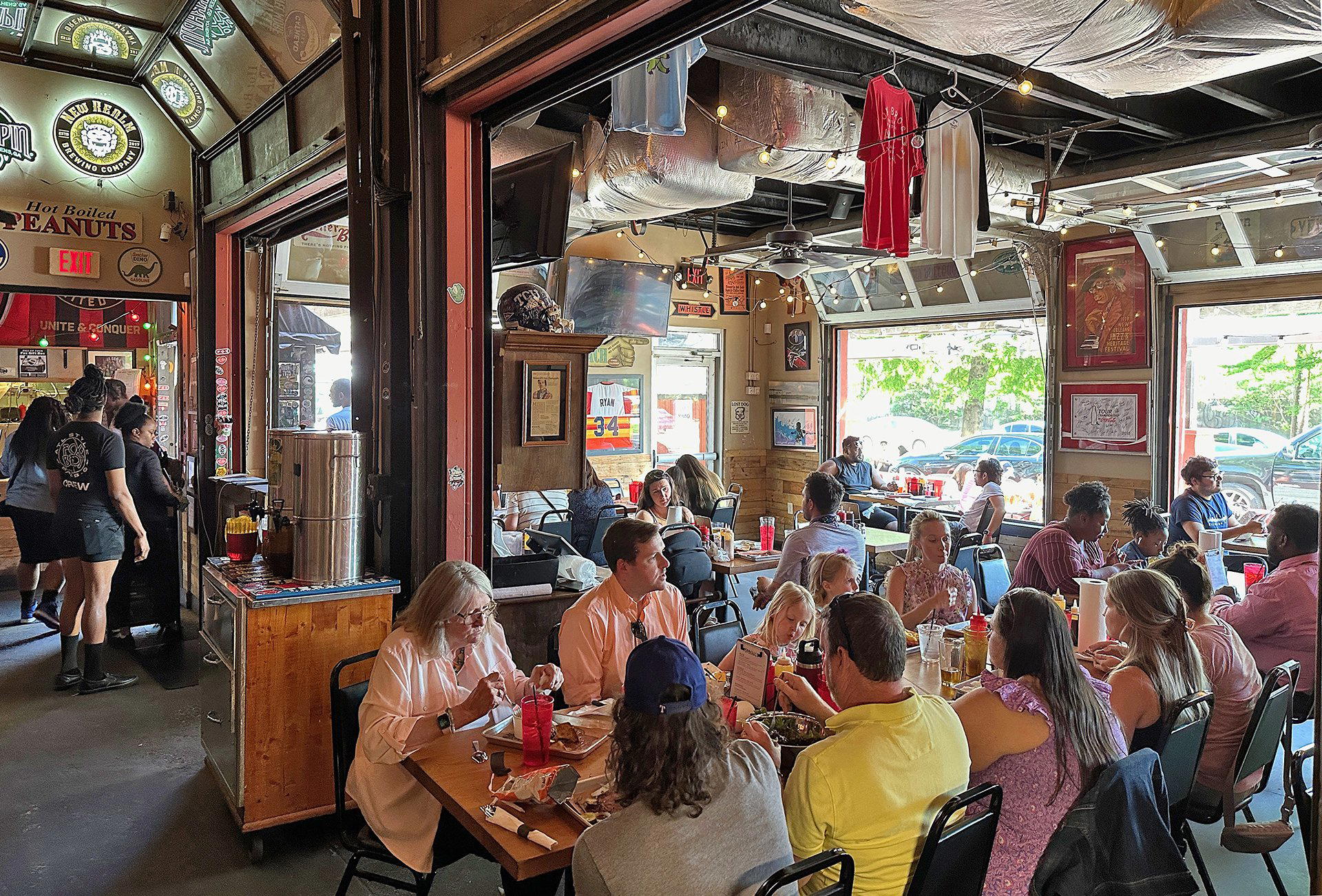
Rustic, no-frills interior with limited seating and a casual family atmosphere.
Know Before You Go
- Getting there
- 855 Virginia Ave, Hapeville, GA 30354