Great Plains Selinda

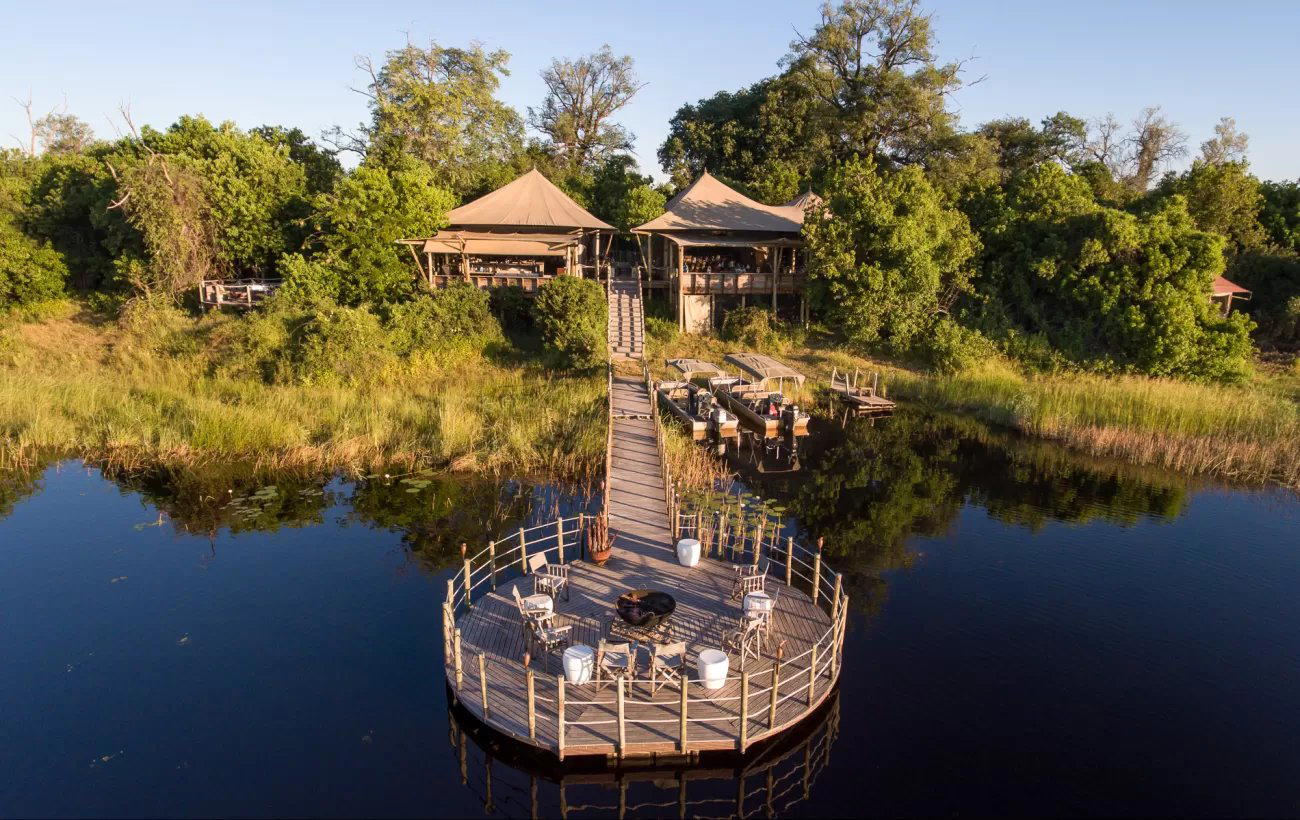
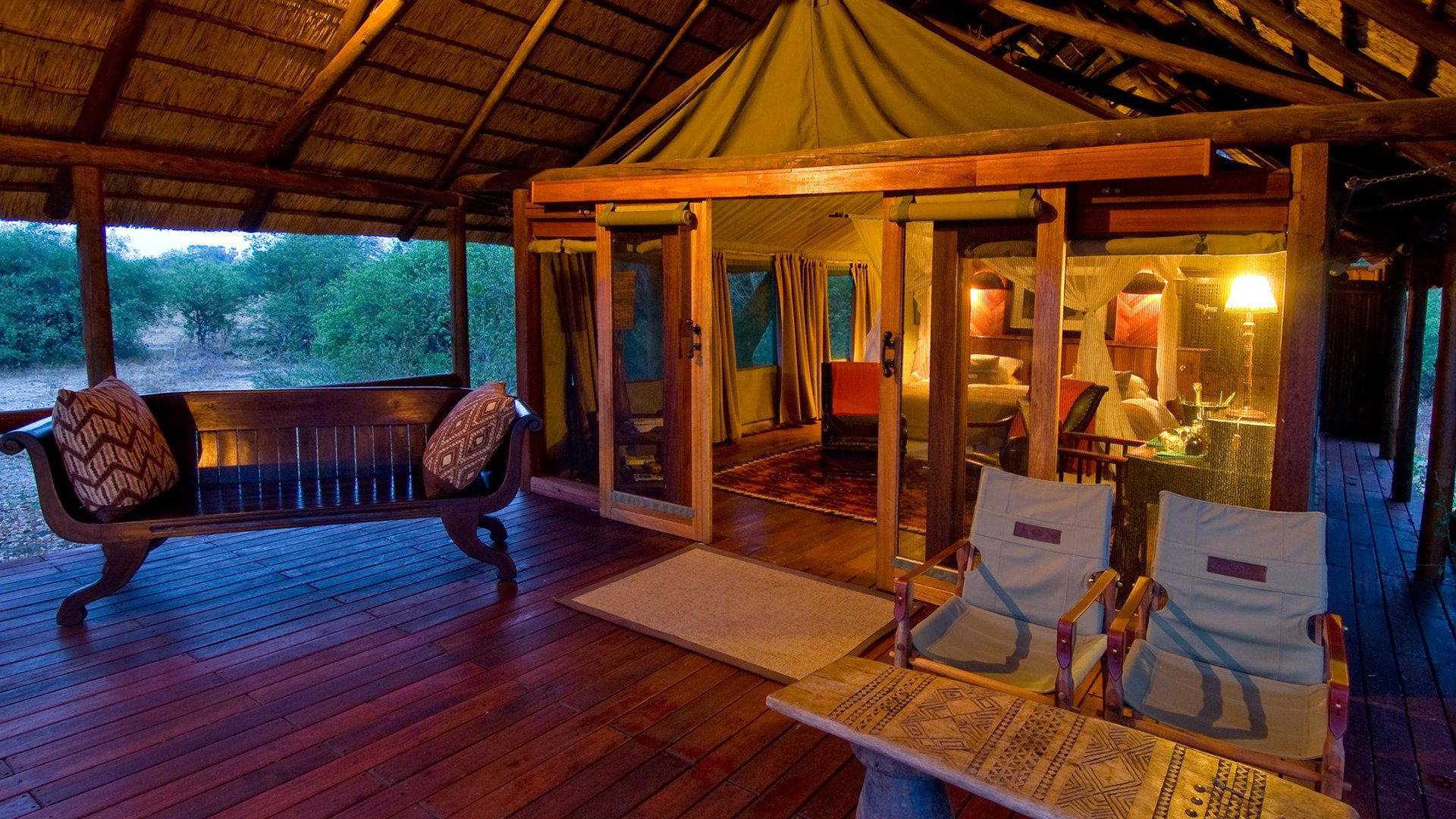
Set along the Zibadianja Lagoon in Botswana's remote Selinda Reserve, Great Plains Selinda places guests inside one of southern Africa's most wildlife-dense corridors. Large canvas suites sit at the water's edge, and the camp is particularly noted for leopard activity in the surrounding area. EP Club members rate it 4.9/5.
Pearl is the En Primeur Club membership app — saves, bookings, and concierge access live there. Same editors, same standards.
- Address
- FG8C+RRW, Selinda Reserve, Botswana
- Phone
- +27214345208
- Website
- greatplainsconservation.com
- Directions
- Get directions
 Saves & bookings on Pearl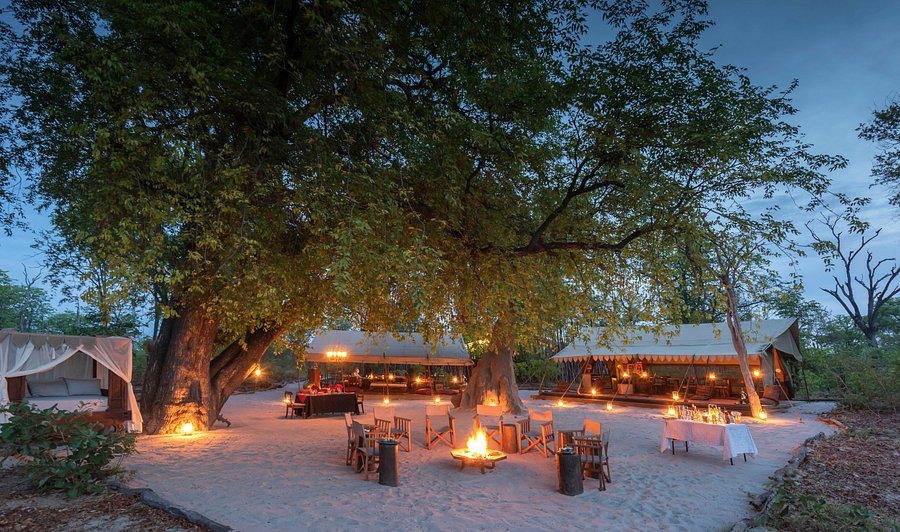
Where the Lagoon Determines Everything
Arrive at Selinda airfield, roughly 45 minutes by light aircraft from Maun International or 50 minutes from Kasane, and the transition from the outside world is almost immediate. The Selinda Reserve occupies a sliver of northern Botswana between the Okavango Delta and the Linyanti wetlands, and the camp at Great Plains Selinda sits directly on the Zibadianja Lagoon, a body of water that acts as both the visual anchor of the property and the primary reason so much wildlife concentrates here. In the Botswana bush, water proximity is not an aesthetic decision. It is an ecological one, and everything that happens at a camp like this, what you eat, when you move, what arrives at the table, traces back to that geography.
Premium bush camps across this region have moved away from the imported-ingredient model that defined early safari hospitality. The expectation now, at properties operating in this price and exclusivity tier, is that sourcing reflects the environment rather than contradicting it. Bush dining done well is not about replicating what you might find at Le Bernardin in New York City or Alain Ducasse at Louis XV in Monte Carlo in a canvas tent, it is about anchoring the meal in the region's own rhythms, seasons, and produce in ways that those urban rooms cannot replicate.
The Ingredient Logic of the Selinda Reserve
The Selinda Reserve covers approximately 320,000 hectares of private concession land, and the food culture that has developed in northern Botswana's remote camps reflects a fundamentally different sourcing logic than any city-based dining scene. Supply chains into areas like this are neither simple nor daily, which pushes camp kitchens toward a style of cooking that works with preserved, slow-cooked, and foraged elements alongside whatever can be brought in efficiently. That constraint is not a weakness, it is what keeps bush dining honest.
Morula fruit, mopane worms, and wild herbs from the broader northern Botswana region appear across the better camps in this area, drawing on a foraging tradition that long predates safari tourism. The cooking that emerges from this context tends to sit in contrast to the controlled, plated precision of rooms like Atomix in New York City or Alinea in Chicago, what it shares with those rooms is intention, but the mode of expression is entirely different. Here, the environment itself is the primary ingredient, and the kitchen's role is to make that legible on the plate.
Comparable operations in the region, including Duba Concession in the Okavango Delta and Morukuru Family Madikwe, operate under the same fundamental constraint and opportunity. The Selinda corridor, however, benefits from the Zibadianja Lagoon's particular ecological richness, which shapes not just the wildlife activity around camp but the broader context in which meals are served. Dinner beside a lagoon where elephant and buffalo have been drinking all afternoon carries a sourcing argument that no urban tasting menu can claim.
Leopard Country and the Case for Intimacy
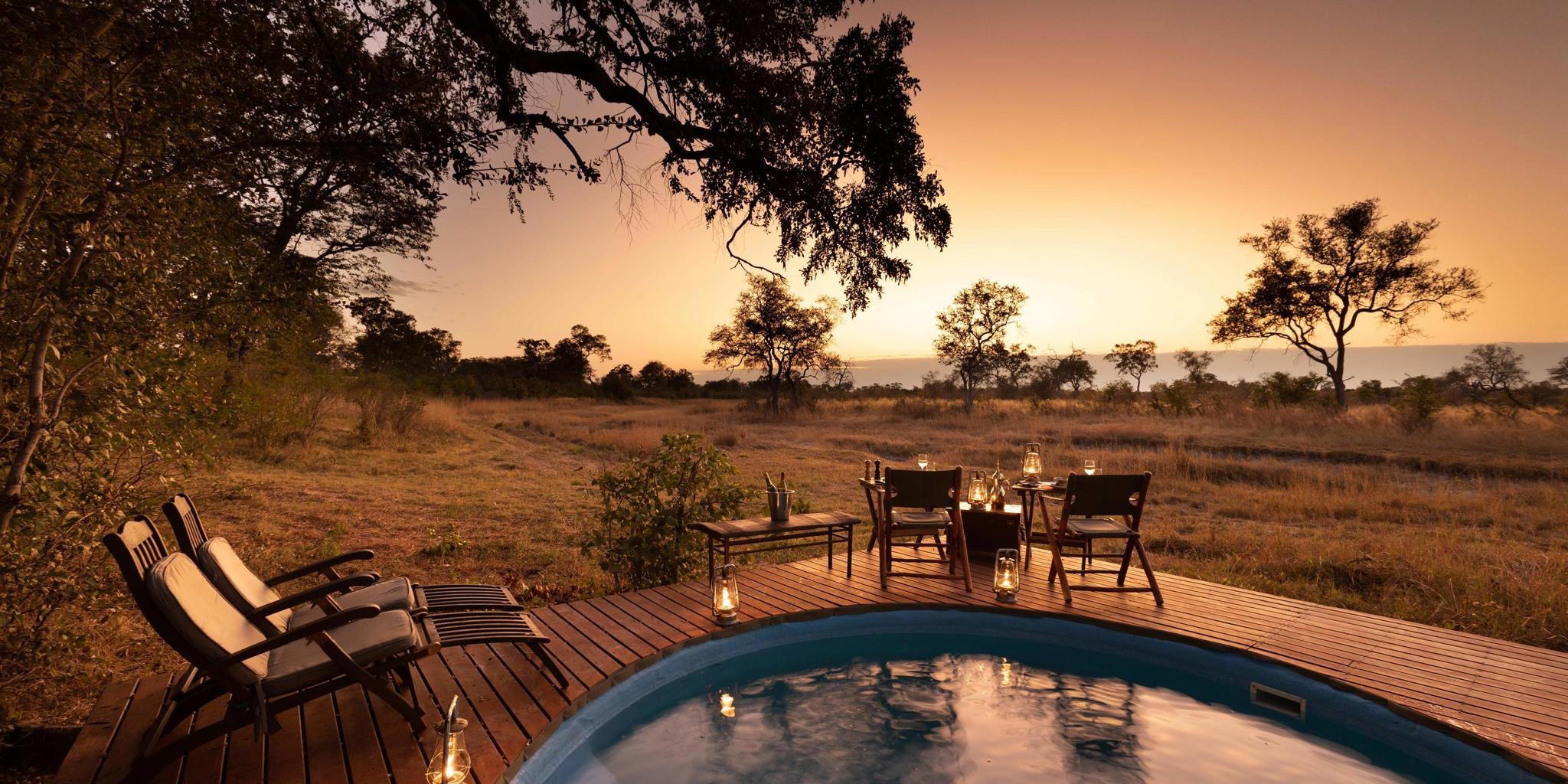
The Selinda Reserve is one of the more reliable areas in Botswana for leopard sightings, and the camp's positioning along the lagoon amplifies that. Large canvas suites at the water's edge allow wildlife to move through the camp perimeter without interruption, which means the line between the safari experience and the accommodation experience is deliberately blurred. That intimacy is the architecture of the product: the suites are large enough to function as proper living quarters over several nights, but positioned to ensure the bush remains a constant presence rather than a backdrop viewed through glass.
In the premium safari segment across southern Africa, which also includes properties like Epako Safari Lodge and Spa in the Omaruru district, the design question is always how much to insulate guests from the environment and how much to expose them to it. Great Plains Selinda sits toward the exposure end of that spectrum, which is consistent with Great Plains Conservation's approach across its African portfolio. The canvas construction, the lagoon orientation, and the focus on leopard and other wildlife in the immediate surrounds all signal a camp that prioritises direct encounter over managed comfort.
Planning a Stay: Access, Timing, and Booking Depth
Reaching Selinda requires a scheduled or charter flight into Maun or Kasane, followed by a light aircraft transfer to the private Selinda airfield, which sits within the reserve. Most guests combine Selinda with other Botswana concessions, the Okavango Delta, Linyanti, or Chobe, into a multi-camp itinerary, which is the standard structure for serious safari travel in this part of the country.
The dry season, running roughly from May through October, concentrates wildlife around permanent water sources including the Zibadianja Lagoon, making sightings more consistent and the terrain more accessible for game drives. The green season from November through April brings different advantages: fewer visitors, lower rates at some camps, and the arrival of migratory birds that make the lagoon particularly active. For leopard specifically, the reserve has a year-round record, though dry-season conditions tend to make tracking easier.
8 across 44 assessments.
How It Stacks Up
Comparable venues nearby, for context on price, style, and recognition.
| Venue | Cuisine | Price | Notes |
|---|---|---|---|
| Great Plains SelindaThis venue — the venue you are viewing | Fine Dining Safari Cuisine | $$$$ | Not listed |
| Selinda Camp | Zarafa Camp Restaurant | Relais & Châteaux safari fine dining | $$$$ | Selinda Reserve |
| Duba Concession | Modern African Safari Cuisine | $$$$ | Duba Concession |
| Sitatunga Private Island dining room Restaurant | Fine dining with traditional Botswana-inspired cuisine | $$$$ | Okavango Delta |
Recognition history
Dated appearances from independent guides and award organizations, with the underlying list record or original source where available.
Relais Chateaux Award
Relais Chateaux
Continue exploring
More in Selinda Reserve
Restaurants in Selinda Reserve
Browse all →
Bars in Selinda Reserve
Browse all →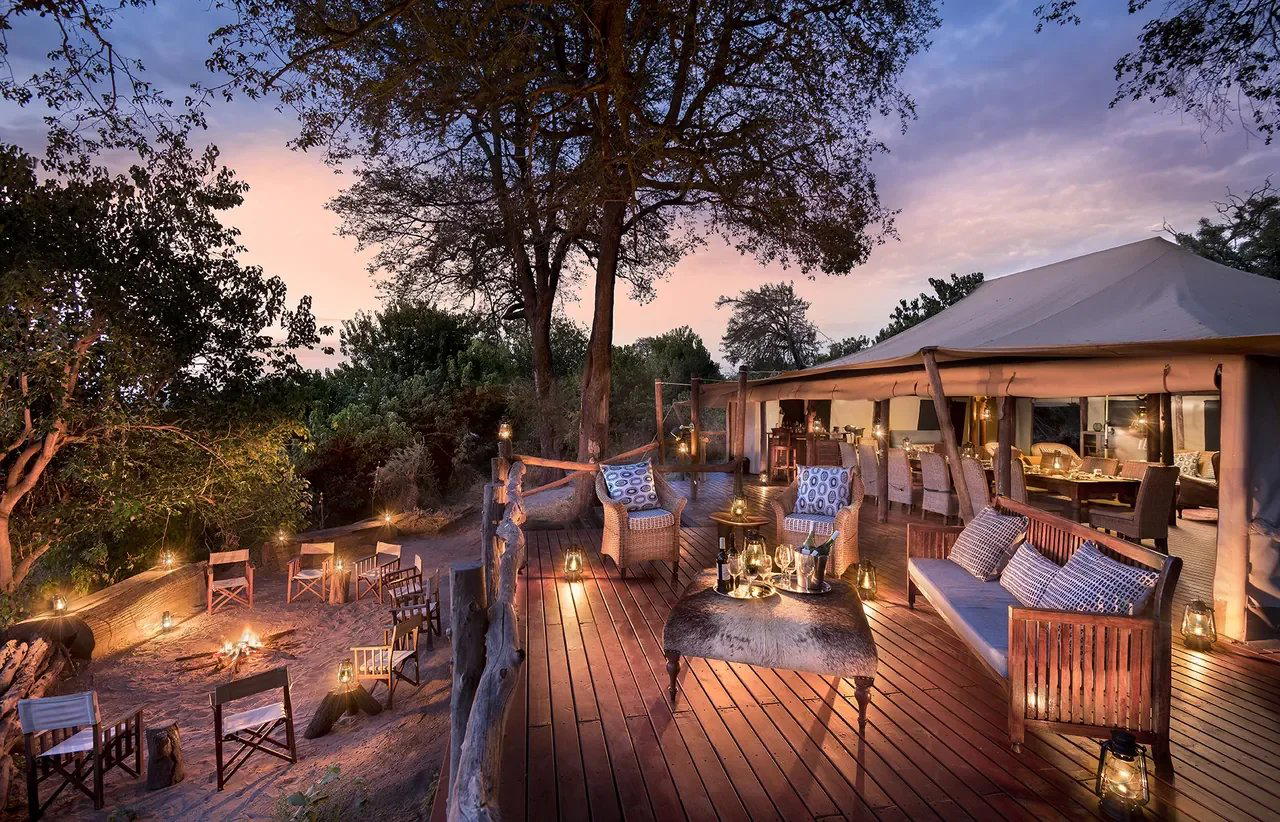
At a Glance
- Elegant
- Scenic
- Intimate
- Rustic
- Sophisticated
- Special Occasion
- Celebration
- Waterfront
- Hotel Restaurant
- Open Kitchen
- Wine Cellar
- Extensive Wine List
- Local Sourcing
- Waterfront
- Garden
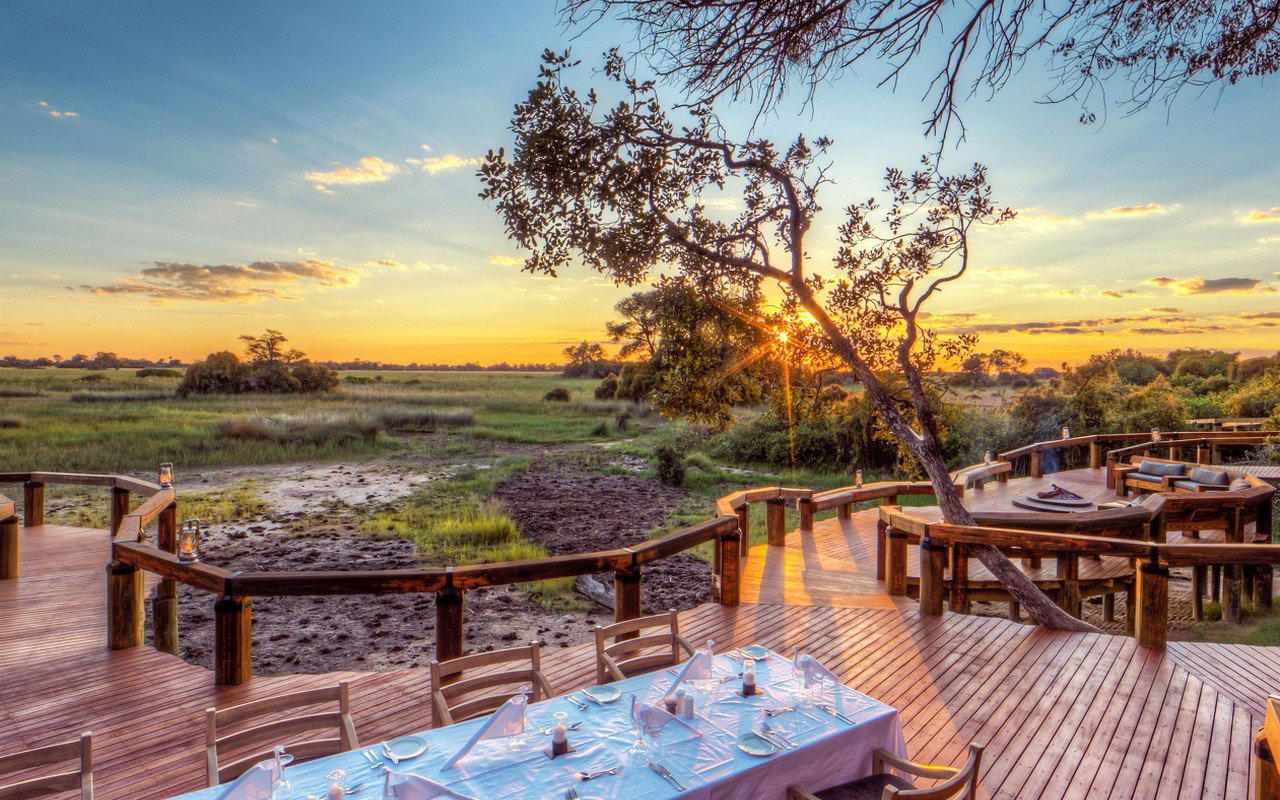
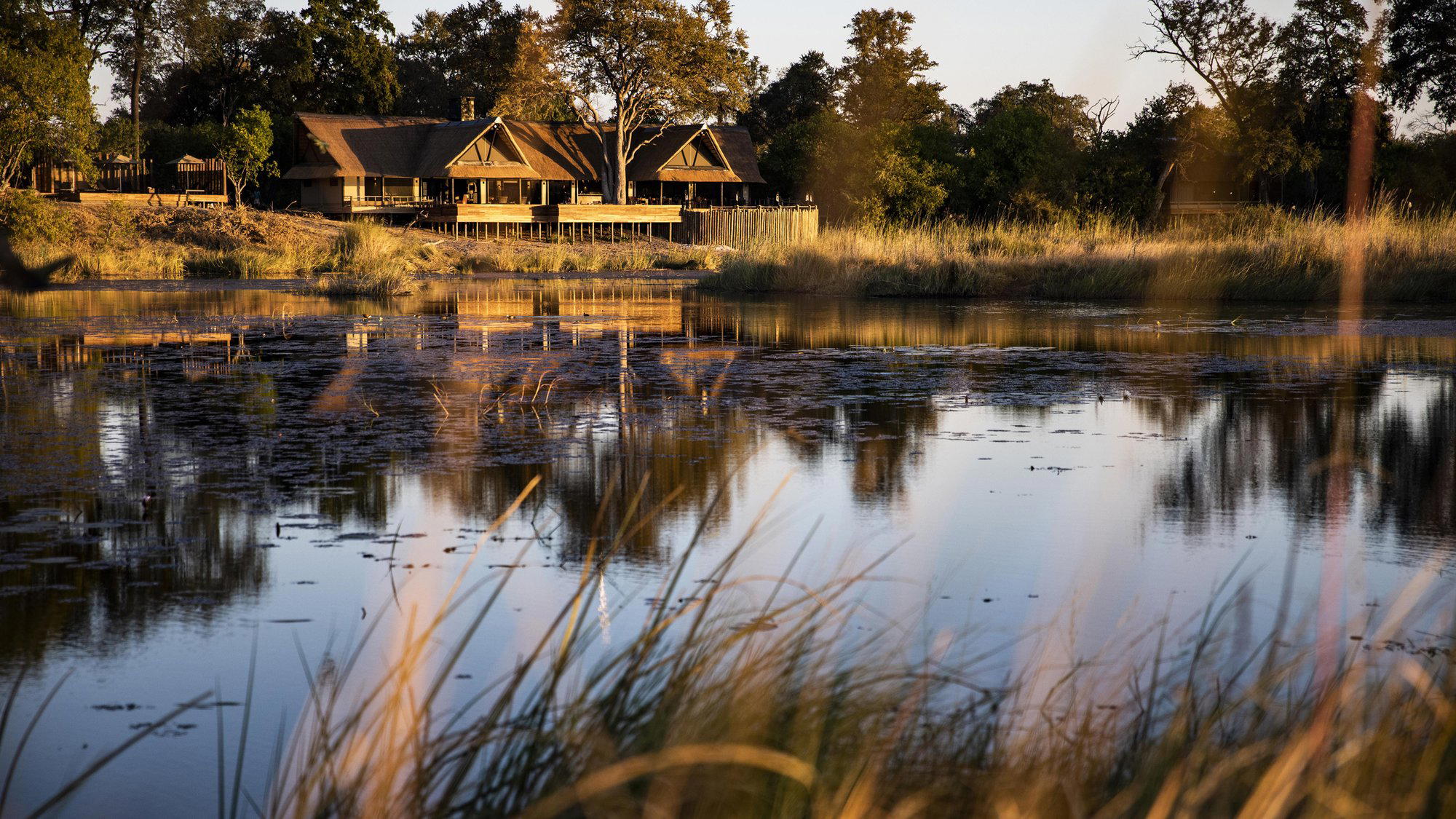
Shaded, elegant atmosphere blending seamlessly with nature, featuring high-beamed ceilings, thatched roofs, and expansive views over floodplains.