Goulash
Our verdict
Goulash occupies a ground-floor address on Adelphi, one of Aberdeen city centre's quieter commercial streets, and positions itself within a local dining scene that spans everything from Thai and Turkish to pan-Asian comfort food. The kitchen draws on Central European tradition in a city more accustomed to North Sea seafood and gastropub fare, making it a genuinely distinct presence in the Aberdeen restaurant mix.

Pearl is the En Primeur Club membership app — saves, bookings, and concierge access live there. Same editors, same standards.
- Address
- 17 Adelphi, Aberdeen AB11 5BL, United Kingdom
- Phone
- +441224210530
- Hours
- Mon ClosedTue–Wed 6–10 PMThu–Fri 12–10 PMSat 12–11 PMSun 12–10 PM
- Website
- goulashrestaurant.co.uk
- Directions
- Get directions
- Booking
- Book on the venue's website
The menu
What to order
- Goulash soup
- Meat strudel
- Palacsinta
Adelphi and the Aberdeen Dining Context
Aberdeen's restaurant geography tends to cluster around Union Street and the west end, which makes the Adelphi address worth noting. The street sits close enough to the city centre to catch passing trade, but far enough from the main drag that the places operating there tend to rely on purpose-driven visits rather than footfall. That dynamic shapes the kind of cooking that survives here: it needs a clear identity rather than a broad catch-all offer.
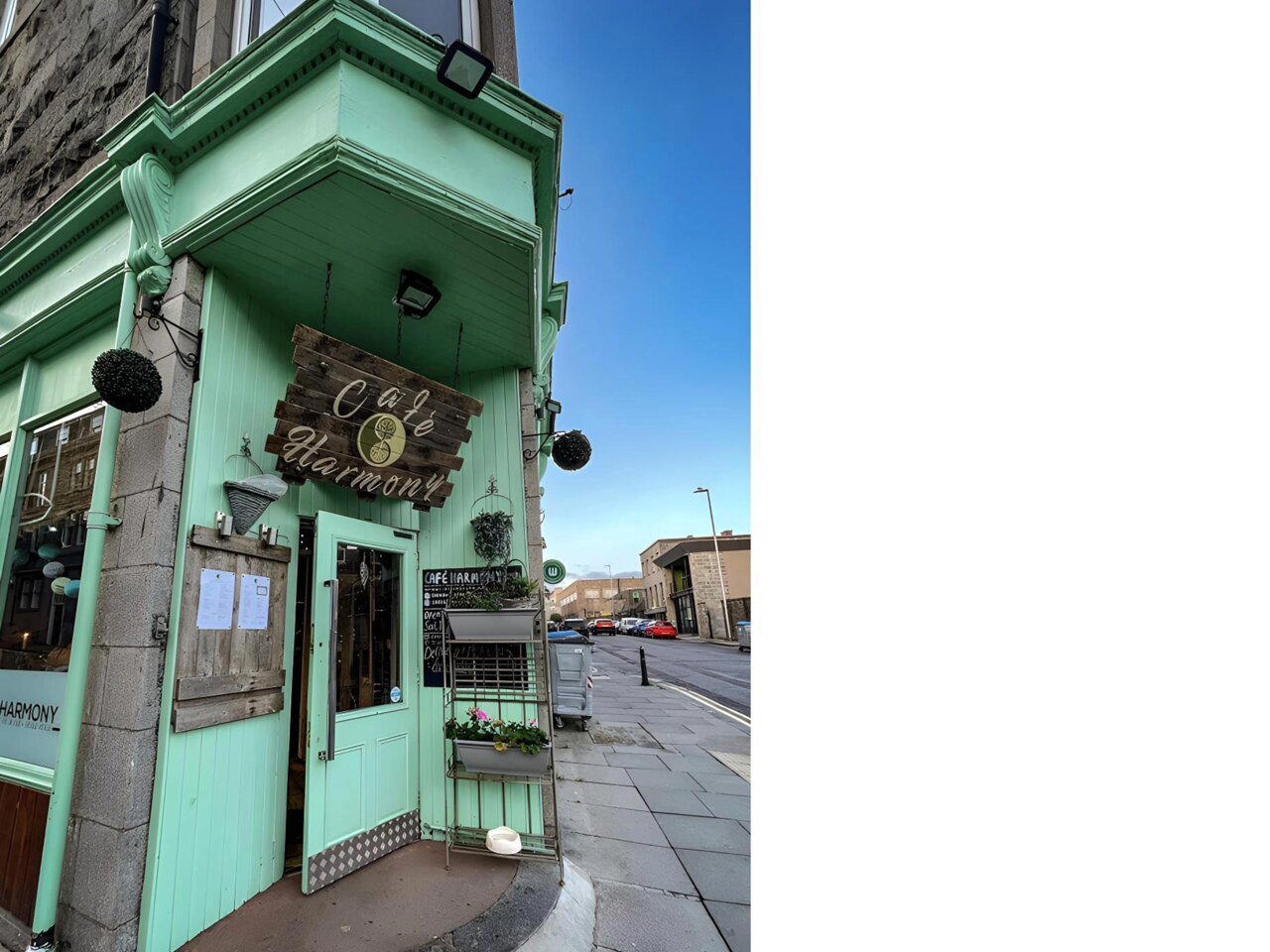
The city's dining scene has diversified considerably over the past decade. The oil industry that once made Aberdeen one of Scotland's wealthier cities per capita also brought an international workforce that drove demand for cooking beyond the traditional Scottish canon. The result is a layered mid-market where cuisines from across Asia, the Middle East, and Continental Europe sit alongside modern Scottish gastropubs. For context on the range, Koi Thai Restaurant, Pera Restaurant Aberdeen, and Monsoona Healthy Indian cuisine each represent a distinct strand of that international spread, while Cafe Harmony and the Former Jumbo Floating Restaurant illustrate how the city's dining history has accumulated in sometimes unexpected directions. Our full Aberdeen restaurants guide maps the broader picture.
What Goulash Signals About Central European Cooking in Scotland
Central European cuisine occupies a genuinely small niche in Scottish dining. Kitchens working in the Hungarian or Austro-Hungarian register are rare not just in Aberdeen but across the UK outside London, which means venues operating under a name like Goulash are making a clear statement about their reference point. The dish itself, a slow-braised paprika-driven beef stew with roots in the Hungarian puszta, became a pan-European staple through the Habsburg Empire's reach, and its derivatives appear across Czech, Slovak, Austrian, and German-speaking kitchens in varying forms. In the UK context, the name functions as a signifier of that broader Central European warmth tradition: substantial, slow-cooked, built around quality meat and a carefully managed spice base rather than heat or novelty.
That sourcing logic matters. A kitchen committed to goulash-style cooking is implicitly committed to braising-grade beef that can hold structure through long, low cooking, to paprika with enough depth to anchor a sauce, and to accompaniments, whether egg noodles, dumplings, or bread, that are built for absorbing rather than competing with the main. In a city like Aberdeen, which sits close to some of Scotland's better cattle country in Aberdeenshire and Angus, the raw material side of that equation is, at least in principle, well served by geography.
Ingredient Sourcing and the North-East Scotland Advantage
The North-East of Scotland carries genuine agricultural weight. Aberdeenshire is associated with Aberdeen Angus beef, a breed with a specific fat marbling profile that has been cited by livestock historians since the nineteenth century and carries protected status designations across export markets. Whether a kitchen on the Adelphi is drawing directly on Aberdeenshire supply chains is a question of operational specifics not available here, but the regional opportunity is real and worth a reader's inquiry.
Slow-braise cooking of the type central to Hungarian and Central European tradition rewards high-quality secondary cuts. Chuck, shin, and blade benefit from fat content and connective tissue that dissolve into gelatin over extended cooking, producing the body that distinguishes a properly made goulash from a hurried stew. That is not a technique that scales easily or cheaply, which is part of why kitchens serious about it tend to operate at mid-market price points or above, and why the dish functions as a rough quality signal when executed correctly. The comparison to venues working at the precision end of British cooking, such as L'Enclume in Cartmel or Moor Hall in Aughton, is not one of direct competition but of a shared underlying logic: sourcing discipline informs technique informs outcome.
Further afield, kitchens like CORE by Clare Smyth in London, Le Manoir aux Quat'Saisons in Oxford, and Gidleigh Park in Chagford have each made supply chain provenance a central part of their editorial identity. The same principle applies at every price point. Regional kitchens like hide and fox in Saltwood, Hand and Flowers in Marlow, and Midsummer House in Cambridge demonstrate that serious ingredient provenance is not the exclusive territory of metropolitan fine dining. Opheem in Birmingham shows a similar logic applied to South Asian cooking: regional identity in the sourcing matches regional identity in the cuisine. At the international end, kitchens like Le Bernardin in New York City and Atomix in New York City demonstrate how sourcing transparency has become a baseline expectation even in markets defined by abundance. Waterside Inn in Bray anchors the same idea in the British classical tradition.
Planning a Visit to Goulash
Goulash is located at 17 Adelphi, Aberdeen AB11 5BL, a short walk from the Union Street spine of the city centre and accessible from Aberdeen's main transport nodes. Given the venue's address on a street that rewards deliberate visits, arriving with a confirmed table rather than hoping to walk in is the more reliable approach, particularly on weekend evenings when the Aberdeen city centre dining circuit draws consistent demand.
That absence does not constitute a negative signal in a dining category and city where formal award coverage is sparse, but it does mean readers are navigating without the usual external quality markers and should rely on current review platforms and direct communication with the venue for up-to-date guidance on the offer.
Frequently asked questions
Where is Goulash located?
Goulash is located at 17 Adelphi, Aberdeen AB11 5BL, United Kingdom, Aberdeen.
Is Goulash one of the few places in Scotland serving authentic Hungarian-style cuisine?
Restaurants working specifically in the Hungarian or Austro-Hungarian register are rare across Scotland, with very few operating outside Edinburgh or Glasgow. Goulash in Aberdeen fills that gap in the north-east, making the Adelphi address one of a small number of options for this cooking tradition in the country. For diners in Aberdeen seeking Central European flavours beyond generic continental menus, it represents a focused and relatively uncommon choice.
What's the best thing to order at Goulash?
The kitchen works in the Hungarian and Austro-Hungarian register, which means slow-braised meat dishes are the structural core of the menu. Given the Aberdeenshire setting, cuts sourced from the region's Aberdeen Angus cattle are the logical priority. Without a current published menu, the name of the restaurant is itself the clearest signal: the eponymous dish is the reference point from which to judge the kitchen's range.
Can I walk in to Goulash?
The venue is at 17 Adelphi, a short walk from Union Street in Aberdeen city centre, so access on foot from the main transport spine is straightforward.
What's the defining dish or idea at Goulash?
The defining idea is specificity: Central European cooking, particularly the Hungarian register, occupies a narrow niche in Scottish dining, and kitchens working seriously in that tradition are rare north of Edinburgh. At 17 Adelphi in Aberdeen, Goulash positions itself as a focused proposition rather than a broad European brasserie, with the namesake dish setting the tone for the kitchen's direction.
Can Goulash adjust for dietary needs?
Traditional Hungarian and Austro-Hungarian cooking is built around meat and dairy, which means the base cuisine is less naturally accommodating of plant-based diets than, say, a Mediterranean kitchen.
Does Goulash justify its prices?
What can be said is that Central European cooking at this level of focus is scarce in Aberdeen, which gives Goulash a positional advantage that typically supports a mid-range price point rather than a budget one. The Adelphi address, a short distance from the city centre core, also suggests a neighbourhood-restaurant model rather than a high-overhead destination format.
In Context: Similar Options
Comparable venues nearby, for context on price, style, and recognition.
| Venue | Cuisine | Price | Awards | Notes |
|---|---|---|---|---|
| GoulashThis venue — the venue you are viewing | Authentic Hungarian | $20–30 | Not listed | Not listed |
| Koi Thai Restaurant | Authentic Thai | Not listed | Not listed | Rosemount |
| Cafe Harmony | Sicilian & Mediterranean | $20–30 | Not listed | Bon-Accord Terrace |
| Monsoona Healthy Indian cuisine | Healthy Indian Cuisine | $20–30 | Not listed | Aberdeen City Centre |
| Pera Restaurant Aberdeen | Turkish Meze | $20–30 | Not listed | Holburn Street |
| Amuse by Kevin Dalgleish | Modern Scottish Fine Dining | $50–100 | Michelin Plate | quiet residential |
Continue exploring
More in Aberdeen
Restaurants in Aberdeen
Browse all →
Bars in Aberdeen
Browse all →
Wineries in Aberdeen
Browse all →
Details
- Cozy
- Intimate
- Family
- Casual Hangout
- A La Carte
- Vegetarian Friendly
- Gluten Free Options
Current opening hours
- Monday
- Closed
- Tuesday
- 6–10 PM
- Wednesday
- 6–10 PM
- Thursday
- 12–10 PM
- Friday
- 12–10 PM
- Saturday
- 12–11 PM
- Sunday
- 12–10 PM
Hours can change for holidays and private events. Last verified .
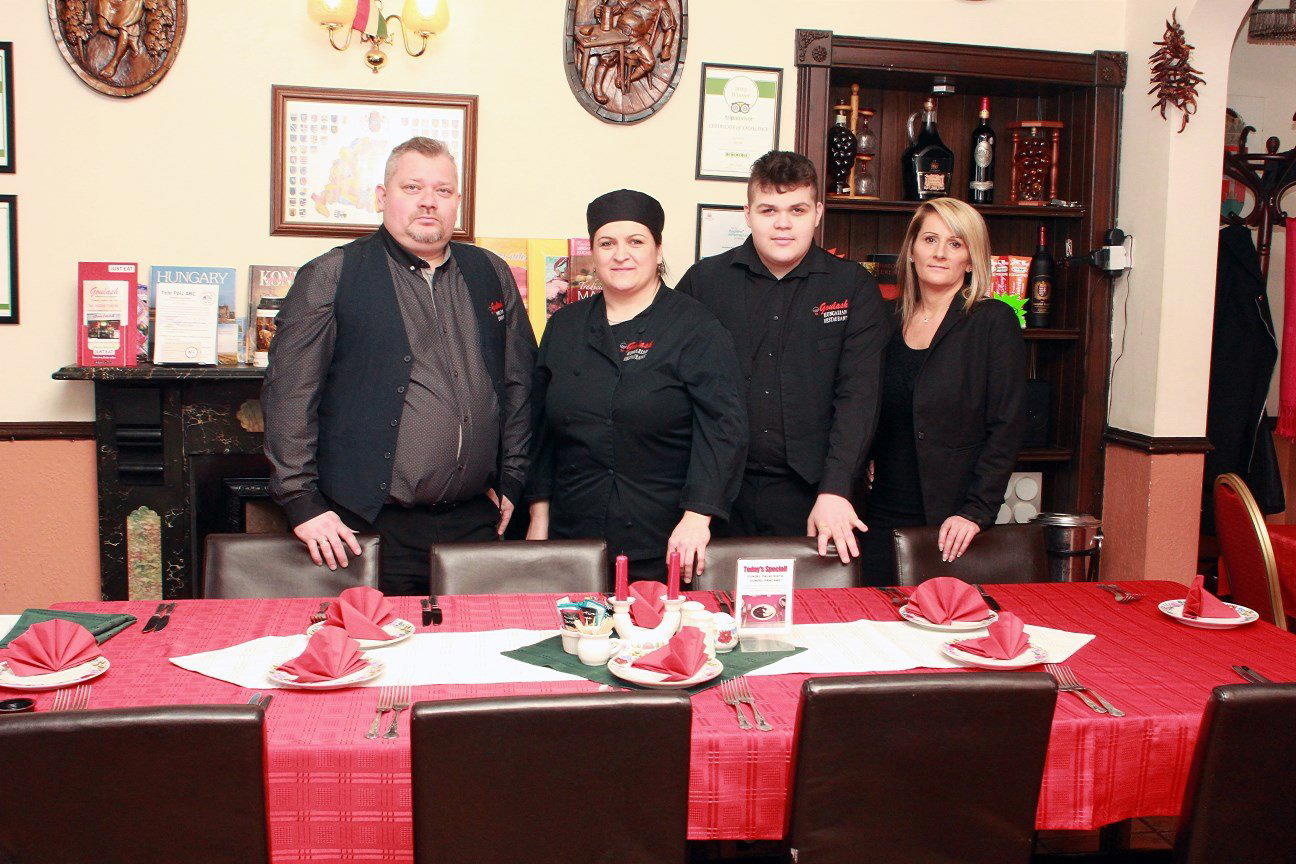
Cozy and intimate with functional decor, providing a warm, nostalgic atmosphere and friendly hospitality.