Monsoona Healthy Indian cuisine
Our verdict
Monsoona Healthy Indian cuisine sits on Bridge Street in central Aberdeen, positioning itself within the city's growing appetite for subcontinental cooking that moves beyond the standard curry-house format. The focus on health-conscious preparation places it in a distinct niche within Aberdeen's international dining scene, where lighter, ingredient-led Indian cooking remains relatively underrepresented.

Pearl is the En Primeur Club membership app — saves, bookings, and concierge access live there. Same editors, same standards.
- Address
- 20 Bridge St, Aberdeen AB11 6JJ, United Kingdom
- Phone
- +441224590030
- Hours
- Mon–Thu 12–11:30 PMFri–Sat 12 PM–12 AMSun 12–11:30 PM
- Website
- monsoona.co.uk
- Directions
- Get directions
- Booking
- Book on the venue's website
Indian Cooking in the North-East: Where Aberdeen's Scene Sits
Aberdeen's restaurant culture has expanded well beyond the oil-industry expense-account dining that defined it for decades. The city now holds a range of international options at street level, from the Eastern European comfort of Goulash to the Southeast Asian cooking at Koi Thai Restaurant, and Indian cuisine occupies a consistent presence across the city centre. What has shifted in recent years, here as in most British cities, is consumer expectation: the standard formula of heavy, cream-laden sauces and deep-fried starters no longer satisfies a dining public with broader reference points and greater awareness of what Indian regional cooking actually looks like at the source.
That shift has opened space for a different kind of Indian restaurant, one that draws on the lighter, vegetable-forward, and spice-led traditions of subcontinental cooking rather than the adapted British-Indian template. Monsoona Healthy Indian cuisine, at 20 Bridge Street in Aberdeen's city centre, occupies that space. The address is direct to reach on foot from the main commercial streets, and the Bridge Street location places it close to the kind of lunchtime and early-evening footfall that sustains a health-conscious offer in a competitive city-centre setting.
The Cultural Weight Behind 'Healthy Indian'
The phrase 'healthy Indian' is sometimes used as a marketing shorthand, but the underlying tradition it gestures toward is substantial. Ayurvedic principles, which inform large parts of South Asian cooking philosophy, have always prioritised digestibility, seasonal produce, and the therapeutic use of spice. Turmeric, cumin, coriander, and fenugreek are not decorative additions in this framework; they carry specific functional roles that predate the modern wellness industry by centuries. The dal traditions of Gujarat, the coconut-and-herb cooking of Kerala, and the tandoor-and-yoghurt preparations associated with the Punjab all produce dishes with significant nutritional depth without relying on the heavy ghee and cream additions that became standard in British-Indian restaurant kitchens during the 1970s and 1980s.
That older, more ingredient-led cooking is what a health-focused Indian restaurant draws from when the framing is done seriously. It is a tradition with real culinary authority, not a concession to dietary fashion, and it positions a venue like Monsoona in a different competitive frame from the conventional curry house. Across the UK, this tier of Indian dining has produced some of the most compelling cooking in recent years, with venues like Opheem in Birmingham demonstrating how Indian culinary traditions can support serious fine-dining ambition. Aberdeen's version operates at a more accessible register, but the cultural lineage is the same.
Bridge Street and the City-Centre Dining Belt
Bridge Street sits at the southern edge of Aberdeen's central grid, connecting the main shopping and commercial area to the older parts of the city near the harbour. The immediate neighbourhood is mixed: retail, offices, and a range of restaurants serving the lunchtime crowd and pre-theatre diners heading toward the Music Hall and His Majesty's Theatre. It is a practical location rather than a destination neighbourhood, which means a restaurant here competes on food quality and value rather than on atmosphere generated by a fashionable postcode.
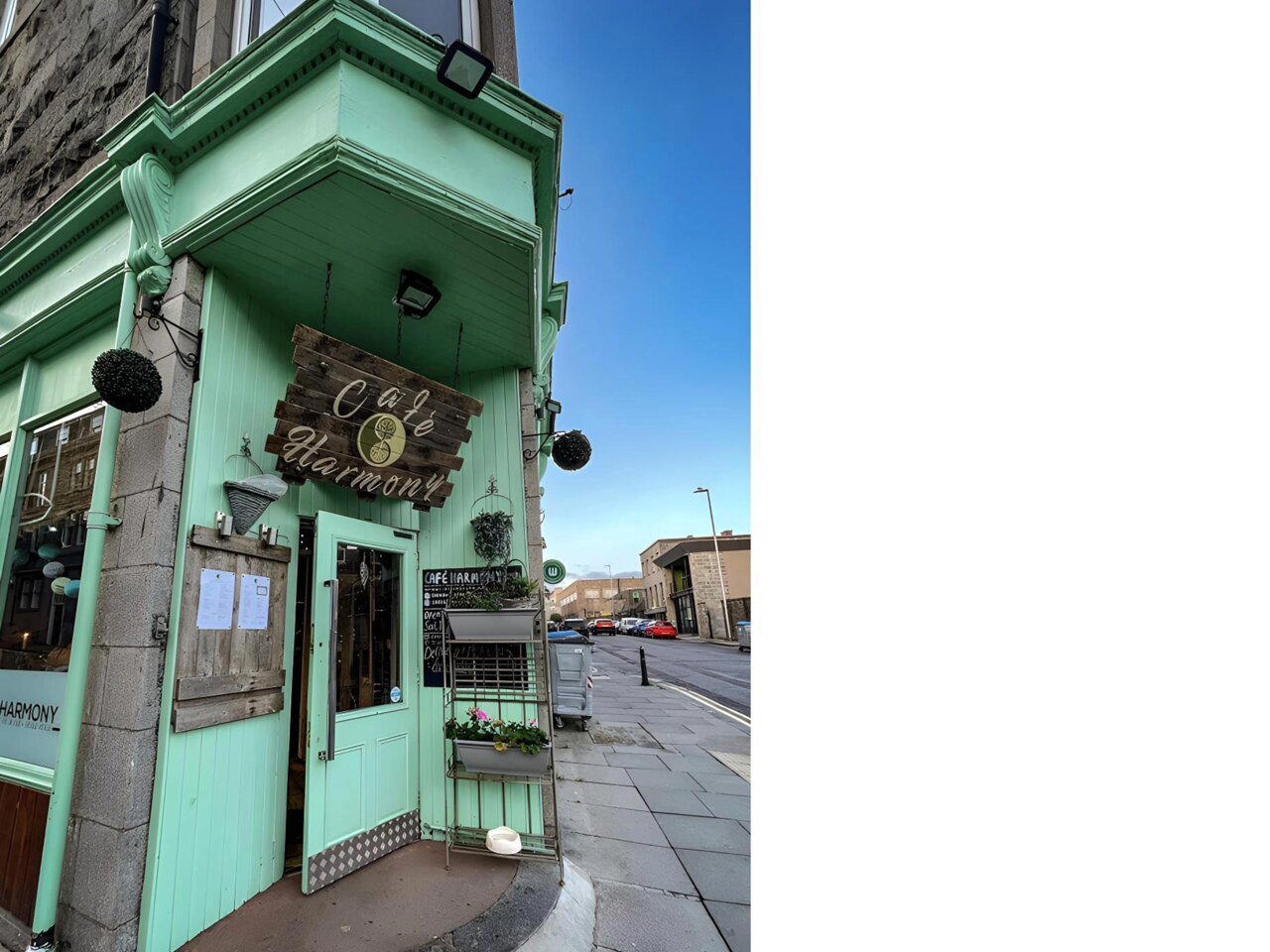
That competitive reality shapes the proposition at a place like Monsoona. Aberdeen diners at this level are comparing value, portion size, and the quality of the cooking itself, not the design of the room or the length of the wine list. The city's other international options in the area, including Cafe Harmony, Pera Restaurant Aberdeen, and the Former Jumbo Floating Restaurant, each offer distinct national traditions, and Indian cooking competes within that plural context rather than in isolation.
What a Health-Conscious Format Implies for the Plate
When an Indian restaurant frames itself around health-conscious cooking, the most telling indicator is what it does with oil, dairy, and cooking method. The shift away from base sauces built on heavy cream or excess ghee toward preparations that let spice blends, slow-cooked legumes, and grilled or tandoor-fired proteins carry the flavour is a meaningful culinary choice, not just a dietary one. It typically results in cleaner finishes on the palate and dishes that read as lighter without sacrificing the aromatic complexity that defines Indian cooking at its finest.
Legume-based dishes, in particular, are where this cooking tradition shows its depth. A well-made dal, cooked at length with a final tarka of whole spices, is one of the more technically demanding dishes to execute consistently, and it carries none of the caloric weight of a korma or a butter chicken. Grilled meats and seafood cooked in the tandoor similarly showcase the spice-and-marinade traditions of North Indian cooking without added fat from a sauce base. These are not compromises; they are expressions of a broader and in many ways more rigorous culinary tradition than the British-Indian standard.
For a broader view of where this kind of Indian cooking sits in the UK context, the trajectory from high-volume curry houses to technically ambitious Indian fine dining at places like Opheem in Birmingham illustrates how the cuisine's full range is being reasserted. Aberdeen operates at a different scale, but the cultural shift is the same one playing out across British cities.
Planning a Visit
Monsoona Healthy Indian cuisine is located at 20 Bridge Street, Aberdeen AB11 6JJ, within easy walking distance of the city centre and Aberdeen railway station. Given the compact nature of many Aberdeen restaurant dining rooms, and the lunchtime and early-evening demand on central locations, it is worth contacting the restaurant directly to confirm current opening hours and table availability, particularly for weekend evenings or group bookings. The Bridge Street address is well-served by public transport, and street access is direct from the pedestrian routes through the city centre.
Aberdeen's wider dining scene is covered in our full Aberdeen restaurants guide, which maps the city's international options across cuisine type, neighbourhood, and price point. For context on where Indian cooking sits within the broader UK restaurant conversation, the EP Club also covers major reference points from CORE by Clare Smyth in London through regional anchors like Le Manoir aux Quat'Saisons in Oxford, L'Enclume in Cartmel, Moor Hall in Aughton, Waterside Inn in Bray, Gidleigh Park in Chagford, Hand and Flowers in Marlow, hide and fox in Saltwood, and Midsummer House in Cambridge, as well as international benchmarks such as Le Bernardin in New York City and Atomix in New York City.
Frequently asked questions
Where is Monsoona Healthy Indian cuisine located?
Monsoona Healthy Indian cuisine is located at 20 Bridge St, Aberdeen AB11 6JJ, United Kingdom, Aberdeen.
Is Monsoona Healthy Indian cuisine suitable for people with dietary restrictions or those avoiding heavy cream-based curries?
Monsoona's explicit health-conscious framing sets it apart from conventional Aberdeen Indian restaurants that rely on butter- and cream-heavy sauces. Restaurants positioning around this approach in Aberdeen's dining scene typically offer alternatives for those reducing fat intake or following plant-based eating patterns. For specific dietary requirements, contacting the restaurant directly at 20 Bridge Street, Aberdeen AB11 6JJ is advisable before visiting.
What dish is Monsoona Healthy Indian cuisine famous for?
Monsoona positions itself around health-conscious Indian cooking, which typically foregrounds dishes where oil and dairy are used with restraint rather than as a base. At a restaurant framing its offer this way, lentil-based dishes, grilled proteins, and vegetable-forward preparations tend to define the menu.
Do I need a reservation for Monsoona Healthy Indian cuisine?
Booking ahead is a sensible precaution for any city-centre Aberdeen restaurant, particularly on weekends when Bridge Street's dining belt draws steady footfall. Monsoona's contact details are not currently listed publicly, so visiting in person or checking platforms such as Google Maps for current contact information is the practical route to securing a table.
Cost and Credentials
Comparable venues nearby, for context on price, style, and recognition.
| Venue | Cuisine | Price | Awards | Notes |
|---|---|---|---|---|
| Monsoona Healthy Indian cuisineThis venue — the venue you are viewing | Healthy Indian Cuisine | $20–30 | Not listed | Not listed |
| Goulash | Authentic Hungarian | $20–30 | Not listed | city centre, Authentic Hungarian |
| Pera Restaurant Aberdeen | Turkish Meze | $20–30 | Not listed | Holburn Street, Turkish Meze |
| Amuse by Kevin Dalgleish | Modern Scottish Fine Dining | $50–100 | Michelin Plate | quiet residential, Modern Scottish Fine Dining |
| Koi Thai Restaurant | Authentic Thai | Not listed | Not listed | Rosemount, Authentic Thai |
| Cafe Harmony | Sicilian & Mediterranean | $20–30 | Not listed | Bon-Accord Terrace, Sicilian & Mediterranean |
Continue exploring
More in Aberdeen
Restaurants in Aberdeen
Browse all →

Bars in Aberdeen
Browse all →
Wineries in Aberdeen
Browse all →
Details
- Cozy
- Modern
- Family
- Casual Hangout
- Group Dining
- Standalone
- A La Carte
- Vegetarian Friendly
- Vegan Options
- Gluten Free Options
- Halal
Current opening hours
- Monday
- 12–11:30 PM
- Tuesday
- 12–11:30 PM
- Wednesday
- 12–11:30 PM
- Thursday
- 12–11:30 PM
- Friday
- 12 PM–12 AM
- Saturday
- 12 PM–12 AM
- Sunday
- 12–11:30 PM
Hours can change for holidays and private events. Last verified .
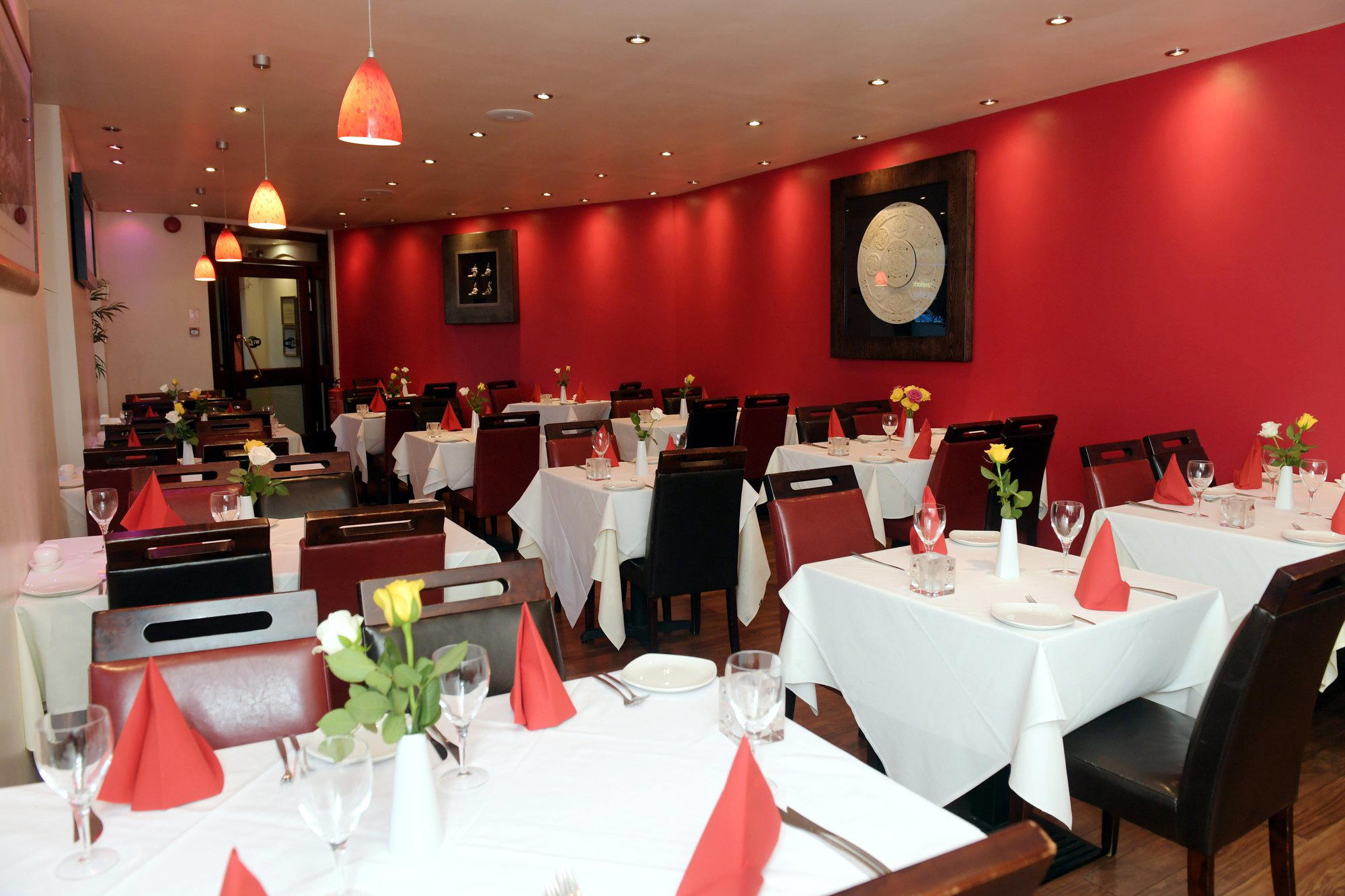
Cozy and inviting with colorful interiors, ambient Indian music, and a warm welcoming atmosphere.