Giuseppe's Cucina Rustica
On Monterey Street in the heart of San Luis Obispo, Giuseppe's Cucina Rustica draws on the Italian-American trattoria tradition that Central Coast diners have long favored when the occasion calls for something warmer than wine-country casual. The room and the name signal rustic Italian roots, placing it alongside fellow Monterey Street neighbors in a corridor where the city's dining identity comes into clearest focus.
Pearl is the En Primeur Club membership app — saves, bookings, and concierge access live there. Same editors, same standards.
- Address
- 849 Monterey St, San Luis Obispo, CA 93401
- Phone
- +18055419922
- Website
- giuseppesrestaurant.com
- Directions
- Get directions
 Saves & bookings on Pearl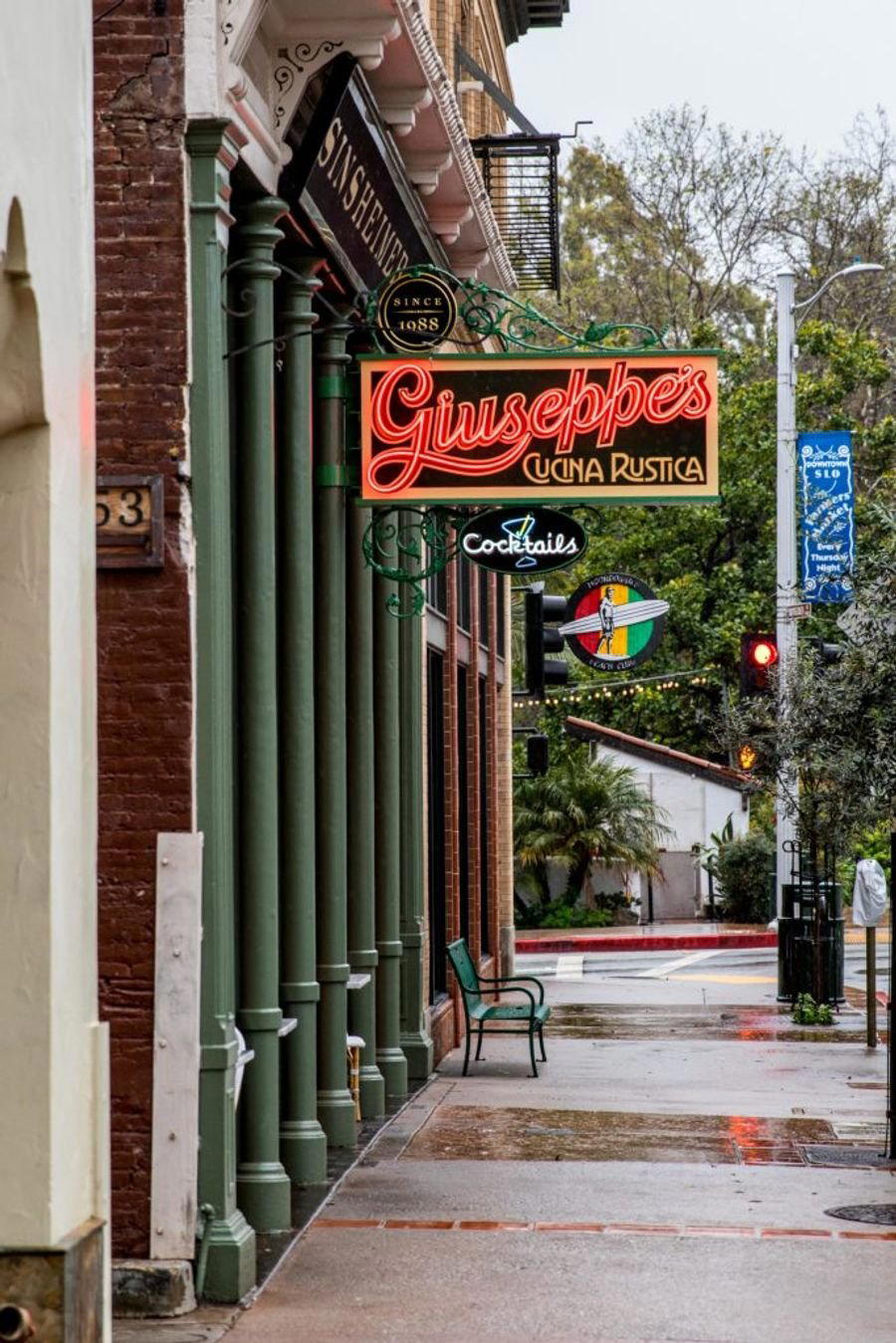
Monterey Street and the Italian-American Trattoria Tradition
San Luis Obispo's Monterey Street functions as something close to a main dining artery, a corridor where the city's appetite for approachable but purposeful restaurants finds its most concentrated expression. The block rewards the on-foot browser: storefronts give way to awnings, the smell of garlic and wine drifts from open doors on warmer evenings, and the crowd skews local rather than tourist-destination. It is into this particular scene that Giuseppe's Cucina Rustica fits, occupying a position on the street where Italian-American cooking in the trattoria mold has always had a receptive audience. Along the same stretch you find Café Roma, another address working the Italian vein, and Buona Tavola, which takes a more formal Northern Italian approach. The three together sketch the range available to Central Coast diners who want something rooted in the Italian peninsula rather than the Cal-Med crossover that dominates elsewhere in the region.
Rustic Italian cooking in the American context occupies a different register from the tasting-counter formality you'd associate with destinations like The French Laundry in Napa or the ingredient-obsessive precision of Single Thread Farm in Healdsburg. The cucina rustica tradition draws from a different well: slow-cooked sauces, regional pastas, the kind of cooking that rewards patience over technique-display. In San Luis Obispo, where the dining culture tends toward the convivial rather than the ceremonial, that register fits naturally.
What the Room Signals
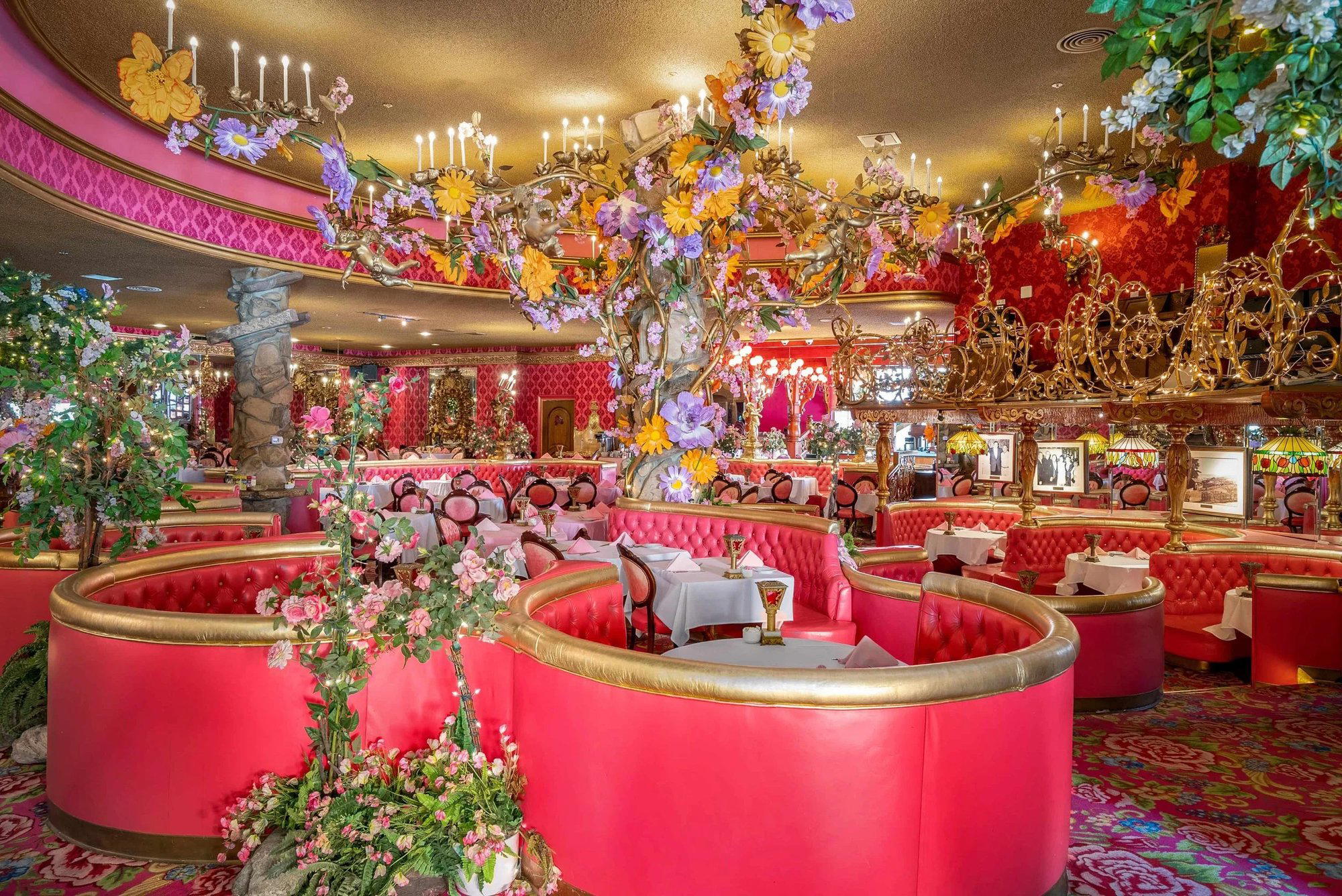
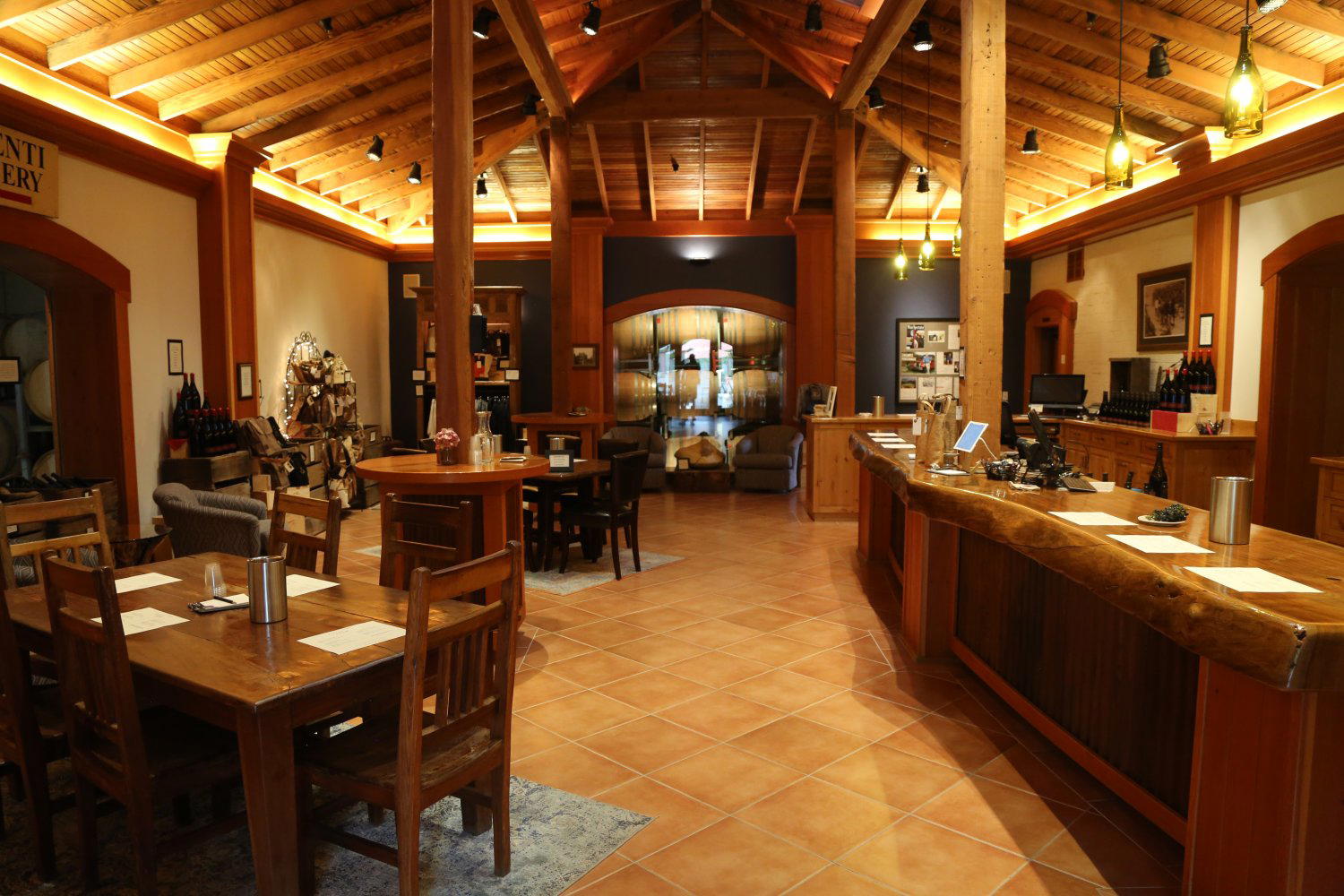
The name does considerable communicative work before a dish arrives. "Cucina rustica" makes a promise about register and temperature, in the emotional rather than the culinary sense. These rooms typically trade in warm lighting, surfaces that absorb rather than reflect, and a din that stays at conversation level without amplification. The contrast with Edna, San Luis Obispo's more architecturally ambitious multi-concept destination on the city's outskirts, is instructive: where Edna situates itself in the wider Edna Valley wine narrative and builds a programming structure around that identity, a cucina rustica positions itself inside a more immediate, neighbourhood-scale proposition. The question it answers is not "where should I go for an experience?" but "where do I want to eat dinner tonight?"
That is not a lesser question. Particularly durable restaurants in any American city earn their standing by answering it consistently rather than spectacularly. San Luis Obispo has its own version of this dynamic: alongside ambitious formats there is a persistent appetite for the trattoria that simply delivers. Bon Temps Creole Cafe occupies a similar niche in the Creole register, while Alex Madonna's Gold Rush Steak House has held its place in the local consciousness by staying committed to a singular, maximalist identity over decades. Each represents a version of the same idea: define your register and stay in it.
Placing the Cucina Rustica in the Wider California Conversation
Italian-American cooking at the trattoria level sits in a curious position within the California restaurant conversation. The state's dining culture has largely moved toward either hyper-regional California cooking or global-influenced formats. The restaurants that collect the state's most closely watched recognition tend to sit in different categories: Providence in Los Angeles for seafood at the formal end, Addison in San Diego for contemporary fine dining, Lazy Bear in San Francisco for the long communal-table tasting format. Against that backdrop, the direct trattoria reads as a counterposition rather than a compromise. It declines to perform ambition and does something harder: it makes familiar food well enough that people return.
The wider world of Italian-rooted cooking at the high end gives useful reference points even when they're not direct comparisons. Le Bernardin in New York City, Atomix in New York City, and Smyth in Chicago operate in entirely different registers, as do international addresses like Atelier Moessmer Norbert Niederkofler in Brunico. The contrast sharpens what the trattoria format is actually doing: it removes the apparatus of ceremony and relies instead on the cooking itself. That constraint is clarifying. It also means the margin for disappointment narrows more quickly than in formats where the production absorbs some of the weight.
Elsewhere in the American South and mid-Atlantic, analogous comfort-forward formats have maintained audiences while fine dining evolved around them: Emeril's in New Orleans and The Inn at Little Washington in Washington represent different answers to the question of how restaurants sustain relevance across decades. The trattoria answer is different from either: stay smaller, stay personal, stay in the neighbourhood. Blue Hill at Stone Barns in Tarrytown makes a different version of the same point from the farm-to-table direction, where the commitment to a defined philosophy outlasts any individual trend cycle.
Timing and Practical Considerations
San Luis Obispo dining is shaped by Cal Poly's academic calendar in ways that affect the rhythm of the week and the year. Weekends during term time concentrate foot traffic on Monterey Street; summer brings a different, more tourist-weighted crowd. For a restaurant in the trattoria category, the shoulder periods between academic term and peak summer often offer one unrushed experience. The address at 849 Monterey St places Giuseppe's within comfortable walking distance of the downtown core, which means it draws from the broadest possible pool of the city's nightly diners rather than operating as a destination requiring deliberate travel. Visitors staying in central San Luis Obispo will find it on the natural route between the Mission Plaza area and the more northerly stretches of Higuera Street.
Comparable Options
Comparable venues nearby, for context on price, style, and recognition.
| Venue | Cuisine | Price | Notes |
|---|---|---|---|
| Giuseppe's Cucina RusticaThis venue — the venue you are viewing | Southern Italian Cucina Rustica | $$ | Not listed |
| Café Roma | Authentic Northern Italian | $$ | Historic Railroad District |
| Sushiya | Japanese Sushi with Korean Influences | $$ | Los Osos Valley |
| Edna | Coastal American | $$ | Edna Valley |
| Goshi | Traditional Japanese Sushi | $$ | downtown |
| Flour House | Modern Italian Neapolitan Pizza & Pasta | $$$ | Downtown |
Continue exploring
More in San Luis Obispo
Restaurants in San Luis Obispo
Browse all →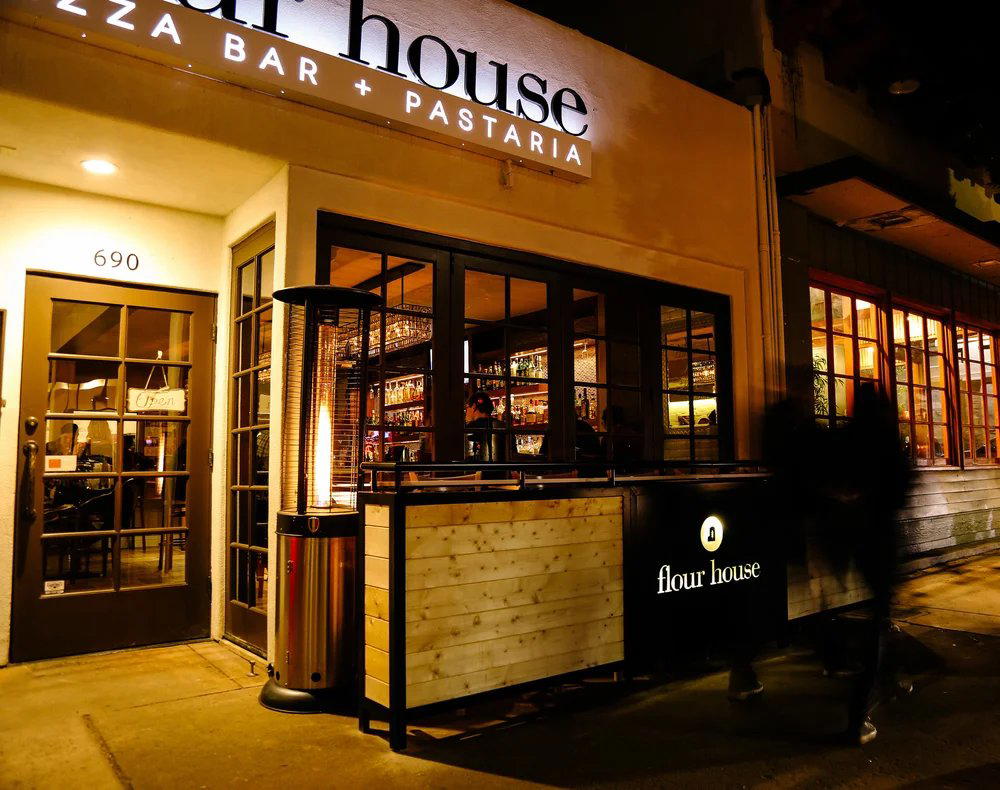
Bars in San Luis Obispo
Browse all →
Hotels in San Luis Obispo
Browse all →
At a Glance
- Cozy
- Rustic
- Classic
- Date Night
- Family
- Special Occasion
- Historic Building
- Extensive Wine List
- Farm To Table
- Local Sourcing
Current opening hours
- Monday
- 11:30 AM–3 PM, 4:30–9 PM
- Tuesday
- 11:30 AM–3 PM, 4:30–9 PM
- Wednesday
- 11:30 AM–3 PM, 4:30–9 PM
- Thursday
- 11:30 AM–3 PM, 4:30–9 PM
- Friday
- 11:30 AM–3 PM, 4:30–10 PM
- Saturday
- 11:30 AM–3 PM, 4:30–10 PM
- Sunday
- 11 AM–3 PM, 4:30–9 PM
Hours can change for holidays and private events. Last verified .
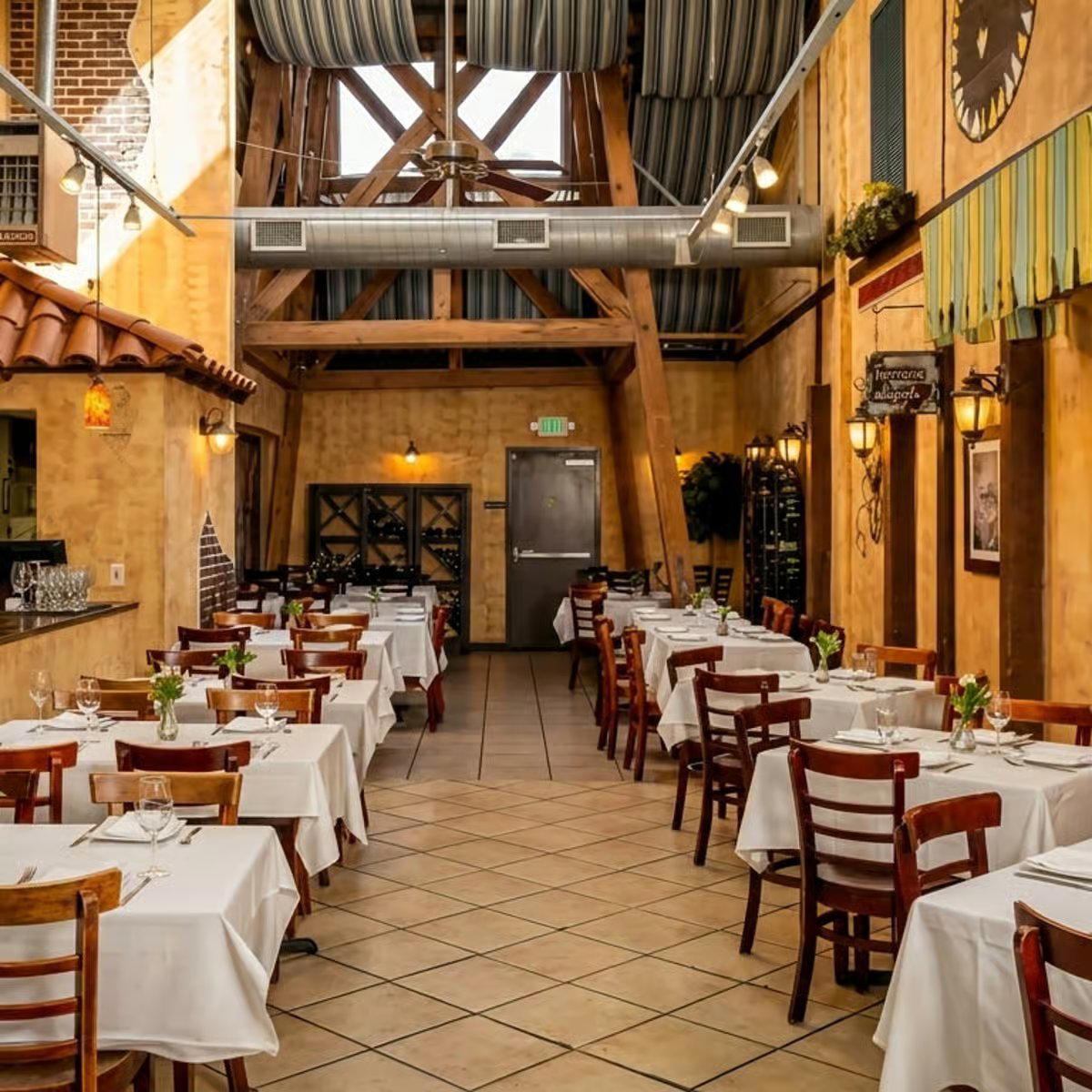
Cozy atmosphere in a historic downtown building with warm, inviting Old World Italian charm.