Swiss Restaurant
Swiss Restaurant on North Broadway puts Santa Maria's unpretentious dining character into sharp focus. With a name that signals old-world steadiness in a city better known for its open-pit barbecue tradition, it occupies a distinct niche in the local scene. What that means in practice, for drinks, food, and atmosphere, is what makes it worth investigating before you go.
Pearl is the En Primeur Club membership app — saves, bookings, and concierge access live there. Same editors, same standards.
- Address
- 516 N Broadway, Santa Maria, CA 93454
- Phone
- +1 805 347 7800
- Website
- swissrestaurantandbar.com
- Directions
- Get directions
 Saves & bookings on Pearl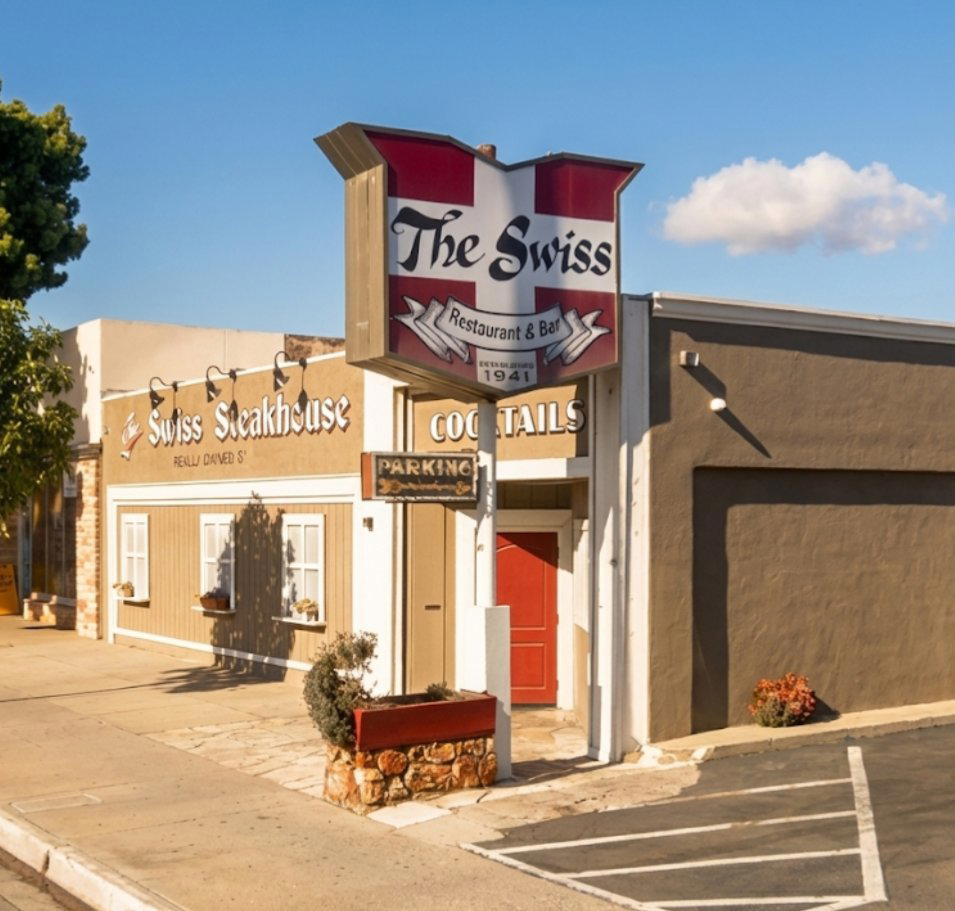
Santa Maria's Dining Register and Where Swiss Restaurant Sits
Santa Maria occupies an odd position in California's culinary geography. The city sits roughly midway between Los Angeles and San Francisco on the 101 corridor, close enough to the Santa Ynez Valley wine country to absorb some of that region's food seriousness, yet defined locally by a far more stripped-back tradition: the Santa Maria-style barbecue, cooked over red oak coals, served on paper plates with pinquito beans. That directness, unpretentious, ingredient-focused, resistant to trend, shapes what residents expect from a dining room. Venues that survive long-term here tend to do so on consistency and familiarity rather than on seasonal menu pivots or tasting-counter theatre.
Swiss Restaurant, at 516 N Broadway, plants itself in that tradition. The name alone signals something: not a concept built around a single chef's evolving identity, but a room with a fixed point of view and the patience to hold it. In California's Central Coast, that positioning is less common than it sounds. Most new openings in the region lean toward wine-country polish or coastal-casual lightness. A name like Swiss Restaurant suggests a different compact with its regulars, steadiness over novelty, a known quantity over a rotating surprise.
Reading the Room: Atmosphere Along North Broadway
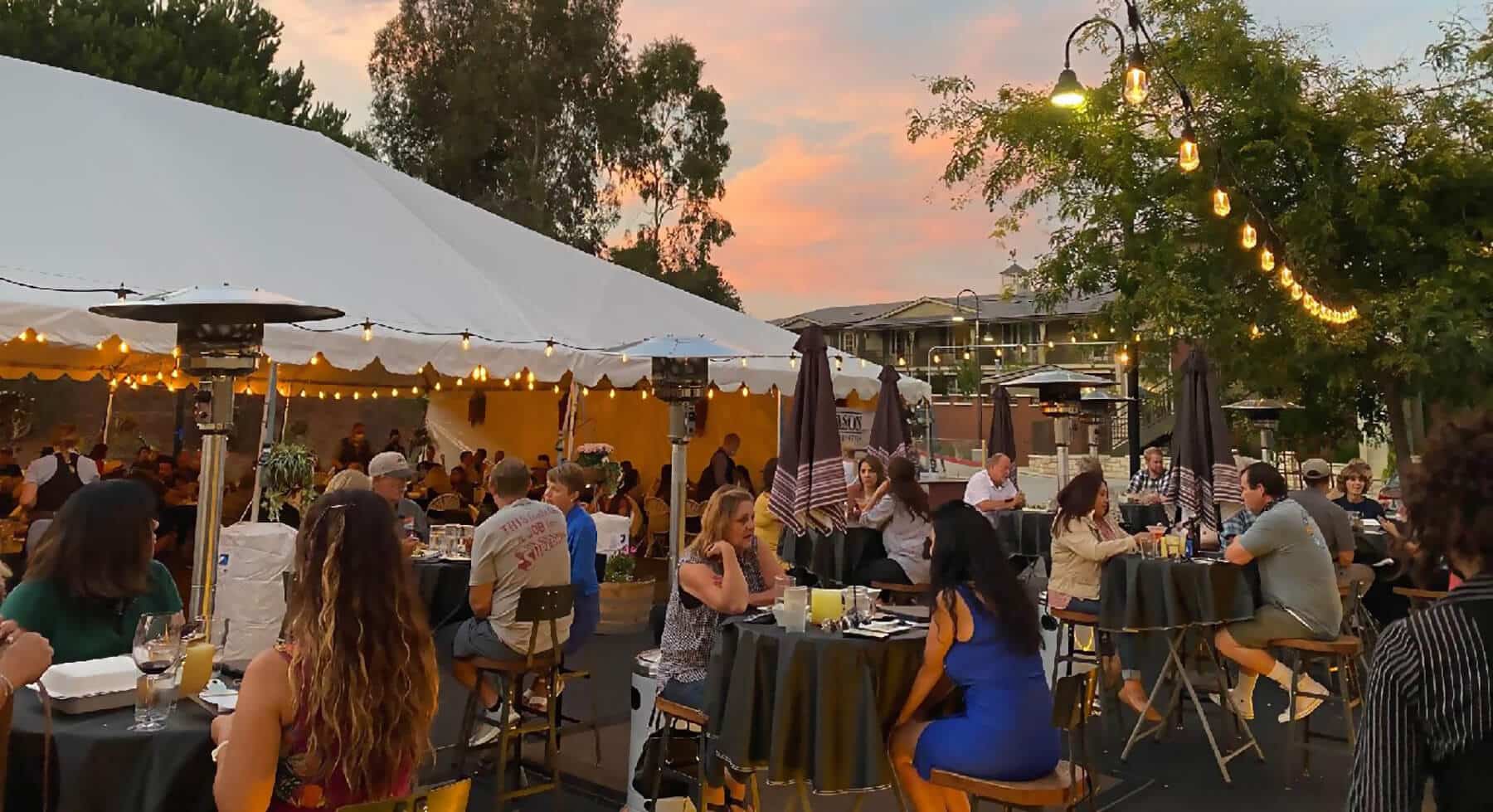
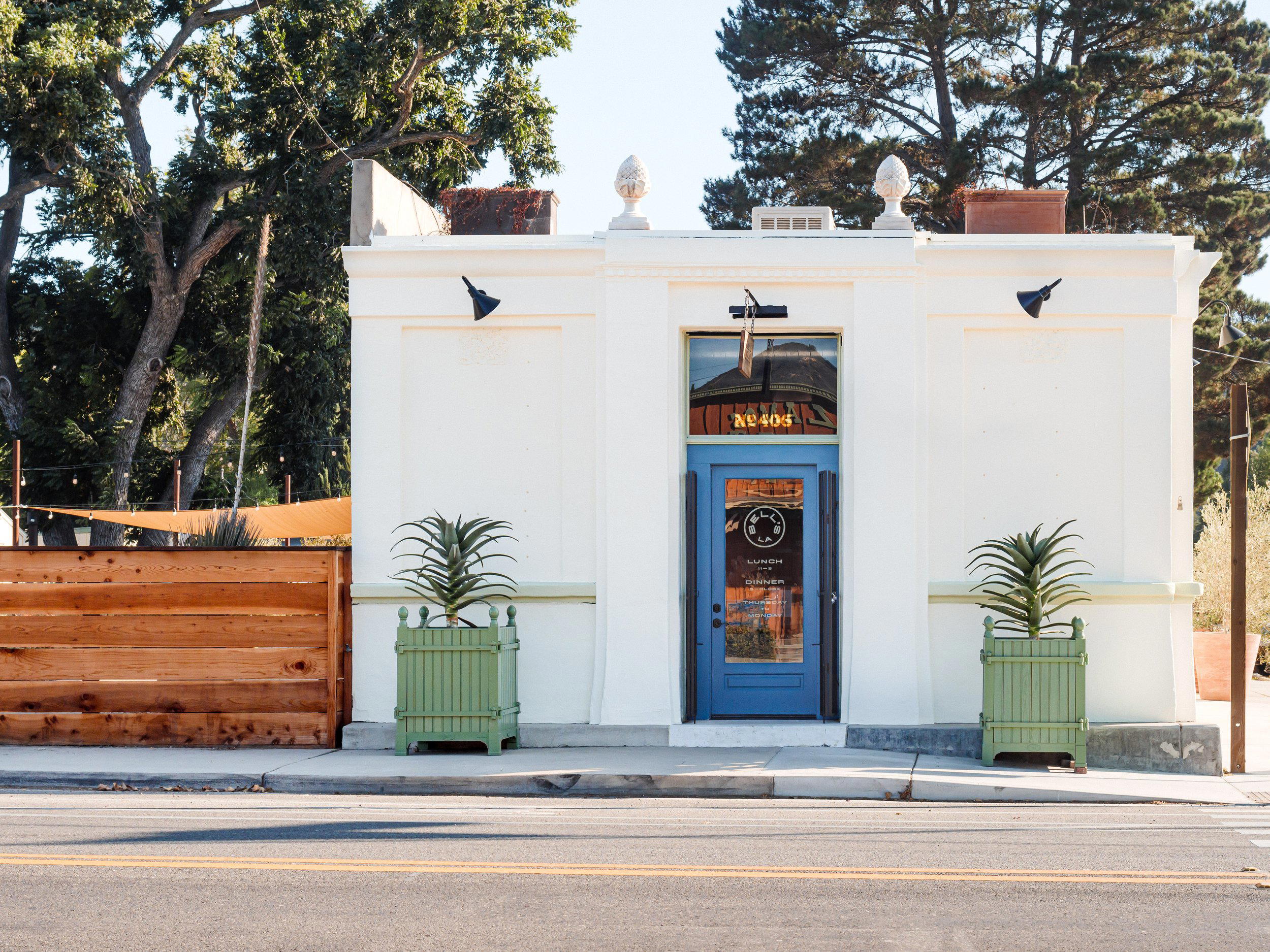
North Broadway is Santa Maria's main commercial artery, a wide street that mixes automotive businesses, family restaurants, and the occasional strip-mall anchor with a handful of older standalone buildings that predate the city's postwar expansion. Approaching the bar from the street, you encounter the kind of facade that American mid-century restaurant architecture produced in abundance: functional, legible, built to be found rather than discovered. There is no design concealment here, no unmarked door or curated garden path. The building presents itself plainly, which in the current moment of self-consciously staged restaurant entrances reads almost as a counterstatement.
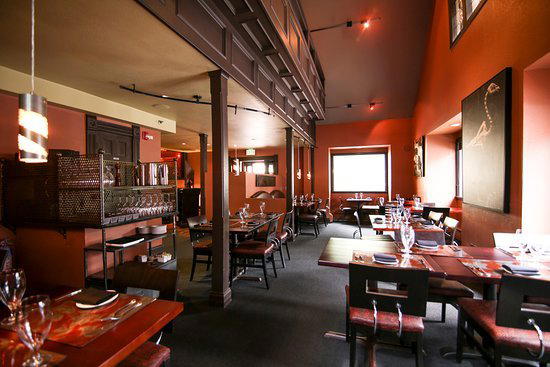
Inside, the category of room that a name like Swiss Restaurant historically implies, warm wood tones, dark upholstery, the kind of lighting that suggests evening rather than afternoon, belongs to a broader tradition of European-named American restaurants that proliferated across California from the 1950s onward. These rooms were built for comfort and duration: you were expected to stay, to order a second drink, to finish the bread. The address and name together place it within a recognizable type that Santa Maria's dining scene has historically supported.
The Drinks Question: What a Cocktail Programme Means Here
The bar’s drinks list is best understood in the context of Santa Maria’s direct dining habits. Cities with competitive cocktail scenes, Bar Leather Apron in Honolulu, Jewel of the South in New Orleans, Kumiko in Chicago, or ABV in San Francisco, have moved toward technical specificity: clarified stocks, house-made bitters, sourced spirits with documented provenance, and menus structured around a coherent creative argument. That format requires both the infrastructure and the audience to sustain it.
Santa Maria sits outside that competitive tier. The cocktail culture here aligns more closely with the broader Central Coast pattern: accessible, spirit-forward, built for pairing with food rather than standing alone as the primary event. In that context, a bar drinks list would likely lean on reliable classics, a Manhattan, a whiskey sour, direct gin and vodka builds, executed with consistency rather than ambition. This is not a criticism. Julep in Houston and Allegory in Washington, D.C. have demonstrated that high-concept bar programmes require a specific urban density and demographic to sustain them. In a city of Santa Maria's scale, a room that pours reliably and prices honestly often serves its community better than one chasing awards recognition.
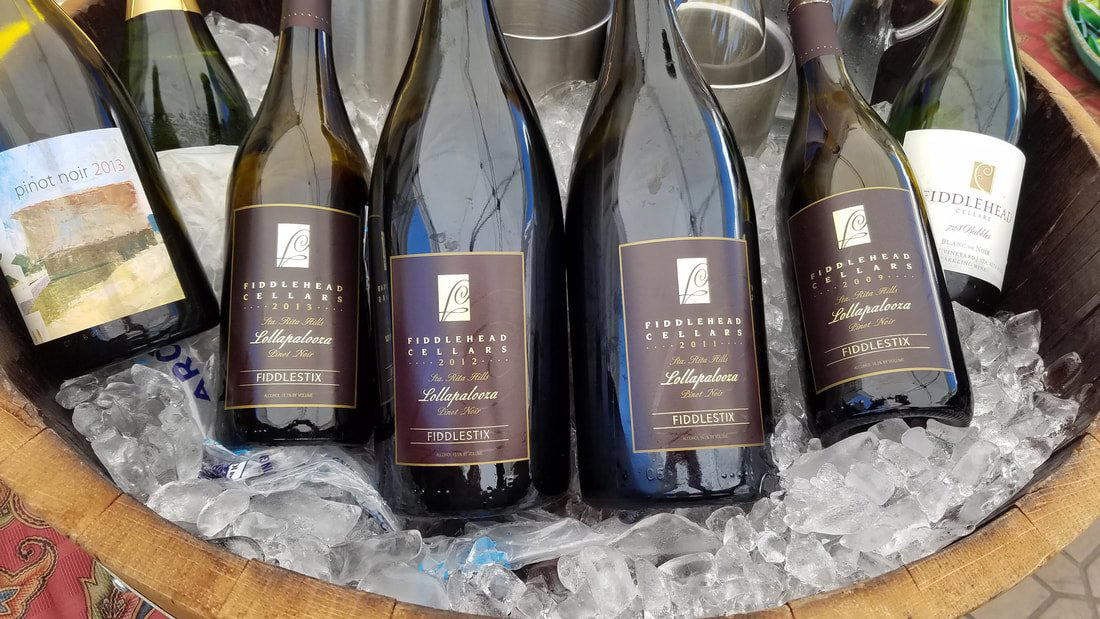
That said, the proximity to Santa Ynez Valley wine country does open one obvious avenue: a wine list that punches above what the room's exterior might suggest. Central Coast Pinot Noir and Chardonnay, poured by the glass without markup inflation, would fit the venue's character far more naturally than an elaborate cocktail menu. Venues like Bitter & Twisted in Phoenix or Canon in Seattle have built their identities on depth of spirits inventory; the bar's equivalent depth, if it exists, would more plausibly live in local wine coverage.
The Broader comparable set and What It Reveals
Placing the bar in a comparable set is instructive. Across the United States, European-named restaurants that opened in the mid-twentieth century and survived into the present have done so in one of two ways: by becoming genuine institutions with loyal multi-generational customer bases, or by quietly persisting without strong identity, occupying their block more by inertia than by demand. The more interesting cases, and the ones worth visiting, are those in the first category, where the name has accumulated genuine local meaning over decades.
Bars and restaurants in cities like Miami, New York, and Frankfurt that have built recognizable identities, Bar Kaiju in Miami, Superbueno in New York City, or The Parlour in Frankfurt on the Main, did so through a specific, repeatable proposition that locals and visitors could articulate. The question for visitors is whether there is a dish, a pour, or an atmosphere that Santa Maria residents would cite as the reason they return.
Planning Your Visit
The bar is located at 516 N Broadway, Santa Maria, CA 93454, on the city's main commercial corridor. North Broadway is accessible by car from Highway 101 via the Broadway exit, and street and lot parking along this stretch is generally available without difficulty. Santa Maria's dining hours tend toward conventional American patterns, dinner service beginning in the late afternoon, lunch for those addresses that cover midday, though confirmed hours for this venue should be checked directly before arrival, as that information is not captured in the current record.
The bar is recommended for reservations and sits in the moderate price tier.
Comparable Venues
Comparable venues nearby, for context on price, style, and recognition.
| Venue | Cuisine | Price | Notes |
|---|---|---|---|
| Swiss RestaurantThis venue — the venue you are viewing | lounge | $$ | Not listed |
| Bar Left | cocktail_bar | $$ | Newark |
| Naughty Oak Brewing Company | beer_bar | $$ | Old Town Orcutt |
| Flora Loca Rooftop Cantina | rooftop_bar | $$$ | Oxnard |
| Andys Beeline Rooftop | rooftop_bar | $$$ | Healdsburg |
Continue exploring
More in Santa Maria
Bars in Santa Maria
Browse all →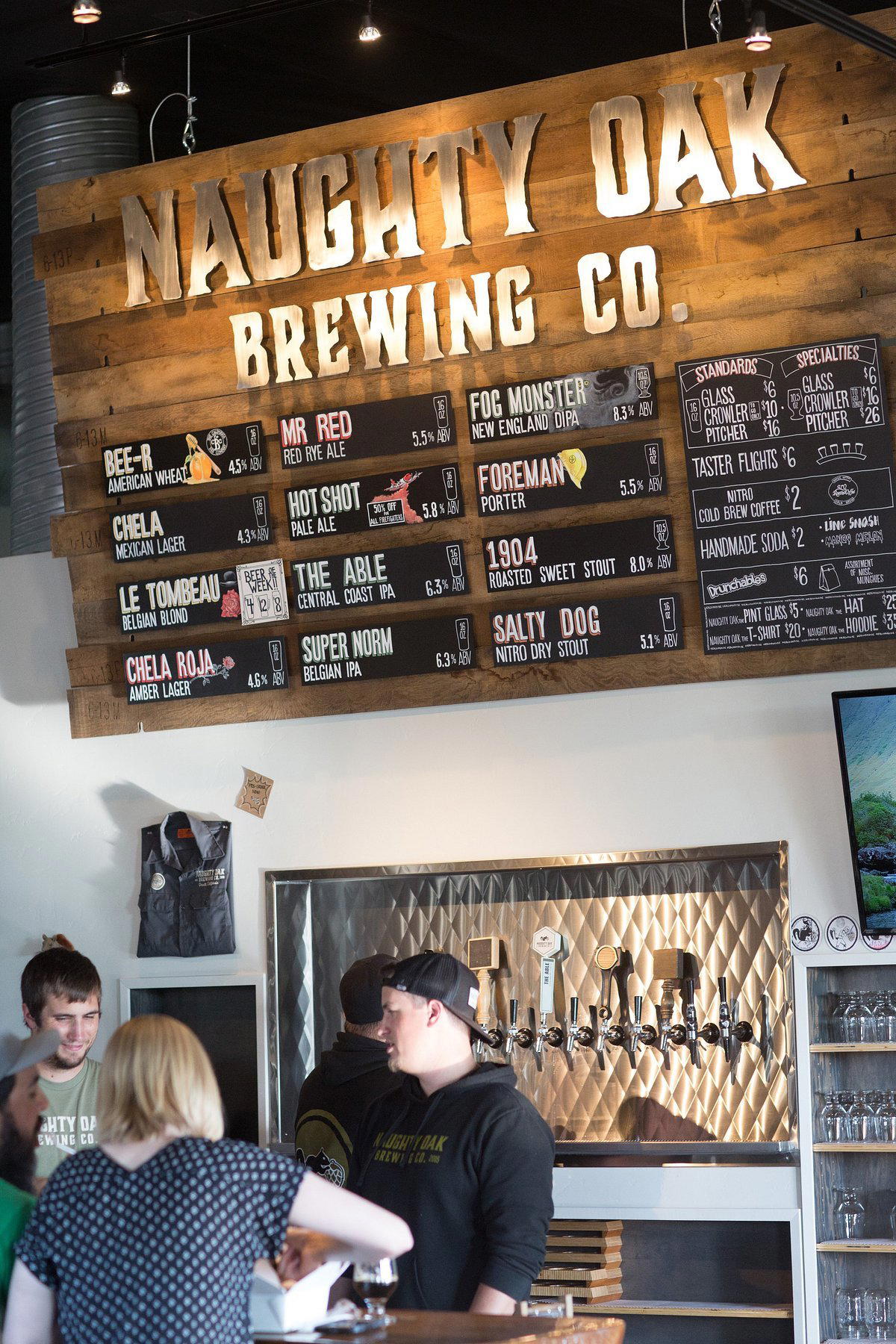
Restaurants in Santa Maria
Browse all →
Hotels in Santa Maria
Browse all →
At a Glance
- Classic
- Rustic
- Group Outing
- Casual Hangout
- Historic Building
- Seated Bar
Current opening hours
- Monday
- 11 AM–9 PM
- Tuesday
- 11 AM–9 PM
- Wednesday
- 11 AM–9 PM
- Thursday
- 11 AM–9 PM
- Friday
- 11 AM–10 PM
- Saturday
- 11 AM–10 PM
- Sunday
- 11 AM–9 PM
Hours can change for holidays and private events. Last verified .
Classic steakhouse atmosphere with hearty, smoky barbecue flavors in a family-owned downtown spot.