Edna in San Luis Obispo operates as a layered series of culinary concepts, moving visitors from a tasting room and market through to a distillery and full-service restaurant. The format places ingredient provenance at the center of every stage, drawing on the agricultural depth of the Central Coast. It sits within SLO's emerging food-and-drink corridor as a multi-format destination rather than a single dining room.
Pearl is the En Primeur Club membership app — saves, bookings, and concierge access live there. Same editors, same standards.
- Address
- California 93401
- Website
- ednaslo.com
- Directions
- Get directions
 Saves & bookings on Pearl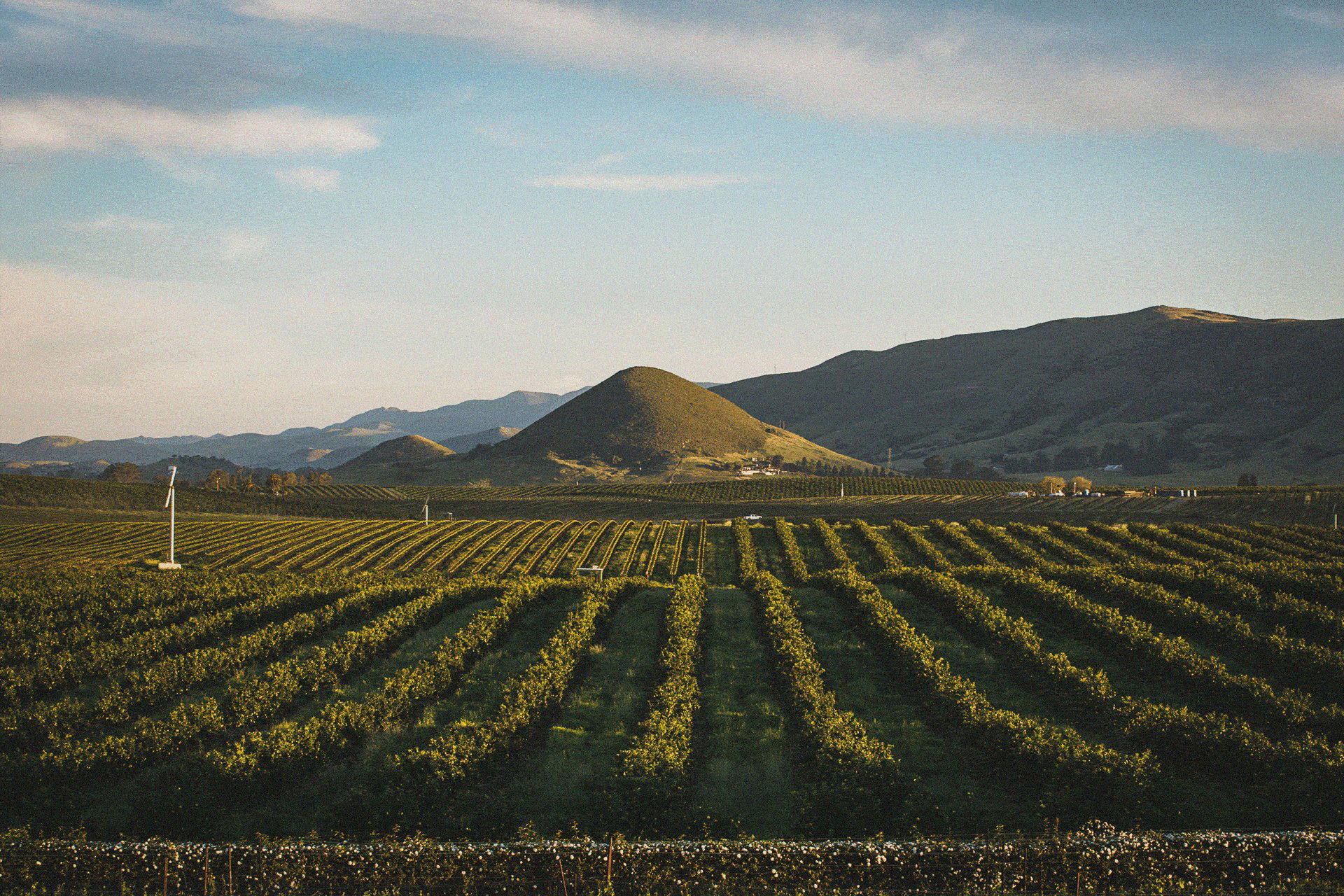
Where the Central Coast Comes to the Table
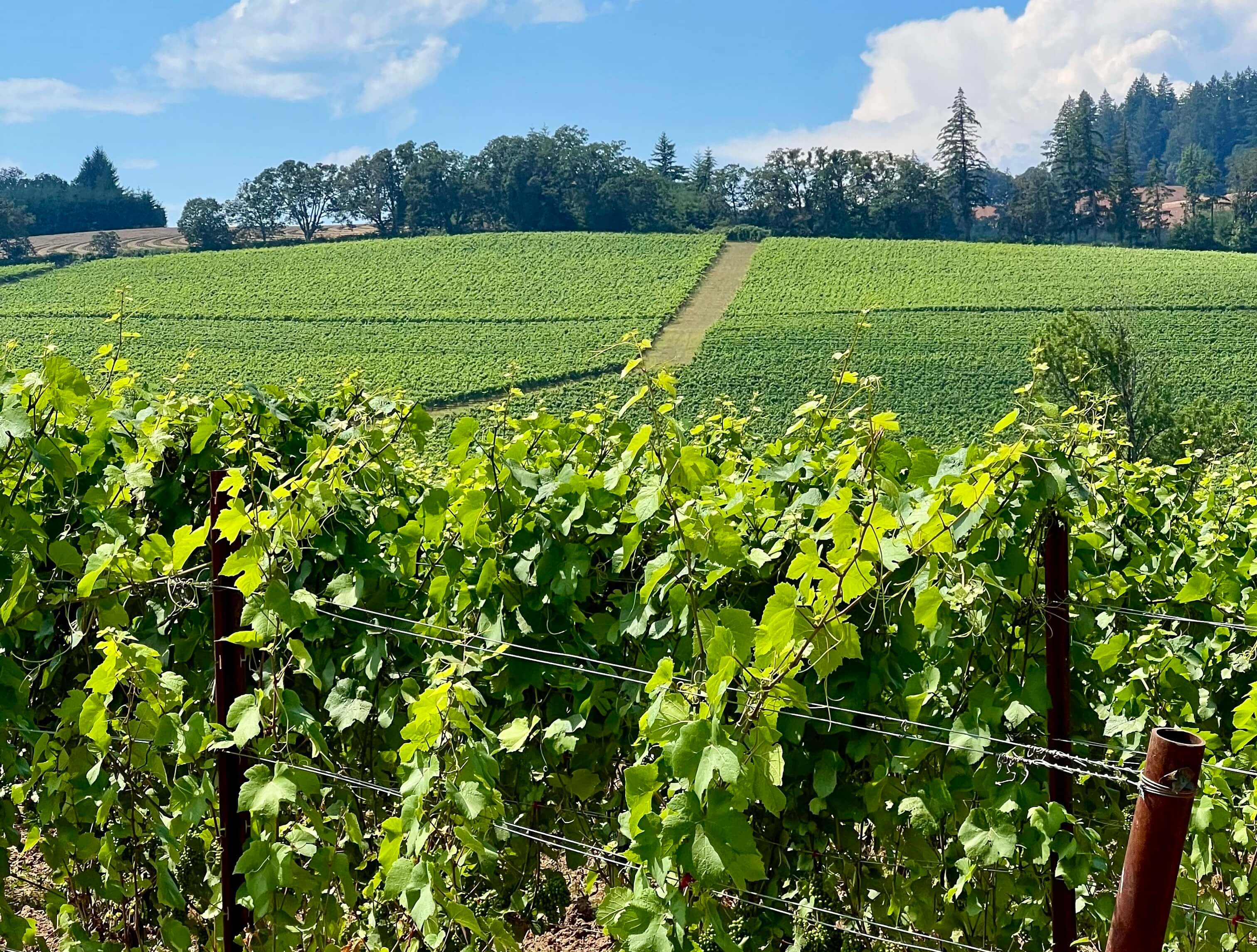
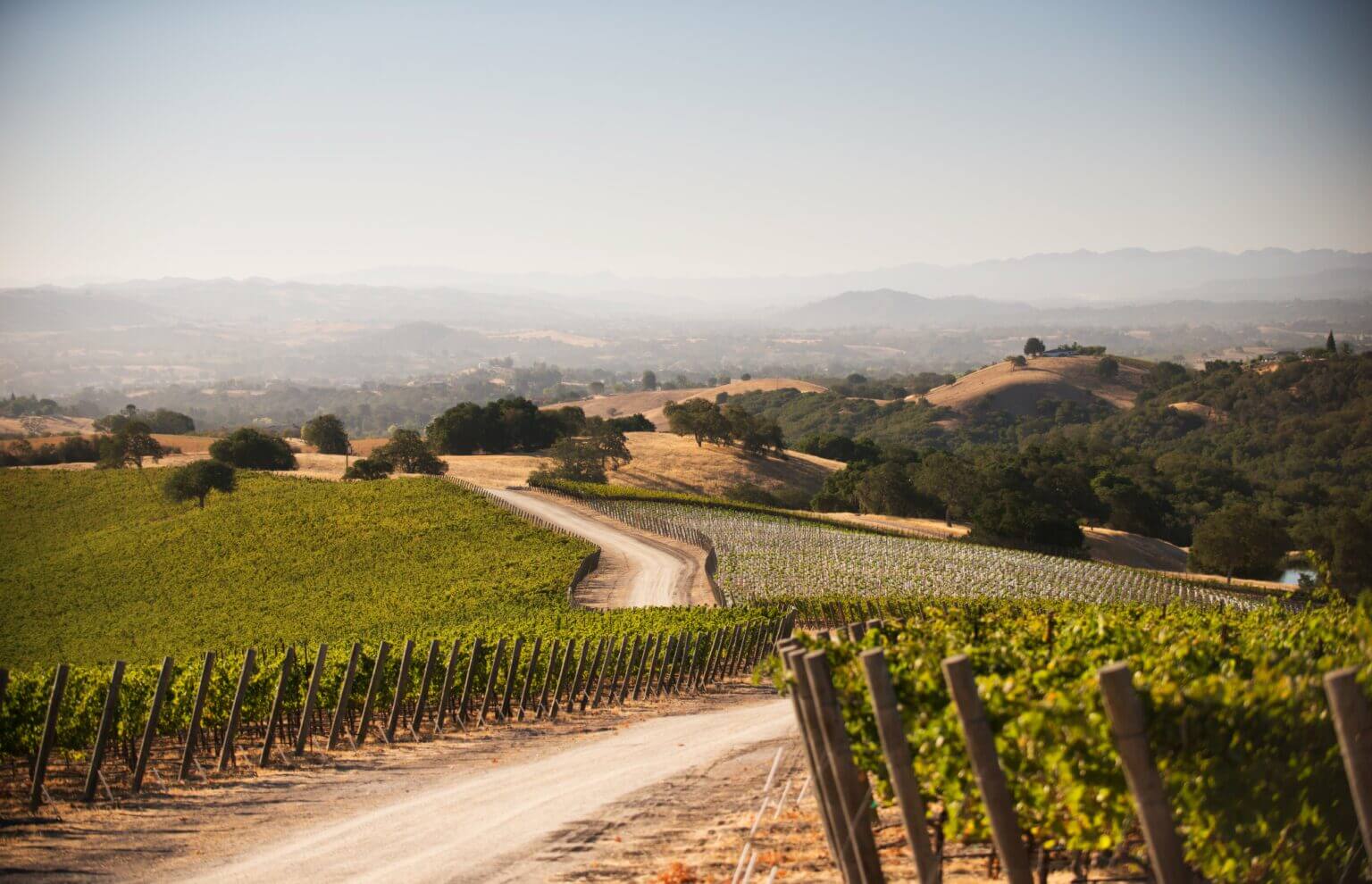
San Luis Obispo sits at an agricultural crossroads that most coastal California cities cannot replicate. The Edna Valley immediately to the south and the broader Tri-Counties corridor stretching toward Santa Barbara give the city access to some of the state's most productive growing land, running from cool-climate vineyards and berry farms to cattle ranches and grain operations. It is this density of nearby production that defines how the more serious restaurants and hospitality concepts in the city build their programs, and Edna, the multi-format culinary destination drawing its name directly from that valley, positions itself squarely within that logic.
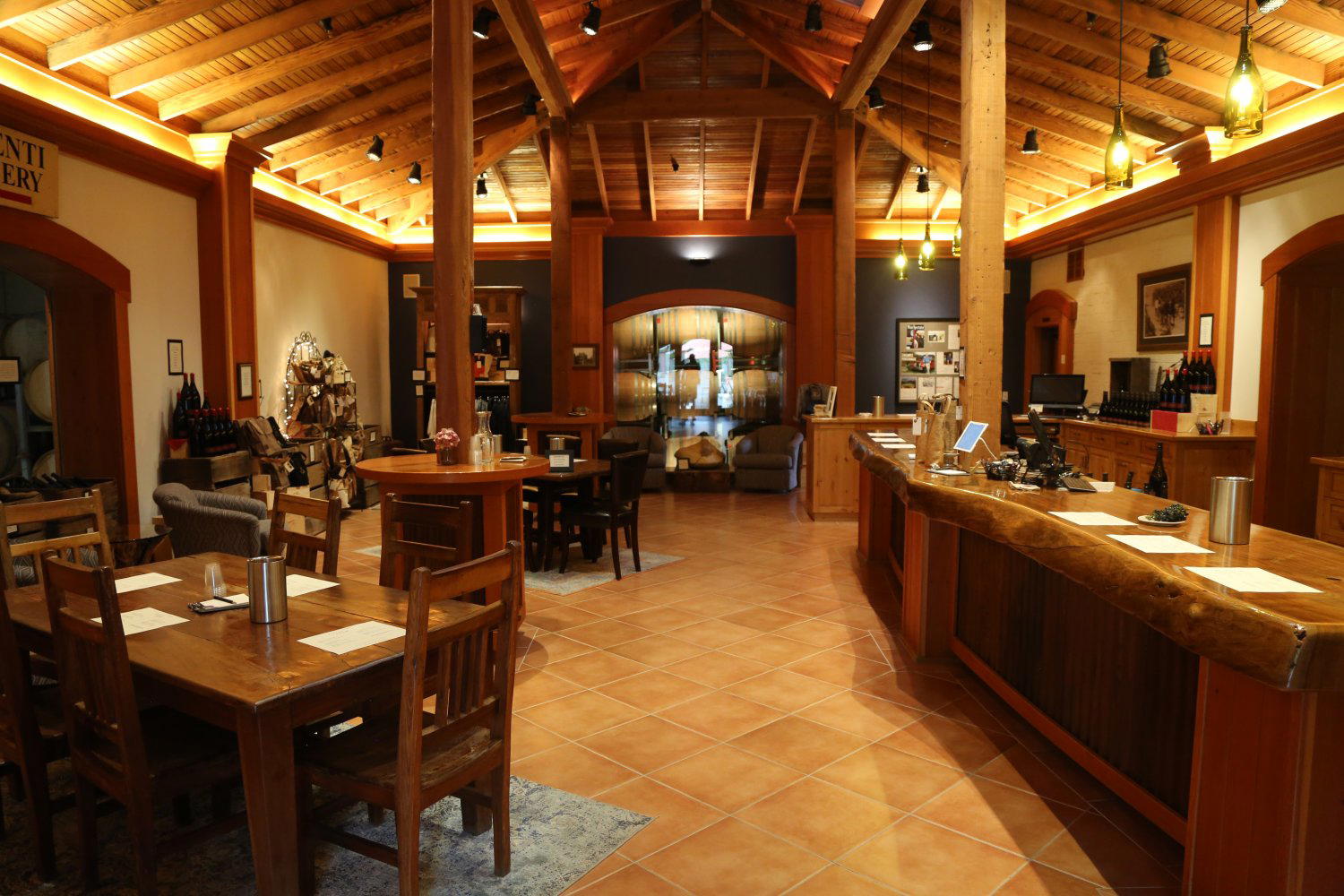
Approaching the property, the format signals its intentions before you reach the dining room. The progression from tasting room and market through to a working distillery and then into the restaurant proper is a deliberate sequencing: it asks visitors to encounter the raw materials, the process, and finally the finished product, rather than arriving at the plate without context. This structure has become more common at farm-to-concept destinations on the West Coast, but few execute it with the geographic coherence available in SLO County, where a short drive in almost any direction lands you in a different appellation or harvest cycle.
Ingredient Geography as Concept
The Central Coast's agricultural calendar is broad enough to sustain a serious sourcing program across most of the year. Stone fruit, brassicas, alliums, and citrus from the inland valleys; shellfish and fin fish from Morro Bay and the cooler Pacific waters nearby; grain from the drier eastern reaches; and wine grapes from Edna Valley, Arroyo Grande, and Paso Robles appellations that collectively cover different soil types and elevations. A restaurant and distillery concept that genuinely commits to this geography has more variation to work with than most urban counterparts, and less need to import from outside the region to sustain a full menu.
This is the editorial argument for venues like Edna operating in a mid-sized Central Coast city rather than relocating that ambition to Los Angeles or San Francisco. The proximity to production compresses the supply chain in ways that metropolitan programs cannot achieve without significant logistical effort. Think of how Single Thread Farm in Healdsburg built its reputation partly on the immediacy of its farm-to-table relationship, or how Blue Hill at Stone Barns in Tarrytown made agricultural proximity a defining credential in a high-end dining context. Edna operates as a casual, reservation-recommended restaurant in the two-dollar price tier, and the underlying logic of place-driven sourcing connects it to that broader West Coast and national conversation about where ingredients come from and what that proximity produces on the plate.
The Distillery Element
Distilling as an integrated component of a restaurant concept is still relatively uncommon at this scale. Most American farm-to-table programs stop at wine, beer, or cider. Adding a working distillery shifts the concept toward something closer to an agricultural estate model, where multiple stages of processing happen under one roof and each output informs the others. Grain sourced for distillation can reference the same provenance story as grain milled for the kitchen. Spent botanical material from distillation can feed composting cycles that return to the garden. The structural premise of placing a distillery alongside a tasting room and restaurant creates the framework for that kind of circular sourcing logic.
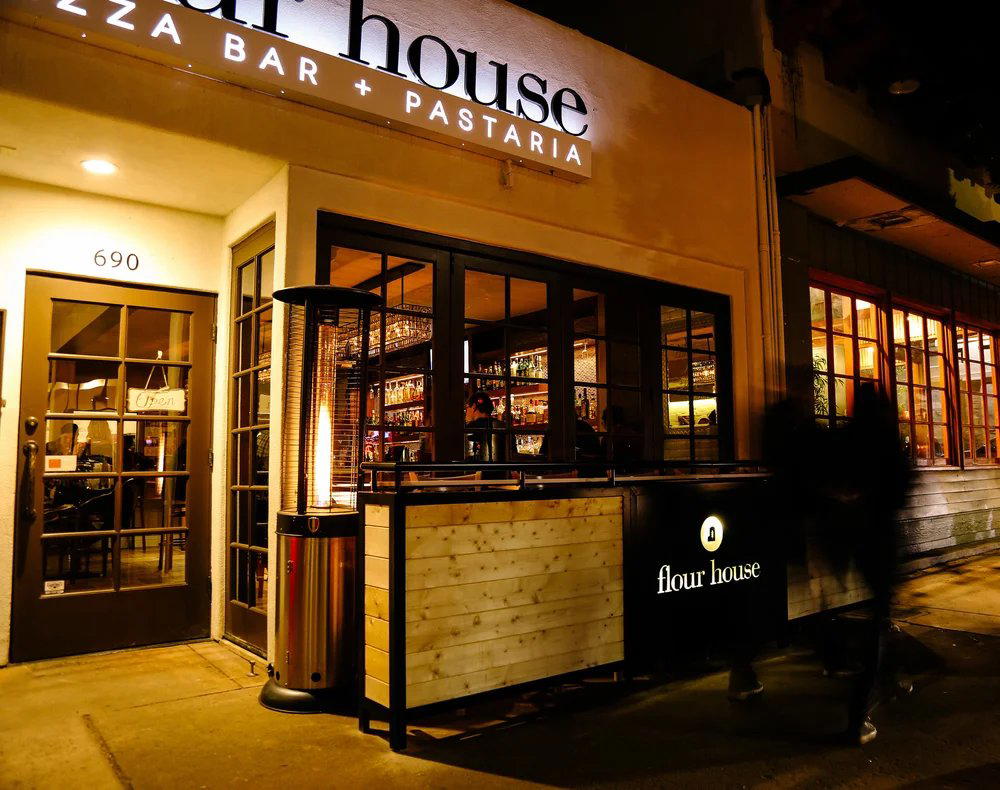
For visitors comparing SLO's food and drink options, this distillery-integrated format places Edna in a different competitive set than the city's more conventional dining rooms. Ox + Anchor operates at the $$$ to $$$$ tier as a focused steakhouse; Nate's on Marsh occupies a mid-range American slot at $$$; and Flour House works a more specific grain-and-pizza lane. Edna's multi-concept architecture puts it in a category where the visit itself is the format, not just the meal, which changes how you plan the experience and how long you budget for it.
SLO's Broader Culinary Positioning
San Luis Obispo punches above its population size in food and drink density, partly because of its proximity to both the wine country of Paso Robles and the cooler Edna Valley appellations, and partly because Cal Poly's presence sustains a year-round population that supports a wider hospitality industry than a city of its size would normally generate. The downtown corridor has attracted genuine culinary investment over the past decade, and the city now sits comfortably in regional food conversations that previously centered on Santa Barbara or San Francisco.
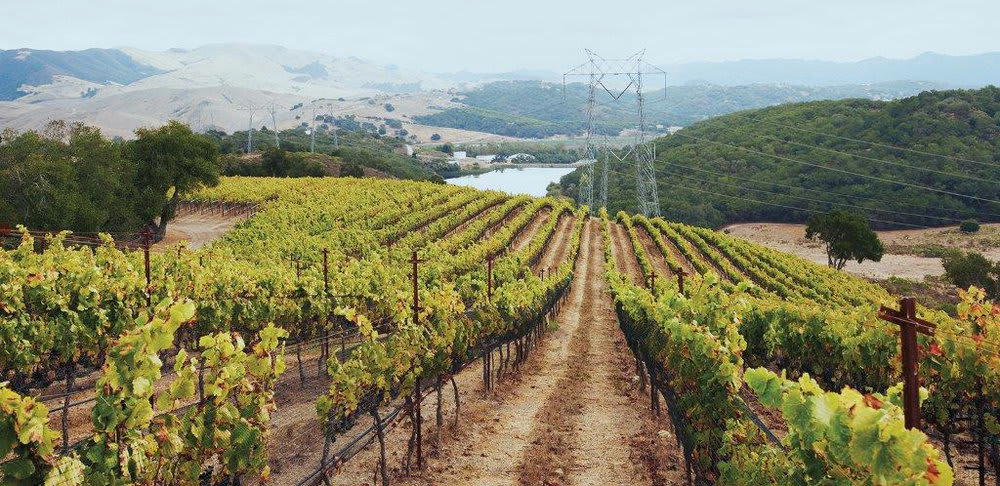
Edna Valley itself carries significant wine credibility. The appellation produces Chardonnay and Pinot Noir under conditions shaped by marine influence funneled through the valley's open southern exposure, and it has been a designated AVA since 1982. A concept drawing its name from that valley carries those associations, whether or not every component of the program engages directly with local wine production. For visitors using Edna as a home base for broader Central Coast wine exploration, our full San Luis Obispo wineries guide maps the options in and around the city. The wider experience infrastructure is documented in our San Luis Obispo experiences guide.
Placing Edna in a National Frame
The integrated culinary campus model that Edna represents has parallels at the summit of the national dining tier. The French Laundry in Napa operates its own garden as a sourcing component. Lazy Bear in San Francisco built a communal dining format around a specific relationship between the kitchen and its guests. Alinea in Chicago and Atomix in New York City integrate multi-stage experiences into the dining sequence. Le Bernardin in New York City, Providence in Los Angeles, Emeril's in New Orleans, and Alain Ducasse at Louis XV in Monte Carlo each represent a different version of how sourcing credentials and format ambition combine to produce a specific kind of dining authority. Edna does not operate at that tier in terms of price or prestige, but it draws on the same underlying principle: that telling the story of where food and drink come from is itself a form of hospitality.
Planning Your Visit
Given the multi-concept format spanning tasting room, market, distillery, and restaurant, allow more time than a standard dinner reservation demands. Visitors who arrive at the tasting room end and work through to the restaurant will experience a different pace than those who book the restaurant directly.
A Quick Peer Check
Comparable venues nearby, for context on price, style, and recognition.
| Venue | Cuisine | Price | Notes |
|---|---|---|---|
| EdnaThis venue — the venue you are viewing | Coastal American | $$ | Not listed |
| Sushiya | Japanese Sushi with Korean Influences | $$ | Los Osos Valley |
| Alex Madonna's Gold Rush Steak House | Oak-Pit Steakhouse | $$$ | Madonna Inn |
| Novo | Global Farm-to-Table with International Small Plates | $$$ | Downtown San Luis Obispo |
| Giuseppe's Cucina Rustica | Southern Italian Cucina Rustica | $$ | downtown |
| House of Bagels | New York-Style Bagels | $ | Downtown |
Continue exploring
More in San Luis Obispo
Restaurants in San Luis Obispo
Browse all →
Bars in San Luis Obispo
Browse all →
Hotels in San Luis Obispo
Browse all →

At a Glance
- Casual Hangout
- Wine Cellar
- Local Sourcing
- Vineyard
Coastal and wine-focused atmosphere.