Our verdict
Ginken occupies a southern Leipzig address at Johannes-R.-Becher-Straße 2, sitting within a city whose restaurant scene has quietly developed a serious range across price tiers. Positioned away from the tourist-facing centre, it draws a local crowd that tends to know what it wants. Leipzig's dining map has expanded considerably in recent years, and Ginken represents one of its neighbourhood-rooted options.

Pearl is the En Primeur Club membership app — saves, bookings, and concierge access live there. Same editors, same standards.
- Address
- Johannes-R.-Becher-Straße 2, 04279 Leipzig, Germany
- Phone
- +4934124777478
- Hours
- Mon–Sat 11 AM–9 PMSun Closed
- Website
- ginkengo.com
- Directions
- Get directions

A Southern Quarter Address in a City Still Defining Its Dining Identity
Leipzig's restaurant scene does not announce itself the way Berlin or Munich does. The city builds its dining culture through neighbourhood-level accumulation rather than headline-grabbing openings, and the southern districts, stretching past Connewitz and into the quieter residential streets near the outer ring, reflect that pattern most clearly. Johannes-R.-Becher-Straße 2 places Ginken in this less-trafficked southern arc, away from the Innenstadt foot traffic that feeds the city's more visible addresses and closer to the kind of local regulars who sustain a room on reputation rather than passing trade.
That geography matters for how a venue reads. Leipzig's dining geography broadly splits between the centre-facing addresses, which compete on visibility and tourist reach, and the neighbourhood operations, which compete on consistency and repeat custom. Ginken sits in the latter category by address alone, which shapes the probable atmosphere before you even consider what's on the menu: lower ambient noise from passing foot traffic, a clientele with some investment in being there, and a room that earns its occupancy night by night rather than by accident of location.
Leipzig's Restaurant Range and Where Ginken Sits Within It
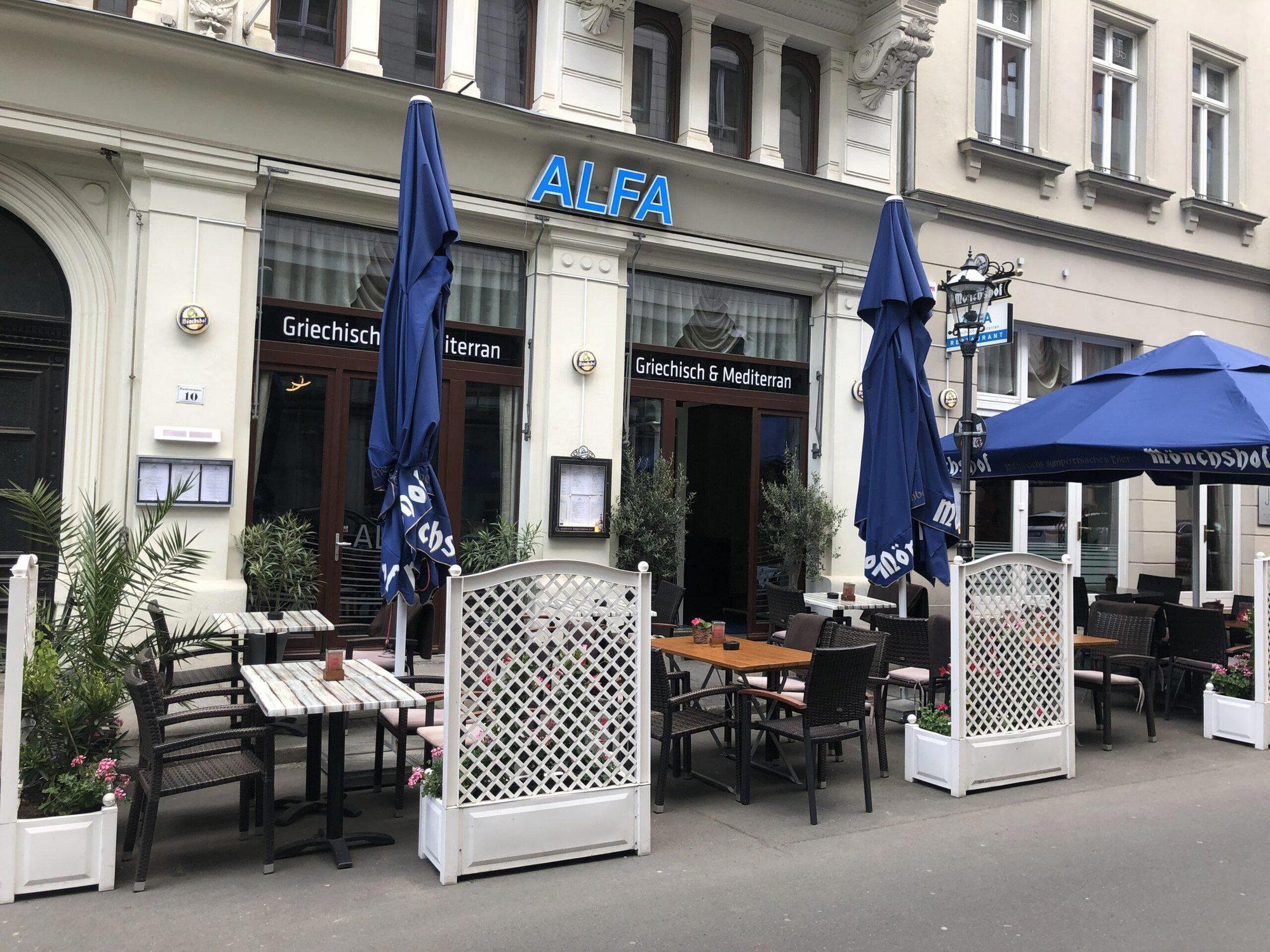
Leipzig's table-service market now spans a meaningful range of formats and price points. At the higher end, Stadtpfeiffer operates at the €€€€ level with creative cooking that positions it against nationally recognised peers. Kuultivo sits at the €€€ tier with a modern cuisine format that reflects the city's growing appetite for technically considered menus. Further along the spectrum, Addis Café and Alfa Restaurant represent the city's range of international formats, while 997 Sushi Restaurant signals the appetite for specialist cuisine outside the European mainstream.
Within this context, a neighbourhood address in the southern quarter positions Ginken as a venue that competes primarily on atmosphere and local credibility rather than on tasting-menu ambition or international draw. That is not a limitation — it is a distinct position. The most durable restaurants in mid-sized German cities often occupy exactly this niche, where the absence of Michelin pressure and high-profile coverage allows a room to develop its own character at its own pace.
For the full picture of what Leipzig's restaurant scene currently offers across cuisine types and price tiers, the EP Club Leipzig restaurants guide maps the field in detail.
The Sensory Register of a Southern Leipzig Room
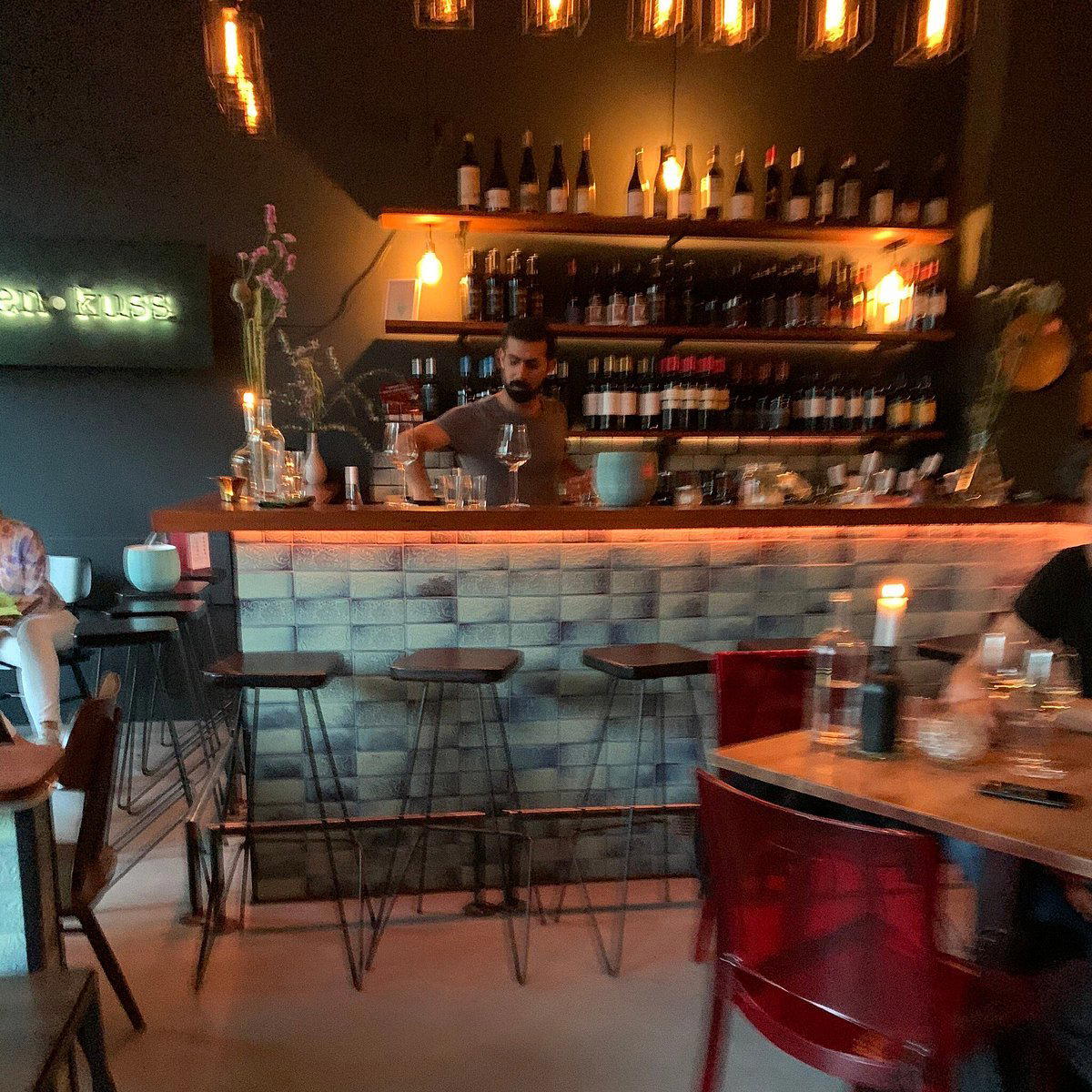
The EA-GN-08 framing applies here with particular relevance to Leipzig's southern neighbourhoods, where the physical environment of a restaurant tends to do more communicative work than it does in city-centre locations. Without the ambient noise of a busy commercial street, sound inside the room becomes more legible: the clatter of a kitchen pass, the particular register of a dining room at two-thirds capacity, the way conversation carries or doesn't across tables. These are the signals that tell you whether a room has been thought through acoustically or simply filled with furniture.
Southern Leipzig's built environment, shaped partly by the GDR-era residential architecture that characterises much of the outer ring, means that the approach to a venue often involves passing through residential-scale streetscapes rather than commercial frontages. The transition from street to interior is consequently more pronounced than in central Leipzig, and the quality of that transition, whether a room achieves warmth or merely avoids coldness, defines much of the first impression. How a venue handles light in these conditions, whether it works with the natural deficit of a residential side street or compensates for it through deliberate interior choices, shapes the sensory experience before food arrives.
Germany's Neighbourhood Dining Tradition and What It Demands
Germany's mid-tier neighbourhood restaurant has its own discipline. Unlike the format-led experimentation visible at addresses such as CODA Dessert Dining in Berlin, or the multi-Michelin ambition of Schwarzwaldstube in Baiersbronn, Aqua in Wolfsburg, or Vendôme in Bergisch Gladbach, the neighbourhood restaurant in a city like Leipzig is evaluated on different criteria. Regulars measure it against their last visit, not against peer venues across Germany. The standard is internal consistency: does the room feel the same as it did three months ago, does the kitchen hold its level across a mid-week service, does the front-of-house know who you are by the third visit.
This is the tradition that venues like Schanz in Piesport, Waldhotel Sonnora in Dreis, and Restaurant Haerlin in Hamburg operate against at the formal end, and that neighbourhood restaurants interpret at a more accessible price point. The discipline is the same even if the ingredients and ambition differ. Internationally, the same principle holds at venues as different as Le Bernardin in New York City and Lazy Bear in San Francisco: the room that survives on repeat custom is the room that has earned trust through consistency rather than novelty.
For Leipzig specifically, JAN in Munich, ES:SENZ in Grassau, and Victor's Fine Dining by Christian Bau in Perl represent the outer reach of what fine dining in the German-speaking context can achieve. Ginken operates in an entirely different register, but the benchmark of earned local authority applies across the spectrum.
Planning a Visit
Johannes-R.-Becher-Straße 2 is in the southern residential belt of Leipzig, a district most easily reached by tram or on foot from Connewitz. The southern location means parking is generally less constrained than in the centre, though Leipzig's public transport network covers the area reliably. First-time visitors to the city who want to anchor their dining in central Leipzig can cross-reference the fuller picture in our Leipzig guide.
Frequently asked questions
Is Ginken child-friendly?
Leipzig's neighbourhood restaurants in the southern districts generally maintain a relaxed atmosphere compared to the city's formal dining tier, where venues like Stadtpfeiffer operate at €€€€ and expect a different register. Whether Ginken specifically accommodates children is best confirmed directly with the venue before visiting.
Is Ginken better for a quiet night or a lively one?
Its southern Leipzig address, away from the city centre's commercial density and the higher-volume trade that sustains venues at the €€€€ tier like Stadtpfeiffer, suggests a room that skews quieter rather than high-energy. Leipzig's neighbourhood restaurants in this part of the city tend to run at a register suited to conversation rather than occasion-led celebration, though the specific atmosphere on any given night depends on occupancy and service style.
What do people recommend at Ginken?
For cuisine context, Leipzig's broader restaurant scene includes specialist options at 997 Sushi Restaurant and modern European cooking at Kuultivo, which gives some sense of the range available in the city. Checking recent visitor feedback directly is the most reliable route to current dish intelligence at Ginken.
Do they take walk-ins at Ginken?
If Ginken follows the pattern common to Leipzig's neighbourhood-level restaurants rather than the tighter reservation structures of the city's higher-tier venues, walk-in availability is likely more possible than at a destination address.
What makes Ginken worth seeking out?
Its value sits in its neighbourhood positioning rather than in award credentials or chef-driven notoriety. Leipzig's southern districts offer a more local, less curated experience than the city's visible dining addresses, and Ginken's location on Johannes-R.-Becher-Straße places it within that character. For visitors or residents who want to eat where the city's dining culture sustains itself outside the spotlight, this part of Leipzig is where that tends to happen.
Is Ginken a good option for visitors who have already covered Leipzig's central dining options?
Leipzig's dining scene rewards lateral movement across the city's districts rather than concentration in the centre. After covering the higher-profile tier, which includes creative cooking at Stadtpfeiffer and the modern cuisine format at Kuultivo, the southern residential belt offers a different register entirely. Ginken at Johannes-R.-Becher-Straße 2 represents the kind of address that reflects how a city actually eats rather than how it presents itself to visitors, which is a different kind of intelligence about Leipzig's food culture.
A Minimal comparable set
Comparable venues nearby, for context on price, style, and recognition.
| Venue | Cuisine | Price | Awards | Notes |
|---|---|---|---|---|
| GinkenThis venue — the venue you are viewing | Korean Fried Chicken | $10–20 | Not listed | Not listed |
| And Seoul | Authentic Korean | $10–20 | Not listed | Südvorstadt, Authentic Korean |
| Gaststätte Kollektiv | Traditional East German Ostalgie | $20–30 | Not listed | Südvorstadt, Traditional East German Ostalgie |
| Prime Burger | American Burgers | $10–20 | James Beard Award America's Classics | Zentrum, American Burgers |
| Small Treats Cafe & Bistro | Cafe Bistro | Not listed | Not listed | Schleußig, Cafe Bistro |
| Lutherburg | Traditional German Gaststätte | $20–30 | Not listed | Eutritzsch, Traditional German Gaststätte |
Continue exploring
More in Leipzig
Restaurants in Leipzig
Browse all →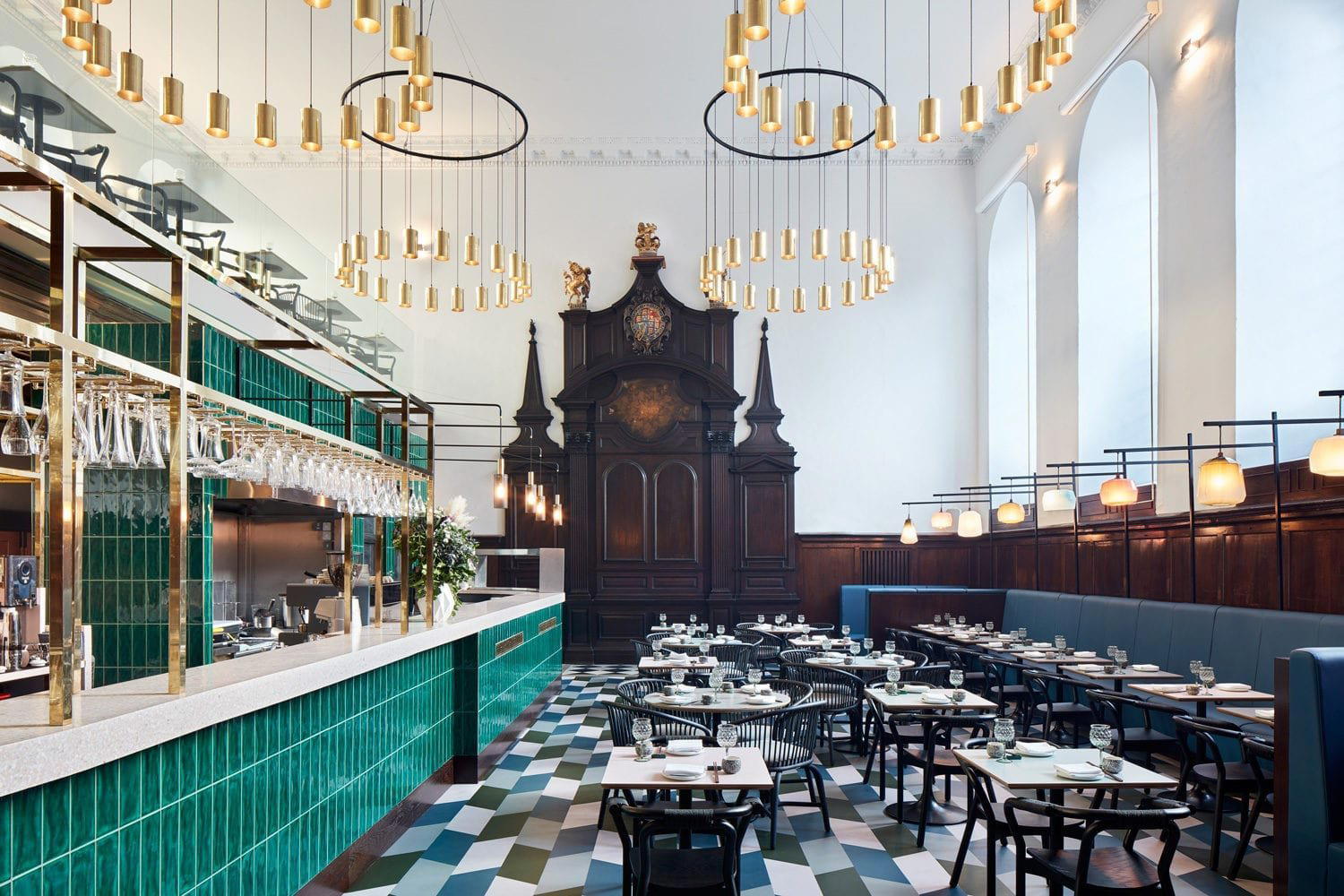
Bars in Leipzig
Browse all →
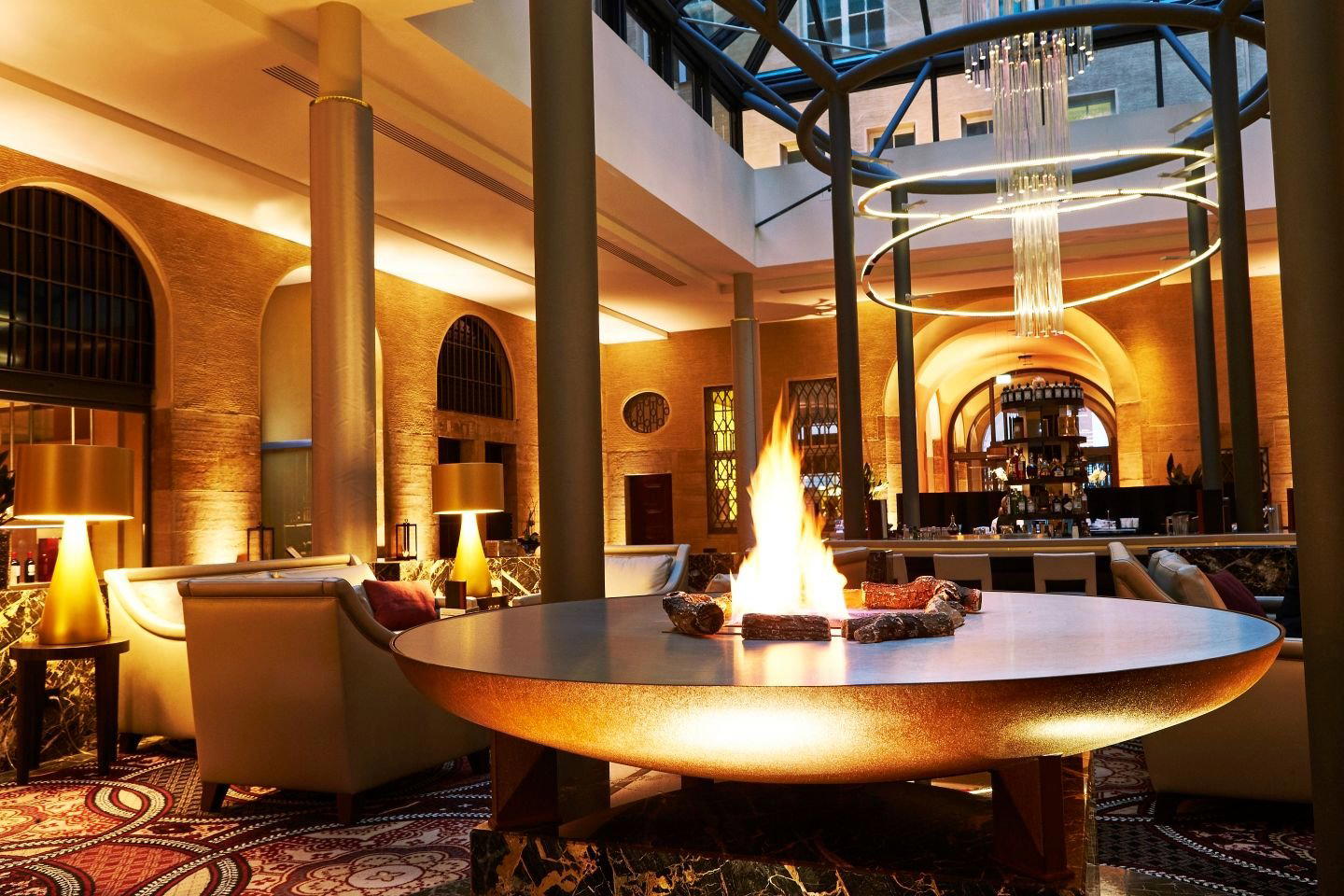
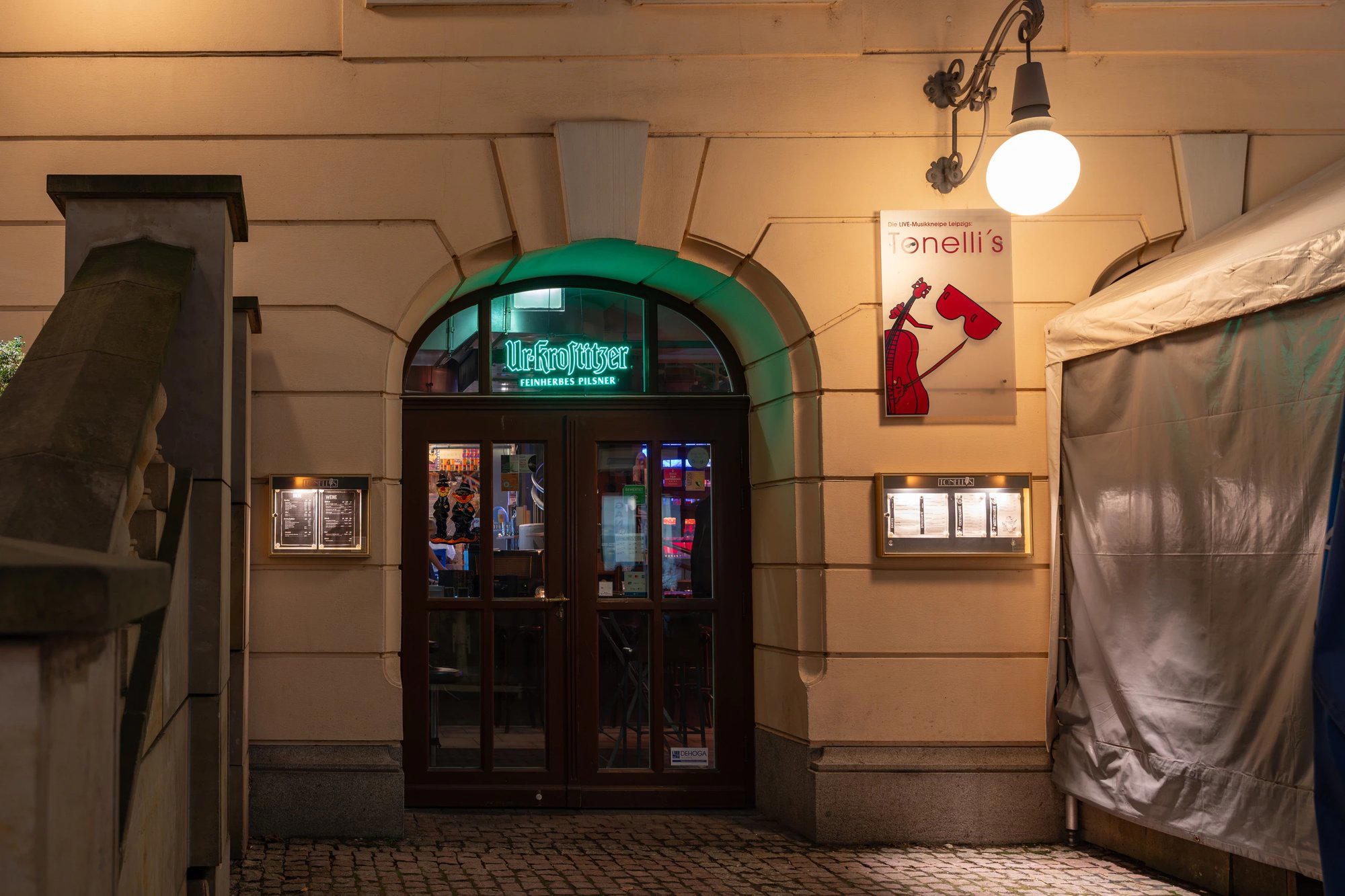
Hotels in Leipzig
Browse all →
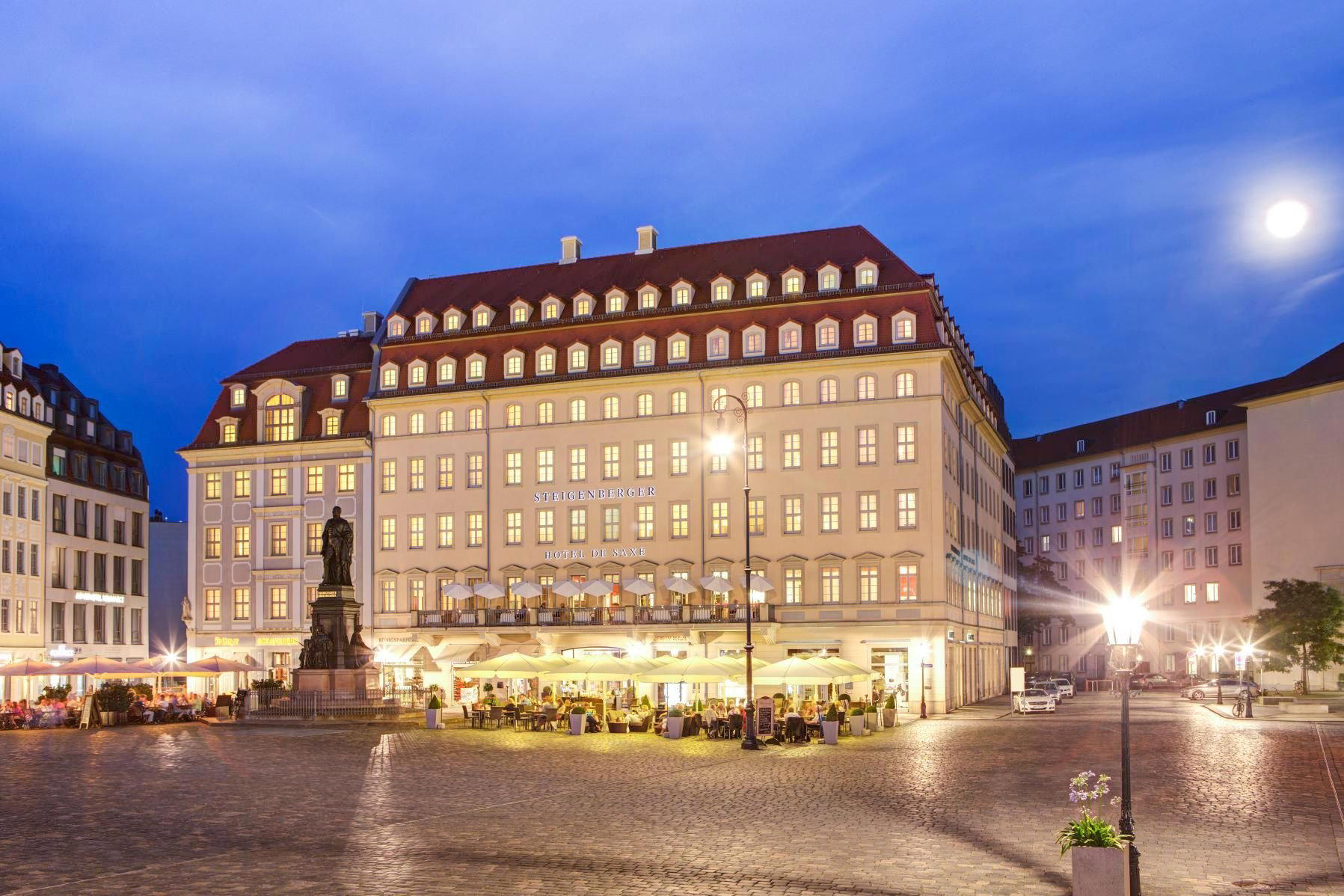
Wineries in Leipzig
Browse all →
Details
- Casual Hangout
- A La Carte
- Vegetarian Friendly
Current opening hours
- Monday
- 11 AM–9 PM
- Tuesday
- 11 AM–9 PM
- Wednesday
- 11 AM–9 PM
- Thursday
- 11 AM–9 PM
- Friday
- 11 AM–9 PM
- Saturday
- 11 AM–9 PM
- Sunday
- Closed
Hours can change for holidays and private events. Last verified .