Our verdict
A Korean address on Kantstraße 62 in Leipzig's Südvorstadt, And Seoul draws a loyal neighbourhood following with the kind of consistency that turns first visits into habits. Korean cooking in Leipzig sits at an interesting remove from the country's fine-dining circuit, and this spot occupies a distinct tier in the city's international dining scene. For regulars, the pull is less about novelty and more about reliable execution in a format that rewards repeat visits.

Pearl is the En Primeur Club membership app — saves, bookings, and concierge access live there. Same editors, same standards.
- Address
- Kantstraße 62, 04275 Leipzig, Germany
- Phone
- +4934125693383
- Hours
- Mon–Tue ClosedWed–Sat 5:30–10 PMSun 12:30–3:30 PM, 5:30–9:30 PM
- Website
- andseoul.de
- Directions
- Get directions
- Booking
- Book on the venue's website
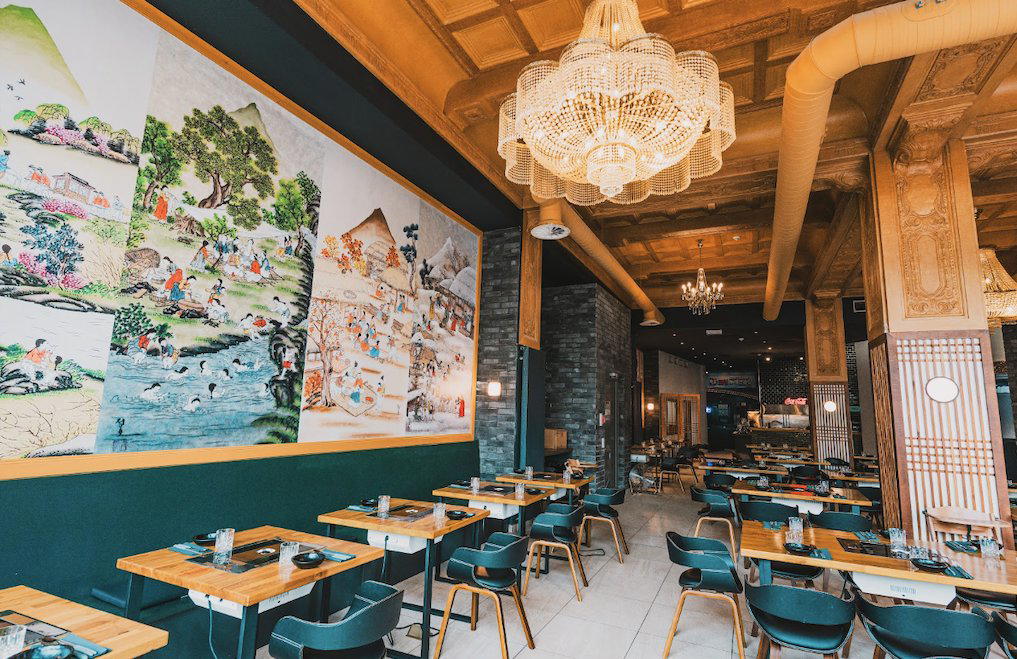
A Street in Südvorstadt, a Kitchen Facing East
Kantstraße runs through one of Leipzig's most quietly plural neighbourhoods, where independent restaurants sit alongside bookshops and late-night bars in a stretch that has resisted the kind of homogenisation that flattened parts of Connewitz. The address at number 62 places And Seoul within this ecosystem, which matters: Südvorstadt diners tend to be regulars, not tourists, and the restaurants that survive here do so on the strength of repeat custom rather than footfall from passing visitors. That social dynamic shapes what And Seoul is, and how it operates.
Korean restaurants in German cities occupy a small but coherent category. Unlike Japanese cuisine, which has fractured into a visible hierarchy from conveyor-belt sushi to Michelin-level omakase counters, Korean cooking in cities outside Berlin or Frankfurt often exists in a single neighbourhood tier, serving both the curious and the already-committed. In Leipzig's dining picture, where French-influenced rooms like Stadtpfeiffer and modern European kitchens like Kuultivo define the upper formal bracket, Korean cooking occupies a different position entirely: less about occasion dining, more about the kind of meal you return to because it stays consistent.
What the Regulars Know
Restaurants earn loyal clientele through different mechanisms. Some do it with novelty that sustains interest across menus; others do it through the kind of reliability that makes deciding where to eat simple. Korean restaurants in mid-sized German cities tend to fall into the latter category, and the evidence of that pattern is visible in how they operate: no elaborate tasting formats, no seasonal menu pivots designed for press attention, but a core offering that regulars can navigate without reading the menu.
At And Seoul, the address on Kantstraße has become a reference point for Leipzig residents whose interest in Korean food extends beyond occasional curiosity. That kind of loyalty, in a city where the restaurant scene ranges from Addis Café for Ethiopian cooking to Alfa Restaurant for Balkan traditions, reflects the depth of Leipzig's international dining options rather than any shortage of competition. For regulars, the question is rarely whether to go but when, and what combination of dishes to order given the season or the size of the group.
Korean cuisine is inherently communal in its service logic. Banchan, the small side dishes that arrive before and alongside main plates, change the social contract at the table. Unlike French tasting menus, where each course is an individual event timed by the kitchen, Korean meals ask the table to participate in the pacing. That format suits a neighbourhood restaurant more than it suits a formal dining room, and it partly explains why Korean restaurants develop regulars at a different rate than more performative dining concepts.
Korean Cooking in the German City Context
Germany's Korean restaurant scene remains concentrated in its larger urban centres. Berlin has the density to support multiple Korean cooking registers, from home-style pojangmacha formats to the kind of Korean-influenced modern cooking that has begun appearing in the city's more experimental spaces. Leipzig, by contrast, operates with fewer Korean addresses overall, which means And Seoul functions less as one option among many and more as a reference point for the cuisine in this city.
That positioning brings its own pressures. A single address representing a cuisine has to serve multiple purposes at once: introducing Korean food to the unfamiliar, satisfying regulars who have moved past the introductory stage, and remaining accessible to visitors who may have eaten Korean food extensively elsewhere. How well any restaurant manages that range depends on the kitchen's confidence and the breadth of the menu, factors that verify themselves over multiple visits rather than in a single meal.
For context, the ambition level in Leipzig's dining scene has been rising. The city's fine-dining tier, represented by rooms that operate at price points comparable to Schwarzwaldstube in Baiersbronn or Aqua in Wolfsburg, remains small. More interesting movement has happened in the middle tier, where kitchens serving non-European cuisines have built followings through consistency rather than accolade. And Seoul sits in that zone.
Placing It in the Wider German Scene
German fine dining has concentrated its Michelin-starred addresses in a handful of cities and rural destinations. Houses like JAN in Munich, Vendôme in Bergisch Gladbach, and Victor's Fine Dining by Christian Bau in Perl define one end of the spectrum. At the other end, and in a completely different register, neighbourhood restaurants in cities like Leipzig serve the actual daily texture of how Germans eat when they are not performing an occasion. And Seoul belongs to that second category, which is not a diminishment. The restaurants that become genuine neighbourhood institutions, the ones that appear on the mental shortlist automatically, are rarer than Michelin tables.
For comparison across cuisines in Leipzig, 997 Sushi Restaurant occupies the Japanese end of the city's Asian dining options, giving some indication of how the market has developed for East Asian cooking in this city. The fact that both a Korean and a Japanese address have established themselves in Leipzig's dining scene suggests the city's appetite for the region's cuisines has broadened beyond novelty.
Separately, the trajectory of German restaurant culture has also included a growing interest in dessert and fermentation-led formats, evidenced by addresses like CODA Dessert Dining in Berlin. Korean fermentation traditions, particularly doenjang and kimchi, intersect with that interest in ways that some Korean restaurants have begun to make more explicit in their menus, though the extent to which And Seoul engages with that conversation is a question leading answered in the room rather than on the page.
Planning Your Visit
Seoul is located at Kantstraße 62, 04275 Leipzig, in the Südvorstadt district. The neighbourhood is walkable from the city centre and well connected by tram. Given the limited number of Korean restaurants in Leipzig, it draws a mix of regulars and first-timers, and booking ahead is advisable for evening visits, particularly on weekends, when neighbourhood restaurants along Kantstraße tend to fill earlier than their capacity would suggest. For a broader read on eating and drinking across the city, the full Leipzig restaurants guide maps the range from neighbourhood staples to the city's more ambitious rooms. For international reference points in fine dining, Le Bernardin in New York City and Lazy Bear in San Francisco illustrate what happens when culinary traditions are treated with serious technical intent, a standard that contextualises where any neighbourhood restaurant sits in the broader conversation.
Frequently asked questions
What's And Seoul's location?
Seoul is located at Kantstraße 62, 04275 Leipzig, Germany.
Is And Seoul in Leipzig one of the few Korean restaurants in Saxony?
Germany's Korean restaurant presence is concentrated in Berlin, Hamburg, and Frankfurt, making a Korean address in Leipzig — a city of around 600,000 — relatively uncommon at the regional level. And Seoul at Kantstraße 62 sits in Südvorstadt, a district known for independent food operators rather than chain formats, which positions it as one of a small number of Korean cooking options across Saxony.
What dish is And Seoul famous for?
Kantstraße regulars tend to return to the same addresses for a reason — consistency over novelty is the more durable draw in a neighbourhood like Südvorstadt.
Should I book And Seoul in advance?
Südvorstadt's independent restaurants often operate with limited covers, which makes early planning advisable, particularly on weekends.
Style and Standing
A quick peer list to put this venue’s basics in context.
| Venue | Cuisine | Price | Awards | Notes |
|---|---|---|---|---|
| And SeoulThis venue — the venue you are viewing | Authentic Korean | $10–20 | Not listed | Not listed |
| Kuultivo | Modern Creative Cuisine | $100–150 | 1 Michelin Star | Modern Cuisine |
| Stadtpfeiffer | Modern European Fine Dining | $150–200 | 1 Michelin Star · La Liste Top Restaurants | Creative |
| Falco | Modern European Fine Dining | $100–150 | Falstaff Bar - 92 Falstaff Points | Modern European |
| C'est la vie | Modern French Fine Dining | $100–150 | Michelin Plate | French |
| Michaelis | Seasonal German Fine Dining | $50–100 | Michelin Plate | International |
Continue exploring
More in Leipzig
Restaurants in Leipzig
Browse all →
Bars in Leipzig
Browse all →
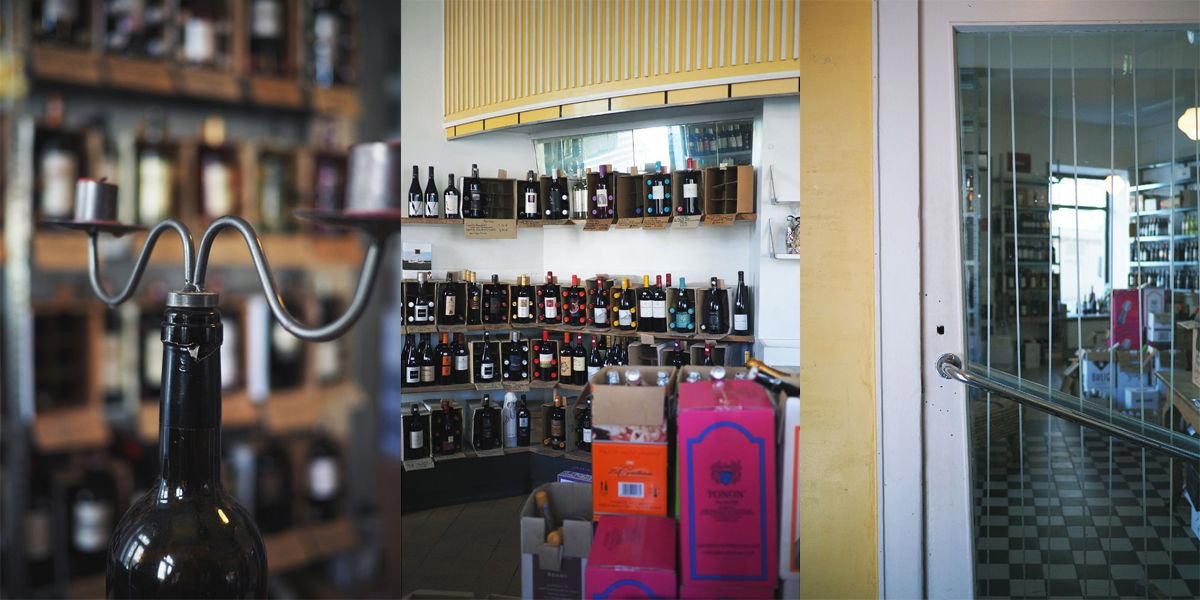
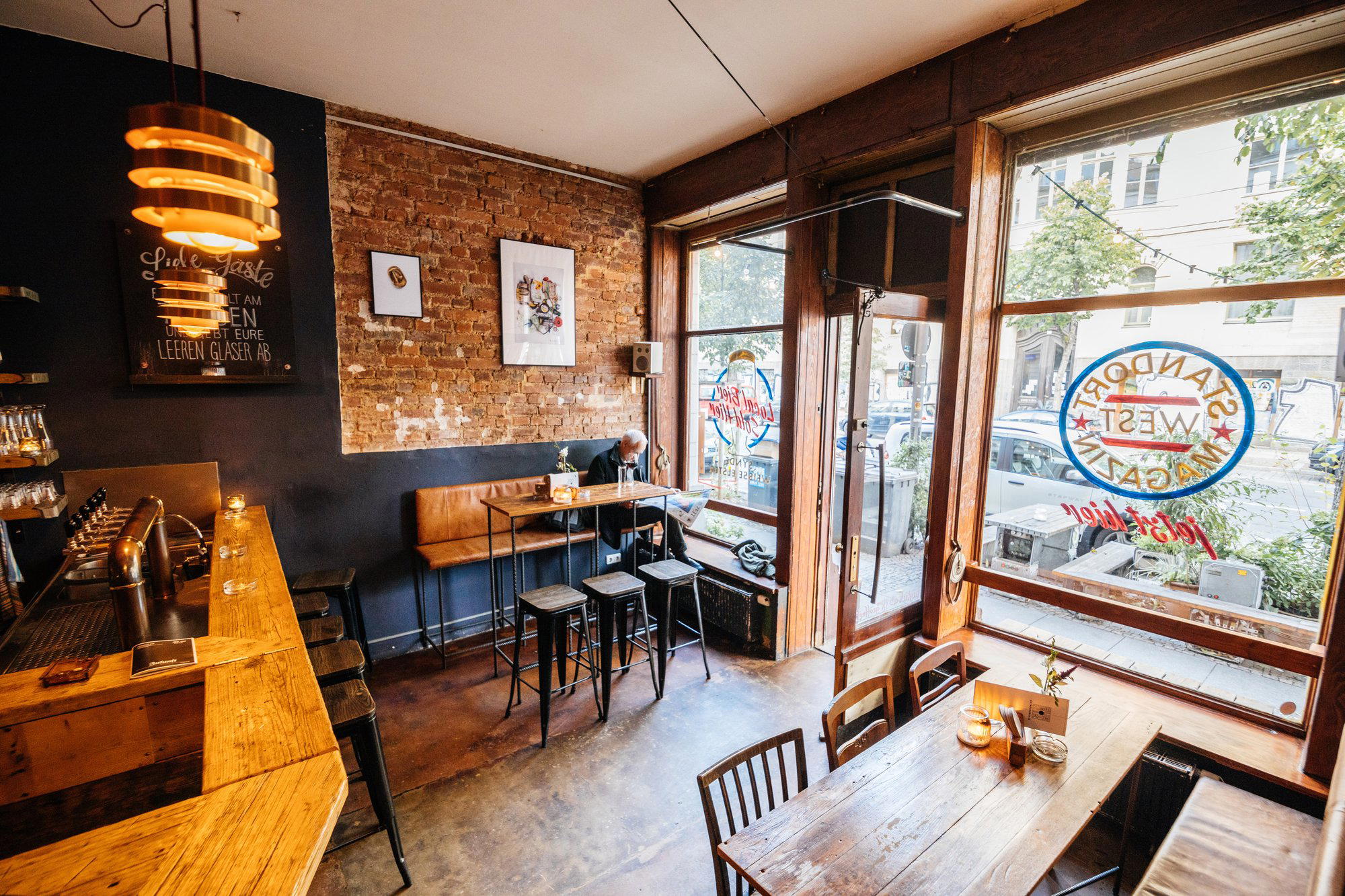
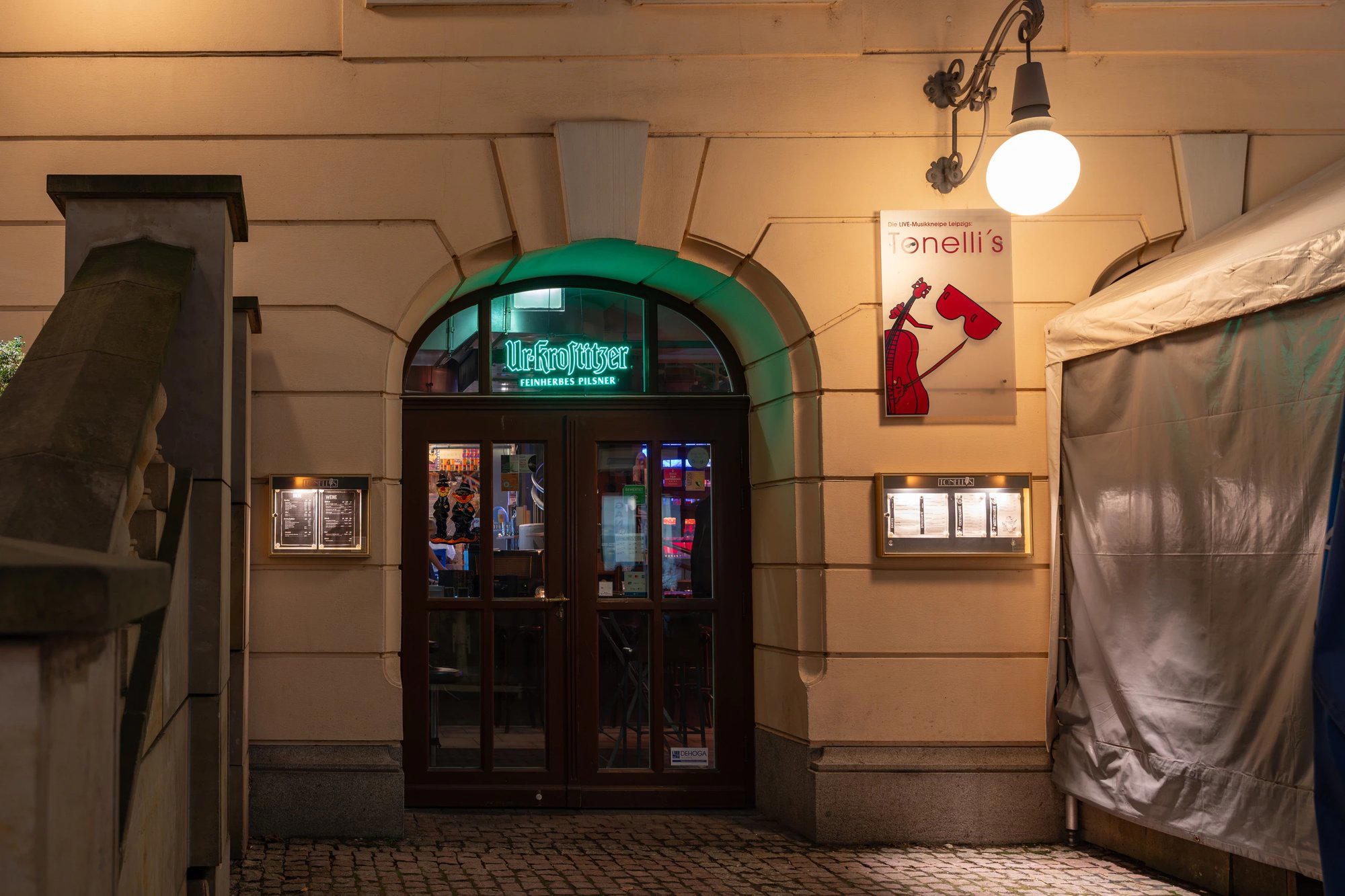
Hotels in Leipzig
Browse all →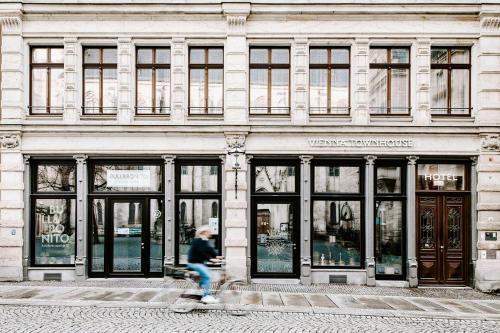
Wineries in Leipzig
Browse all →
Details
- Cozy
- Intimate
- Casual Hangout
- Group Dining
- Standalone
- A La Carte
- Vegetarian Friendly
Current opening hours
- Monday
- Closed
- Tuesday
- Closed
- Wednesday
- 5:30–10 PM
- Thursday
- 5:30–10 PM
- Friday
- 5:30–10 PM
- Saturday
- 5:30–10 PM
- Sunday
- 12:30–3:30 PM, 5:30–9:30 PM
Hours can change for holidays and private events. Last verified .
Cozy and welcoming atmosphere with warm lighting, intimate setting that creates a personal connection to Korean culture and cuisine.